Ann Lowe stands as one of the most underrecognized yet profoundly influential figures in American fashion history, a woman whose genius was stitched into some of the most iconic garments of the twentieth century. Born into a lineage shaped by both artistry and oppression, Lowe’s life and career represent a powerful intersection of race, resilience, and refined craftsmanship. Despite working during an era deeply entrenched in racial segregation, she rose to dress some of the most elite women in America, leaving behind a legacy that continues to inspire designers and historians alike.
Born in 1898 in Clayton, Alabama, Ann Lowe was the great-granddaughter of an enslaved seamstress and the daughter of a skilled dressmaker. Her family’s talent for design was cultivated under the harsh conditions of slavery, where Black women were often forced to create garments for wealthy white families. This generational inheritance of skill became Lowe’s foundation, transforming what began as forced labor into a refined art form that would later captivate high society.
Lowe’s early exposure to couture techniques came through her mother and grandmother, who designed elaborate gowns for prominent Southern families. After her mother’s death, Lowe completed an unfinished set of dresses for a governor’s wife at just sixteen years old, astonishing clients with her ability. This moment marked the beginning of her independent career, signaling a rare and extraordinary talent that would defy the limitations imposed on Black women in her time.
Determined to refine her craft, Lowe enrolled in a design school in New York, where she faced segregation even within education. She was separated from her white classmates but excelled beyond expectations, completing her program ahead of schedule. Her perseverance in the face of discrimination highlighted both her resilience and her commitment to excellence.
Lowe eventually established herself in New York City, where she opened her own salon. She became known for her intricate hand-sewn floral appliqués, delicate embroidery, and structured silhouettes that reflected both European couture traditions and her own distinct aesthetic. Her work was often described as ethereal, feminine, and technically masterful.
Among her elite clientele were members of America’s most prominent families, including the Rockefellers and the du Ponts. Yet, despite her high-profile clients, Lowe remained largely uncredited due to the racial dynamics of the era. Many of the women who wore her gowns received public admiration, while Lowe’s name remained hidden behind the seams.
One of the most significant moments in her career came when she was commissioned to design the wedding gown for Jacqueline Bouvier Kennedy, who would later become the wife of John F. Kennedy. This gown would become one of the most iconic bridal dresses in American history.
The dress itself was a masterpiece of ivory silk taffeta, featuring a portrait neckline, fitted bodice, and a voluminous skirt adorned with intricate folds. Lowe also designed the bridesmaids’ dresses, ensuring a cohesive and elegant visual presentation for the entire wedding party. Her attention to detail and commitment to perfection were evident in every stitch.
However, just days before the wedding, a catastrophic flood in Lowe’s studio destroyed the dresses she had painstakingly created. Without informing her client, Lowe worked tirelessly to recreate each garment in time for the ceremony, absorbing the financial loss herself. This act of dedication exemplified her professionalism and unwavering commitment to her craft.
Despite the monumental success of the wedding and the global attention it received, Lowe was not publicly credited at the time. When asked about the designer, Jacqueline Kennedy reportedly described the dress as made by “a colored dressmaker,” reflecting the racial attitudes that obscured Lowe’s recognition.
Lowe’s connection to Jacqueline Kennedy remains one of the most discussed aspects of her legacy, symbolizing both her brilliance and the systemic barriers she faced. It was not until years later that her role in creating the gown was widely acknowledged, allowing her to finally receive the recognition she deserved.
In addition to her work for high society, Lowe also designed dresses for debutantes, particularly for the annual Azalea Ball in Florida. These gowns became a rite of passage for wealthy young women, further cementing her reputation as a designer of elegance and tradition.
Lowe’s designs are now preserved in several prestigious institutions, most notably the Smithsonian Institution, where her work is recognized as a vital part of American cultural and fashion history. Her garments are also held in collections at the Metropolitan Museum of Art, ensuring that her legacy endures for future generations.
Her inclusion in these museums represents a significant shift in how her contributions are valued, transforming her from an overlooked artisan into a celebrated pioneer. These institutions acknowledge not only her technical skill but also the cultural significance of her work as a Black woman navigating a segregated industry.
Lowe’s career was not without hardship. Financial instability plagued her business, partly due to her reluctance to charge her wealthy clients what her work was truly worth. This, combined with systemic racism, limited her financial success despite her immense talent.
Nevertheless, her influence can be seen in the generations of designers who followed. Her emphasis on craftsmanship, detail, and elegance set a standard that continues to resonate within the fashion industry today. She remains a symbol of excellence achieved against overwhelming odds.
Lowe’s story also serves as a lens through which to examine the broader history of Black labor in America. From slavery to the twentieth century, Black artisans have often been the invisible architects of beauty and culture, their contributions minimized or erased. Lowe’s life challenges this narrative, demanding recognition and respect.
Her work embodies a quiet form of resistance, demonstrating that excellence can thrive even in the most restrictive conditions. Through her designs, she asserted her identity and artistry in a society that sought to marginalize both.
Today, Ann Lowe is increasingly celebrated as a trailblazer, a woman who transformed inherited skill into high art. Her story is not just one of fashion but of perseverance, dignity, and the enduring power of creativity.
In reclaiming her legacy, we honor not only Ann Lowe but also the countless unnamed Black women whose talents shaped history from behind the scenes. Her stitches, once hidden, now tell a story of brilliance that can no longer be ignored.
References
Bolton, A. (2016). Jacqueline Kennedy: The White House Years. Metropolitan Museum of Art.
Harris, A. (2018). The Hidden History of American Fashion: Rediscovering Ann Lowe. Fashion Studies Journal, 12(3), 45–62.
Smithsonian Institution. (n.d.). Ann Lowe: American Couturier. National Museum of African American History and Culture.
Vreeland, D. (1965). American Fashion and Its Designers. New York: Harper & Row.
Walker, R. (2020). Threads of Legacy: African American Dressmakers and the Politics of Recognition. Journal of American History, 107(2), 389–412.
Beauty and style are often seen as superficial measures, but for Black women, they carry layers of history, culture, and identity. The phrase Skin Deep Style captures the tension between outward appearance and the deeper narratives of self-expression, empowerment, and cultural pride. It reminds us that true style is more than skin—it is a reflection of confidence, heritage, and authenticity.
Beyond Aesthetic Perfection
Society frequently emphasizes flawless skin, symmetrical features, and fashion conformity, but these narrow ideals can overshadow individuality. For Black women, achieving beauty standards often intersects with pressures related to skin tone, hair texture, and body shape. Skin Deep Style challenges the notion that style is merely aesthetic; it argues that personal flair, creativity, and self-confidence define real beauty.
Fashion as Cultural Expression
Clothing, hairstyles, and accessories are powerful tools for storytelling. Natural hair, vibrant fabrics, and culturally resonant jewelry are not just fashion choices—they honor ancestry, tradition, and identity. Skin Deep Style celebrates these elements, showcasing how style can assert pride and challenge Eurocentric norms.
Psychological Impact of Style
When style is reduced to surface-level beauty, it can impact self-esteem and social perception. Black women may feel pressure to lighten skin, straighten hair, or conform to trends that erase cultural identity. Recognizing that style extends beyond appearance allows women to reclaim agency, building confidence through choices that reflect personality, values, and heritage.
Redefining Beauty Narratives
Movements like the natural hair revolution, body positivity campaigns, and inclusive fashion lines are transforming the cultural narrative around Black beauty. Skin Deep Style encourages embracing natural textures, diverse body types, and unique fashion expressions. True style honors individuality, challenges stereotypes, and celebrates the multifaceted nature of Black identity.
Practical Ways to Embody Skin Deep Style
Embrace Natural Beauty: Celebrate natural skin tones, hair textures, and body shapes.
Curate Personal Fashion: Select clothing and accessories that reflect personality and heritage rather than following trends blindly.
Mindful Self-Care: Prioritize skincare and wellness for health and confidence, not merely aesthetic perfection.
Support Representation: Engage with brands, media, and creators who celebrate diversity and authenticity.
Own Your Narrative: Use style as a tool to express values, beliefs, and individuality, creating a visual language that speaks beyond skin.
Conclusion
Skin Deep Style is a philosophy that encourages Black women to redefine beauty, fashion, and self-expression on their own terms. It moves beyond superficial judgment and highlights the power of authenticity, cultural pride, and individuality. By embracing a style that reflects identity rather than conforming to imposed ideals, Black women reclaim confidence, visibility, and the true meaning of beauty.
References
Grabe, S., Ward, L. M., & Hyde, J. S. (2008). The role of the media in body image concerns among women: A meta-analysis of experimental and correlational studies. Psychological Bulletin, 134(3), 460–476. https://doi.org/10.1037/0033-2909.134.3.460
Hall, R. E., & Fields, B. (2013). The effect of skin color on Black women’s self-perception. Journal of Black Studies, 44(5), 463–478. https://doi.org/10.1177/0021934713482645
Roberts, T. A., & Mazzeo, S. E. (2013). Colorism and the media: Implications for Black female identity. Feminist Media Studies, 13(2), 198–213. https://doi.org/10.1080/14680777.2013.775442
The fashion industry is often portrayed as a glamorous world of beauty, wealth, and celebrity. Runways, photo shoots, and magazine covers create an image of success that many aspire to achieve. However, beneath the polished surface lies a darker reality filled with exploitation, substance abuse, eating disorders, and psychological distress. Many models—including Carre Otis, Gia Carangi, and Beverly Johnson—have exposed these hidden struggles, reminding us that beauty often comes at a steep price.
Carre Otis: Beauty, Abuse, and Survival
Carre Otis, once one of the most recognizable faces in modeling, shed light on the industry’s dark underbelly in her memoir Beauty, Disrupted. She detailed her struggles with anorexia, cocaine addiction, and an abusive marriage to actor Mickey Rourke. Her career exemplifies how the relentless pressure to maintain a certain body image can push models into cycles of starvation and drug dependency (Otis & Warren, 2011). Otis’s story highlights how objectification and commodification often reduce models to mere products, disregarding their humanity.
Gia Carangi and the Tragedy of Fame
Gia Carangi, often called the world’s first supermodel, became a tragic cautionary tale. She quickly rose to fame in the late 1970s but struggled with heroin addiction and died from AIDS-related complications at just 26 years old (Steinem, 1982). Gia’s story illustrates how models, despite their fame and wealth, are not immune to the destructive consequences of substance abuse. Her untimely death revealed the fragility of careers built on the unstable foundations of beauty and fame.
Beverly Johnson: Racism and Exploitation
For Black models, the challenges are even greater. Beverly Johnson, who broke barriers in 1974 as the first Black woman to appear on the cover of Vogue, has been outspoken about the discrimination she faced in the industry. While she helped pave the way for women of color, Johnson admitted that the racism she endured affected her mental health and self-image. She also struggled with drug use during her career, openly discussing how cocaine was normalized in the modeling scene of the 1970s and 1980s (Johnson, 2015). Her story not only reflects the common pressures of beauty and addiction but also the added weight of racial inequality.
Naomi Campbell: Battling Racism and Addiction
Naomi Campbell, one of the most iconic supermodels in history, also faced struggles behind the scenes. Despite her extraordinary success, Campbell revealed in interviews that she turned to drugs and alcohol to cope with industry stress and the racism she experienced in fashion (Campbell, 2010). She admitted to attending rehabilitation programs and facing public scandals over her substance use. Her resilience in overcoming these challenges demonstrates both the toxic pressures of modeling and the possibility of recovery.
Alek Wek: Redefining Beauty in a Colorist World
Alek Wek, a South Sudanese model who rose to fame in the late 1990s, revolutionized beauty standards by embracing her dark skin and natural features in an era when Eurocentric ideals dominated. However, her success was not without struggle. Wek faced intense criticism from segments of the fashion industry and the public, who resisted her presence as a dark-skinned African model. Psychologically, Wek’s story underscores the importance of representation: her rise inspired countless young Black girls to see themselves as beautiful, yet it also revealed the industry’s deep discomfort with redefining beauty beyond whiteness (Wek, 2007).
Jourdan Dunn: Exploitation and Mental Health Struggles
Jourdan Dunn, a British supermodel, provides a modern example of the challenges Black models face. Despite being one of the most sought-after models of her generation, Dunn spoke openly about being paid less than white counterparts, being sidelined for major campaigns, and experiencing tokenism. She also shared her struggles with depression and the pressure of being a single Black mother while navigating an unstable and discriminatory industry (Halliday, 2015). Her experiences illustrate how systemic racism intersects with economic and emotional exploitation in modeling.
The Psychology of Race and Beauty
Psychologists emphasize that beauty standards are not only gendered but also racialized. Black models often internalize messages that their natural features are less desirable, leading to identity struggles and lowered self-esteem (Hunter, 2007). The phenomenon of “colorism”—where lighter skin is favored over darker skin—further marginalizes darker-skinned Black models, intensifying pressures to conform to Eurocentric norms. These dynamics increase vulnerability to depression, anxiety, and substance abuse as models navigate a system that simultaneously fetishizes and rejects them (Grogan, 2016).
Exploitation and Racism in the Industry
In addition to mental health challenges, Black models are frequently subjected to structural exploitation. They are often paid less, given fewer opportunities, and treated as interchangeable tokens in a predominantly white industry. Beverly Johnson’s testimony during the #MeToo era about abuse from powerful figures underscored how Black women in fashion face not only racism but also sexual exploitation (Johnson, 2015). Unlike their white peers, Black models often carry the additional burden of proving their beauty and legitimacy in an environment that persistently devalues them.
Survivors and Change-Makers
Despite the challenges, many Black models have transformed adversity into resilience. Naomi Campbell continues to advocate for diversity in fashion. Alek Wek has become a symbol of empowerment, redefining beauty for a new generation. Jourdan Dunn has used her platform to speak about mental health and inequality, while Tyra Banks created America’s Next Top Model to broaden representations of beauty on television. These women show that while the industry’s dark side is real, survival and reform are possible when models use their voices and visibility to challenge systemic oppression.
The Psychology of the Industry
Psychologists argue that the modeling industry reinforces body dissatisfaction, external validation, and self-objectification. Constant rejection, public scrutiny, and the demand to meet impossible beauty standards create fertile ground for depression, anxiety, and eating disorders (Grogan, 2016). Models are conditioned to base their worth on external approval, which fosters an external locus of control—meaning self-esteem is dictated by others’ opinions rather than inner confidence (Deci & Ryan, 2000). For many, drugs and alcohol become coping mechanisms for managing this high-pressure environment.
Exploitation and Abuse
Beyond mental health struggles, many models face exploitation. Carre Otis spoke about being forced into situations that blurred the line between professional and personal boundaries. Young models are often scouted as teenagers and placed in environments where they are vulnerable to financial exploitation, sexual harassment, and manipulation. In the #MeToo era, models such as Beverly Johnson came forward with stories of abuse by powerful figures in the fashion industry, revealing the systemic exploitation underlying the glitz and glamour (Johnson, 2015).
Survivors Who Transformed Their Careers
Despite the pitfalls, some models have managed to rise above the darker aspects of the industry. Cindy Crawford, Tyra Banks, and Iman transitioned into successful business careers, using their platforms to advocate for women and diversity in fashion. Naomi Campbell, despite her struggles, remains a powerful force in fashion and philanthropy, continuing to champion Black representation. Their resilience shows that while the industry can be destructive, survival and transformation are possible.
Conclusion
The modeling industry, for all its beauty and allure, often conceals a devastating reality. The stories of Carre Otis, Gia Carangi, Beverly Johnson, and Naomi Campbell expose the toxic mix of drugs, eating disorders, exploitation, and racism that lurks behind the runway lights. Psychology helps us understand how constant objectification and external validation can erode mental health, while systemic inequalities exacerbate these struggles for women of color. Yet, amid the darkness, survivors who turned their pain into resilience remind us that change is possible. The future of modeling must prioritize mental health, inclusivity, and ethical reform if it is to truly reflect beauty without destruction. The dark side of modeling is intensified for Black women, who endure the same pressures of drugs, eating disorders, and exploitation as their peers while also navigating racism and colorism. Beverly Johnson, Naomi Campbell, Alek Wek, and Jourdan Dunn exemplify both the pain and the resilience of Black models. Psychology helps us understand the toll of objectification and racial exclusion, while history reminds us of the courage it takes to break barriers in a hostile industry. If fashion is to truly reflect beauty, it must not only embrace diversity but also dismantle the systems that exploit and harm those who bring life to the runway.
References
Campbell, N. (2010). Naomi Campbell: The rise, fall, and rise again. Interview Magazine.
Deci, E. L., & Ryan, R. M. (2000). Self-determination theory and the facilitation of intrinsic motivation, social development, and well-being. American Psychologist, 55(1), 68–78.
Grogan, S. (2016). Body image: Understanding body dissatisfaction in men, women, and children. Routledge.
Johnson, B. (2015). The face that changed it all: A memoir. Atria Books.
Otis, C., & Warren, H. (2011). Beauty, disrupted: A memoir. HarperCollins.
Steinem, G. (1982). The truth about Gia. Cosmopolitan Magazine.
Campbell, N. (2010). Naomi Campbell: The rise, fall, and rise again. Interview Magazine.
Grogan, S. (2016). Body image: Understanding body dissatisfaction in men, women, and children. Routledge.
Halliday, J. (2015). Jourdan Dunn speaks out on racism in the fashion industry. The Guardian.
Hunter, M. (2007). The persistent problem of colorism: Skin tone, status, and inequality. Sociology Compass, 1(1), 237–254.
Johnson, B. (2015). The face that changed it all: A memoir. Atria Books.
Wek, A. (2007). Alek: From Sudanese refugee to international supermodel. HarperCollins.
Boldness, femininity, minimalism, and fashion-forward expression may appear to be separate aesthetics, yet when combined, they create a timeless and elevated personal style. Many women desire to embody confidence while maintaining softness, simplicity, and modernity. Achieving this balance requires an intentional approach to self-presentation, identity, and psychological mindset. Being bold does not mean being loud; femininity does not mean being overly delicate; minimalism is not plainness; and fashion-forward expression is not trend-chasing. Rather, these elements work together to refine how a woman shows up in the world.
Cultivating boldness begins internally. Psychological research shows that confidence grows from clarity of identity and repeated action rather than innate personality. When a woman knows who she is—and who she is becoming—her style naturally becomes stronger. Boldness is about owning your presence: standing tall, speaking clearly, and embracing choices without apology. In fashion, this can translate into choosing a statement piece, wearing colors that amplify your skin tone, or selecting silhouettes that highlight your strengths.
Femininity is another layer that enhances boldness rather than contradicts it. Feminine style is rooted in grace, softness, and intentional detailing. It is defined by fluidity, movement, and the celebration of womanhood. This can include fabrics that drape, cuts that flatter natural curves, subtle makeup that enhances features, and accessories that add gentle elegance. Feminine style is less about conforming to stereotypes and more about tapping into one’s natural softness and beauty.
Minimalism grounds both boldness and femininity. Minimalist fashion emphasizes simplicity, clean lines, and a curated wardrobe. A minimalist aesthetic allows your presence—not your clothing—to speak first. It relies on neutral palettes, quality fabrics, and timeless pieces that elevate rather than distract. The minimalist woman does not chase every trend; she selects what aligns with her essence. She chooses pieces that can be styled multiple ways, giving her the freedom to express creativity without clutter.
Being fashion-forward requires an understanding of both personal style and the evolving language of fashion. It doesn’t mean adopting every trend, but anticipating what flatters you within the context of modern style. Fashion-forward women combine timelessness with innovation—mixing classic silhouettes with current textures, pairing minimalist staples with bold accents, or integrating culturally relevant elements into their aesthetic. They look informed, intentional, and contemporary.
To merge boldness with femininity, balance is key. For example, a structured blazer paired with a soft satin camisole creates strength and softness simultaneously. A bold red lip matched with minimal makeup elsewhere maintains both daring and restraint. A fitted dress in a neutral tone maintains femininity while staying minimal and fashion-forward.
Confidence in presentation grows as women practice self-expression. Behavioral psychology notes that repeated exposure to a behavior increases comfort and reduces fear. This means embracing bold earrings or streamlined monochrome outfits may feel unfamiliar initially, but the more they are worn, the more natural they become. Boldness is built through action.
Minimalist femininity thrives on subtlety and intentionality. Instead of heavily layered accessories, one might choose a single high-quality piece—a simple gold necklace, pearl earrings, or a structured leather handbag. The minimalist approach invites refinement. It encourages investing in fewer but better items that elevate every outfit.
A fashion-forward mindset also requires staying culturally aware. Fashion is deeply influenced by art, music, social change, and global aesthetics. Women who study these patterns—not obsessively, but curiously—gain insight into why trends emerge and how to adopt them strategically. Understanding the cultural language of style gives depth to personal expression.
Boldness can also be psychological empowerment. Studies show that clothing impacts mood, confidence, and performance. This is known as “enclothed cognition.” When you wear clothing that aligns with your ideal self, your behavior follows. A woman who dresses boldly is more likely to behave boldly; a woman who dresses minimally is more likely to feel grounded and purposeful.
Femininity is also nurtured psychologically through self-care and self-compassion. A woman who honors her body—through rest, nutrition, movement, and emotional boundaries—expresses natural femininity effortlessly. Her glow is not just fashion-based; it is internal wellness expressed outwardly.
Minimalism can also apply to lifestyle. Decluttering mental, emotional, and physical spaces frees energy for creativity and self-expression. When your closet is organized and simplified, styling becomes easier and more intentional. Minimalism creates mental clarity, helping women decide what truly reflects their identity.
Another element of being fashion-forward is fit. No matter how stylish or expensive a piece is, the wrong fit diminishes its impact. Tailoring—even small adjustments—can transform a garment from ordinary to elevated. Fashion-forward women pay attention to proportion, silhouette, and balance.
Boldness also includes authenticity. True boldness means resisting the pressure to imitate others and instead developing a personal signature. This could be a specific color you love, a hairstyle that defines you, or a recurring accessory that becomes part of your identity. Signature style communicates confidence.
Feminine style can also be modern. Today’s femininity celebrates strength and softness, wisdom and beauty. It includes sharp blazers, flowing skirts, soft neutral palettes, and structured handbags. A woman can be feminine without being overly frilly—modern femininity is polished, mature, and graceful.
Minimalism pairs easily with luxury. The minimalist philosophy emphasizes quality. Investing in premium basics—such as well-made trousers, fitted tops, cashmere sweaters, and leather outerwear—creates a wardrobe that elevates even casual looks. Minimalist luxury is understated but powerful.
To be fashion-forward, experiment with textures: leather, silk, knitwear, matte vs. glossy finishes. These subtle details bring depth to simple outfits. They prevent minimalism from becoming boring and femininity from becoming predictable.
The key to merging all four aesthetics is mindfulness. Mindful dressing involves asking: Does this reflect who I am? Does it express who I am becoming? Does it support my confidence? Does it honor my femininity, simplicity, and modern sensibility? Mindfulness brings harmony to style.
Ultimately, bold, feminine, minimalist, and fashion-forward expression is about identity, clarity, and intention. When a woman knows her worth, understands her aesthetic, and honors her personal evolution, her style becomes timeless. She does not dress to impress others. She dresses to reflect a powerful, grounded, and beautifully modern version of herself.
References
Ahuvia, A. (2005). Beyond the extended self: Loved objects and consumers’ identity narratives. Journal of Consumer Research, 32(1), 171–184.
Entwistle, J. (2015). The fashioned body: Fashion, dress, and modern social theory. Polity Press.
Fredrickson, B. L., & Roberts, T. (1997). Objectification theory. Psychology of Women Quarterly, 21(2), 173–206.
Kwon, Y. H. (1992). The influence of clothing on mood and self-perception. Clothing and Textiles Research Journal, 10(4), 18–22.
Levy, S. J. (1959). Symbols for sale. Harvard Business Review, 37(4), 117–124.
Tseëlon, E. (2012). Masculinities and femininities in fashion. Berg Publishers.
Trier-Bieniek, A. (2015). Feminist theory and pop culture. Sense Publishers.
Tseëlon, E. (1995). The masque of femininity: The presentation of woman in everyday life. SAGE Publications.
A muse is no longer confined to the marble halls of ancient mythology or the canvases of Renaissance painters. The modern muse transcends classical definitions, embodying creativity, influence, and inspiration in ways that resonate with today’s culture. She—or he—exists not merely as a passive object of admiration, but as an active participant in the creative process.
In contemporary society, the modern muse is often a symbol of empowerment. Artists, writers, and innovators seek inspiration in individuals who embody confidence, authenticity, and resilience. The muse is admired not for perfection alone, but for a unique presence that sparks imagination and drives artistic expression.
Social media has redefined the dynamics of inspiration. The modern muse can be anyone who inspires through storytelling, style, or digital content. Platforms like Instagram, TikTok, and YouTube allow creativity to circulate globally, turning everyday people into sources of inspiration and catalysts for cultural trends.
Fashion plays a crucial role in the identity of a modern muse. Style becomes a visual language through which personality, mood, and social commentary are communicated. Designers, photographers, and influencers often collaborate with muses to create imagery that captures contemporary aesthetics and cultural resonance.
Artistic muses are no longer passive figures; they are collaborators. Musicians, choreographers, and visual artists often co-create with their inspirations, recognizing that creative synergy produces richer outcomes. This shift emphasizes respect, agency, and mutual influence in modern artistic endeavors.
Representation and diversity shape the modern muse. Beauty standards are expanding to include all skin tones, body types, and identities. Cultural heritage, personal stories, and lived experiences add depth to the muse’s influence, making inspiration more inclusive and reflective of contemporary society.
In literature, the modern muse inspires narratives that are complex, multi-dimensional, and socially conscious. Writers often draw from muses whose courage, intelligence, and resilience challenge societal norms, giving rise to characters and stories that resonate with modern readers.
The concept of a muse extends beyond human forms. Cities, landscapes, social movements, and even technology can act as muses. The modern artist finds inspiration in the rhythm of urban life, the colors of a city skyline, or the innovation within artificial intelligence, demonstrating that musehood is dynamic and expansive.
Emotional depth is central to modern muses. Vulnerability, strength, and authenticity captivate artists and audiences alike. A muse who demonstrates raw honesty in thought, expression, or emotion encourages art that speaks to the heart, creating work that resonates across cultural and emotional boundaries.
Creativity today thrives on collaboration and feedback. The modern muse is often a community of influences rather than a singular figure. Social movements, online collectives, and peer networks act as catalysts for inspiration, reflecting the interconnectedness of contemporary creativity.
The modern muse also challenges norms and provokes thought. Political activists, cultural icons, and boundary-pushing performers inspire not only through beauty or talent but through courage and conviction. Inspiration becomes a tool for social commentary and transformative art.
Technology allows the modern muse to transcend physical presence. Virtual muses, digital avatars, and AI-generated personas offer new ways to inspire, allowing artists to experiment with form, interaction, and narrative in ways previously unimaginable. The digital age expands the definition of influence and inspiration.
Fashion icons are classic examples of modern muses. Figures like Rihanna, Zendaya, and Timothée Chalamet not only set trends but also inspire conversations about culture, identity, and self-expression. They embody aesthetic innovation while challenging expectations of traditional beauty and style.
In film and theater, modern muses inspire performances that explore complex human experiences. Directors and actors often draw inspiration from muses whose depth and charisma allow for nuanced storytelling, creating art that resonates across global audiences.
The modern muse’s power lies in authenticity. Audiences are drawn to individuals who remain true to themselves, regardless of trends or societal pressure. Authenticity generates trust, admiration, and emotional connection, amplifying the muse’s influence on creativity and culture.
Social consciousness has become integral to modern musehood. Individuals who combine talent with advocacy inspire art that is meaningful and purposeful. From environmentalism to civil rights, the muse engages artists in works that reflect the urgent narratives of our times.
The modern muse is also a mentor, guiding emerging artists and creators. By sharing knowledge, experiences, and perspectives, the muse fosters growth, collaboration, and innovation, ensuring that inspiration perpetuates and evolves within communities.
Personal stories enhance the allure of the modern muse. Overcoming adversity, embracing cultural roots, or pursuing unconventional paths adds layers of meaning to their influence. Art inspired by such muses resonates deeply, creating work that is both intimate and universal.
In music, the modern muse often blurs the line between subject and collaborator. Songwriters and performers draw from muses whose creativity, rhythm, and passion shape melodies, lyrics, and performances, demonstrating the fluidity of inspiration in contemporary culture.
Ultimately, the modern muse embodies the intersection of presence, authenticity, and impact. They inspire creativity that is reflective, transformative, and inclusive. Unlike classical muses, whose influence was often idealized and passive, today’s muses actively shape the art, culture, and narratives of the world, leaving an indelible mark on society.
References
Gabora, L. (2016). Honing theory: A complex systems framework for creativity. Retrieved from arXiv. arXiv
Jordanous, A., & Keller, B. (2016). Modelling creativity: Identifying key components through a corpus‑based approach. Retrieved from arXiv. arXiv
Thoben, B., & et al. (2020). The artist as innovation muse: Findings from a residence program in the fuzzy front end. Business, 10(4), 88. MDPI. MDPI
Tutter, A. (Ed.). (2003). The Muse: Psychoanalytic explorations of creative inspiration. Routledge. Barnes & Noble+1
Mathäs, A. (2011). The Self as Muse: Narcissism and Creativity in the German Imagination, 1750–1830. Bloomsbury Academic. Bloomsbury Publishing
Goldie, P., & Schellekens, E. (Eds.). (2011). The Aesthetic Mind: Philosophy and Psychology. Oxford University Press. Wikipedia
Murray, P. (2008). Reclaiming the Muse. In Laughing with Medusa: Classical Myth and Feminist Thought (pp. 327–354). Oxford University Press. OUP Academic
Weiser, M. E. (2018). Crafting a Poetic Museology. In ICOFOM Study Series, 46, 215–229. OpenEdition Journals
Moszumańska-Nazar, J., & Miklaszewska, J. (2019). Literature and visual arts as a source of inspiration. Musicology Today, 16(1), 113–121. Paradigm
Malraux, A. (1948/1953). La Psychologie de l’Art (The Imaginary Museum; The Artistic Creation; Aftermath of the Absolute). (S. Gilbert, Trans.) Princeton University Press. Wikipedia
Jung, C. G. (1966). Spirit in Man, Art, and Literature (Vol. 15 of The Collected Works of C. G. Jung). Princeton University Press. Wikipedia
Doss, E. (2023). Spiritual Moderns: Twentieth‐Century American Artists & Religion. University of Chicago Press. Wikipedia
Epstein, Z., Hertzmann, A., Herman, L., Mahari, R., Frank, M. R., Groh, M., Schroeder, H., Smith, A., Akten, M., Fjeld, J., Farid, H., Leach, N., Pentland, A., & Russakovsky, O. (2023). Art and the science of generative AI: A deeper dive. arXiv. arXiv
Weiser, M. E. (2018). Crafting a Poetic Museology: A poetics of museology. ICOFOM Study Series, 46, 215–229. OpenEdition Journals(Note: This is similar to #8 but listed to emphasize museology in both creative and institutional contexts.)
Cultural appropriation and appreciation are concepts that often generate debate, particularly in creative industries such as hair, fashion, and music. While cultural appreciation involves learning from, respecting, and honoring another culture, cultural appropriation occurs when elements of a marginalized culture are adopted superficially, stripped of context, or used for profit without acknowledgment. For Black communities, whose cultural contributions have historically been exploited, understanding this distinction is essential in preserving heritage, identity, and agency.
In the realm of hair, cultural appropriation has frequently manifested through the adoption of traditionally Black hairstyles—braids, dreadlocks, cornrows—by non-Black individuals without acknowledgment of the historical and social significance. These hairstyles, long stigmatized in professional and educational settings for Black individuals, are often celebrated or commodified when worn by others (Thompson, 2019). Cultural appreciation, by contrast, involves learning the history, giving credit to Black culture, and respecting the lived experiences associated with these styles.
Fashion is another domain where the lines between appropriation and appreciation are frequently blurred. Designers and brands often adopt African-inspired patterns, textiles, and traditional garments without consultation or credit to the originating communities. When cultural symbols are used solely for aesthetic or commercial gain, it constitutes appropriation; when designers collaborate with local artisans, highlight the cultural context, and share profits fairly, it reflects appreciation (Rogers, 2006). This distinction emphasizes the importance of agency and acknowledgment in cultural exchange.
Music has similarly been affected by appropriation. Black musical forms such as jazz, hip-hop, R&B, and rap have been historically adopted and commercialized by non-Black artists, sometimes erasing the contributions of the originators. Cultural appreciation, on the other hand, involves studying the roots of the genre, respecting its historical context, and supporting artists within the community (Floyd, 1995). Misappropriation in music often leads to economic exploitation and diminished recognition for Black creators.
Cultural Appropriation vs. Appreciation: Quick Guide
1. Hair
Action
Appropriation
Appreciation
Wearing cornrows, dreadlocks, or bantu knots
Wearing styles without understanding history; dismissing the struggles Black people face for wearing natural hair
Learning about the hairstyle’s cultural roots; crediting Black originators; supporting Black-owned salons
Using products
Using Black hair products solely for trend/fashion
Supporting Black-owned hair brands and educating yourself about hair care traditions
2. Fashion
Action
Appropriation
Appreciation
African prints, dashikis, or traditional garments
Wearing garments purely for aesthetics; ignoring cultural significance
Collaborating with artisans; crediting communities; giving fair compensation
Jewelry and accessories
Using sacred symbols as casual fashion
Learning the meaning and symbolism before wearing; respecting cultural context
3. Music
Action
Appropriation
Appreciation
Sampling or performing genres like hip-hop, jazz, or R&B
Exploiting without credit; profiting while originators remain unrecognized
Studying genre history; crediting Black artists; supporting the community financially
Performance style
Adopting cultural expressions superficially
Engaging with the culture authentically; understanding context; collaboration with originators
4. Key Principles to Avoid Appropriation
Educate Yourself: Learn the history and significance of cultural elements.
Give Credit: Always acknowledge the originators or communities.
Fair Compensation: Support artists, designers, or creators financially.
Respect Sacred Elements: Avoid trivializing spiritual or sacred cultural items.
Intent Matters: Ask if your action honors or exploits the culture.
5. Spiritual Reminder
“Thou shalt not oppress a stranger: for ye know the heart of a stranger, seeing ye were strangers in the land of Egypt” (Exodus 23:9, KJV).
Treat all cultures with empathy, respect, and ethical consideration.
The psychological effects of cultural appropriation are significant. When elements of a marginalized culture are commodified or misrepresented, it can reinforce feelings of marginalization, invisibility, and frustration among community members. For Black women, hair appropriation is particularly impactful, as hair is intimately connected to identity, beauty, and self-expression (Thompson, 2019). The contrast between stigmatization of Black hair in professional settings and its commodification elsewhere creates cognitive dissonance and emotional stress.
Legally and commercially, the distinction between appropriation and appreciation also affects intellectual property and compensation. While cultural elements often lack copyright protection, ethical standards dictate that originating communities receive recognition and financial benefit when their cultural artifacts are utilized commercially. This principle applies to fashion collaborations, music sampling, and hairstyle commercialization.
Historically, cultural appropriation has roots in colonialism, slavery, and systemic exploitation. Dominant groups have often taken cultural elements from marginalized populations while simultaneously denying those populations agency and economic benefit. Recognizing this history is essential for distinguishing between respectful cultural exchange and harmful appropriation.
Promoting cultural appreciation involves education, respect, and intentionality. Key strategies include learning about the origins of cultural elements, acknowledging creators publicly, providing fair compensation, and engaging in dialogue with communities about proper representation. These steps help prevent exploitation and foster cross-cultural understanding.
The Bible provides principles that align with cultural respect and appreciation: “Thou shalt not oppress a stranger: for ye know the heart of a stranger, seeing ye were strangers in the land of Egypt” (Exodus 23:9, KJV). This verse emphasizes empathy, respect, and ethical treatment of others, which can be applied to cultural exchange and the avoidance of appropriation.
In conclusion, differentiating cultural appropriation from appreciation is critical in hair, fashion, and music. Appreciation involves acknowledgment, respect, and fair benefit for originators, while appropriation exploits cultural elements for profit or aesthetics without context. By educating oneself, respecting historical significance, and fostering ethical collaboration, individuals and institutions can honor marginalized cultures and contribute to equitable representation.
References
Floyd, S. A. (1995). The Power of Black Music: Interpreting Its History from Africa to the United States. Oxford University Press.
Rogers, R. A. (2006). From cultural exchange to transculturation: A review and reconceptualization of cultural appropriation. Communication Theory, 16(4), 474–503.
Thompson, C. (2019). Black Hair: Art, Style, and Culture. Bloomsbury Academic.
Fashion has always been a reflection of society’s values, culture, and technological advancements. From the early 1900s to the present day, clothing styles, fabric choices, and aesthetics have continually evolved to mirror the social, political, and economic climate of the time. In the early 20th century, fashion was formal and conservative. Women wore long skirts, corsets, and structured garments that emphasized modesty and social status, while men wore tailored suits with hats and polished shoes. Fabrics were primarily natural, such as cotton, wool, and silk, reflecting both availability and the limitations of textile technology.
The 1920s brought a dramatic shift with the emergence of the flapper style. Women’s clothing became more relaxed, shorter hemlines appeared, and dresses allowed greater freedom of movement. This change reflected a broader societal shift as women gained more independence following World War I. Designers like Coco Chanel revolutionized fashion by introducing practical, elegant, and comfortable clothing, while popularizing jersey fabrics. Men’s fashion became less rigid, with slimmer suits and more casual styles starting to appear.
During the 1930s and 1940s, fashion was heavily influenced by economic hardship and wartime scarcity. Utility clothing became common, emphasizing functionality over excess. Silhouettes were elegant but conservative, and fabric rationing led to inventive design solutions. Hollywood glamour, however, also influenced trends, with movie stars like Rita Hayworth setting aspirational standards for evening wear and hairstyles.
The 1950s introduced a return to opulence and structure following World War II. Christian Dior’s “New Look” emphasized cinched waists, full skirts, and a feminine silhouette. Designers began exploring more luxurious fabrics, embellishments, and tailored details, appealing to an aspirational consumer base. Men’s fashion leaned toward refined suits, often accented with accessories like pocket squares and hats. Fashion became a marker of status, and the industry’s influence on culture intensified.
The 1960s marked a radical departure from tradition, reflecting youth culture, rebellion, and the civil rights movement. Mini skirts, bold patterns, and mod styles dominated women’s fashion, while men embraced slimmer cuts, turtlenecks, and colorful patterns. Designers like Yves Saint Laurent introduced ready-to-wear collections that made high fashion more accessible. Materials like synthetic fibers and new textiles allowed experimentation with bold colors, shapes, and textures.
By the 1970s, fashion became synonymous with individuality and counterculture. The hippie movement introduced flowing fabrics, bell-bottom pants, tie-dye patterns, and ethnic-inspired prints. Disco culture brought glitter, sequins, and extravagant evening wear. Designers began incorporating international influences, including African textiles and Asian motifs, broadening the global aesthetic palette. Men’s fashion became more relaxed, embracing flamboyance, color, and personal expression.
The 1980s celebrated excess and power dressing. Bold silhouettes, shoulder pads, neon colors, and designer logos became status symbols. Fashion became a statement of wealth, ambition, and cultural influence. Iconic designers like Gianni Versace, Giorgio Armani, and Ralph Lauren dominated the landscape, and celebrity influence began shaping trends. Menswear embraced sharp tailoring, power suits, and luxury branding, aligning fashion with professional success.
In the 1990s, fashion shifted toward minimalism and casual wear. Supermodels like Naomi Campbell, Kate Moss, and Cindy Crawford defined beauty standards with their tall, skinny frames, influencing the perception of the “ideal” model. Streetwear also emerged, blending hip-hop culture with high fashion. Designers began experimenting with gender-neutral aesthetics, grunge-inspired looks, and bold contrasts between luxury and casual wear.
The early 2000s saw the rise of fast fashion and brand collaboration. Fashion became more democratized, with high-end styles replicated by affordable retailers. Celebrities influenced trends, and designer handbags, such as Louis Vuitton and Gucci, became cultural symbols. Fabrics ranged from traditional natural textiles to innovative blends and synthetics that allowed intricate detailing. Black designers like Dapper Dan began gaining recognition for their work in streetwear and luxury collaborations, challenging longstanding Eurocentric dominance in fashion.
By the 2010s, the industry began embracing diversity, body positivity, and inclusivity. Fashion campaigns started featuring models of varying sizes, ages, and ethnicities. Designers like Kerby Jean-Raymond of Pyer Moss brought social consciousness to the runway, emphasizing storytelling and heritage. Black designers gained more visibility, though challenges remained in a historically Eurocentric industry. The fashion world also embraced sustainability, rethinking materials and production processes to address environmental concerns.
Social media transformed fashion dramatically. Platforms like Instagram, TikTok, and YouTube allowed influencers to dictate trends, bypass traditional gatekeepers, and connect directly with audiences. Influencers like Chiara Ferragni, Aimee Song, and Camila Coelho became tastemakers, blending high fashion with personal branding. Social media gave rise to micro-influencers who shaped niche fashion communities, promoting brands and styles that might otherwise have been ignored by mainstream media.
Handbags, particularly luxury items like the Hermès Birkin, became symbols of status and investment. The exclusivity, craftsmanship, and limited availability of such bags drive demand, and social media exposure amplifies their desirability. Fashion houses like Chanel, Louis Vuitton, and Gucci dominate this market, and ownership remains concentrated among multinational corporations, often led by conglomerates like LVMH or Kering. These companies leverage branding, heritage, and marketing to maintain prestige.
Fashion houses now frequently extend their influence into beauty products. Makeup lines, fragrances, and skincare collections complement apparel, allowing brands to capture a larger share of consumer spending and reinforce brand identity. Dior, Chanel, and Fenty Beauty exemplify how fashion and beauty converge, creating a holistic lifestyle brand. The synergy between apparel and cosmetics enhances brand loyalty and global recognition.
Globalization has also highlighted labor practices. Many fashion houses rely on overseas production, sometimes under exploitative conditions in sweatshops. This has led to increased scrutiny and calls for ethical labor standards. Brands are increasingly under pressure to provide transparency, ensure fair wages, and address sustainability. Consumers, empowered by social media, demand accountability in addition to aesthetics.
Quality has become more valued than quantity among discerning consumers. Fast fashion may offer variety at low cost, but luxury brands emphasize durability, craftsmanship, and timeless design. Investing in fewer, high-quality pieces ensures longevity and reduces waste, reflecting a shift toward conscious consumerism. The appreciation of quality over trendiness aligns with a growing awareness of environmental impact and ethical responsibility.
Diversity in design has increased over the decades. Black designers, Asian designers, and other underrepresented creators are gaining visibility, contributing unique perspectives and celebrating heritage. Platforms like New York Fashion Week, Paris Fashion Week, and digital showcases highlight these voices, challenging traditional Eurocentric dominance and inspiring global audiences.
Texture and fabric innovation have also evolved. Designers experiment with sequins, satin, leather, neoprene, and technical fabrics that merge fashion with functionality. Fabrics now serve multiple purposes: aesthetic, comfort, sustainability, and performance. This evolution reflects changing consumer demands and technological advances in material science.
The modeling industry has also shifted significantly. Whereas thin, young, Eurocentric models dominated runways in the 1990s, today’s fashion shows feature older models, curvy models, and models of diverse ethnic backgrounds. Campaigns celebrate individuality, authenticity, and representation, reflecting broader social values.
Digital marketing has reshaped the fashion hierarchy. Instagram “drops,” TikTok trends, and influencer collaborations accelerate consumer adoption, sometimes outpacing traditional seasonal collections. This immediacy challenges the traditional fashion calendar while increasing the democratization of style. Influencers like Kendall Jenner, Bella Hadid, and Virgil Abloh (during his tenure at Louis Vuitton) exemplify this cultural shift, blending celebrity, social media reach, and design credibility.
Luxury handbag sales remain a dominant revenue source for fashion houses. Hermès consistently leads in sales, particularly with its Birkin and Kelly bags, due to scarcity, craftsmanship, and brand prestige. Chanel’s classic bags also hold value and investment potential, demonstrating that exclusivity and quality drive consumer desire.
Fashion brands now often operate across multiple industries—apparel, footwear, cosmetics, fragrances, and even home goods. This diversification maximizes revenue streams and strengthens brand influence. Louis Vuitton and Gucci, for example, have leveraged cross-industry expansion to maintain market dominance while attracting younger, digitally savvy consumers.
Black designers continue to gain recognition, though challenges remain. Pyer Moss, LaQuan Smith, and Kerby Jean-Raymond merge storytelling with luxury, creating designs that resonate culturally and socially. Their work challenges traditional norms and emphasizes fashion as a vehicle for social commentary. Representation in fashion not only fosters inclusivity but also expands the industry’s creative palette.
The rise of streetwear and casual luxury has changed global fashion. Sneakers, hoodies, and casual ensembles are now central to high-fashion collections, reflecting a shift in cultural influence and consumer priorities. This democratization of luxury aligns with social media-driven trends and youth culture, bridging accessibility with prestige.
Fashion houses are largely owned by conglomerates like LVMH, Kering, and Richemont, which oversee multiple brands while maintaining distinct identities. These corporate structures allow for global expansion, strategic acquisitions, and control over intellectual property. Despite their size, individual designers within these houses retain creative influence, though they operate within corporate strategy.
Handbags, particularly luxury lines, serve both as fashion statements and investment pieces. Scarcity, quality craftsmanship, and brand heritage drive demand. The Hermès Birkin, Chanel Classic Flap, and Louis Vuitton Neverfull exemplify this dual function. Consumers now weigh investment potential alongside aesthetics when purchasing high-end bags.
Fast fashion remains a controversial part of the industry. While it democratizes access to trends, it often relies on sweatshop labor in developing countries. The conditions in these facilities raise ethical concerns, pushing some brands to adopt sustainability practices and improve labor standards. Socially conscious consumers are increasingly influential, demanding transparency and accountability.
Social media has elevated influencers to new levels of power in fashion. They dictate trends, collaborate with brands, and shape public perception. TikTok and Instagram are especially powerful platforms where influencers like Chiara Ferragni, Aimee Song, and Camila Coelho have global reach, directly impacting brand success and consumer behavior.
Celebrity influence continues to intertwine with fashion. Collaborations, capsule collections, and co-branded products merge fame with design credibility. Rihanna’s Fenty brand and Beyoncé’s Ivy Park exemplify this synergy, blending lifestyle, music, and apparel into highly influential fashion narratives.
Quality over quantity has become a guiding principle for conscious consumers. While fast fashion encourages disposability, luxury consumers prioritize durability, craftsmanship, and long-term value. Investing in fewer, well-made pieces ensures satisfaction and reflects a sustainable approach to style.
Digital commerce has transformed the industry. Fashion houses leverage online platforms to reach global audiences, offer exclusive products, and integrate virtual try-ons. Technology has also enabled transparency in supply chains, helping brands address ethical and environmental concerns while maintaining consumer trust.
Fashion Evolution Timeline (1900s–2025)
Early 1900s (1900–1910): Birth of Modern Fashion
At the turn of the century, women’s fashion was still very structured: corsets, long skirts, tailored blouses. Men wore formal suits, waistcoats, and hats. This reflects the social conventions and strict gender roles of the time. Timetoast+1
Charles Frederick Worth, often considered the first “fashion designer,” had already established haute couture houses—he put labels on garments, helping found the idea of branded fashion. Timetoast
1920s: The Roaring Twenties and the Flapper
This decade saw a seismic shift: the flapper look emerged with shorter hemlines, dropped waistlines, and looser silhouettes. Luxury and freedom collided. Timetoast+1
Coco Chanel rose to prominence, popularizing jersey fabrics, comfortable cuts, and the iconic “little black dress,” fundamentally changing how women dressed. Timetoast+1
1930s–1940s: War, Utility, and Glamour
The Great Depression and World War II forced fashion toward utility: less fabric, functional cuts, and practical clothing. Designers had to operate under wartime rationing while still creating style. Fashion ABC
Despite hardship, Hollywood’s Golden Age glamor influenced evening wear, and elegance remained aspirational even amid economic constraint.
1950s: Post-War Elegance and the “New Look”
After the war, fashion turned back to structure, femininity, and opulence. Christian Dior’s “New Look” (though introduced in 1947) dominated with cinched waists and full skirts, expressing abundance and aspiration in the postwar years. Lifelong Learning Collaborative
This era also elevated luxury accessories, structured tailoring, and refined social style.
1960s: Youth Revolution and Mod Aesthetic
The 1960s introduced mod style: geometric prints, bright colors, miniskirts, and bold experimentation. Fashion became a sign of generational change.
Designers like Yves Saint Laurent helped democratize high fashion with ready-to-wear collections, making style more accessible and reflective of youth culture.
1970s: Counterculture, Disco, and Global Influences
Fashion diversified: hippie styles, ethnic prints, bell bottoms, and flowing fabrics represented youth rebellion, spiritual exploration, and cross-cultural exchange.
Disco brought sparkles and glamour back; clothes became louder, more expressive, and more daring.
1980s: Power Dressing & Logos
The ’80s are often remembered for bold silhouettes: big shoulders, power suits, bold branding, and a “more is more” aesthetic.
Logos became status symbols—designer labels were not just about style but also about wealth and identity.
1990s: Minimalism, Grunge, and Streetwear Rise
A backlash to ’80s maximalism came in the form of minimalism: clean lines, neutral colors, and understated design.
Simultaneously, grunge and streetwear gained traction. Supermodels like Kate Moss popularized the ultra-thin aesthetic, influencing how beauty and fashion were marketed. Timetoast
Hip-hop culture and urban fashion started to merge with luxury.
2000s: Fast Fashion, Celebrity Culture, and Logos Everywhere
The rise of fast fashion (cheap, rapidly produced clothing) democratized trendy style but also introduced ethical concerns.
Celebrity influence grew: stars launched fashion lines, became walking billboards, and drove brand visibility.
Luxury handbags (Louis Vuitton, Gucci) became powerful cultural symbols. Materials and synthetic blends grew more common, allowing for more variety and accessibility.
2010s: Diversity, Inclusivity, and Sustainability
The fashion industry began to more intentionally include models of different sizes, ages, and ethnicities.
Black designers (e.g., Kerby Jean-Raymond of Pyer Moss) gained visibility, integrating activism, heritage, and social justice into their fashion narratives. Wikipedia
Sustainability became a conversation: brands and consumers began confronting their environmental footprint.
Digital platforms, social media, and e-commerce reshaped brand-to-consumer relationships and access.
2020s (to 2025): Digital Couture, Influencers & Cross-Industry Brands
Fashion continues to be disrupted by social media influencers, digital marketing, and “drops” rather than traditional seasonal collections.
Fashion brands are branching into beauty (makeup, skincare), blurring the line between wardrobe and lifestyle.
Luxury handbag demand remains strong: limited-edition bags (like Birkin, Kelly) retain value; craftsmanship and brand heritage are central.
Corporate ownership: many luxury houses are owned by conglomerates (e.g., LVMH, Kering), while some, like Hermès, remain more independent.
Ethical labor and transparency in production are under heavier scrutiny; brands are being pushed to reform sweatshop practices.
Fabric innovation continues: technical textiles, sustainable materials, and cross-functional design are rising.
Modeling reflects society more than ever: older models, new body types, and diverse racial representation appear on runways and campaigns.
Digital couture or virtual fashion is emerging in some corners, leveraging technology and virtual experiences.
Key Designers & Their Impact
Coco Chanel (Gabrielle Bonheur Chanel, 1883–1971)
Impact: Revolutionized women’s fashion in the 20th century with practical, elegant, and timeless designs. She popularized trousers for women, the little black dress, and tweed suits. Chanel introduced luxury ready-to-wear and redefined modern femininity.
Signature: Simplicity, comfort, and elegance fused with luxury. Chanel No. 5 perfume became iconic.
Legacy: Her brand remains a global symbol of sophistication and innovation in women’s fashion.
2. Christian Dior (1905–1957)
Impact: Creator of the “New Look” in 1947, which emphasized a cinched waist, full skirts, and an ultra-feminine silhouette, reviving French haute couture after World War II.
Signature: Luxury, opulence, and sculptural tailoring.
Legacy: Dior remains a top luxury house influencing global fashion trends, especially in women’s formalwear and haute couture.
3. Karl Lagerfeld (1933–2019)
Impact: Longtime creative director of Chanel and Fendi, Lagerfeld blended classic couture with modern, edgy designs. He was known for reinventing fashion houses while respecting their heritage.
Signature: Sharp tailoring, dramatic accessories, and innovative runway presentations.
Legacy: Credited with modernizing luxury brands and making them relevant for new generations.
4. Giorgio Armani (b. 1934)
Impact: Revolutionized menswear in the 1980s with soft tailoring, neutral palettes, and unstructured suits. Armani brought casual elegance to formalwear and expanded into luxury lifestyle branding.
Signature: Minimalism, understated elegance, and precision tailoring.
Legacy: Defined power dressing and remains a staple for business and luxury wardrobes worldwide.
5. Ralph Lauren (b. 1939)
Impact: Created a distinctly American style, blending classic British influences with casual preppy aesthetics. He popularized lifestyle branding in fashion, turning clothing into an aspirational symbol of wealth and culture.
Signature: Polo shirts, tailored blazers, and luxury leisurewear.
Legacy: A global fashion empire emphasizing heritage, elegance, and accessible luxury.
6. Donatella Versace (b. 1955)
Impact: Took over Versace after Gianni Versace’s death and pushed bold, sexy, and glamorous designs, making the brand synonymous with luxury, high drama, and celebrity culture.
Signature: Bright colors, bold prints, and body-conscious silhouettes.
Legacy: Influenced modern red-carpet fashion and the fusion of fashion with celebrity culture.
7. Tom Ford (b. 1961)
Impact: Revitalized Gucci in the 1990s, introducing provocative glamour and sleek tailoring. Later, he launched his own luxury brand, emphasizing high-end menswear, womenswear, and beauty.
Signature: Sleek silhouettes, sensual aesthetics, and modern luxury.
Legacy: Elevated fashion marketing, bridging Hollywood glamour with runway appeal.
8. Alexander McQueen (1969–2010)
Impact: Known for theatrical runway shows, avant-garde designs, and mastery of tailoring. McQueen combined dark romanticism with British sartorial tradition.
Signature: Dramatic silhouettes, intricate details, and conceptual storytelling.
Legacy: Left a lasting imprint on runway theatrics and modern fashion narrative; continues through the McQueen brand.
Jay Jaxon — One of the first Black couturiers in Paris, breaking racial barriers in haute couture. Wikipedia
Arthur McGee — A trailblazer: his studio in New York’s garment district became one of the first Black-led design houses. Wikipedia
Wesley Tann — Designed for both high society and Black glamour icons; significant in the 1960s. Wikipedia
Kerby Jean-Raymond / Pyer Moss — Uses fashion as art + activism; highlights social justice, history, and culture. Wikipedia
LaQuan Smith — Known for bold, sexy, modern designs that have dressed celebrities and broken into high-tier fashion. Wikipedia
Social & Economic Dynamics
Fashion cycles are not random — there is social signaling, elite competition, and counter-cultural resistance. arXiv
As fashion houses became more global, conglomerates (like LVMH and Kering) began to control many of the most powerful luxury brands.
Social media influencers have redefined how trends are created and consumed. Designers and brands increasingly collaborate with influencers to reach younger, digital-first audiences.
Luxury brands expand into beauty lines because lifestyle branding is more profitable: clothing plus cosmetics builds a more complete identity for consumers.
Sustainability, ethical labor, and transparency have become more than buzzwords — they are central to fashion’s future relevance.
Year / Era
Designer
Key Contributions
Impact on Handbags & Accessories
Legacy / Notes
1920s–1930s
Coco Chanel
Introduced little black dress, tweed suits, practical elegance for women
Chanel 2.55 bag (classic quilted handbag) became iconic
Redefined femininity, set standard for luxury handbags and practical fashion
1940s
Christian Dior
“New Look” (cinched waist, full skirt)
Introduced Dior handbags to match couture lines
Rebuilt post-WWII French fashion; emphasized luxury, femininity
1950s–1960s
Givenchy (Hubert de Givenchy)
Elegant gowns, Audrey Hepburn collaborations
Le Sac (classic handbag styles)
Popularized film-influenced haute couture; luxury branding tied to celebrity culture
1960s–1970s
Yves Saint Laurent
Ready-to-wear collections, tuxedo jacket for women
Introduced iconic Saint Laurent handbags
Democratized fashion; elevated ready-to-wear as a luxury market
Challenging traditional fashion gatekeeping; redefining luxury for diverse audiences
In conclusion, fashion has evolved dramatically from 1900 to 2025. From structured, formal garments to inclusive, diverse, and technologically innovative styles, the industry reflects society’s shifting values. Social media, influencers, and luxury branding have reshaped consumption patterns, while ethical considerations, quality, and sustainability are increasingly central. Black designers are gaining visibility, handbags dominate cultural and financial discourse, and consumer priorities now balance aesthetics, identity, and conscience. The evolution of fashion is not just about clothes—it is about culture, power, innovation, and the ways in which individuals express identity across time.
References
Century of Change: Fashion in the 20th Century. Fashion ABC
Colorism—the privileging of lighter skin tones over darker ones within the same racial group—has deep historical roots and contemporary consequences in global society. Within the fashion industry, colorism functions not only as a discriminatory practice but also as a mechanism that shapes visibility, opportunity, and representation. Fashion, as both an art form and a business, reflects and reinforces cultural hierarchies. Thus, the underrepresentation of dark-skinned models and the preference for lighter-skinned ones underscores the persistence of Eurocentric beauty ideals in an industry that prides itself on innovation and inclusivity.
Historical Roots of Colorism in Fashion
The origins of colorism trace back to slavery and colonialism, where lighter skin was often associated with proximity to whiteness, privilege, and desirability (Hunter, 2007). In the United States, enslaved individuals with lighter complexions were sometimes favored for domestic work, while darker-skinned individuals were relegated to harsher labor. This hierarchical system established a cultural preference for lighter skin that extended into media, beauty, and eventually fashion. As the fashion industry developed, Eurocentric beauty standards became codified in runway shows, advertising, and editorial spreads, marginalizing darker-skinned women and men.
The Runway and Editorial Exclusion
Runways and fashion magazines have historically privileged models with lighter skin, straighter hair, and Eurocentric features. Even within “diverse” campaigns, darker-skinned Black models often remain tokenized. For instance, Naomi Campbell, despite her status as one of the most famous supermodels of all time, revealed she had to fight harder for opportunities that her white counterparts received effortlessly (Campbell, 2016). Dark-skinned models such as Alek Wek and Duckie Thot broke barriers, but their presence has often been treated as exceptions rather than norms. This reveals the systemic nature of colorism: representation is granted selectively and sparingly, rather than broadly embraced.
Case Study – Naomi Campbell, Alek Wek, and Adut Akech
Naomi Campbell (1980s–Present)
Naomi Campbell emerged in the late 1980s as one of the first globally recognized Black supermodels. While she reached heights few models—regardless of race—could achieve, Campbell herself revealed that she often had to fight harder for opportunities that her white peers received with ease. She once said, “I was never picked for certain shows—not because I couldn’t do the job, but because of the color of my skin” (Campbell, 2016). Her career symbolizes both the barriers imposed by colorism and the resilience required to break through them.
Alek Wek (1990s)
In the 1990s, South Sudanese model Alek Wek revolutionized the industry by unapologetically showcasing her deep dark skin, natural hair, and African features. When she rose to prominence, many Western critics doubted whether her look could be commercially viable. Yet Wek’s success redefined beauty and inspired a new generation of young women, particularly dark-skinned Black girls, to embrace their appearance. Her visibility disrupted Eurocentric norms and served as a cultural turning point in fashion’s global aesthetic (Hall, 2010).
Adut Akech (2010s–Present)
Adut Akech, another South Sudanese model, continues to advance the legacy of dark-skinned representation in fashion. A refugee turned international supermodel, Akech has walked for major houses like Valentino and Chanel, becoming a muse for designers while advocating for refugee rights. She has spoken openly about colorism and racism in the fashion world, noting that makeup artists are often unprepared to work with her skin tone (Lewis, 2011). Akech’s presence represents both progress and the work yet to be done in dismantling systemic biases.
Comparative Analysis
These three women represent different eras of struggle and triumph in the face of colorism. Campbell fought for inclusion, often being the lone dark-skinned figure on global stages. Wek expanded the vision of Black beauty, embodying features once excluded from mainstream fashion. Akech, in the digital age, uses her platform to not only model but also advocate for social justice. Collectively, they embody resilience and redefine beauty standards, proving that dark skin is not only viable but invaluable in fashion’s ongoing evolution.
Colorism in Advertising and Branding
Advertising campaigns often reinforce a narrow vision of Black beauty by privileging lighter-skinned women in mainstream branding. Lighter skin is frequently equated with “universality,” while darker skin is portrayed as “niche.” This not only affects representation but also market access: darker-skinned models are underbooked, underpaid, and less visible, despite global recognition of Black culture’s influence on fashion trends (Lewis, 2011). The commodification of “acceptable” Blackness perpetuates an insidious cycle where lighter-skinned women are celebrated as symbols of diversity, while darker-skinned women remain marginalized.
Psychological Effects of Colorism in Fashion
The exclusion and marginalization of darker-skinned models create lasting psychological effects. Research shows that colorism contributes to internalized racism, self-esteem struggles, and body image issues among Black women (Hall, 2010). For young women aspiring to careers in fashion, the lack of role models who reflect their skin tone signals that beauty and desirability are tethered to lightness. Scripture warns against such vanity and distorted perceptions of beauty: “For the LORD seeth not as man seeth; for man looketh on the outward appearance, but the LORD looketh on the heart” (1 Samuel 16:7, KJV). This biblical reminder challenges the industry to move beyond surface-level valuations of beauty.
Resistance and Breaking the Bias
Despite systemic barriers, dark-skinned women have reclaimed space in fashion. Alek Wek’s rise in the 1990s challenged Eurocentric ideals by celebrating her Sudanese heritage and skin tone, inspiring countless young women globally. More recently, the success of models like Adut Akech and Nyakim Gatwech demonstrates the possibility of breaking entrenched biases. Additionally, designers and makeup brands such as Rihanna’s Fenty Beauty and Thebe Magugu have embraced darker tones and African aesthetics as integral, not peripheral, to their visions. These efforts represent resistance against colorism, although structural changes in casting, marketing, and pay equity remain necessary.
The Role of Social Media Activism
Social media has been a powerful tool in challenging colorism. Hashtags like #MelaninPoppin and #DarkSkinMagic celebrate darker skin tones, countering narratives that have historically marginalized them. Models bypass traditional gatekeepers by building platforms directly with audiences, forcing brands to acknowledge and adapt to consumer demands for inclusivity. This digital activism represents a democratization of fashion, where consumers and creators hold institutions accountable for bias.
A Biblical and Ethical Challenge
From a biblical perspective, the challenge to colorism in fashion is not merely about inclusion but about justice and truth. James 2:1 warns against favoritism: “My brethren, have not the faith of our Lord Jesus Christ, the Lord of glory, with respect of persons.” Favoring lighter skin over darker skin perpetuates a false hierarchy that contradicts the truth of human equality before God. Thus, breaking the bias in fashion is not only socially progressive but also spiritually imperative.
Conclusion: Toward True Inclusivity
Colorism in the fashion industry reveals how deeply embedded Eurocentric ideals remain in structures of representation. While progress has been made, particularly through the visibility of dark-skinned models and consumer-driven activism, systemic inequities persist. Breaking the bias requires structural reform, cultural accountability, and a commitment to genuine inclusivity rather than tokenism. For Black women, the reclamation of dark skin beauty in fashion is not just a trend—it is a revolution that affirms dignity, identity, and divine worth.
References
Campbell, N. (2016). Interview with the Guardian on race and modeling. Guardian Media Group. Hall, R. E. (2010). An historical analysis of skin color discrimination in America: Victimism among victim group populations. Springer. Hunter, M. (2007). The persistent problem of colorism: Skin tone, status, and inequality. Sociology Compass, 1(1), 237–254. Lewis, R. (2011). Race, representation, and fashion media: Shaping Blackness in cultural industries. Fashion Theory, 15(2), 153–174. The Holy Bible, King James Version. (1611/2017). Thomas Nelson.
For decades, the modeling industry has been dominated by Eurocentric ideals of beauty, where light skin, straight hair, and narrow features were privileged as the standard. Within this landscape, Black women faced barriers of both racism and colorism, often excluded from mainstream campaigns and denied equal opportunities. Yet, despite these challenges, Black women have transformed modeling, reshaping global beauty standards and redefining what it means to be seen, valued, and celebrated. Their journey is not only a story of fashion but also of resilience, representation, and cultural affirmation.
The entrance of Naomi Sims in the late 1960s marked a revolutionary moment for dark-skinned Black women in fashion. As the first African American supermodel to gain international recognition, Sims broke through racial barriers when she appeared on the cover of Ladies’ Home Journal in 1968. Her success challenged the industry’s exclusionary practices and paved the way for others, such as Beverly Johnson, who became the first Black model on the cover of Vogue in 1974. These women shattered long-held myths that Black beauty could not sell magazines or luxury products, demonstrating that Blackness itself was aspirational, marketable, and worthy of celebration.
The 1970s and 1980s further opened doors for iconic models like Iman, Grace Jones, and Pat Cleveland. Each redefined beauty in unique ways—Iman with her regal East African features, Grace Jones with her bold and androgynous style, and Cleveland with her theatrical runway presence. Together, they created new aesthetic possibilities that went far beyond Eurocentric limitations. They represented a multiplicity of Black beauty—dark, angular, bold, elegant, and unapologetically different. By their very existence, they destabilized narrow ideals and demanded recognition of global, diverse standards of beauty.
Despite these advances, systemic bias and colorism persisted. Dark-skinned Black women, particularly from Africa and the Caribbean, continued to face underrepresentation well into the 1990s and early 2000s. Lighter-skinned models often received more opportunities due to the industry’s preference for proximity to whiteness. Yet, the rise of models like Alek Wek, who emerged in the 1990s with her deep ebony complexion and Sudanese features, marked another turning point. Wek’s success signaled that beauty could not be confined to a singular mold. She inspired a new generation of dark-skinned models and young Black girls who saw themselves reflected on runways and in magazines for the first time.
In the 21st century, the impact of Black women in modeling has grown exponentially. Figures like Naomi Campbell, who dominated the 1990s supermodel era, paved the way for contemporary icons such as Lupita Nyong’o, Adut Akech, Anok Yai, and Duckie Thot. These women not only dominate global campaigns but also use their platforms to speak against colorism, racism, and lack of diversity in the industry. Their voices are as revolutionary as their beauty, pushing the conversation forward and demanding structural change in fashion houses, casting agencies, and media representation.
Beyond individual representation, Black women in modeling have also changed the commercial landscape. Rihanna’s Fenty Beauty and Iman’s earlier cosmetics line demonstrated that products must reflect the wide spectrum of skin tones that Black women embody. Similarly, natural hair movements and the celebration of Afrocentric features in beauty campaigns signify a shift toward inclusivity. Where once Black women were asked to assimilate into white-centered aesthetics, today they are celebrated for bringing their authentic selves into the fashion world.
The redefinition of beauty standards by Black women in modeling is not merely about fashion—it is deeply cultural and psychological. Representation affirms identity, counters internalized racism, and dismantles harmful hierarchies of color. For Black girls and women, seeing models who look like them is transformative, affirming that their features, skin, and hair are beautiful in their own right. This shift is biblical in scope as well, reflecting Psalm 139:14 (KJV), “I will praise thee; for I am fearfully and wonderfully made.” In reclaiming beauty, Black women in modeling have not only shifted an industry but have spoken life into generations of women once told they were not enough.
Despite the progress, challenges remain. Black models still face pay disparities, tokenism, and limited opportunities compared to their white counterparts. Fashion magazines may showcase diversity on the surface while maintaining exclusionary practices behind the scenes. Yet, the trajectory is undeniable: Black women have fundamentally reshaped the narrative of beauty and continue to expand its horizons.
Ultimately, Black women in modeling represent more than just physical appearance—they embody cultural survival, creativity, and the dismantling of oppressive beauty hierarchies. Their contributions reveal that true beauty cannot be confined to one standard. Instead, beauty is expansive, global, and reflective of God’s diverse creation. Through their presence, talent, and advocacy, Black women in modeling have redefined beauty for themselves and for the world.
References
Collins, P. H. (2000). Black feminist thought: Knowledge, consciousness, and the politics of empowerment. Routledge. Craig, M. L. (2006). Race, beauty, and the tangled knot of a guilty pleasure. Feminist Theory, 7(2), 159–177. Hall, R. E. (2010). An historical analysis of skin color discrimination in America: Victimism among victim group populations. Springer. Johnson, B. (2012). The face that changed it all. Atria Books. Lewis, R., & Neal, A. (2020). Colorism and the fashion industry: Shifting standards of representation. Journal of Black Studies, 51(5), 452–469. Nyong’o, L. (2014). Speech on beauty and representation. Essence Awards. Tate, S. A. (2009). Black beauty: Aesthetics, stylization, politics. Ashgate. The Holy Bible, King James Version. (1611/2017). Thomas Nelson.
This photograph is the property of its respective owners. No copyright infringement intended.
Dark-skinned models and fashion icons have historically navigated a beauty industry that has long favored Eurocentric features and lighter complexions. Despite systemic biases, many dark-skinned women and men have risen to prominence, reshaping the fashion world, inspiring generations, and challenging traditional beauty standards.
Historical Context
In the 1970s and 1980s, dark-skinned models such as Beverly Johnson, Iman, Pat Cleveland, Naomi Sims, and Barbara Cheeseborough broke barriers in high fashion. Beverly Johnson made history in 1974 as the first African American model to appear on the cover of Vogue, demonstrating that beauty and talent transcend skin color (Watson & Gnatek, 2019). These pioneers paved the way for subsequent generations of dark-skinned models and helped diversify global beauty standards.
10 Dark-Skinned Fashion Icons Across Decades
1. Beverly Johnson (1952–) – Model, 1970s
Beverly Johnson broke barriers in 1974 as the first African American model on the cover of Vogue. With her rich dark complexion and striking features, she challenged Eurocentric beauty standards and became an enduring symbol of empowerment for women of color.
2. Iman (1955–) – Model & Entrepreneur, 1970s–1980s
Iman became one of the most recognizable dark-skinned supermodels in fashion history. Beyond modeling, she launched her own cosmetics line celebrating melanin-rich skin and advocated for inclusivity in beauty campaigns worldwide.
3. Pat Cleveland (1950–) – Model, 1970s
A pioneering face in high fashion, Pat Cleveland brought dynamism and charisma to runways. She was celebrated for her versatility, elegance, and for challenging rigid beauty norms during the 1970s.
4. Naomi Sims (1948–2009) – Model, 1960s–1970s
Regarded as the first African American supermodel, Naomi Sims became the face of major fashion magazines and advertisements, demonstrating that dark-skinned beauty could be commercially successful.
5. Barbara Cheeseborough (1946–2013) – Model, 1970s–1980s
Barbara Cheeseborough graced magazine covers and runway shows with poise and sophistication, solidifying her place as a dark-skinned beauty icon of the era.
Oscar-winning actress Lupita Nyong’o is celebrated for her natural beauty, elegant style, and advocacy for diversity in fashion. Her red carpet appearances consistently highlight the power and elegance of dark skin.
7. Viola Davis (1965–) – Actress, 1990s–Present
Viola Davis’s talent and presence extend beyond acting; her dark-skinned beauty has challenged Hollywood’s colorist norms, making her a role model for representation in media and fashion.
8. Adut Akech (1999–) – Model, 2010s–Present
South Sudanese-Australian model Adut Akech has become one of the most in-demand runway models globally. Her dark complexion, poise, and advocacy for inclusivity have made her a modern icon.
9. Duckie Thot (1995–) – Model, 2010s–Present
An Australian model of South Sudanese descent, Duckie Thot has graced Vogue covers and global campaigns. She actively promotes representation and confidence for dark-skinned women in fashion.
10. Anok Yai (1997–) – Model, 2010s–Present
Discovered as a teenager, Anok Yai made headlines for being the first African American model with dark skin to open a Prada show in decades. She embodies contemporary representation and the celebration of melanin in fashion.
From the trailblazers of the 1970s to contemporary supermodels and actresses, these dark-skinned icons have redefined beauty standards in fashion and media. Their success challenges colorism, promotes inclusivity, and inspires future generations to embrace the elegance and power of dark skin.
Breaking Barriers in Fashion
These icons confronted discrimination, colorism, and limited representation in campaigns, runway shows, and advertisements. Despite these obstacles, their poise, elegance, and confidence commanded attention and shifted the perception of beauty within the industry. Models like Iman not only modeled but also launched influential beauty lines, proving the commercial power of embracing dark-skinned beauty.
Cultural Impact
Dark-skinned fashion icons influenced cultural perceptions of beauty, empowering communities of color to embrace their natural features. The representation of darker skin in major publications and runway shows challenged long-standing biases and inspired inclusivity in fashion marketing and media campaigns.
Contemporary Icons
In recent decades, dark-skinned models such as Adut Akech, Duckie Thot, Grace Bol, and models like Anok Yai continue to redefine beauty standards globally. Their prominence underscores the fashion industry’s gradual, though incomplete, shift toward inclusivity. These models exemplify elegance, resilience, and advocacy for diversity.
Celebrity and Media Influence
Celebrities with dark skin, including Lupita Nyong’o, Viola Davis, and Idris Elba, have further cemented the appreciation for darker complexions in fashion and media. Their red carpet appearances and brand collaborations promote visibility and challenge colorist biases that persist in society.
Psychological Implications
Representation of dark-skinned models positively impacts self-esteem and identity development for people of color. According to social identity theory, seeing individuals who resemble oneself in positions of influence or beauty strengthens self-concept and reduces internalized bias (Tajfel & Turner, 1986).
Fashion as Activism
Dark-skinned models have also used fashion as a platform for activism, addressing issues of colorism, racial inequality, and inclusivity. Campaigns celebrating melanin-rich skin challenge conventional norms and encourage broader societal appreciation of diverse beauty.
Future Directions
While progress has been made, the fashion industry still requires systemic change. Greater representation in major campaigns, editorial spreads, and executive positions will solidify equity. Cultivating opportunities for emerging dark-skinned talent ensures that the celebration of melanin is not episodic but sustained.
Conclusion
The dark-skinned icons of fashion embody resilience, beauty, and cultural significance. From pioneering models in the 1970s and 1980s to contemporary global figures, these individuals have reshaped the industry, challenged bias, and inspired generations to embrace the richness of darker skin tones. Their impact extends beyond aesthetics, influencing culture, psychology, and social perceptions of beauty.
References
Watson, J., & Gnatek, T. (2019). Becoming Black and Beautiful: The Pioneering Models Who Changed Fashion. HarperCollins.
Tajfel, H., & Turner, J. C. (1986). The social identity theory of intergroup behavior. In S. Worchel & W. G. Austin (Eds.), Psychology of intergroup relations. Nelson-Hall.
National Women’s History Museum. (2020). Trailblazing African American Models.
Steele, V. (2010). Fashion and racial representation in the 20th century. Fashion Theory, 14(2), 123–145.
Brookes, D. (2017). Melanin and Media: How Dark-Skinned Women Navigate Beauty Standards. Journal of Black Studies, 48(7), 1–20.
Iman. (2015). IMAN: Beauty, Business, and Advocacy. Random House.
Collins, P. H. (2000). Black Feminist Thought: Knowledge, Consciousness, and the Politics of Empowerment. Routledge.
Hall, R. E. (2019). Colorism in Fashion: Historical and Contemporary Perspectives. Fashion Studies Journal, 12(3), 45–61.
Watson, J., & Gnatek, T. (2019). Becoming Black and Beautiful. HarperCollins.
Steele, V. (2010). Fashion and racial representation in the 20th century. Fashion Theory, 14(2), 123–145.
National Women’s History Museum. (2020). Trailblazing African American Models.
Brookes, D. (2017). Melanin and Media: How Dark-Skinned Women Navigate Beauty Standards. Journal of Black Studies, 48(7), 1–20.
Vogue Archive. (2020). African American Models Through the Decades.
Where faith, history, and truth illuminate the Black experience.

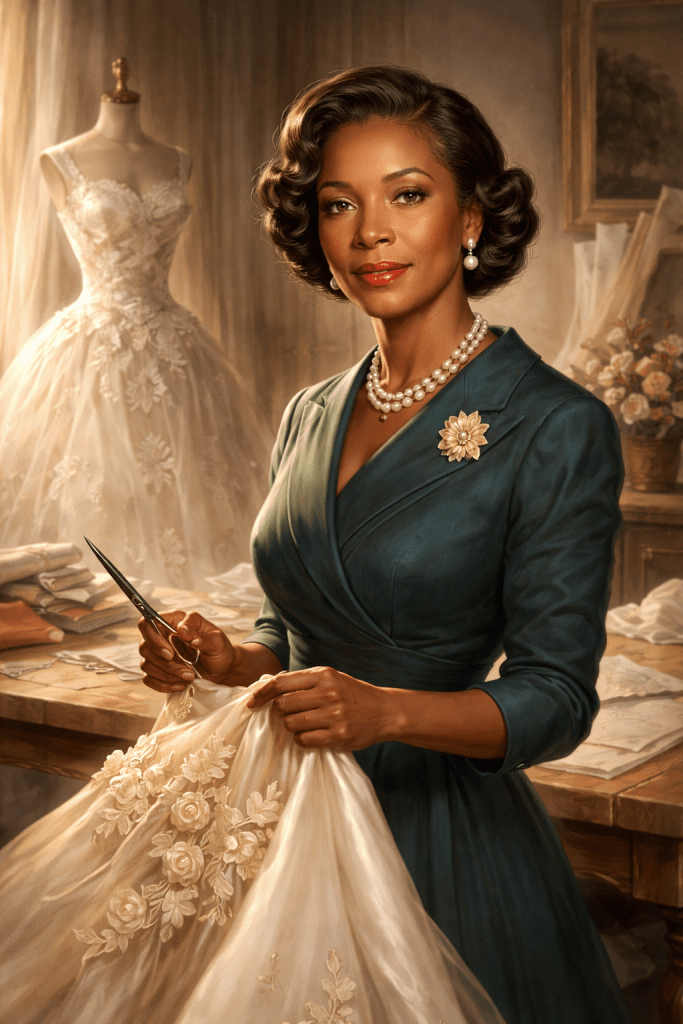
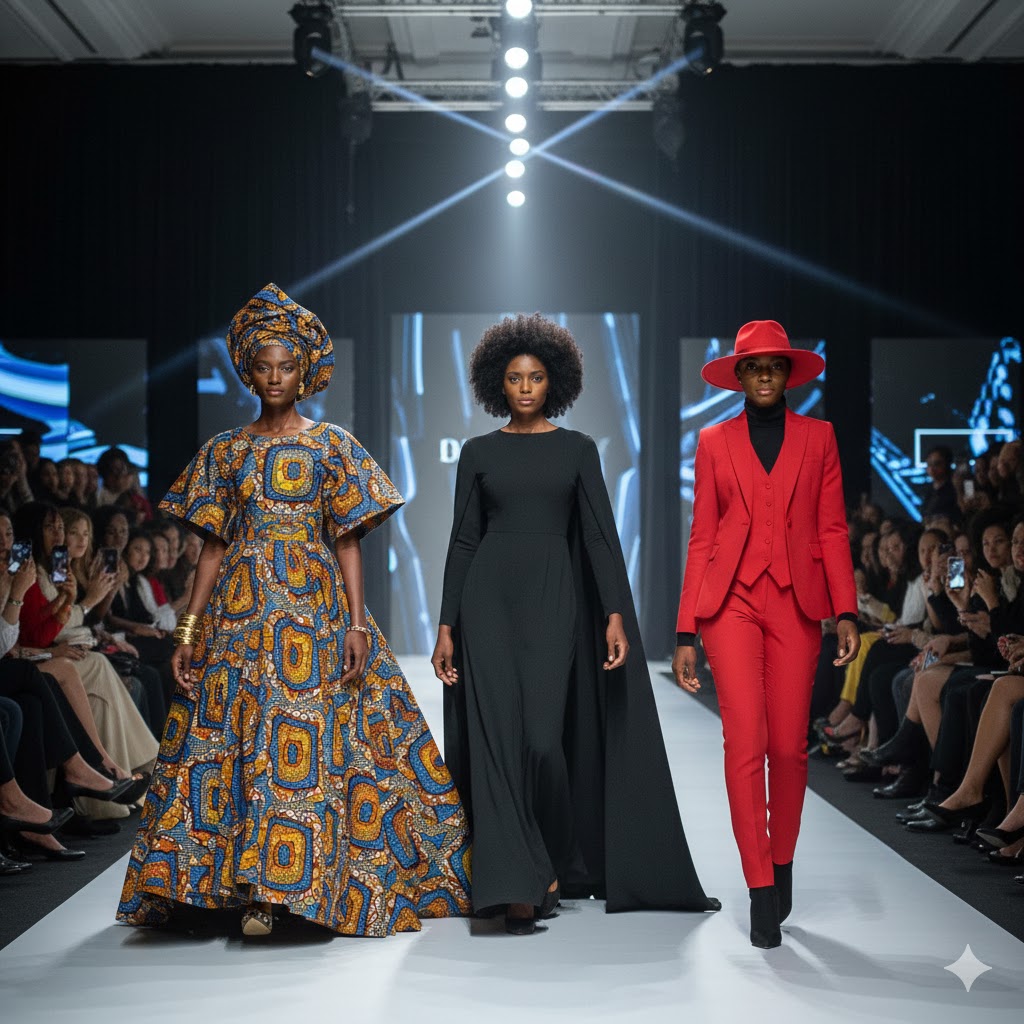
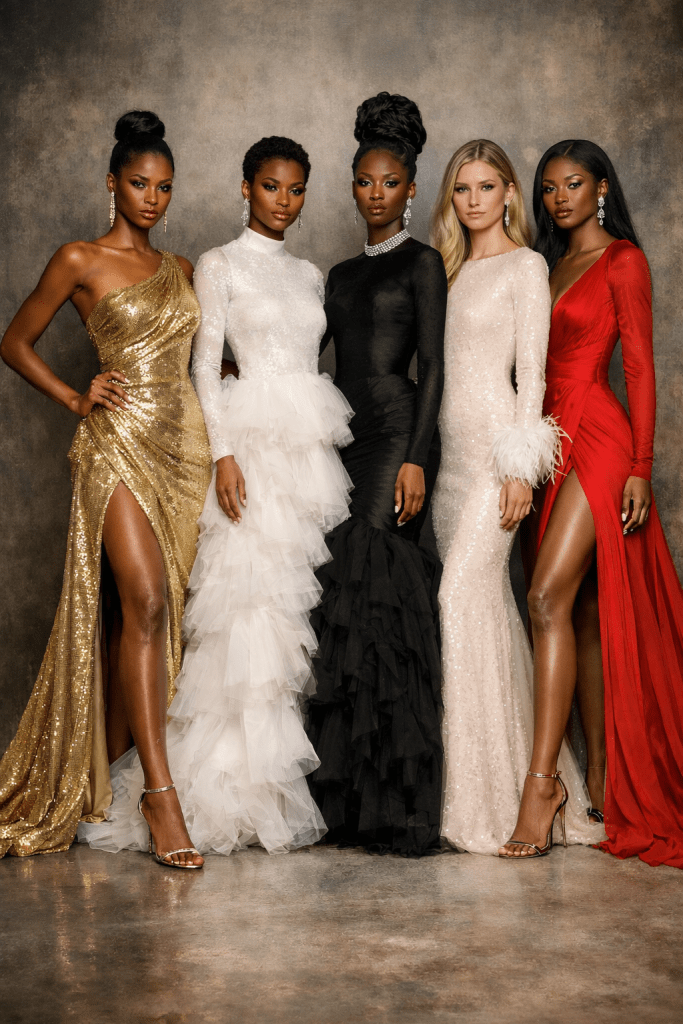
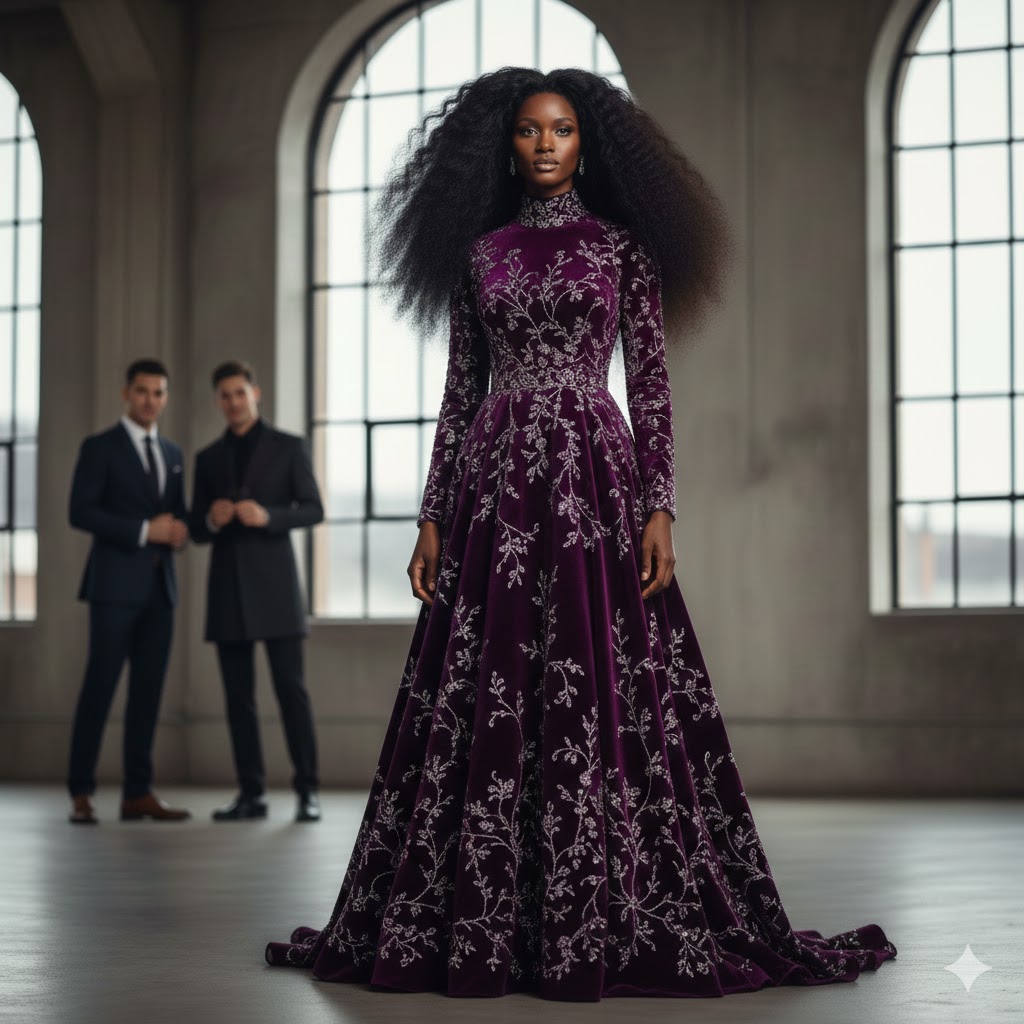
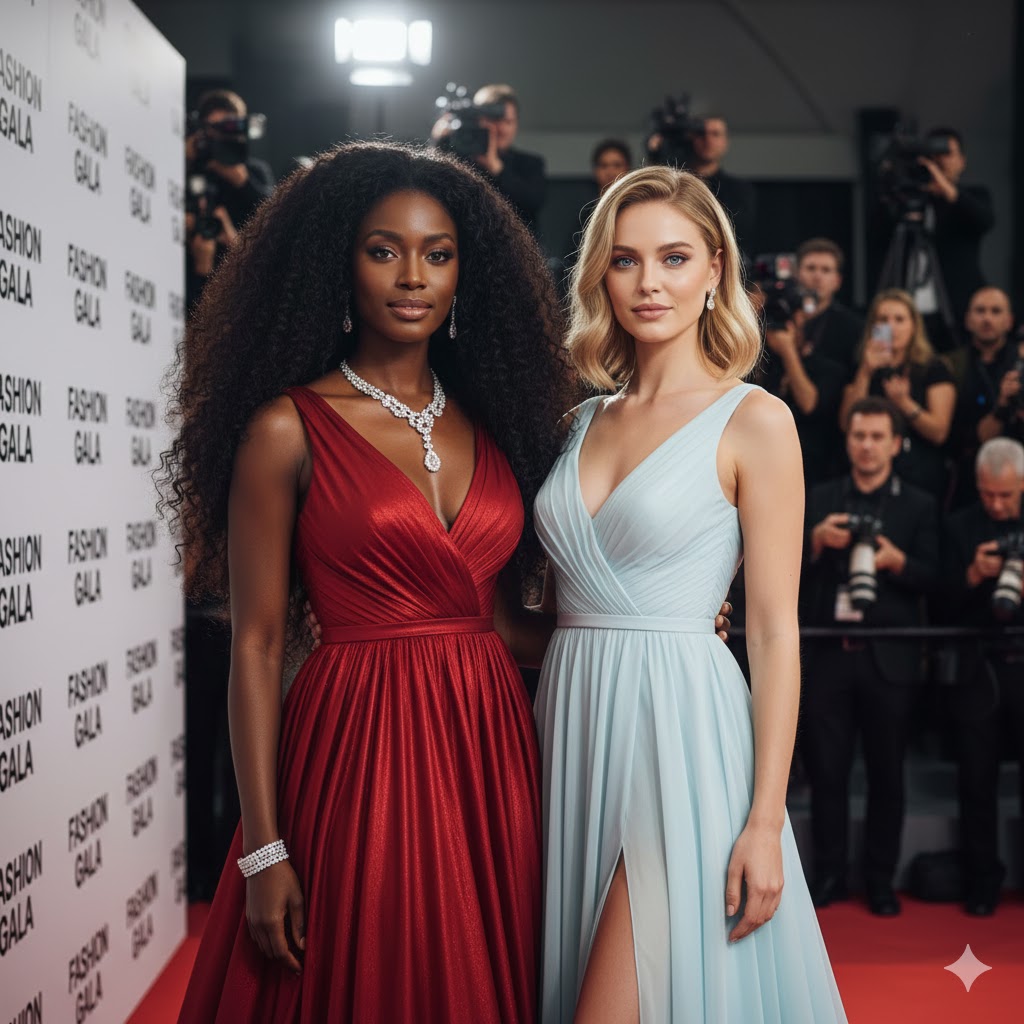
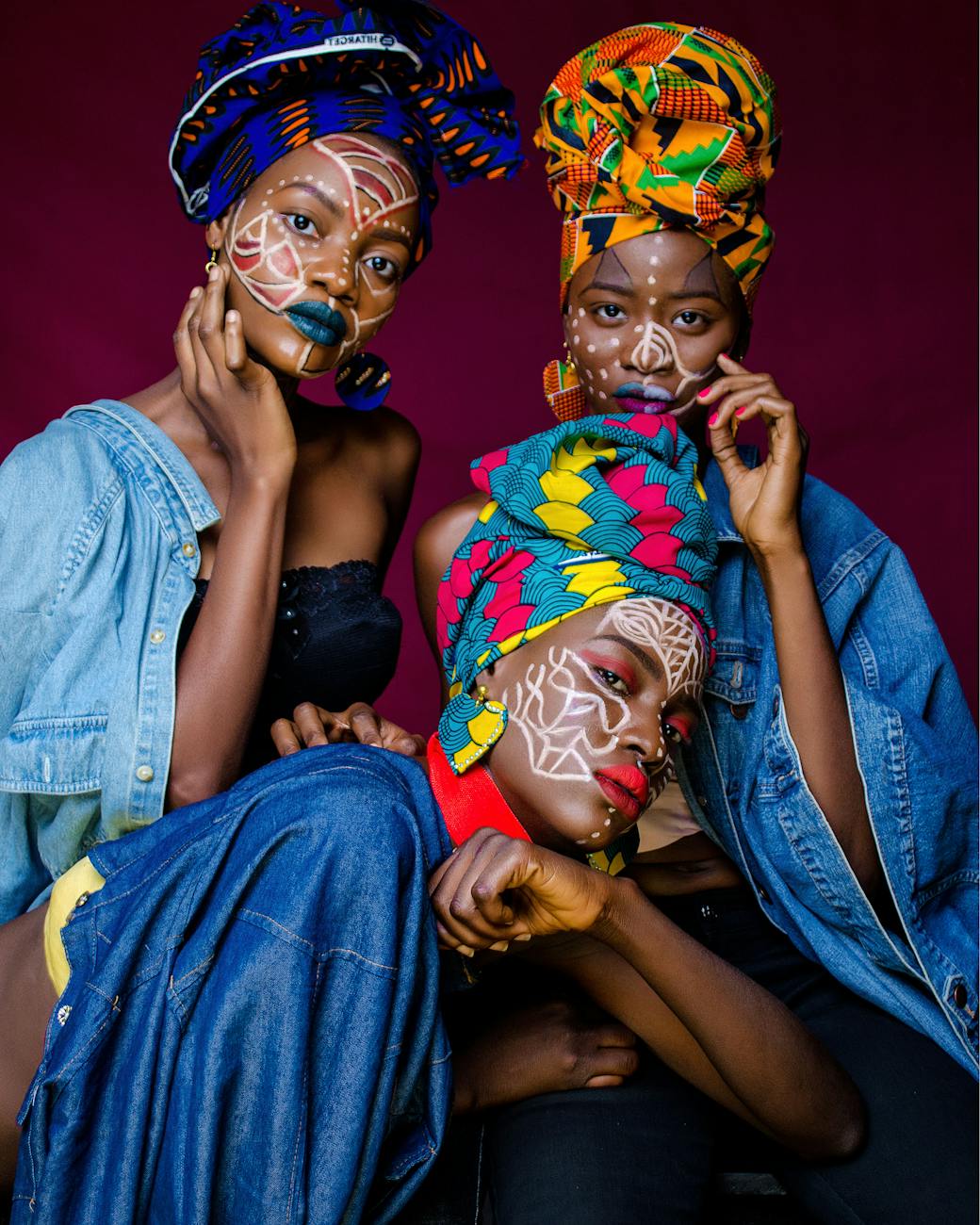
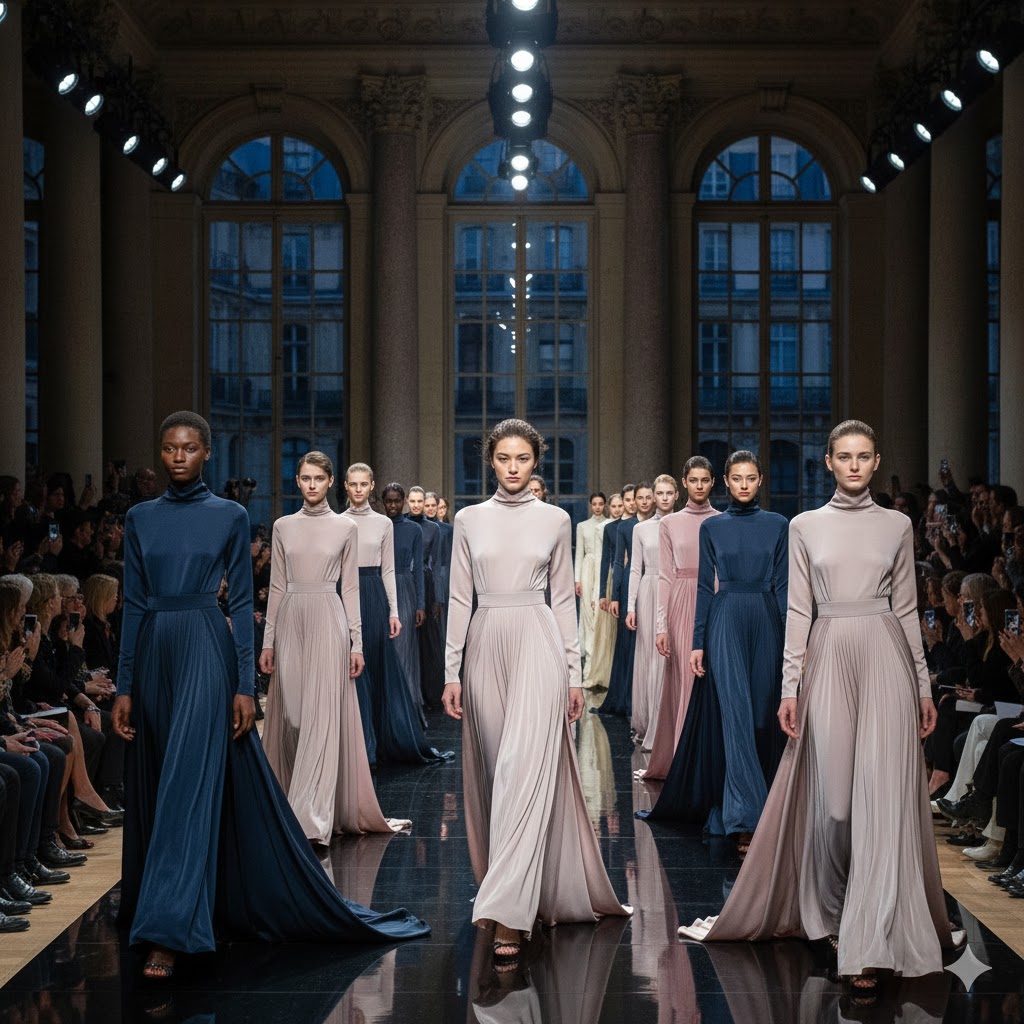
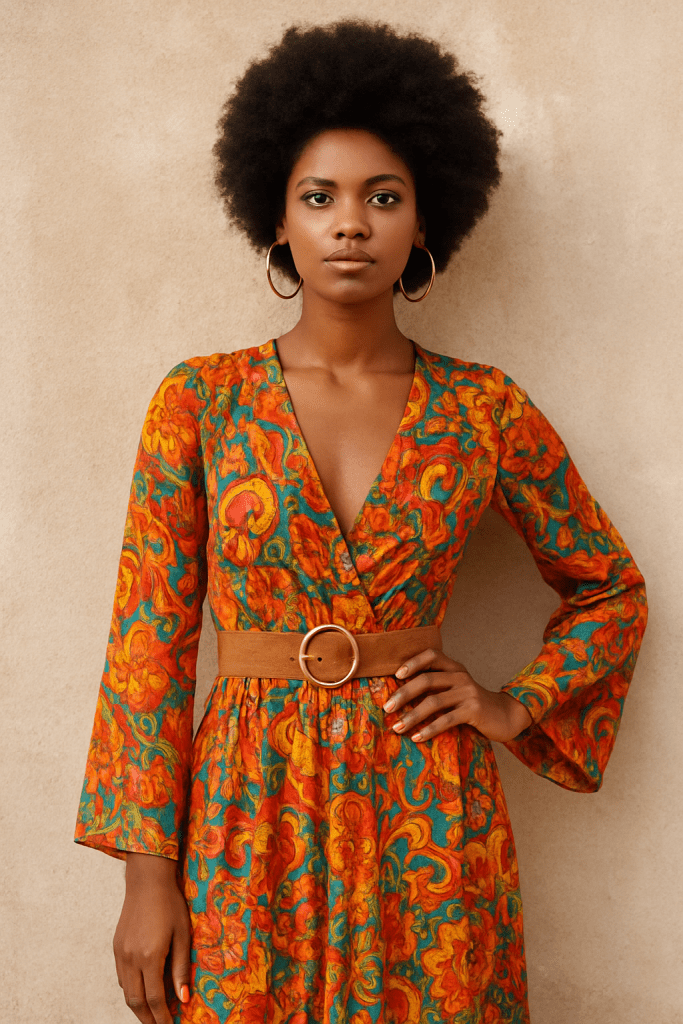
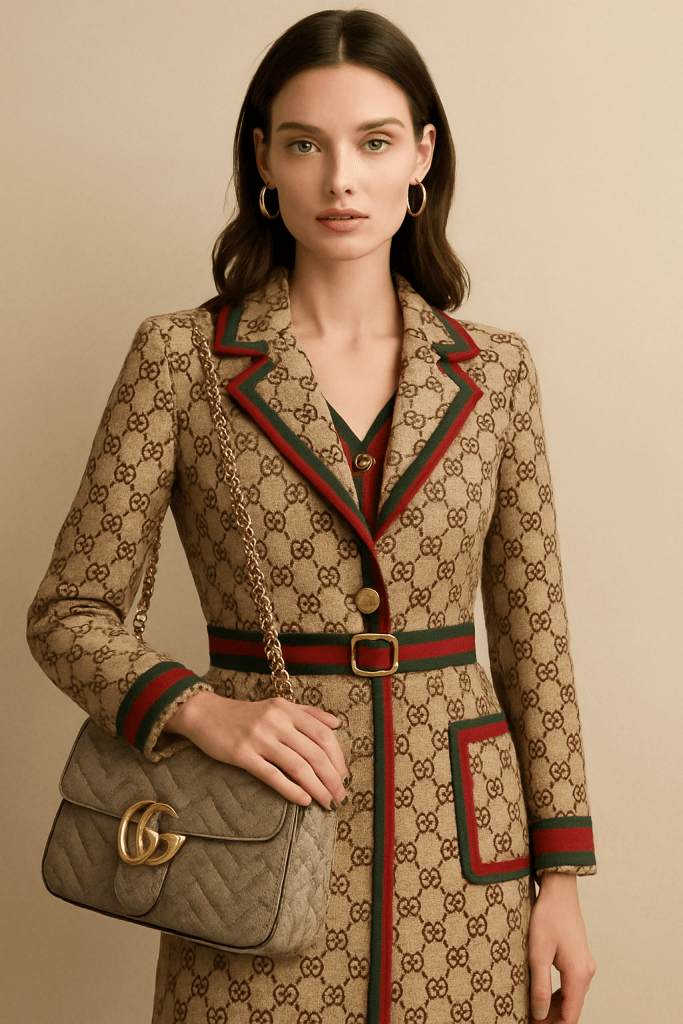
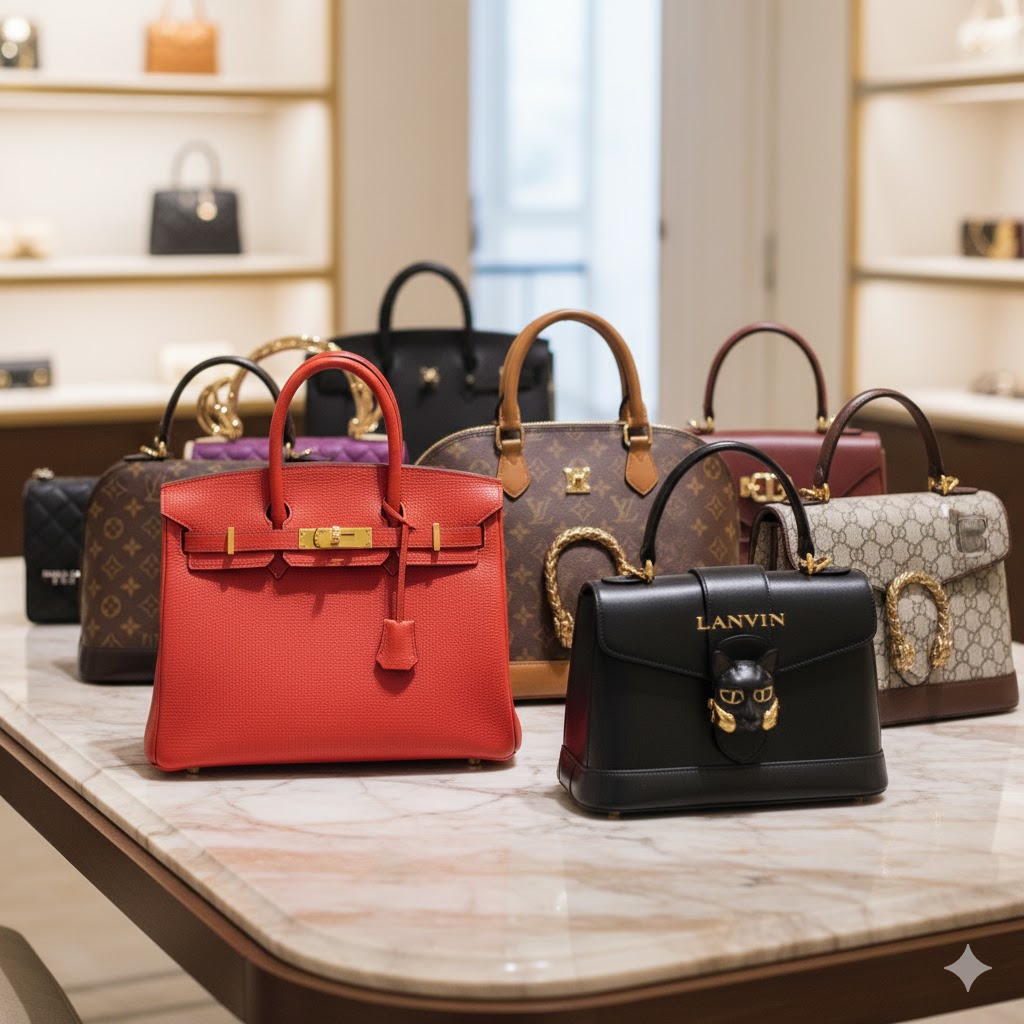
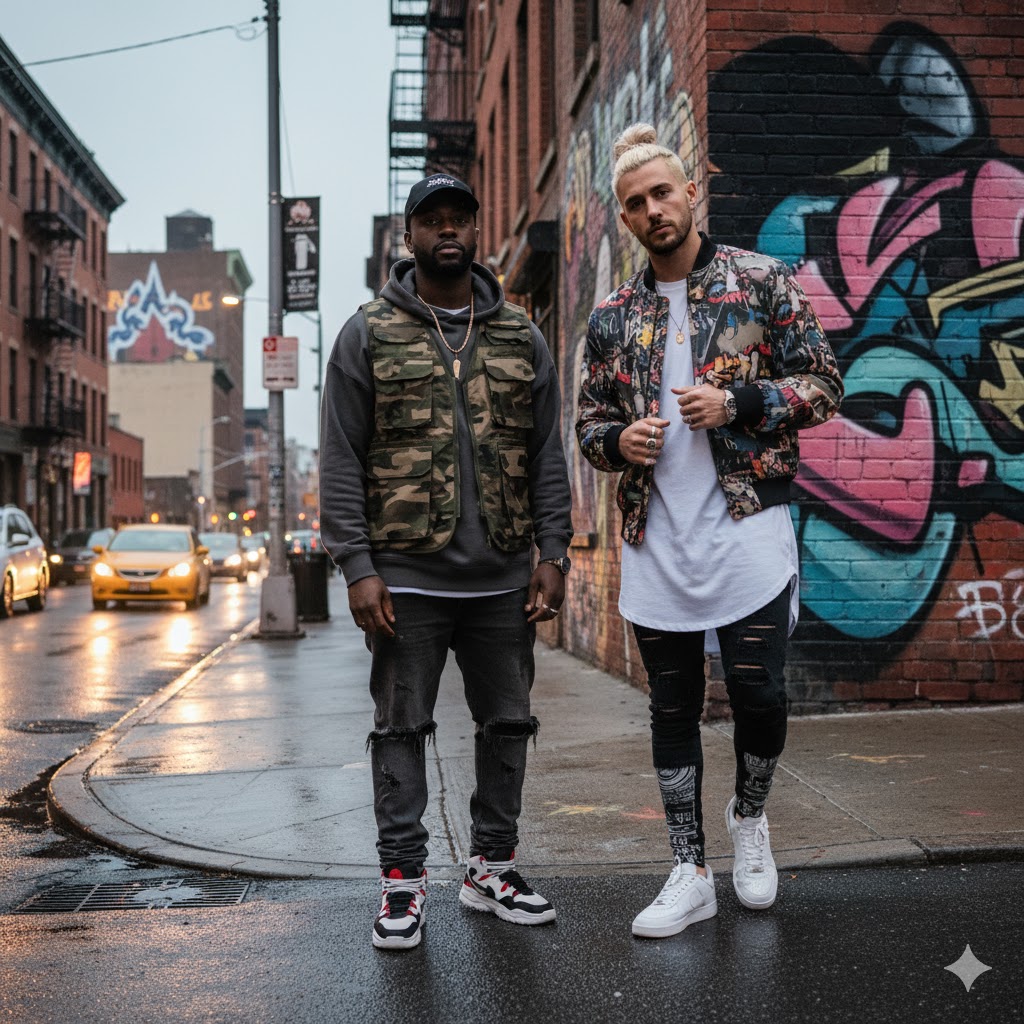
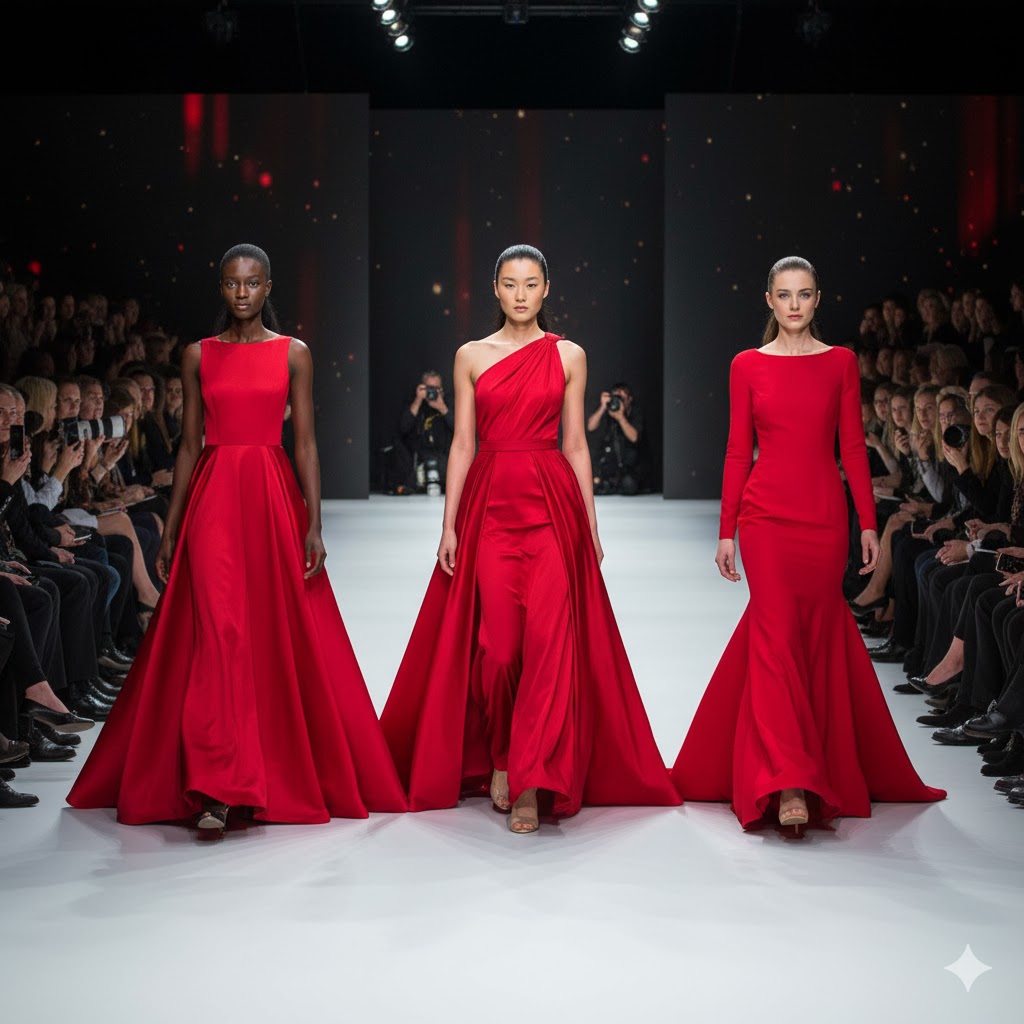
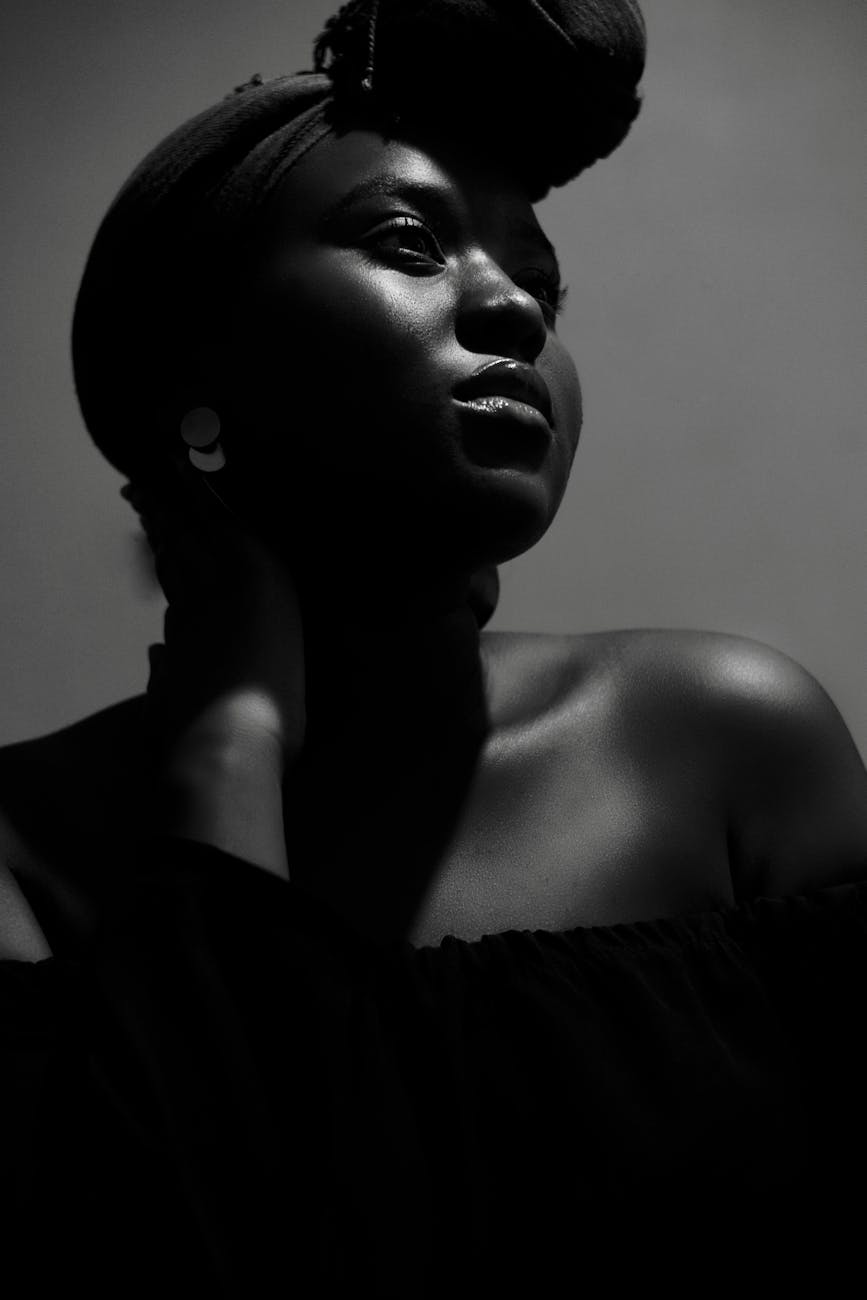
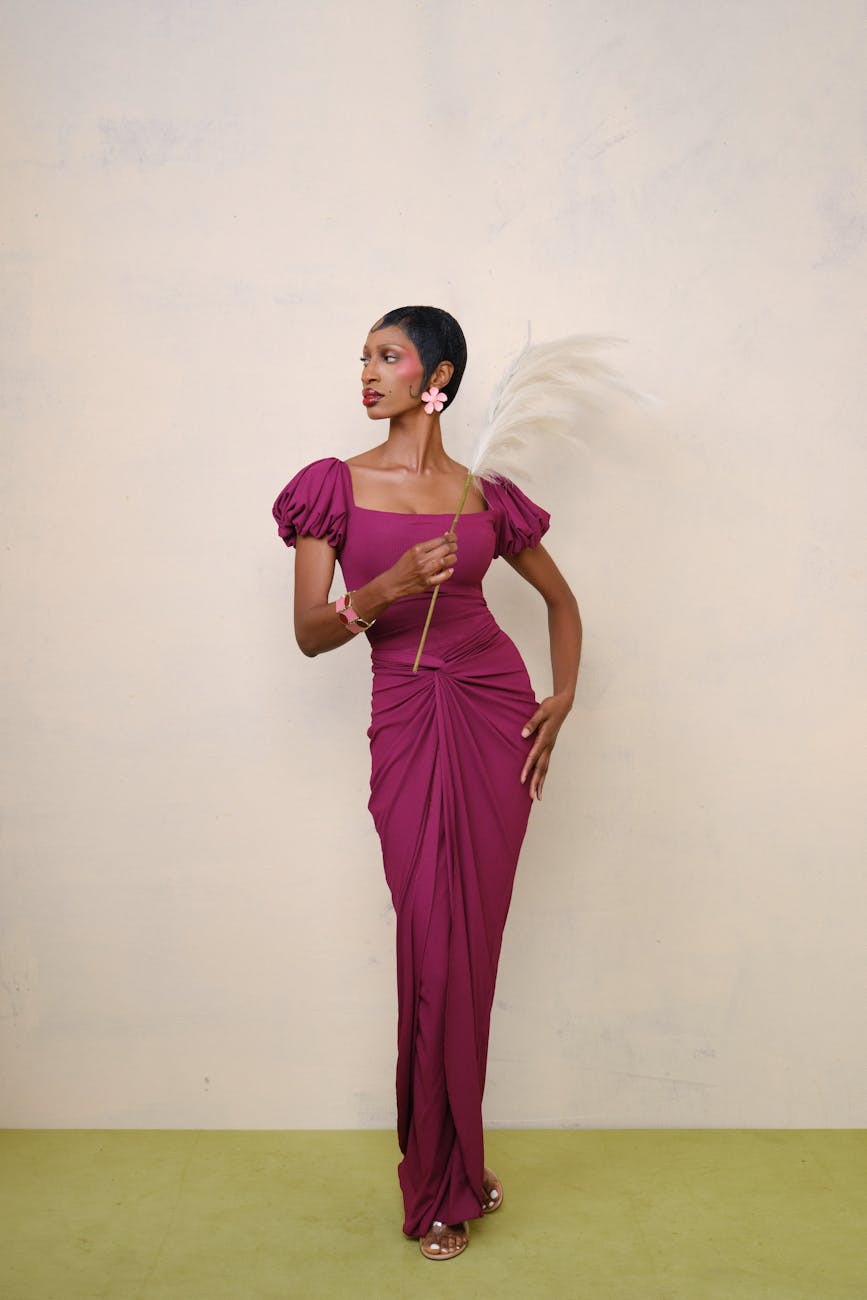
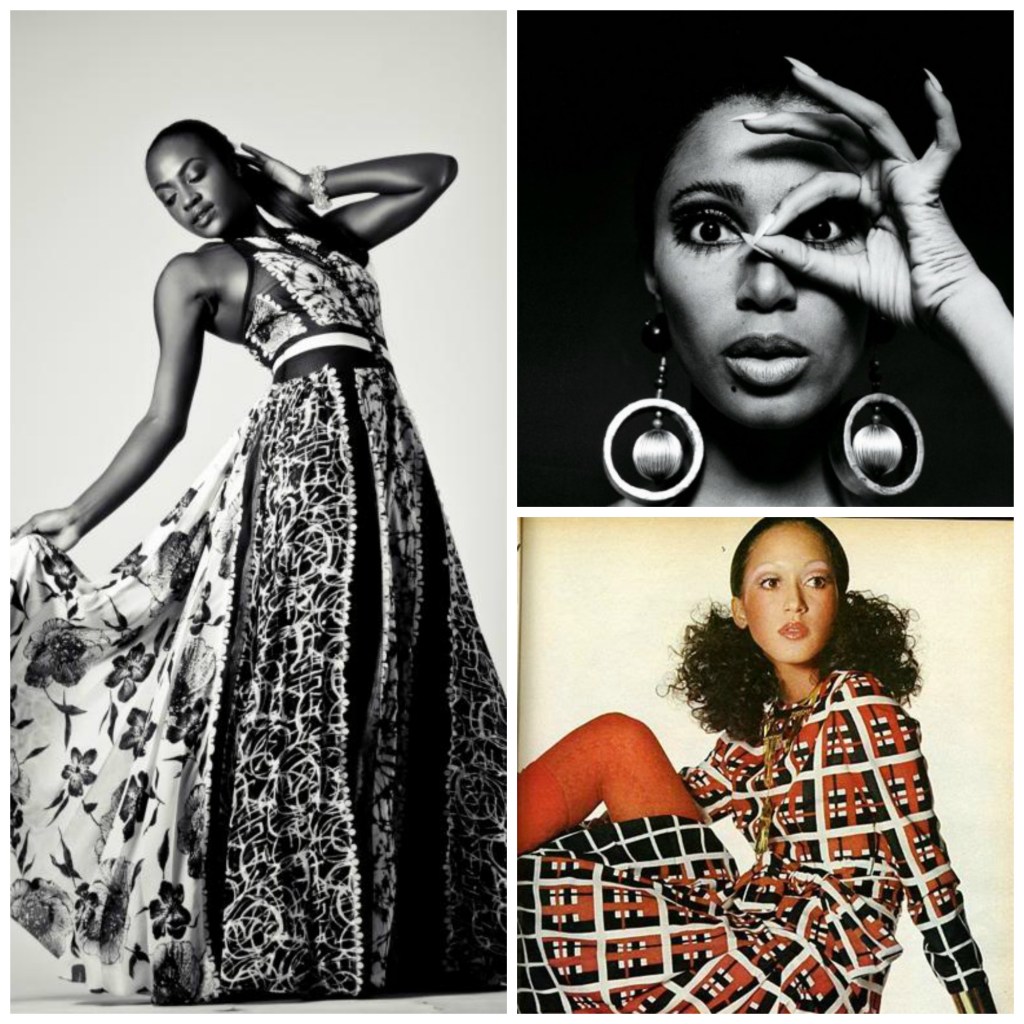
 THE BROWN GIRL DILEMMA