
A Timeline of Style, Influence, and Sustainability
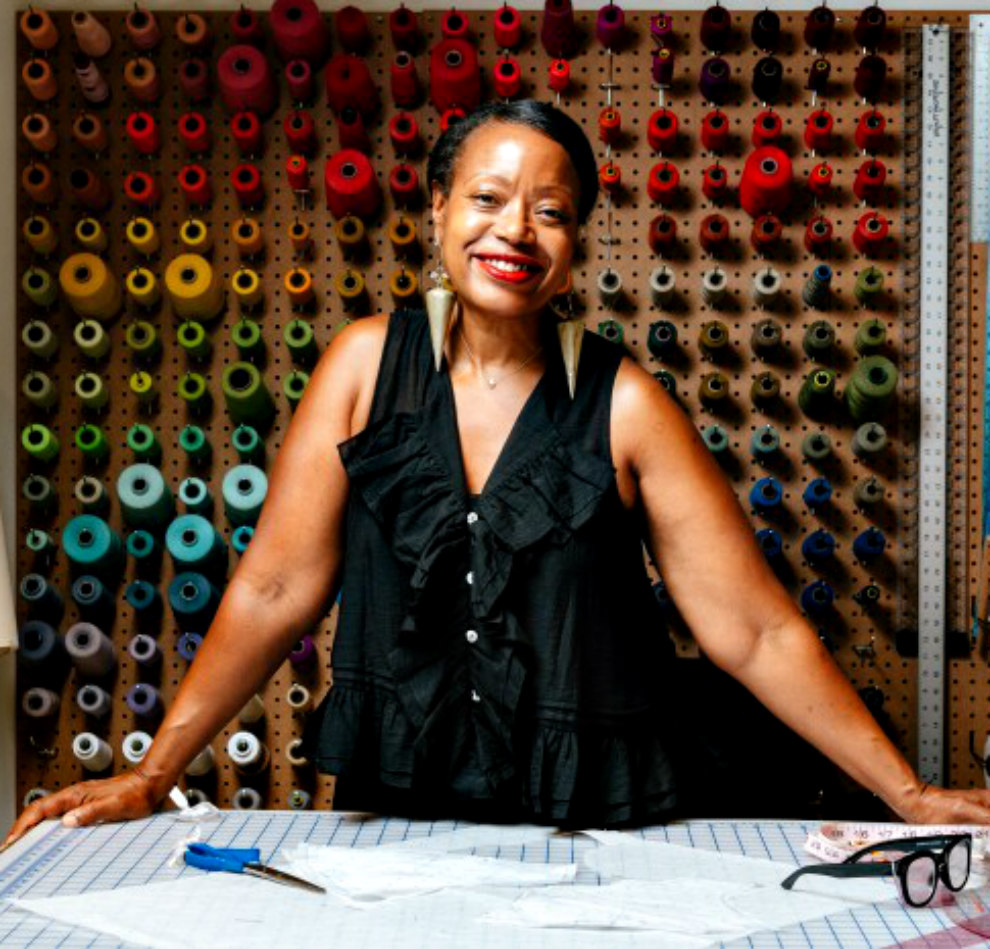
Fashion is more than fabric—it is storytelling, identity, and social commentary. At the intersection of high fashion and accessible design stands Tracy Reese, an American designer celebrated for her vibrant prints, feminine silhouettes, and commitment to sustainability. Reese, born in Detroit, Michigan in 1964, has spent over three decades in the fashion industry, reshaping perceptions of American style while opening doors for Black designers in a historically exclusionary field.
Reese’s journey into fashion began with encouragement from her mother, who recognized her creativity early. She studied at the Parsons School of Design in New York City, where she refined her craft and caught the attention of influential mentors. After working under Martine Sitbon at Chloé in Paris, Reese launched her eponymous label in 1998. Her designs, celebrated for their bold use of color, intricate detailing, and flattering cuts, reflect her philosophy: fashion should empower women, making them feel strong, joyful, and unapologetically themselves (Reese, 2019).
Over the years, Reese’s work has graced major runways including New York Fashion Week and international showcases. She has been worn by iconic figures such as Michelle Obama, Sarah Jessica Parker, Taylor Swift, and Oprah Winfrey, each of whom embodied the effortless elegance of her designs. In a 2013 interview, Michelle Obama remarked that Reese’s clothing “captures both grace and confidence in one look” (as cited in The New York Times, 2013). Reese has also drawn inspiration from designers like Claire McCardell and admires contemporaries including Karl Lagerfeld for innovation and Donna Karan for women-centered design.
Beyond her artistic achievements, Reese has garnered several awards, including recognition from the Council of Fashion Designers of America (CFDA), where she once served on the board. She has also been a champion of sustainable fashion, launching her Detroit-based brand Hope for Flowers in 2018, which emphasizes eco-friendly fabrics, ethical labor, and community engagement. Reese defines her vision of high fashion not as unattainable luxury, but as an elevation of beauty and culture—fashion as a force for change.
Personally, Reese keeps much of her private life away from the spotlight, though she has shared her deep ties to Detroit and family influences. While her marital status and children remain largely private, what is public is her enduring commitment to mentoring young designers and expanding representation for Black creatives in fashion. After over 30 years in the industry, Reese is still active and influential, using her platform to merge artistry with activism. Her designs can be purchased through retailers like Nordstrom, Anthropologie, and directly from her Hope for Flowers website, ensuring accessibility to a wide audience (Hope for Flowers, 2024).
A Shared Legacy: Reese, Abloh, and Rousteing
While Tracy Reese carved her path through feminine design, sustainability, and accessibility, her contributions align with the broader achievements of Black designers like Virgil Abloh and Olivier Rousteing, who redefined the very language of high fashion.
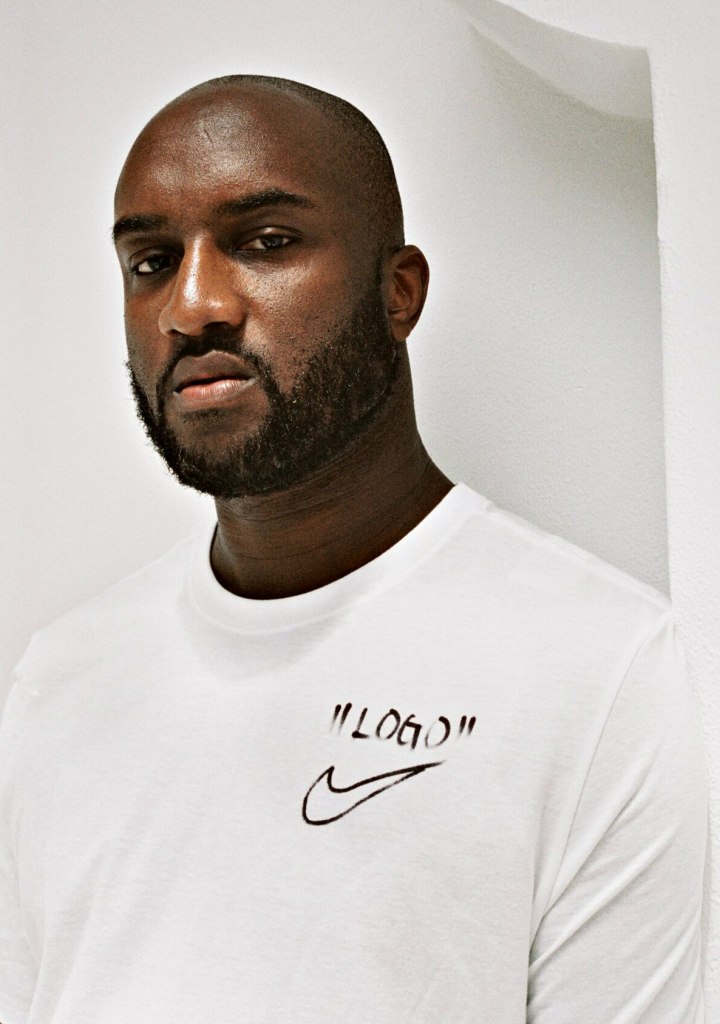
- Virgil Abloh, the founder of Off-White and the first Black artistic director at Louis Vuitton, fused streetwear with luxury, challenging elitist barriers and validating the cultural power of hip-hop, graffiti, and sneaker culture in high fashion (Cruz, 2022). His work symbolized fashion as both rebellion and aspiration.
- Olivier Rousteing, creative director of Balmain, brought a bold vision of diversity and modern opulence, using casting choices and design aesthetics to center Black models and mixed-race heritage on the global stage. His unapologetic approach made Balmain a house of power, spectacle, and representation.
- Tracy Reese, by contrast, cultivated a design language rooted in color, joy, and womanhood, aligning high fashion with accessibility and sustainability while still elevating American fashion. Her approach is quieter but equally radical—redefining who fashion is for.
Together, these designers represent three distinct but complementary visions: Abloh’s cultural disruption, Rousteing’s glamorous diversity, and Reese’s sustainable empowerment. Collectively, they demonstrate how Black creativity has not only participated in but also redefined the global fashion industry, proving that fashion is both political and profoundly human.
In sum, Tracy Reese is more than a designer—she is a cultural architect. She has redefined what American fashion can look like by integrating heritage, sustainability, and inclusivity into her garments. Fashion, in its purest form, is both high art and lived experience, and Reese’s legacy proves that it can also be a pathway to empowerment.
References
- Hope for Flowers. (2024). About Tracy Reese. Retrieved from https://hopeforflowersbytracyreese.com
- The New York Times. (2013). Michelle Obama’s Style and the Designers Who Dress Her. The New York Times.
- CFDA. (2022). Tracy Reese. Council of Fashion Designers of America.
- Reese, T. (2019). Interview with Vogue. Fashion and Sustainability. Vogue Magazine.
- Cruz, A. (2022). Virgil Abloh: Streetwear, Luxury, and the Future of Fashion. Harper’s Bazaar.
- Balmain. (2021). Olivier Rousteing’s Vision for Modern Fashion. Balmain Official.

 THE BROWN GIRL DILEMMA