
Category Archives: Cosmetic Capitalism

Beauty Capital and Social Stratification

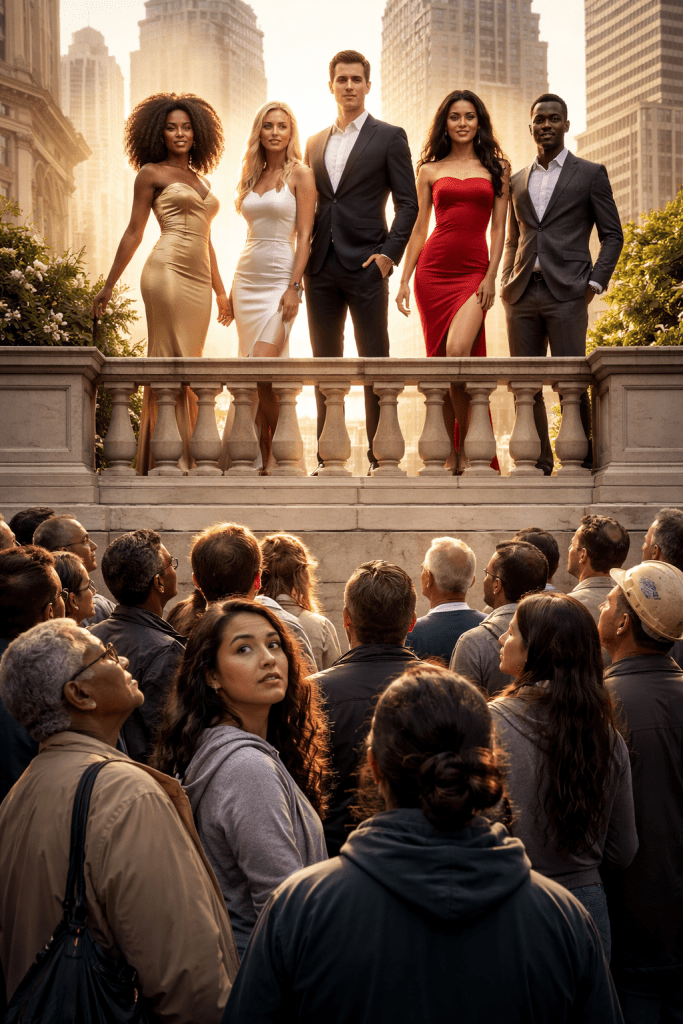
Beauty capital refers to the social, economic, and cultural advantages accrued through physical attractiveness and aesthetic presentation. In contemporary societies, appearance operates as a form of symbolic currency, shaping access to opportunities, resources, and social mobility. Much like economic capital or educational capital, beauty capital can be accumulated, invested in, and exchanged for tangible rewards such as employment, romantic partnerships, and social recognition.

The concept of beauty capital is rooted in Pierre Bourdieu’s broader theory of capital, particularly cultural and symbolic capital. Bourdieu argued that individuals possess varying forms of capital that structure social hierarchies and reproduce inequality. Beauty capital functions similarly by conferring legitimacy, desirability, and perceived competence upon those who embody dominant aesthetic norms.

Social stratification emerges when beauty becomes unevenly distributed and socially rewarded. Individuals deemed attractive by prevailing standards are more likely to receive positive evaluations, higher wages, and greater social trust. Conversely, those who fall outside these standards often face discrimination, marginalization, and reduced life chances, reinforcing existing class, racial, and gender hierarchies.

Empirical research consistently demonstrates the “beauty premium” in labor markets. Attractive individuals are more likely to be hired, promoted, and earn higher salaries than their less attractive counterparts, even when controlling for education and experience. This phenomenon highlights how beauty operates as an invisible credential that shapes professional success.

Gender plays a critical role in the accumulation and valuation of beauty capital. Women, in particular, experience intense social pressure to conform to aesthetic ideals, often investing significant time and financial resources into appearance. This labor is frequently unpaid and normalized, yet it directly influences women’s access to social power and economic security.

Race further complicates the distribution of beauty capital. Eurocentric beauty standards—such as light skin, straight hair, and narrow facial features—privilege whiteness and marginalize non-white bodies. Black, Indigenous, and other racialized groups are systematically excluded from dominant aesthetic hierarchies, resulting in racialized forms of beauty stratification.

Colorism functions as a specific mechanism within racial stratification, privileging lighter skin tones over darker ones within the same racial group. Studies show that lighter-skinned individuals often experience higher incomes, better educational outcomes, and greater media representation. Beauty capital thus becomes a vehicle through which internalized racial hierarchies are reproduced.

Media institutions play a central role in constructing and maintaining beauty norms. Advertising, film, fashion, and social media continuously circulate narrow representations of attractiveness, shaping collective perceptions of value and desirability. These images do not merely reflect reality; they actively produce social expectations and exclusions.

The rise of digital culture has intensified the commodification of beauty. Social media platforms reward aesthetic performance through likes, followers, and sponsorships, transforming beauty into measurable economic capital. Influencer culture exemplifies how attractiveness can be directly monetized, blurring the boundaries between personal identity and market value.

Cosmetic industries thrive within this system, profiting from social insecurity and aspirational aesthetics. Beauty products, cosmetic surgery, and wellness regimes promise social mobility through bodily transformation. However, access to these resources is class-based, reinforcing the idea that beauty itself is stratified by wealth.

Beauty capital also intersects with sexuality and romantic markets. Attractive individuals are often perceived as more desirable partners and experience greater choice in intimate relationships. This dynamic influences marriage patterns, dating economies, and even psychological well-being, as attractiveness becomes tied to self-worth and relational power.

Psychological research demonstrates that attractive individuals benefit from the “halo effect,” wherein physical beauty is unconsciously associated with intelligence, kindness, and moral virtue. This cognitive bias results in systematic advantages across social interactions, from classroom settings to courtroom decisions.

In educational contexts, beauty capital shapes teacher expectations and peer relationships. Attractive students are more likely to receive positive attention, higher evaluations, and leadership opportunities. These micro-level interactions accumulate over time, producing long-term differences in confidence, achievement, and social integration.

The body thus becomes a site of social investment, discipline, and control. Michel Foucault’s notion of biopower helps explain how bodies are regulated through cultural norms, surveillance, and self-policing. Beauty standards function as disciplinary mechanisms that encourage individuals to internalize external expectations.

From a feminist perspective, beauty capital represents both constraint and resource. While women can leverage beauty for social mobility, they remain trapped within systems that objectify and commodify their bodies. Beauty becomes a double-edged sword: empowering in certain contexts, yet structurally exploitative.

Intersectional theory reveals that beauty capital cannot be analyzed in isolation from race, class, gender, and disability. For example, disabled bodies are often excluded from aesthetic economies altogether, rendering them socially invisible. Beauty norms thus reinforce ableism alongside other forms of inequality.

In religious and philosophical traditions, beauty has often been associated with moral virtue or divine order. However, modern consumer culture reframes beauty as marketable property rather than spiritual essence. This shift transforms aesthetics into a tool of capitalism rather than transcendence.

Historically, beauty ideals have shifted alongside political and economic systems. What is considered attractive in one era often reflects the dominant class structure of that time. Thinness, for instance, once symbolized poverty but now signifies discipline and elite self-control.

Resistance movements challenge dominant beauty norms by celebrating marginalized bodies and redefining aesthetic value. The natural hair movement, body positivity campaigns, and Afrocentric fashion all represent efforts to reclaim beauty as a site of cultural affirmation rather than oppression.

Ultimately, beauty capital operates as a powerful yet under-theorized mechanism of social stratification. By rewarding certain bodies and devaluing others, societies reproduce inequality through aesthetic hierarchies. Understanding beauty as capital reveals how deeply embedded appearance is within systems of power, identity, and social mobility.


References

Anderson, T. L., Grunert, C., Katz, A., & Lovascio, S. (2010). Aesthetic capital: A research review on beauty perks and penalties. Sociology Compass, 4(8), 564–575. https://doi.org/10.1111/j.1751-9020.2010.00312.x

Bourdieu, P. (1984). Distinction: A social critique of the judgement of taste. Harvard University Press.

Crenshaw, K. (1989). Demarginalizing the intersection of race and sex. University of Chicago Legal Forum, 1989(1), 139–167.

Eagly, A. H., Ashmore, R. D., Makhijani, M. G., & Longo, L. C. (1991). What is beautiful is good, but… A meta-analytic review of research on the physical attractiveness stereotype. Psychological Bulletin, 110(1), 109–128. https://doi.org/10.1037/0033-2909.110.1.109

Foucault, M. (1977). Discipline and punish: The birth of the prison. Pantheon Books.

Hamermesh, D. S. (2011). Beauty pays: Why attractive people are more successful. Princeton University Press.

Hunter, M. (2007). The persistent problem of colorism. Sociology Compass, 1(1), 237–254. https://doi.org/10.1111/j.1751-9020.2007.00006.x

Mulvey, L. (1975). Visual pleasure and narrative cinema. Screen, 16(3), 6–18. https://doi.org/10.1093/screen/16.3.6

Negrón-Muntaner, F. (2014). The beauty of the real: What Hollywood can learn from contemporary Latin American cinema. Rutgers University Press.

Wolf, N. (1991). The beauty myth: How images of beauty are used against women. HarperCollins.
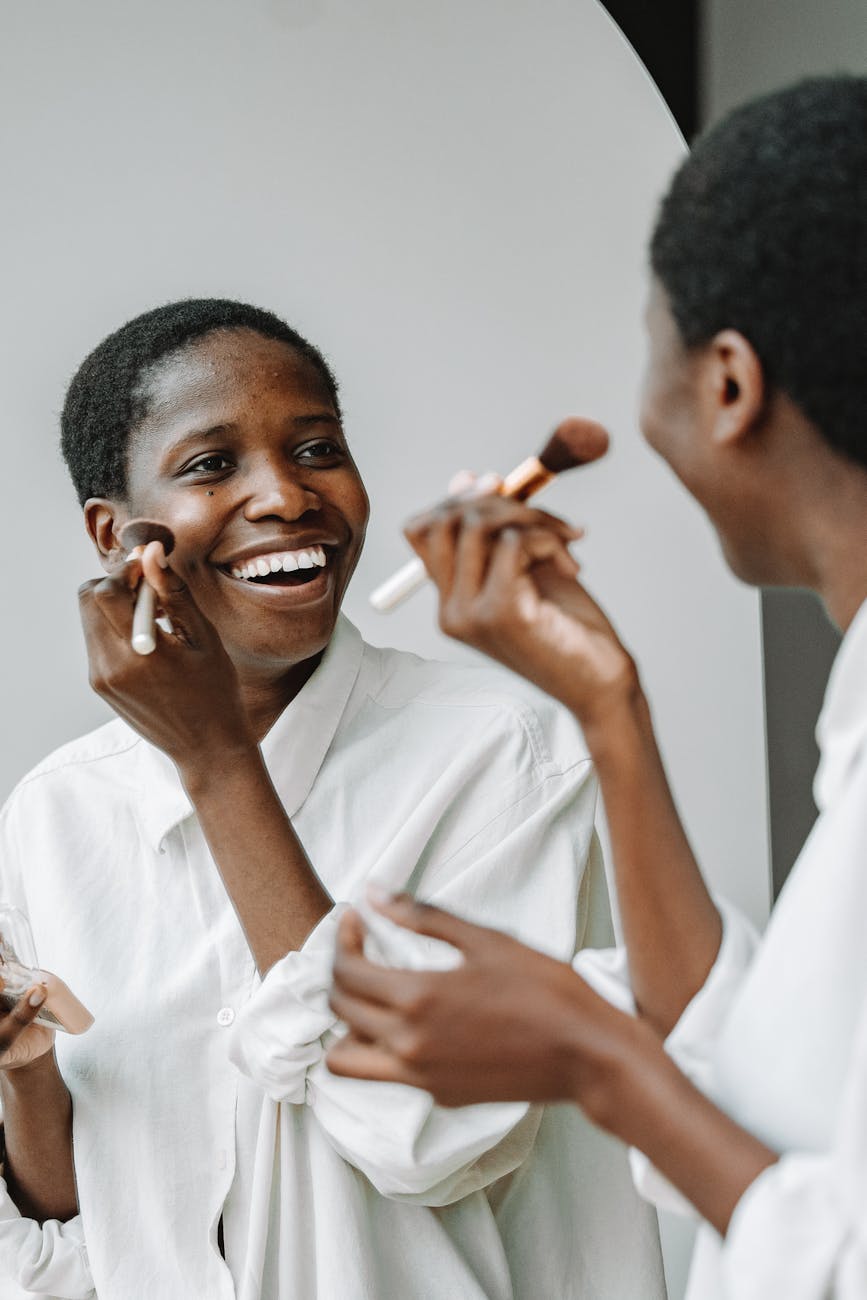
Artificial Allure: How Cosmetic Capitalism Redefines Self-Worth.

Photo by ROMAN ODINTSOV on Pexels.com

In the modern age, beauty has become an economy, a global enterprise built upon desire, insecurity, and illusion. What was once a natural attribute or divine gift has been rebranded into a commodity, carefully marketed and endlessly consumed. The rise of cosmetic capitalism—the fusion of aesthetic obsession and capitalist profit—has transformed self-worth into a purchasable product. Under its glossy surface lies a troubling truth: the more individuals strive for “perfection,” the further they drift from authenticity.

Cosmetic capitalism thrives on the manipulation of perception. It capitalizes on the human longing to be seen, valued, and loved, while subtly redefining beauty as something always just out of reach. Advertising industries employ psychological tactics to manufacture dissatisfaction, convincing consumers that flaws are problems only money can solve. As Naomi Wolf (1991) argues in The Beauty Myth, this perpetual cycle of insecurity sustains the economic engine of modern capitalism—especially at the expense of women’s peace and identity.

The proliferation of cosmetic procedures, filters, and beauty products reflects not empowerment but enslavement to constructed ideals. The body becomes a billboard for consumer aspiration, and the face a canvas for capitalist fantasy. From plastic surgery to skincare regimens costing thousands, the marketplace preys on human vulnerability. What was once a mirror of individuality has become a mask of conformity, polished and profitable.

Social media has accelerated this commodification of self-image. Platforms like Instagram, TikTok, and Snapchat offer digital mirrors that reflect filtered realities rather than authentic identities. The algorithm rewards those who adhere most closely to the aesthetic of perfection—symmetry, smoothness, and sexual appeal—creating an economy of validation driven by likes and shares. In this sense, self-worth is no longer self-defined; it is crowdsourced, monetized, and algorithmically managed.

The cosmetic industry’s power lies not merely in products, but in narratives. It sells more than lipstick or foundation—it sells belonging. Through subtle messaging, it implies that confidence, success, and even love can be bought in a bottle. This seductive illusion keeps billions of consumers tethered to beauty routines that promise transformation while ensuring perpetual dependence. The capitalist beauty system thus mirrors the spiritual condition of idolatry: worshiping the creation rather than the Creator.

Historically, beauty was rooted in nature and divine reflection. Ancient African civilizations viewed adornment as spiritual expression—a way to honor the gods or celebrate life’s passages. Today’s beauty culture, however, has severed this sacred link. It no longer celebrates identity; it commodifies it. The sacred has become synthetic. Skin lightening, cosmetic surgery, and digital alteration have replaced the natural artistry of self with manufactured sameness, particularly targeting communities of color with Eurocentric ideals.

Colorism and racial capitalism intersect deeply with cosmetic culture. The global skin-lightening industry, valued in the billions, preys on the psychological remnants of colonialism. Lighter skin remains marketed as “premium,” reinforcing hierarchies that stem from slavery and segregation. This systemic conditioning perpetuates a cycle of shame, where darker-skinned individuals internalize inferiority and seek salvation through consumption. As Yaba Blay (2017) notes, the market exploits not just vanity but centuries of racial trauma.

Black women, in particular, stand at the crossroads of beauty and exploitation. Once demonized for their natural features, they are now imitated and appropriated by the same systems that marginalize them. Fuller lips, curvier bodies, and natural hairstyles—once mocked—are now commodified as exotic trends when worn by others. This irony underscores the hypocrisy of cosmetic capitalism: it steals the aesthetics of Blackness while erasing the people behind them.

Men, too, are increasingly drawn into this cosmetic economy. The rise of “manscaping,” muscle-enhancing supplements, and grooming products reveals how capitalism evolves to exploit all demographics. The same insecurity once marketed exclusively to women now fuels a male beauty industry worth billions. Toxic masculinity and body dysmorphia merge under the pressure to maintain a chiseled, curated image of strength and desirability.

The psychological consequences of cosmetic capitalism are profound. Studies link excessive beauty consumption with increased anxiety, depression, and body dysmorphic disorder. The endless pursuit of flawlessness leaves individuals perpetually dissatisfied, unable to accept themselves as they are. In spiritual terms, this is the corruption of self-image—the very “mirror of God” distorted by man’s marketing. When identity is mediated by brands, authenticity becomes an act of rebellion.

Biblically, this crisis reflects a deeper spiritual decay. Scripture warns against the vanity of outward appearances: “Whose adorning let it not be that outward adorning… but let it be the hidden man of the heart” (1 Peter 3:3–4, KJV). Cosmetic capitalism inverts this truth, teaching that worth is earned through purchase, not character. It replaces grace with glamour, humility with hype. The result is a generation that confuses external beauty for inner value, and branding for being.

Theologically, beauty is meant to reveal God’s handiwork, not man’s manipulation. Every feature—whether symmetrical or not—is intentional, carrying divine fingerprint. When one alters themselves to meet worldly standards, they unconsciously declare that God’s design is insufficient. Cosmetic capitalism, therefore, functions as both economic and spiritual colonization—it profits from convincing creation that it needs re-creation.

Resistance to this system requires both awareness and faith. To reject cosmetic capitalism is not to reject adornment, but to reclaim it as self-expression rather than self-erasure. It means celebrating the authenticity of one’s God-given form while refusing to participate in industries that profit from insecurity. This spiritual resistance mirrors Christ’s call to live “in the world, but not of the world” (John 17:14–16, KJV).

Artists, scholars, and activists within the African diaspora are at the forefront of this reclamation. From natural hair movements to melanin-positive campaigns, the cultural shift toward authenticity reflects both political defiance and spiritual awakening. These movements remind the world that beauty, when stripped of capitalist influence, becomes liberation—a mirror of divine creativity rather than corporate design.

Yet, the allure of artificial beauty persists because it offers the illusion of control. In a world of chaos and uncertainty, cosmetic enhancement promises mastery over at least one aspect of life: the body. This illusion, however, exacts a cost. It traps the soul in an endless loop of dissatisfaction, where every “fix” exposes a new flaw. The pursuit of perfection becomes a pilgrimage to nowhere.

The challenge for modern believers and thinkers alike is to restore beauty to its rightful context: as a reflection of inner truth. True beauty radiates from wholeness, not from highlighter. It is found in empathy, resilience, and divine alignment. It does not fade with age or depend on filters; it deepens with wisdom. In this sense, beauty is not bought—it is revealed.

In the end, cosmetic capitalism cannot deliver what it promises because it feeds on emptiness. Its survival depends on perpetual insecurity. Liberation begins the moment one recognizes that self-worth is not a commodity but a covenant. Each person is fearfully and wonderfully made (Psalm 139:14, KJV)—a masterpiece that needs no retouching.

To reclaim beauty is to reclaim freedom. When we turn away from the altar of artificial allure and look instead into the mirror of divine truth, we rediscover our reflection as it was meant to be: whole, sacred, and radiant with the image of God.


References

Blay, Y. (2017). Pretty. Period.: The politics of being Black and beautiful. Blackprint Press.
Fanon, F. (1952). Black skin, white masks. Grove Press.
hooks, b. (1992). Black looks: Race and representation. South End Press.
Mills, C. W. (1997). The racial contract. Cornell University Press.
Nyong’o, L. (2014). Lupita Nyong’o’s speech on beauty and self-love [Video]. Essence Black Women in Hollywood.
Tate, S. (2016). Black beauty: Aesthetics, stylization, politics. Routledge.
Thomas, C. (2019). God, image, and identity: Reclaiming beauty from a biblical lens. Faith & Reason Press.
Walker, A. (1983). In search of our mothers’ gardens: Womanist prose. Harcourt Brace Jovanovich.
Wilkerson, I. (2020). Caste: The origins of our discontents. Random House.
Wolf, N. (1991). The beauty myth: How images of beauty are used against women. HarperCollins.
Wynter, S. (2003). Unsettling the coloniality of being/power/truth/freedom. The New Centennial Review, 3(3), 257–337.
West, C. (1993). Race matters. Beacon Press.
Davis, A. Y. (1981). Women, race, & class. Random House.
Johnson, K. (2021). Beauty in resistance: Black aesthetics and cultural power. Duke University Press.
Mercer, K. (1994). Welcome to the jungle: New positions in Black cultural studies. Routledge.
The Holy Bible, King James Version. (1611). Thomas Nelson.