

Category Archives: character

🌸 Grace Over Glamour: Why Godly Character Lasts Longer Than Looks 🌸

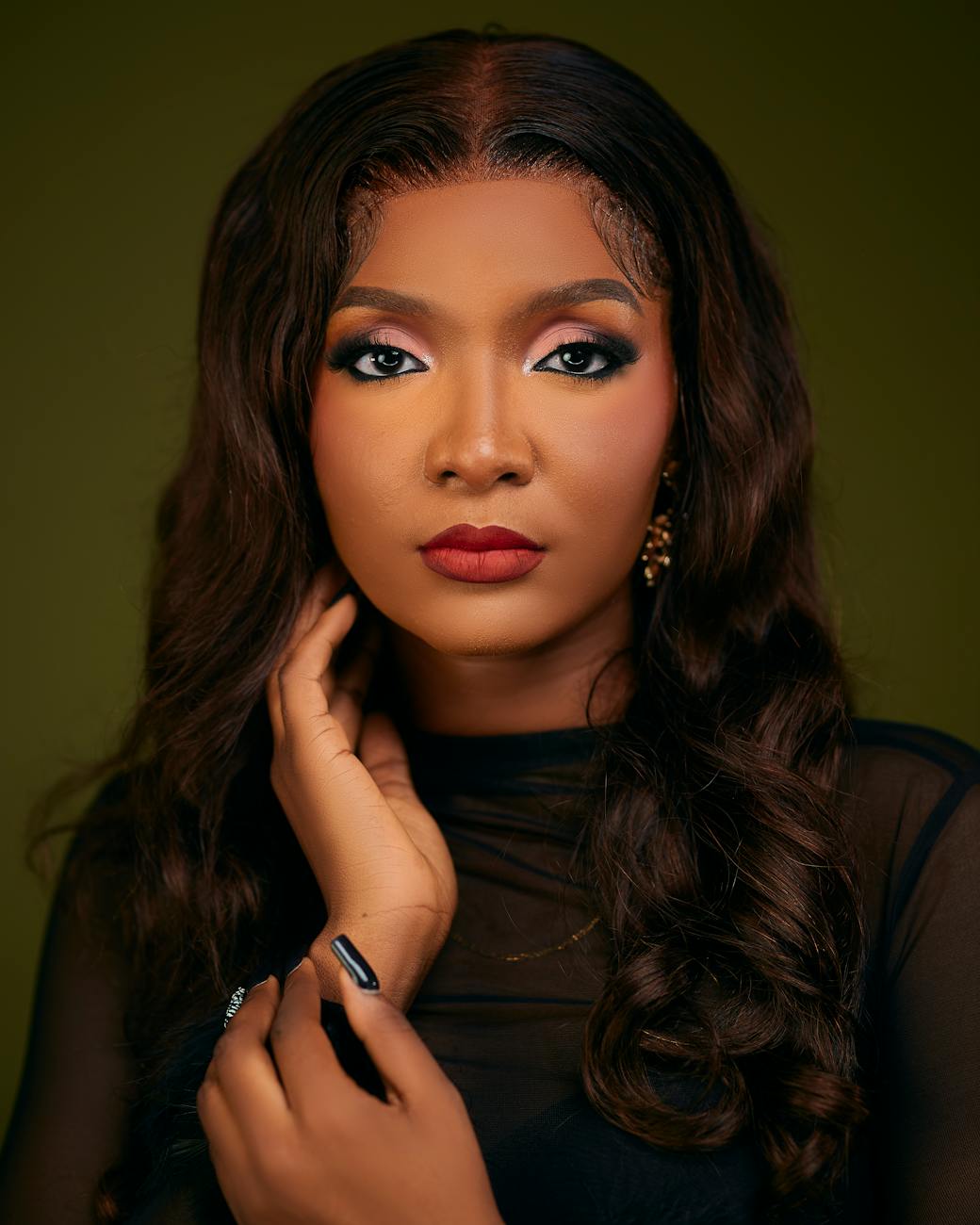
Photo by murat esibatir on Pexels.com

In every generation, people have been tempted to chase after glamour—fashion, status, and fleeting admiration. Yet the Word of God reminds us that these things quickly fade. Proverbs 31:30 (KJV) declares: “Favour is deceitful, and beauty is vain: but a woman that feareth the Lord, she shall be praised.” Grace, the quiet strength of godly character, outlasts the glimmer of worldly beauty. While glamour may impress for a moment, it is grace that transforms lives and leaves an eternal legacy.

The psychology of attractiveness helps us understand this distinction. Studies show that while physical beauty may draw initial attention, it is personality traits such as kindness, reliability, and humility that sustain long-term admiration (Zebrowitz & Montepare, 2008). Outward glamour can fade with age or circumstance, but a gracious spirit shines brighter with time. Grace has a spiritual and psychological impact because it cultivates peace, joy, and relational harmony—qualities no amount of makeup or jewelry can provide.

The Bible provides many examples where godly character outweighed outward appearance. Ruth, a Moabite widow, may not have been admired for glamour, but her loyalty, humility, and faith brought her into the lineage of Christ (Ruth 1:16–17 KJV). Similarly, Hannah’s fervent prayers and devotion, not her outward beauty, brought forth the prophet Samuel (1 Samuel 1:27–28 KJV). These women show that God delights in character that glorifies Him rather than glamour that glorifies self.

Even in the New Testament, Peter emphasized that true beauty is inward: “Whose adorning let it not be that outward adorning of plaiting the hair, and of wearing of gold… But let it be the hidden man of the heart… a meek and quiet spirit, which is in the sight of God of great price” (1 Peter 3:3–4 KJV). Peter was not forbidding beauty, but teaching that glamour without godliness is empty. True beauty lies in grace—a spirit aligned with God.

Modern life gives us countless examples of grace outlasting glamour. A grandmother whose wrinkles testify of years of prayer, service, and love often radiates more beauty than any model on a magazine cover. A teacher who uplifts struggling students or a nurse who comforts patients reflects a grace that no designer clothing could replicate. These individuals reveal the eternal truth that grace is not seen in the mirror but experienced through the heart.

Psychologists also affirm that virtues like gratitude, forgiveness, and humility foster long-term well-being and relational satisfaction (Seligman, 2011). People are drawn to those who exhibit these traits, proving that glamour may attract crowds, but grace builds community. Grace speaks through actions, heals through compassion, and strengthens through faith.

Mary, the mother of Jesus, exemplifies this principle. She is never described in Scripture by her outward beauty, but she was called “highly favoured” (Luke 1:28 KJV). Her grace—obedience, humility, and faith—made her one of the most honored women in history. Her life demonstrates that God chooses vessels of grace, not glamour, to carry His greatest purposes.

The moral is clear: glamour fades, but grace remains. Godly character lasts longer than physical charm because it is rooted in eternity. While beauty may impress the eyes, grace touches the soul. To cultivate grace is to align oneself with God’s design for beauty, reflecting His love in every word and deed.

Ultimately, the choice is ours: to chase after glamour that will fade with time, or to walk in grace that grows more radiant with every act of faith. God’s daughters are called to clothe themselves in strength, humility, and love—for these are garments that never go out of style and will be praised in heaven.


References

  • The Holy Bible, King James Version.
  • Zebrowitz, L. A., & Montepare, J. M. (2008). Social psychological face perception: Why appearance matters. Social and Personality Psychology Compass, 2(3), 1497–1517.
  • Seligman, M. E. P. (2011). Flourish: A Visionary New Understanding of Happiness and Well-being. New York: Free Press.
  • Koenig, H. G. (2012). Religion, spirituality, and health: The research and clinical implications. ISRN Psychiatry, 2012, 278730. https://doi.org/10.5402/2012/278730

12 Habits That Make You More Attractive

Blending KJV Scripture and Psychology

Photo by Al Ameen Saddiq on Pexels.com

Attractiveness is more than physical beauty—it is the product of character, habits, and the way we present ourselves to others. Both psychology and the Bible reveal that true charm is cultivated inwardly and expressed outwardly. Below are twelve habits that increase attractiveness in meaningful ways.


1. Confidence Without Arrogance
Confidence is magnetic because it signals security and trustworthiness. Psychological studies show that people are drawn to those who display healthy self-assurance (Swann et al., 2007). Yet arrogance repels. The Bible balances this by teaching, “For the LORD shall be thy confidence” (Proverbs 3:26, KJV). True attractiveness is rooted in confidence in God, not in pride.

2. Good Hygiene and Grooming
Attraction is heavily influenced by cleanliness. Psychologists note that proper grooming signals health and responsibility, key factors in partner selection. God Himself emphasized preparation through cleanliness: “Sanctify them today and tomorrow, and let them wash their clothes” (Exodus 19:10, KJV). A clean and well-kept appearance honors God and attracts others.

3. Kindness and Compassion
Kindness makes one unforgettable. Research demonstrates that altruistic people are rated as more attractive and more desirable long-term partners. Scripture commands, “Be ye kind one to another, tenderhearted” (Ephesians 4:32, KJV). A compassionate spirit shines brighter than external beauty, drawing people through genuine care.

4. Active Listening
In a world where many talk but few listen, giving undivided attention is profoundly attractive. Psychology shows that active listening builds intimacy and emotional closeness. The Bible advises, “Let every man be swift to hear, slow to speak” (James 1:19, KJV). Listening communicates respect and makes others feel valued, deepening relationships.

5. Positive Attitude
Negativity drains, but positivity uplifts. Studies reveal that optimism not only improves one’s own mental health but also makes others more likely to want companionship with you. The Apostle Paul reminds us, “Rejoice in the Lord alway: and again I say, Rejoice” (Philippians 4:4, KJV). A joyful spirit radiates attractiveness.

6. Good Posture and Body Language
Nonverbal communication speaks volumes. Psychology shows that confident posture, open gestures, and a relaxed demeanor make one appear approachable and appealing (Mehrabian, 1972). David declared, “I will praise thee; for I am fearfully and wonderfully made” (Psalm 139:14, KJV). Carrying oneself with dignity reflects inner assurance and God-given worth.

7. Ambition and Purpose
People are drawn to those who have goals and direction. Purpose signals maturity, responsibility, and resilience. Psychological studies confirm that ambition is an attractive trait in both men and women. Scripture affirms, “Write the vision, and make it plain” (Habakkuk 2:2, KJV). A life driven by godly purpose inspires others.

8. Sense of Humor
Laughter is a universal connector. Humor reveals intelligence, creativity, and emotional resilience. Studies show people prefer partners who make them laugh, as it eases tension and builds closeness. The Bible states, “A merry heart doeth good like a medicine” (Proverbs 17:22, KJV). A joyful spirit makes one irresistible.

9. Generosity
Giving increases attractiveness because it shows selflessness and abundance of spirit. Psychology observes that generosity signals both kindness and capability, enhancing desirability. Christ Himself declared, “Give, and it shall be given unto you” (Luke 6:38, KJV). Generosity reflects God’s love and makes relationships thrive.

10. Emotional Stability
Few traits are more attractive than peace under pressure. Emotional stability fosters trust and security, while instability repels. Psychology confirms that people seek partners who remain calm in adversity. Paul wrote, “For God hath not given us the spirit of fear; but of power, and of love, and of a sound mind” (2 Timothy 1:7, KJV). Stability brings beauty to relationships.

11. Self-Discipline
Those who exercise control over their desires and actions earn respect and admiration. Psychology links self-discipline to long-term success and relational reliability. The Apostle Paul modeled this: “But I keep under my body, and bring it into subjection” (1 Corinthians 9:27, KJV). Discipline makes one trustworthy and more attractive as a partner.

12. Spiritual Depth
Ultimately, true attractiveness flows from inner spirituality. Psychology acknowledges that shared faith and moral grounding strengthen bonds. Scripture declares, “Favour is deceitful, and beauty is vain: but a woman that feareth the LORD, she shall be praised” (Proverbs 31:30, KJV). Spiritual character sustains relationships long after physical beauty fades.

12 Habits That Make You More Attractive

Blending KJV Scripture and Psychology

  1. Confidence Without Arrogance
    • Psychology: Confidence signals competence and security (Swann et al., 2007).
    • Proverbs 3:26 (KJV): “For the LORD shall be thy confidence.”
  2. Good Hygiene and Grooming
    • Psychology: Cleanliness increases perceived attractiveness.
    • Exodus 19:10 (KJV): God commanded Israel to “wash their clothes” before meeting Him—purity matters.
  3. Kindness and Compassion
    • Psychology: Altruism makes people more desirable as partners.
    • Ephesians 4:32 (KJV): “Be ye kind one to another, tenderhearted.”
  4. Active Listening
    • Psychology: Attentive listening strengthens emotional bonds.
    • James 1:19 (KJV): “Let every man be swift to hear, slow to speak.”
  5. Positive Attitude
    • Psychology: Optimism draws others in and reduces stress.
    • Philippians 4:4 (KJV): “Rejoice in the Lord alway.”
  6. Good Posture and Body Language
    • Psychology: Open, confident posture increases attractiveness (Mehrabian, 1972).
    • Psalm 139:14 (KJV): “I will praise thee; for I am fearfully and wonderfully made.”
  7. Ambition and Purpose
    • Psychology: Drive and goals signal stability and direction.
    • Habakkuk 2:2 (KJV): “Write the vision, and make it plain.”
  8. Sense of Humor
    • Psychology: Humor signals intelligence and relatability.
    • Proverbs 17:22 (KJV): “A merry heart doeth good like a medicine.”
  9. Generosity
    • Psychology: Giving increases social bonds and attraction.
    • Luke 6:38 (KJV): “Give, and it shall be given unto you.”
  10. Emotional Stability
  • Psychology: Calmness makes relationships safe and secure.
  • 2 Timothy 1:7 (KJV): “For God hath not given us the spirit of fear; but of power, and of love, and of a sound mind.”
  1. Self-Discipline
  • Psychology: People admire those with self-control and resilience.
  • 1 Corinthians 9:27 (KJV): Paul speaks of keeping his body under discipline.
  1. Spiritual Depth
  • Psychology: Faith and moral grounding increase trust and long-term attractiveness.
  • Proverbs 31:30 (KJV): “A woman that feareth the LORD, she shall be praised.”

Conclusion
Attractiveness is not a mystery reserved for the outwardly beautiful—it is a set of habits cultivated daily. Psychology shows us that qualities like kindness, confidence, and stability foster lasting appeal. The Bible reminds us that inner beauty, rooted in godliness, outshines temporary charm. When we practice these twelve habits, we not only become more attractive to others but also align ourselves with the character God desires.

References

  • The Holy Bible, King James Version.
  • Swann, W. B., Jr., Chang-Schneider, C., & McClarty, K. L. (2007). Do people’s self-views matter? Self-concept and self-esteem in interpersonal relationships. Psychological Science, 18(3), 200–206.
  • Mehrabian, A. (1972). Nonverbal communication. Aldine-Atherton.
  • Rhodes, G. (2006). The evolutionary psychology of facial beauty. Annual Review of Psychology, 57, 199–226.
  • Byrne, D. (1971). The Attraction Paradigm. Academic Press.
  • Aron, A., Aron, E. N., & Smollan, D. (1997). Inclusion of Other in the Self Scale and the structure of interpersonal closeness. Journal of Personality and Social Psychology, 63(4), 596–612.
  • Bowlby, J. (1988). A Secure Base: Parent-child attachment and healthy human development. Basic Books.
  • Cialdini, R. B. (2009). Influence: Science and practice (5th ed.). Pearson.
  • Peterson, C., & Seligman, M. E. P. (2004). Character strengths and virtues: A handbook and classification. Oxford University Press.

What makes a Woman truly beautiful?

Photo by cottonbro studio on Pexels.com

Beauty is one of the most debated concepts in human history, yet its truest form transcends mere physical appearance. While society often emphasizes youth, skin tone, or body shape, biblical scripture and psychology reveal that true beauty lies in a woman’s inner essence, her spiritual alignment, and her impact on others.


Beauty Rooted in Character

The Bible consistently reminds us that outward attractiveness is fleeting, but inner character endures. Proverbs 31:30 (KJV) declares: “Favour is deceitful, and beauty is vain: but a woman that feareth the Lord, she shall be praised.” Here, beauty is redefined as reverence for God, moral integrity, and righteous living. A woman’s character — her honesty, patience, and humility — shines brighter than any adornment. Psychologically, researchers confirm that individuals are perceived as more attractive when they display warmth and kindness (Kniffin & Wilson, 2004).


Confidence and Self-Worth

True beauty cannot exist without confidence. A woman who understands her worth is not easily swayed by Eurocentric beauty ideals, media filters, or societal comparisons. Confidence radiates through posture, voice, and presence, shaping how others perceive her. According to Cash and Smolak (2011), self-esteem and body image significantly influence perceptions of beauty. When a woman accepts and loves her natural skin tone, hair texture, and unique features, she communicates a power that no external validation can diminish.


Compassion as a Radiant Force

Compassion is another dimension of beauty that goes beyond aesthetics. A woman’s ability to nurture, empathize, and uplift others embodies inner radiance. 1 Peter 3:3–4 (KJV) emphasizes this, stating: “Whose adorning let it not be that outward adorning of plaiting the hair, and of wearing of gold… but let it be the hidden man of the heart, in that which is not corruptible, even the ornament of a meek and quiet spirit, which is in the sight of God of great price.” Meekness and compassion beautify a woman’s spirit, making her presence restorative.


Wisdom and Purpose as Elegance

Wisdom transforms beauty into legacy. A woman of understanding and purpose carries a timeless elegance that surpasses physical allure. Ecclesiastes 3:11 reminds us that God “hath made every thing beautiful in his time.” When women walk in purpose — whether in leadership, motherhood, scholarship, or service — their beauty expands beyond themselves and impacts generations. Psychologically, meaning and purpose increase not only personal well-being but also how others perceive attractiveness (King et al., 2006).


The Harmony of Body, Mind, and Spirit

Lastly, true beauty emerges from balance. A woman who honors her body as the temple of God (1 Corinthians 6:19), renews her mind through positive thought (Romans 12:2), and nurtures her spirit through prayer reflects a glow that cannot be replicated by cosmetics. This harmony creates wholeness, and wholeness itself is beauty.


Conclusion

A truly beautiful woman is not defined solely by her physical features but by her depth of spirit, confidence, compassion, wisdom, and divine alignment. While outward beauty may draw attention, it is her inner radiance that captures hearts and endures through time. In essence, beauty is not just what she looks like, but what she lives like.


📖 References

  • Cash, T. F., & Smolak, L. (2011). Body Image: A Handbook of Science, Practice, and Prevention. Guilford Press.
  • Kniffin, K. M., & Wilson, D. S. (2004). The effect of nonphysical traits on the perception of physical attractiveness. Evolution and Human Behavior, 25(2), 88–101.
  • King, L. A., Hicks, J. A., Krull, J. L., & Gaiso, A. K. (2006). Positive affect and the experience of meaning in life. Journal of Personality and Social Psychology, 90(1), 179–196.
  • The Holy Bible, King James Version.