Category Archives: celebrity

Satanic Occupations: The Battle Between Corruption and Redemption.

Photo by Yan Krukau on Pexels.com

The term “satanic occupations” refers to fields of work that can be corrupted and used as instruments of evil when motivated by greed, deception, pride, or exploitation. These occupations are not inherently evil but can be twisted to advance the works of darkness. The enemy seeks to “steal, and to kill, and to destroy” (John 10:10, KJV), which includes corrupting systems, careers, and institutions. Psychology supports this idea by showing that human behavior is shaped by incentives, power structures, and cultural influences that can promote either justice or harm.

The entertainment industry—including acting, singing, and social media—has tremendous influence over culture. This field becomes “satanic” when it glorifies lust, pride, and rebellion against God, leading people to idolatry and sin. Many artists use their platforms to promote violence, sexual immorality, and self-worship. “Love not the world, neither the things that are in the world” (1 John 2:15-16, KJV). Psychologically, constant exposure to such content normalizes destructive behaviors and can lead to desensitization. However, entertainment can inspire hope, tell stories of redemption, and spread truth when used to glorify God.

Science and technology can be powerful tools for human progress but are often idolized as replacements for God. When people elevate human knowledge above divine wisdom, they fall into intellectual pride. Romans 1:22 warns, “Professing themselves to be wise, they became fools” (KJV). Technology can be used to create weapons of mass destruction, exploit personal data, or distract entire generations. Psychologically, this creates a false sense of control. Yet science and technology can glorify God when used for healing, stewardship of creation, and improving quality of life.

Banking and finance often become corrupted by greed and exploitation. The love of money is called “the root of all evil” (1 Timothy 6:10, KJV). Materialism leads to anxiety, selfishness, and social inequality. However, money is morally neutral and can be a force for good when used to support missions, feed the hungry, build hospitals, and educate the next generation. Wise stewardship honors God: “Honour the Lord with thy substance” (Proverbs 3:9, KJV).

Politics shapes laws and morality at the national level. It becomes satanic when leaders use deception, oppression, and ambition to control people. “Woe unto them that decree unrighteous decrees” (Isaiah 10:1, KJV). Psychology shows that power can corrupt, leading to moral disengagement. Still, politics can uphold justice, protect the vulnerable, and advance righteousness. Biblical examples such as Joseph, Daniel, and Esther show that God uses leaders to bring deliverance and restoration.

The legal profession—including judges and lawyers—can uphold truth or perpetuate lies and corruption. Bribes, false witnesses, and unjust rulings pervert justice: “Ye shall do no unrighteousness in judgment… but in righteousness shalt thou judge thy neighbour” (Leviticus 19:15, KJV). When guided by integrity, legal professionals defend the innocent and free the oppressed, reflecting God’s character as a just judge.

Education is another area that can be either liberating or destructive. It becomes satanic when schools teach godless ideologies, promote moral relativism, or erase the truth about creation and history. “My people are destroyed for lack of knowledge” (Hosea 4:6, KJV) shows how ignorance can enslave a generation. However, education can also empower minds, teach virtue, and pass on wisdom. Christian educators and scholars can positively influence culture by teaching the truth and forming disciples of Christ.

Medicine and healthcare can also become corrupted when profit outweighs compassion, or when procedures violate the sanctity of life. Abortion, unethical experiments, and exploitation of the sick reveal how this noble field can be twisted. Yet Christ Himself was a healer, and medicine is one of the most direct ways to reflect His compassion, relieving suffering and saving lives. “Bear ye one another’s burdens, and so fulfil the law of Christ” (Galatians 6:2, KJV).

The military and law enforcement are sometimes seen as instruments of oppression or violence. Indeed, when armies are used for unjust wars or police abuse power, they serve Satan’s destructive agenda. But when used rightly, they protect the innocent and restrain evil. Romans 13:4 calls governing authorities “the minister of God, a revenger to execute wrath upon him that doeth evil.” Psychology shows that disciplined military culture can instill courage, duty, and teamwork that serve society.

Fashion and beauty industries can promote vanity, lust, and unrealistic standards that enslave people’s identities to appearance. Proverbs 31:30 warns, “Favour is deceitful, and beauty is vain: but a woman that feareth the Lord, she shall be praised.” But fashion can also be used to express creativity, dignity, and modesty, reflecting God’s artistry and order.

Business and entrepreneurship can be exploited for greed, exploitation, and unethical labor practices. Psychologically, unchecked ambition can lead to narcissism and moral compromise. Yet business done with integrity creates jobs, strengthens families, and funds kingdom work. Proverbs 11:1 teaches that “A false balance is an abomination to the LORD: but a just weight is his delight.” Ethical entrepreneurship can model stewardship and justice.

Sports, like other occupations, are neither inherently good nor evil but can become a battleground for the heart. When used to glorify self, they foster pride and idolatry. However, when used to glorify God, they can inspire nations and serve as an example of discipline and perseverance. “Be not overcome by evil, but overcome evil with good” (Romans 12:21, KJV).

Satanic Occupations: The Battle Between Corruption and Redemption

Occupation / SphereHow It Can Be Evil (Satanic Influence)How It Can Be Good (Godly Use)Scriptures (KJV)Psychological Insight
Entertainment (Acting, Singing, Social Media)Glorifies lust, rebellion, self-worship, violence, and idolatry; normalizes sin.Inspires hope, tells redemptive stories, spreads truth, uplifts and educates.1 John 2:15-16 – “Love not the world…”
Philippians 4:8 – “Think on these things.”
Constant exposure shapes values; can desensitize to sin or motivate positive change.
Science & TechnologyIntellectual pride, replacing God, unethical experiments, distraction from spiritual life.Advances medicine, improves quality of life, glorifies God’s wisdom in creation.Romans 1:22 – “Professing themselves to be wise…”
Psalm 19:1 – “The heavens declare the glory of God.”
Knowledge without morality can lead to arrogance; aligned with ethics, it becomes life-giving.
Banking & FinanceGreed, hoarding wealth, economic oppression, exploitation of the poor.Funds missions, education, healthcare, and community development.1 Timothy 6:10 – “The love of money is the root of all evil.”
Proverbs 3:9 – “Honour the Lord with thy substance.”
Materialism raises anxiety; generosity increases joy and social trust.
Politics & GovernmentCorruption, unrighteous laws, abuse of power, oppression of citizens.Protects the vulnerable, promotes justice and national restoration.Isaiah 10:1 – “Woe unto them that decree unrighteous decrees.”
Romans 13:1 – “The powers that be are ordained of God.”
Power can corrupt; servant leadership builds societal trust.
Legal Profession (Judges & Lawyers)Bribery, lies, defending injustice, perverting judgment.Defends the innocent, frees the oppressed, upholds righteousness.Leviticus 19:15 – “In righteousness shalt thou judge…”
Proverbs 17:15 – “He that justifieth the wicked… is abomination.”
Law shapes morality; relativism leads to justifying wrongdoing.
EducationPromotes godless ideologies, moral relativism, and historical revisionism.Empowers minds, teaches wisdom, preserves truth, disciples future generations.Hosea 4:6 – “My people are destroyed for lack of knowledge.”
Proverbs 4:7 – “Wisdom is the principal thing.”
Education shapes worldview; miseducation can enslave, while truth liberates.
Medicine & HealthcareProfit over compassion, abortion, unethical practices, exploitation of the sick.Healing, compassion, saving lives, reflecting Christ’s ministry.Galatians 6:2 – “Bear ye one another’s burdens…”
Matthew 9:35 – Jesus “healing every sickness.”
Altruistic care improves mental health for patients and caregivers alike.
Military & Law EnforcementUnjust wars, abuse of authority, oppression of civilians.Protects the innocent, restrains evil, maintains order.Romans 13:4 – “He is the minister of God, a revenger to execute wrath…”
Psalm 82:3 – “Defend the poor and fatherless.”
Discipline fosters courage and duty; unchecked aggression breeds trauma and abuse.
Fashion & Beauty IndustryPromotes vanity, lust, unrealistic standards, and identity obsession.Encourages creativity, dignity, modesty, and self-respect.Proverbs 31:30 – “Beauty is vain: but a woman that feareth the LORD…”
1 Timothy 2:9 – “Adorn themselves in modest apparel.”
Media-driven beauty ideals harm self-esteem; modesty and authenticity promote well-being.
Business & EntrepreneurshipExploitation, greed, unethical labor, dishonest profit-seeking.Creates jobs, supports families, funds community growth, models stewardship.Proverbs 11:1 – “A false balance is abomination…”
Colossians 3:23 – “Do it heartily, as to the Lord.”
Ethical business improves society; unchecked ambition leads to narcissism and exploitation.

Ultimately, none of these occupations is inherently evil. The danger lies in the motives of the heart. “Whether therefore ye eat, or drink, or whatsoever ye do, do all to the glory of God” (1 Corinthians 10:31, KJV). Psychology affirms that meaningful work aligns with moral and spiritual purpose, not merely power or profit. These spheres are spiritual battlegrounds where believers are called to bring light, integrity, and truth. “Be not overcome of evil, but overcome evil with good” (Romans 12:21, KJV).


References

  • Holy Bible, King James Version.
  • American Psychological Association. (2023). The psychology of power and corruption. APA.
  • Twenge, J. M., & Campbell, W. K. (2018). The narcissism epidemic: Living in the age of entitlement. Atria Books.
  • Keller, T. (2013). Every Good Endeavor: Connecting Your Work to God’s Work. Dutton.
  • Barna Group. (2022). Faith and culture: How entertainment and media shape worldview. Barna Research.
  • Wright, N. T. (2010). After You Believe: Why Christian Character Matters. HarperOne.
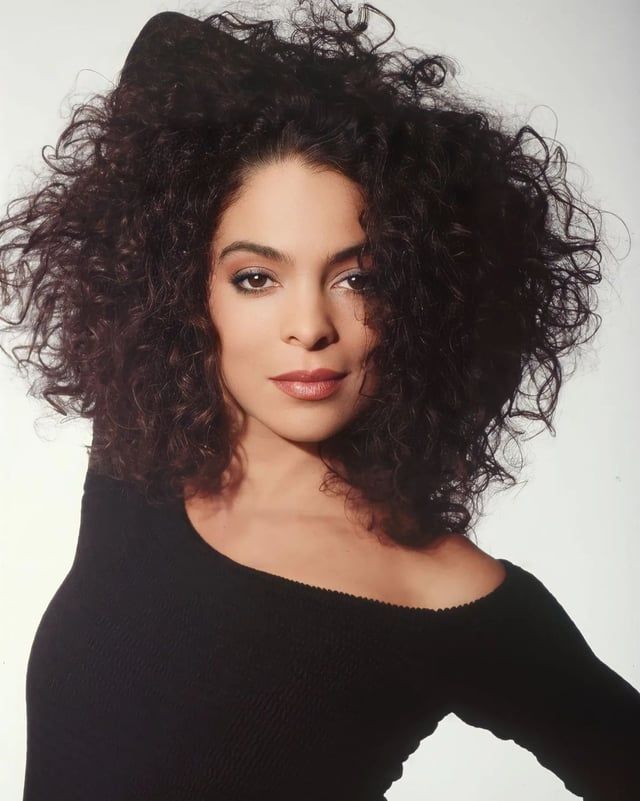
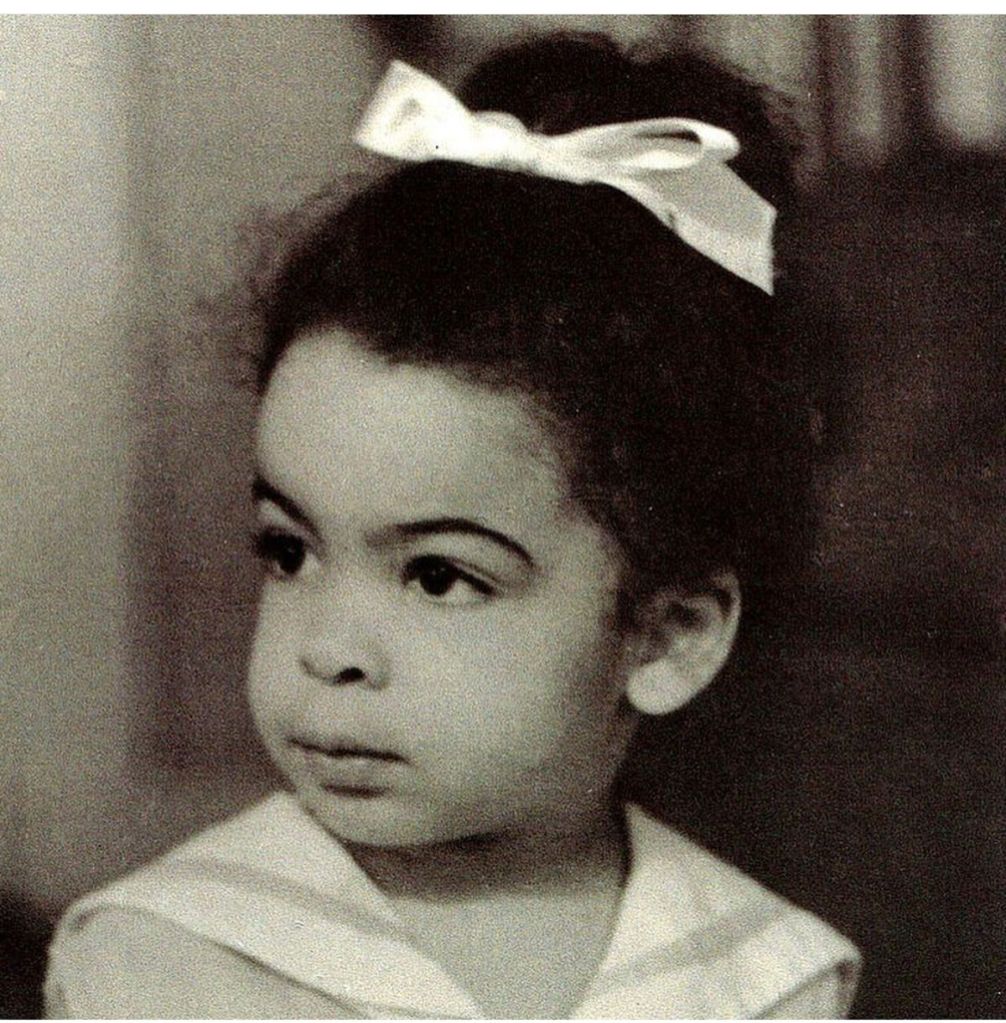
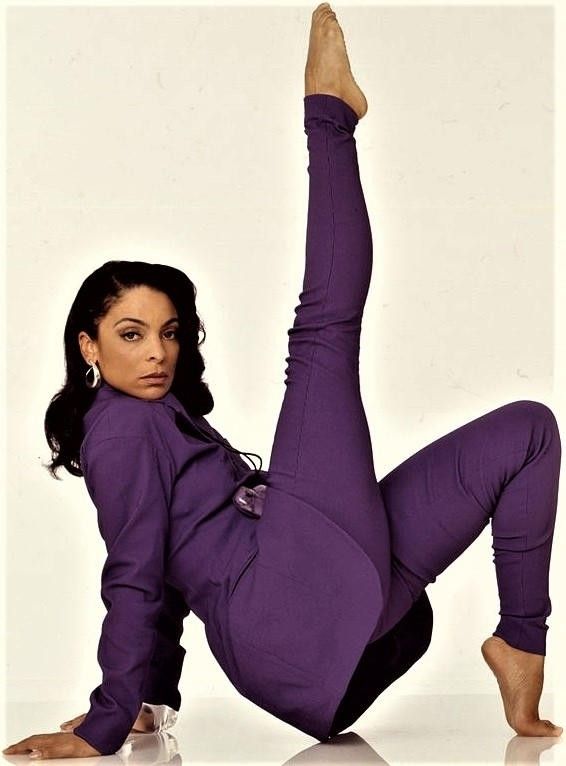
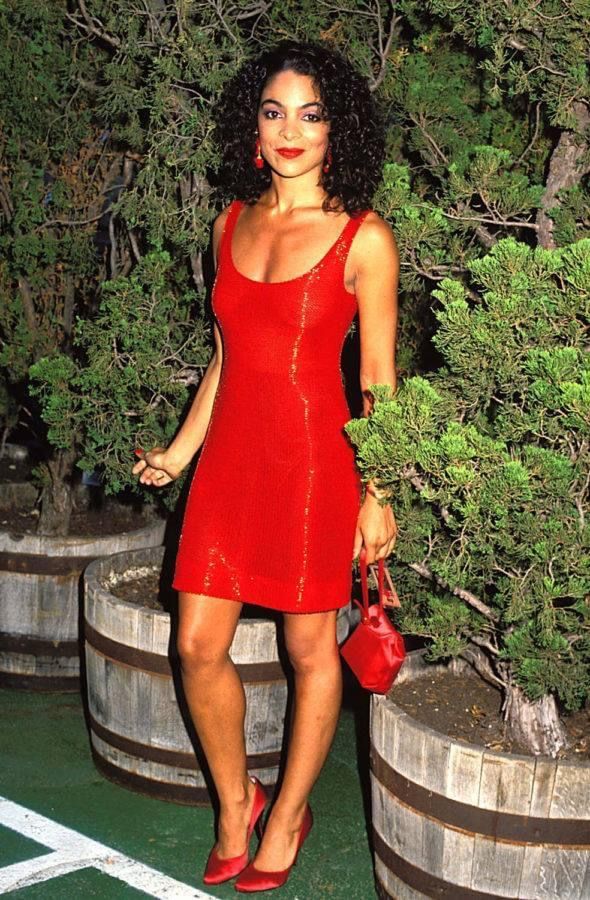
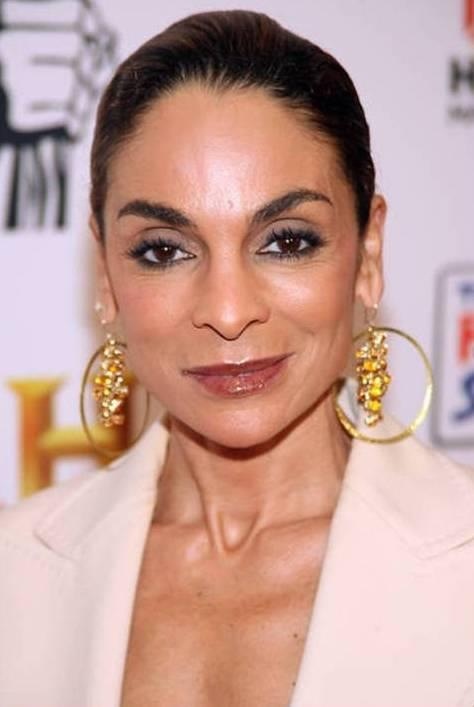
The “It Girl” Series: Jasmine Guy

A vision of sophistication with a dancer’s poise and an actress’s emotional depth, Jasmine Guy captivated audiences and helped redefine the image of the modern Black woman on television.

This photograph is the property of its respective owner.

With regal poise, luminous beauty, and a voice that blended Southern charm with artistic sophistication, Jasmine Guy became one of television’s most unforgettable “It Girls,” captivating audiences with intelligence, elegance, and multi-talented artistry.

This photograph is the property of its respective owner.

Jasmine Guy was born on March 10, 1962, in Boston, Massachusetts, but she was primarily raised in Atlanta, Georgia. She grew up in a culturally rich and intellectually stimulating household. Her father, William Guy, was an African American Baptist minister and professor of philosophy and religion who served as pastor of the historic Friendship Baptist Church in Atlanta. Her mother, Jaye Rudolph, was a Portuguese-American high school teacher. Growing up in a biracial household exposed Jasmine Guy to diverse cultural influences that shaped her worldview and artistic identity. Raised in the historic Collier Heights neighborhood—one of Atlanta’s first affluent Black communities—Guy was surrounded by educators, professionals, and leaders who emphasized excellence and achievement.

From childhood, Guy displayed remarkable artistic ability. She sang in the church choir where her father preached, developing a love for music and performance at an early age. She later attended Northside Performing Arts High School in Atlanta, where her talents in dance, theater, and singing began to flourish. Determined to pursue a professional career in the arts, she moved to New York City at age seventeen to study dance at the prestigious Alvin Ailey American Dance Theater school. This rigorous training refined her technical abilities and prepared her for a career in entertainment that would span television, film, music, and theater.

This photograph is the property of its respective owner.

Guy’s professional career began in the early 1980s when she appeared as a dancer on the television series Fame in 1982. Though a small role, it marked her official entry into the entertainment industry. She soon began performing in stage productions and appeared in the Broadway musical revival of The Wiz in 1984. Her work in theater helped her develop the triple-threat talent—acting, singing, and dancing—that would define her career.

Her major breakthrough came in 1987 when she was cast as Whitley Gilbert on the NBC sitcom A Different World, a spin-off of The Cosby Show. Whitley Gilbert was a wealthy Southern debutante attending the fictional historically Black Hillman College. The character quickly became one of the most iconic figures on television due to her dramatic personality, distinctive Southern accent, impeccable fashion sense, and complex emotional development. Initially portrayed as a privileged socialite, Whitley evolved into a thoughtful and independent woman over the course of the show’s six seasons from 1987 to 1993. Guy’s performance made the character unforgettable and cemented her place in television history. Her portrayal resonated with audiences, particularly Black viewers, who saw a sophisticated and multidimensional representation of young Black womanhood.

Guy’s work on A Different World brought her significant recognition. She won four NAACP Image Awards for Outstanding Lead Actress in a Comedy Series, reflecting both her acting talent and the cultural impact of the show. The series itself became an influential program that highlighted historically Black colleges and universities, inspiring many young viewers to pursue higher education.

This photograph is the property of its respective owner.

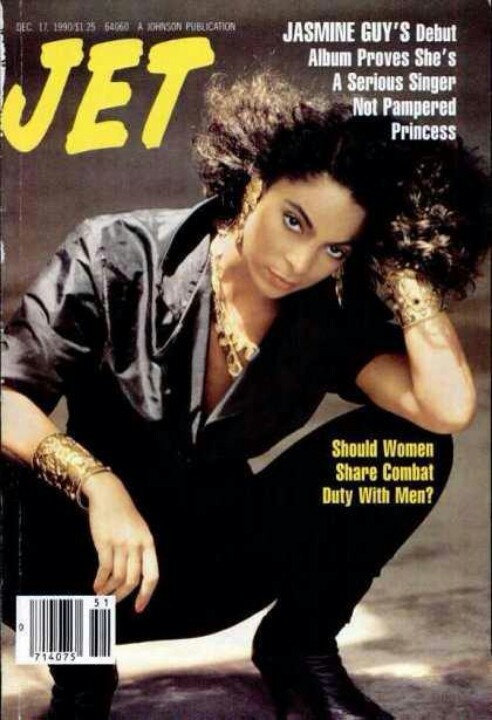
At the height of her television fame, Guy expanded her artistic career into music. In 1990, she released her self-titled debut album Jasmine Guy through Warner Bros. Records. The album blended R&B, pop, and new jack swing, a sound popular during the early 1990s. It produced several singles, including “Try Me,” “Another Like My Lover,” and “Just Want to Hold You.” The song “Another Like My Lover” became her biggest hit, reaching the Top 10 on the Billboard R&B chart. Though she did not pursue a long-term recording career, the album demonstrated her versatility as an entertainer and further enhanced her public image as a multi-talented performer.

Alongside her television success, Guy built a notable film career. One of her earliest film roles was in School Daze (1988), directed by Spike Lee. The film explored issues of colorism and social identity within Black college culture, and Guy’s role as Dina contributed to the movie’s cultural commentary. She later appeared in Harlem Nights (1989), starring alongside Eddie Murphy and Richard Pryor. Her film work also included voice acting in the animated film Cats Don’t Dance (1997).

This photograph is the property of its respective owner.

Guy continued appearing in numerous television projects throughout the 1990s and 2000s. Her television credits include guest roles in The Fresh Prince of Bel-Air, Dead Like Me, and the supernatural drama The Vampire Diaries. Her continued presence on television demonstrated her longevity as an actress and her ability to adapt to new genres and audiences. In addition to acting, Guy worked behind the scenes as a director and choreographer, further expanding her influence in the entertainment industry.

Beyond performing, Jasmine Guy is also an accomplished writer. In 2004, she authored the biography Afeni Shakur: Evolution of a Revolutionary, chronicling the life of activist Afeni Shakur, the mother of legendary rapper Tupac Shakur. Guy had been a close friend of Tupac and worked closely with Afeni Shakur to document her experiences as a member of the Black Panther Party and a social activist.

In her personal life, Guy married Terrence Duckett in 1998. The couple welcomed a daughter, Imani Guy Duckett, in 1999. After approximately ten years of marriage, Guy and Duckett divorced in 2008. Following the divorce, she returned to Atlanta, where she continued acting while focusing on raising her daughter and participating in local theater and cultural projects.

Throughout her career, Jasmine Guy has received numerous honors and recognitions. In addition to her NAACP Image Awards, she received critical acclaim for her stage performances and later earned a Daytime Emmy Award in 2023 for her work in the short-form series Chronicles of Jessica Wu. The recognition demonstrated the lasting relevance of her talent decades after her breakthrough role.

This photograph is the property of its respective owner.

Jasmine Guy became an “It Girl” because she represented the rare combination of beauty, intelligence, artistic versatility, and cultural significance. Her elegant appearance, expressive voice, and commanding presence made her unforgettable, while her portrayal of Whitley Gilbert defined an era of Black television. The character’s memorable lines, emotional depth, and iconic romance with Dwayne Wayne remain among the most beloved moments in sitcom history.

More than just a television star, Jasmine Guy symbolizes the power of multidimensional Black artistry. Actress, singer, dancer, author, and director, she built a career that reflects both creativity and resilience. Her influence continues to resonate with audiences who grew up watching A Different World and with new generations discovering her work. In the legacy of Black entertainment icons, Jasmine Guy stands as a timeless example of the grace, intellect, and talent that define a true “It Girl.”


References

BlackPast.org. (2016). Jasmine Guy.
IMDb. (2024). Jasmine Guy Biography and Filmography.
The Famous People. (2024). Jasmine Guy Biography.
Billboard. (1990). R&B Chart History – Jasmine Guy.
Wikipedia contributors. (2024). Jasmine Guy.
Wikipedia contributors. (2024). Jasmine Guy (album).

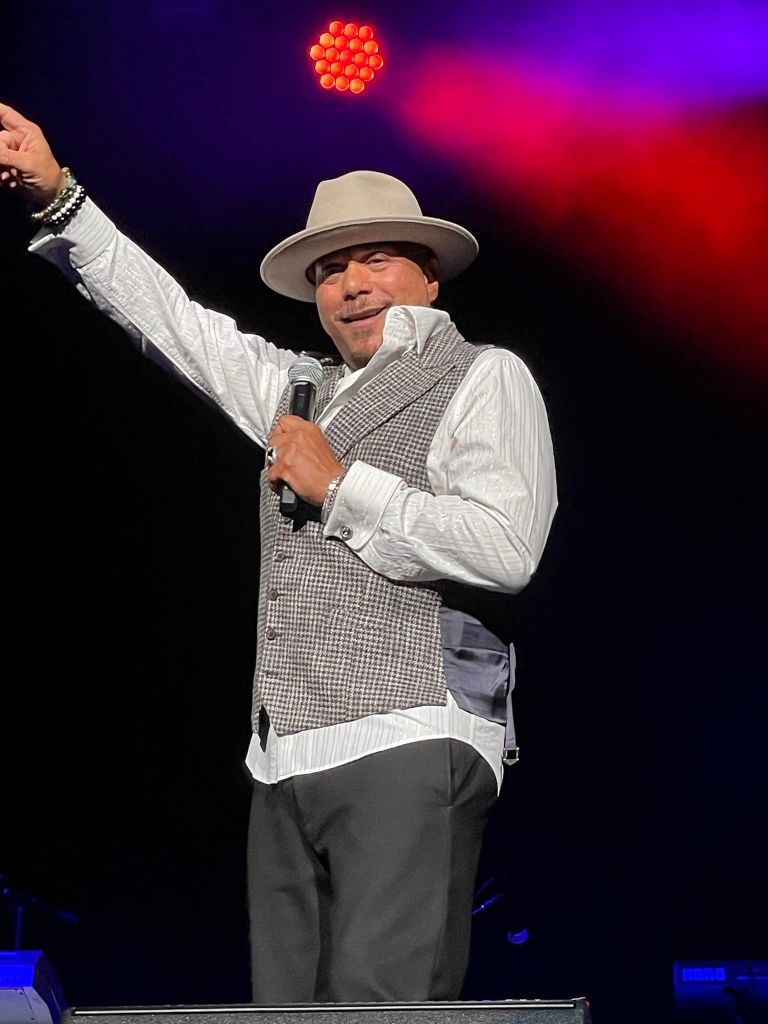
Celebrity Spotlight: Howard Hewett

This photograph is the property of its respective owner. No copyright infringement intended.

Howard Hewett is celebrated for his silky, emotive balladeer’s voice—smooth, resonant, and deeply expressive. His vocal tone carries a romantic warmth rooted in gospel tradition while effortlessly blending with contemporary R&B and soul. Hewett’s delivery is intimate yet powerful, allowing him to convey vulnerability, devotion, and longing in a way that has defined classic Black love songs for generations.

Born October 1, 1955, in Akron, Ohio, Howard Hewett Jr. was raised in a musically rich household. He was introduced to music at an early age through the church. He sang gospel alongside his sisters in a family group known as The Hewett Singers, which laid the spiritual and technical foundation for his vocal style.

Hewett’s early exposure to gospel instilled discipline, harmony, and emotional depth in his singing. As a teenager, he expanded beyond church music and joined a local funk band called Lyfe, where he gained experience performing secular music and honing his stage presence. This period marked his transition from gospel roots to broader musical exploration.

His professional career began to take shape in 1976, when he relocated to Los Angeles to pursue opportunities in the music industry. This move proved pivotal, placing him at the center of the emerging West Coast R&B and soul scene during a transformative era in Black music.

Howard Hewett rose to national prominence as the lead singer of the R&B group Shalamar, one of the flagship acts of Dick Griffey’s SOLAR Records. Joining the group in the late 1970s, Hewett became the voice behind many of Shalamar’s most iconic records during their commercial peak.

With Hewett on lead vocals, Shalamar released a string of timeless hits that blended dance, soul, and romance. Songs such as “The Second Time Around,” “A Night to Remember,” and “This Is for the Lover in You” became staples of Black radio and remain enduring classics in R&B history.

After establishing himself as a star with Shalamar, Hewett embarked on a solo career in the mid-1980s. He officially launched his solo journey in 1986 with the release of his debut album, I Commit to Love, under Elektra Records. The album showcased his signature romantic style and solidified his identity as a premier R&B balladeer.

His solo success continued with hits such as “I’m for Real,” “Stay,” and “Once, Twice, Three Times.” These songs emphasized emotional sincerity, commitment, and adult love, distinguishing Hewett in an era increasingly influenced by pop crossover trends.

Throughout his career, Hewett has been associated with award-winning projects. He contributed to the Grammy-winning Beverly Hills Cop soundtrack, which received recognition for its musical excellence and cultural impact during the 1980s.

Howard Hewett’s influence has also been recognized at the community level. The city of Akron, Ohio, has honored him for his artistic contributions, acknowledging his role as one of the city’s most successful and respected musical figures.

In his personal life, Hewett has experienced several marriages. His first marriage was to Rainey Riley-Cunningham, with whom he shares two daughters, LaKiva Siani and Rainey Daze. He later married Mari Molina, though that union did not produce children.

His third marriage was to actress and singer Nia Peeples, with whom he has a son, Christopher Eugene Howard Hewett, born in 1989. Hewett later married Angela Bloom-Hewett, and they share a daughter named Anissa Hewett. He is also a proud grandfather.

Beyond chart success, Hewett’s legacy rests in his role as a cultural voice for Black love, emotional transparency, and mature romance. His music has consistently affirmed tenderness, commitment, and vulnerability—values often absent from mainstream portrayals of masculinity.

With a career spanning more than four decades, Howard Hewett remains a respected elder statesman of R&B. His influence is evident in contemporary soul artists who prioritize vocal purity, lyrical sincerity, and emotional depth.

Howard Hewett’s story is one of faith-rooted beginnings, artistic perseverance, and enduring musical relevance. His voice continues to stand as a testament to the power of soulful expression and the timeless beauty of Black love in song.


References

Hewett, H. (n.d.). Official biography. Howard Hewett Music. https://www.howardhewettmusic.com/bio

Howard Hewett. (n.d.). In Wikipedia. https://en.wikipedia.org/wiki/Howard_Hewett

I Commit to Love. (n.d.). In Wikipedia. https://en.wikipedia.org/wiki/I_Commit_to_Love

Forever and Ever (Howard Hewett album). (n.d.). In Wikipedia. https://en.wikipedia.org/wiki/Forever_and_Ever_(Howard_Hewett_album)

City of Akron honors Howard Hewett. (n.d.). Downtown Akron Partnership. https://www.downtownakron.com

IMDb. (n.d.). Howard Hewett biography. https://www.imdb.com/name/nm0382040/bio/

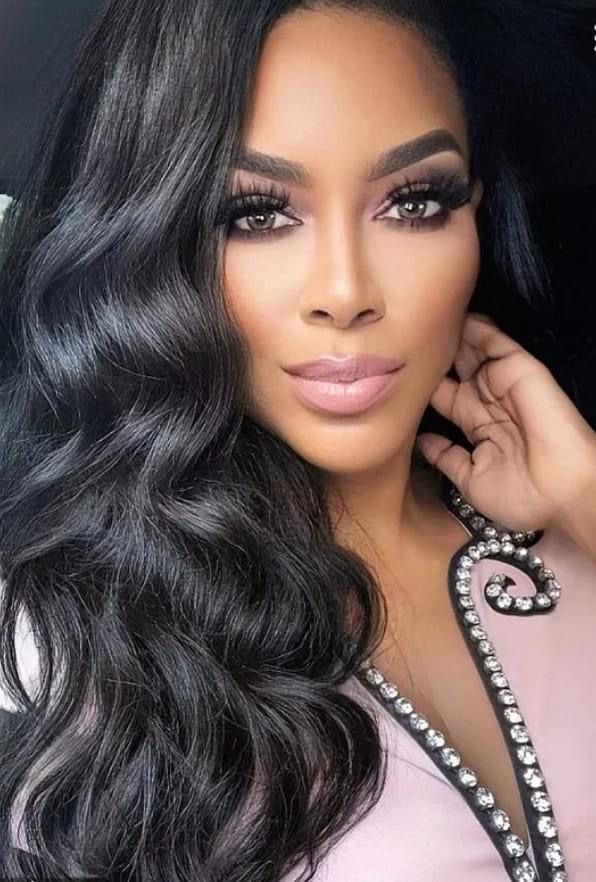
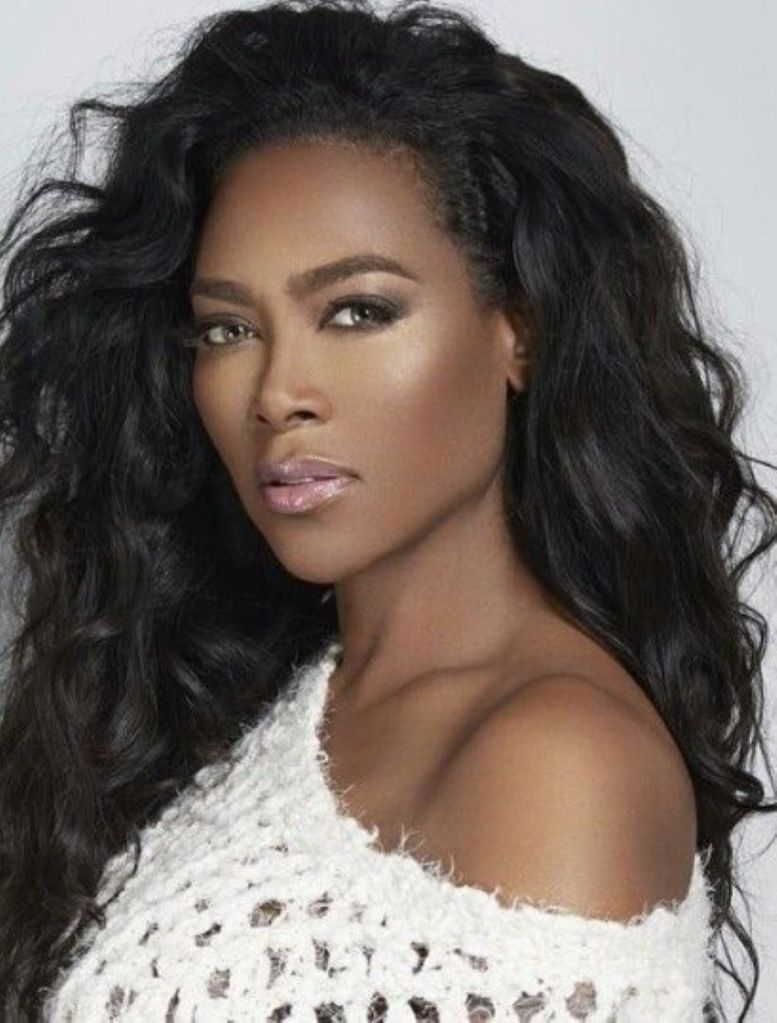
The Ebony Dolls: Kenya Moore

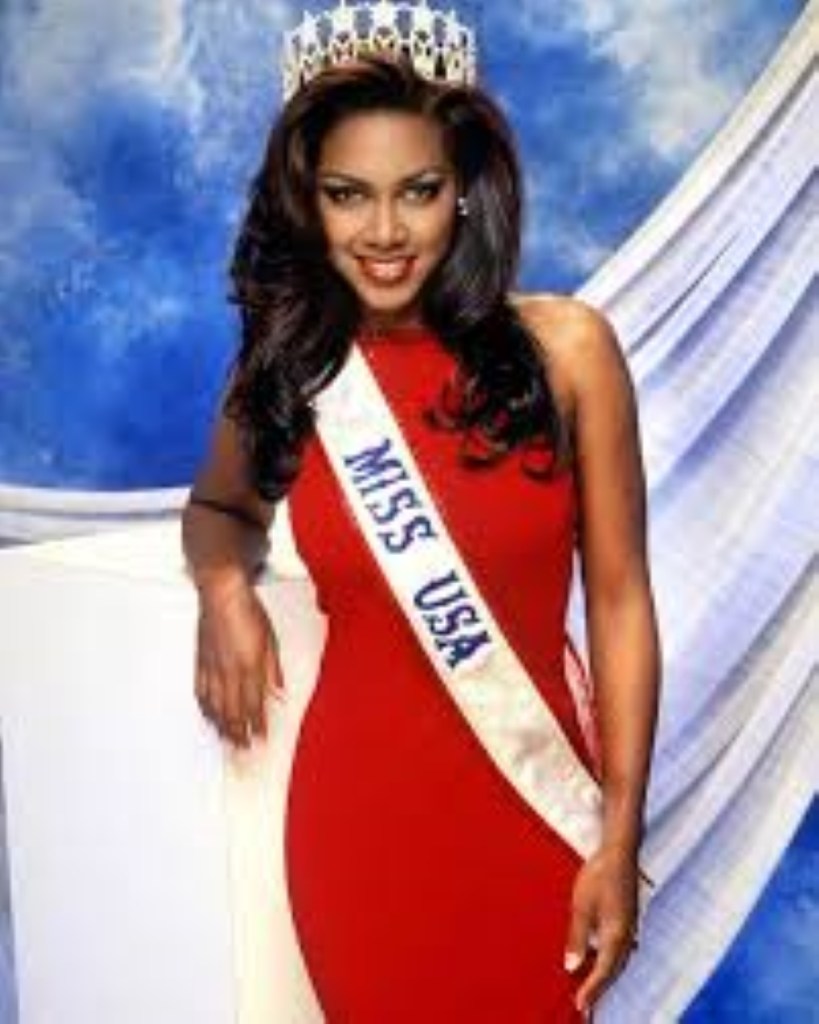
Here she is, Miss USA…

This photograph is the property of its respective owner.

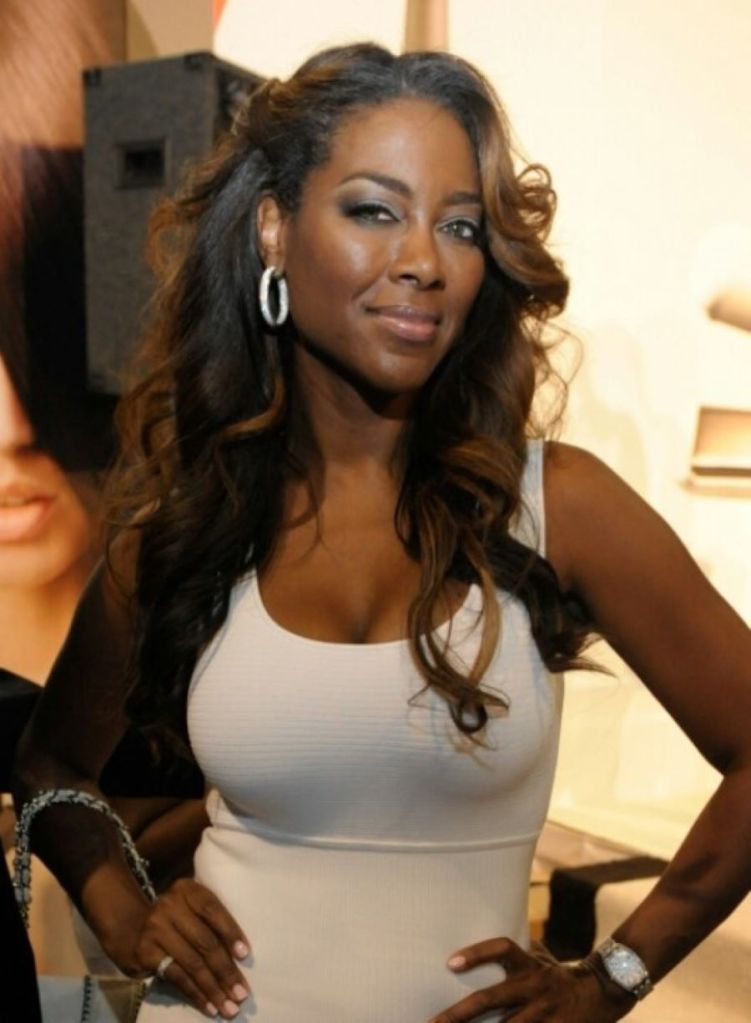
Kenya Moore is a striking vision of beauty whose deep chocolate skin and stunning facial features have captivated audiences for decades. Her almond-shaped hazel eyes, radiant smile, and elegant poise give her a commanding presence—the “wow factor” that makes her one of the most beautiful, recognizable, and celebrated Black celebrities in modern entertainment. Beyond her physical allure, Kenya combines intelligence, talent, and charisma, establishing herself as a multifaceted figure in television, film, and entrepreneurship. She uses her platform to elevate standards of excellence while embracing her African American heritage (Moore, 2010).

This photograph is the property of its respective owner.

Kenya Moore was born on January 24, 1971, in Detroit, Michigan. She is African American and has consistently celebrated her Black identity, often speaking about pride in her heritage and the beauty of her chocolate skin in an industry that has historically marginalized darker-skinned women. Her commitment to representing Black excellence has made her a role model for many young women navigating similar cultural and societal challenges.

This photograph is the property of its respective owner. No copyright infringement intended.

Her rise to prominence began in beauty pageants. In 1993, Kenya Moore won the Miss USA title, a historic achievement that showcased not only her beauty but also her poise, intelligence, and advocacy. This win opened doors in Hollywood and the entertainment industry, allowing her to transition into acting, modeling, and television hosting. She became a prominent figure, blending glamour with business acumen and cultural influence.

Kenya’s acting career includes appearances in films such as Waiting to Exhale (1995), Deliver Us from Eva (2003), and Johnson Family Vacation (2004). She has also appeared in numerous television shows, including recurring roles on series like Girlfriends and guest appearances on The Fresh Prince of Bel-Air. Kenya’s versatility as an actress, combined with her commanding presence, has allowed her to cross genres and media successfully.

In addition to acting, Kenya Moore is widely known for her reality television work. She has been a prominent cast member on The Real Housewives of Atlanta, where her wit, style, and personality have made her a fan favorite. Beyond reality TV, she has ventured into entrepreneurship, founding her own haircare line and engaging in philanthropic initiatives that empower women and young Black girls.

This photograph is the property of its respective owner.

Kenya Moore was married to Marc Daly, and the couple welcomed their first child in 2020. She frequently emphasizes the importance of family, balance, and resilience, sharing her journey as a mother and wife while continuing her career and advocacy work. Her personal life, while celebrated in public, also reflects her commitment to nurturing a grounded, loving family.

Throughout her career, Kenya Moore has received multiple accolades and recognition for her contributions to beauty, fashion, television, and entertainment. Her Miss USA title remains iconic, and she has leveraged her visibility to influence perceptions of Black beauty positively. Kenya’s career exemplifies how talent, perseverance, and authenticity can converge to create a lasting impact in Hollywood and beyond.

This photograph is the property of its respective owner.

Kenya Moore’s legacy is defined by more than her physical beauty. She represents Black excellence, resilience, and empowerment, demonstrating that one can achieve professional success while embracing and celebrating racial identity. Her influence as an actress, television personality, entrepreneur, and mother continues to inspire generations of Black women to pursue their ambitions unapologetically while maintaining dignity, poise, and self-love. All this makes her a true ebony doll.


References

  • Moore, K. (2010). Interviews and public statements on beauty, heritage, and career. Various media outlets.
  • IMDb. (n.d.). Kenya Moore Filmography. Retrieved from https://www.imdb.com/name/nm0600310/
  • Miss USA Organization. (n.d.). Kenya Moore – Miss USA 1993. Retrieved from https://www.missusa.com/history/1993
  • Erenberg, L. A. (2008). Black Women in Media: Representation, Influence, and Cultural Impact. University of Chicago Press.

The Indian Dolls: Priyanka Chopra Jonas

This photograph is the property of its respective owner. No copyright infringement intended.

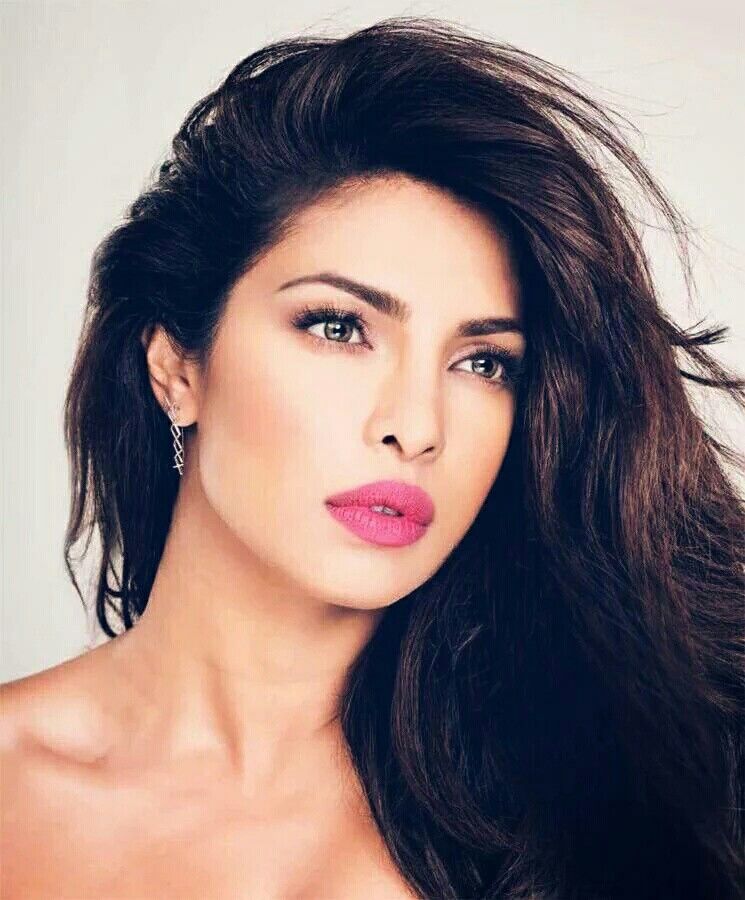
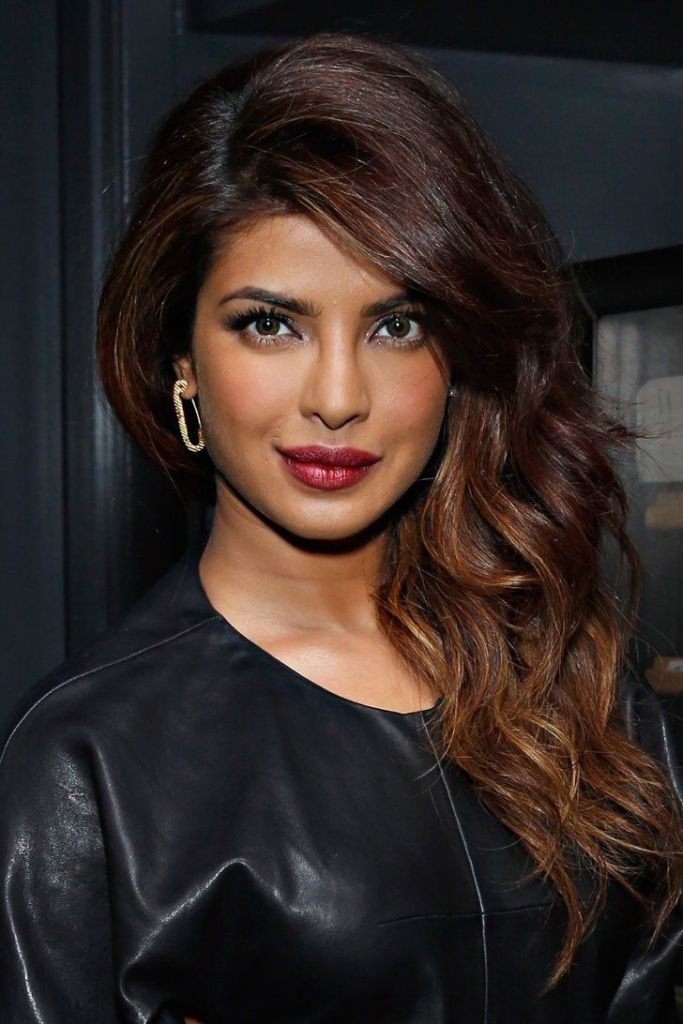
Priyanka Chopra Jonas is one of the most celebrated figures to emerge from India’s entertainment industry and transition successfully into Hollywood. Known for her mesmerizing beauty, intelligence, and fierce determination, she has transcended cultural and cinematic boundaries, becoming a symbol of global Indian excellence. With her captivating eyes, flawless features, and commanding presence, Chopra embodies the allure of what many describe as the “exotic Indian beauty” — timeless, radiant, and powerful.

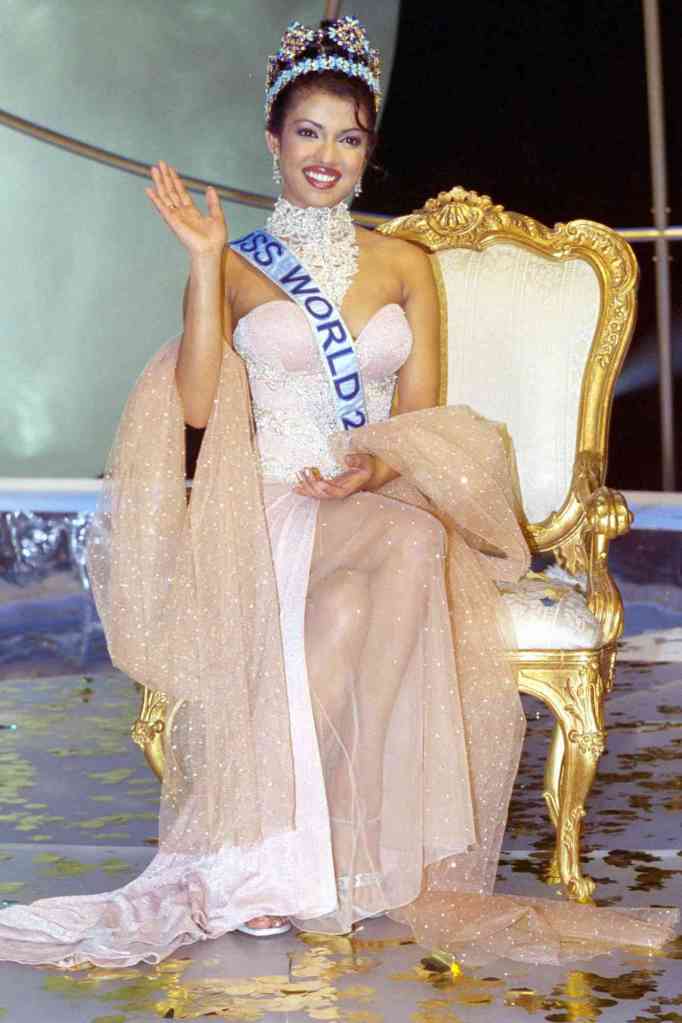
Born on July 18, 1982, in Jamshedpur, Bihar (now Jharkhand), India, Priyanka Chopra grew up in an army household, which meant constant relocation and exposure to diverse cultures across India. This nomadic upbringing shaped her adaptability and confidence. Educated in both India and the United States, she was a bright student who initially aspired to study engineering or psychiatry. Her life took a dramatic turn when she entered the world of beauty pageants, ultimately capturing the Miss World crown in 2000 — a victory that catapulted her into the spotlight overnight.

This photograph is the property of its respective owner. No copyright infringement intended.

Her Miss World win marked the beginning of an illustrious career. Priyanka’s beauty was often described as “regal yet approachable,” her almond-shaped brown eyes often noted as her most striking feature. In India, she was hailed as a national treasure — the perfect blend of modernity and tradition. The Bollywood industry quickly embraced her, recognizing not only her looks but also her immense potential as a performer.

Priyanka’s entry into Bollywood began with the 2003 film The Hero: Love Story of a Spy, followed by her breakout performance in Andaaz (2003), for which she won the Filmfare Award for Best Female Debut. Her versatility became evident as she took on diverse roles, from romantic comedies to action thrillers. Audiences admired her charisma and screen presence, describing her as both glamorous and grounded — a rare combination in the Indian film industry.

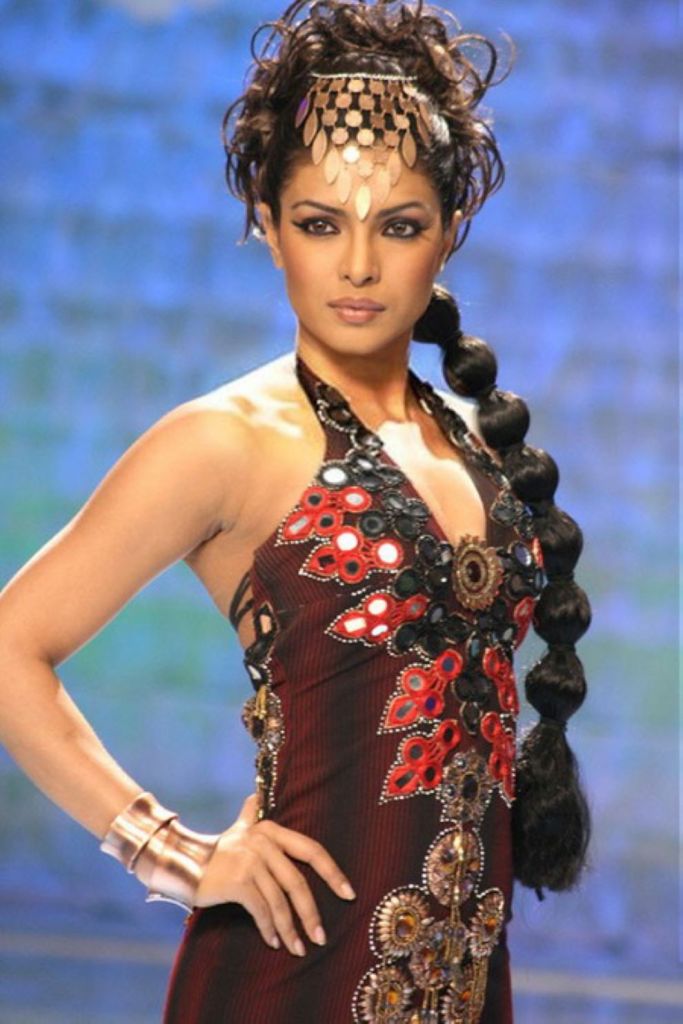
The year 2008 marked a turning point in her career with Fashion, directed by Madhur Bhandarkar. Playing the role of Meghna Mathur, a small-town girl navigating the ruthless world of high fashion, Priyanka delivered one of the most powerful performances of her career. The film not only won critical acclaim but also earned her the National Film Award for Best Actress, solidifying her position as one of Bollywood’s finest talents.

Fashion 2008. This photograph is the property of its respective owner. No copyright infringement intended.

Her portrayal in Fashion was hailed as bold and transformative. Critics praised her for breaking stereotypes about female-led films in India. It was a defining moment that proved she was not just another beauty queen but a serious actress capable of carrying a film on her shoulders. Fashion also symbolized her personal philosophy — to reinvent herself continuously and rise stronger from every fall.

Following Fashion, Chopra delivered memorable performances in films such as Kaminey (2009), 7 Khoon Maaf (2011), Barfi! (2012), and Mary Kom (2014). Her ability to embody a wide range of characters earned her several awards, including five Filmfare Awards and numerous international honors. In Barfi!, she portrayed an autistic woman with depth and sensitivity, earning global recognition for her emotional range and commitment to complex roles.

Priyanka’s ambition extended beyond Bollywood. In 2015, she made history as the first South Asian woman to headline an American television series, starring as Alex Parrish in ABC’s Quantico. The role showcased her strength, intelligence, and allure to a global audience, earning her the People’s Choice Award — another first for an Indian actress. Her transition to Hollywood was seen as groundbreaking, symbolizing a cultural bridge between East and West.

This photograph is the property of its respective owner. No copyright infringement intended.

In Hollywood, she continued to expand her repertoire with roles in films like Baywatch (2017), Isn’t It Romantic (2019), and The Matrix Resurrections (2021). Priyanka’s success in both industries demonstrated her adaptability and tenacity. Hollywood insiders often described her as a “global powerhouse” — an artist who commands attention not merely for her looks, but for her intelligence and presence.

Priyanka’s beauty remains one of her most discussed attributes. Her skin tone, eyes, and classic features have inspired discussions on representation and inclusivity in Western media. She has often used her platform to challenge stereotypes about Indian women and advocate for diversity in entertainment. Her elegance and confidence have made her a red-carpet favorite at the Met Gala, the Oscars, and Cannes.

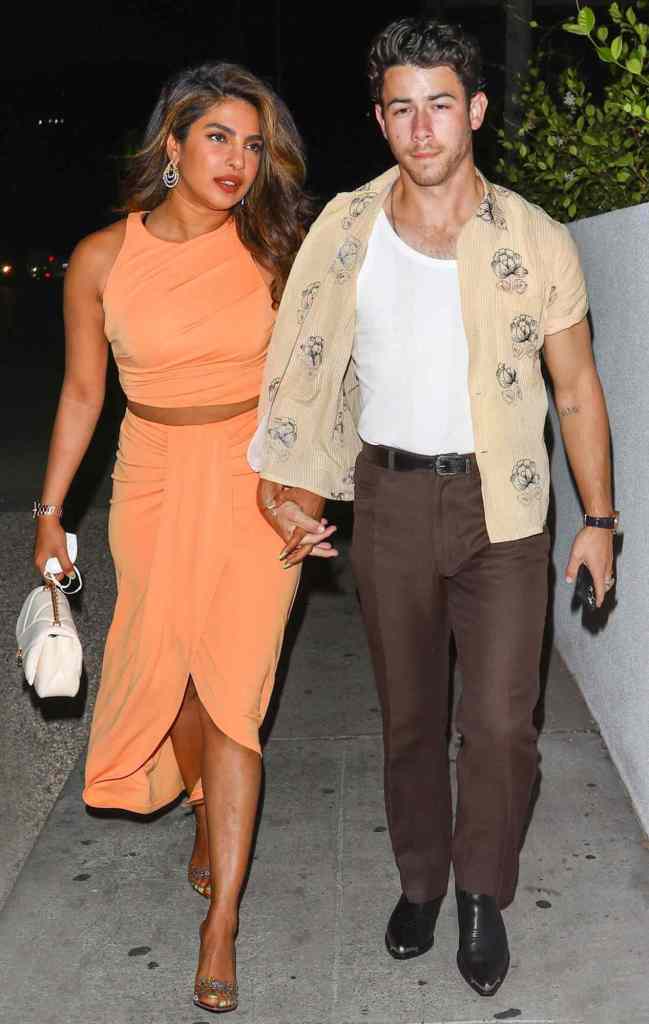
Her love story with American singer Nick Jonas captivated the world. The couple first met in 2017 at the Vanity Fair Oscars afterparty, where Jonas reportedly fell in love at first sight. After a year of dating, they married in December 2018 in a lavish ceremony at the Umaid Bhawan Palace in Jodhpur, blending Hindu and Christian traditions. Their union was celebrated globally as a symbol of cultural harmony and modern love.

This photograph is the property of its respective owner. No copyright infringement intended.

The Chopra-Jonas marriage also sparked widespread admiration for how the couple balances their cultural differences with mutual respect. Nick Jonas often praises Priyanka’s intelligence, work ethic, and sense of humor, while she affectionately calls him her “cheerleader.” Together, they represent a merging of East and West, tradition and modernity.

Priyanka’s influence extends beyond film. She has been a UNICEF Goodwill Ambassador since 2010, advocating for children’s rights, gender equality, and education. Her humanitarian work reflects the same passion and discipline she brings to her acting career. In 2016, Time magazine named her one of the 100 most influential people in the world, and Forbes consistently listed her among the highest-paid actresses globally.

Her entrepreneurial ventures include her haircare brand Anomaly, which emphasizes clean beauty and inclusivity. She is also a published author; her memoir Unfinished (2021) offers an intimate look into her journey, struggles, and triumphs. The book became a bestseller, further cementing her status as a multifaceted global figure.

In both Bollywood and Hollywood, people describe Priyanka as disciplined, ambitious, and fearless. Industry peers admire her for breaking barriers and representing India on a world stage with dignity. In Bollywood, she is remembered as one of the last true “movie stars,” while in Hollywood, she is respected as a cultural trailblazer.

Priyanka’s career has redefined what it means to be an Indian actress in a globalized world. Her ability to navigate different cultures, languages, and cinematic traditions makes her one of the most versatile and influential artists of her generation. She stands as a beacon for women of color striving to succeed in industries historically dominated by Western ideals of beauty and stardom.

Beyond fame, Priyanka remains grounded in her roots. She frequently expresses pride in her Indian heritage and continues to celebrate her culture through fashion, film, and philanthropy. Her journey from Miss World to international superstar illustrates the power of resilience, reinvention, and purpose.

Today, Priyanka Chopra Jonas represents far more than glamour — she symbolizes empowerment, diversity, and global unity. Her beauty may have opened doors, but it is her determination, intelligence, and heart that keep them open. Through her art, activism, and authenticity, she continues to inspire millions around the world. Priyanka Chopra is often described metaphorically as an “Indian doll” because of her striking beauty, polished poise, and global elegance—qualities that blend classical Indian femininity with modern cosmopolitan power. The term, when used respectfully, reflects admiration for her refined features, expressive eyes, symmetrical face, and statuesque presence that photographs and films with remarkable grace.

References

  • Bhandarkar, M. (Director). (2008). Fashion [Film]. UTV Motion Pictures.
  • Chopra Jonas, P. (2021). Unfinished: A Memoir. Ballantine Books.
  • Filmfare Awards Archives. (2024). Priyanka Chopra Jonas Awards and Nominations. Filmfare.
  • TIME Magazine. (2016). 100 Most Influential People: Priyanka Chopra.
  • UNICEF. (2022). Priyanka Chopra Jonas: Goodwill Ambassador Profile.
  • Variety. (2023). Priyanka Chopra: The Global Powerhouse Bridging Bollywood and Hollywood.
  • Vogue India. (2020). Priyanka Chopra on Love, Beauty, and Global Identity.

The Ebony Dolls: Yvonne Okoro

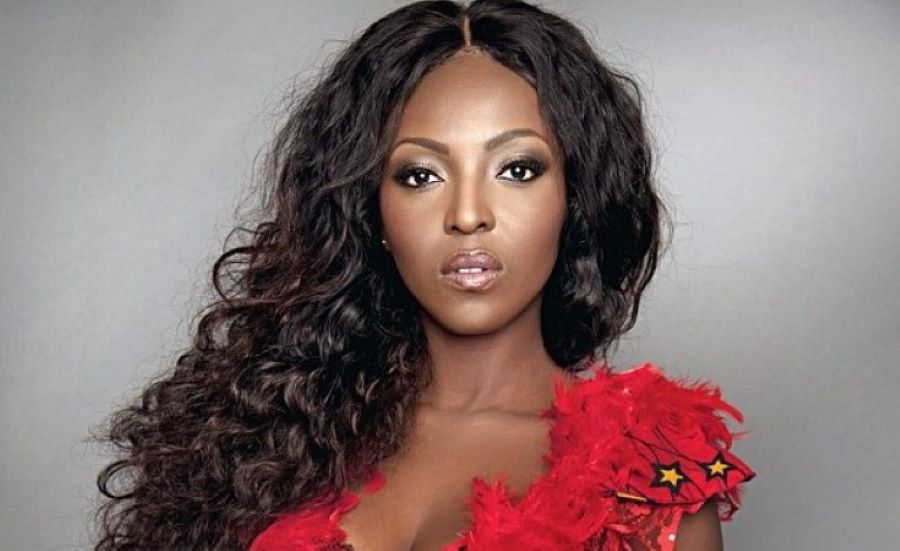
This photograph is the property of its respective owners. No copyright infringement intended.

In the constellation of African cinema, Yvonne Okoro shines with a rare brilliance that fuses sophistication, intelligence, and undeniable beauty. With her flawless bronze-ebony complexion, luminous almond-shaped eyes, and refined features framed by a radiant smile, she is often admired for her doll-like allure—a blend of African richness and European elegance. Beyond her physical charm, Okoro’s poise, confidence, and versatility have positioned her among the most respected actresses in both Ghana’s Ghallywood and Nigeria’s Nollywood film industries. She is a modern African woman who balances glamour with grit, embodying excellence both on and off the screen.

Born Chinyere Yvonne Okoro on November 25, 1984, in Tamale, Ghana, she comes from a mixed heritage that beautifully reflects the unity of West Africa—her father is Nigerian (from Abia State, Igbo), and her mother is Ghanaian. This cultural blend enriched her worldview and artistic expression, allowing her to connect with audiences across two major entertainment industries. From a young age, Yvonne demonstrated a passion for performance, often participating in school plays and local talent showcases that revealed her natural charisma and expressiveness.

Yvonne Okoro’s educational journey is as impressive as her acting career. She attended Achimota Preparatory School and Lincoln Community School before earning her Bachelor of Arts in English and Linguistics from the University of Ghana, Legon. She later pursued further studies in France at the Université de Nantes, where she deepened her understanding of communication and modern languages—skills that would later enhance her presence in international cinema.

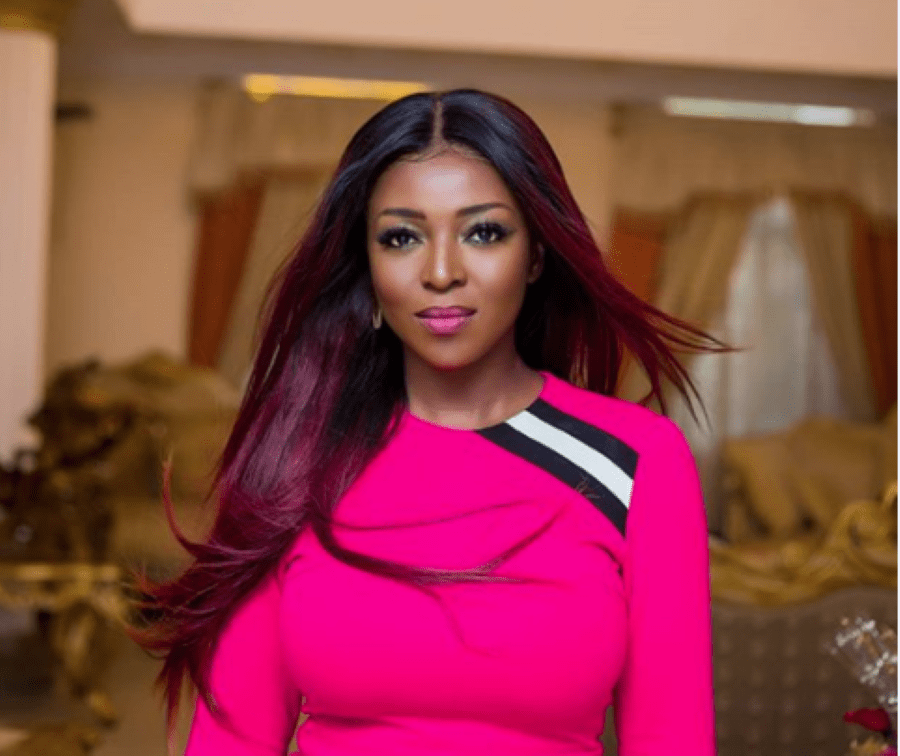
This photograph is the property of its respective owners. No copyright infringement intended.

Her acting debut came with a supporting role in the Ghanaian film Sticking to the Promise (2002). However, her major breakthrough came when she transitioned into Nollywood, starring in Beyoncé: The President’s Daughter (2006) alongside Nadia Buari and Van Vicker. Her beauty, eloquence, and natural on-screen chemistry with her co-stars captured the attention of filmmakers and audiences alike. Soon, she became a fixture in both Ghanaian and Nigerian film productions, a rare feat achieved by only a handful of actresses.

Over the years, Yvonne Okoro has built an impressive filmography, with notable works including The Game (2010), Contract (2012), Single Six (2011), Rebecca (2016), and Ghana Must Go (2016)—a romantic comedy she also produced. Her role in Contract, opposite Hlomla Dandala, earned her the Best Actress Award at the Ghana Movie Awards and an Africa Magic Viewers’ Choice Award (AMVCA) nomination. The film’s critical success established her as one of the leading ladies of African cinema, capable of blending humor, depth, and authenticity with magnetic beauty.

Yvonne Okoro’s contributions extend beyond acting; she is also a film producer and entrepreneur, using her platform to promote quality storytelling in Africa. Her production company, Desamour Company Limited, has produced several films that highlight African culture, love, and social issues. Through this, she has provided opportunities for emerging talents, especially women in film, fostering growth and creativity in the industry.

This photograph is the property of its respective owners. No copyright infringement intended.

Her grace and intelligence have also made her a favorite for brand endorsements, having represented beauty and fashion brands that mirror her elegance. She is frequently listed among the most beautiful and influential actresses in Africa, celebrated for her radiant skin, well-defined features, and polished style that bridges modern glamour and cultural authenticity.

In addition to her professional achievements, Yvonne Okoro’s personal life reflects humility and purpose. Despite her fame, she remains grounded and family-oriented, often crediting her parents for instilling discipline and confidence. Her close relationship with her siblings—particularly her sister, Roseline Okoro, who also ventured into acting—highlights her belief in family unity and shared success.

Throughout her career, Yvonne has earned numerous accolades, including the Best Actress of the Year (2010) at the Ghana Movie Awards, the Achievement Award at the City People Entertainment Awards in Nigeria, and recognition at the Africa International Film Festival (AFRIFF). Her dedication to excellence has made her one of the highest-paid actresses in Ghana and Nollywood, respected for both her beauty and her business acumen.

Ultimately, Yvonne Okoro represents the epitome of modern African femininity—educated, talented, and unapologetically elegant. Her soft-spoken confidence, luminous ebony glow, and striking intellect set her apart as not merely a star, but a symbol of pan-African pride and excellence. As one of the Ebony Dolls of African cinema, she continues to inspire young women to dream beyond boundaries while embracing their heritage and divine beauty.


References

  • Africa Magic. (2023). Yvonne Okoro: The Actress Who Bridges Ghana and Nollywood. MultiChoice Africa.
  • Ghana Web. (2022). Profile of Yvonne Okoro: From Beauty to Brilliance.
  • Pulse Ghana. (2023). Top 10 Highest-Paid Actresses in Ghana and Nigeria.
  • The Guardian Nigeria. (2021). Yvonne Okoro: The Pan-African Face of Modern Cinema.
  • IMDb. (2024). Yvonne Okoro Biography and Filmography.
  • Modern Ghana. (2022). Yvonne Okoro: The Glamorous Ghanaian-Nigerian Star Redefining African Film.

Celebrity Spotlight: Mariah Carey

“The Songbird Supreme: The Unparalleled Voice and Legacy.”

This photograph is the property of its respective owner. No infringement intended.

One of the best voices in the world.

Mariah Carey, often heralded as “The Songbird Supreme,” is one of the most iconic vocalists in the history of popular music. Celebrated for her five-octave vocal range, mastery of the whistle register, and ability to express profound emotion through soaring high notes and delicate falsettos, Carey has set a standard few artists can reach. The Guinness World Records officially recognizes her as possessing the highest vocal range of any female singer, and she remains a benchmark of vocal excellence, often compared to greats such as Whitney Houston and Aretha Franklin (Guinness World Records, 2023).

Her Distinctive Voice: A Vocal Instrument Like No Other

What sets Mariah Carey apart from other singers is her extraordinary voice—an instrument of precision, power, and purity. Known for her melismatic singing style and flawless transitions between registers, Carey effortlessly glides from rich alto notes to glass-shattering high tones. Her use of the whistle register—a rare vocal technique only mastered by a handful of artists—makes her instantly recognizable. Dubbed the “Queen of Whistle Register,” Carey is known to reach G#7 and even higher during live performances, a feat that cements her status in vocal history.

Musicologists and critics alike have praised her versatility and vocal agility. Rolling Stone once described her voice as “soaring, pristine, and otherworldly,” while legendary producer David Foster called her “one of the greatest singers ever born.”

A Legacy Often Compared to Whitney Houston

Mariah Carey is frequently mentioned in the same breath as Whitney Houston, another powerhouse vocalist of her era. The two were contemporaries who rose to fame in the late 1980s and 1990s, often compared due to their vocal range, soulful delivery, and immense popularity. Yet, where Whitney was known for her gospel-rooted belting, Mariah was revered for her agility and multi-textured voice. Their duet “When You Believe” (1998) not only united their fanbases but became a cultural moment showcasing two of the greatest vocalists in perfect harmony.

Early Life and Musical Influences

Born on March 27, 1969, in Huntington, New York, Mariah Carey is the daughter of Patricia Hickey, an Irish-American opera singer and vocal coach, and Alfred Roy Carey, an African-American and Afro-Venezuelan engineer. Being biracial in a time of heightened racial tensions shaped her worldview and deeply informed her music. Her early life was marked by financial struggles and instability, but her mother’s musical background offered young Mariah a creative escape. From the age of three, she was already mimicking opera scales and showing signs of prodigious talent.

She cites her mother as her first and most important musical influence, and later drew inspiration from icons like Minnie Riperton, Aretha Franklin, Billie Holiday, and Prince. Riperton’s use of the whistle register had a particularly profound impact on Carey’s vocal development.

Breakthrough and Stardom

Mariah’s journey to stardom began with relentless persistence. As a teenager, she moved to New York City to pursue her dreams while working odd jobs and attending beauty school. Her big break came when she handed her demo tape to Tommy Mottola, then head of Columbia Records, at a party. Impressed by her talent, he signed her immediately. Her self-titled debut album Mariah Carey (1990) produced four No. 1 singles, including “Vision of Love,” which showcased her vocal strength and set the tone for her career.

Signature Songs and Personal Favorites

Among her vast catalog, Carey has often cited “Vision of Love” and “Butterfly” as two of her most meaningful songs. “Vision of Love” introduced the world to her signature style—gospel-inspired runs, towering notes, and heartfelt emotion—while “Butterfly” symbolized her emancipation from a controlling marriage and creative restrictions. These songs not only display her technical prowess but also her ability to connect deeply with listeners.

Personal Life: Marriages and Motherhood

Mariah Carey has been married twice. Her first marriage to Tommy Mottola in 1993 was both personal and professional but ended in 1998 amid reports of creative and personal control. She later married actor and comedian Nick Cannon in 2008, with whom she had twins, Moroccan and Monroe, affectionately known as “Dem Babies.” Despite their divorce in 2016, Carey and Cannon co-parent their children amicably.

Charity Work and Advocacy

Mariah Carey has used her platform to give back generously. She is a longtime supporter of the Fresh Air Fund’s Camp Mariah, a career awareness camp for inner-city youth. She has also worked with the Make-A-Wish Foundation, Save the Music Foundation, and the Elton John AIDS Foundation. Carey has received recognition for her philanthropic efforts, including a Congressional Award for her youth-oriented charitable work.

Awards and Accolades

Mariah Carey’s list of accomplishments is staggering. She has sold over 220 million records worldwide, making her one of the best-selling female artists of all time. Her accolades include:

  • 5 Grammy Awards
  • 19 World Music Awards
  • 10 American Music Awards
  • Billboard’s Artist of the Decade (1990s)
  • Songwriter Hall of Fame Inductee (2022)

In 2020, her memoir The Meaning of Mariah Carey became a New York Times bestseller, offering a raw and honest account of her journey, identity, and triumphs.

Hobbies and Personal Interests

Outside of music, Carey enjoys writing poetry, painting, cooking, and swimming. Known for her glamorous persona, she also embraces a playful, humorous side—often seen in her holiday specials and interviews. Christmas is especially important to her, largely because of her record-breaking hit “All I Want for Christmas Is You,” a perennial classic that continues to top charts each December.

Conclusion: A Voice That Changed the World

Mariah Carey is more than a pop icon—she is a living legend. With a voice that transcends earthly boundaries, she has redefined what it means to be a vocalist, artist, and woman of resilience. Her influence spans generations, and her musical legacy continues to inspire millions. Whether hitting a high F#7 or delivering a soulful ballad, Mariah Carey remains “The Songbird Supreme,” a rare and radiant gift to the world of music.


References

Influencers Who Redefine Black Beauty

In an era dominated by social media, influencers have emerged as powerful agents shaping beauty standards, representation, and cultural narratives. For Black women, who have historically faced underrepresentation and colorist biases in mainstream media, influencers play a critical role in redefining beauty by celebrating diversity, melanin-rich skin tones, natural hair textures, and authentic self-expression. These digital leaders challenge Eurocentric ideals and cultivate a sense of pride, confidence, and empowerment among their audiences.

Historically, beauty standards in Western media have marginalized Black women, often equating light skin, straight hair, and European features with desirability and success. Dark-skinned women with natural hair textures were frequently excluded from modeling, advertising, and entertainment opportunities (Hunter, 2007). The rise of social media has provided platforms for influencers to bypass traditional gatekeepers and present authentic representations of Black beauty to a global audience.

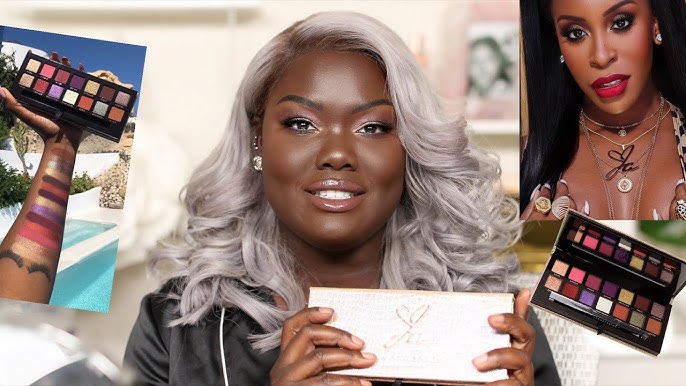
Influencers such as Jackie Aina, Nyma Tang, and Patrice Williams have leveraged platforms like Instagram, YouTube, and TikTok to advocate for inclusive beauty. Jackie Aina, for instance, highlights the lack of foundation shades for dark-skinned women and collaborates with brands to ensure products serve diverse skin tones. Nyma Tang’s #TheDarkestShadeChallenge brought attention to the exclusion of deep shades in cosmetic lines, fostering industry-wide change and highlighting the power of social media activism.

These influencers do more than promote products; they challenge entrenched narratives. They share personal stories, address colorism, and provide tutorials that celebrate natural hair, protective styling, and makeup techniques tailored to darker skin. Their platforms serve as educational spaces where followers learn self-care, self-expression, and confidence-building strategies grounded in authenticity rather than conformity.

Top Influencers Redefining Black Beauty

1. Jackie Aina

  • Platform: YouTube, Instagram
  • Contribution: Advocates for inclusive makeup shades; collaborates with brands to expand dark-skinned options.
  • Impact: Increased industry awareness; millions of followers inspired to embrace their melanin.

2. Nyma Tang

  • Platform: YouTube, Instagram
  • Contribution: #TheDarkestShadeChallenge highlighting exclusion of deep foundation shades.
  • Impact: Prompted brands to expand shade ranges; educated audiences on colorism in beauty.

3. Patrice Williams

  • Platform: Instagram, Twitter
  • Contribution: Celebrates natural hair textures and dark-skinned beauty; creates content affirming self-confidence.
  • Impact: Reinforces pride in authentic Black beauty; provides tutorials and inspiration.

4. Nabela Noor

  • Platform: TikTok, Instagram
  • Contribution: Promotes self-love and inclusivity in makeup and fashion.
  • Impact: Encourages body positivity and cultural pride for women of all skin tones.

5. Nyomi Smart

  • Platform: Instagram, YouTube
  • Contribution: Beauty influencer focusing on skincare and makeup for deeper skin tones.
  • Impact: Challenges beauty stereotypes; advocates for representation in media and brands.

Key Themes Highlighted by Influencers

  • Celebration of melanin-rich skin and natural hair.
  • Awareness of colorism and media biases.
  • Advocacy for inclusive beauty products.
  • Promotion of self-love, confidence, and authenticity.
  • Education about historical and cultural context of Black beauty.

Visual Design Notes

  • Color Palette: Rich browns, golds, and warm tones to reflect melanin-rich skin.
  • Icons: Hair, lipstick, makeup brushes, and Instagram/YouTube logos.
  • Layout: 5 influencer profiles with photos or icons, brief description, and impact summary.
  • Header Quote: “Fearfully and wonderfully made” – Psalm 139:14 (KJV).

The psychology behind influencer impact is significant. Seeing relatable role models who reflect one’s own skin tone and features can enhance self-esteem, reduce internalized colorism, and foster positive body image (Tiggemann & Slater, 2014). For Black women, representation matters; influencers who embrace their natural features provide validation that has long been denied by mainstream media.

In addition to individual influencers, movements like #MelaninMagic and #BlackGirlMagic celebrate dark-skinned beauty collectively, encouraging followers to embrace their melanin and reject societal pressures to conform to Eurocentric standards. These campaigns also emphasize community support, cultural pride, and resilience, reinforcing positive identity formation.

Social media influencers also engage with brands to promote inclusivity in product development. Their advocacy ensures that makeup, skincare, and haircare products cater to diverse skin tones and hair textures, fostering systemic change in industries that have historically marginalized Black consumers. This intersection of activism and entrepreneurship demonstrates that redefining beauty is both cultural and commercial.

Biblically, embracing one’s natural beauty aligns with principles of self-respect and honoring the body God has given. “I will praise thee; for I am fearfully and wonderfully made: marvellous are thy works; and that my soul knoweth right well” (Psalm 139:14, KJV). Recognizing and celebrating one’s God-given features counters societal pressure to conform to externally imposed beauty standards.

Furthermore, influencers encourage critical thinking about media consumption. By highlighting Photoshop, filters, and unrealistic standards, they teach followers to question idealized images and focus on holistic self-worth rather than superficial perfection. This advocacy combines digital literacy, cultural pride, and personal empowerment, demonstrating the multifaceted role of Black beauty influencers in contemporary society.

In conclusion, influencers who redefine Black beauty are transforming how society perceives melanin-rich skin, natural hair, and diverse facial features. Through representation, activism, and education, they challenge Eurocentric norms, promote self-confidence, and create inclusive spaces for Black women to celebrate their authentic selves. By leveraging social media platforms, these influencers empower audiences to embrace their uniqueness, reject harmful stereotypes, and redefine beauty on their own terms.


References

  • Hunter, M. (2007). The persistent problem of colorism: Skin tone, status, and inequality. Sociology Compass, 1(1), 237–254.
  • Tiggemann, M., & Slater, A. (2014). NetGirls: The Internet, Facebook, and body image concern in adolescent girls. International Journal of Eating Disorders, 47(6), 630–643.
  • The Holy Bible, King James Version.
  • Thompson, C. (2019). Black Hair: Art, Style, and Culture. Bloomsbury Academic.

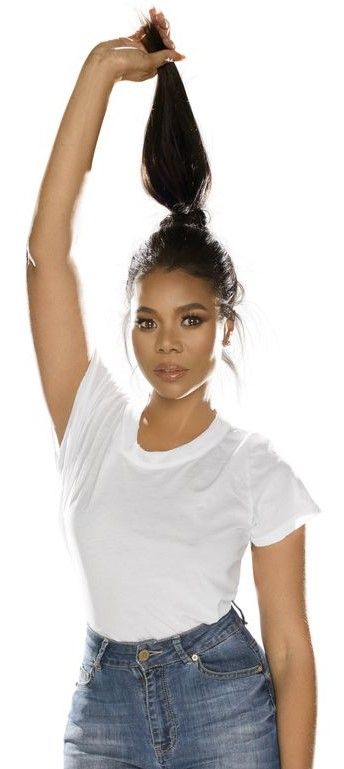
The “It Girl” Series: Regina Hall

The brilliant beauty whose laughter disarms, but whose depth leaves a lasting imprint.

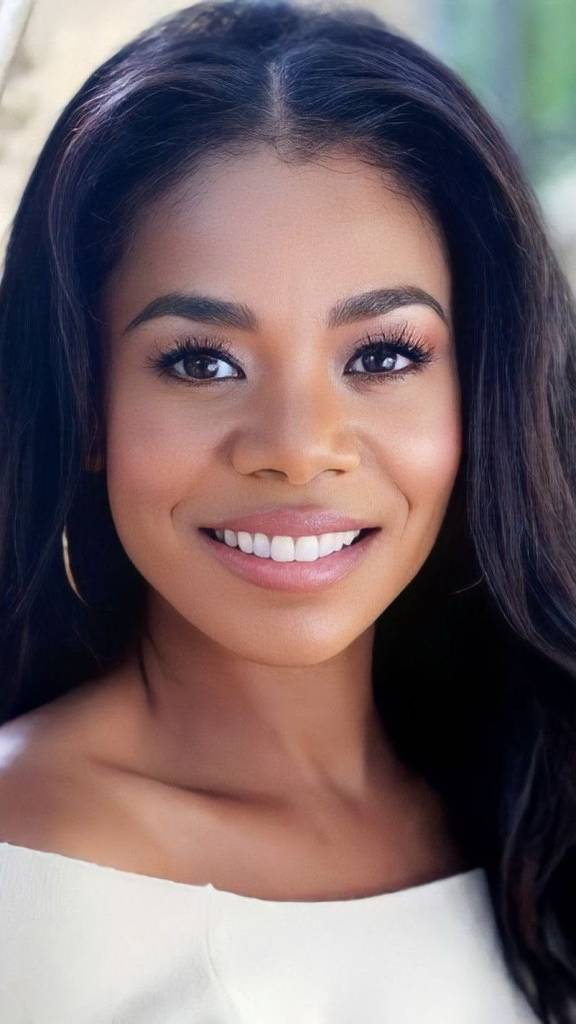
This photograph is the property of its respective owner.

Regina Hall represents a rare Hollywood alchemy: impeccable comedic timing fused with intellectual depth and dramatic restraint. With her luminous smile, expressive eyes, and effortless sophistication, Hall has sustained a career that defies typecasting. She is as comfortable delivering sharp satire as she is portraying layered, emotionally complex women navigating faith, grief, ambition, and desire.

Born December 12, 1970, in Washington, D.C., Hall earned a bachelor’s degree in English from Fordham University and later completed a master’s degree in journalism at New York University. Initially aspiring to a career in journalism, she pivoted toward acting in the late 1990s. Her breakout came with the wildly successful Scary Movie franchise, where she portrayed the unforgettable Brenda Meeks. Across multiple installments, Hall transformed what could have been a one-note comedic character into a cultural staple—bold, animated, and endlessly quotable.

Yet Hall’s trajectory did not remain confined to parody. In The Best Man and its sequel, The Best Man Holiday, she played Candace “Candy” Sparks, a former exotic dancer navigating respectability politics, marriage, and social mobility. Acting alongside Taye Diggs, Nia Long, and Sanaa Lathan, Hall demonstrated emotional nuance beneath comedic sparkle.

Her critical renaissance emerged powerfully with Girls Trip, where she starred opposite Queen Latifah, Jada Pinkett Smith, and Tiffany Haddish. The film grossed over $140 million domestically and became a landmark in contemporary Black female ensemble cinema. Hall’s portrayal of Ryan Pierce—a successful author confronting marital betrayal—allowed her to oscillate between humor and heartbreak, reinforcing her range.

In 2018, Hall delivered one of her most critically acclaimed performances in Support the Girls, earning the New York Film Critics Circle Award for Best Actress. The role marked a departure from broad comedy into understated realism, portraying a working-class manager balancing compassion with exhaustion. That same year, she starred in The Hate U Give, adapted from the novel by Angie Thomas, further solidifying her dramatic credibility.

Hall continued to expand her artistic portfolio with Master, a psychological horror film released by Amazon Prime Video, in which she portrayed a college dean confronting racial tension at an elite institution. The role reflected a maturation of her on-screen presence—measured, restrained, and hauntingly internal.

Throughout her career, Hall has received multiple NAACP Image Awards and nominations, along with critical accolades recognizing her versatility. Beyond awards, however, her cultural impact lies in redefining what comedic actresses can become. She has navigated the transition from satire to sophistication without losing her spark.

Regina Hall is an “It Girl” of endurance. She is neither confined to an archetype nor defined by an era. She stands as proof that laughter and intelligence are not mutually exclusive—and that longevity in Hollywood requires both reinvention and restraint.


References

IMDb. (n.d.). Regina Hall. Retrieved from https://www.imdb.com

Scary Movie franchise data retrieved from:
Box Office Mojo. (n.d.). Scary Movie.

Girls Trip box office information retrieved from:
Box Office Mojo. (n.d.). Girls Trip.

Support the Girls award recognition retrieved from:
New York Film Critics Circle. (2018). Awards listing.

Master distribution information retrieved from:
Amazon Prime Video press materials (2022).

Guerrero, E. (1993). Framing Blackness: The African American image in film. Temple University Press.

Mask, M. (2009). Divas on screen: Black women in American film. University of Illinois Press.

The Ebony Dolls: Anok Yai

This photograph is the property of its respective owner. No copyright infringement intended.

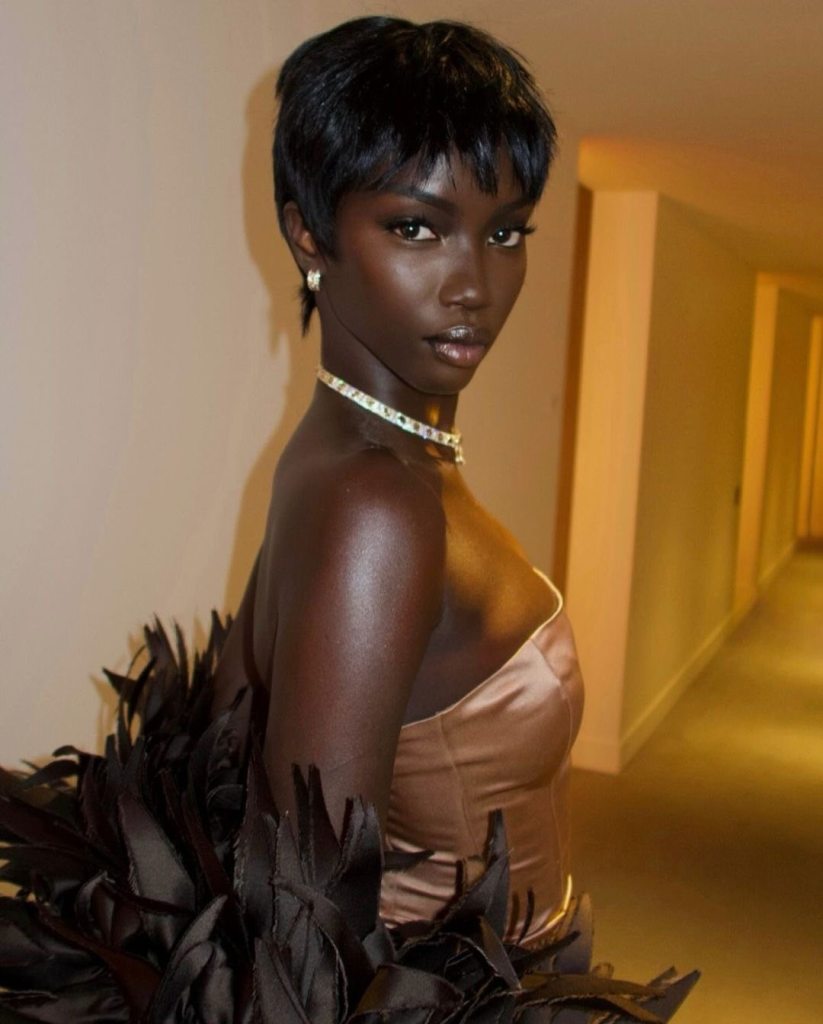
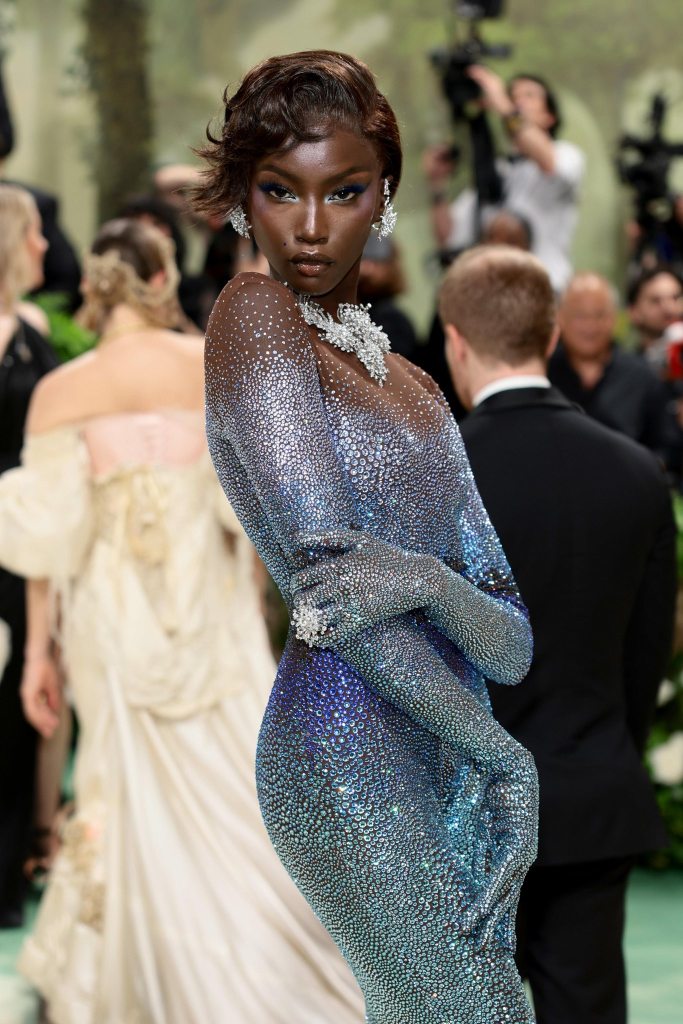
Anok Yai is one of the most striking and influential models of her generation, celebrated for her regal presence, flawless dark skin, and sculptural beauty that has reshaped global fashion standards. She represents a new era in modeling where African features, deep melanin, and unapologetic Blackness are not only accepted but exalted.

Born on December 20, 1997, Anok Yai is of South Sudanese descent and was raised in the United States after her family migrated from Egypt. Her upbringing was deeply rooted in cultural pride and academic excellence, as she initially pursued higher education before entering the fashion world. Modeling was never her original plan, which makes her rise even more remarkable.

Anok was discovered in 2017 after a photo of her attending Howard University’s homecoming went viral on social media. The image, captured by a photographer and shared online, spread rapidly and caught the attention of major modeling agencies. Almost overnight, Anok became a global sensation, proving the power of organic Black beauty and digital visibility.

Shortly after being discovered, Anok signed with Next Management and made history as the second Black woman ever to open a Prada runway show, following Naomi Campbell. This debut instantly placed her among the elite ranks of high fashion and established her as a symbol of progress in an industry long criticized for racial exclusion.

Anok is known for her celestial facial symmetry, radiant ebony complexion, almond-shaped eyes, and statuesque height, which give her a goddess-like appearance both on the runway and in editorial work. Her beauty is often described as futuristic, otherworldly, and divine, embodying a visual language that feels ancestral and modern at the same time.

This photograph is the property of its respective owner. No copyright infringement intended.

Throughout her career, she has walked for and appeared in campaigns for some of the world’s most prestigious fashion houses, including Prada, Dior, Versace, Saint Laurent, Burberry, Fendi, and Givenchy. She has also graced the covers of Vogue, Harper’s Bazaar, and other major fashion publications, becoming a muse for top designers and photographers.

Anok has spoken openly about the challenges she has faced in the modeling industry, including colorism, tokenism, and mental health struggles. She has used her platform to advocate for greater representation, honesty, and protection for young Black models navigating spaces that often lack emotional support and cultural understanding.

Beyond fashion, Anok is admired for her intelligence and activism. She has expressed interest in public service and international development, once stating that she aspired to work with the United Nations before modeling. This intellectual depth adds another layer to her public image, positioning her as more than a face—she is a voice and a symbol.

Anok Yai has received widespread recognition for her impact, including being named Model of the Year by models.com and receiving multiple fashion industry honors. She is consistently ranked among the top models in the world and is considered one of the most important figures in redefining modern beauty. Anok’s impact culminated in her being named Model of the Year at the 2025 Fashion Awards held at London’s Royal Albert Hall, one of the most prestigious honors in fashion today. The accolade acknowledged not only her creative achievements but also her role in shaping the industry’s evolving identity and inclusivity.

Anok qualifies as an Ebony Doll because she embodies the highest expression of melanated Black femininity—royal, luminous, and unapologetically African. Her presence restores visibility to dark-skinned women who were historically marginalized, and her success stands as a testament to the power, elegance, and divine design of African beauty.


References

Anok Yai. Wikipedia. https://en.wikipedia.org/wiki/Anok_Yai

Euronews profile on Anok Yai career and influence.

“Anok Yai Wins Model Of The Year At The Fashion Awards.” FashionABC.org.

AOL lifestyle article on Anok Yai’s British Fashion Council Model of the Year award.

Raandoom profile of Anok Yai’s campaigns and magazine work.