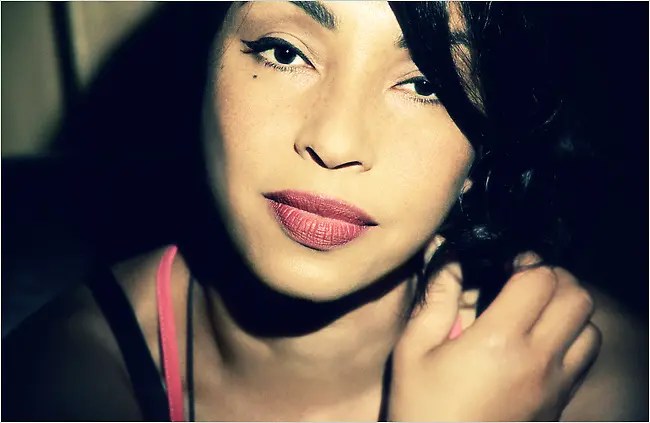
Category Archives: celebrity

The Ebony Dolls: Liya Kebede

Ethiopian Supermodel and Maternal Health Advocate
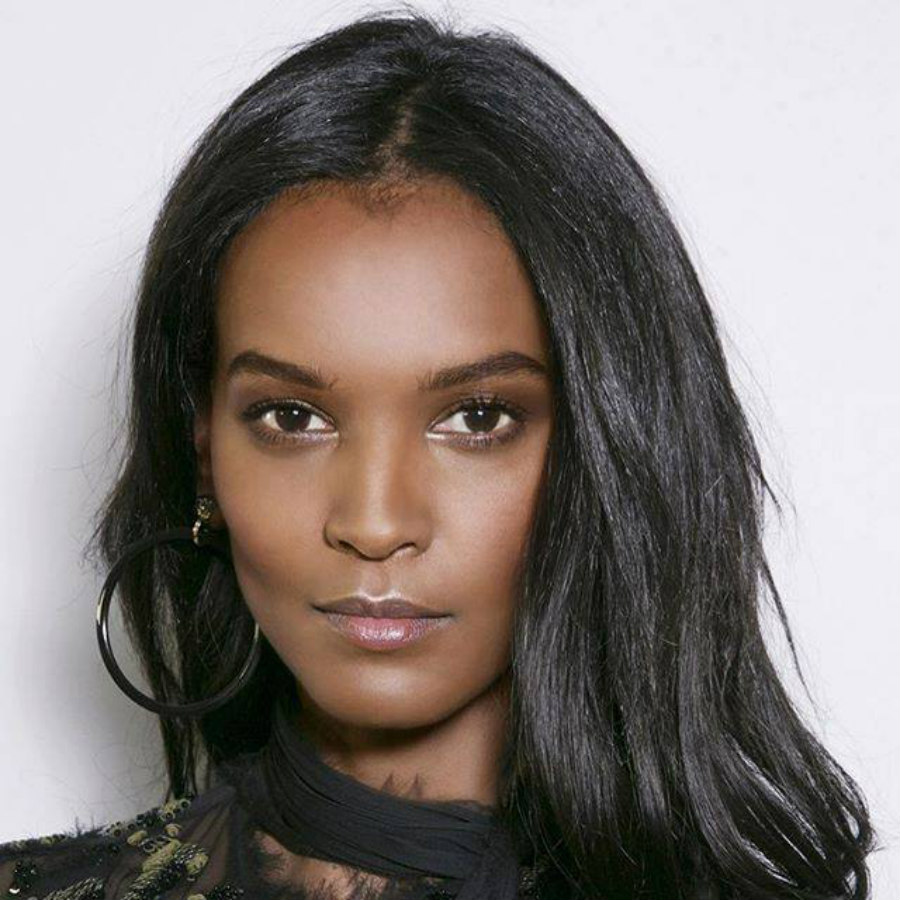
This photograph is the property of its respective owners. No copyright infringement intended.

Liya Kebede is an internationally celebrated Ethiopian supermodel, entrepreneur, and global maternal health advocate whose career has transcended fashion to become a platform for humanitarian impact. Born on January 3, 1978, in Addis Ababa, Ethiopia, Kebede emerged as one of the first African models to achieve sustained global dominance in high fashion, redefining the visibility of African beauty within Eurocentric modeling industries.

Kebede was discovered in 1998 while attending Lycée Guebre-Mariam, a French international school in Addis Ababa. A French filmmaker spotted her and encouraged her to pursue modeling in Paris, where she soon signed with a major agency. Her entry into the European fashion scene marked a pivotal moment, as African models had historically been marginalized within elite fashion circuits.

Her breakthrough came in the early 2000s when she walked exclusive runways for designers such as Tom Ford for Gucci, Yves Saint Laurent, Louis Vuitton, Jean Paul Gaultier, and Estée Lauder. In 2003, she made history as the first Ethiopian model to become the face of Estée Lauder, a milestone that placed her among the world’s highest-paid models at the time.

Liya Kebede’s modeling career is distinguished not only by commercial success but by symbolic representation. She embodied a shift in beauty politics, bringing dark-skinned African features into luxury branding spaces that had long privileged whiteness and Eurocentric aesthetics. Her presence disrupted narrow beauty standards and affirmed Black femininity on a global stage.
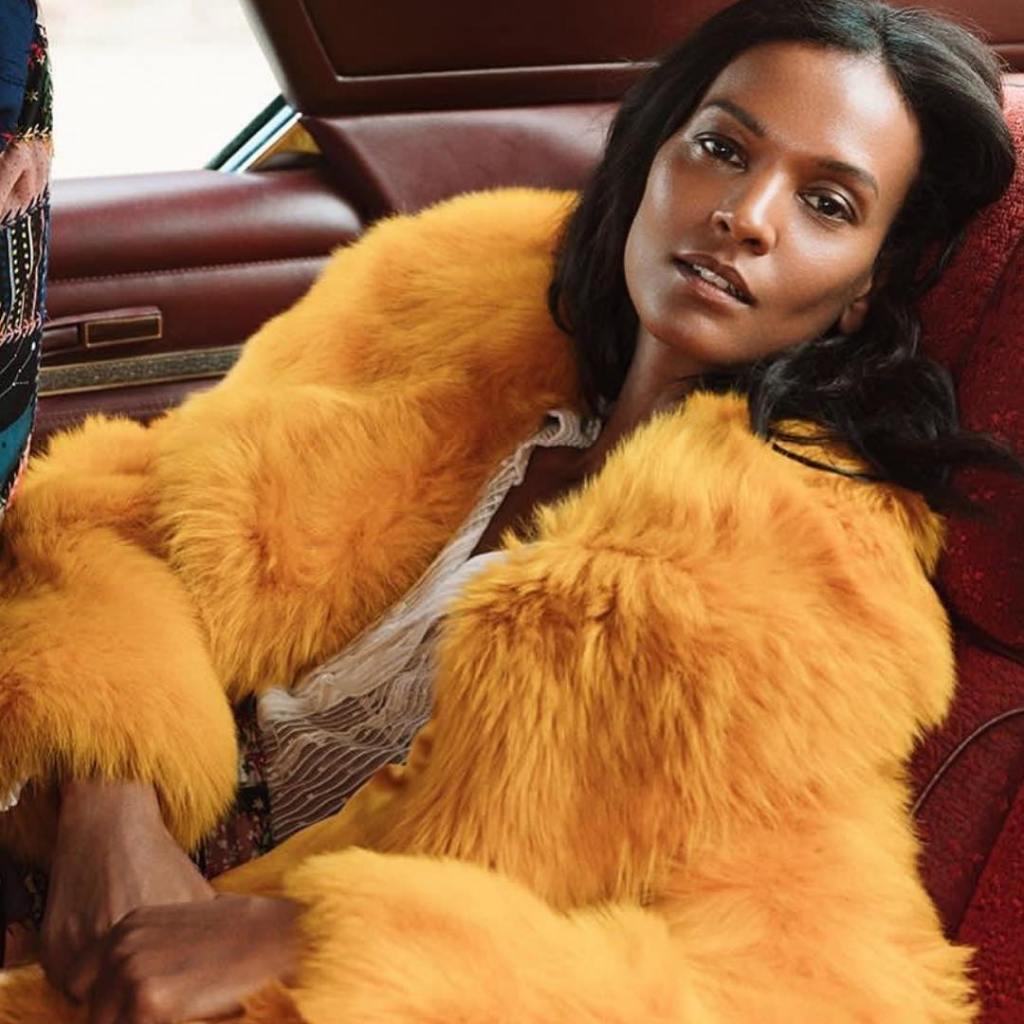
This photograph is the property of its respective owners. No copyright infringement intended.

In addition to runway and editorial success, Kebede became the face of major advertising campaigns for brands including Estée Lauder, Dolce & Gabbana, Victoria’s Secret, Gap, and L’Oréal. Her campaigns were marked by elegance, refinement, and a classical visual identity that resonated with both haute couture and mass-market audiences.

Beyond fashion, Kebede’s life mission shifted toward global health advocacy, particularly maternal health in Africa. In 2005, she founded the Liya Kebede Foundation, a nonprofit organization dedicated to improving maternal and newborn health in Ethiopia and other developing countries. Her advocacy was inspired by her own experiences and exposure to high maternal mortality rates in sub-Saharan Africa.

In 2011, she was appointed a World Health Organization (WHO) Goodwill Ambassador for Maternal, Newborn, and Child Health. In this role, Kebede worked closely with international institutions to raise awareness about preventable maternal deaths and the structural inequalities affecting African women’s healthcare systems.

Kebede is also a successful entrepreneur. She launched Lemlem, an ethical fashion brand that supports Ethiopian artisans and promotes traditional handwoven textiles. The brand integrates fashion with economic empowerment, creating sustainable employment for African women while preserving indigenous craftsmanship.

Her awards and recognitions include being named among Time Magazine’s “100 Most Influential People in the World” and receiving numerous humanitarian honors for her global advocacy work. These accolades reflect her rare position as both cultural icon and social reformer.

Liya Kebede was married to hedge fund manager Kassy Kebede (Kassé Kebede), and they share two children. Although they later divorced, Kebede has maintained a private family life, emphasizing balance between motherhood, activism, and professional leadership.

As an “Ebony Doll,” Liya Kebede represents a form of Black beauty rooted in classical proportion, regal poise, and ancestral elegance. The term “Ebony Doll” in cultural aesthetics refers not to objectification, but to symbolic idealization—an archetype of dark feminine beauty that embodies grace, depth, and timeless appeal.

Her skin tone, facial symmetry, high cheekbones, almond-shaped eyes, and natural Afrocentric features align with what scholars describe as “classical Black beauty,” a form of aesthetics historically erased or marginalized in Western visual culture. Kebede’s beauty operates not as spectacle but as dignity—quiet, composed, and sovereign.

In contrast to hypersexualized or exoticized portrayals of Black women, Kebede’s image has consistently reflected restraint, intellect, and moral authority. Her modeling persona is refined rather than performative, aligning beauty with character rather than consumption.
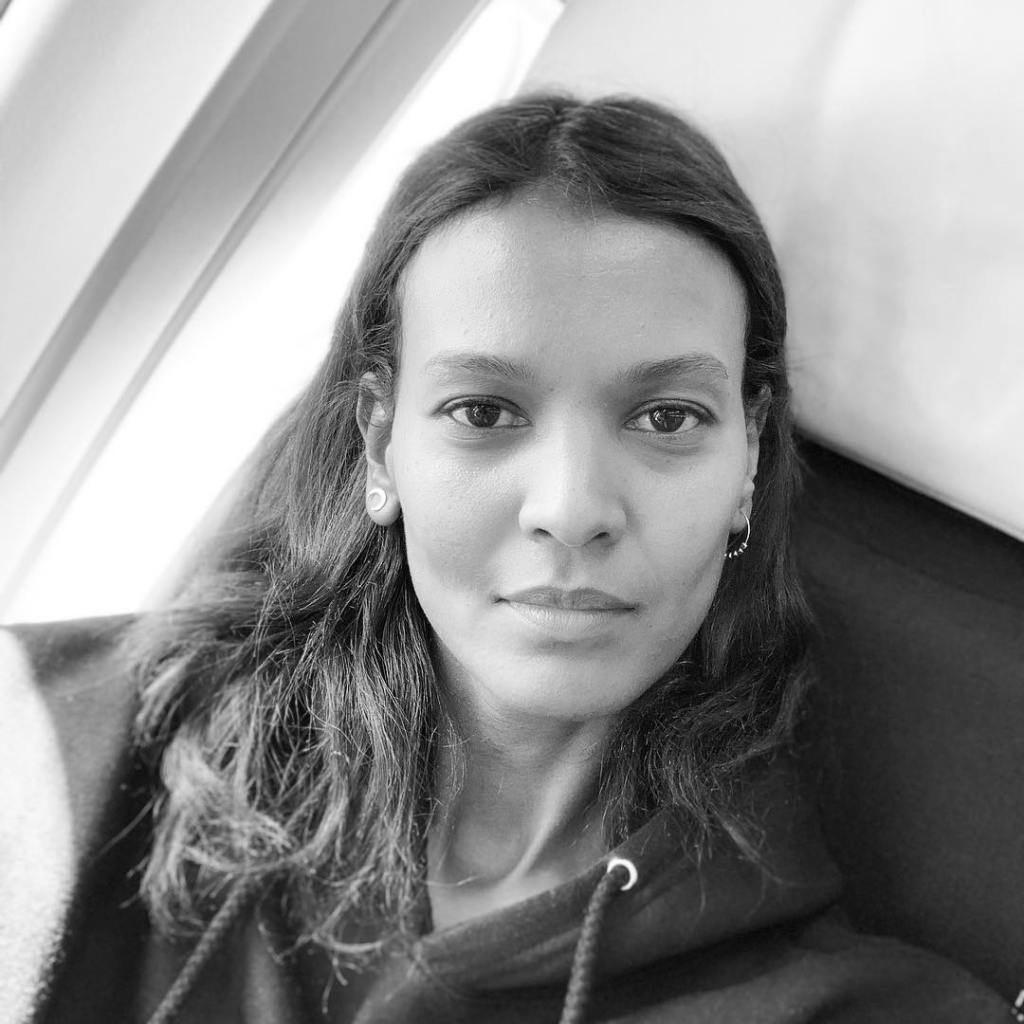
From a sociological perspective, Kebede embodies what Pierre Bourdieu would call symbolic capital: beauty converted into cultural authority and ethical influence. She did not merely accumulate visibility; she transformed it into institutional power and social change.

Her role in reshaping African representation in global fashion parallels earlier cultural icons such as Iman, Naomi Campbell, and Alek Wek. However, Kebede’s distinctive legacy lies in her integration of beauty with global health politics.

Liya Kebede stands as a living example of how Black beauty can function as both aesthetic excellence and moral agency. She is not simply admired—she is emulated, respected, and historically significant.

In the broader framework of racial and gender representation, Kebede represents the re-humanization of African femininity within systems that once rendered it invisible. Her success reframes Black womanhood as intellectual, ethical, maternal, and powerful.

Ultimately, Liya Kebede is an Ebony Doll not because she fits a fantasy, but because she transcends one. Her beauty is classical, her mission is humanitarian, and her legacy is cultural sovereignty.


References

Kebede, L. (2010). Liya Kebede Foundation: Maternal health initiatives in Ethiopia. Liya Kebede Foundation.

Time Magazine. (2010). The 100 most influential people in the world: Liya Kebede.

World Health Organization. (2011). WHO Goodwill Ambassador for Maternal, Newborn and Child Health: Liya Kebede.

Entwistle, J. (2009). The aesthetic economy of fashion: Models and symbolic capital. Berg Publishers.

Hunter, M. (2011). Buying racial capital: Skin bleaching and cosmetic surgery in a globalized world. The Journal of Pan African Studies, 4(4), 142–164.

Bourdieu, P. (1986). The forms of capital. In J. Richardson (Ed.), Handbook of theory and research for the sociology of education (pp. 241–258). Greenwood.

Iman. (2011). The beauty of color: Skin, fashion, and representation. HarperCollins.

Crenshaw, K. (1991). Mapping the margins: Intersectionality and identity politics. Stanford Law Review, 43(6), 1241–1299.
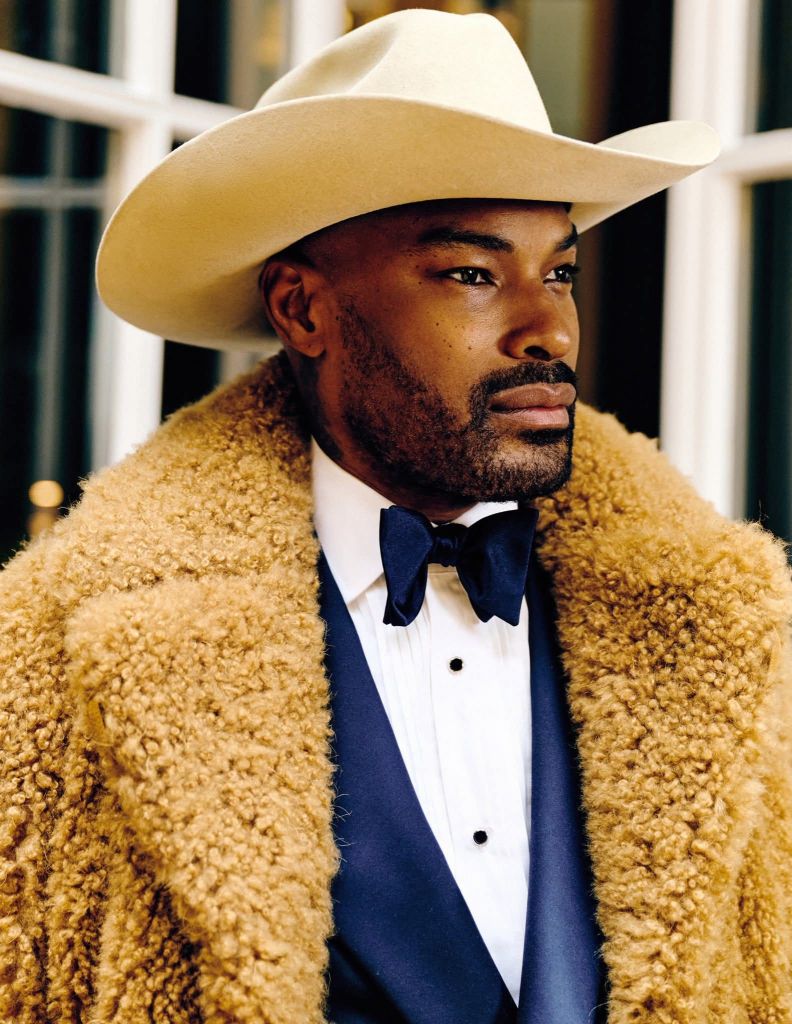
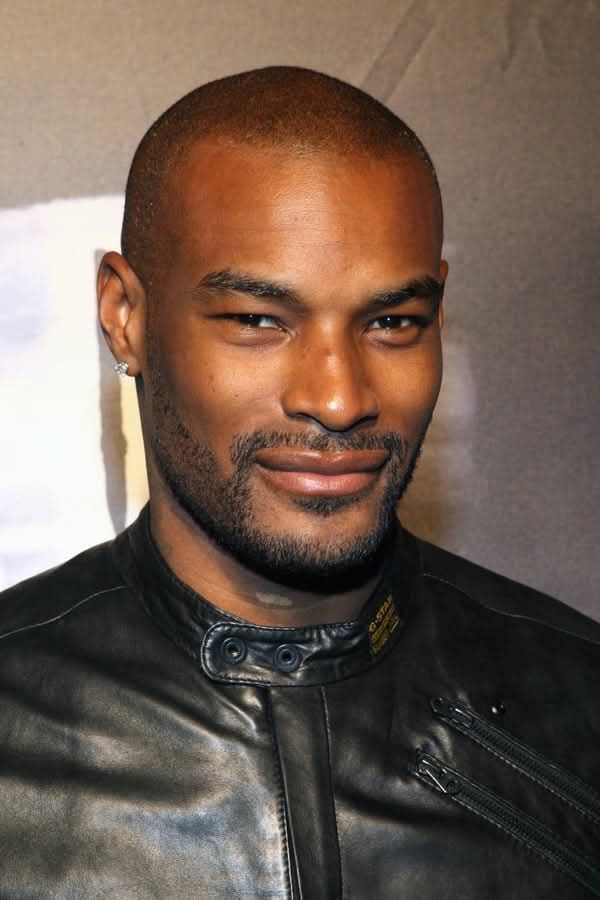
Celebrity Spotlight: Tyson Beckford

Tyson Beckford: The Face That Redefined Male Beauty and Broke Fashion’s Color Line

Photo Credit: Ralph Lauren.

In the world of fashion, where beauty is often dictated by narrow Eurocentric standards, Tyson Beckford emerged as a seismic shift — a face that did not merely model clothes, but redefined what male beauty could look like on a global stage. With his luminous skin, symmetrical features, and effortless masculine presence, Beckford embodied a rare fusion of classical handsomeness and cultural distinction. His beauty was not manufactured; it was ancestral, carrying the genetic poetry of Afro-Caribbean and Chinese-Jamaican heritage, rendered through bone structure, gaze, and physical poise.

What made Beckford extraordinary was not simply that he was handsome, but that his beauty was disruptive. At a time when Black male models were largely marginalized or confined to niche markets, Beckford’s image entered the highest temples of fashion — Polo Ralph Lauren, Vogue, GQ, and global billboards — without dilution or apology. He was not presented as an exception to Black beauty, but as its embodiment: regal, sensual, and universally aspirational. In doing so, Tyson Beckford did not just become a supermodel; he became a cultural symbol of aesthetic liberation.

Tyson Craig Beckford (born December 19, 1970) is a Jamaican-Panamanian American model, actor, and television personality best known for his iconic work as a Ralph Lauren Polo model. He is widely regarded as one of the most successful male supermodels in fashion history and is often credited as being the first Black male supermodel to achieve global prominence in a field historically dominated by white models.

Beckford was born in the Bronx, New York City, to a Jamaican mother, Hillary Dixon Hall, and a Panamanian father, Lloyd Beckford, who himself was of Jamaican and Chinese-Jamaican descent. His mixed Afro-Asian heritage contributes to his distinctive and striking features, which helped set him apart in the modeling world.

Shortly after his birth, his family moved back to Jamaica, where Beckford spent the first seven years of his life before returning to the United States and eventually settling in Rochester, New York. He attended and graduated from Pittsford Mendon High School, where classmates sometimes teased him about his looks before his later success.

Beckford’s entry into modeling was not planned. In 1992, he was approached in Manhattan’s Washington Square Park by editor Erik Lauren Counsel from The Source magazine, who invited him to pose for a style piece — a moment that launched his modeling career.

In 1993, his big break came when Ralph Lauren signed him to front its Polo line of men’s sportswear. The campaign quickly drew international attention and made Beckford a recognizable face in fashion, effectively breaking racial barriers in the industry by placing a Black male model at the center of a major luxury brand campaign.

Beckford’s looks — a blend of Jamaican, Panamanian and Chinese ancestry — were seen as exotic and striking in the early 1990s modeling scene. His features, symmetry, and presence helped him stand out among peers, leading to extensive editorial and advertising work.

Early in his career, Beckford worked with top photographers such as Herb Ritts and Bruce Weber, and appeared on the covers and in the pages of leading fashion magazines including Vogue, GQ, Essence, and Details.

This photograph is the property of its respective owner. No copyright infringement intended.

His success with Ralph Lauren and the broader fashion world was rapid. In 1995, VH1 named Beckford “Model of the Year,” and People magazine listed him as one of the “50 Most Beautiful People in the World.” He was also ranked number 38 on VH1’s “40 Hottest Hotties of the ’90s.”

Beyond fashion campaigns and editorials, Beckford expanded into television. He hosted both seasons of Bravo’s Make Me a Supermodel and appeared on reality and entertainment programs. He also judged and mentored models in international versions of the show.

Beckford has spoken openly about the challenges he faced in the industry, including instances of racism and limited diversity. In interviews, he has described fashion as “very racist” at times, critiquing runway casting that excluded Black, Latino, and Asian models and calling for broader inclusivity.

In addition to modeling, Beckford has acted in films including Into the Blue and appeared in music videos such as Britney Spears’ “Toxic,” further cementing his place in pop culture.

On the personal side, Beckford has a son, Jordan Beckford, born in 1998 from a relationship with stylist April Roomet.

He was briefly married to Berniece Julien in 2009, though the marriage ended the same year.

Beckford’s journey from a young man with humble beginnings — including brushes with street life — to one of fashion’s most recognizable male figures illustrates both personal resilience and transformational opportunity. According to Beckford, his late brother Patrick played a crucial role in encouraging him to pursue a legitimate path rather than the dangerous lifestyle that surrounded him in youth.

Despite his success, Beckford has acknowledged that the fashion industry still has room to grow in terms of diversity and representation, emphasizing the importance of including models from a wide range of racial and ethnic backgrounds.

Over three decades after his Polo breakthrough, Beckford continues to influence fashion and representation. In 2025, he honored his legacy with a custom Ralph Lauren ensemble at the Met Gala, celebrating the brand and his role in breaking boundaries in modeling.

Today, Beckford is not only remembered as a face of ’90s fashion but also as a pioneer who helped broaden the visibility of Black and multiracial models in high fashion.


References

Beckford, T. (n.d.). Tyson Beckford biography. Wikipedia. Retrieved from
https://en.wikipedia.org/wiki/Tyson_Beckford

BET Staff. (2016). Tyson Beckford says fashion is the most racist industry. BET. Retrieved from
https://www.bet.com/article/9pem2t/tyson-beckford-says-fashion-is-most-racist-business

Bellazon. (n.d.). Tyson Beckford modeling career profile. Bellazon Model Database. Retrieved from
https://www.bellazon.com/main/topic/5426-tyson-beckford/

People Magazine. (2024). Tyson Beckford explains how he almost avenged his brother’s murder. People. Retrieved from
https://people.com/tyson-beckford-explains-how-he-almost-avenged-his-brothers-murder-8716980

People Magazine. (2025). Tyson Beckford honors his 90s Ralph Lauren Polo campaign at the Met Gala. People. Retrieved from
https://people.com/met-gala-2025-tyson-beckford-honors-his-90s-ralph-lauren-polo-campaign-sharp-tuxedo-exclusive-details-11727831

IMDb. (n.d.). Tyson Beckford – trivia and personal life. Internet Movie Database. Retrieved from
https://www.imdb.com/name/nm0004734/

Arogundade, B. (n.d.). Tyson Beckford: ethnicity, heritage and background. Arogundade Fashion Archive. Retrieved from
https://www.arogundade.com/tyson-beckford-model-his-chinese-asian-ethnicity-nationality-his-mother-parents-family-biography-bio.html

VH1. (1995). Model of the Year Awards Archive. VH1 Networks. Retrieved from
https://www.vh1.com

Ralph Lauren. (n.d.). Polo Ralph Lauren advertising campaigns archive. Ralph Lauren Corporate. Retrieved from
https://corporate.ralphlauren.com

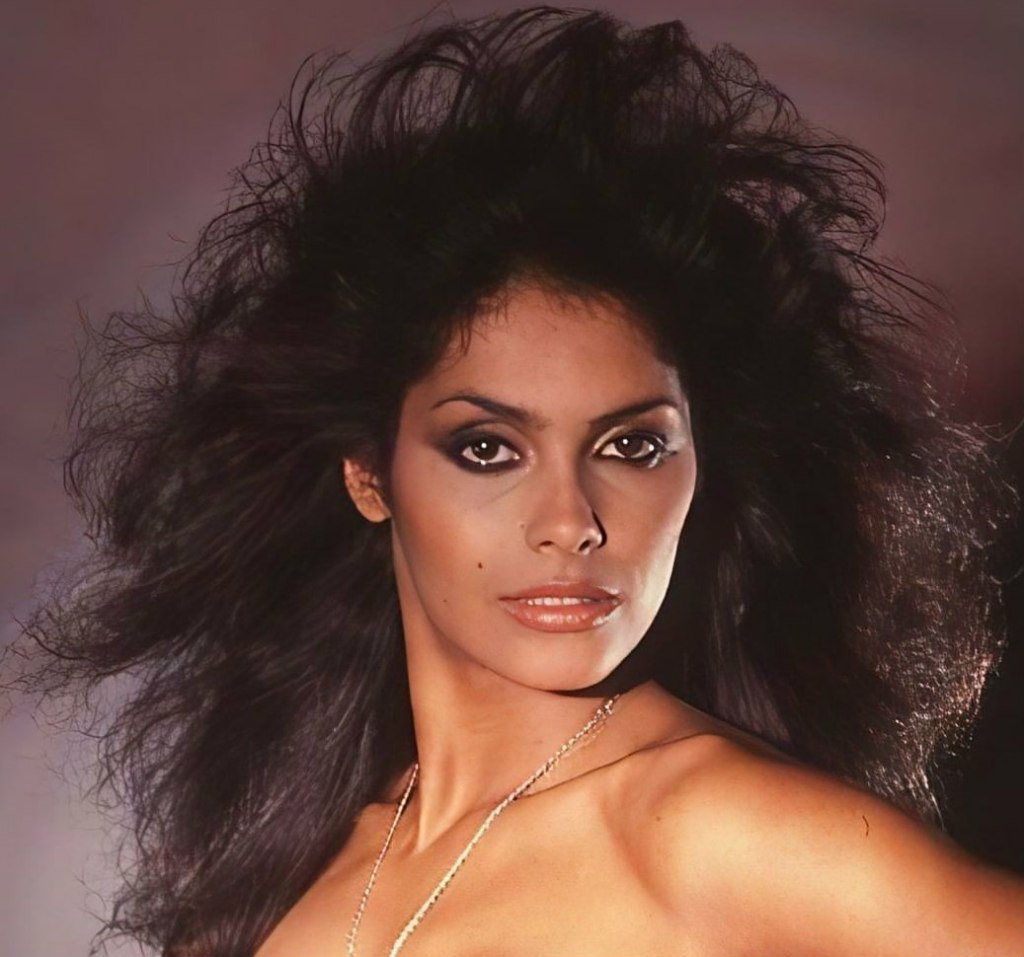
The Ebony Dolls: Vanity (Denise Matthews)

From Canadian beauty queen and pop icon to born-again Christian minister

This photograph is the property of its respective owners. No copyright infringement intended

She looked like a mirror of me. I saw her and thought, that’s me in female form.” — — Prince

Denise Matthews, known to the world as Vanity, embodied a rare and arresting form of beauty—one that felt almost mythic. With her almond-shaped eyes, glowing skin, racially ambiguous features, and effortless beauty, she represented the archetype of the 1980s “Ebony Doll”: a woman whose presence commanded attention before she ever spoke a word. Vanity was not merely admired; she was desired, elevated into fantasy, and projected onto screens and stages as an icon of glamour and Black feminine mystique.

Yet the most profound chapter of her life unfolded far from the spotlight. After years of fame, addiction, and near-death, Vanity experienced a spiritual awakening that led her to renounce celebrity culture entirely. She publicly surrendered her stage name, calling it a false identity, and dedicated the rest of her life to Jesus Christ and Christian ministry. In doing so, she became one of the rare figures in pop history whose legacy is not defined only by beauty and desire, but by repentance, faith, and radical transformation—an “Ebony Doll” who walked away from the world to choose God.

Denise Katherine Matthews (January 4, 1959 – February 15, 2016), professionally known as Vanity, was a Canadian model, singer, songwriter, actress, and later a Christian evangelist. She rose to global fame in the early 1980s as the frontwoman of the provocative pop-funk group Vanity 6, created and produced by Prince. Her life became a powerful narrative of beauty, fame, addiction, redemption, and spiritual rebirth.


Denise Matthews was born in Niagara Falls, Ontario, Canada. She was of mixed racial heritage, with a Black father and a mother of German and Jewish descent. From a young age, Denise gravitated toward modeling and performance. She entered beauty competitions and gained national recognition when she won Miss Niagara Hospitality (1977) and later competed in Miss Canada (1978). These early achievements established her as a rising figure in Canadian beauty culture and opened doors to professional modeling. She was one of the most beautiful celebrities.


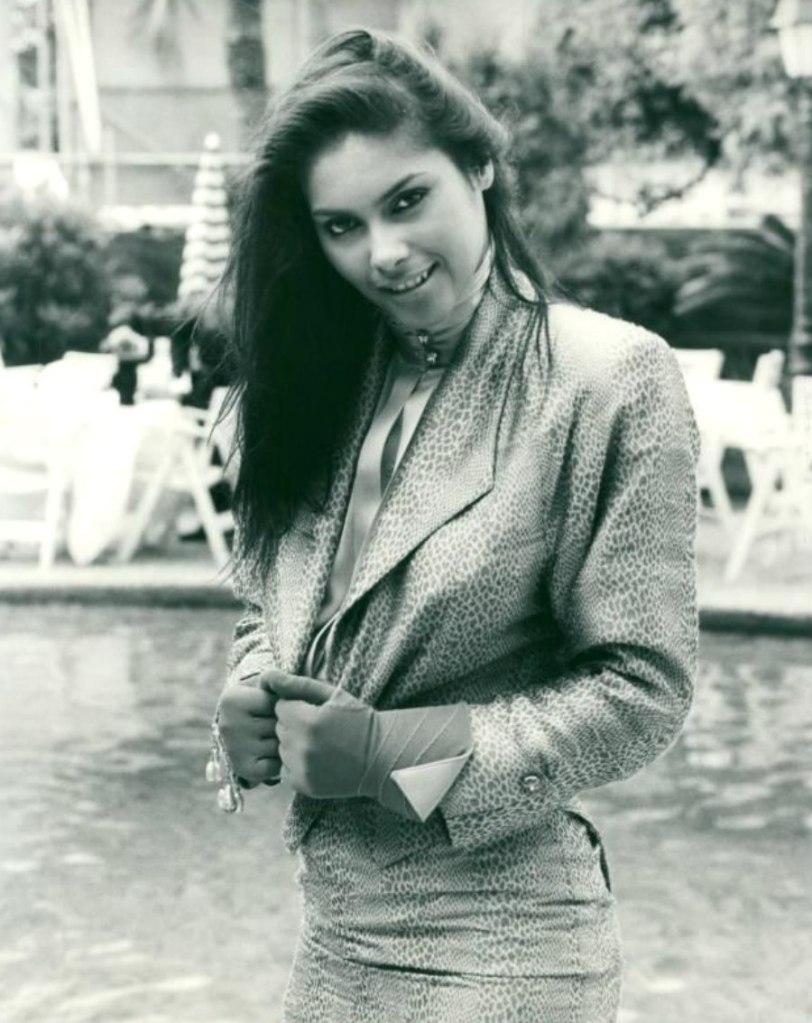
This photograph is the property of its respective owners. No copyright infringement intended

Following her pageant success, Matthews relocated to New York City, where she signed with the prestigious Zoli Model Agency. Though she did not fit traditional high-fashion height standards, her magnetic presence, camera appeal, and sensual confidence made her highly marketable. She appeared in commercials, print advertisements, and international modeling campaigns, including work in Japan.

Her early image combined innocence and eroticism, foreshadowing the bold persona she would later embody as Vanity.


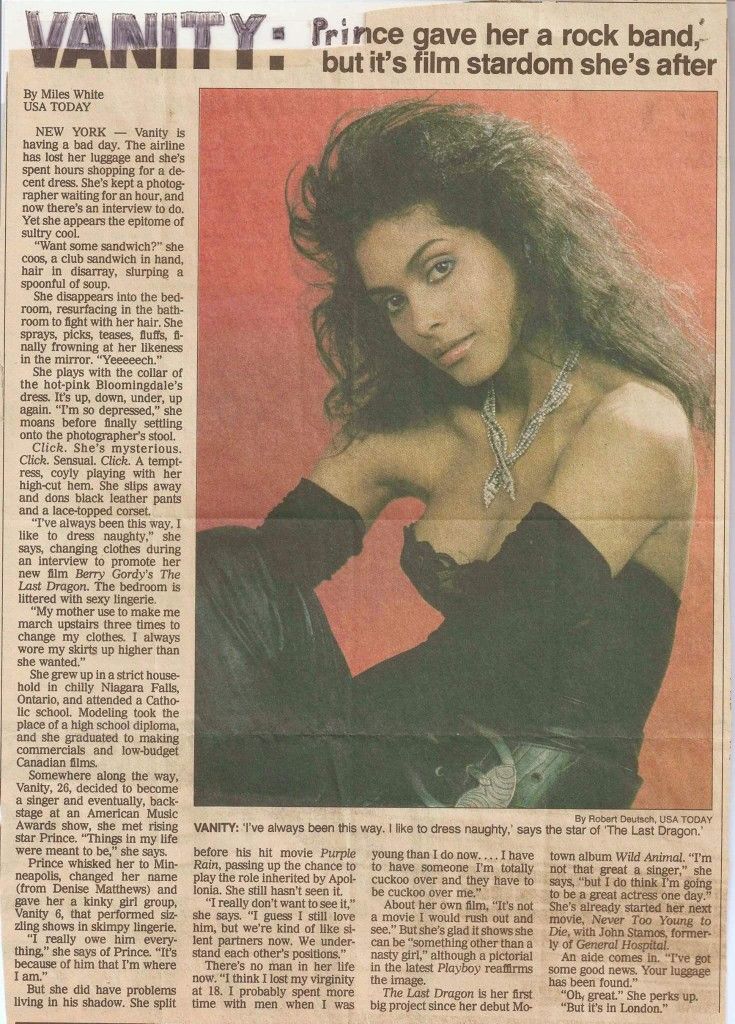
Denise’s career took a dramatic turn after meeting Prince at the 1980 American Music Awards. Prince saw in her a female reflection of his own artistic identity and envisioned her as the centerpiece of a new musical project.

Originally, Prince proposed highly explicit stage names, but Denise refused one of them and accepted “Vanity” instead. The name symbolized both beauty and self-obsession—qualities that became central to her public persona.

USA Today

Prince formed Vanity 6, a three-woman group that blended sexual imagery, synth-funk music, and provocative performance aesthetics. The group’s lingerie-styled outfits and explicit lyrics made them cultural lightning rods.

Their breakout hit “Nasty Girl” (1982) became a defining anthem of the decade, reaching #1 on the U.S. Billboard Dance Chart and turning Vanity into a global sex symbol.


After leaving Vanity 6, Denise signed with Motown Records and launched a solo career. She released two albums:

  • Wild Animal (1984)
  • Skin on Skin (1986)

Her single “Under the Influence” charted on Billboard’s R&B and Dance rankings.

In parallel, she pursued acting, appearing in major films including:

  • The Last Dragon (1985)
  • 52 Pick-Up (1986)
  • Never Too Young to Die (1986)
  • Action Jackson (1988)

Vanity became one of the most visible Black female celebrities of the era, blending beauty, sexuality, and pop culture power.

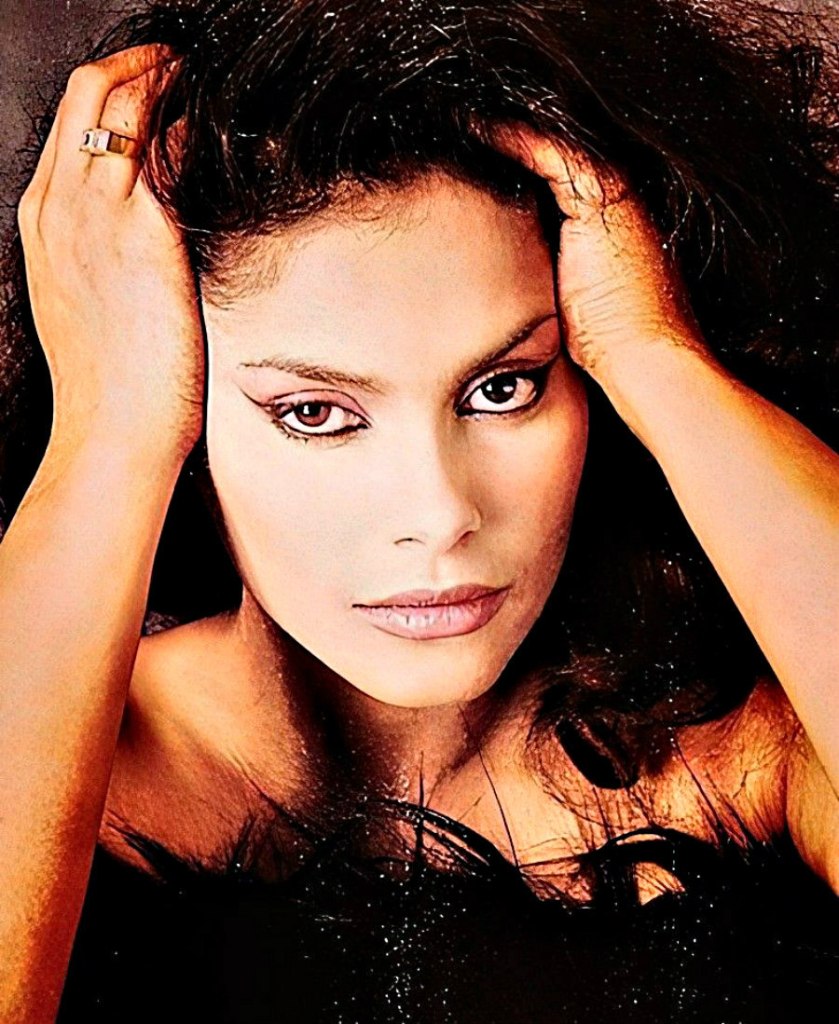
This photograph is the property of its respective owners. No copyright infringement intended

Vanity’s beauty and fame attracted high-profile relationships throughout the 1980s, including musicians and rock stars. However, behind the glamorous image were deep struggle with substance abuse.

In 1995, she married former NFL player Anthony Smith after a brief courtship. The marriage ended in divorce, and Smith later became infamous after being convicted of multiple murders and receiving life imprisonment. This period marked a traumatic chapter in her personal life.


By the early 1990s, Vanity’s cocaine addiction had devastated her health. In 1994, she suffered near-fatal kidney failure. During her hospitalization, she reported a spiritual encounter with Jesus Christ, which she described as a divine intervention that saved her life.

She immediately renounced the “Vanity” persona, abandoned secular entertainment, and became a born-again Christian evangelist.

This photograph is the property of its respective owners. No copyright infringement intended

Denise founded Pure Hearts Ministries in California and dedicated her life to preaching, counseling, and sharing her testimony about spiritual transformation, repentance, and redemption.

She later published her autobiography:
Blame It On Vanity: Hollywood, Hell and Heaven (2010), detailing her journey from fame to faith.


Years of substance abuse permanently damaged her kidneys. She underwent a kidney transplant in 1997 and later suffered from sclerosing encapsulating peritonitis, a rare and painful abdominal disease.

After multiple surgeries and long-term dialysis, Denise Matthews died on February 15, 2016, at age 57, in Fremont, California, from kidney failure.


Vanity remains a symbol of Black feminine beauty, erotic power, and cultural transformation. As an “Ebony Doll,” she embodied the intersection of beauty, visibility, and spirituality—first as a singer-actress and later as a woman who publicly rejected celebrity culture in favor of faith.

Her life stands as a rare testimony of radical personal change within the entertainment industry, illustrating the spiritual cost of fame and the possibility of redemption.


References

Matthews, D. (2010). Blame It On Vanity: Hollywood, Hell and Heaven. Destiny Image Publishers.

Vanity. (n.d.). In Wikipedia. https://en.wikipedia.org/wiki/Vanity_(singer)

Vanity 6. (n.d.). In Wikipedia. https://en.wikipedia.org/wiki/Vanity_6

Nasty Girl (Vanity 6 song). (n.d.). In Wikipedia. https://en.wikipedia.org/wiki/Nasty_Girl_(Vanity_6_song)

Time Magazine. (2016). Vanity, singer and actress, dies at 57. https://time.com/4225112/vanity-denise-mathews-dead/

The Washington Post. (2016). Denise Matthews, troubled pop singer known as Vanity, dies at 57.

Vogue. (2016). Vanity’s legacy: Prince, pop culture, and the erotic imagination.

AOL Entertainment. (2016). Denise “Vanity” Matthews dies at 57.

Billboard. (1984–1986). Chart history for “Under the Influence”.

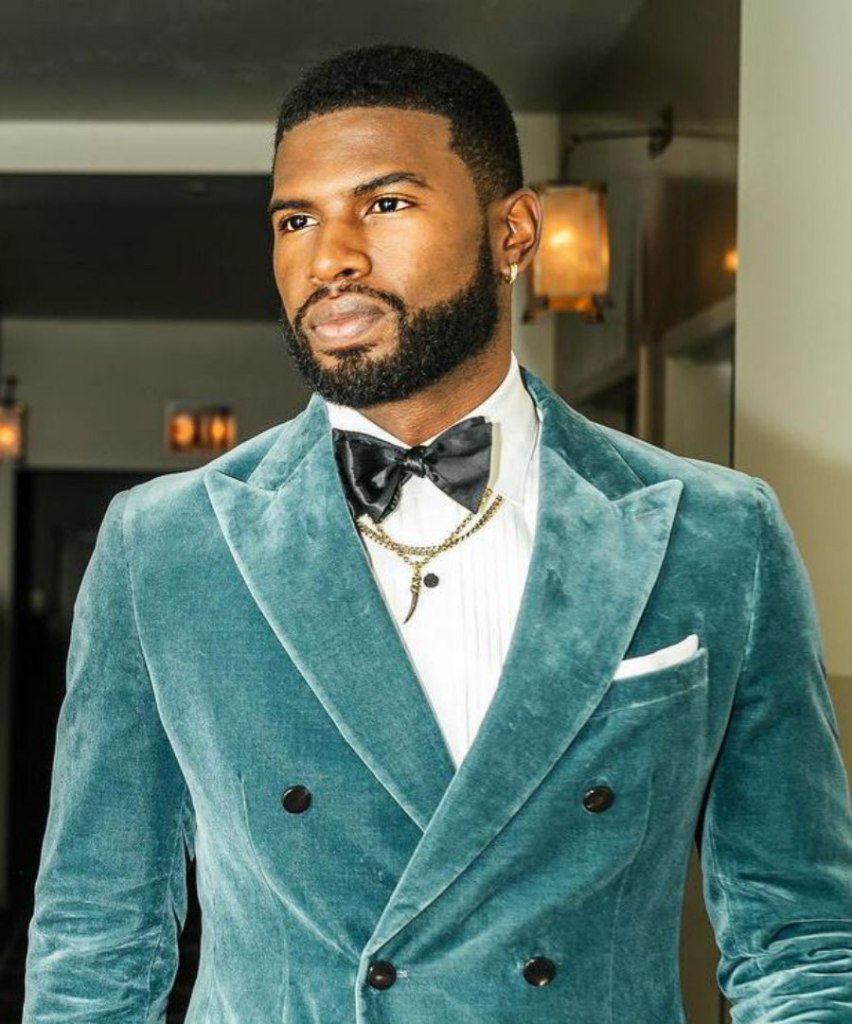
The Black Archetypes of Male Beauty: The Most Handsome Black Male Celebrities.

Black male beauty has long existed at the intersection of visibility and erasure—celebrated within Black communities yet historically marginalized by mainstream media that privileged Eurocentric standards of masculinity. Today, the rise of Black leading men in film, television, fashion, and culture represents not merely aesthetic recognition but a cultural re-centering of what male beauty truly looks like. Black male attractiveness is not singular or monolithic; it spans a spectrum of shades, facial structures, energies, and archetypes—from regal authority to gentle vulnerability, from warrior strength to romantic softness. These men embody more than physical appeal; they reflect history, resilience, and ancestral aesthetics that reclaim African features as symbols of global desirability. In honoring the most handsome Black male celebrities, we are also honoring a larger truth: Black male beauty is diverse, powerful, and divinely designed, standing as both a visual standard and a cultural restoration.

This photograph is the property of its respective owner. No copyright infringement intended.

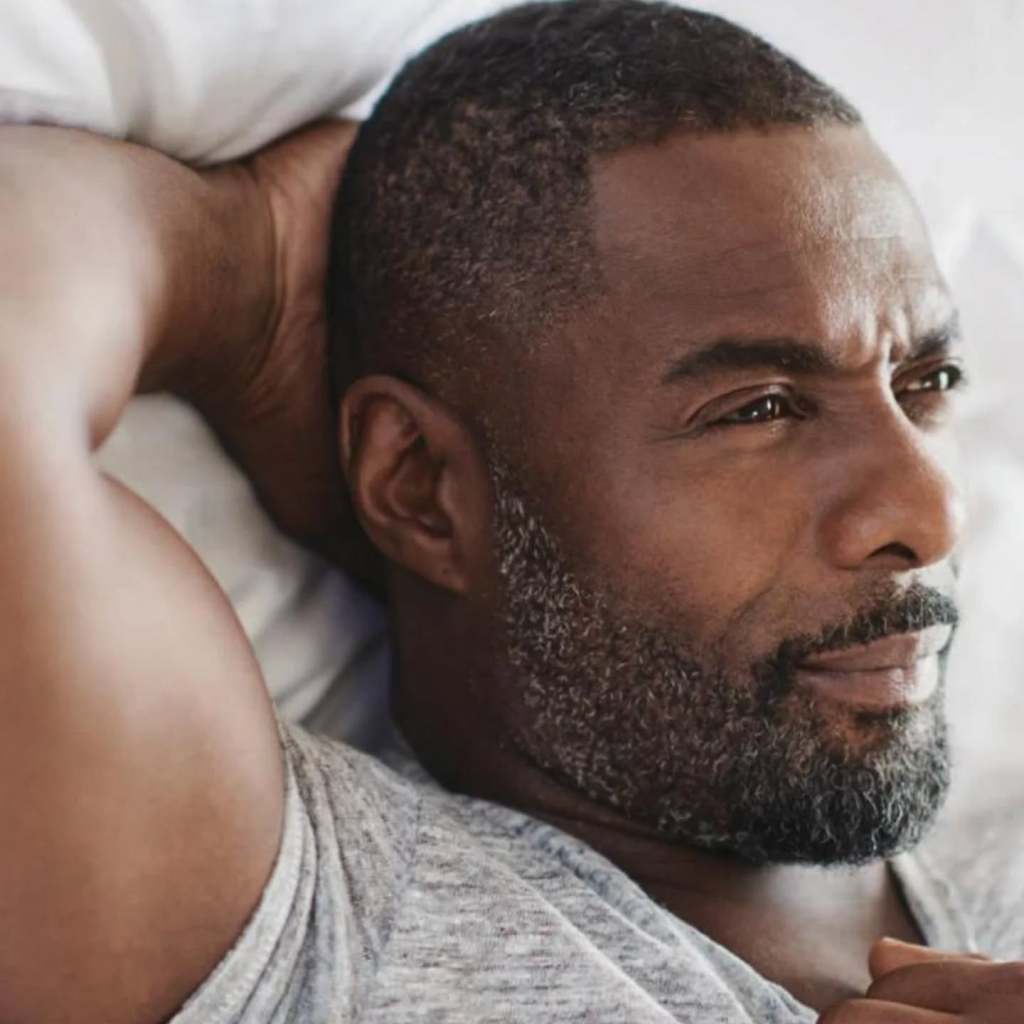
Idris Elba
Idris Elba embodies the classic “tall, dark, and handsome” archetype through his imposing height, deep complexion, resonant voice, and commanding presence, which together signal what evolutionary psychology associates with protective and authoritative masculinity—strength, genetic fitness, and emotional depth (Rhodes, 2006; Puts et al., 2012). He is the epitome of handsomeness, the complete package, with his broad facial structure, piercing soulful eyes, strong jawline, and calm demeanor. This projection of kingly gravitas feels both powerful and grounding, making his beauty not only physical but also symbolic of dignified Black male authority in a global cultural landscape.

This photograph is the property of its respective owner. No copyright infringement intended.

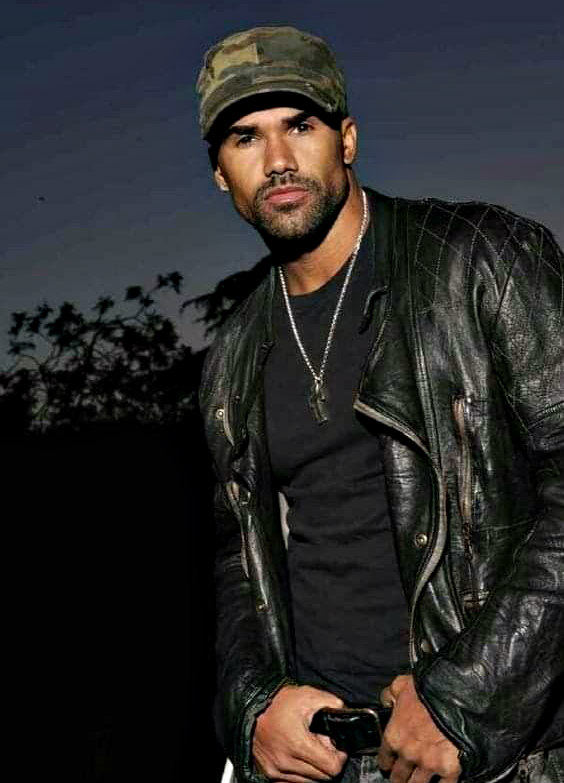
Shemar Moore
Shemar Moore represents a “golden” or “light cafe au lait” masculinity rooted in warmth, symmetry, and relational charm, with his light honeyed skin tone, expressive marbles like eyes, and radiant smile activating perceptions of approachability, joy, and emotional safety (Maddox & Gray, 2002; Gangestad & Simpson, 2000). He is the complete package in terms of beauty. His muscular build, combined with playful charisma, reflects a form of soft dominance—strength without threat—making his beauty feel intimate, affectionate, astonishing, and emotionally inviting rather than distant or intimidating.

This photograph is the property of its respective owner. No copyright infringement intended.

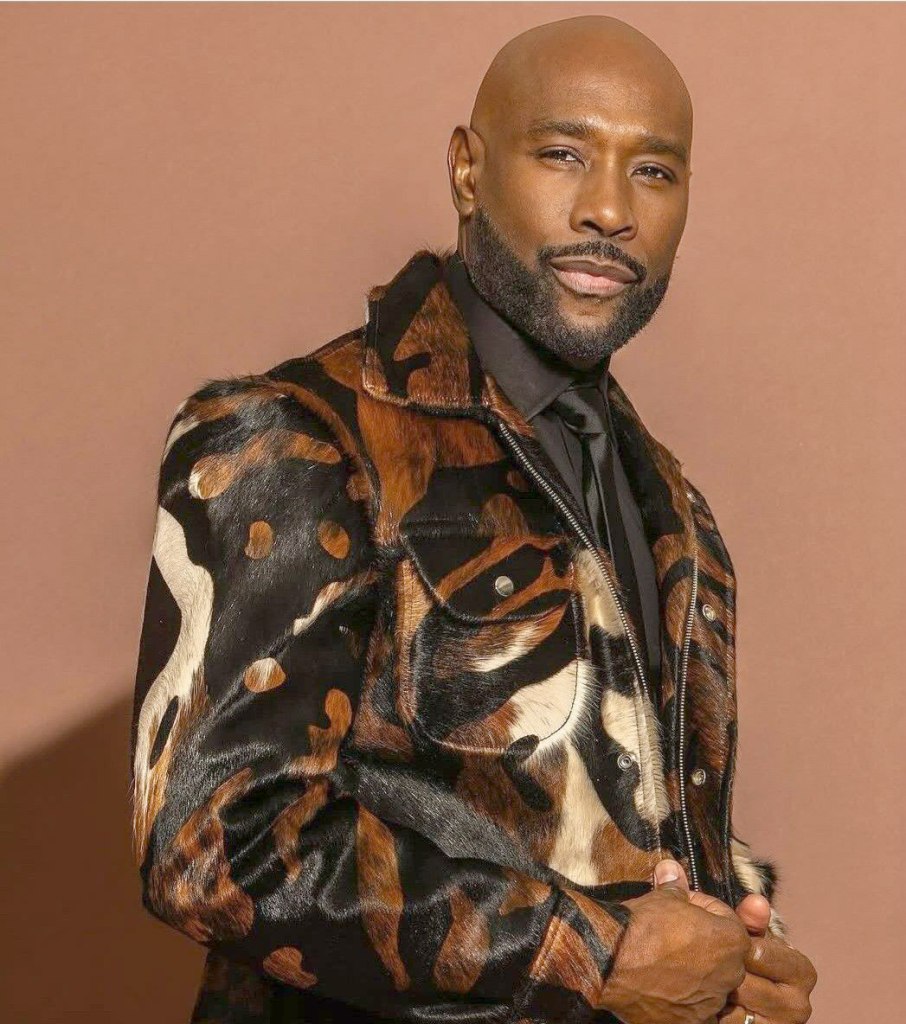
Morris Chestnut
Morris Chestnut has been the heartthrob for decades, representing black masculinity and black male beauty. He embodies a form of “classic gentleman masculinity” rooted in symmetry, emotional steadiness, and timeless appeal. The epitome of fineness. His medium-brown complexion, described as chocolate heaven, refined facial proportions, calm eyes that convey a great deal, and consistently polished presentation signal what evolutionary psychology describes as stable attractiveness—beauty associated with trust, long-term partnership, and reliability, rather than fleeting sexual novelty (Rhodes, 2006; Gangestad & Simpson, 2000). Chestnut’s appeal is not loud or hyper-sexualized; it is dignified, mature, and romantic, making him the archetype of the dependable Black leading man whose beauty feels safe, rooted, and enduring across generations.

This photograph is the property of its respective owner. No copyright infringement intended.

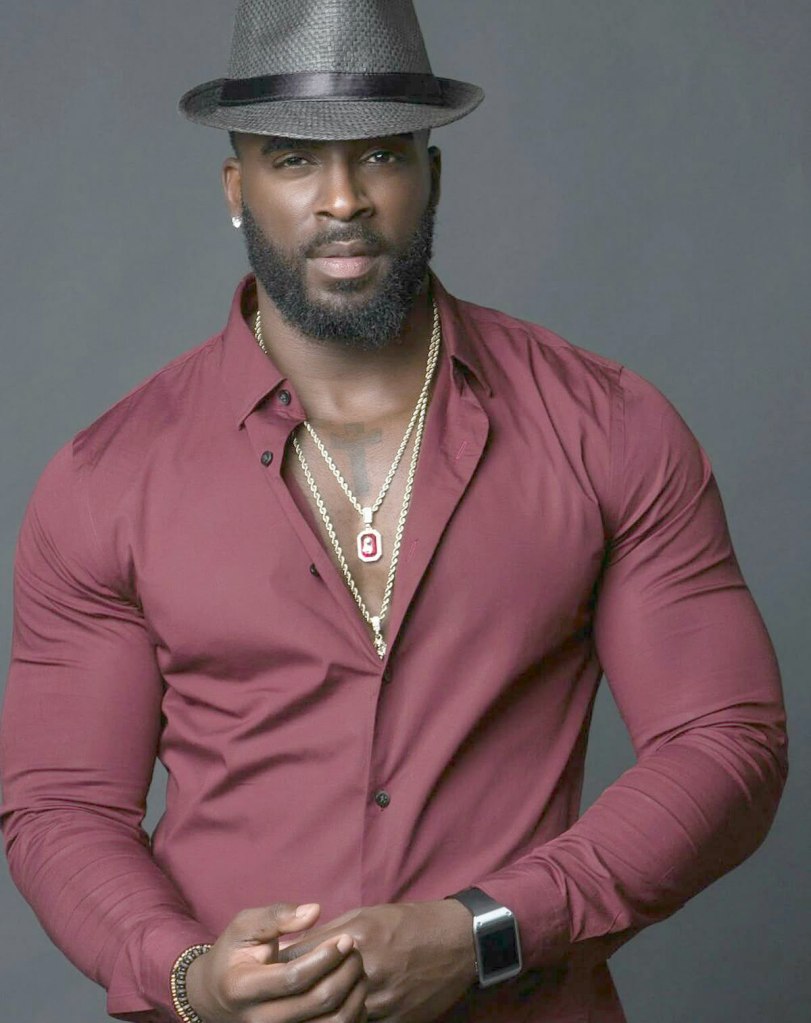
Travis Cure
Travis Cure represents a modern “aesthetic masculinity” shaped by fitness culture, facial harmony, and digital-era visual standards. His lean, muscular build, sharp jawline, clear skin, come-hither good looks, and balanced facial symmetry align closely with contemporary metrics of physical attractiveness, where visual clarity, body sculpting, and high grooming standards dominate desirability frameworks (Frederick & Haselton, 2007). Cure’s beauty reflects a post-Instagram masculinity—where the male body is curated, disciplined, and displayed as both art and aspiration, signaling self-mastery, health, and high social capital.

Photo Credit: Tibo Norman Photography

Louis Allen III
Louis Allen III embodies “intellectual masculinity”—a beauty rooted not only in physical features but in cognitive presence, articulation, and cultural depth. His refined facial structure, physique, piercing green-hazel eyes, like a piece of art found in a museum, and composed demeanor project what social psychology identifies as competence-based attractiveness, where intelligence, emotional regulation, and verbal confidence significantly enhance perceived desirability (Fiske et al., 2007). Allen’s appeal operates in the realm of gravitas and mental authority; his beauty feels thoughtful, elevated, and spiritually grounded, representing a form of Black male attractiveness where the mind becomes the primary aesthetic asset.

This photograph is the property of its respective owner. No copyright infringement intended.

Broderick Hunter
Broderick Hunter represents “sculptural masculinity”—a form of beauty that feels almost architectural in its precision and physical harmony. His tall, model-good-looks, bewitching mirrored eyes, athletic frame, sharply defined cheekbones, full lips, and symmetrical facial structure align closely with classical standards of male attractiveness rooted in proportion, balance, and visual impact (Rhodes, 2006). Hunter’s appeal is highly aesthetic and cinematic; he embodies the archetype of the living statue, where Black male beauty is experienced as fine art—polished, striking, and immediately captivating, reflecting a modern luxury ideal of masculine form.

This photograph is the property of its respective owner. No copyright infringement intended.

Redriac Williams
Redriac Williams represents a form of “regal masculinity” rooted in stature, symmetry, and aristocratic bearing. His athletic frame, mesmerizing green-hazel eyes, sculpted features, and composed posture align with what social psychologists describe as status-based attractiveness—beauty associated with leadership, high rank, and social authority (Fiske et al., 2007). Williams’ appeal feels noble and elevated, evoking the image of a modern Black prince whose beauty communicates command, discipline, and quiet confidence.

This photograph is the property of its respective owner. No copyright infringement intended.

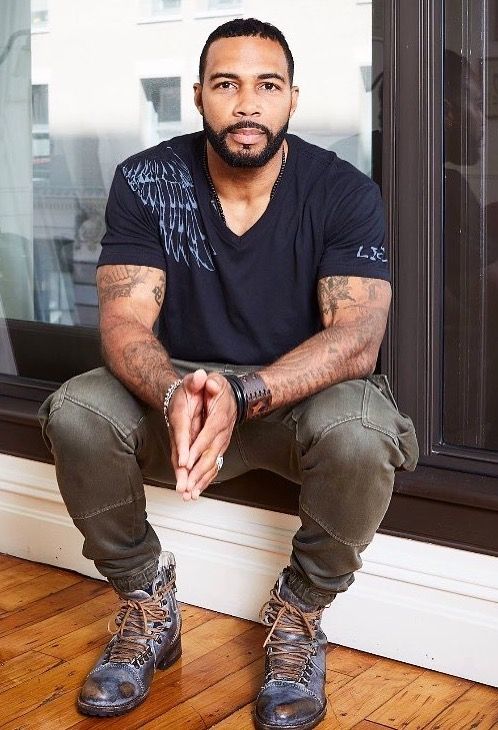
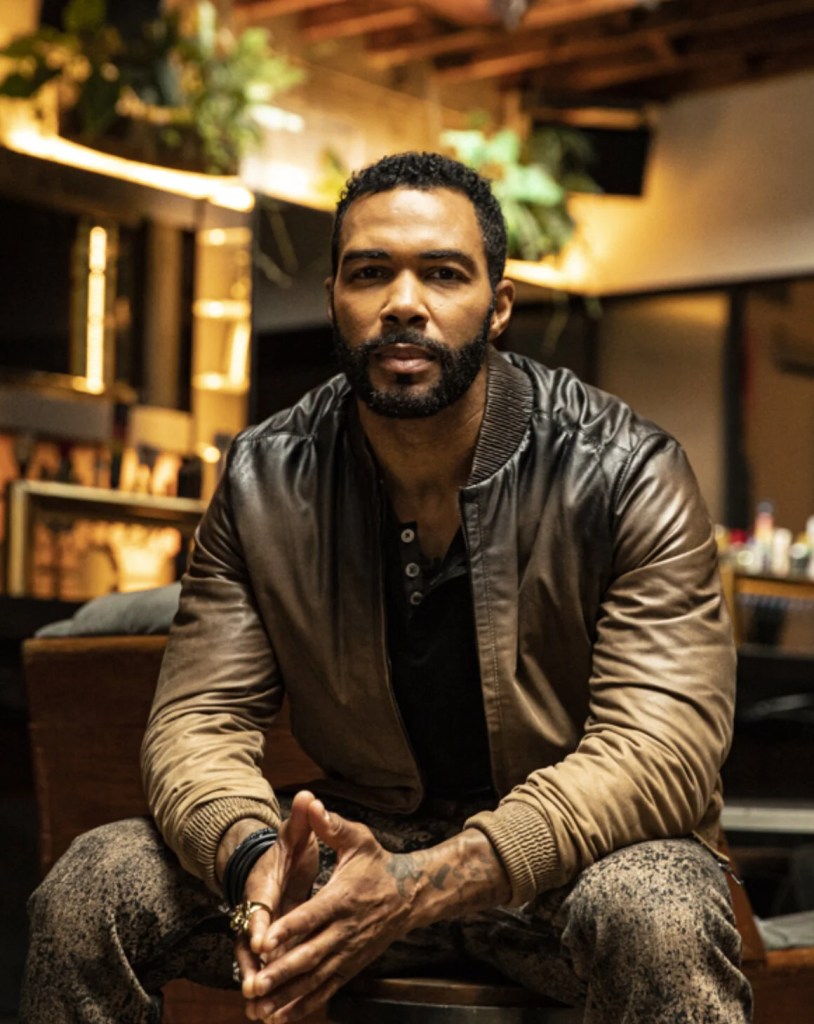
Omari Hardwick
Omari Hardwick represents “warrior-poet masculinity”—a fusion of physical intensity and emotional complexity. His muscular build, pretty eyes with an intense gaze, and textured facial features project what psychology defines as dominance-based attractiveness, while his artistic sensibility and introspective demeanor soften that dominance into depth (Frederick & Haselton, 2007). Hardwick’s beauty feels charged and cinematic; he embodies the archetype of the brooding protector whose appeal lies in both power and inner struggle.

This photograph is the property of its respective owner. No copyright infringement intended.

Kenneth Okolie
Kenneth Okolie embodies “continental masculinity”—a deeply Afrocentric beauty marked by strong bone structure, dark luminous skin, and ancestral presence. His broad facial planes, deep-set eyes, and princely demeanor associate with royalty. Dignified stillness aligns with evolutionary cues of genetic robustness and masculine stability (Rhodes, 2006). Okolie’s attractiveness feels primal and rooted, reflecting a lineage-based aesthetic where Black male beauty is directly tied to heritage, earthiness, and spiritual depth rather than Western grooming standards.

This photograph is the property of its respective owner. No copyright infringement intended.

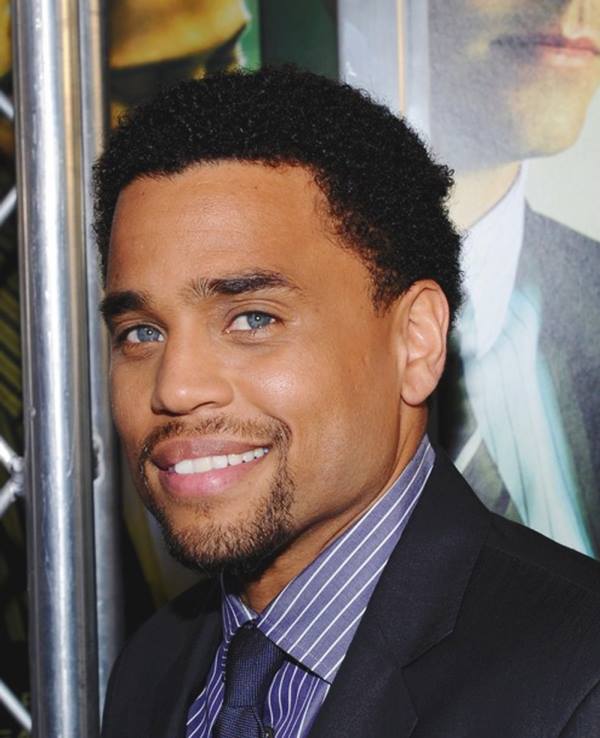
Michael Ealy
Michael Ealy embodies “ethereal masculinity”—a rare form of beauty defined by softness, luminosity, and emotional transparency. His light complexion, piercing blue eyes, gentle facial contours, and expressive gaze activate what psychologists describe as neotenous attractiveness, where youthful features and vulnerability increase perceptions of trust, emotional safety, and romantic desirability (Fiske et al., 2007; Rhodes, 2006). Ealy’s beauty feels tender, positioning him as the archetype of the sensitive romantic—where Black male attractiveness is associated not with dominance, but with intimacy, empathy, and emotional depth.

*Honorary Mention*

This photograph is the property of its respective owner. No copyright infringement intended.

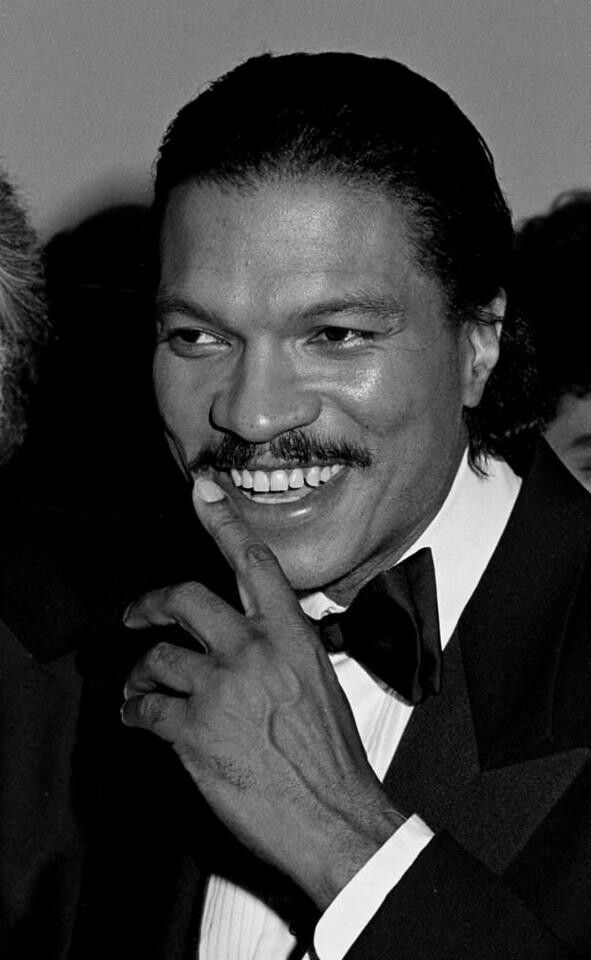
Billy Dee Williams
Billy Dee Williams embodies “legendary gentleman masculinity”—a timeless elegance defined by smooth features, a come-hither smile, relaxed confidence, and effortless charm. His appeal aligns with what sociologists describe as charisma-based attractiveness, where confidence, voice, and social ease outweigh raw physicality (Fiske et al., 2007). Williams’ beauty is not about youth but about aging gracefully—he represents the archetype of the black male celebrity beauty – cool, demure, unique, sophisticated, and romantic icon whose sophistication and grace transcend generations.

References

Gangestad, S. W., & Simpson, J. A. (2000). The evolution of human mating: Trade-offs and strategic pluralism. Behavioral and Brain Sciences, 23(4), 573–587.
Maddox, K. B., & Gray, S. A. (2002). Cognitive representations of Black Americans: Reexploring the role of skin tone. Personality and Social Psychology Bulletin, 28(2), 250–259.
Puts, D. A., et al. (2012). Sexual selection on male vocal fundamental frequency in humans. Proceedings of the Royal Society B, 279(1743), 1–7.
Rhodes, G. (2006). The evolutionary psychology of facial beauty. Annual Review of Psychology, 57, 199–226.

Frederick, D. A., & Haselton, M. G. (2007). Why is muscularity sexy? Tests of the fitness indicator hypothesis. Personality and Social Psychology Bulletin, 33(8), 1167–1183.
Fiske, S. T., Cuddy, A. J. C., & Glick, P. (2007). Universal dimensions of social cognition: Warmth and competence. Trends in Cognitive Sciences, 11(2), 77–83.
Gangestad, S. W., & Simpson, J. A. (2000). The evolution of human mating: Trade-offs and strategic pluralism. Behavioral and Brain Sciences, 23(4), 573–587.
Rhodes, G. (2006). The evolutionary psychology of facial beauty. Annual Review of Psychology, 57, 199–226.

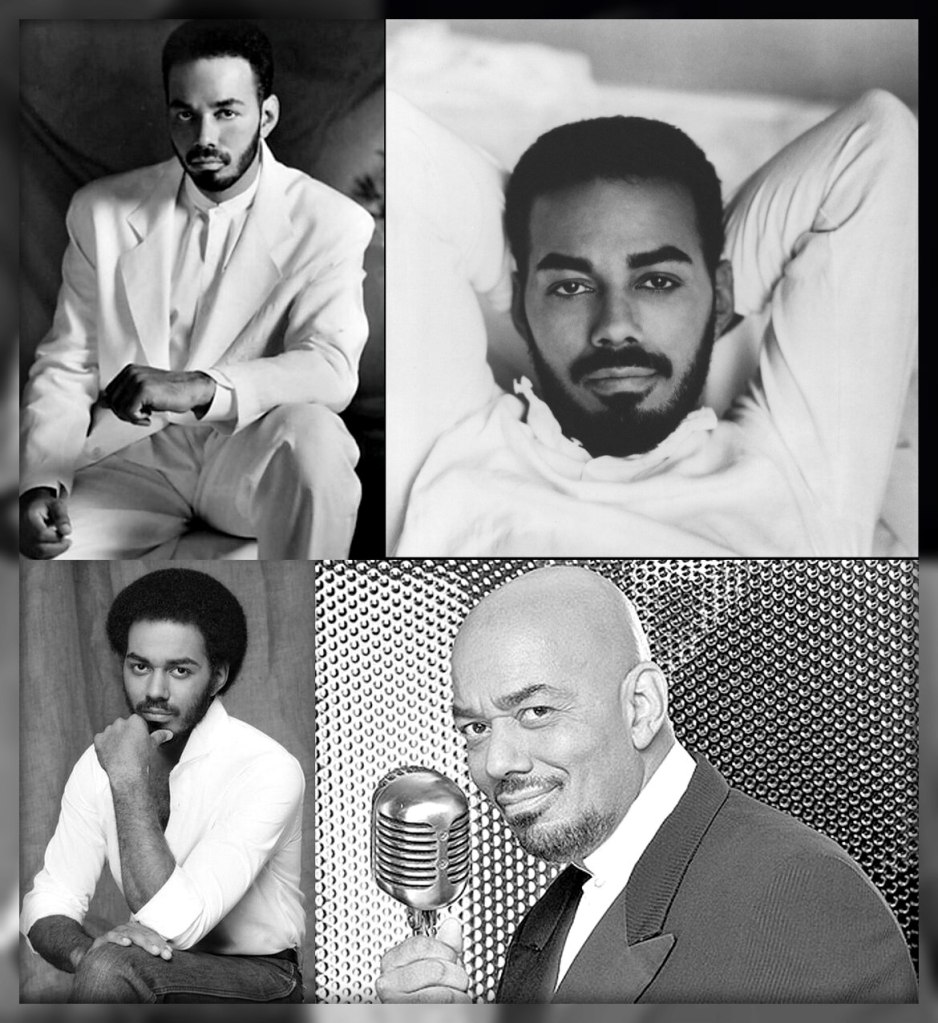
Celebrity Spotlight: James Ingram

A soul-stirring, distinctive, heartbreaking, and powerful voice.

These photographs are the property of their respective owners. No copyright infringement intended.

James Ingram was a phenomenal singer, songwriter, and musician whose rich, velvety voice and emotional depth made him one of the most beloved R&B and soul vocalists of his generation. Born James Edward Ingram on February 16, 1952, in Akron, Ohio, he emerged from humble beginnings to become a Grammy-winning vocal powerhouse known for timeless ballads and unforgettable duets.

Ingram’s musical genius was rooted in gospel, soul, and classical vocal influence. He began his career performing in church and local bands, later moving to Los Angeles, where he worked as a session musician and vocalist. His breakthrough came when Quincy Jones discovered his demo and invited him to perform on the legendary album The Dude (1981), introducing the world to Ingram’s extraordinary vocal presence.

His performance on “Just Once” and “One Hundred Ways” instantly cemented him as a world-class vocalist. “One Hundred Ways” earned him his first Grammy Award for Best Male R&B Vocal Performance, showcasing his ability to deliver tender, passionate interpretations with effortless mastery.

Throughout the 1980s and 1990s, James Ingram became synonymous with heartfelt love songs and stirring duets. His collaboration with Patti Austin, “Baby, Come to Me,” became an international hit and remains one of the most iconic romantic duets in modern music. Ingram also partnered with Michael McDonald on “Yah Mo B There,” which won the Grammy Award for Best R&B Performance by a Duo or Group with Vocals.

Ingram’s vocal range, emotive power, and soulful sincerity made him a go-to voice for film and television soundtracks. One of his most cherished songs, “Somewhere Out There,” a duet with Linda Ronstadt for the An American Tail soundtrack, became a global sensation, earning an Academy Award nomination and touching audiences of all ages.

His catalog of hits includes soulful classics such as “I Don’t Have the Heart,” a Billboard Hot 100 #1 single, and “There’s No Easy Way,” which further demonstrated his gift for emotional storytelling through song. Whether singing smooth ballads or inspirational anthems, Ingram embodied warmth, vulnerability, and sophistication.

James Ingram’s artistry was also defined by his songwriting skills. He co-wrote Michael Jackson’s hit “P.Y.T. (Pretty Young Thing),” showcasing his versatility and creative range. His ability to blend R&B, pop, gospel, and jazz elements set him apart as a timeless musical craftsman.

Beyond his professional success, Ingram lived a life anchored in love and family. He married his wife Debbie Robinson in 1975, and the couple remained devoted partners throughout his life, raising six children together. Their enduring marriage stood as a quiet testimony to commitment and faith.

Ingram’s heritage, rooted in African American gospel tradition and Midwestern soul culture, shaped his musical foundation and identity. His voice carried the spirit of Black musical excellence—rich, expressive, spiritual, and emotionally resonant.

James Ingram passed away on January 29, 2019, leaving behind a profound musical legacy. His death was mourned by fans, fellow artists, and the entire music industry. Yet, his voice and influence continue to live on through the timeless classics he gifted to the world.

With multiple Grammy wins, Academy Award nominations, chart-topping hits, and unforgettable collaborations, James Ingram remains a shining figure in R&B, soul, and pop music history. His artistry represented elegance, humility, and emotional beauty.

Ingram once said his goal was to “use his gift to touch the heart.” He achieved that and more—he touched millions, uplifted generations, and inspired countless singers to bring sincerity back to love songs. His legacy continues to echo as one of warmth, passion, and pure soul.


Hit Songs

  • “Just Once”
  • “One Hundred Ways”
  • “Baby, Come to Me” (with Patti Austin)
  • “Yah Mo B There” (with Michael McDonald)
  • “Somewhere Out There” (with Linda Ronstadt)
  • “I Don’t Have the Heart”

Awards & Honors

  • 2 Grammy Awards
  • Multiple Grammy nominations
  • Academy Award nominee for Best Original Song (multiple)
  • Billboard Hot 100 #1 hit
  • Soul Train and American Music Awards recognitions

References

  • Grammy.com. James Ingram Artist Profile
  • Billboard. (2019). Hot 100 Archives & Artist Chart History
  • IMDb. James Ingram Film & Soundtrack Credits
  • Jones, Q. (1981). The Dude album notes
  • Los Angeles Times. (2019). Obituary: James Ingram
  • Rolling Stone. (2019). Remembering James Ingram

Masculine Perfection Series: Omari Hardwick, Ben Stephens, and Tyler Lepley.

From the golden glow of the screen to the charisma that lights up a room, certain men embody the essence of masculine perfection — a divine balance of strength, grace, and style. Their skin radiates with health and depth, their eyes hold both power and gentleness, and their physiques are sculpted as though by divine intention. Yet beyond their beauty lies a deeper brilliance — talent, discipline, and a quiet confidence that speaks louder than words. Omari Hardwick, Ben Stephens, and Tyler Lepley represent this rare trifecta of artistry, aesthetic, and authenticity. Each man stands as a reflection of Black excellence — embodying the fusion of regal presence and raw emotion that continues to redefine what it means to be both beautiful and masculine in Hollywood.


Omari Hardwick

This photograph is the property of its respective owner. No copyright infringement intended.

Omari Hardwick, born on January 9, 1974, in Savannah, Georgia, is an actor, poet, and producer best known for his captivating performances in both film and television. A graduate of the University of Georgia, Hardwick initially pursued a career in football before his passion for storytelling led him to the arts. His perseverance through rejection and struggle eventually paid off with breakout roles in For Colored Girls (2010) and Sparkle (2012), before achieving international fame as James “Ghost” St. Patrick in the Starz hit series Power (2014–2020).

Hardwick’s artistry extends beyond acting — he is also a spoken word poet and founder of the production company Bravelife Films. His performances are marked by emotional depth, intellectual sharpness, and magnetic screen presence. Known for his flawless light cafe au lait skin, chiseled physique, and piercing eyes, Hardwick embodies refined masculinity with poetic grace. In his personal life, he is devoted to his wife, Jennifer Pfautch, and their two children, often crediting family as his grounding force. His recognition includes multiple NAACP Image Award nominations, affirming his place among Hollywood’s most respected leading men.


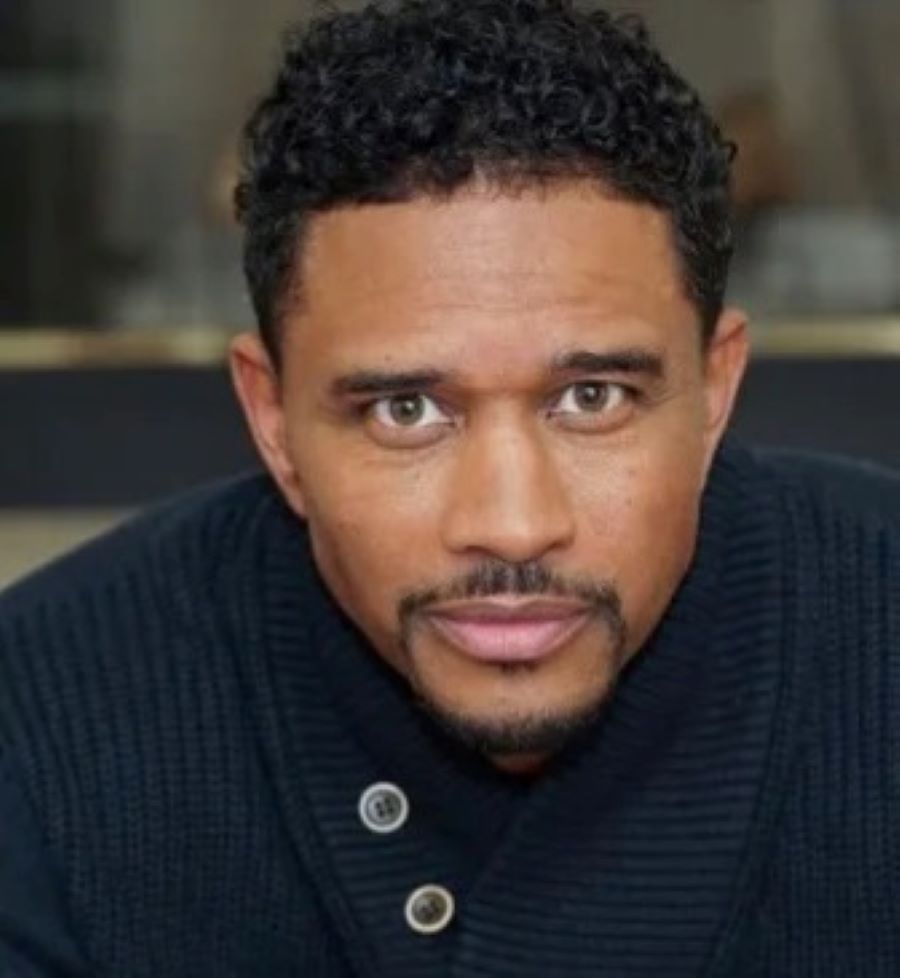
Benjamin Stephens

This photograph is the property of its respective owner. No copyright infringement intended.

Benjamin “Ben” Stephens, an emerging star known for his suave demeanor and captivating looks, represents the next generation of Black male excellence in entertainment. Born and raised in the United States, Stephens built his reputation through modeling and acting, where his striking facial structures, piercing eyes, smooth skin tone, and athletic frame quickly drew attention. His journey began in the fashion industry, working with luxury brands and major campaigns before transitioning into television and film roles.

One of his most notable performances is in the hit television series Family Business, where he showcases remarkable emotional depth, range, and charisma. Stephens’ portrayal earned him growing praise for his natural on-screen presence and his ability to connect with audiences through both vulnerability and confidence. His work in Family Business demonstrated his gift for bringing authenticity and dimension to every role — a talent that has set him apart in a competitive industry.

Beyond the spotlight, Ben Stephens values family, faith, and personal growth. He often speaks about the importance of discipline, humility, and gratitude in shaping both his personal and professional life. His combination of classic good looks — luminous brown skin, expressive eyes, and a physique that mirrors his dedication to health and balance — complements his strong sense of purpose. Though still early in his Hollywood career, his growing recognition in both fashion and acting circles signals a bright future. Stephens continues to redefine what it means to be a leading man: intelligent, grounded, and beautifully human.


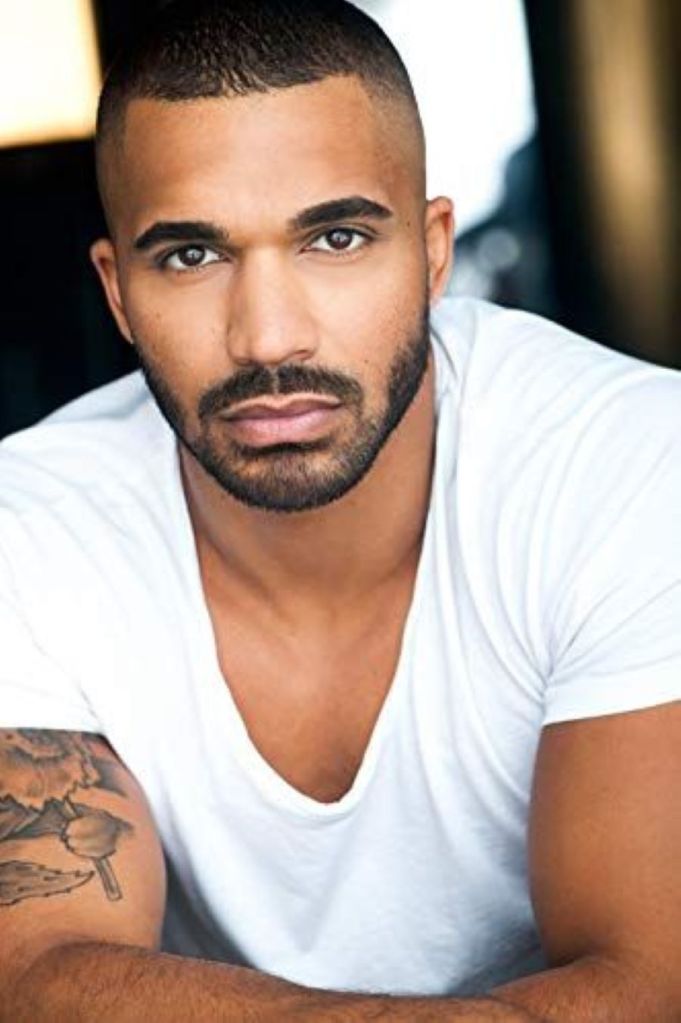
Tyler Lepley

This photograph is the property of its respective owner. No copyright infringement intended.

Tyler Lepley, born on March 24, 1987, in Philadelphia, Pennsylvania, has become one of Hollywood’s most magnetic stars. With his sculpted physique, radiant brown skin, and soulful gaze, Lepley exudes a raw, masculine allure that has captivated audiences worldwide. After earning a degree in criminal justice from Kutztown University, Lepley’s career took an unexpected turn when he was discovered by a producer at a Los Angeles boxing gym. His natural charm and talent quickly opened doors to acting opportunities, leading to his first major role in The Have and the Have Nots (2013–2021) on the Oprah Winfrey Network.

Lepley’s performances are marked by authenticity, vulnerability, and quiet intensity. He later starred in P-Valley (2020–present) and Harlem (2021–present), solidifying his status as a leading man in both drama and romance. Behind the camera, he is a devoted father and man of faith, often speaking about self-growth, humility, and divine timing. Tyler’s work has earned him critical recognition, including nominations for the BET and NAACP Image Awards. His combination of talent, charisma, and good looks — defined by sculpted features, magnetic eyes, and a voice full of calm strength — makes him one of the most captivating figures in modern entertainment.


Conclusion

Omari Hardwick, Ben Stephens, and Tyler Lepley each represent a distinct facet of masculine perfection — the poet, the model, and the warrior. Their beauty is not superficial; it is a reflection of resilience, discipline, and a deep sense of purpose. With glistening skin like polished bronze, eyes that tell stories, and physiques that embody strength and artistry, they redefine Black male elegance for a new generation. Their legacies remind the world that masculinity can be both powerful and tender, and that true perfection lies not just in appearance, but in the spirit within.


References

BET. (2020). Tyler Lepley talks faith, fatherhood, and career growth. Black Entertainment Television. https://www.bet.com

IMDb. (n.d.-a). Omari Hardwick biography. IMDb. https://www.imdb.com/name/nm1617013/

IMDb. (n.d.-b). Tyler Lepley biography. IMDb. https://www.imdb.com/name/nm4700283/

Starz. (2014–2020). Power [TV series]. Starz Network.

OWN. (2013–2021). The Haves and the Have Nots [TV series]. Oprah Winfrey Network.

TV One. (2023). The Family Business [TV series]. Urban Movie Channel & BET+ Productions.

Variety Staff. (2021). Omari Hardwick on his creative journey and poetic roots. Variety Magazine. https://variety.com

Essence. (2022). Tyler Lepley on confidence, humility, and the beauty of Black love. Essence Magazine. https://www.essence.com

The Source. (2023). Ben Stephens: The next face of Black Hollywood. The Source Magazine. https://thesource.com

The “It Girl” Series: Rihanna

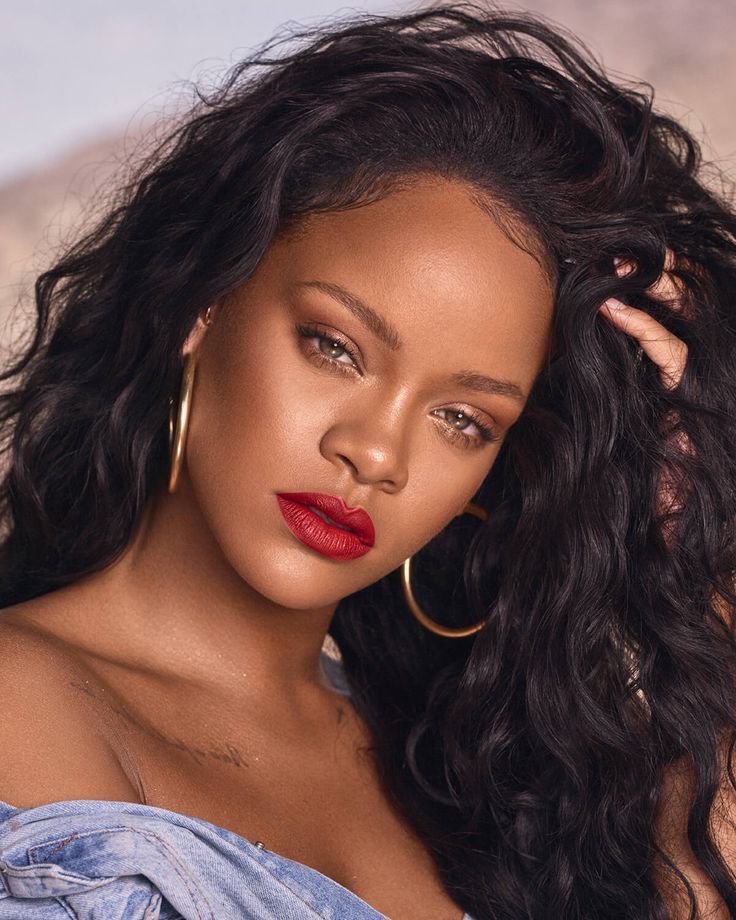
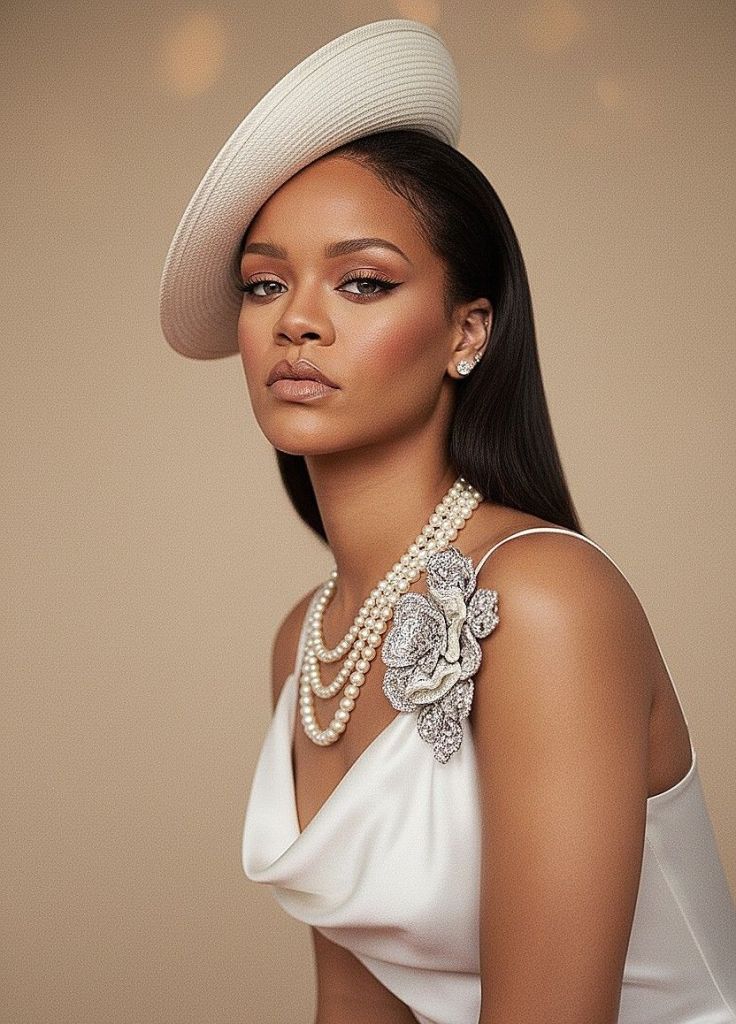
With mesmerizing hazel eyes, statuesque elegance, and an empire built on creativity and resilience, Rihanna embodies the modern “It Girl”—a global icon whose beauty, talent, and business acumen have reshaped music, fashion, and philanthropy.

This photograph is the property of its respective owner.

Robyn Rihanna Fenty—known globally as Rihanna—stands as one of the most influential cultural figures of the twenty-first century. Celebrated for her distinctive beauty, entrepreneurial brilliance, and musical innovation, Rihanna has evolved from a teenage pop singer into a billionaire mogul whose impact extends far beyond entertainment. Her captivating hazel eyes, radiant complexion, and statuesque presence have made her one of the most recognizable women in the world, while her ambition and vision have transformed her into a pioneer of modern celebrity entrepreneurship.

Rihanna was born on February 20, 1988, in Saint Michael, Barbados, and raised in the Barbadian capital of Bridgetown. Her father, Ronald Fenty, worked as a warehouse supervisor, while her mother, Monica Braithwaite, was an accountant. Growing up in a modest household, Rihanna’s childhood was shaped by both the vibrant culture of Barbados and the challenges of family struggles. Despite these obstacles, she demonstrated remarkable confidence and talent at a young age, particularly in music and performance.

Rihanna’s life changed dramatically in 2003 when she formed a girl group with two classmates and auditioned for American music producer Evan Rogers, who was visiting Barbados. Impressed by her distinctive voice and magnetic presence, Rogers invited Rihanna to record demo tapes in the United States. These recordings eventually reached rapper and entrepreneur Jay-Z, then president of Def Jam Recordings. After auditioning for Jay-Z, Rihanna was offered a recording contract that launched her career into the global spotlight.

This photograph is the property of its respective owner.

Her debut album, Music of the Sun (2005), introduced Rihanna’s Caribbean-infused pop sound and produced the hit single Pon de Replay. She quickly followed with A Girl Like Me (2006), which included chart-topping hits such as SOS and established her as a rising pop star. However, it was her third studio album, Good Girl Gone Bad (2007), that catapulted her into superstardom. The album featured the global smash hit Umbrella, which earned Rihanna her first Grammy Award and solidified her status as one of the defining artists of her generation.

Throughout the late 2000s and 2010s, Rihanna continued to dominate the music industry with critically acclaimed albums such as Rated R, Loud, Talk That Talk, Unapologetic, and Anti. Her musical versatility allowed her to blend pop, R&B, reggae, dancehall, and electronic influences, creating a sound that resonated across cultures and continents. Over time, Rihanna accumulated more than a dozen number-one singles on the Billboard Hot 100 chart, making her one of the best-selling music artists in history.

This photograph is the property of its respective owner.

Beyond music, Rihanna revolutionized the beauty industry with the launch of Fenty Beauty in 2017 in partnership with the luxury conglomerate LVMH. The brand was celebrated for its groundbreaking inclusivity, debuting with 40 foundation shades designed to accommodate a wide range of skin tones. This bold move challenged long-standing industry norms and sparked what many analysts called the “Fenty Effect,” prompting other cosmetics companies to expand their shade ranges and embrace diversity in beauty marketing.

Rihanna’s entrepreneurial ambitions did not stop with cosmetics. She later launched Savage X Fenty, a lingerie company celebrated for its inclusive sizing and diverse representation of women. She also created Fenty Skin and other fashion ventures, solidifying her reputation as a business visionary. By 2021, financial analysts estimated Rihanna’s net worth at over $1 billion, making her the wealthiest female musician in the world and one of the few entertainers to achieve billionaire status through business innovation.

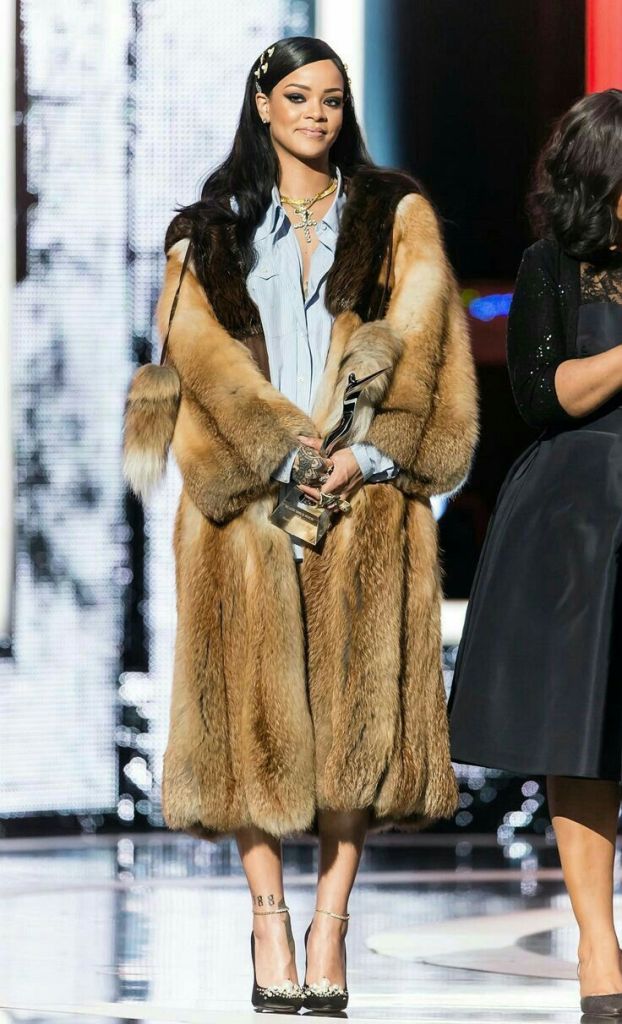
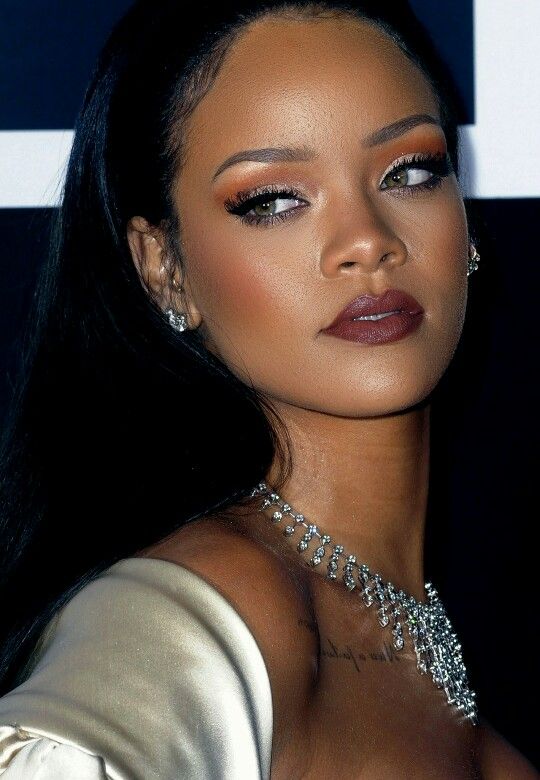
Her physical beauty has also played a role in her iconic status. Rihanna’s luminous hazel eyes, symmetrical facial structure, and statuesque figure have made her a muse for fashion designers and photographers alike. She has graced the covers of leading fashion magazines, including Vogue and Harper’s Bazaar, and has become known for her fearless experimentation with style. Whether walking red carpets or appearing in editorial spreads, Rihanna’s presence exudes confidence, individuality, and elegance.

Rihanna’s influence extends deeply into philanthropy. In 2012, she founded the Clara Lionel Foundation, named after her grandparents. The foundation focuses on global education, emergency response, and climate resilience initiatives, particularly in underserved communities. Through scholarships, disaster relief efforts, and global partnerships, Rihanna has demonstrated a commitment to using her wealth and platform to uplift others.

This photograph is the property of its respective owner.

Her humanitarian efforts have been widely recognized. In 2017, she was named Harvard University’s Humanitarian of the Year for her philanthropic contributions and global advocacy. Rihanna has also supported initiatives related to healthcare, disaster recovery, and educational access, particularly in Caribbean nations and developing regions.

In her personal life, Rihanna shares a long-term relationship with rapper and entrepreneur A$AP Rocky. The couple welcomed their first son in 2022 and their second son in 2023, embracing parenthood while maintaining their influential careers in music and fashion. Their partnership has been widely admired as a union of two creative visionaries shaping contemporary culture.

Rihanna’s list of accolades is extensive. Over the course of her career, she has won nine Grammy Awards, numerous American Music Awards, Billboard Music Awards, and MTV Video Music Awards. Her achievements span music, fashion, beauty, and philanthropy—making her one of the most decorated entertainers of the modern era.

Perhaps Rihanna’s greatest legacy lies in how she has reshaped the concept of the “It Girl.” Traditionally associated with fleeting fame or fashionable allure, Rihanna transformed the archetype into something far more powerful. She represents a new generation of celebrity—one that blends artistry, entrepreneurship, activism, and cultural leadership.

From the sunlit streets of Barbados to the boardrooms of global fashion houses, Rihanna’s journey is a testament to ambition, resilience, and self-definition. Her beauty may first capture the world’s attention, but it is her vision, generosity, and fearless independence that truly define her legacy.

In every sense, Rihanna is not merely an “It Girl”—she is a phenomenon whose influence will shape music, fashion, and philanthropy for generations to come.


References

Forbes. (2021). Rihanna is now officially a billionaire thanks to Fenty Beauty.

IFPI. (2022). Global music report: Recording industry revenues and artists.

Billboard. (2023). Rihanna’s chart history and Billboard Hot 100 achievements.

Clara Lionel Foundation. (2023). Mission and philanthropic initiatives.

Britannica, T. Editors of Encyclopaedia. (2024). Rihanna: Barbadian singer, actress, and entrepreneur.

LVMH. (2017). Fenty Beauty brand launch and partnership announcement.

Masculine Perfection Series: Broderick Hunter, Christopher Williams, and Blair Underwood.

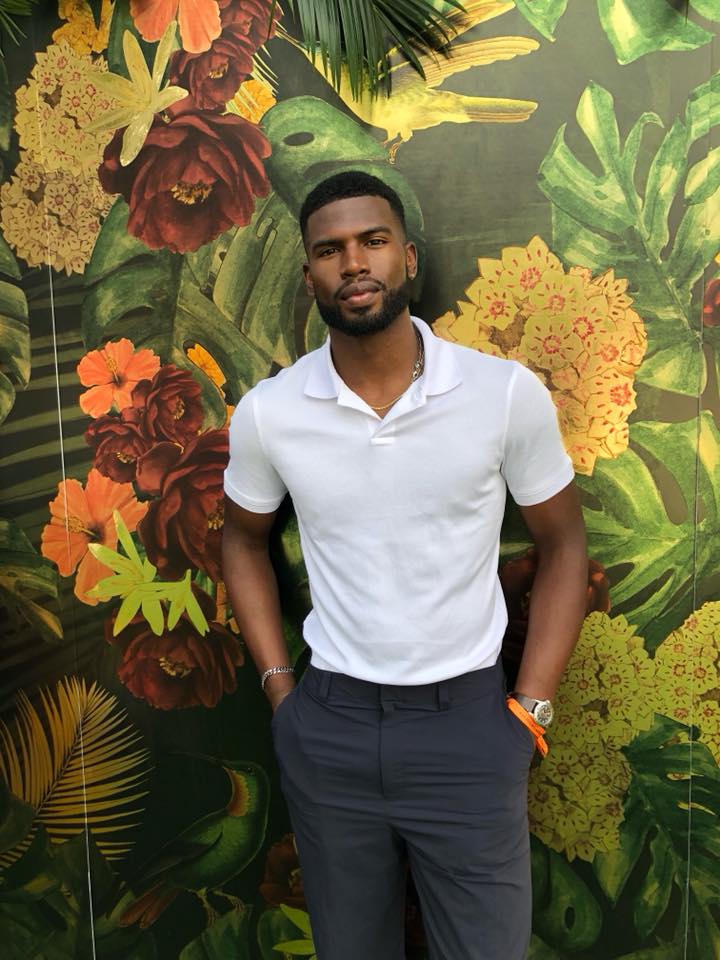
Broderick Hunter — “Mesmerizing eyes, boyish charm, modern Black beauty.”

Broderick Hunter Jr., born January 3, 1991, in Fontana, California, is an American model and actor. Originally a basketball player with over fifteen years of experience, an injury shifted his path toward modeling in 2011. Hunter has appeared in editorials and covers for major publications, including Vogue Paris, Italian GQ, Cosmopolitan, Maxim, and Essence. He has also modeled for top brands such as Ralph Lauren. On screen, he has acted in television series, including Insecure, showcasing versatility that combines athleticism, aesthetic polish, and charisma.

Hunter’s allure lies in his “piercing” eyes and boyish charm — a blend of youthful energy and contemporary Black male beauty. His presence conveys both confidence and approachability, making him a standout figure in fashion and media.


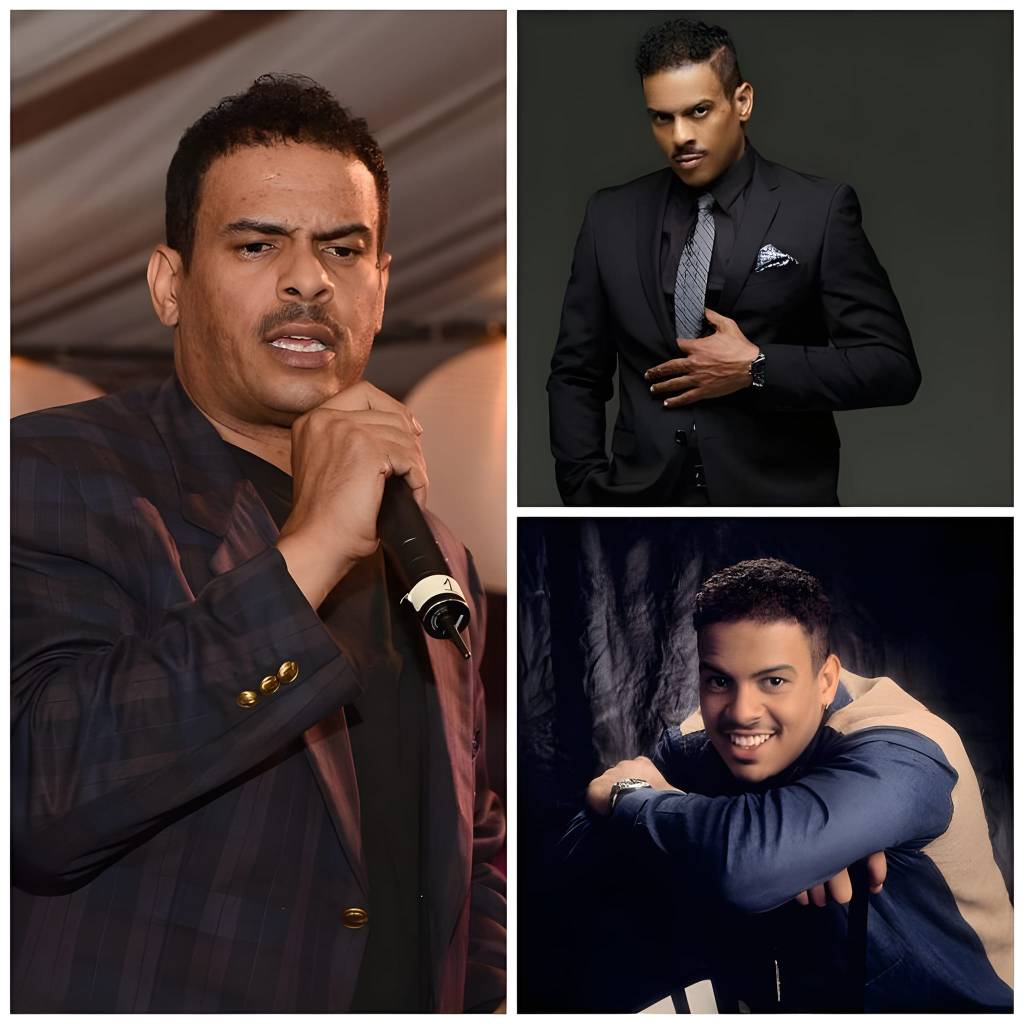
Christopher Williams — “Soulful crooner, gorgeous face, velvet voice.”

Christopher Williams, born August 22, 1967, in the Bronx, New York, emerged as a professional recording artist in the late 1980s. His debut album, Adventures in Paradise (1989) introduced his smooth R&B style, and his 1991 single I’m Dreamin’ topped Billboard’s Hot R&B/Hip-Hop Singles chart. Williams continued to produce hits such as Every Little Thing U Do and All I See, solidifying his reputation as a romantic and soulful performer. He has also acted in films, most notably New Jack City, and participated in theatre and smaller screen roles.

Williams embodies a classic form of Black masculinity: his gorgeous face and rich, emotional voice convey vulnerability and romantic depth. His combination of musicality and visual appeal positioned him as a beloved figure in R&B and Black culture.


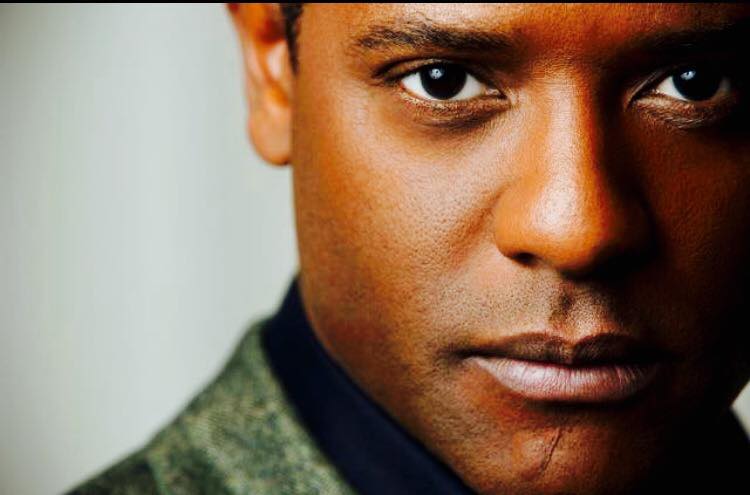
Blair Underwood — “Demure sophistication, classically handsome, acting excellence.”

Blair Underwood, born August 25, 1964, in Tacoma, Washington, is a classically trained actor with a BFA from Carnegie Mellon School of Drama. He gained prominence with the role of attorney Jonathan Rollins on NBC’s L.A. Law (1987–1994) and has sustained a prolific career in film and television, displaying versatility across genres. Underwood has received two Golden Globe nominations, multiple NAACP Image Awards, and a Grammy Award, underscoring his talent and impact.

Underwood represents a timeless, understated elegance, combining classical good looks with gravitas and sophistication. His refined style and acting skill embody a mature, dignified form of Black masculine beauty, emphasizing poise, intellect, and artistic excellence.


Why these three matter

Together, Broderick Hunter, Christopher Williams, and Blair Underwood illustrate a spectrum of Black male beauty and excellence:

  • Hunter reflects contemporary youth, athleticism, and media-ready aesthetic.
  • Williams represents soulful, romantic, and emotionally resonant masculinity.
  • Underwood embodies classical sophistication, gravitas, and unforgettable actor.

Their collective presence challenges narrow standards of Black male beauty, offering multiple models of excellence in fashion, music, and acting.


References

  • Broderick Hunter — Wikipedia, IMDb, Teen Vogue, Vogue Paris.
  • Christopher Williams — Wikipedia, IMDb, Billboard, UrbanBridgez.
  • Blair Underwood — Wikipedia, TV Guide, BET, Encyclopedia.com.

The “It Girl” Series: Sanaa Lathan

With piercing eyes and quiet fire, she made vulnerability look powerful and love look unforgettable.

This photograph is the property of its respective owner.

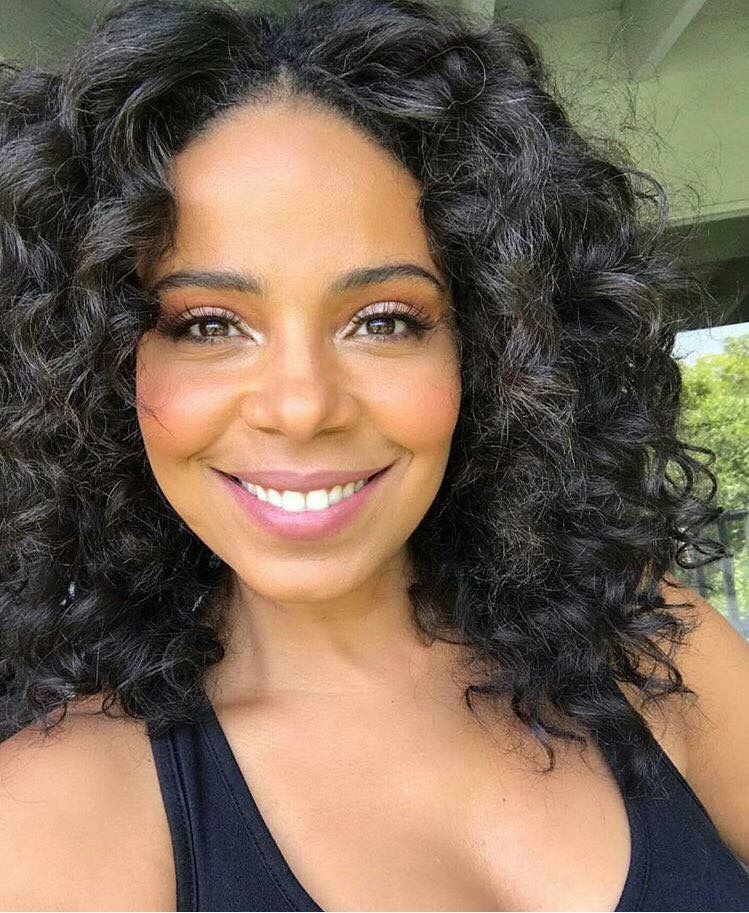
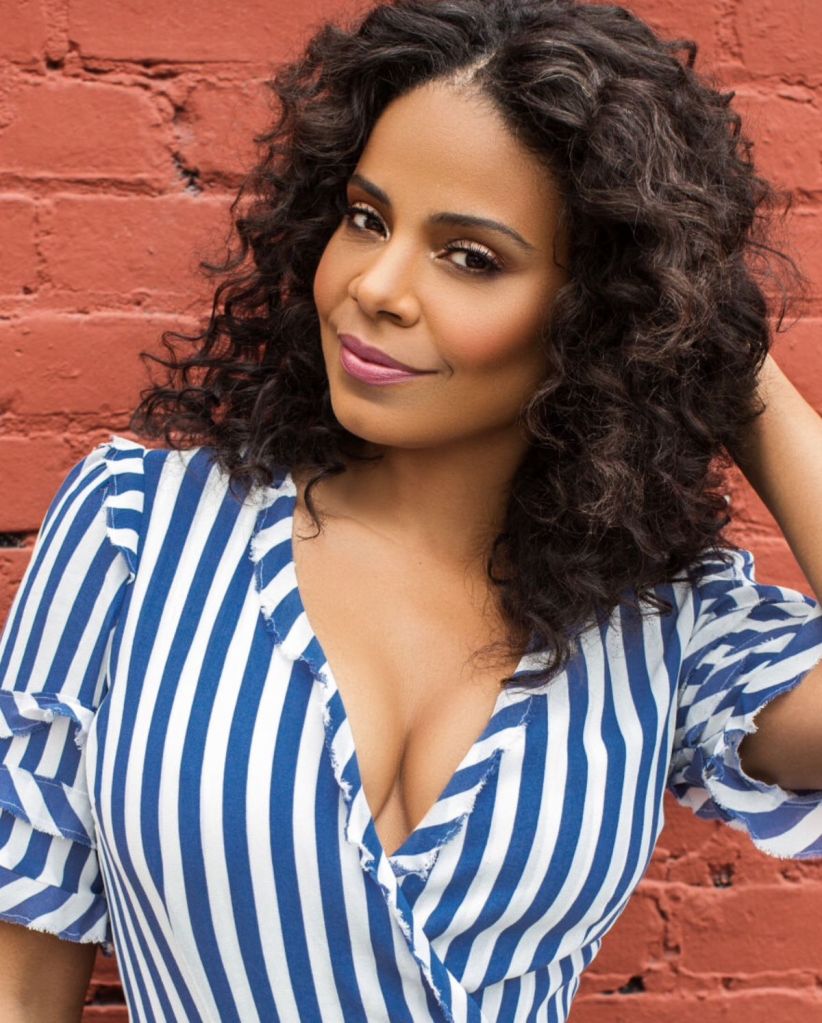
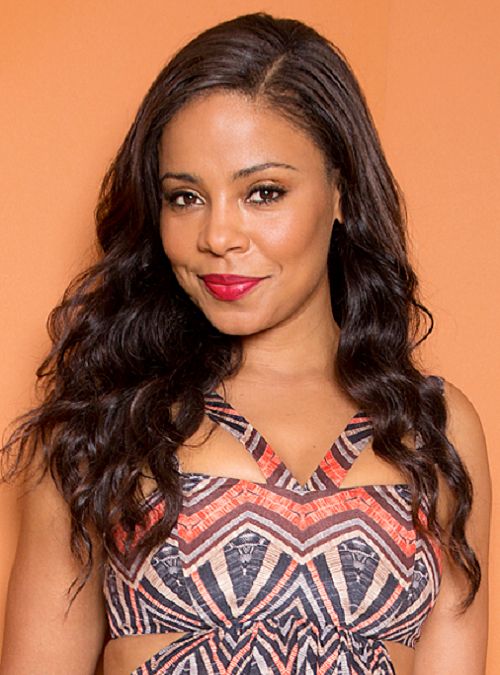
Sanaa Lathan embodies the rare fusion of classical training, romantic allure, and intellectual poise. With her luminous brown skin, serene gaze, and unmistakable voice, she emerged in the late 1990s and early 2000s as one of Black Hollywood’s most desired leading ladies. Yet beyond beauty, Lathan brought gravitas—balancing sophistication in a way that redefined the modern Black romantic heroine.

Born September 19, 1971, in New York City to actress Eleanor McCoy and director Stan Lathan, Sanaa was raised in a creative household steeped in the arts. She earned a bachelor’s degree in English from the University of California, Berkeley, and later received a master’s degree in drama from Yale University. Her classical training distinguished her from many contemporaries, grounding her performances in theatrical discipline and emotional range.

This photograph is the property of its respective owner.

Lathan’s breakout film role came in Love & Basketball, where she starred opposite Omar Epps. As Monica Wright, an ambitious athlete balancing love and professional aspiration, Lathan delivered a performance that has since become iconic in Black cinema. The film cemented her as the face of millennial Black romance—complex, career-driven, emotionally vulnerable, and fiercely independent. Her portrayal earned her a NAACP Image Award and lasting cultural reverence.

She continued her ascent with roles in Brown Sugar alongside Taye Diggs and The Best Man and its sequel, The Best Man Holiday, acting alongside ensemble greats including Nia Long and Morris Chestnut. In these films, Lathan mastered the art of romantic tension—portraying women who were both soft and strong, principled yet passionate.

This photograph is the property of its respective owner.

Breaking beyond romance, Lathan showcased versatility in genre films such as Alien vs. Predator, leading a major sci-fi franchise installment—an uncommon achievement for Black actresses at the time. On stage, she earned a Tony Award nomination for her work in A Raisin in the Sun, demonstrating her enduring commitment to theatrical excellence.

In recent years, Lathan expanded her creative influence by stepping behind the camera. In 2022, she made her directorial debut with On the Come Up, based on the novel by Angie Thomas and released by Paramount+. The project reflected her dedication to telling nuanced coming-of-age stories centered on young Black voices, signaling her evolution from muse to mentor.

Though often private about her personal life, Lathan has navigated public scrutiny—particularly surrounding rumors and media narratives—with composure and dignity. Her career longevity speaks to intentional role selection, artistic credibility, and strategic reinvention. She is neither a tabloid fixture nor a fleeting trend; she is an enduring presence.

Sanaa Lathan is an “It Girl” not because she chased attention, but because the camera gravitates toward her. She defined a generation’s romantic imagination while quietly building a body of work grounded in craft. In an industry obsessed with spectacle, Lathan remains refined—proof that elegance, education, and emotional intelligence are their own form of star power.

References

IMDb. (n.d.). Sanaa Lathan. Retrieved from https://www.imdb.com

Broadway League. (n.d.). Sanaa Lathan – Broadway credits and Tony Award nomination. Retrieved from https://www.ibdb.com

Love & Basketball production and award details retrieved from:
Box Office Mojo. (n.d.). Love & Basketball.

Brown Sugar and The Best Man franchise information retrieved from:
American Film Institute. (n.d.). Catalog entries.

On the Come Up release and directorial information retrieved from:
Paramount+ press materials (2022).

Guerrero, E. (1993). Framing Blackness: The African American image in film. Temple University Press.

Mask, M. (2009). Divas on screen: Black women in American film. University of Illinois Press.

Celebrity Spotlight: Sade

This photograph is the property of its respective owner. No copyright infringement intended.

Sade Adu, born Helen Folasade Adu on January 16, 1959, stands as one of the most enigmatic, adored, and musically influential women of the modern era. Her artistic identity blends sensual minimalism, rich emotional depth, and an unmistakable sonic signature that has carried her across generations. She is a woman whose voice alone can halt time—evoking longing, healing, and intimacy.

Born in Ibadan, Nigeria, Sade came into the world as a child of blended heritage: her father, Adebisi Adu, was Nigerian; her mother, Anne Cook, was an English nurse. This biracial identity shaped her life aesthetically and socially, giving her both a multicultural foundation and a dual sense of belonging. When her parents separated, Sade moved with her mother to Essex, England, where she grew up with an awareness of her African roots and British upbringing.

Her early life was marked by modesty and artistic curiosity. Sade originally studied fashion design at Saint Martin’s School of Art, believing her future lay in visual creativity rather than music. Music was not yet a career plan—it was simply part of her environment. Yet destiny has a way of tapping gifted people on the shoulder, even when they walk another path.

During her time in London, Sade began to sing background vocals for a Latin-soul group called Pride. Her voice—warm, cool, smoky, and profoundly emotional—caught immediate attention. The crowd response made it clear: she was not meant to remain in the background. Her presence commanded the spotlight.

This photograph is the property of its respective owner. No copyright infringement intended.

As she performed with Pride, Sade began writing songs with members of the band. Her writing style, poetic and minimalist, reflected both vulnerability and confidence. After receiving overwhelming praise during Pride performances, a smaller formation of members broke away to create the group known today as Sade. With this new ensemble, her career trajectory shifted from underground singer to rising global star.

Sade’s breakthrough came with the 1984 release of “Diamond Life”, an album that introduced the world to hits such as “Smooth Operator”, “Your Love Is King”, and “Hang On to Your Love.” Her voice was unlike anything in the pop landscape—soft yet powerful, elegant yet raw, glamorous yet grounded. The album became one of the best-selling debut albums by a British female vocalist.

Her follow-up albums—“Promise” (1985), “Stronger Than Pride” (1988), “Love Deluxe” (1992), and “Lovers Rock” (2000)—continue to define entire eras of music. Sade is known for slow-burn records that age like fine wine, album cycles that are intentionally spaced out, and a perfectionist’s approach to her craft.

Over the course of her career, Sade has earned several major awards, including Grammy Awards for Best New Artist, Best R&B Performance, and Best Pop Vocal Album. She remains one of the few artists who can disappear for a decade and return to immediate worldwide acclaim. Her aura of mystery only amplifies her influence.

Beyond her music, Sade’s personal life is intentionally shielded from mainstream scrutiny. She married Spanish film director Carlos Scola in the late 1980s, though the marriage ended shortly afterward. She later entered a long-term partnership with Ian Watts, with whom she has one child—Mickailia “Ila” Adu, born in 1996. In recent years, Sade has been deeply supportive of Ila, who transitioned and publicly shared their journey, reflecting Sade’s nurturing and fiercely protective maternal spirit.

Sade’s family life is grounded in privacy, warmth, and a devotion to simplicity. Unlike many celebrities, she prefers countryside living over Hollywood glamour, giving interviews sparingly and valuing her peace above all. Her hobbies include quiet, earthy pleasures—gardening, cooking, horseback riding, and interior design. She is a woman who enjoys the feel of soil, the calm of nature, and the comfort of a peaceful home.

Her biracial identity shaped much of her early experience, especially growing up as a light-skinned Black girl in Britain. She has spoken about the complexities of being visibly different—too light for one group, too African for another—and how she carved her identity independently of other people’s expectations. Her presence helped broaden visual representations of Black womanhood at a time when few mixed-heritage Black women had global platforms.

As a light-skinned Black woman with a Nigerian father, Sade carried both privilege and pressure. She navigated colorism, exoticization, and constant commentary on her appearance. Yet she faced it with quiet dignity, using neither her lighter complexion nor her beauty as shields or shortcuts. Instead, she let her art speak.

This photograph is the property of its respective owner. No copyright infringement intended.

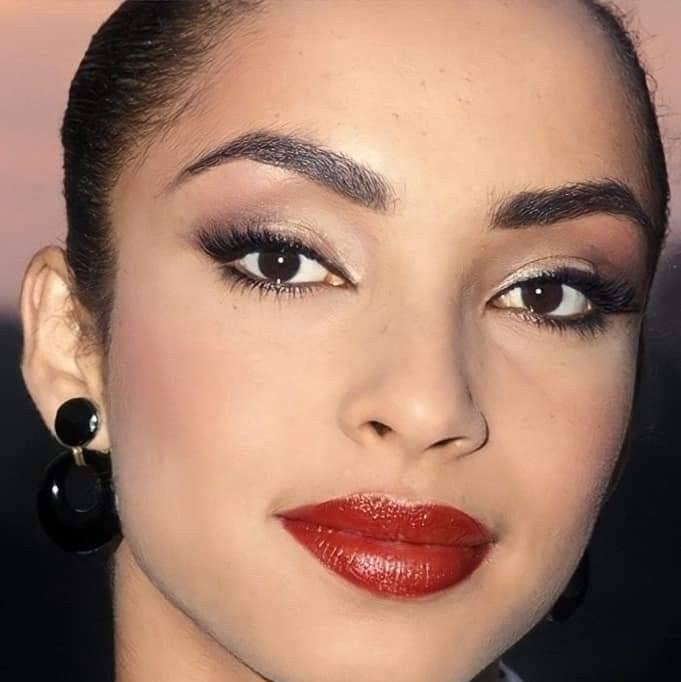
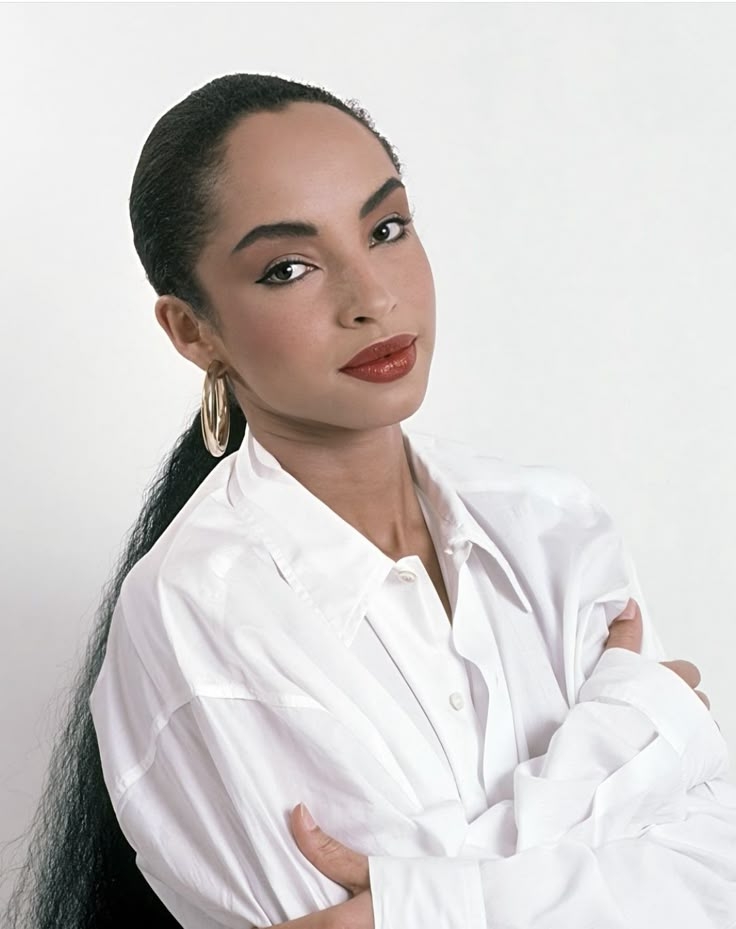
Sade’s beauty is legendary. She is known for her glowing skin, sculpted cheekbones, expressive eyes, and minimalist style that centers simplicity over spectacle. Her signature ponytail, red lip, and understated glamour have become visual emblems of femininity and quiet power. Men adore her, women are inspired by her, and the world respects her.

Her expressive face carries centuries of story—African ancestry, British poise, feminine softness, and artistic soulfulness. She embodies an effortless type of beauty that does not compete, does not overstate, and does not perform. Instead, she exists with self-possession and grace.

Despite global fame, Sade remains notoriously humble. She has repeatedly turned down industry pressure to release faster, perform larger, or commercialize more aggressively. Her silence is intentional. Her scarcity is strategic. Her voice, when released, comes like rain after drought—rare, cleansing, and deeply treasured.

She represents a generation of artists who prioritize emotional truth over fame, musical integrity over charts, and soulfulness over spectacle. While others chase trends, Sade creates worlds. While others release singles, she releases experiences.

Even today, new generations discover her music as if stumbling upon a rare, precious jewel. Her songs underscore weddings, heartbreaks, romantic dinners, moments of grief, and moments of deep spiritual healing. She is a universal voice of love.

Sade is not just a singer; she is an aesthetic. A feeling. A timeless feminine archetype. Her music remains evergreen, her influence remains vast, and her presence remains untouched by time. Her legacy stands on the pillars of elegance, artistic purity, emotional honesty, and cultural depth. She is truly one of the most beloved women in the world.


References

Balfour, I. (2016). The Sade influence: Minimalism, soul, and global style. Routledge.
Gates, H. L. (2020). Cultural icons of the African diaspora. Oxford University Press.
Guerrero, E. (2012). Women of soul: The evolution of Black female artistry. Columbia University Press.
Harris, D. (2018). Music, identity, and biracial representation in modern Britain. Cambridge University Press.
Rolling Stone. (2021). Sade: A timeless musical mystique.
Smith, S. (2021). Sonic intimacy: Black women musicians and emotional expression. University of California Press.