Category Archives: celebrity

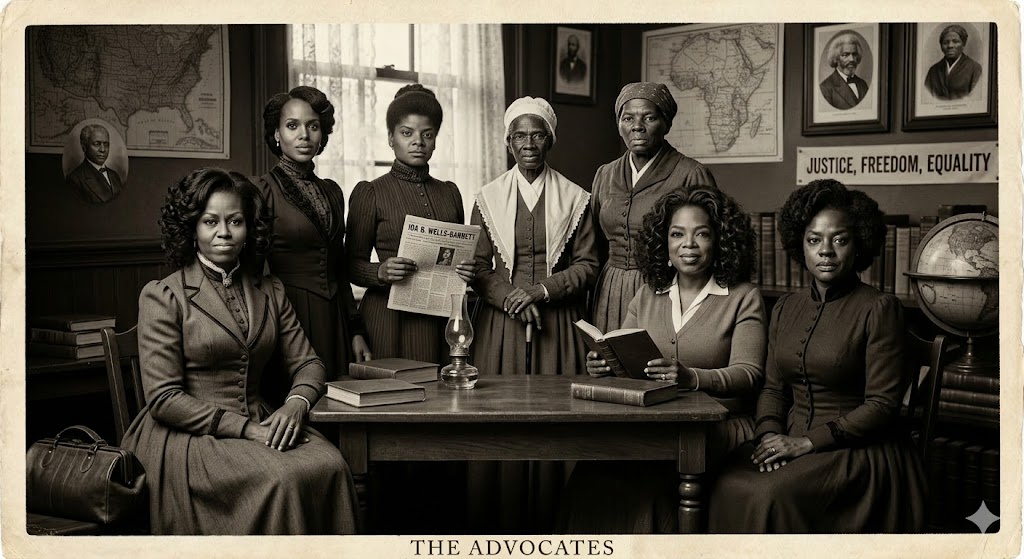
Unseen, Uncelebrated, Unstoppable: Dark-Skinned Women Who Changed Everything.

Dark-skinned women have long shaped history, art, culture, and politics, yet their contributions are often overlooked or undervalued. These women embody resilience, brilliance, and transformative power that defy societal limitations.

Harriet Tubman is one of the most iconic figures in American history. Born into slavery, she risked her life repeatedly to lead enslaved people to freedom via the Underground Railroad. Her courage and strategic brilliance exemplify the profound impact of dark-skinned women on the fight for justice.

Ida B. Wells transformed journalism and activism by exposing lynching and systemic racial violence. Through her fearless reporting, she challenged entrenched social norms and advocated for civil rights long before the modern civil rights movement.

Sojourner Truth, born into slavery, became a compelling orator and activist for abolition and women’s rights. Her speech “Ain’t I a Woman?” continues to inspire generations, illustrating the intersection of race and gender in advocacy.

Michelle Obama redefined the role of First Lady, advocating for education, health, and empowerment for young women. Her public presence and initiatives have had global influence, elevating the visibility and authority of Black women in leadership.

Viola Davis has reshaped Hollywood’s understanding of talent and representation. Her Emmy, Tony, and Academy Awards highlight not only her personal achievements but also the need for equitable opportunities for women of color in the entertainment industry.

Lupita Nyong’o’s Oscar-winning performance in 12 Years a Slave brought grace, strength, and visibility to dark-skinned actresses worldwide. Beyond acting, she challenges beauty standards and inspires young women to embrace their natural skin.

Angela Davis, a scholar and activist, has dedicated her life to fighting for civil rights, prison reform, and gender equality. Her fearless advocacy demonstrates the intellectual and moral leadership of Black women in public discourse.

Toni Morrison used literature to give voice to Black experiences and histories. Through novels like Beloved and The Bluest Eye, she illuminated the struggles and triumphs of dark-skinned women, creating a legacy of empowerment through storytelling.

Maya Angelou, a poet, singer, and activist, intertwined artistry and advocacy. Her work celebrated Black identity, resilience, and self-expression, leaving an enduring cultural imprint on generations of readers and performers.

Serena Williams transformed sports and broke racial and gender barriers in tennis. Her dominance on the court and influence off it showcase the resilience and versatility of dark-skinned women excelling in highly visible arenas.

Shirley Chisholm broke political barriers as the first Black woman elected to Congress and the first to run for a major party presidential nomination. Her courage inspired countless women to pursue leadership roles.

Oprah Winfrey’s rise from poverty to global influence demonstrates the transformative power of determination and vision. Her philanthropy and media presence have created platforms for countless underrepresented voices.

Madam C.J. Walker became the first self-made female millionaire in the U.S., creating economic opportunities and challenging social barriers for Black women in the early 20th century.

Mae Jemison, the first Black woman in space, shattered barriers in STEM and exploration, inspiring generations of girls to pursue careers in science and technology.

Zora Neale Hurston preserved African American folklore and heritage through literature and anthropology, elevating cultural narratives often ignored in mainstream history.

Coretta Scott King continued her husband’s civil rights work, advocating for equality, peace, and justice. Her leadership exemplifies the often unseen roles women play in movements for societal transformation.

Alice Walker, author of The Color Purple, illuminated the lived experiences of Black women, addressing trauma, resilience, and empowerment, shaping contemporary conversations around race and gender.

Ella Baker’s grassroots activism was pivotal in the civil rights movement, emphasizing collective leadership and community empowerment over personal recognition.

Shonda Rhimes revolutionized television by centering Black female characters in mainstream media, creating cultural influence and changing industry standards for representation.

Audre Lorde, a poet and activist, challenged oppression through her writing, encouraging Black women to embrace their voices and assert their identities unapologetically.

Angela Rye’s political commentary and advocacy work amplify marginalized voices, highlighting the continued need for equity and justice in modern society.

Kerry Washington blends artistry and activism, using her platform to engage in civic causes while portraying multidimensional Black women in film and television.

Ruby Dee’s career as an actress and activist highlighted the intersection of artistry and social advocacy, reflecting a lifelong dedication to both craft and justice.

Maya Rudolph, through comedy and performance, brings intelligence, cultural commentary, and visibility to dark-skinned women in entertainment, expanding the narrative of influence.

These women, past and present, demonstrate the unstoppable force of dark-skinned women in shaping history, culture, and society. Their achievements remind us that leadership, talent, and courage are not defined by visibility but by impact.

By celebrating their stories, society acknowledges not only their individual achievements but also the broader legacy of dark-skinned women who continue to inspire and transform the world.

Through their lives, we see a pattern: resilience, brilliance, and the ability to break barriers are hallmarks of dark-skinned women. Their impact is profound, enduring, and unstoppable.

The ongoing work of highlighting, recognizing, and celebrating these women is essential to rewriting narratives and empowering future generations. Their stories remind us that greatness often emerges in spite of societal neglect.

The legacies of these extraordinary women prove that being unseen or uncelebrated does not diminish influence. Their courage, intellect, and creativity continue to change the world in every sphere.

Ultimately, dark-skinned women have always been drivers of progress. By learning from and amplifying their stories, we ensure that their transformative power is recognized, celebrated, and passed on to inspire the leaders of tomorrow.


References

The Holy Bible, King James Version. (1611).

Clinton, C. (2004). Harriet Tubman: The Road to Freedom. Little, Brown.

Obama, M. (2018). Becoming. Crown Publishing Group.

Davis, V. (Interviews and speeches). Various sources.

Nyong’o, L. (Interviews, various). Media coverage and awards.

Walker, A. (1982). The Color Purple. Harcourt.

Angelou, M. (1993). Phenomenal Woman: Four Poems Celebrating Women. Random House.

Hooks, B. (1992). Black Looks: Race and Representation. South End Press.

Gates, H. L., Jr. (2019). Stony the Road: Reconstruction, White Supremacy, and the Rise of Jim Crow. Penguin Press.

Winfrey, O. (2007). The Wisdom of Sundays. Flatiron Books.

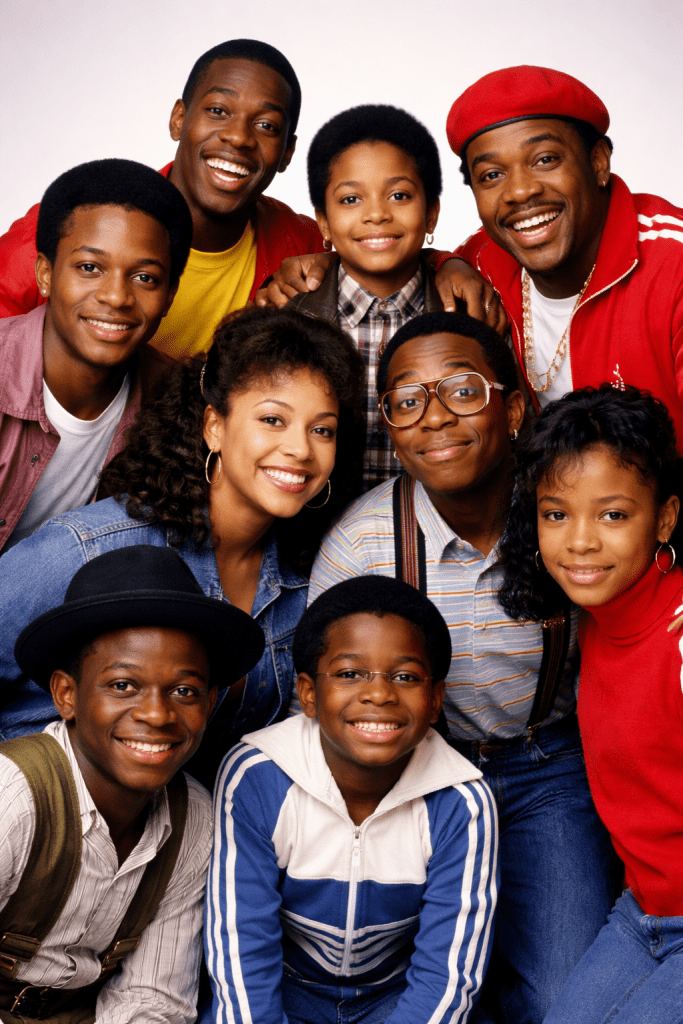
Growing Up Famous While Black in Hollywood: The Untold Story of Child Stars.

The history of Black child stars in American television reveals a complicated story of talent, visibility, exploitation, and racial inequality. Throughout the twentieth century, Black children appeared in sitcoms and films that were largely created and controlled by white executives, producers, and writers. While these young performers often became beloved cultural icons, their experiences behind the scenes frequently reflected the racial hierarchies that shaped the entertainment industry. Fame brought opportunity, but it also exposed many Black child actors to unequal pay, stereotyping, and limited long-term career support.

Hollywood’s early power structure was overwhelmingly white, especially during the 1970s and 1980s, when many Black child actors rose to prominence. Network executives, casting directors, and producers determined which stories were told and how Black characters were portrayed. Although television increasingly included Black characters, the creative control over those characters often remained outside the Black community. As a result, Black child stars sometimes found themselves performing roles that reflected white expectations about Black identity rather than authentic cultural representation.

One of the most recognizable Black child stars of television was Gary Coleman, who became famous for portraying Arnold Jackson on the sitcom Diff’rent Strokes. Coleman’s character was a witty and charming orphan adopted by a wealthy white businessman. His catchphrase, “What’chu talkin’ ’bout, Willis?” became one of the most famous lines in television history, turning Coleman into a national sensation and making him one of the most recognizable child actors of the era.

At the height of his fame, Coleman was reportedly earning approximately $100,000 per episode, making him one of the highest-paid child actors on television at the time. Despite this financial success, his story later became a cautionary tale about the vulnerability of child performers. Much of the money he earned as a child was mismanaged by adults responsible for his finances. As an adult, Coleman sued his adoptive parents and business advisor for misappropriating his trust fund.

Coleman’s struggles illustrate a broader pattern within Hollywood in which child stars generated enormous wealth for studios while having little control over their earnings. Although laws such as the Coogan Act were designed to protect child actors’ finances, many performers still experienced financial exploitation. For Black child stars, this vulnerability sometimes intersected with racial inequities in an already unequal industry.

Another major Black child star who captured audiences during the 1980s was Emmanuel Lewis, who played the title character on the sitcom Webster. Like Coleman’s role, Lewis portrayed an orphaned Black child adopted by a wealthy white family. The show centered on Webster’s charm and innocence, and Lewis quickly became a household name across the United States.

The premise of shows like Webster and Diff’rent Strokes reflected a recurring trope in Hollywood storytelling: the lovable Black child raised within a white household. While these narratives introduced audiences to talented Black performers, they often framed Black childhood through a lens that centered white benevolence. The stories rarely explored the broader social realities of Black communities or systemic racism.

In many cases, the appeal of these shows depended on the image of the “cute” Black child whose humor and innocence softened racial tensions for white audiences. The characters were often written to be charming, comedic, and non-threatening. While this made them popular with viewers, it also reinforced a narrow representation of Black identity.

Earlier generations of Black child actors experienced similar patterns of limited financial reward and stereotypical roles. One example is Matthew Beard, widely known as “Stymie” from the classic comedy series Our Gang (later called The Little Rascals). Beard was one of the most recognizable child actors of the 1930s, yet like many performers of that era, he reportedly received little long-term financial compensation for his work.

Beard’s experience illustrates how Hollywood historically profited from the talents of Black children while failing to provide long-term economic security. Although audiences loved these characters, the industry rarely invested in the future careers or financial stability of the young actors who portrayed them.

Another figure connected to the conversation about young Black actors in Hollywood is Lamont Bentley, who began acting at a young age and later became known for roles in Black-centered television and film. Like many performers who started as children, Bentley navigated an industry where opportunities for Black actors were limited and highly competitive.

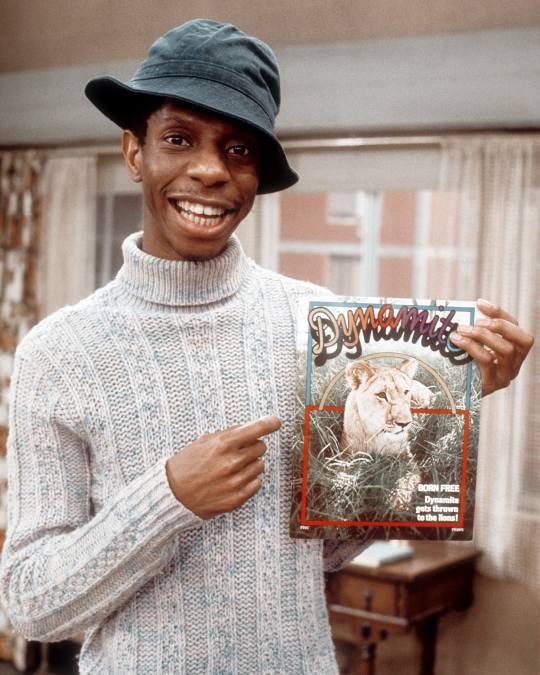
Hollywood’s reliance on stereotypes also shaped how certain Black characters were written for sitcoms. A notable example involves Jimmie Walker, whose character J.J. Evans became the breakout figure on the sitcom Good Times. Walker’s catchphrase “Dyn-o-mite!” became immensely popular with audiences and turned him into one of the show’s most recognizable stars.

However, not everyone celebrated the character’s comedic style. Some cast members and critics argued that J.J.’s exaggerated mannerisms and clownish behavior reinforced negative stereotypes about Black men. Actors within the show reportedly disagreed with producers over the increasing emphasis on comedy at the expense of portraying a serious Black family narrative.

These debates highlight a long-standing tension in Black television representation. Comedy could open doors for Black actors and make shows commercially successful, yet it could also risk perpetuating caricatures that undermined the dignity of Black characters.

Many discussions about Black sitcoms inevitably include the work of influential television producer Norman Lear. Lear was responsible for several groundbreaking television programs that addressed social issues such as racism, poverty, and inequality. His shows helped bring Black family life into mainstream television during a time when representation was limited.

Lear’s supporters argue that his productions challenged audiences to confront uncomfortable social realities. Programs such as Good Times depicted working-class Black families and addressed issues like unemployment and systemic poverty.

At the same time, critics have debated whether some of Lear’s programs relied too heavily on exaggerated comedic elements. While his shows created opportunities for Black actors, they were still shaped by creative decisions made primarily within white-dominated production environments.

Another important figure in the discussion of Black child actors is Kim Fields, who portrayed Dorothy “Tootie” Ramsey on the sitcom The Facts of Life. Fields joined the show as a young actress and quickly became one of its most recognizable characters.

Within the show’s predominantly white ensemble cast, Fields represented one of the few Black characters at an elite girls’ boarding school. Her character brought diversity to the series and resonated with many viewers who rarely saw Black girls represented on mainstream television.

Fields appeared alongside actress Lisa Whelchel, who played Blair Warner, the wealthy and privileged student at the center of many storylines. The contrast between Blair’s affluent background and Tootie’s more grounded personality reflected broader class dynamics often explored in the show.

Although Fields was a beloved member of the cast, many television scholars have noted that storylines frequently centered on white characters. This reflected the broader structure of television writing rooms at the time, which were overwhelmingly white.

Despite these limitations, Fields successfully transitioned into adulthood within the entertainment industry, later starring in the sitcom Living Single. Her longevity in Hollywood is notable because many child actors struggle to maintain successful careers after their early fame fades.

Black child actors often faced a double burden in Hollywood. Like all child performers, they were subject to the pressures of fame, demanding work schedules, and public scrutiny. At the same time, they navigated racial stereotypes and limited roles shaped by systemic inequalities within the industry.

Outside the studio, fame did not shield these actors from the broader realities of American racism. Many experienced discrimination in everyday life despite their celebrity status. Their visibility on television did not always translate into social equality in their personal lives.

Financial instability was another common issue for child stars. Many actors who earned large salaries as children found themselves struggling financially as adults due to poor financial management or exploitation by guardians and managers.

The transition from child star to adult performer proved especially difficult in Hollywood. Once audiences associated an actor with a specific childhood role, casting directors often struggled to imagine them in more mature parts.

For Black actors, these challenges were often intensified by the industry’s limited representation of complex Black characters. Adult roles were scarce, and many performers were confined to stereotypes or minor supporting parts.

Nevertheless, Black child stars played a crucial role in shaping American popular culture. Their performances brought visibility to Black families and children on national television during decades when representation remained limited.

Case Study: Typecasting and the Career of Jaleel White After Steve Urkel on Family Matters

The career of Jaleel White provides a compelling case study on the phenomenon of typecasting in Hollywood, particularly as it affects Black actors who become strongly associated with a single character. White rose to international fame as the nerdy, high-pitched, suspender-wearing Steve Urkel on the sitcom Family Matters, which aired from 1989 to 1998. Although the role brought White immense popularity and cultural recognition, it also shaped public perception of the actor in ways that later complicated his career trajectory.

Jaleel White began acting at a very young age, appearing in commercials and minor television roles during the 1980s. His early career included guest appearances on several television programs, demonstrating his versatility even before landing the role that would define his career. Ironically, Steve Urkel was originally written as a one-time guest character on Family Matters. However, audience reactions were so enthusiastic that the character quickly became central to the show’s storyline.

Steve Urkel soon became one of the most recognizable television characters of the 1990s. With oversized glasses, colorful suspenders, high-water pants, and an awkward personality, Urkel embodied the archetype of the socially awkward genius. His catchphrase “Did I do that?” became a defining line of the era and entered American pop culture. Merchandise, lunchboxes, dolls, and T-shirts featuring the character flooded the market, illustrating the enormous commercial success of the role.

The character’s popularity, however, transformed the direction of Family Matters. Initially conceived as a family-centered sitcom about the Winslow household, the show gradually shifted toward storylines revolving around Urkel’s comedic misadventures and inventions. White himself reportedly played multiple variations of the character, including the suave alter ego Stefan Urquelle, which demonstrated his acting range within the confines of the show.

Typecasting occurs when an actor becomes so strongly associated with a particular role that casting directors and audiences struggle to see them in other types of characters. This phenomenon is common among child actors, whose formative years are closely tied to a specific public persona. For Jaleel White, Steve Urkel became both a blessing and a professional limitation.

After Family Matters ended in 1998, White faced the challenge of redefining his career outside the shadow of Urkel. Casting directors often struggled to envision him in serious or dramatically different roles because audiences had internalized the image of the comedic, awkward teenager. This is one of the central consequences of typecasting: the actor’s identity becomes fused with the fictional character in the public imagination.

In interviews, White has acknowledged the complexities of playing such an iconic role. While he remains proud of the cultural impact of Steve Urkel, he has also spoken about the difficulty of transitioning into adult roles. The entertainment industry frequently pigeonholes actors who become synonymous with a particular character, especially in long-running sitcoms.

Typecasting has historically affected many actors in television history. For example, actors who portray extremely distinctive characters—whether comedic or dramatic—often struggle to escape the expectations attached to those roles. In White’s case, the visual and vocal quirks of Urkel made the character particularly memorable, which strengthened the association between actor and role.

Another factor contributing to White’s typecasting was the character’s exaggerated personality. Urkel’s nasal voice, clumsy physical comedy, and eccentric inventions created a highly stylized performance. While this made the character beloved by audiences, it also made it more difficult for viewers to separate White’s real personality from the fictional character.

White attempted to diversify his career following the end of Family Matters. He appeared in various television programs, including guest roles and voice acting. One of his notable voice roles was portraying Sonic in the animated series Adventures of Sonic the Hedgehog, which demonstrated his versatility beyond live-action sitcom performance.

Despite these efforts, public recognition of White remains strongly tied to Steve Urkel. This phenomenon illustrates the enduring power of television characters in shaping an actor’s identity. Even decades after the show ended, audiences often refer to White primarily through the lens of his famous character.

Typecasting also intersects with broader structural patterns within Hollywood. Black actors historically have had fewer opportunities in mainstream television and film compared to their white counterparts. When a Black actor becomes strongly associated with a single role, the limited number of available roles can make it even more difficult to break free from that identity.

In the case of Jaleel White, however, the actor has embraced the legacy of Urkel while also attempting to redefine his career. He has appeared in various television projects, including reality competitions and guest appearances that highlight his personality beyond the fictional character.

White’s experience illustrates a broader tension within entertainment culture. Iconic roles bring fame, financial success, and cultural influence, but they can also create barriers for actors seeking artistic evolution. The stronger the cultural impact of the character, the more difficult it becomes for audiences to accept the actor in a different identity.

Scholars studying media representation often cite the phenomenon of typecasting as a structural limitation within the entertainment industry. Actors who portray culturally distinctive characters—particularly those tied to race, comedy, or physical traits—may find their careers defined by those portrayals long after the original performance ends.

Nevertheless, Steve Urkel remains one of the most influential television characters of the 1990s. The character reshaped the narrative of Family Matters and became a central symbol of nerd culture, comedic awkwardness, and television nostalgia. While typecasting influenced White’s career trajectory, it also cemented his place in television history.

Ultimately, the case of Jaleel White demonstrates the double-edged nature of iconic television roles. The success of Steve Urkel provided global recognition and cultural legacy, yet it also illustrates how Hollywood can confine actors within the boundaries of their most famous characters. For many performers, the challenge is not achieving fame, but escaping it.

For many Black viewers, these characters were deeply meaningful because they provided rare moments of identification on mainstream television. Seeing Black children on screen helped affirm cultural identity and possibility.

At the same time, the experiences of these actors reveal how deeply race shaped opportunities in Hollywood. Their careers highlight both the progress and the persistent inequalities that characterized the entertainment industry.

In recent decades, the industry has begun to change. Greater representation among writers, producers, and directors has created new opportunities for Black performers to tell their own stories.

Modern audiences are increasingly aware of the historical treatment of child actors, and there is growing advocacy for stronger protections and more equitable contracts.

The stories of performers such as Gary Coleman, Emmanuel Lewis, Kim Fields, and others remind us that behind every beloved television character was a young person navigating fame, expectation, and structural inequality.

Their experiences reveal both the joy that Black child stars brought to audiences and the systemic challenges they faced within a white-dominated entertainment industry.

Understanding this history allows scholars and audiences alike to examine how race, power, and media representation intersect in the making of American television.


References

Bogle, D. (2016). Bright Boulevards, Bold Dreams: The Story of Black Hollywood. Running Press.

Coleman, G. (1998). Gary Coleman: The Unauthorized Biography. St. Martin’s Press.

Gray, H. (2004). Watching Race: Television and the Struggle for Blackness. University of Minnesota Press.

Hunt, D., Ramón, A., & Tran, M. (2021). Hollywood Diversity Report. UCLA College of Social Sciences.

Watkins, S. C. (2005). Hip Hop Matters: Politics, Pop Culture, and the Struggle for the Soul of a Movement. Beacon Press.

Bogle, D. (2001). Toms, Coons, Mulattoes, Mammies, and Bucks: An Interpretive History of Blacks in American Films. Continuum.

IMDb historical production archives for Diff’rent Strokes, Webster, Good Times, and The Facts of Life.

White, J. (2012). Interviews discussing his career and the legacy of Steve Urkel.

IMDb. (n.d.). Family Matters production and cast archives.

Turner Classic Movies Media Archive on sitcom television history.

The Ebony Dolls: Shari Belafonte

The Exotic Muse of Fashion and Television

This photograph is the property of its respective owner.

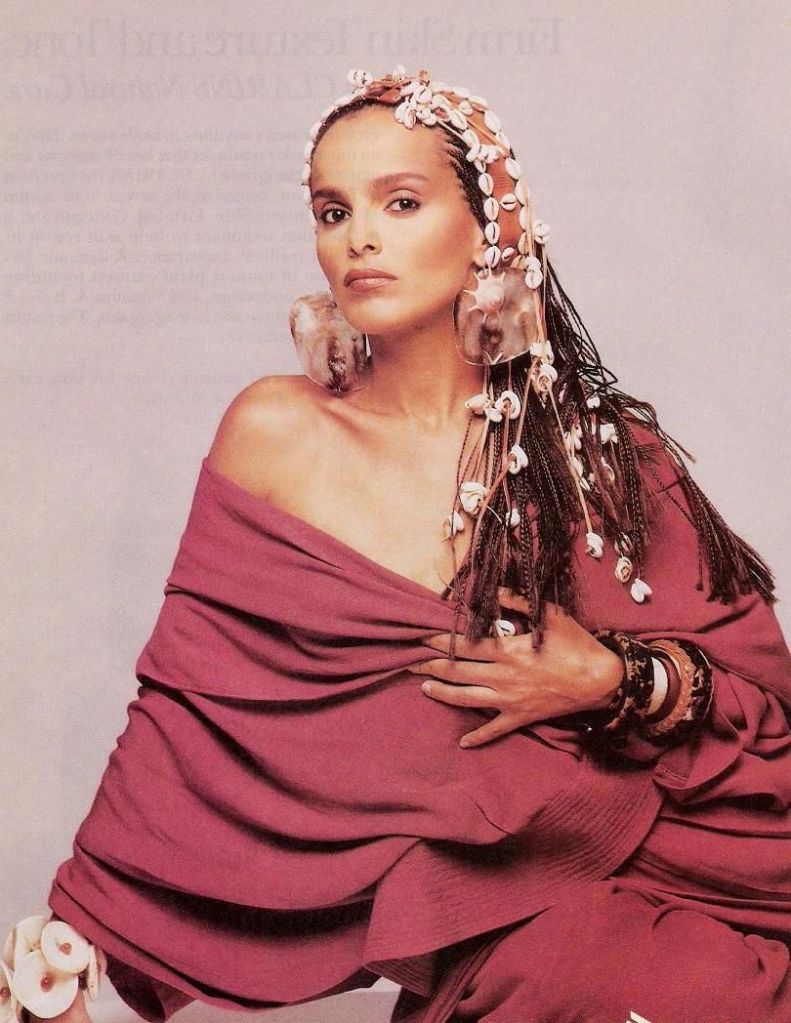
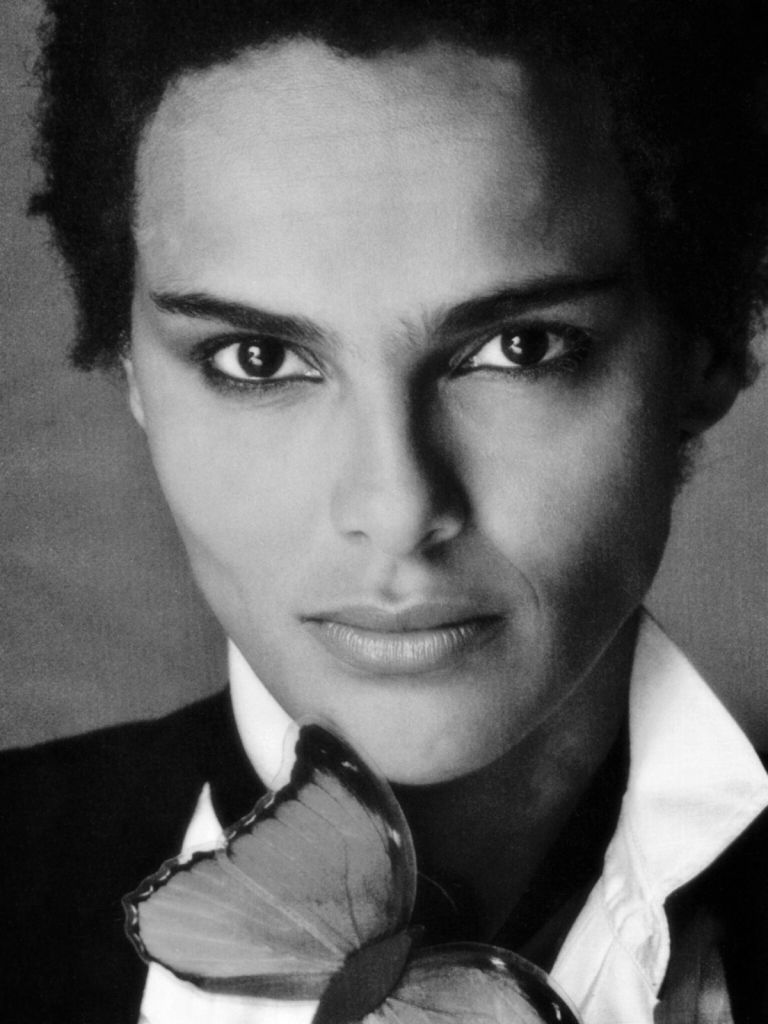
In the realm of fashion and television, certain women possess a rare combination of elegance, beauty, and cultural presence that captivates audiences across generations. Shari Belafonte is one of those women. With her luminous complexion, striking features, petite frame, and sophisticated style, Belafonte emerged in the 1980s as a striking symbol of refined Black beauty. Her graceful presence on magazine pages, television screens, and red carpets embodied a type of aesthetic often described in popular culture as the “Ebony Doll”—a woman whose beauty appears sculpted, radiant, and timeless, much like a living work of art.

This photograph is the property of its respective owner.

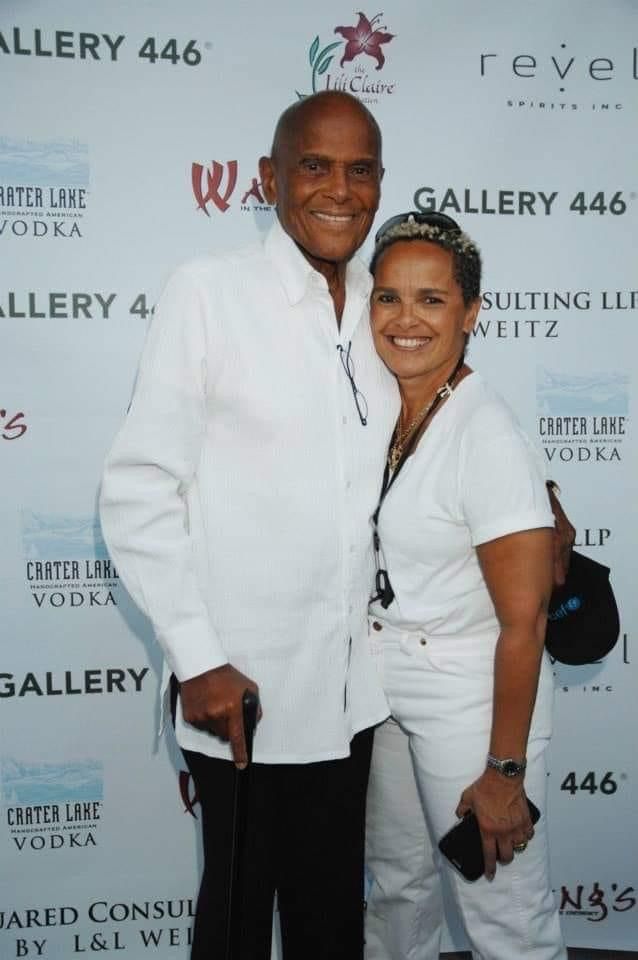
Shari Lynn Belafonte was born on September 22, 1954, in New York City. She is the daughter of legendary entertainer and civil rights activist Harry Belafonte and Marguerite Byrd. Growing up in a family deeply rooted in music, culture, and social activism gave Belafonte a unique upbringing that blended artistic creativity with global awareness. Her father’s influence exposed her to international culture and the power of representation in media.

with her father, Harry Belafonte – This photograph is the property of its respective owner.

Belafonte spent portions of her childhood traveling and experiencing diverse environments. These early experiences helped cultivate her polished demeanor and cosmopolitan outlook. Even at a young age, she carried herself with the poise and confidence that would later define her public image.

The term “Ebony Doll” has historically been used within Black culture to describe a woman whose beauty appears refined, polished, and almost sculptural. It celebrates deep, radiant skin tones, balanced facial symmetry, and elegant presentation. In Belafonte’s case, her smooth complexion, high cheekbones, almond-shaped eyes, and graceful posture strikingly embodied this aesthetic. Her presence evoked the elegance of classic fashion dolls, yet with the depth and authenticity of a living woman.

This photograph is the property of its respective owner.

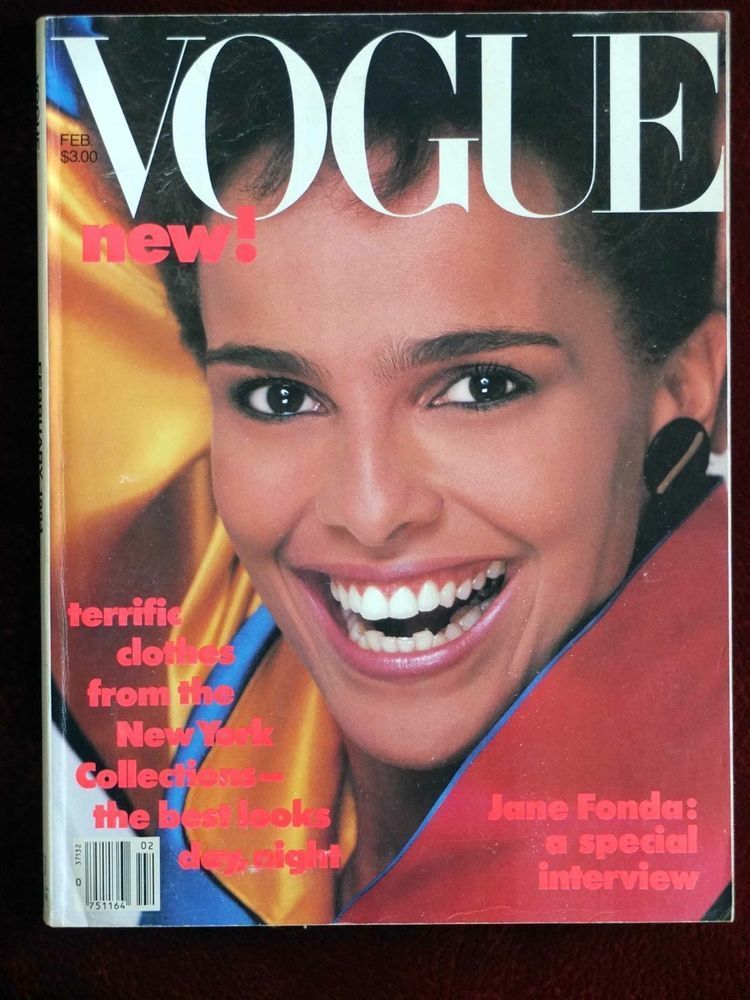
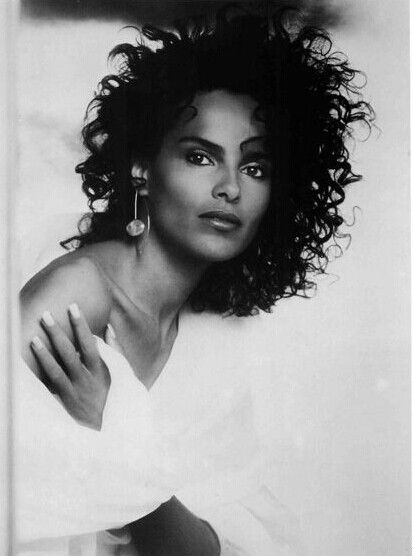
Belafonte first gained widespread attention through modeling. During the late 1970s and early 1980s, she appeared in major fashion magazines and advertising campaigns. Her statuesque beauty and confident gaze made her an ideal subject for high-fashion photography, where her natural elegance could shine through the lens.

In the fashion world, Belafonte quickly developed a reputation for sophisticated glamour. Her style combined classic femininity with contemporary edge, making her a standout figure in an industry still expanding its representation of Black beauty. At a time when mainstream fashion media often overlooked darker complexions, Belafonte’s visibility helped challenge narrow beauty standards.

Her modeling career also included collaborations with major fashion houses and cosmetics brands. Through these campaigns, she presented an image of refined glamour that resonated with audiences seeking broader representation in beauty and fashion imagery.

Belafonte’s transition from modeling to acting further elevated her visibility. She gained national recognition when she starred in the popular television drama Hotel during the 1980s. In the series, she portrayed Julie Gillette, the poised and intelligent assistant manager of a luxurious San Francisco hotel. The role showcased her natural sophistication and calm authority.

Her performance on Hotel helped redefine how Black women were portrayed on primetime television. Rather than limiting her character to stereotypical roles, the show presented Julie Gillette as professional, stylish, and capable. Belafonte’s elegance brought authenticity and credibility to the role.

While acting brought her fame, Belafonte continued exploring creative pursuits beyond television. She also pursued music, recording songs that reflected her artistic heritage and love for performance. Although her music career was more limited than her acting work, it demonstrated the versatility that runs through her artistic identity.

Belafonte eventually developed a deep passion for photography as well. Over time she became a respected photographer whose work has appeared in exhibitions and publications. Through photography she discovered another medium for storytelling and artistic expression.

Her photographic work reflects the same appreciation for beauty and composition that defined her modeling career. As both subject and artist, Belafonte understands how lighting, posture, and expression can create powerful visual narratives.

This photograph is the property of its respective owner.

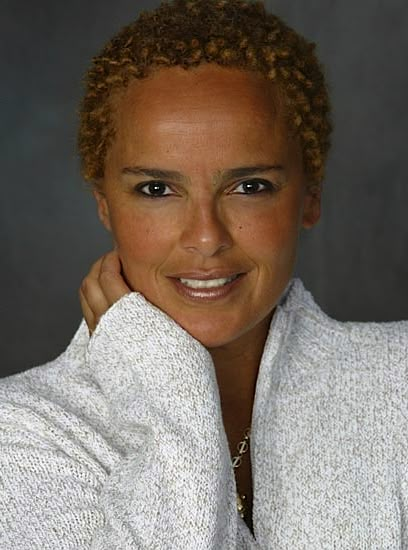
Throughout her career, Belafonte has maintained a reputation for refined style. Whether appearing at public events or in editorial photographs, she consistently projects elegance, grace, and quiet confidence. Her fashion choices often emphasize clean silhouettes, rich textures, and classic design.

The concept of the “Ebony Doll” also speaks to presentation. It reflects not only physical beauty but also the art of self-possession—the ability to carry oneself with dignity and composure. Belafonte exemplifies this quality through her calm demeanor and poised public presence.

Her cultural influence extends beyond fashion and television. Inspired by the activism of her father, Belafonte has also participated in charitable and humanitarian efforts. She has supported causes related to environmental protection, education, and social justice.

Belafonte’s longevity in entertainment reflects a career built on adaptability and artistic curiosity. From modeling to acting to photography, she has explored multiple creative paths while maintaining the elegance that first captivated audiences.

Her legacy also highlights the evolving representation of Black beauty in media. During the 1980s, when opportunities for Black models and actresses were still limited, Belafonte helped expand the visual vocabulary of glamour and sophistication.

Today, she continues to engage with artistic and cultural projects, sharing her photography and creative work with audiences. Her enduring presence reminds admirers that beauty, creativity, and intellect can coexist gracefully throughout life.

This photograph is the property of its respective owner.

What makes Shari Belafonte an “Ebony Doll” is not merely her physical appearance but the harmony between elegance, artistry, and self-confidence. Her beauty feels sculptural yet warm, refined yet authentic.

In many ways, she represents a living portrait of Black elegance—an image that blends heritage, artistry, and timeless grace.

Ultimately, Shari Belafonte’s story is one of beauty, culture, and creative exploration. Her career reflects the power of representation and the importance of celebrating diverse expressions of glamour.

In every sense of the phrase, Shari Belafonte stands as a true “Ebony Doll”—a woman whose radiant beauty, sophistication, and artistic spirit continue to inspire admiration.


References

Belafonte, S. (Interviews and public statements).

Britannica. (2026). Harry Belafonte. Encyclopaedia Britannica.

IMDb. (2026). Shari Belafonte Filmography. IMDb Database.

Smith, S. (2018). Black Women in Television: A Cultural History. New York University Press.

Vogue Archive. (1980–1990). Fashion and modeling features. Vogue Magazine.

The “It Girl” Series: Taraji P. Henson

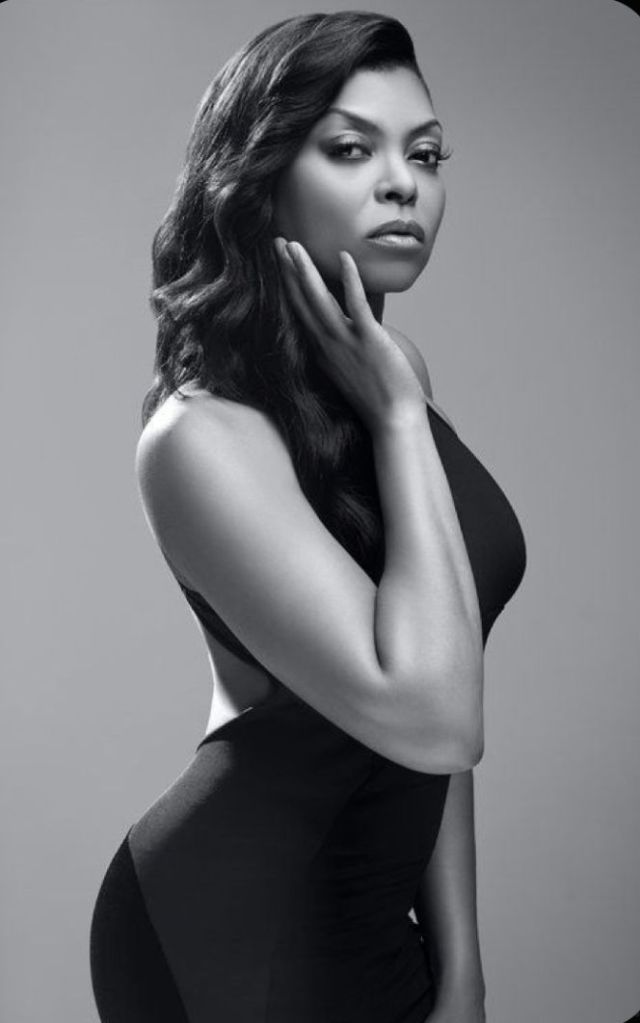
A magnetic presence with expressive eyes and a face that tells stories—Taraji P. Henson embodies charisma, beauty, and the undeniable allure of the screen.

This photograph is the property of its respective owners

Taraji P. Henson was born on September 11, 1970, in Washington, D.C., and raised in a close-knit family that encouraged her artistic ambitions. She developed a passion for acting early on, which led her to Howard University, where she earned a Bachelor of Fine Arts degree. Henson began her career with small television roles, including appearances on Smart Guy and Ally McBeal, but her breakout came with the film Baby Boy (2001), in which she portrayed Yvette, a character both complex and compelling. This role showcased her range as an actress and her ability to convey depth, emotion, and resilience.

Over the years, Henson has become a fixture in Hollywood, celebrated for her versatility and fearless approach to acting. She gained widespread acclaim for her portrayal of Cookie Lyon in the hit series Empire (2015–2020), earning a Golden Globe Award for Best Actress. This role highlighted not only her talent but also her ability to dominate the screen with presence, emotion, and authenticity. Henson has also been an outspoken advocate for gender equity and fair pay in the entertainment industry, reinforcing her reputation as a strong, independent voice in Hollywood.

Her filmography spans a wide range of genres, showcasing her remarkable versatility. She appeared in The Curious Case of Benjamin Button (2008), Hustle & Flow (2005), Proud Mary (2018), and Good Deeds (2012) alongside Idris Elba, as well as Hidden Figures (2016) and Hustle (2022). From historical dramas to action thrillers, Henson consistently delivers nuanced, compelling performances. In addition to live-action roles, she has lent her voice to animated projects and participated in brand endorsements, solidifying her influence beyond the screen. Henson’s expressive face, radiant skin, and commanding presence allow her to communicate power, vulnerability, and charisma without uttering a single word—a hallmark of an “It Girl.”

This photograph is the property of its respective owners

In her personal life, Henson has been married once and is the mother of a son, Marcel. She has shared her experiences navigating motherhood, fame, and career with honesty and grace, offering inspiration to many. On set, she has cultivated deep professional relationships and often speaks highly of her co-stars, reflecting her collaborative spirit. Her beauty is distinctive, transcending traditional Hollywood standards, with features that are celebrated for their expressiveness, symmetry, and strength.

This photograph is the property of its respective owners

What makes Taraji P. Henson an undeniable “It Girl” is the way she commands attention both on and off screen. Her expressive eyes and emotive facial expressions allow her to convey complex emotions effortlessly, captivating audiences with every glance. She combines raw talent with a fearless authenticity, embracing roles that challenge norms and showcase her versatility. Beyond acting, her confident presence, bold fashion choices, and outspoken advocacy for women’s rights and fair pay amplify her cultural influence, making her a role model as well as a star. Taraji’s allure is not just in her beauty—it is in her charisma, intelligence, and unapologetic individuality, qualities that make her both relatable and aspirational, securing her place as one of Hollywood’s most magnetic figures.

References:

  1. Taraji P. Henson Biography. (2023). Biography.com. https://www.biography.com/actor/taraji-p-henson
  2. Golden Globe Awards 2016 Winners. (2016). GoldenGlobes.com. https://www.goldenglobes.com/winners-nominees/2016
  3. Hipes, P. (2021). Taraji P. Henson Talks Empire, Advocacy & Hollywood. Deadline. https://deadline.com/2021/01/taraji-p-henson-interview-empire-1234667890/
  4. Taraji P. Henson Filmography. (2023). IMDb. https://www.imdb.com/name/nm0375296/

The “It Girl” Series: Kimberly Elise

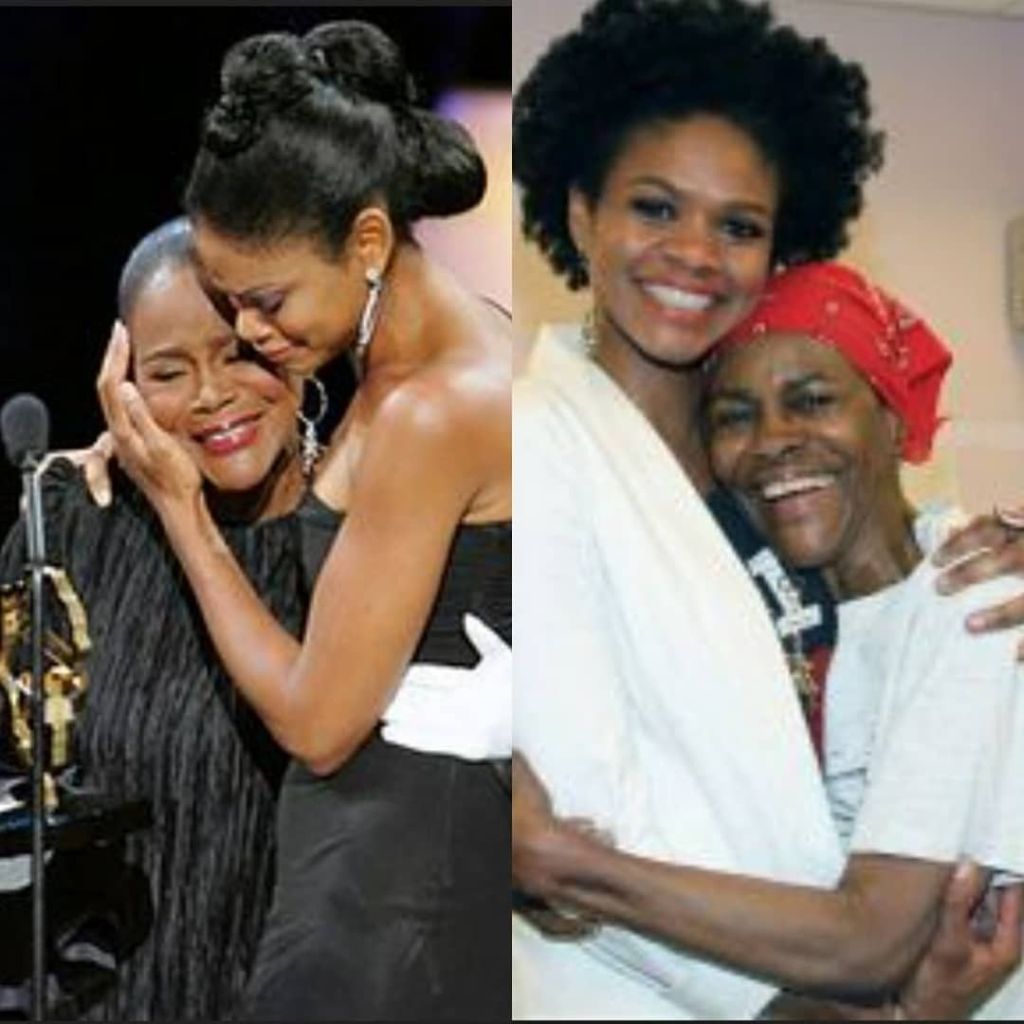
Piercing, expressive eyes and a commanding screen presence—Kimberly Elise blends beauty with depth, talent, and the rare quiet power of a young Cicely Tyson.

This photograph is the property of its respective owner.

Kimberly Elise Trammel was born on April 17, 1967, in Minneapolis, Minnesota, and raised with a deep love for performance and storytelling. She earned a B.A. in Communications from the University of Minnesota before pursuing her acting career in Los Angeles. Elise’s natural talent, intense presence, and distinctively expressive eyes quickly set her apart in dramatic roles. She made her feature‑film debut in the crime action classic Set It Off (1996), portraying Tisean “T.T.” Williams with emotional intensity and strength.

Elise’s career is marked by nuanced, layered performances in films that explore struggle, resilience, and redemption. She appeared in Beloved (1998), John Q (2002), The Manchurian Candidate (2004), Diary of a Mad Black Woman (2005), Woman Thou Art Loosed (2004), Pride (2007), The Great Debaters (2007), For Colored Girls (2010), Dope (2015), Almost Christmas (2016), Death Wish (2018), and Ad Astra (2019).

Her collaborations with Denzel Washington—John Q, The Manchurian Candidate, and The Great Debaters—are particularly notable. Elise has described working with Washington as a professional joy, emphasizing that he is intensely focused, generous in his preparation, and deeply committed to family and craft—qualities she shares as a performer. Elise’s repeated casting opposite him and the respect evident in industry discussions reflect a mutual professional regard and creative rapport.

These photographs are the property of their respective owners.

Elise’s expressive, piercing eyes are a hallmark of her acting style: they convey internal life, pain, strength, and transformation without a single line of dialogue. Her presence has drawn comparisons to a young Cicely Tyson, not only for her physical resemblance but for the depth and dignity she brings to every role.

In her personal life, Kimberly Elise was first married to Maurice Oldham (April 21, 1989 – September 29, 2005), with whom she has two daughters, AjaBleu Oldham and Butterfly Rose Oldham. She later married George E. McCrary on August 23, 2023.

Elise’s work has earned critical recognition and industry honors. Early in her career, she won Best Supporting Actress at the 19th Annual CableACE Awards for The Ditchdigger’s Daughters (1997). She also received Independent Spirit Award and NAACP Image Award nominations for Woman Thou Art Loosed (2004), won NAACP Image Awards for Diary of a Mad Black Woman and other projects, and has been celebrated for her powerful contributions to film and television that center Black women’s stories.

Kimberly Elise embodies the qualities of an “It Girl” through a blend of confidence, emotional intelligence, and acting prowess. Her beauty is not superficial but expressive and commanding, rooted in her ability to convey truth through subtle gestures and deep emotional resonance. Whether portraying everyday struggles or extraordinary resilience, Elise’s work resonates with authenticity, intelligence, and grace—making her one of Hollywood’s most compelling and enduring talents.

References:

  1. Kimberly Elise. (2024). IMDb. https://www.imdb.com/name/nm0253708/biography/
  2. Kimberly Elise Filmography. (2024). Fandango. https://www.fandango.com/people/kimberly-elise-197874/film-credits
  3. Kimberly Elise Movies & TV Shows. (2024). Rotten Tomatoes. https://www.rottentomatoes.com/celebrity/kimberly_elise
  4. Kimberly Elise: The Perfect Pairing. (2020). Essence. https://www.essence.com/news/kimberly-elise-the-perfect-pairing/
  5. Actress Kimberly Elise on Working with Denzel Washington. (2013). TheGrio. https://thegrio.com/2013/05/31/actress-kimberly-elise-talks-being-denzel-washingtons-work-wife
  6. Kimberly Elise: Giving Voice to Voiceless. (2018). Chicago Sun‑Times. https://chicago.suntimes.com/2018/4/13/18398979/kimberly-elise-giving-voice-to-voiceless-on-road-to-black-hollywood-royalty
  7. NAACP Image Awards: Past Winners. (2023). NAACP.org. https://naacpimageawards.net/past-winners/

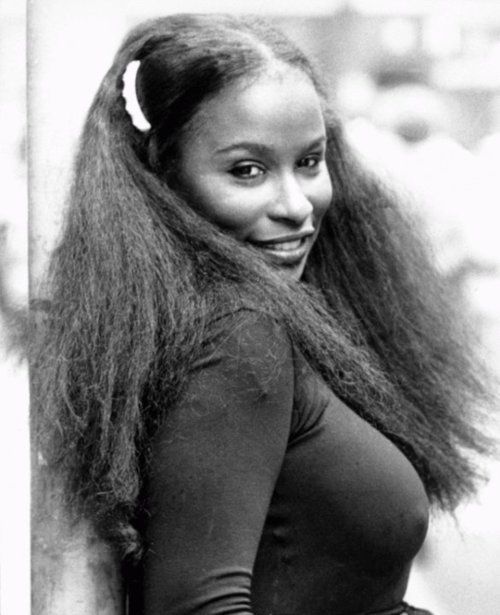
Celebrity Spotlight: Chaka Khan

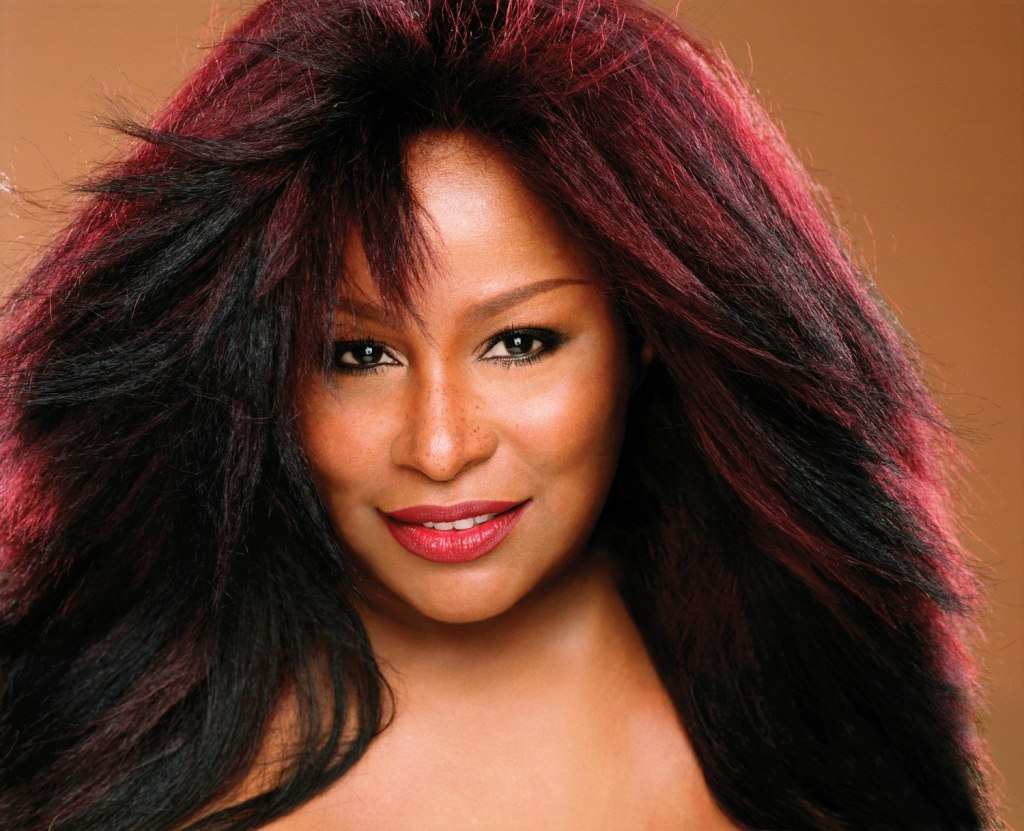
The Queen of Funk-Soul with the iconic hair and powerful voice.

The photograph is the property of its respective owner. No copyright infringement intended.

Chaka Khan, born Yvette Marie Stevens on March 23, 1953, in Chicago, Illinois, is a musical icon whose career has spanned more than five decades. She rose to prominence as the lead vocalist of the funk band Rufus in the 1970s and later established a successful solo career. Her unique fusion of funk, R&B, jazz, and soul has earned her the nickname “The Queen of Funk.”

Chaka Khan’s early life was shaped by her upbringing in a musically inclined family. She developed a passion for singing at a young age, performing in local talent shows and school productions. Her powerful voice, remarkable range, and emotive delivery quickly set her apart from her peers, laying the foundation for her extraordinary career.

In the mid-1970s, Khan joined the band Rufus, where her electrifying stage presence and vocal prowess brought the group national recognition. Hits like “Tell Me Something Good” and “Sweet Thing” showcased her ability to blend funk rhythms with soulful melodies, propelling Rufus to the top of the charts and cementing her status as a rising star.

The photograph is the property of its respective owner. No copyright infringement intended.

Her solo career, launched in 1978, further solidified her musical legacy. Khan’s ability to seamlessly navigate genres—R&B, funk, jazz, and pop—allowed her to create timeless hits such as “I’m Every Woman,” “Ain’t Nobody,” and “Through the Fire.” These songs became anthems of empowerment and remain staples in popular culture.

Chaka Khan’s contributions to music have earned her numerous accolades, including ten Grammy Awards and multiple nominations across decades. She is celebrated not only for her vocal talent but also for her influence on future generations of artists, inspiring singers like Beyoncé, Mary J. Blige, and Alicia Keys.

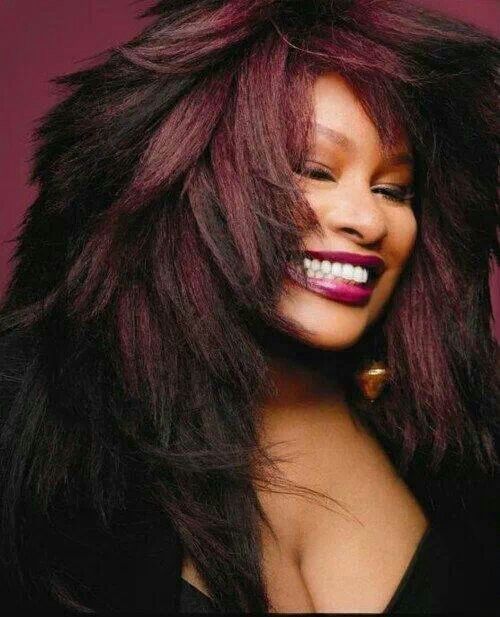
Beyond music, Khan’s personal style and beauty have drawn attention. She is renowned for her thick, luxurious mane, which became a signature feature and was reportedly insured due to its iconic status. Her bold fashion choices and radiant presence on stage and off have contributed to her enduring image as a style icon.

The photograph is the property of its respective owner. No copyright infringement intended.

In addition to her artistic achievements, Chaka Khan has navigated personal challenges and relationships in the public eye. She has been married and has one daughter, but much of her private life has remained guarded, reflecting her focus on artistry over celebrity gossip. Her friendships within the music industry, including close bonds with artists like Rufus bandmates and peers in the funk and R&B community, have been crucial for support and collaboration.

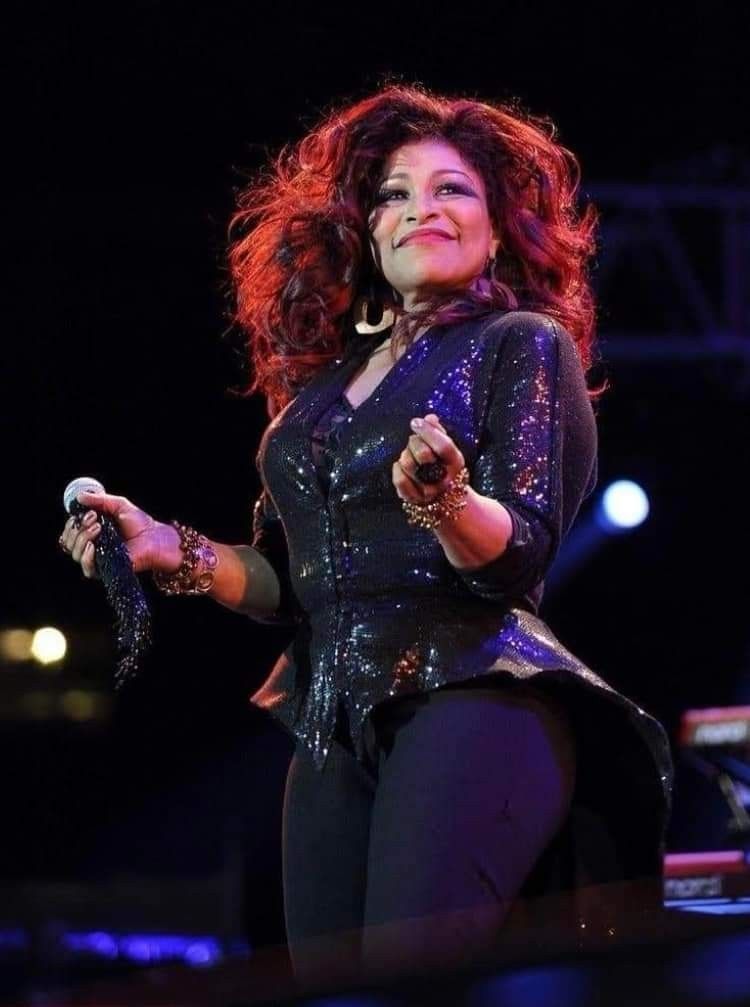
Khan’s voice has often been described as a force of nature, capable of delivering both tender emotion and explosive power. Critics frequently note that her vocals can “shatter glass,” reflecting her commanding stage presence and technical mastery. Her voice remains one of the most distinctive and influential in contemporary music history.

Her impact on live performance is legendary. Khan’s concerts are known for their high energy, audience engagement, and moments of improvisation that highlight her vocal agility. Fans worldwide continue to celebrate her dynamic performances, which remain relevant across generations.

The photograph is the property of its respective owner. No copyright infringement intended.

Khan’s influence extends beyond entertainment. She has become a symbol of Black excellence, demonstrating resilience, creativity, and empowerment. Her success as a woman of color in a predominantly male and Eurocentric industry has inspired countless artists to pursue careers in music while embracing their cultural identity.

Throughout her career, Chaka Khan has collaborated with many notable musicians, including Prince, Quincy Jones, and Stevie Wonder. These partnerships have not only enriched her musical catalog but also solidified her reputation as a versatile and respected artist within the industry.

Her awards and honors extend beyond Grammys. Khan has been recognized for her contributions to music and culture, receiving lifetime achievement awards and acknowledgments from various organizations dedicated to celebrating Black artists and women in the entertainment industry.

The photograph is the property of its respective owner. No copyright infringement intended.

Chaka Khan’s most celebrated songs continue to resonate with audiences worldwide. Tracks like “I’m Every Woman” have been reimagined and covered by contemporary artists, ensuring her legacy endures. The themes of empowerment, love, and resilience in her music have transcended generations, making her work timeless.

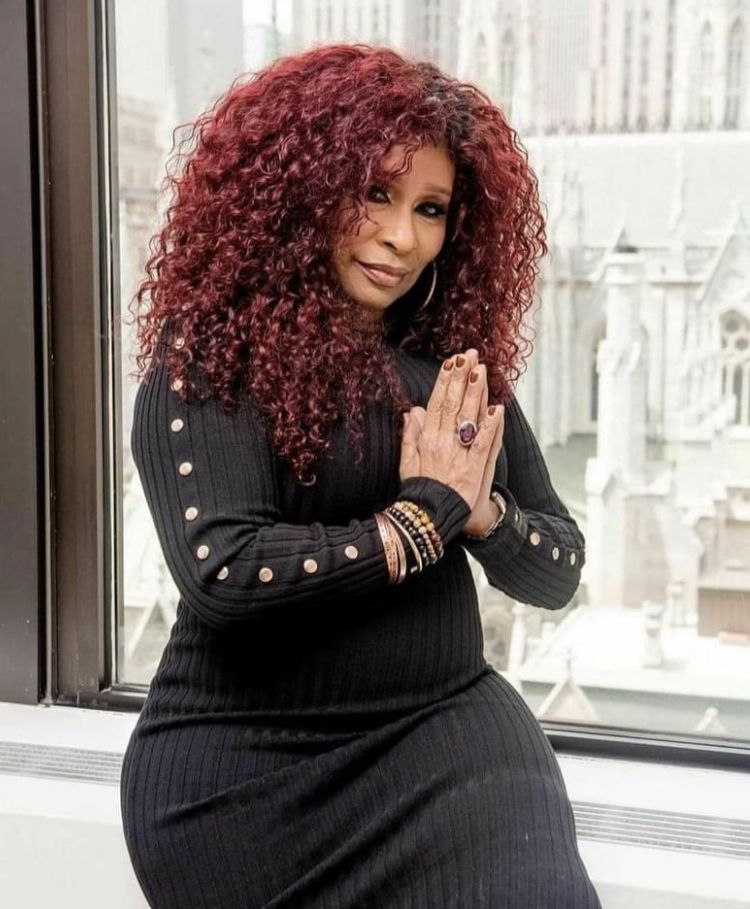
Even in her later years, Khan maintains a vibrant public persona, striking a balance between her health, performance, and philanthropy. She remains committed to music, touring, and mentoring younger artists, while also embracing her iconic image and personal style, including her signature hair, radiant appearance, and confident presence.

In conclusion, Chaka Khan embodies the intersection of musical genius, personal style, and cultural influence. Her thick, luxurious hair, commanding voice, celebrated hits, and decades of awards solidify her place as one of the most iconic performers in modern music history. Khan’s life and career continue to inspire, reflecting a legacy built on talent, resilience, and unapologetic self-expression.


References

  • George, Nelson. (2004). The Death of Rhythm and Blues. Penguin Books.
  • Khan, Chaka. (2003). Chaka Khan: Through the Fire. HarperCollins.
  • Taraborrelli, J. Randy. (2015). The Superstars: From Tina Turner to Beyoncé. Hachette Book Group.
  • Whitburn, Joel. (2013). Top R&B/Hip-Hop Singles: 1942-2012. Record Research, Inc.
  • PBS. (2005). Chaka Khan: Queen of Funk. Documentary.

The Ebony Dolls: Lela Rochon

From Sunshine to silver-screen sophistication, Lela Rochon remains the glow that never fades.

Photo Credit: Barry King

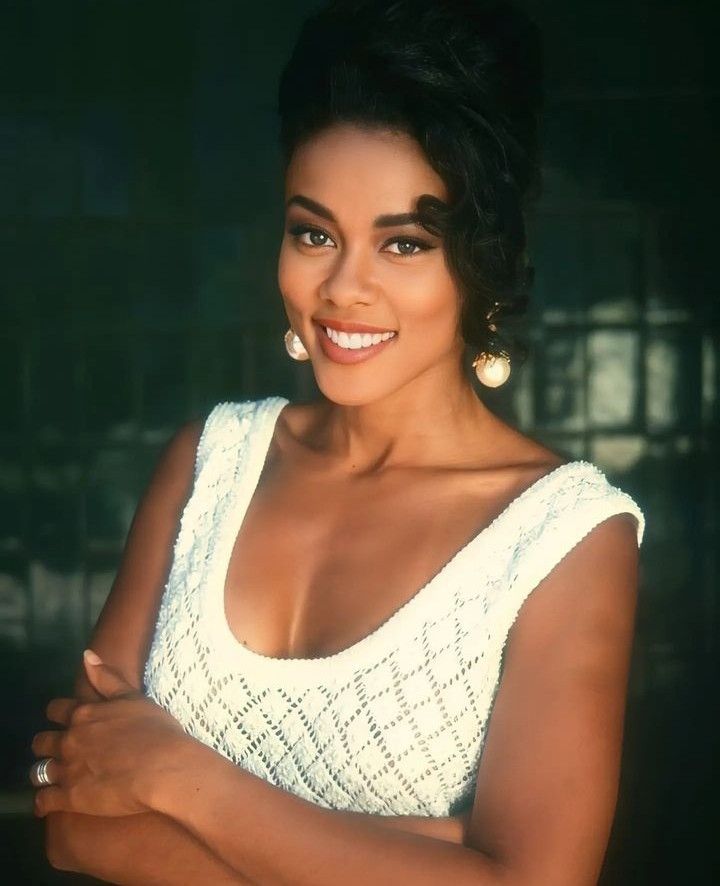
There are women in Hollywood who shine — and then there are women who glow. Lela Rochon has long embodied a radiance that transcends screen presence. With luminous brown skin, softly sculpted cheeks, and a smile that carries both sweetness and strength, Rochon represents a generation of Black actresses whose beauty was undeniable and whose talent demanded recognition. In the canon of cinematic elegance, she belongs unmistakably among The Ebony Dolls — women whose image, grace, and cultural impact reshaped how Black beauty was seen on screen.

Born Lela Rochon Staples on April 17, 1964, in Los Angeles, California, she was raised in a culturally rich household that supported her artistic ambitions. She attended California State University, Dominguez Hills, earning a degree in broadcasting and journalism — a foundation that sharpened her poise and public presence. Before film stardom, Rochon appeared in commercials and music videos during the 1980s, slowly carving out space in an industry that often marginalized darker-skinned actresses.

Photo Credit: Barry King

Her early film appearances included roles in Breakin’ 2: Electric Boogaloo (1984) and television guest spots throughout the decade. But it was her comedic turn in Harlem Nights that introduced her to mainstream audiences. Playing the warm-hearted and spirited “Sunshine,” opposite icons like Eddie Murphy and Richard Pryor, Rochon radiated softness and sensual charm. Sunshine was not merely a love interest — she was tenderness in a harsh world, a woman whose vulnerability gave emotional depth to a male-dominated narrative. From that moment, her nickname “Sunshine” became culturally embedded.

The 1990s marked her ascension into leading-lady status. In Waiting to Exhale, directed by Forest Whitaker and adapted from the novel, Rochon portrayed Robin Stokes, an ambitious, sensual, and emotionally complex character. Alongside Whitney Houston, Angela Bassett, and Loretta Devine, she helped redefine Black female friendship on screen. The film became a cultural milestone, presenting professional Black women as layered, desirable, and flawed — yet powerful.

This photograph is the property of its respective owner.

Her performance in Why Do Fools Fall in Love showcased another dimension of her talent. As singer-songwriter Darlene Love, Rochon embodied classic glamour, evoking the golden era of R&B femininity. That same year, she appeared in The Players Club, directed by Ice Cube, portraying a veteran dancer who navigates power, survival, and womanhood in an exploitative industry. Her performance was dignified and nuanced, offering depth where stereotypes often prevailed.

Television became another platform for her enduring presence. Rochon appeared in numerous series over the years, including roles in Family Business and its spinoff Family Business: New Orleans, continuing to demonstrate her versatility and longevity in an evolving industry. These later roles affirmed her staying power — not as a nostalgic figure, but as an active, working actress.

This photograph is the property of its respective owner.

Lela Rochon was first married to dancer and actor Adolfo Quiñones, who was widely known by his stage name Shabba Doo, a pioneering figure in the West Coast break-dancing movement and a star of the film Breakin’. He was a member of the legendary street dance group The Lockers, and his appearance in Breakin’ helped popularize breakdancing in mainstream cinema during the 1980s. The couple married on December 12, 1982. Their marriage lasted approximately five years before the couple divorced in 1987. Later, she married film director Antoine Fuqua in 1999. The couple has two children. Their marriage faced public challenges when media reports surfaced regarding Fuqua’s infidelity. Throughout that ordeal, Rochon maintained dignified silence — embodying resilience rather than spectacle. In an era of oversharing, her discretion communicated strength. She chose privacy over performance, grace over public retaliation.

This composure adds to her legacy as a “strong Black woman,” though that phrase often carries burdens. Rochon’s strength is not loud; it is anchored. It is seen in her career longevity, her maternal devotion, her refusal to be reduced to scandal, and her unwavering elegance amid adversity.

Physically, Rochon represents a standard of Black beauty that defied Hollywood’s narrow casting norms of the late 20th century. Her rich brown complexion, full cheeks, soft eyes, and curvaceous silhouette celebrated natural Black femininity at a time when Eurocentric aesthetics dominated mainstream media. She did not dilute herself for acceptance. She appeared fully embodied — warm, sensual, confident.

Her awards and recognitions include nominations from the NAACP Image Awards and acclaim from Black film critics circles for her ensemble performances. While she may not possess a trophy shelf overflowing with Oscars, her cultural impact transcends hardware. She helped anchor an era of Black romantic cinema that centered women’s desires, friendships, and interior lives.

This photograph is the property of its respective owner.

So why is Lela Rochon an Ebony Doll?

Because Ebony Dolls are not merely beautiful women.
They are cinematic symbols.
They are aesthetic milestones.
They are women whose image defined an era of Black glamour.

Rochon belongs in this series because she represents the archetype of the 1990s Black leading lady — soft yet resilient, sensual yet intelligent, vulnerable yet composed. She stands in a lineage of actresses who expanded the range of Black womanhood onscreen, insisting on complexity over caricature.

Sunshine from Harlem Nights.
Robin from Waiting to Exhale.
Darlene Love.
The veteran survivor.
The wife.
The mother.
The woman.

Lela Rochon is not just remembered.
She is revered.

And in the gallery of The Ebony Dolls, her portrait glows warmly — timeless, dignified, and beautifully Black.


References

Aftab, K. (2019). Waiting to Exhale: Revisiting a cultural classic. Film Quarterly Review.

Bogle, D. (2016). Toms, coons, mulattoes, mammies, and bucks: An interpretive history of Blacks in American films (Updated ed.). Bloomsbury Academic.

IMDb. (n.d.). Lela Rochon filmography. Retrieved from https://www.imdb.com

NAACP Image Awards. (n.d.). Nominees and archives. Retrieved from https://naacpimageawards.net

Whitaker, F. (Director). (1995). Waiting to Exhale [Film]. 20th Century Fox.

Murphy, E. (Director). (1989). Harlem Nights [Film]. Paramount Pictures.

Gregory Nava, G. (Director). (1998). Why Do Fools Fall in Love [Film]. Warner Bros.

Cube, I. (Director). (1998). The Players Club [Film]. New Line Cinema.

BET+. (2018–present). Family Business [Television series].

BET+. (2025). Family Business: New Orleans [Television series].

Celebrity Spotlight: Jimmy Walker

This photograph is the property of its respective owner.

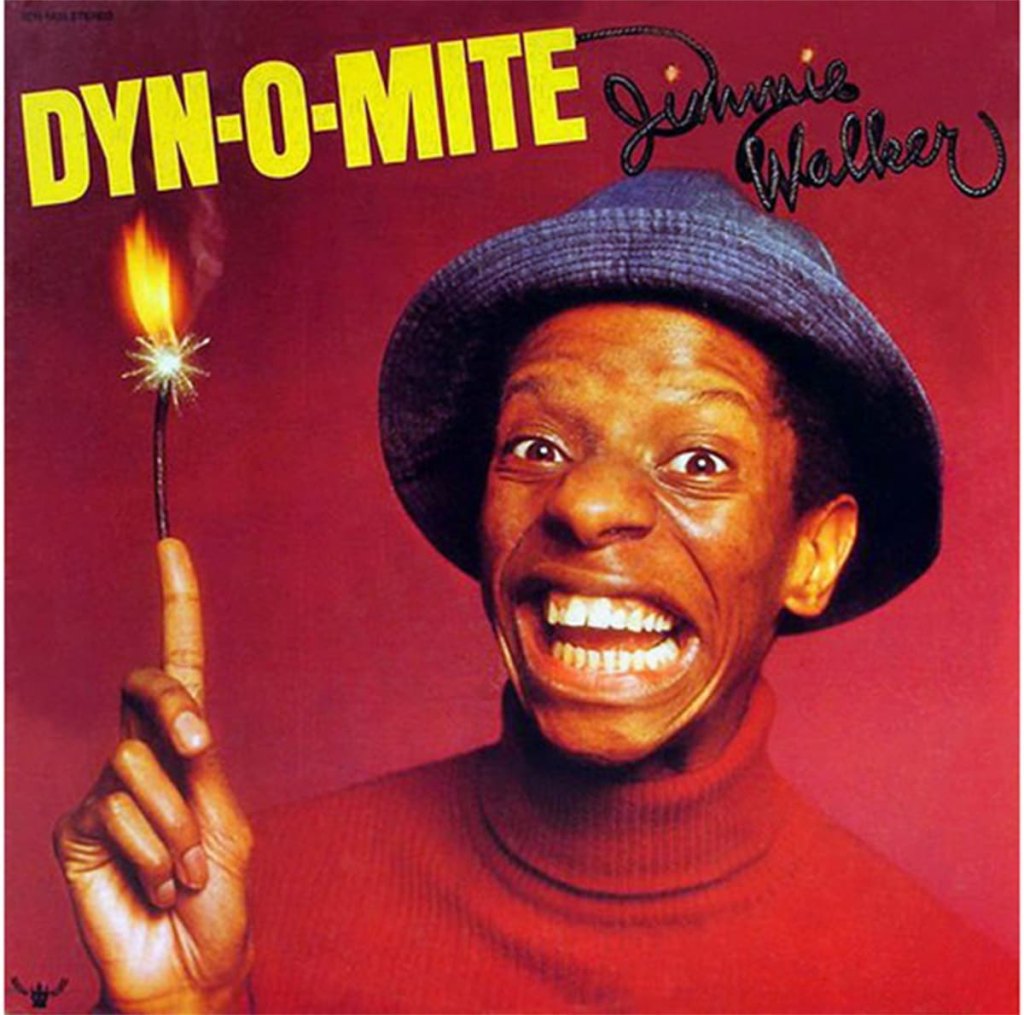
“Dy-no-mite!”

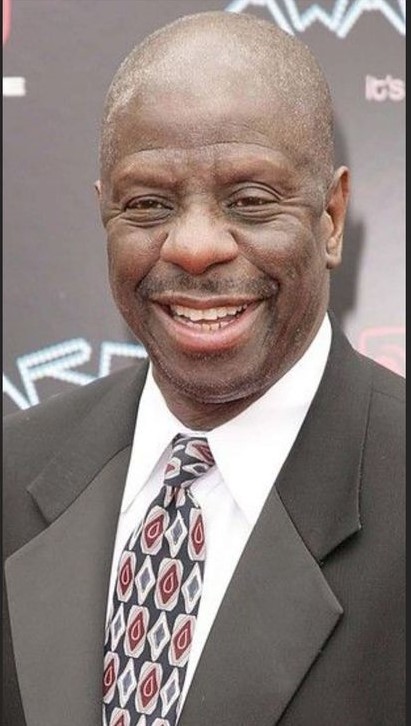
That single word made Jimmy Walker one of the most recognizable faces and voices in American television history. Jimmy Walker, born James Carter Walker Jr. on June 25, 1947, in Brooklyn, New York, rose from humble beginnings to become a pop culture icon through his unforgettable role as J.J. Evans on the groundbreaking sitcom Good Times. His exaggerated energy, comedic timing, and charismatic delivery transformed him into one of the most famous Black comedians of the 1970s.
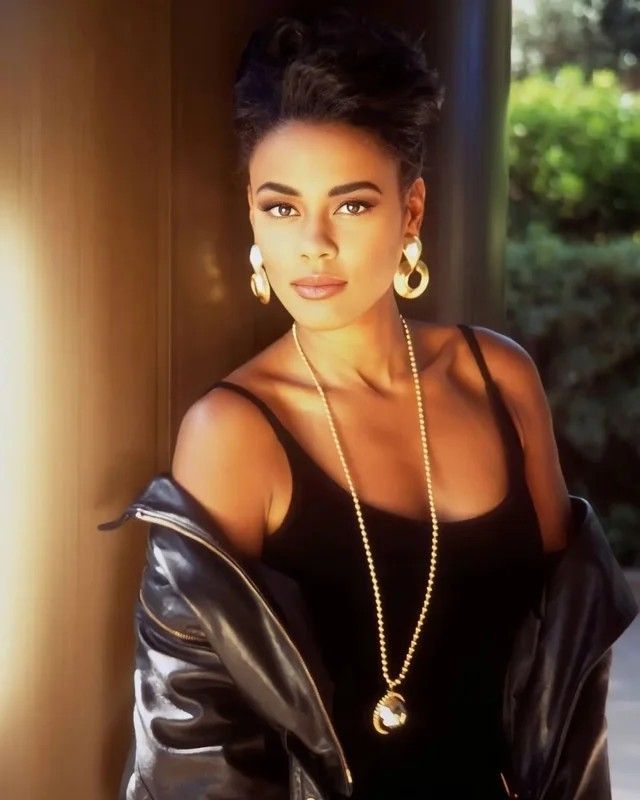
Walker was raised in the Bronx by a single mother who worked as a housekeeper. Growing up in a working-class environment deeply influenced his comedic style, which often blended humor with observations about urban life, poverty, and social struggle. He attended The Bronx High School of Science and later City College of New York, where he began developing his interest in performance and comedy.

Before television fame, Jimmy Walker built his career through stand-up comedy, performing in small clubs and on college campuses. His big break came when he joined the cast of Rowan & Martin’s Laugh-In as a writer and performer in the late 1960s, one of the most influential comedy shows of the era. This exposure introduced him to national audiences and established him as a rising comedic talent.

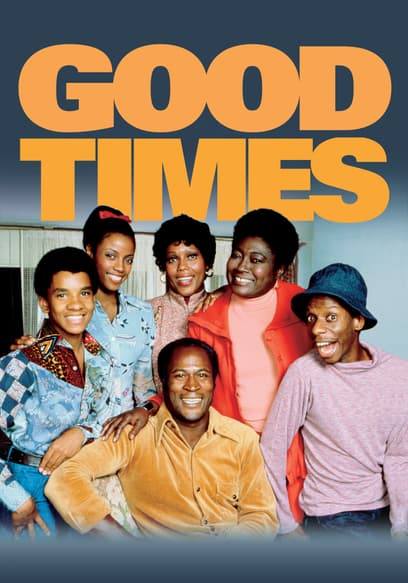
Walker’s defining role came in 1974 when he was cast as James “J.J.” Evans Jr. on Good Times. The show, a spin-off from Maude, followed a Black family living in a Chicago housing project and was one of the first sitcoms to address poverty, racism, unemployment, and systemic inequality from a Black perspective. J.J., the eldest son, was portrayed as a fast-talking, aspiring artist with an infectious personality and a tendency toward exaggerated humor.

This photograph is the property of its respective owner.

Jimmy Walker’s portrayal of J.J. became both legendary and controversial. His character’s over-the-top behavior, wide-eyed expressions, and loud catchphrases made him the breakout star of the show. While audiences loved J.J., some critics and co-stars, including Esther Rolle and John Amos, felt the character drifted into stereotype and comic excess. Walker, however, defended the role, stating that J.J. represented real people he grew up with and that laughter itself was a form of survival in difficult conditions.

“Dy-no-mite!” became one of the most famous catchphrases in television history, rivaling phrases like “Whatchu talkin’ ’bout, Willis?” and “Kiss my grits.” The phrase entered American slang and was used in commercials, cartoons, films, and everyday speech throughout the 1970s and beyond. Walker became a walking brand, instantly recognizable by voice alone.

Despite being the comedic centerpiece, Walker’s role had deeper layers. J.J. was not just a clown; he was a young Black man trying to escape poverty through art, ambition, and creativity. His dreams of becoming a professional artist symbolized the broader struggle of Black youth seeking opportunity within limited social structures.

This photograph is the property of its respective owner.

After Good Times ended in 1979, Jimmy Walker continued acting across television and film. His filmography includes roles in Let’s Do It Again (1975), Airplane! (1980), The Concorde… Airport ’79, Tapeheads (1988), and appearances in cult classics like Repo Man. On television, he appeared in The Love Boat, Fantasy Island, The Tonight Show, Everybody Hates Chris, and Scrubs.

Walker also sustained a long career in stand-up comedy, touring nationally for decades and becoming a staple in comedy clubs, casinos, and Black entertainment circuits. Unlike many sitcom stars, he never abandoned live performance, seeing stand-up as his true artistic foundation.

In terms of personal life, Jimmy Walker has never been married and has no children. He has spoken openly about choosing independence and focusing on his career, lifestyle, and personal freedom. This made him somewhat unique among celebrities of his generation, as he maintained a largely private life outside the spotlight.

Walker’s fame extended beyond television into pop culture symbolism. He appeared in commercials, music videos, cartoons, and even political satire. His persona became shorthand for 1970s Black comedy, referenced in shows like Family Guy, In Living Color, The Simpsons, and Chappelle’s Show.

While Jimmy Walker did not receive major industry awards like Emmys, his cultural achievements are arguably greater. He received the NAACP Image Award recognition, multiple lifetime achievement honors from comedy organizations, and remains consistently listed among the most influential Black TV characters of all time.

Jimmy Walker’s impact lies in his role in expanding Black visibility in mainstream comedy. At a time when few Black actors had leading roles, Walker was one of the most famous faces on American television, crossing racial, class, and generational boundaries through humor.

His career also represents the tension between entertainment and representation. While some critics argue J.J. reinforced stereotypes, others recognize that Walker’s performance reflected authentic urban humor and gave voice to a segment of Black youth rarely seen on television.

This photograph is the property of its respective owner.

Walker himself has stated that his goal was never to be political but to be memorable, relatable, and funny. In that sense, his success is undeniable. He created one of the most iconic characters in TV history and shaped the comedic language of an entire era.

Today, Jimmy Walker is remembered not just for J.J., but for what he represented: the arrival of Black comedy into mainstream pop culture at full volume. His voice, style, and energy helped open doors for future comedians like Eddie Murphy, Chris Rock, Martin Lawrence, and Kevin Hart.

Jimmy Walker’s legacy is the legacy of laughter in the face of adversity. Through J.J. Evans, he turned poverty into punchlines, struggle into performance, and television into a cultural mirror for Black America in the 1970s. Few entertainers can claim to have created a phrase that still echoes across generations—but “Dy-no-mite!” remains eternal.


References

Bogle, D. (2016). Primetime blues: African Americans on network television. Farrar, Straus and Giroux.

Walker, J. J. (2012). Dyn-o-mite!: Good times, bad times, our times—A memoir. Chicago Review Press.

Smith, J. (2003). Black sitcoms and the politics of representation. Journal of African American Studies, 7(2), 33–49.

IMDb. (2024). Jimmy Walker filmography.

Encyclopedia Britannica. (2023). Jimmy Walker biography.

NAACP. (1999). Black television legacy awards.

Gray, H. (2005). Watching race: Television and the struggle for Blackness. University of Minnesota Press.

The “It Girl” Series: Vivica A. Fox

The 90s bombshell who turned blockbuster beauty into enduring Black Hollywood power.

This photograph is the property of its respective owner.

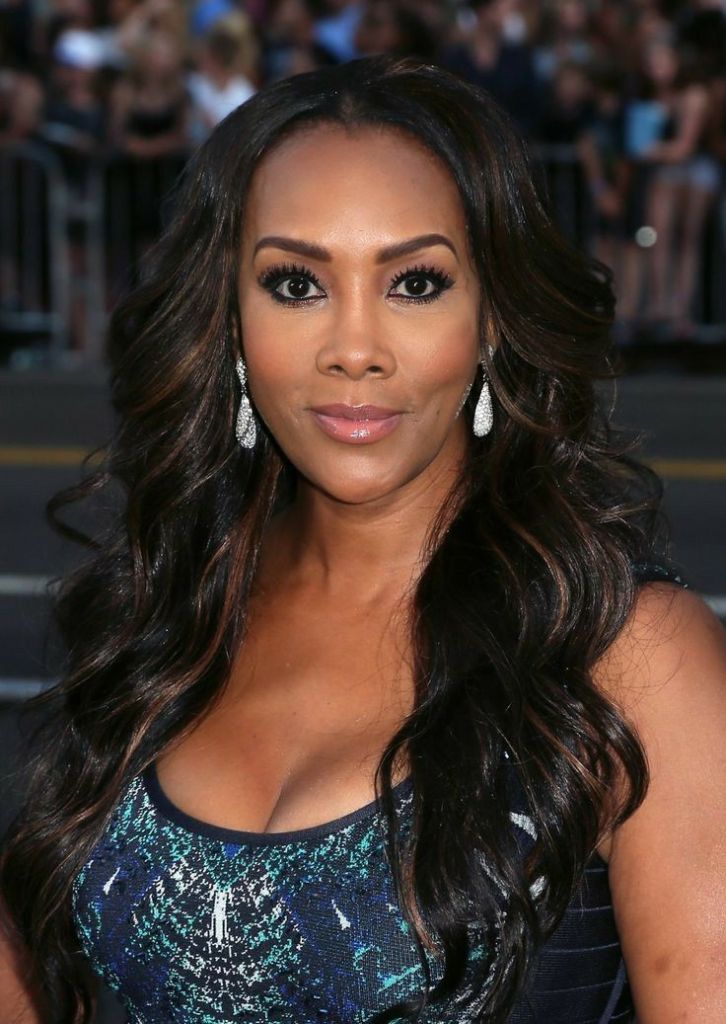
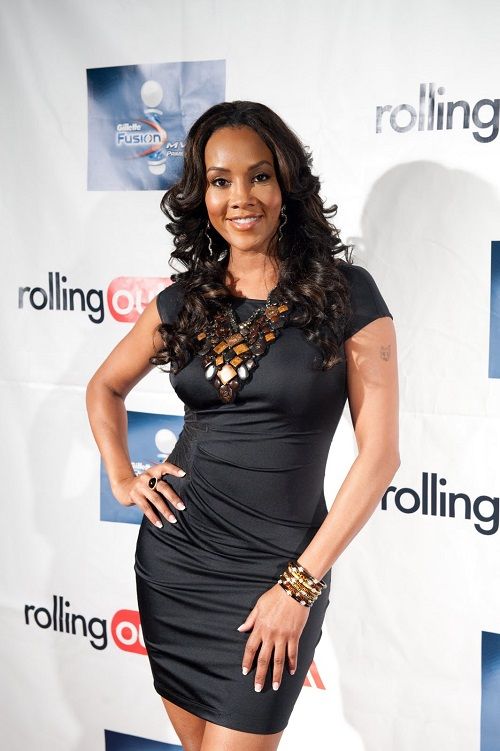
In the pantheon of Black Hollywood glamour, few women have embodied resilience, sensuality, and business acumen quite like Vivica A. Fox. With her radiant smile, honey-brown complexion, and unmistakable screen presence, Fox emerged in the 1990s as one of the definitive “It Girls” of her era. She was not merely beautiful—she was bankable. At a time when Hollywood often limited roles for Black actresses, Fox carved out a space where glamour met grit, and vulnerability met strength.

Born July 30, 1964, in South Bend, Indiana, and raised in Indianapolis, Fox earned a degree in social sciences from Golden West College before pursuing acting. Her early career included soap operas such as Days of Our Lives and Generations, where she honed the discipline and stamina required in the entertainment industry. These formative years shaped her work ethic and prepared her for the breakout that would redefine her trajectory.

This photograph is the property of its respective owner.

Fox’s ascension to mainstream fame arrived with her role as Jasmine Dubrow in Independence Day (1996). Acting alongside Will Smith, she portrayed a devoted girlfriend and single mother navigating apocalyptic chaos. The film grossed over $800 million worldwide, cementing Fox as a recognizable face in blockbuster cinema. That same year, she starred opposite Jada Pinkett Smith and Queen Latifah in Set It Off, a cultural landmark that remains one of the most significant portrayals of Black female antiheroes in American film history. Her performance as Frankie Sutton—loyal, fierce, and tragically vulnerable—demonstrated dramatic range and emotional depth.
This photograph is the property of its respective owner.

Throughout the late 1990s and early 2000s, Fox became synonymous with box office consistency and romantic allure. She starred in Soul Food, a film adaptation of the television series’ precursor, highlighting Black family dynamics, and appeared in Why Do Fools Fall in Love, portraying Elizabeth Waters opposite Halle Berry. Fox also displayed comedic brilliance in Booty Call and dramatic intensity in Kill Bill: Vol. 1, directed by Quentin Tarantino. As Vernita Green (Copperhead), she embodied physical power and maternal complexity, proving she could dominate action cinema alongside global stars.

In the 2010s, Vivica A. Fox strategically expanded her brand through a prolific partnership with Lifetime, becoming one of the network’s most recognizable leading ladies and executive producers. She headlined and produced multiple entries in the popular thriller franchise commonly known as “The Wrong” series—including titles such as The Wrong Roommate and The Wrong Fiancé—which centered on suspense-driven narratives involving deception, obsession, and betrayal. In 2020, Fox solidified her relationship with Lifetime and its parent company, A+E Networks, by signing a first-look development and producing deal. The agreement positioned her to both star in and executive produce original films for the network, effectively transitioning her from on-screen talent to creative architect. This deal underscored her business acumen, granting her expanded influence over storytelling while ensuring sustained visibility in a competitive industry.

Beyond acting, Fox evolved into a producer and entrepreneur, founding Foxy Brown Productions. She later became a staple of television, starring in and producing projects for networks such as Lifetime, often portraying sophisticated, high-powered women. Her longevity in the industry reflects not only talent but adaptability—an essential attribute for Black actresses navigating Hollywood’s shifting landscape.

Culturally, Fox’s beauty represented the quintessential “All-American” glamour filtered through a distinctly Black aesthetic. Her softly arched brows, almond-shaped eyes, and luminous skin tone positioned her within mainstream beauty discourse at a time when representation was limited. Yet her appeal transcended aesthetics. She carried herself with confidence, humor, and unapologetic femininity, influencing a generation of actresses and audiences alike.

Vivica A. Fox is an “It Girl” not because of fleeting popularity, but because of sustained visibility, cultural impact, and professional endurance. She represents the archetype of the 1990s Black Hollywood starlet who matured into a mogul—gracefully, strategically, and unapologetically. In a world that often sidelines women as they age, Fox has maintained relevance, embodying elegance and resilience.

Her legacy is one of survival and success. She is not simply remembered for her roles; she is remembered for her presence—bold, beautiful, and enduring.


References

Bogle, D. (2016). Toms, Coons, Mulattoes, Mammies, and Bucks: An interpretive history of Blacks in American films (Updated ed.). Bloomsbury Academic.

Guerrero, E. (1993). Framing Blackness: The African American image in film. Temple University Press.

IMDb. (n.d.). Vivica A. Fox. Retrieved from https://www.imdb.com

Mask, M. (2009). Divas on screen: Black women in American film. University of Illinois Press.

A+E Networks. (2020). Vivica A. Fox signs first-look development deal with Lifetime. Press release.

Deadline. (2020). Vivica A. Fox inks first-look deal with Lifetime.

IMDb. (n.d.). Vivica A. Fox filmography. Retrieved from https://www.imdb.com

Lifetime. (n.d.). Original movies featuring Vivica A. Fox. Retrieved from https://www.mylifetime.com

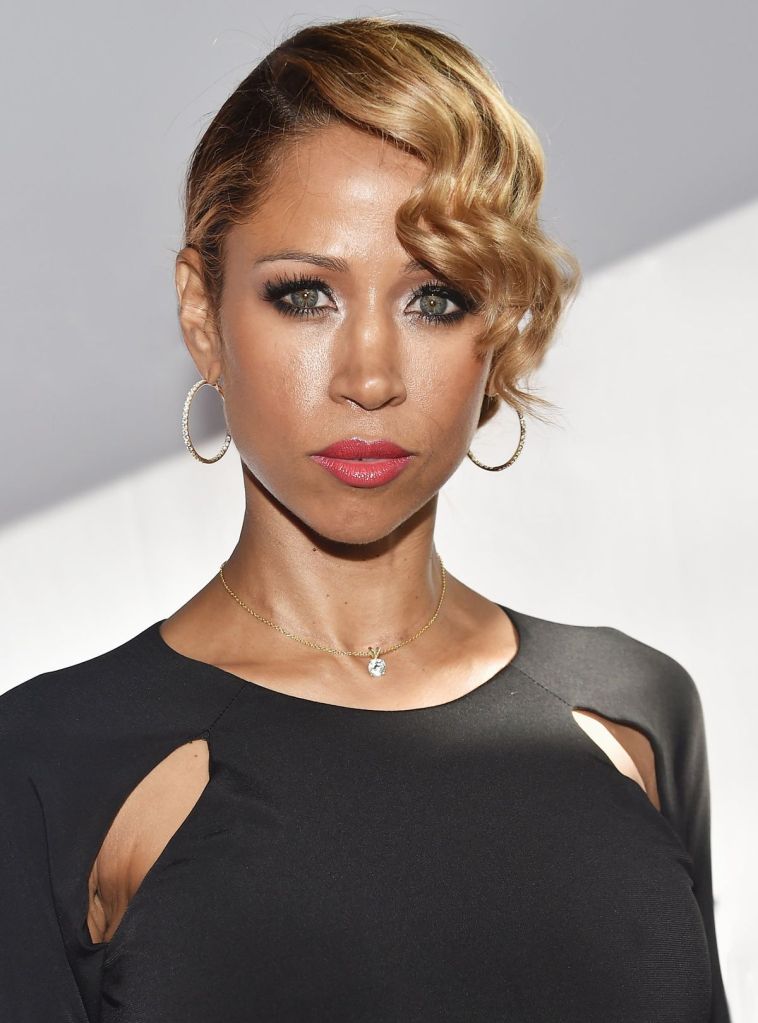
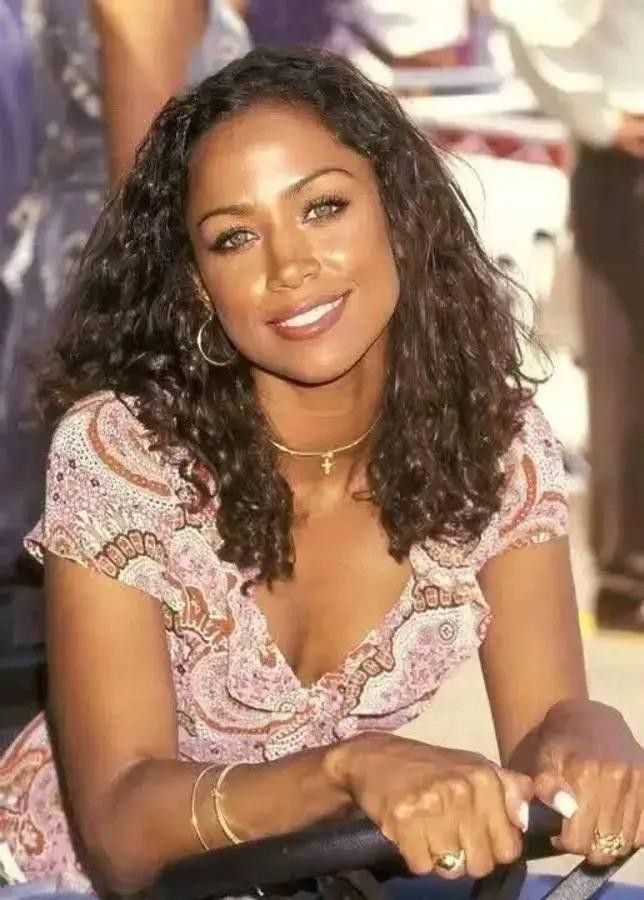
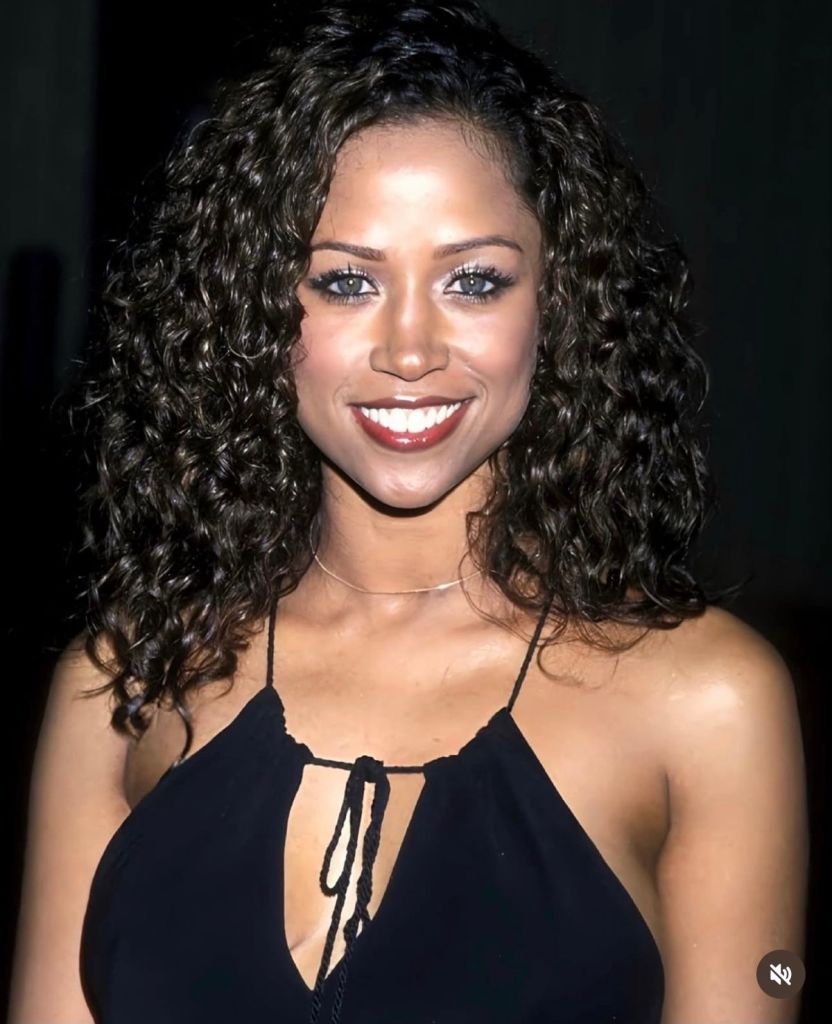
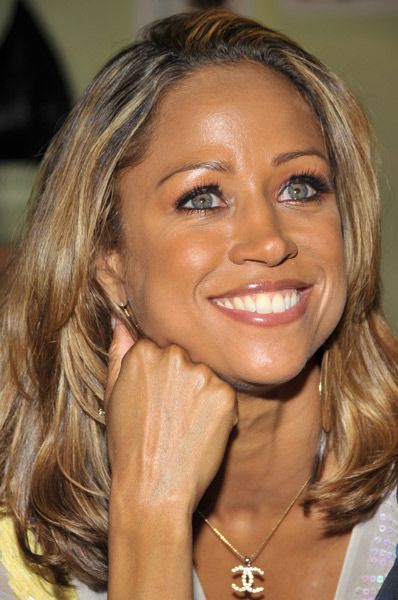
The Ebony Dolls: Stacey Dash

“Striking Beauty, Unforgettable Presence.”

This photograph is the property of its respective owner. No copyright infringement intended.

Stacey Dash is an actress and former television personality whose career spans film, television, and political commentary. Born Stacey Lauretta Dash on January 20, 1967, in the Bronx, New York, she rose to prominence in the 1990s as one of Hollywood’s most recognizable light-skinned Black actresses, known for her youthful appearance, symmetrical features, and refined on-screen charisma.

Dash was raised in a culturally diverse household. Her father is African American, and her mother is of Mexican and Afro-Bajan (Barbadian) descent. This blended heritage contributed to her distinctive look—high cheekbones, almond-shaped, striking green eyes, radiant complexion, and a delicate facial structure that often allowed her to portray characters younger than her actual age. Her beauty became one of her defining industry trademarks.

This photograph is the property of its respective owner.

She began her acting career in the mid-1980s, making her television debut in the NBC crime drama Crime Story (1985). Her first film appearance came in Enemy Territory (1987), followed by roles in films such as Moving, Mo’ Money, and Renaissance Man. These early roles positioned her within urban and mainstream cinema, but she had yet to achieve breakout stardom.

Her defining breakthrough came in 1995 with the teen comedy Clueless, where she portrayed Dionne Davenport alongside Alicia Silverstone. Although Dash was in her late twenties at the time, she convincingly played a fashionable high school student. The film became a cultural phenomenon, and Dionne’s stylish, witty, and confident persona cemented Dash as a pop-culture icon of the 1990s. She later reprised the role in the television adaptation of Clueless (1996–1999).

Throughout the late 1990s and early 2000s, Dash appeared in films such as View from the Top, Gang of Roses, and Paper Soldiers, as well as television programs including The Game and Single Ladies. She also appeared in music videos, most notably in Kanye West’s “All Falls Down,” which reintroduced her to a younger generation of viewers.

This photograph is the property of its respective owner. No copyright infringement intended.

In addition to acting, Dash transitioned into political commentary in the 2010s, becoming a contributor for Fox News. This career pivot sparked significant public discourse and polarized opinions, impacting her public image and altering the trajectory of her entertainment career.

In her personal life, Dash has been married multiple times and is the mother of two children. Despite public scrutiny and media attention surrounding her relationships and political views, she has remained a figure of fascination due to her longevity in public consciousness.

While Dash has not received major Academy-level awards, Clueless remains a cult classic, and her character Dionne continues to be referenced in discussions of 1990s fashion and teen cinema. Her cultural influence is tied heavily to that era’s aesthetic and the representation of affluent, stylish Black teen femininity in mainstream film.

This photograph is the property of its respective owner.

Why is she considered an “Ebony Doll”? The phrase, when used respectfully, reflects admiration for her polished features, petite frame, smooth complexion, and doll-like facial symmetry. She embodied a glamorous, fashion-forward image that blended softness with confidence. Her presence in Clueless especially presented a portrayal of a young Black woman who was affluent, articulate, stylish, and socially powerful—an image not commonly centered in 1990s teen films.

Stacey Dash represents a specific moment in Black pop culture history: the era of glossy, MTV-influenced cinema, high-fashion teen comedies, and multicultural casting that subtly shifted representation. Whether through admiration or controversy, her visibility has been enduring.

She remains a figure associated with timeless 1990s beauty, cultural conversation, and a defining cinematic role that continues to resonate decades later.


References

IMDb. (n.d.). Stacey Dash – Filmography and Biography.
Wikipedia contributors. (n.d.). Stacey Dash.
Paramount Pictures archives. Clueless (1995).
Fox News archives (2014–2017 contributor records).