
Category Archives: brown and bold

Brown and Bold: Owning Your Look, Your Voice, Your Power.

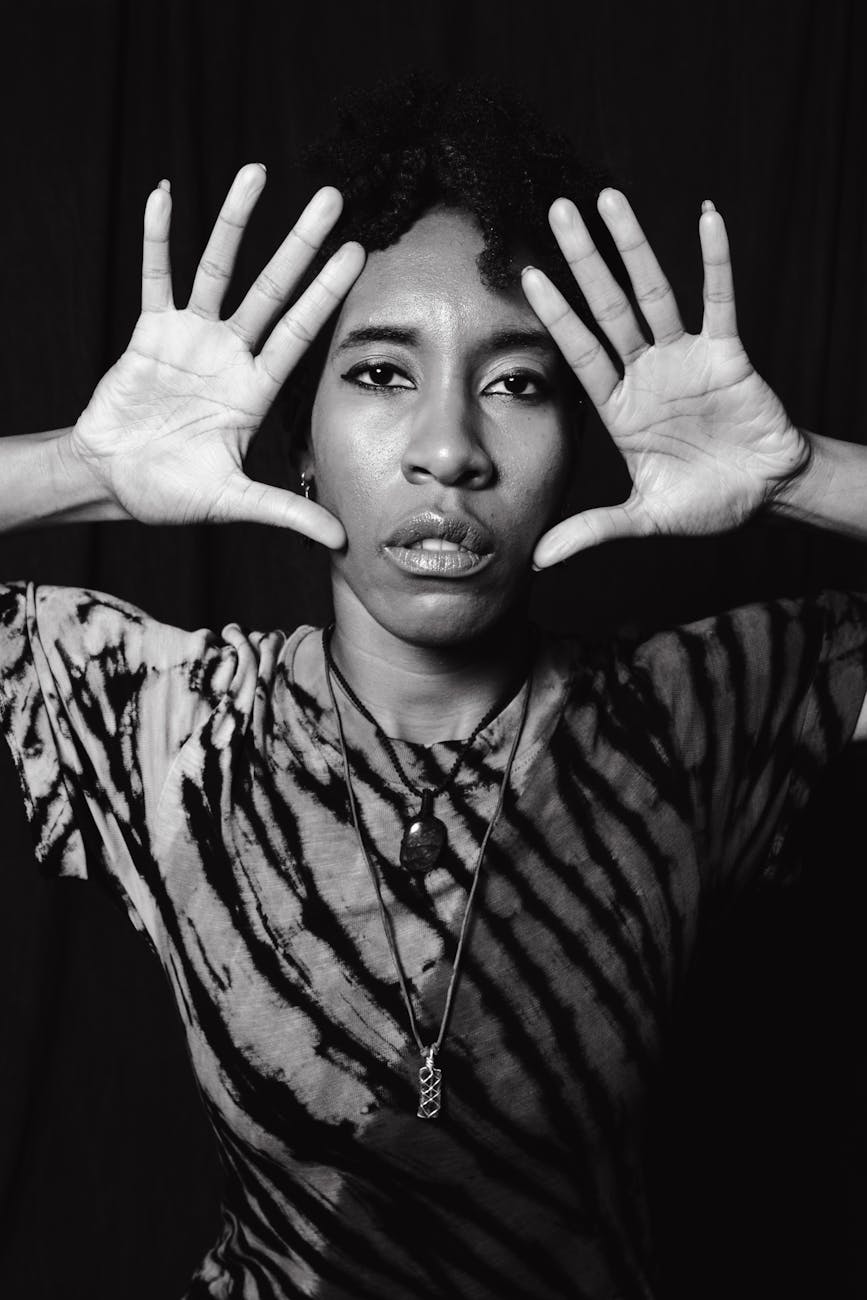
Photo by RDNE Stock project on Pexels.com

Being brown is more than a skin tone—it is a statement, a legacy, and a form of power. In a world where Eurocentric beauty standards dominate media and culture, claiming one’s brown skin, voice, and presence is an act of courage and self-determination. To be brown and bold is to assert identity unapologetically, embracing heritage, individuality, and influence in every facet of life.

Owning Your Look

Your appearance is a canvas that tells your story. Brown skin, in its many shades, reflects ancestry, resilience, and beauty. From deep cocoa to light caramel, each tone carries its own narrative, influenced by genetics, culture, and history. Embracing your natural look—including skin tone, hair texture, and style—is an act of self-love and defiance against societal pressures that seek to standardize beauty. Celebrities like Lupita Nyong’o, Tracee Ellis Ross, and Adut Akech exemplify how embracing natural beauty can shift perceptions globally. By owning your look, you claim authority over how the world sees you and how you see yourself.

Owning Your Voice

Boldness is not only visual—it is verbal. Speaking your truth, sharing your ideas, and asserting your perspective are vital components of personal power. Historically, Black and brown voices have been silenced or undervalued. Yet, modern movements, social media platforms, and cultural spaces offer opportunities to reclaim narrative authority. Writers, activists, and leaders like Chimamanda Ngozi Adichie, Ava DuVernay, and Issa Rae demonstrate that a confident voice—articulated with clarity and conviction—can inspire change, representation, and empowerment. Owning your voice means refusing to shrink, to apologize, or to be invisible.

Owning Your Power

Power is cultivated when look and voice align with self-awareness and purpose. It is the confidence to navigate spaces that were historically unwelcoming, to excel in careers, relationships, and creative pursuits. Brown individuals often carry the weight of societal bias, yet choosing boldness transforms that weight into strength. Power is expressed through education, entrepreneurship, artistry, advocacy, and leadership. It is the recognition that your identity is an asset, not a limitation.

Brown and Bold Manifesto: Owning Your Look, Your Voice, Your Power

1. Own Your Look
Affirmation: “My skin, my hair, my style are my crown. I honor my heritage and radiate confidence.”

Action Steps:

  • Stand before a mirror daily and affirm the beauty of your skin tone.
  • Experiment with hairstyles, fashion, or makeup that makes you feel authentic.
  • Document your style journey in photos or journaling to celebrate growth.

2. Own Your Voice
Affirmation: “My words matter. I speak with clarity, courage, and conviction.”

Action Steps:

  • Practice speaking your ideas aloud, even in small, private spaces.
  • Share your thoughts through writing, social media, or creative outlets.
  • Join communities or groups that uplift and amplify brown voices.

3. Own Your Power
Affirmation: “I am a force of resilience, creativity, and influence. My power is undeniable.”

Action Steps:

  • Set personal goals in career, education, or artistry and take daily steps toward them.
  • Celebrate achievements—big or small—without minimizing your accomplishments.
  • Engage in mentorship or community projects that allow you to uplift others.

4. Cultivate Confidence
Affirmation: “I embrace every shade of me. Confidence flows from acceptance and pride.”

Action Steps:

  • Identify moments of self-doubt and counter them with empowering affirmations.
  • Limit exposure to media or environments that diminish your self-worth.
  • Surround yourself with people who celebrate your identity.

5. Celebrate Heritage and Legacy
Affirmation: “I honor the stories of those who came before me. Their resilience is my foundation.”

Action Steps:

  • Learn about your ancestry and cultural heritage.
  • Share stories of empowerment from your community or family.
  • Use rituals, art, or reflection to honor the legacy of brown excellence.

6. Daily Boldness Practice
Affirmation: “Each day, I choose to be unapologetically me.”

Action Steps:

  • Take one small bold action every day: a statement outfit, a confident opinion, or a new endeavor.
  • Journal reflections on how these actions make you feel empowered.
  • Recognize that boldness is a muscle—strength grows with daily practice.

Psychology of Boldness and Confidence

Psychological research shows that self-affirmation, representation, and cultural pride enhance confidence and resilience (Hunter, 2007). When brown individuals see themselves reflected in positions of influence and media, it validates their worth and encourages bold self-expression. Boldness is thus both an internal practice and a social statement—building confidence while challenging external bias.

Cultural and Spiritual Dimensions

Culturally, brownness is a celebration of lineage, ancestry, and shared history. Spiritually, it is affirmed as beautiful and worthy (Song of Solomon 1:5 KJV). Embracing skin, voice, and power is not vanity—it is reclamation. It is honoring the legacy of those who endured oppression, yet persevered, leaving a foundation upon which boldness can thrive today.

Conclusion

To be brown and bold is to live authentically, unapologetically, and courageously. It is to honor your look, amplify your voice, and wield your power. Every choice—to speak, to create, to lead—is a testament to resilience and self-determination. Brownness is not merely a shade; it is a force, a legacy, and a declaration: we see ourselves, we value ourselves, and we shape the world boldly. The Brown and Bold Manifesto is a daily roadmap to self-empowerment. By intentionally embracing your look, voice, and power, you cultivate confidence, resilience, and pride. Boldness is not about perfection—it’s about authenticity, self-love, and the courage to inhabit your full identity unapologetically.


References

  • Hunter, M. (2007). The Persistent Problem of Colorism: Skin Tone, Status, and Inequality. Sociology Compass, 1(1), 237–254.
  • The Holy Bible, King James Version. (1611). Song of Solomon 1:5.
The Black Woman: The Force of Nature

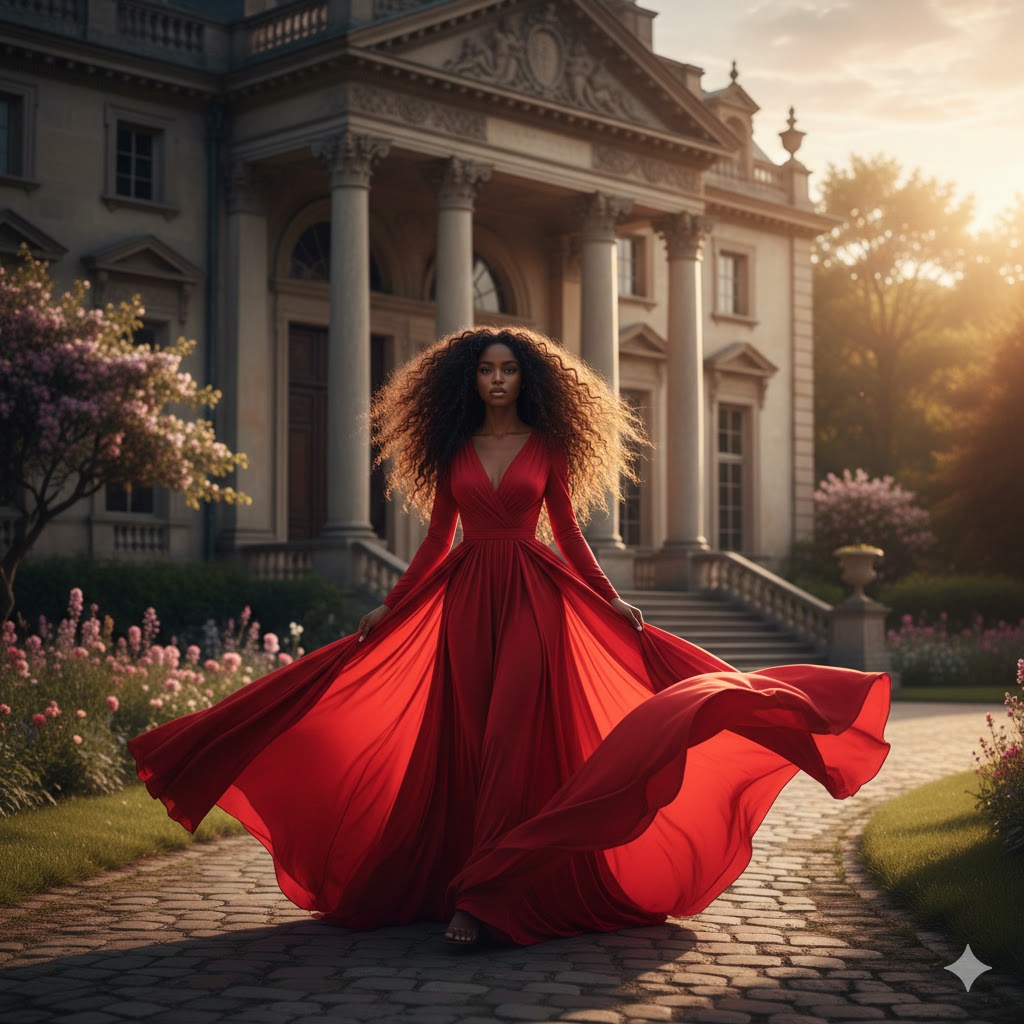
The Black woman is a force of nature—powerful, unbreakable, and extraordinary. She carries a presence that cannot be imitated or minimized. Her soul holds a depth that comes from surviving centuries of oppression while still producing brilliance, culture, and generational resilience. The Most High has gifted her with a spirit that stands tall in storms and shines even in darkness. She is not merely strong—she is strength itself.

Her beauty is unparalleled. From the richness of her melanin to the depth of her features, the Black woman embodies divine artistry. Her skin, kissed by the sun, radiates warmth and royalty. Her hair, in all its textures and forms, is a crown of glory that speaks of identity, culture, and heritage. She is beauty beyond measure—beauty that the world often tries to imitate but can never fully replicate.

The Black woman’s heart is expansive. She loves deeply, often beyond her own capacity, because she understands sacrifice. She loves with intention, commitment, and soul. She shows up for others even when her own heart is weary. Her compassion is not weakness—it is spiritual strength that transforms families, communities, and nations.

Black women are the backbone of their households. They nurture, teach, build, discipline, and uplift. Many have raised generations with limited resources yet produced kings, queens, scholars, and leaders. Their motherhood is a sacred duty, executed with grace and power. Proverbs 31:25 describes her perfectly: “Strength and honour are her clothing; and she shall rejoice in time to come.”

The Black woman carries a unique spiritual intuition. She discerns danger, reads emotion, and senses the unseen. Her prayers cover entire families. Her intercession has saved countless lives. She is a warrior in the spiritual realm, fighting battles that others may never know about.

Her strength is unmatched. Not only does she endure trials, but she transforms them into triumph. History proves this—from surviving slavery, segregation, and systemic injustice, to rising as leaders, educators, innovators, and cultural icons. The Black woman embodies resilience that cannot be taught; it is inherited, divine, and ancestral.

Black women hold up Black men with loyalty, encouragement, and unwavering belief. Even when society tears Black men down, the Black woman often stands beside them as a pillar of support. She speaks life into her husband, her father, her sons, and her brothers. She sees their greatness even when the world tries to blind them.

For Black sons, she is the first love, the first teacher, the first safe place. She nurtures them into men, instilling courage and identity. For Black daughters, she is the blueprint. She models strength, elegance, intelligence, and survival. Her daughters learn womanhood by watching her endure with dignity.

Her intellect is sharp and expansive. Black women are scholars, scientists, theologians, mothers, CEOs, creators, and innovators. Despite being doubted and underestimated, they continue to excel in every field imaginable. They shatter ceilings that were never designed to include them.

The Black woman’s creativity breathes life into culture. Music, fashion, language, dance, and art—Black women have shaped global culture with little credit and even less recognition. Their ingenuity inspires the world, even when the world refuses to honor its source.

Her emotional strength is both beautiful and misunderstood. She feels deeply yet carries herself with composure. Her pain becomes poetry. Her wounds become wisdom. Her journey becomes testimony. Through heartbreak, she rebuilds; through betrayal, she forgives; through loss, she rises again.

Black women are natural leaders. Their presence commands respect not because they demand it, but because they embody it. They lead with compassion, strategy, intuition, and power. Their leadership has sustained movements, communities, and families throughout generations.

She carries cultural memory. Within her is the story of her ancestors—their survival, their songs, their traditions. She subconsciously preserves history through her cooking, her storytelling, her faith, and her rituals. She is a living heritage.

She is a healer. From herbal knowledge to emotional nurturing, the Black woman restores what is broken. Her hands comfort, her words soothe, and her presence brings peace. Her resilience heals generations that come after her.

The Black woman is loyal. She stands when others walk away. She believes when others doubt. She gives when others take. Her loyalty is not naive—it is rooted in her spiritual calling to uplift those she loves.

She is fierce when necessary. Her fire is sacred. She defends her children, her family, her purpose, and her identity with unwavering determination. She does not fear challenges because she has faced greater battles and conquered them.

Her faith is powerful. Through every trial, she calls on the Most High. Her relationship with God sustains her in ways the world cannot understand. She is a woman of prayer, a woman of scripture, a woman of faith. As Psalm 46:5 affirms, “God is in the midst of her; she shall not be moved.”

Her presence elevates spaces. When a Black woman walks into a room, the atmosphere shifts. Her confidence, her elegance, her energy—these things are felt, not just seen. She is a force, a storm, a sunrise.

The Black woman is worthy of honor. Worthy of rest. Worthy of celebration. Worthy of love. Her contribution to the world is immeasurable and irreplaceable. She is the heartbeat of her community, the anchor of her family, and the embodiment of God’s creativity.

The Black woman is a force of nature—powerful, breathtaking, essential, and divine. The world is better because she exists.


References

  • Proverbs 31:25 (KJV)
  • Psalm 46:5 (KJV)
  • Collins, P. H. (2000). Black Feminist Thought.
  • hooks, bell. (1981). Ain’t I a Woman: Black Women and Feminism.
  • Martin, D. (2017). Black Women in the United States: Progress and Pitfalls.