Category Archives: Book Reviews

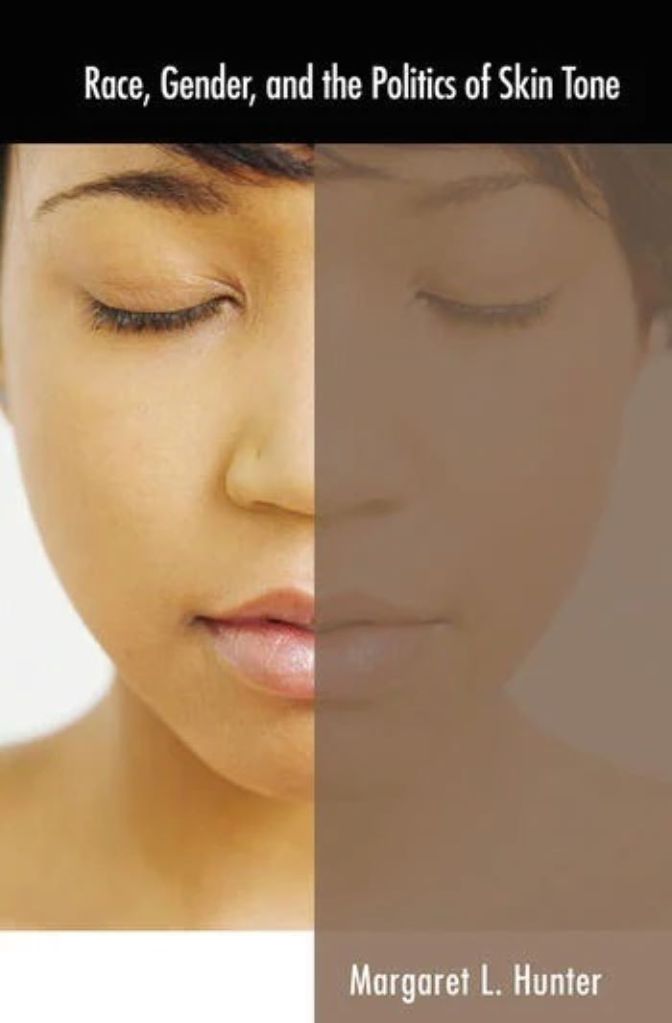
📖Book Review: Race, Gender, and the Politics of Skin Tone by Margaret L. Hunter.

⭐⭐⭐⭐⭐ 5/5 Stars

Race, Gender, and the Politics of Skin Tone

Published in 2005, this book examines how skin tone operates as a system of privilege and discrimination within African American and Mexican American communities. Drawing from in-depth interviews, historical records, and social analysis, Hunter demonstrates how lighter-skinned women often experience greater access to education, employment, and marriage opportunities, while darker-skinned women endure bias, invisibility, and stigmatization. The book situates colorism as both a legacy of colonialism and a persistent barrier to equality in modern society.

Key Points
Hunter highlights several key insights:

  • Historical Foundations: She situates colorism within slavery and colonization, exposing how whiteness and lightness were tied to power.
  • Socioeconomic Disparities: Lighter-skinned women are statistically more likely to access higher-paying jobs, higher levels of education, and “marry up.”
  • Beauty and Body Politics: The text addresses cosmetic pressures, including skin-lightening and surgery to alter facial features, showing how systemic bias reshapes physical identity.
  • Community Paradoxes: Dark-skinned women are often seen as “authentic,” while lighter-skinned women are more widely valued in mainstream society—a painful double standard.

Awards and Reception
Although not listed among mainstream literary award winners, Race, Gender, and the Politics of Skin Tone is regarded as a groundbreaking scholarly text and is widely adopted in college courses on race, gender, sociology, and African American studies. Scholars have praised it for being the first major sociological study to center on colorism across both African American and Mexican American contexts. Its academic influence is measured not in trophies but in citations, class adoptions, and the shaping of future research.

Groundbreaking and Life-Changing Appeal
The book is groundbreaking because it shifts the conversation from race alone to skin tone as an independent and powerful axis of inequality. For readers, it is often life-changing: it validates the lived experiences of women who have faced color-based bias, offering language and evidence where silence once reigned. By connecting personal testimony to systemic inequality, Hunter’s work affirms that the struggles surrounding beauty, identity, and skin tone are not individual failings but social constructions that must be dismantled.

Comparison with Other Works on Colorism
Hunter’s work stands alongside other landmark texts in the study of colorism. For example, Russell, Wilson, and Hall’s The Color Complex (1992, revised 2013) offered one of the earliest explorations of colorism in Black communities, focusing on the psychological effects of shade hierarchies. While The Color Complex is accessible and widely read, Hunter builds on this foundation with a more rigorous sociological methodology and a comparative lens that includes Mexican American experiences. Similarly, Melissa V. Harris-Perry’s Sister Citizen (2011) examines stereotypes and identity struggles of Black women in politics and culture; however, Hunter’s work is narrower in scope, diving deeply into skin tone stratification. Together, these books complement each other—The Color Complex exposing cultural wounds, Race, Gender, and the Politics of Skin Tone providing sociological depth, and Sister Citizen situating those struggles in broader systems of power.

Cultural and Media References
Though exact counts of media and blog citations are difficult to track, Hunter’s book is heavily referenced in academic articles, blogs on colorism, and grassroots discussions about skin tone politics. It frequently appears in bibliographies of colorism studies and has influenced cultural commentary from scholarly circles to online forums. Its resonance lies not only in academia but also in popular conversations about beauty, identity, and racial equity.

Author Bio
Margaret L. Hunter, a distinguished sociologist and professor, is widely recognized for her pioneering scholarship on race, gender, and inequality. Her academic career and cultural analyses have cemented her reputation as one of the leading voices on the study of colorism. As a faculty member at Loyola Marymount University and later at Mills College, Hunter has built her career on amplifying the voices of marginalized communities, specifically African American and Mexican American women.

Conclusion
Hunter’s Race, Gender, and the Politics of Skin Tone stands as one of the most significant works on colorism to date. Compared to The Color Complex and Sister Citizen, it represents the sociological anchor of colorism studies: data-driven, intersectional, and cross-cultural. It offers both a mirror—revealing the painful realities of shade bias—and a compass, pointing toward new ways of affirming beauty and worth beyond oppressive hierarchies. For scholars, activists, and readers seeking understanding, it remains a 5-star, essential text that is as relevant today as when it was first published.


References

Craig, M. L. (2002). Ain’t I a Beauty Queen?: Black Women, Beauty, and the Politics of Race. Oxford University Press.

Glenn, E. N. (2008). Yearning for lightness: Transnational circuits in the marketing and consumption of skin lighteners. Gender & Society, 22(3), 281–302.

Hunter, M. (2005). Race, Gender, and the Politics of Skin Tone. Routledge.

Keith, V. M., & Herring, C. (1991). Skin tone and stratification in the Black community. American Journal of Sociology, 97(3), 760–778.

Russell, K., Wilson, M., & Hall, R. (2013). The Color Complex: The Politics of Skin Color in a New Millennium. Anchor Books.

Harris-Perry, M. V. (2011). Sister Citizen: Shame, Stereotypes, and Black Women in America. Yale University Press.
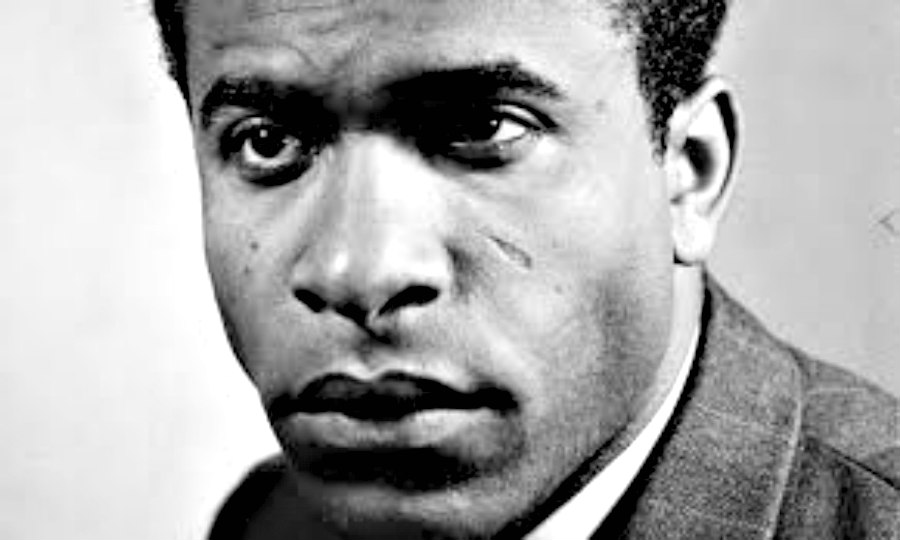
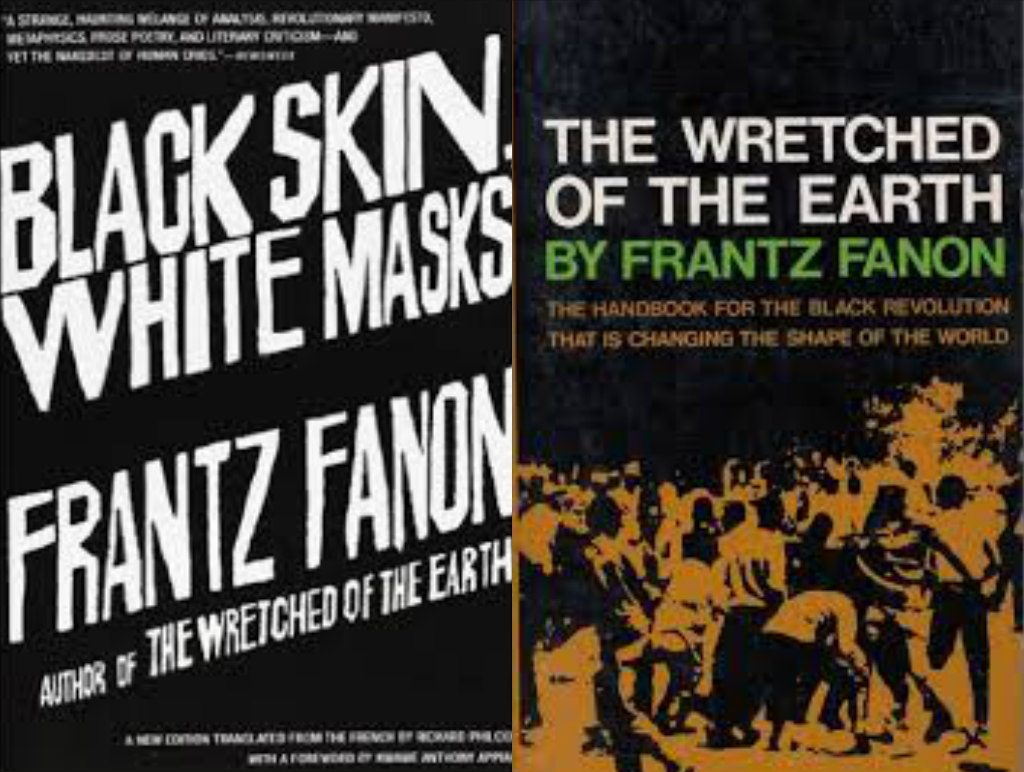
DOUBLE BOOK REVIEW: Black Skin, White Masks & The Wretched of the Earth by Frantz Fanon.

Frantz Fanon: The Revolutionary Mind of Black Liberation
Featuring Reviews of Black Skin, White Masks and The Wretched of the Earth


Who Was Frantz Fanon? Biography & Nationality

Frantz Omar Fanon was born on July 20, 1925, in Fort-de-France, Martinique, a French colony in the Caribbean. He was a Black psychiatrist, writer, revolutionary theorist, and anti-colonial activist. Fanon was of French nationality, since Martinique was a French territory, but he fiercely rejected colonial identity and became one of the most radical critics of French imperialism.

He grew up speaking French and was educated in the French system, but his experience as a Black man in a white-dominated society led him to reject colonial assimilation and instead advocate for African liberation.


His Marriage and Personal Life

Fanon married Josie (Marie-Josephe) Dublé, a white Frenchwoman, who was a nurse. This marriage sparked controversy, as Fanon wrote passionately against white colonialism and the psychological effects of internalized whiteness among Black people. Yet, he also saw personal relationships as complex and never viewed love solely through political binaries.

They had one son, Olivier Fanon.


His Language and Writing

Fanon wrote in French, and both of his major works have been translated into many languages, including English, Spanish, Arabic, and Portuguese, making his ideas accessible to freedom fighters and intellectuals around the world.


Life in Martinique and France: The Formation of a Revolutionary

Growing up in Martinique, Fanon was considered part of the Black middle class. However, he became deeply disillusioned with the racism of the French colonial structure, even in his homeland. He witnessed colorism, elitism, and a system that trained Black people to idolize whiteness.

He later moved to France to study psychiatry. As a young man, he fought in World War II for the Free French forces, believing in liberty and equality. But upon returning, he was met with the same anti-Black racism, even by those who had called him a fellow soldier. This double betrayal pushed him to rethink everything about colonialism, identity, and liberation.


Fanon wasn’t just a theorist; he joined the Algerian Revolution against French colonial rule, working as a psychiatrist and strategist for the National Liberation Front (FLN) in Algeria.

He treated Algerian fighters traumatized by war, and he exposed the use of torture by the French. His writings were not abstract—they were tools of war. The French authorities expelled him from Algeria for his radicalism, and he spent his remaining years helping liberation movements across Africa, including in Ghana and the Congo.


📘 Book Review: Black Skin, White Masks

⭐️⭐️⭐️⭐️⭐️

Published: 1952

Language: French (translated to English by Charles Lam Markmann)

Original Title: Peau Noire, Masques Blancs

This book is a psychological and philosophical dissection of what it means to be Black in a world built on white supremacy. Fanon dives deep into the Black psyche under colonialism, examining how racism shapes identity, self-worth, language, and love.

Key Messages and Themes:

  1. The Inferiority Complex of the Colonized:
    Black people, especially those educated in white systems, are taught to hate themselves and to wear “white masks” to be accepted.
  2. Language as a Tool of Oppression:
    Speaking French “well” became a way to be seen as civilized, but Fanon argued that this was a linguistic betrayal of self.
  3. Desire for Whiteness:
    Fanon was critical of Black men who sought white women to gain status, and Black women who rejected their own features for European beauty standards.
  4. Racism as a Mental Illness:
    He saw racism not just as social injustice but as a psychiatric condition—both for the oppressed and the oppressors.

“The Black man has no resistance against the white man’s culture. He becomes a mimic man.”
—Frantz Fanon, Black Skin, White Masks

🔥 Impact on the Black Psyche

The book shattered illusions. It revealed how colonialism invaded the mind, creating identity crises and self-hatred. It gave Black people language to understand their trauma and tools to decolonize the self.


📕 Book Review: The Wretched of the Earth

⭐️⭐️⭐️⭐️⭐️

Published: 1961 (just before his death from leukemia at age 36)

Translated by: Constance Farrington

Original Language: French

Introduction by: Jean-Paul Sartre

This is Fanon’s revolutionary manual, a blistering indictment of colonial violence and a blueprint for third-world liberation. Written from the frontlines of the Algerian War, it calls for armed struggle, psychological liberation, and national consciousness.

Key Messages and Chapters:

  1. “Violence is cleansing.”
    Fanon controversially argues that for the colonized to reclaim their dignity, violence is inevitable and purifying. It is how the oppressed reclaim agency.
  2. Mental Illness as a Colonial Weapon
    Fanon documents how colonial trauma causes paranoia, psychosis, and inferiority, especially among youth and fighters.
  3. Revolution Must Go Beyond Nationalism
    Independence is not enough. True liberation must dismantle capitalism, Western models of power, and Eurocentric values.
  4. Warning to Post-Colonial Elites
    Fanon criticized new African leaders who replaced white rulers but served the same Western interests, failing to uplift the masses.

“The colonized can see right away if decolonization is taking place or not. The minimum demand is for the colonized to govern their own country.”
—Frantz Fanon, The Wretched of the Earth


Why Was Fanon Revolutionary?

At a time when France still claimed moral superiority, Fanon exposed the brutality of its empire, tearing down illusions of liberal democracy. His insistence on psychological freedom, militant resistance, and cultural pride made him a hero to Black radicals and a threat to white colonial powers.


How Were Black People Seen in His Time?

In France and its colonies, Black people were exoticized, infantilized, and oppressed. They were taught that whiteness was superior, and “becoming French” was their highest goal. Fanon rejected this with rage and clarity.


Did His Light Skin Give Him Privilege?

Fanon was of mixed ancestry, and his relatively light skin may have given him closer access to French intellectual circles, but he rejected any identity built on proximity to whiteness. He used his position to amplify the pain and resistance of the oppressed, never to benefit personally.

His “je ne sais quoi” was not his skin—it was his brilliance, passion, and fearlessness.


What Was His Impact on Black People Worldwide?

Fanon inspired:

  • The Black Panther Party
  • South African anti-apartheid fighters
  • Caribbean and African revolutions
  • Black Lives Matter and global liberation movements
  • Scholars like bell hooks, Ngũgĩ wa Thiong’o, Angela Davis, and Malcolm X

His writings gave language to the rage and hope of colonized people and continue to empower those fighting white supremacy.


💡 Core Messages of Both Books

  • Colonialism is not just political—it is psychological.
  • Racism creates internalized hatred that must be unlearned.
  • Liberation requires both mental and physical decolonization.
  • Black identity must be rebuilt on truth, history, and cultural pride.
  • Freedom is not given—it must be seized.

Conclusion: The Fire That Still Burns

Frantz Fanon lived only 36 years, but he changed the world. He exposed the invisible chains in the Black mind and gave us tools to break them. His books are not just texts—they are weapons.

“Each generation must, out of relative obscurity, discover its mission, fulfill it, or betray it.”
—Frantz Fanon

Fanon fulfilled his mission. The question now is—will we fulfill ours?

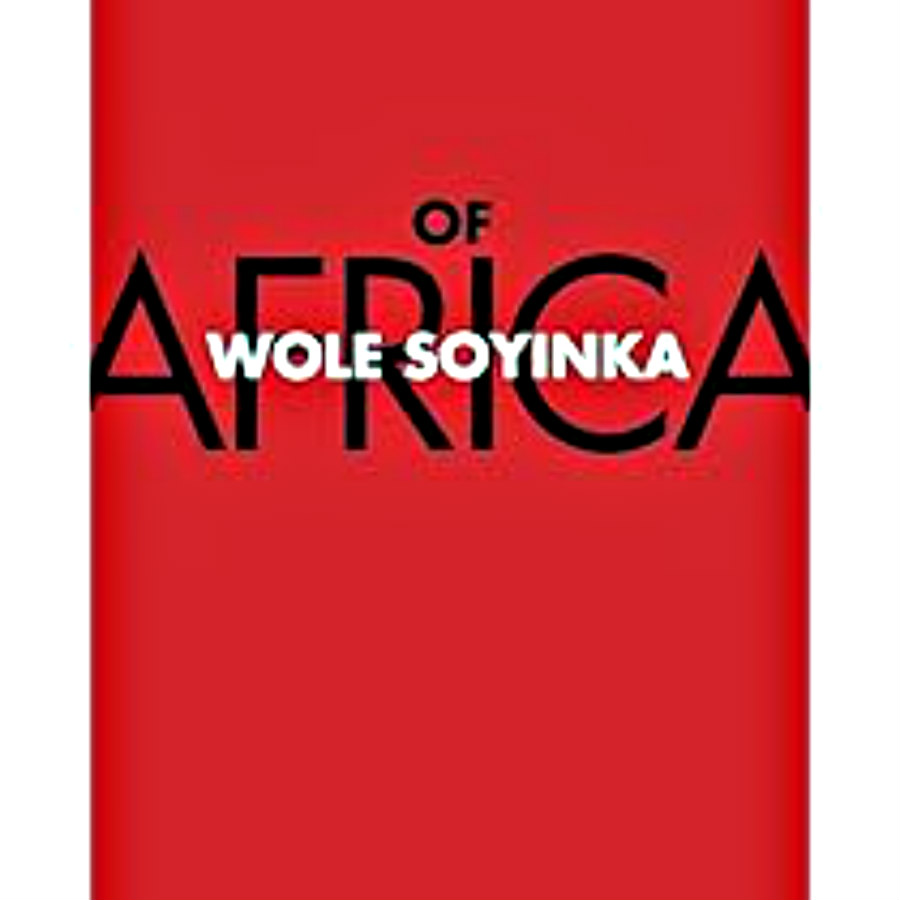
BOOK REVIEW: Of Africa by Wole Soyinka

🌍✨

Wole Soyinka: Africa’s Lion of Letters, Conscience of a Continent
Featuring a 5-Star Review of Of Africa.


Who Is Wole Soyinka? A Biographical Portrait

“One’s own self-worth, in any racial equation, comes from within. Black people have been conditioned to see themselves through the lens of others, but we must break that mirror.”
—Wole Soyinka

Wole Soyinka (full name: Akinwande Oluwole Babatunde Soyinka) was born on July 13, 1934, in Abeokuta, Nigeria, during British colonial rule. He is one of Africa’s most revered playwrights, poets, novelists, essayists, and political activists, celebrated globally for his commitment to human rights, intellectual freedom, and the restoration of African dignity.

Soyinka made history in 1986 when he became the first African to win the Nobel Prize in Literature, honored for his poetic, theatrical, and political brilliance. The Nobel committee described him as someone who “in a wide cultural perspective and with poetic overtones fashions the drama of existence.”

Family Life

Wole Soyinka has been married three times. His current wife is Folake Doherty-Soyinka, a Nigerian academic. He is the father of several children, including Dr. Olaokun Soyinka, a physician and former health commissioner in Ogun State, Nigeria.


What Part of Africa Is He From?

Soyinka hails from Nigeria, specifically from the Yoruba ethnic group in the southwestern region. His upbringing was deeply influenced by Yoruba culture and Christian missionary education, which shaped the duality of indigenous spirituality and Western thought that marks his writing.


🧠 What Kind of Writer Is He?

Soyinka is a philosophical writer, dramatist, essayist, poet, and social critic, known for weaving together African mythology, colonial history, Western classics, and moral critique. His tone ranges from satirical and dramatic to elegiac and prophetic. He speaks not only for Nigeria but for the global African experience, standing as a literary giant akin to James Baldwin, Chinua Achebe, and Ngũgĩ wa Thiong’o.

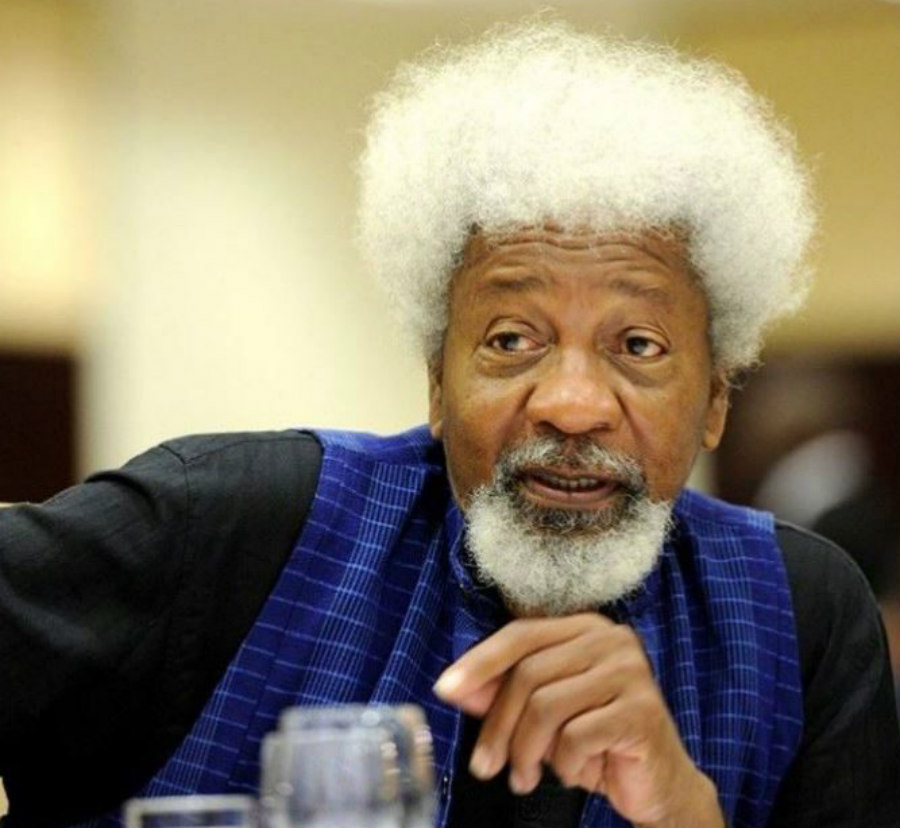
“His gray-white halo speaks volumes, even when he says nothing.”
—A fitting tribute to the dignified, sage-like presence of Wole Soyinka.


📚 Five-Star Book Review: Of Africa

By Wole Soyinka
Rating: ⭐⭐⭐⭐⭐ (Masterpiece of Culture, Memory, and Identity)

Premise and Purpose

Published in 2012, Of Africa is a deeply personal, philosophical, and historical exploration of the continent’s struggles and triumphs. Soyinka aims to reclaim the spiritual and cultural identity of Africa from the misrepresentations of colonialism, slavery, and religious extremism. The book is part memoir, part manifesto, and part historical critique.

What Is Of Africa About?

Soyinka addresses the historical scars of Africa—from the transatlantic slave trade and colonialism to genocides, dictatorships, and religious intolerance. He reflects on the failures of post-independence leadership in many African states, while also uplifting the resilience, creativity, and spiritual wealth of African people.

Key Themes and Discoveries

  1. Spiritual Pluralism vs. Religious Fanaticism
    Soyinka condemns religious extremism, both Islamic and Christian, for fueling violence and suppressing indigenous African wisdom. He calls for religious tolerance and cultural syncretism, rooted in African traditions of peace and coexistence.
  2. Memory as Resistance
    He insists that remembering Africa’s true history—its empires, philosophies, and cosmologies—is essential for reclaiming Black identity and sovereignty.
  3. Pan-Africanism and Black Unity
    Soyinka invokes the diasporic connection between Africans on the continent and those in the Americas, the Caribbean, and Europe, urging solidarity and mutual uplift.
  4. Art as Weapon
    He advocates for the power of literature, drama, and poetry as tools for liberation and truth-telling.

“The black race is the most visible and symbolic victim of an enduring system of global injustice.”
—Wole Soyinka, Of Africa


Soyinka has used his pen, voice, and body in the fight for African liberation:

  • Imprisoned for nearly two years (1967–1969) by the Nigerian government for calling for peace during the Biafran War.
  • Spoke out against military dictatorships in Nigeria, particularly under Sani Abacha, risking exile and even his life.
  • Founded educational and cultural institutions that promoted African literature and history.
  • Mentored African writers, scholars, and activists, creating space for Black thought to flourish globally.

His intellectual work has inspired liberation movements, African-American scholars, and truth-seekers across the diaspora.


Wole Soyinka is a fierce human rights activist and political dissident. Throughout his life, he has challenged:

  • Colonialism
  • Military tyranny
  • Religious extremism
  • Western imperial narratives
  • Internal African corruption

He was forced into exile multiple times for his activism, but never silenced. His speeches, essays, and plays often act as calls to action.


His Role in Nigeria’s History

  • Participated in Nigeria’s civil rights movement during and after independence in 1960.
  • Fought for Biafran peace, which led to his arrest.
  • Opposed authoritarian regimes that suppressed civil liberties and looted the nation’s wealth.
  • Continues to speak out on matters of African governance, education, and Pan-African cooperation.

Wole Soyinka’s life and work are a testament to intellectual liberation for Black people worldwide. He:

  • Challenged white supremacy’s narrative of Africa as primitive.
  • Celebrated Yoruba cosmology, Black resilience, and artistic excellence.
  • Spoke unapologetically to the power, dignity, and capacity of Black people.
  • Helped restore Africa’s intellectual and cultural pride on the global stage.


Conclusion: The Elder Sage of African Letters

Wole Soyinka is not just a writer—he is a keeper of memory, a warrior of truth, and a griot for the global Black soul. His white-gray afro and piercing gaze symbolize a life lived in pursuit of justice and ancestral honor. He is a living bridge between the ancient African past and the liberated Black future.

If you’ve ever been fascinated by Africans, as you said, then Soyinka is one of Africa’s finest mirrors—reflecting truth, pain, beauty, resistance, and eternal pride.


Suggested Reading List by Wole Soyinka

  1. Of Africa (2012)
  2. Death and the King’s Horseman (1975) – A powerful play on colonial conflict and Yoruba ritual.
  3. Ake: The Years of Childhood (1981) – A beautiful autobiographical memoir.
  4. The Man Died: Prison Notes of Wole Soyinka (1972) – His reflections from solitary confinement.
  5. Myth, Literature and the African World (1976) – A profound study of African cosmology and art.

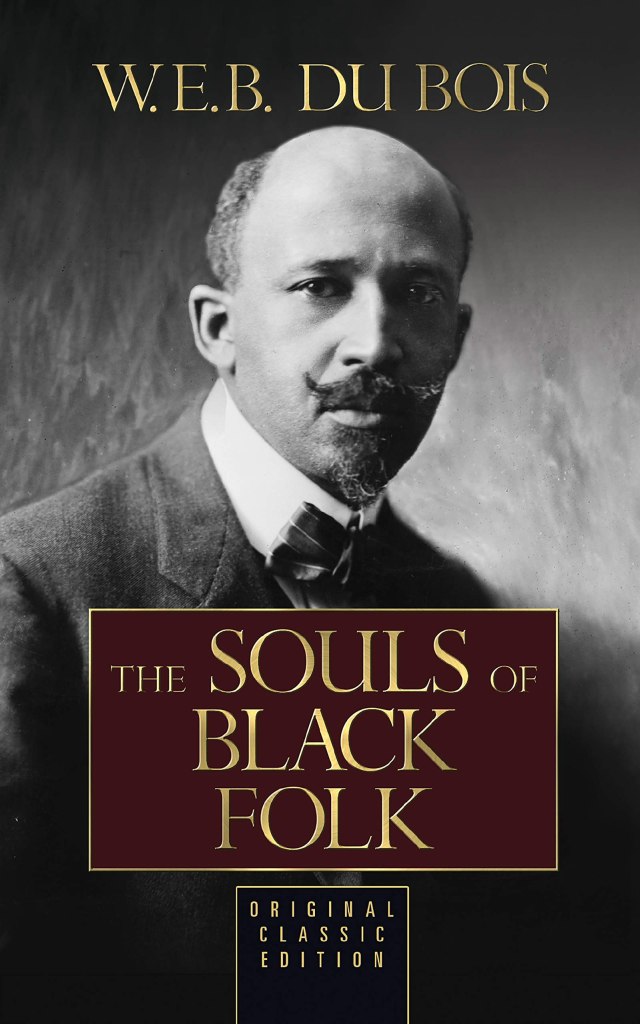
BOOK REVIEW: The Souls of Black Folk by W.E.B. Du Bois

W. E. B. Du Bois (1868–1963) was a pioneering African American scholar, sociologist, historian, author, and civil rights activist whose work transformed the intellectual and political landscape of the 20th century. Born in Great Barrington, Massachusetts, Du Bois was one of the first Black Americans to grow up in a predominantly white community with access to integrated schools. He went on to become the first Black person to earn a Ph.D. from Harvard University, later studying at the University of Berlin. A tireless advocate for racial equality, Du Bois challenged systemic racism through groundbreaking scholarship and bold public advocacy. His landmark 1903 work, The Souls of Black Folk, introduced the concept of double consciousness and called for the political, educational, and social uplift of African Americans. Du Bois co-founded the NAACP and used the power of the pen and protest to fight lynching, segregation, and disenfranchisement. His light skin, though sometimes noted by others, never distracted from his unwavering commitment to Black liberation; he used his voice, platform, and brilliance not for personal elevation but to awaken the conscience of a nation and demand justice for his people. Throughout his life, Du Bois remained a fierce critic of racism and an uncompromising advocate for the dignity, intellect, and future of Black humanity worldwide.

Version 1.0.0

📚 Book Review — The Souls of Black Folk by W. E. B. Du Bois

Rating: ⭐⭐⭐⭐⭐
Published: 1903

Premise & Overview

A foundational collection of essays introducing his theory of double consciousness—the enduring inner conflict experienced by Black Americans: “two souls, two thoughts… two warring ideals in one dark body” Owlcation+15Encyclopedia Britannica+15Biography+15. Du Bois rejects the philosophy of accommodation promoted by Booker T. Washington and calls for full civil rights, higher education, and leadership from the Black “Talented Tenth” Wikipedia+14Encyclopedia Britannica+14PBS+14.

Key Themes and Impact

  • Double Consciousness: The psychological toll of seeing oneself through white society’s contempt, leading to internal division Encyclopedia Britannica.
  • Critique of Washington’s Strategy: Du Bois charged that Washington “practicably accepts the alleged inferiority of the Negro races,” arguing that his approach would perpetuate submission The New Yorker+15Encyclopedia Britannica+15Wikipedia+15.
  • Higher Education & Political Rights: He championed classical education and equal voting rights to produce leaders who could uplift the race Biography+2Reddit+2Reddit+2.
  • Pan-African Vision: Du Bois writes about a global color line and anticipated colonial revolutions and Pan-African unity Wikipedia.

How It Changed Black Lives

  • Served as the intellectual bedrock of the NAACP and the civil rights movement, providing theoretical clarity and radical urgency Encyclopedia BritannicaPBS.
  • Spurred the rise of the Black middle class via legitimizing higher education and civic activism Wikipedia.
  • Became a founding text of Black protest literature, galvanizing generations of activists and scholar-intellectuals Reddit+2Reddit+2Reddit+2.

Celebration & Reception

Awards and Honors

  • The book itself did not win contemporary awards, but it has been honored as a cornerstone of Black literature and thought.
  • The two-volume biography of Du Bois by David Levering Lewis won Pulitzer Prizes in 1993 and 2000 AP News+1TIME+1.


🔑 What Did Du Bois Advocate?

  • Political agitation and protest—not silence or submission.
  • Development of the Talented Tenth—educated Black leaders to guide the masses and achieve justice WikipediaWikipedia+2PBS+2Reddit+2.
  • A refusal to “put further dependence on the help of the whites” and a call for self-reliant organization and nationalist thinking Wikipedia.

🌍 Historical Legacy

  • Du Bois changed American history by legitimizing Black intellectual power, clarifying racial injustice as a national crisis, and fueling the NAACP’s civil rights agenda.
  • His concept of double consciousness is foundational to race and identity studies today.
  • His insistence on education, political rights, and fuller participation transformed prospects for generations of Black Americans.

Conclusion

The Souls of Black Folk is a masterwork—part sociological insight, part moral manifesto, part spiritual meditation. It demanded dignity, equality, and intellectual excellence. W. E. B. Du Bois stood as the voice of Black reason and rebellion. His legacy continues to inspire those who believe in the power of truth, education, and uncompromising justice.

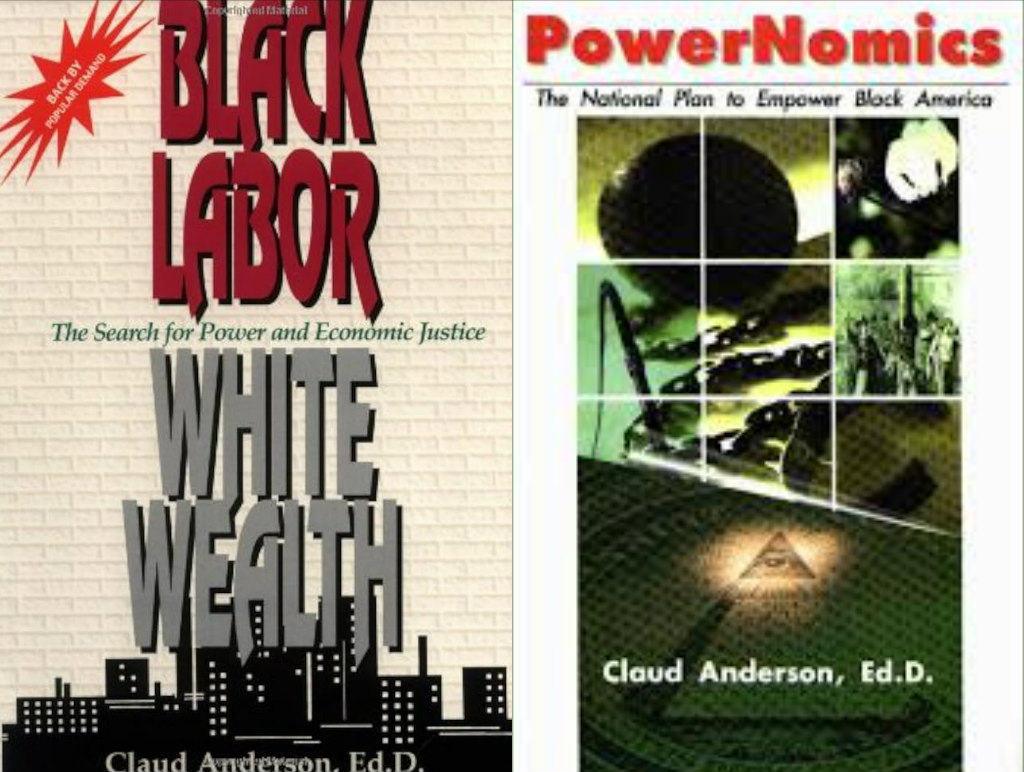
DOUBLE BOOK REVIEW: Black Labor, White Wealth and PowerNomics by Dr. Claud Anderson

5-Star Review of Black Labor, White Wealth and PowerNomics by Dr. Claud Anderson


📚 About the Books

1. Black Labor, White Wealth (1994)
Dr. Claud Anderson’s Black Labor, White Wealth is a masterfully researched chronicle that traces the historical exploitation of Black labor in America. It unearths the foundational truth that the economic engine of the United States was built largely on the backs of enslaved Africans—whose forced labor produced immense wealth for white elites. Anderson outlines how systemic racism, codified in law and reinforced by social customs, created a permanent underclass of African Americans. The book details how wealth was redistributed from Black to white hands through legalized oppression, disenfranchisement, Jim Crow laws, and economic exclusion.

2. PowerNomics: The National Plan to Empower Black America (2001)
As a follow-up, PowerNomics is not merely a critique of the status quo but a blueprint for economic self-empowerment. This work lays out a five-part strategy for Black Americans to become competitive in the 21st-century global economy. Anderson emphasizes building group economics, owning media outlets, creating independent education systems, and establishing a political infrastructure that serves Black interests. This book is revolutionary in that it pushes beyond protest—it advocates for practical solutions rooted in group solidarity and economic literacy.


🧠 Central Themes and Insights

💰 Finance and Black Empowerment
Both books place economic power at the center of liberation. Anderson argues that wealth—not mere income—is what sustains families, communities, and influence. Black Americans, though a trillion-dollar consumer market, own less than 2% of the nation’s wealth. He promotes asset accumulation, business development, and cooperative economics as tools to repair the generational damage of slavery and economic marginalization.

“If you don’t have money, you don’t have power. If you don’t have power, you don’t have justice.”Dr. Claud Anderson

💡 Making Things Better
Anderson’s solution-oriented approach is rooted in practical realism:

  • Pool resources to support Black-owned businesses.
  • Develop industries that circulate the Black dollar within the community.
  • Teach financial literacy from a young age.
  • Lobby for policies that directly benefit Black economic interests.
  • Control the institutions (schools, media, banks) that shape thought and opportunity.

🔍 The Truth About White Exploitation of Black Labor

Dr. Anderson meticulously documents how white elites created and maintained systems designed to exploit Black labor without reward:

  • Slavery (1619–1865) provided free labor that built white wealth.
  • The Homestead Act gave white settlers millions of acres of land—none to freed slaves.
  • Jim Crow laws ensured that Black people were second-class citizens economically and socially.
  • After the Civil Rights era, economic gains were stifled by mass incarceration, redlining, and predatory capitalism.

These acts were not random; they were strategic, multigenerational, and deeply embedded in American law and culture.


⚖️ Similarities and Differences Between the Two Books

AspectBlack Labor, White WealthPowerNomics
ToneHistorical, analytical, foundationalStrategic, solution-focused, motivational
FocusPast injustices and economic theftFuture action plans and systemic empowerment
PurposeTo expose the mechanisms of Black economic suppressionTo provide a plan for Black economic and political power
AudienceScholars, historians, activistsEntrepreneurs, educators, policy makers, community leaders
Key MessageAmerica owes a historical debt to Black peopleBlack America must build parallel economic infrastructure

👤 Who Is Dr. Claud Anderson?

Dr. Claud Anderson is a respected author, economist, political strategist, and entrepreneur. He holds several advanced degrees including a doctorate in education and is a former assistant secretary in the U.S. Department of Commerce under President Jimmy Carter. He also served as State Coordinator of Education under Governor Reubin Askew of Florida.

Dr. Anderson founded the Harvest Institute, a think tank dedicated to research, policy development, and advocacy for Black economic empowerment. His mission has been to awaken Black America to the necessity of controlling its own economy and institutions, rather than relying on integration alone.

He is married to Joan Anderson, and though his family life remains mostly private, his legacy as a thought leader and economic pioneer is cemented in his tireless advocacy for systemic Black advancement.


🌍 His Global and Community Impact

Dr. Anderson’s works are used in classrooms, community centers, and business forums across the United States. He is widely regarded as a pioneer of Black economic nationalism and a bold voice in a field too often marked by assimilationist strategies. His ideas have influenced a generation of Black entrepreneurs, educators, and activists.


🖋️ Final Thoughts – 5-Star Rating

⭐⭐⭐⭐⭐

Both Black Labor, White Wealth and PowerNomics are indispensable for anyone serious about understanding the economic roots of systemic racism and how to uproot them. Dr. Anderson gives Black America not just a mirror to reflect on the past, but a map to navigate the future. His scholarship is unflinching, his voice prophetic, and his vision urgent.

To read these books is to be informed, convicted, and empowered. They are not just books—they are weapons of liberation.


📚 References

Anderson, C. (1994). Black labor, white wealth: The search for power and economic justice. PowerNomics Corporation of America.
Anderson, C. (2001). PowerNomics: The national plan to empower Black America. PowerNomics Corporation of America.

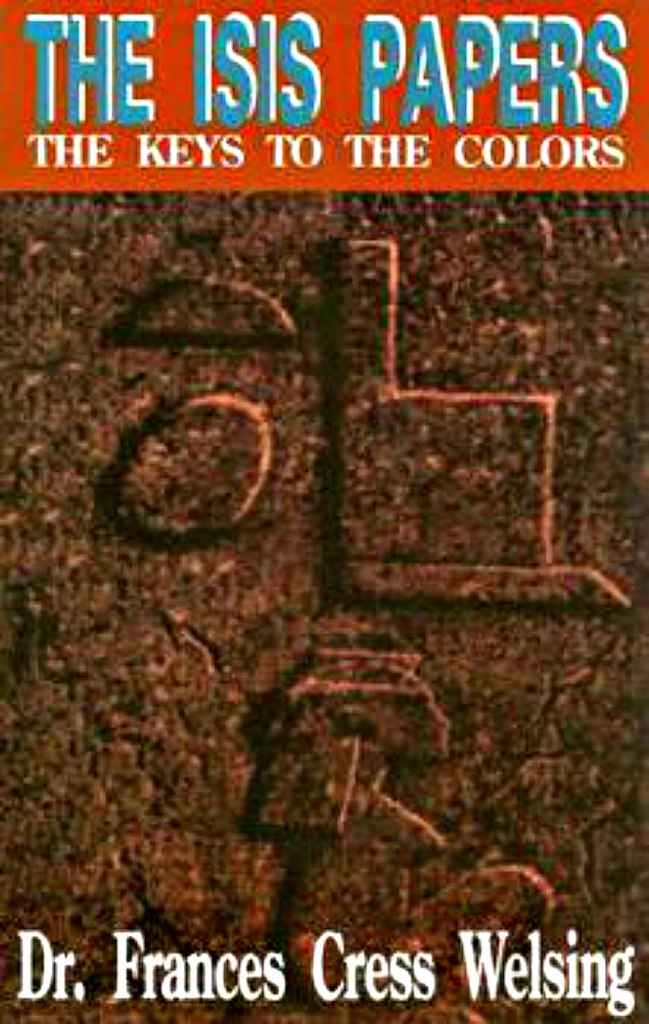
Book Review: “The Isis Papers: The Keys to the Colors.” by Dr. Frances Cress Welsing

🌟🌟🌟🌟🌟 5/5

Book Review & Tribute: The Isis Papers by Dr. Frances Cress Welsing
A Five-Star Masterpiece of Black Consciousness and Psychological Liberation


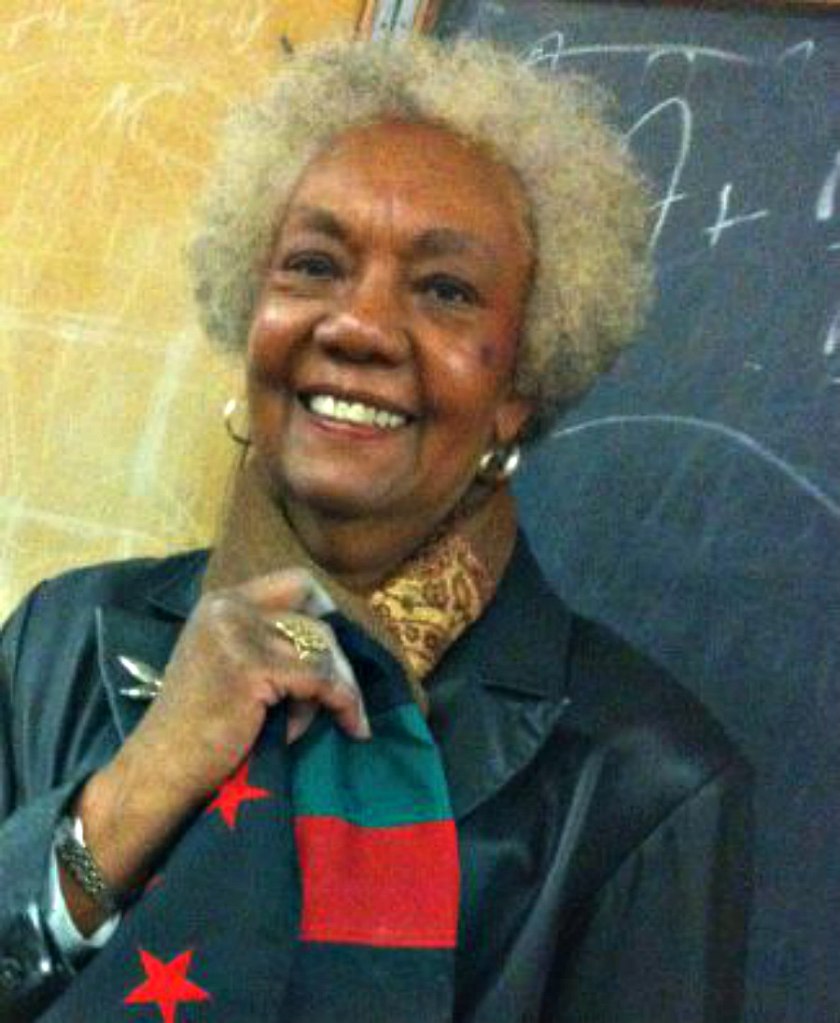
About the Author: Who Was Dr. Frances Cress Welsing?

Dr. Frances Cress Welsing was a woman of extraordinary depth, towering intellect, and unwavering moral clarity—whose life and work reshaped the landscape of Black consciousness and psychological liberation. With the precision of a trained psychiatrist and the soul of a revolutionary, she confronted the global system of white supremacy with fearless analysis and compassionate truth-telling. Her book, The Isis Papers: The Keys to the Colors, stands as a timeless masterpiece that examines racism not merely as a social problem, but as a psychological imperative rooted in genetic fear. Welsing’s activism, deeply grounded in scholarship and service, transformed countless lives and awakened a generation to the psychological warfare waged against people of African descent. Through her unshakable modesty, disciplined intellect, and spiritual courage, she became one of the most consequential Black women of the 20th and 21st centuries—a seer, healer, and teacher whose legacy continues to reverberate in the hearts and minds of all who seek liberation.

Dr. Frances Cress Welsing (1935–2016) was an esteemed psychiatrist, scholar, and public intellectual who made an indelible mark on the field of Black psychology and social analysis. Born in Chicago, Illinois, Welsing came from a lineage of educated and socially conscious Black professionals. She earned her bachelor’s degree from Antioch College and went on to receive her M.D. from Howard University College of Medicine, where she later served as a professor.

Though she never married and did not have children, she became a mother to the minds of a generation—a guiding figure in the intellectual liberation of African-descended people worldwide. Her work combined clinical psychiatry with Afrocentric theory, crafting a new framework through which Black people could analyze their oppression with clarity, dignity, and strategy.


Her Life’s Work and Philosophy

Dr. Welsing dedicated her career to understanding and addressing the psychological effects of racism, particularly on Black communities. She believed that the root of global white supremacy was a deep-seated fear of Black genetic dominance, a thesis that she introduced in her groundbreaking 1974 paper, The Cress Theory of Color-Confrontation. This theory became the foundational framework for her most influential book, The Isis Papers: The Keys to the Colors (1991).

Her unique contribution was the use of psychoanalysis and medical science to explain the hidden motivations behind racism, aggression, and systemic oppression. She frequently argued that white supremacy is a system driven by survival anxiety, stemming from the biological inability of white people to produce melanin-dominant (Black) offspring.


Quote from Dr. Welsing

“Black people are the only people who can genetically annihilate white people… and this is the fear that informs the system of racism.”
—Dr. Frances Cress Welsing, The Isis Papers

This quote captures the essence of her central argument—that racism is not merely prejudice or ignorance, but a biogenetic strategy for white survival in a world where Black genetic dominance is inevitable.


The Premise and True Meaning of The Isis Papers

Named after the ancient African goddess Isis, a symbol of divine Black womanhood, wisdom, and regeneration, The Isis Papers is a compilation of essays that analyze racism through symbols, sports, language, media, religion, and even the subconscious drives of Western culture.

Welsing argued that everything from ball games to military strategy, from consumer marketing to television programming, is saturated with subconscious white fear of Black power and Black fertility. She interpreted items such as guns, balls, and cigars as phallic symbols representing white anxiety about genetic survival and impotence.

Her approach was both clinical and cultural, unapologetically Afrocentric, and deeply rooted in ancient African spirituality and psychology. She urged Black people to understand themselves not as victims, but as the targets of a fear-based global system—and then to rise with knowledge, unity, and self-control.


Her Activism and Service to the Community

Though not affiliated with political movements in the traditional sense, Dr. Welsing was an activist of the mind. She gave countless lectures at Black colleges, community centers, and national conferences, challenging audiences to think critically about race, power, and self-worth. She also appeared on major television programs such as The Phil Donahue Show and was a regular on Black media platforms.

At Howard University Hospital, she served the D.C. community as a psychiatrist, particularly focusing on Black youth, and was known for her compassionate but bold truth-telling. She mentored generations of Black scholars, including in the field of Afrocentric psychiatry and Pan-African analysis.


Why White America Hated Her

Dr. Welsing’s work was controversial and deeply unsettling to mainstream academia and white society. She unapologetically exposed the psychological underpinnings of white supremacy, going beyond polite liberalism or reform-based rhetoric. She accused white supremacy of being a survival-based system of genetic warfare, and she did so with academic rigor and prophetic boldness.

Her refusal to back down, even under criticism and intellectual exile, made her a pariah to some, and a prophet to others. The truth she revealed—layered, uncomfortable, and piercing—challenged the very identity of whiteness itself.


Why She Was Respected

Despite opposition, Dr. Frances Cress Welsing was deeply revered in the global African community for her intellectual courage, clarity, and service. She gave language to the rage and confusion many Black people felt about systemic oppression. She empowered Black minds to see beyond the surface of racism and into its biological, economic, and spiritual roots.

She is considered a pioneer in Black psychology, alongside scholars like Dr. Na’im Akbar and Dr. Amos Wilson, and continues to influence activists, psychologists, and scholars worldwide. Her work remains central to discussions around Afrocentric mental health, systemic racism, and Black cultural empowerment.


Final Verdict: A Timeless Masterwork

The Isis Papers is a five-star masterpiece of revolutionary thought. It is essential reading for anyone seeking to understand the system of white supremacy and how it functions globally. Dr. Frances Cress Welsing was not only a writer but a healer, teacher, and warrior of the mind. Her legacy lives on in every Black person awakened to truth, dignity, and purpose.


References

  • Welsing, F. C. (1991). The Isis Papers: The Keys to the Colors. Third World Press.
  • Welsing, F. C. (1974). The Cress Theory of Color-Confrontation. Black Scholar.
  • Horne, G. (2015). Race War! New York: NYU Press.
  • Karenga, M. (1993). Introduction to Black Studies. Los Angeles: University of Sankore Press.