

Exercise is one of the most powerful, accessible, and evidence-based tools for improving human health across the lifespan. It requires no prescription, yet its effects rival and often surpass many pharmaceutical interventions. Regular physical activity strengthens the body, sharpens the mind, and reinforces emotional stability, making it foundational to holistic well-being.
At the physiological level, exercise enhances cardiovascular health by strengthening the heart muscle and improving blood circulation. Aerobic activities such as walking, running, cycling, and swimming reduce resting heart rate, lower blood pressure, and decrease the risk of coronary artery disease. These adaptations significantly reduce mortality from heart-related conditions.
Exercise plays a critical role in metabolic health by improving insulin sensitivity and glucose regulation. Consistent physical activity helps prevent and manage type 2 diabetes by allowing muscles to utilize glucose more efficiently. This metabolic efficiency reduces strain on the pancreas and lowers long-term complications associated with insulin resistance.

Another major benefit of exercise is its impact on body composition. Resistance training and aerobic movement increase lean muscle mass while reducing excess adipose tissue. This shift improves basal metabolic rate, allowing the body to burn more calories even at rest, which supports sustainable weight management rather than short-term dieting.
Musculoskeletal strength is profoundly enhanced through regular exercise. Weight-bearing and resistance activities increase bone mineral density, reducing the risk of osteoporosis and fractures, particularly in aging populations. Strong muscles also protect joints, improve posture, and reduce chronic pain.
Exercise is deeply connected to neurological health and cognitive performance. Physical activity increases blood flow to the brain and stimulates the release of brain-derived neurotrophic factor, which supports neurogenesis and synaptic plasticity. These changes are associated with improved memory, learning, and executive function.
Mental health benefits of exercise are equally significant. Regular physical activity reduces symptoms of depression and anxiety by regulating neurotransmitters such as serotonin, dopamine, and norepinephrine. Exercise also lowers cortisol levels, helping the body manage stress more effectively.
Sleep quality is strongly influenced by physical activity. Individuals who exercise regularly tend to fall asleep faster, experience deeper sleep cycles, and report higher overall sleep satisfaction. Improved sleep further reinforces immune function, mood regulation, and cognitive clarity.
Exercise also strengthens the immune system by promoting efficient circulation of immune cells throughout the body. Moderate, consistent activity has been shown to reduce the frequency and severity of infections, while also lowering chronic inflammation that contributes to many degenerative diseases.
From a hormonal perspective, exercise supports endocrine balance. Physical activity improves regulation of sex hormones, growth hormone, and stress hormones, contributing to improved energy levels, reproductive health, and tissue repair. These hormonal benefits are especially important during aging.

Exercise fosters emotional resilience and psychological discipline. The commitment to movement builds self-efficacy, patience, and consistency, which often translate into other areas of life such as work, relationships, and personal goals. The mind learns endurance alongside the body.
Social benefits of exercise should not be overlooked. Group fitness, sports, and shared physical activities foster community, accountability, and social bonding. These interactions reduce feelings of isolation and contribute to improved emotional well-being.
Exercise is also associated with increased longevity. Long-term studies consistently show that physically active individuals live longer and experience fewer years of disability. Movement preserves independence and quality of life well into older age.
In the context of chronic disease prevention, exercise acts as a protective factor against certain cancers, including breast and colon cancer. Mechanisms include reduced inflammation, improved immune surveillance, and healthier hormone regulation.
For children and adolescents, exercise supports healthy growth, motor development, and emotional regulation. Early physical activity habits are strongly associated with lifelong health behaviors, academic performance, and reduced risk of obesity.
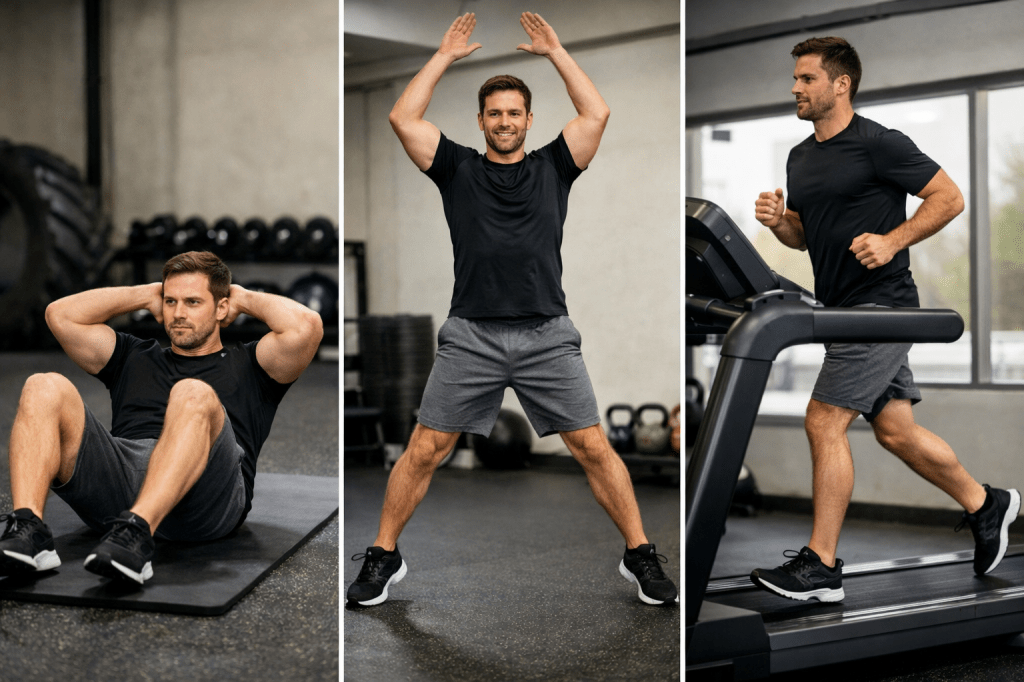
Exercise has economic benefits at both individual and societal levels. Reduced healthcare costs, fewer sick days, and increased productivity are consistently associated with physically active populations. Prevention through movement is more cost-effective than treatment after disease onset.
Spiritually and psychologically, exercise reinforces the mind–body connection. Many individuals report improved self-awareness, clarity, and emotional grounding during physical activity. Movement becomes a form of discipline, reflection, and stewardship of the body.
Regular exercise also improves physical appearance in ways that extend beyond aesthetics. Improved posture, muscle tone, and vitality influence confidence and self-perception, which can positively affect interpersonal relationships and mental health.
Importantly, exercise is adaptable and inclusive. Benefits are observed across ages, abilities, and fitness levels, whether through walking, resistance training, stretching, or recreational movement. Consistency matters more than intensity.
In conclusion, exercise is not merely a lifestyle choice but a foundational pillar of health. Its benefits span physical, mental, emotional, and social domains, reinforcing the body’s natural design for movement. Incorporating regular exercise is an investment in longevity, resilience, and overall human flourishing.
References
American College of Sports Medicine. (2021). ACSM’s guidelines for exercise testing and prescription (11th ed.). Wolters Kluwer.
Booth, F. W., Roberts, C. K., & Laye, M. J. (2012). Lack of exercise is a major cause of chronic diseases. Comprehensive Physiology, 2(2), 1143–1211. https://doi.org/10.1002/cphy.c110025
Centers for Disease Control and Prevention. (2023). Physical activity and health. CDC.
Dishman, R. K., Heath, G. W., & Lee, I. M. (2013). Physical activity epidemiology (2nd ed.). Human Kinetics.
Erickson, K. I., Hillman, C., & Kramer, A. F. (2015). Physical activity, brain, and cognition. Current Opinion in Behavioral Sciences, 4, 27–32. https://doi.org/10.1016/j.cobeha.2015.01.005
Warburton, D. E. R., Nicol, C. W., & Bredin, S. S. D. (2006). Health benefits of physical activity: The evidence. CMAJ, 174(6), 801–809. https://doi.org/10.1503/cmaj.051351

 THE BROWN GIRL DILEMMA