

Category Archives: black men

Girl Talk Series: The Signs a Man Is Sent from the Devil. #Biblical Wisdom

Photo by cottonbro studio on Pexels.com

Ladies, be vigilant and guard your hearts, because not every man who enters your life is sent by God. Some men are direct assignments from the devil, designed to distract, deceive, and ultimately destroy your faith, your peace, and your destiny. These men often come looking attractive, saying the right things, and even speaking “Christian language,” but their true purpose is to pull you away from righteousness and into compromise. The Bible warns us that Satan disguises himself as an angel of light (2 Corinthians 11:14, KJV), which means the danger is not always obvious. A man sent from the enemy will twist God’s Word, entice you into sin, and plant strife in your spirit. Spiritual discernment is your greatest defense — test every man’s character by the Word of God and by the fruit he produces in his life.

Some men are not just toxic; they are sent as assignments from the enemy to derail your spiritual growth, emotional peace, and destiny. Scripture warns us that “Satan himself is transformed into an angel of light” (2 Corinthians 11:14, KJV). This means not every man who appears kind, charming, or even “godly” is truly sent from the Most High. These men are agents of distraction and destruction, designed to pull a believer off the narrow path. Understanding the biblical and psychological signs of such men is critical to guarding your heart (Proverbs 4:23, KJV).

One of the first signs that a man may be sent from the devil is that he twists the Word of God. Just as Satan quoted Scripture out of context when tempting Jesus in the wilderness (Matthew 4:6, KJV), such a man will manipulate Scripture to justify sinful behavior. He might say “God understands your heart” as a way to excuse fornication, lying, or compromise. This misuse of Scripture is not a misunderstanding; it is spiritual manipulation designed to weaken your resolve and make you disobedient to God’s standards.

Another warning sign is his desire for sex before marriage. Hebrews 13:4 declares that marriage is honorable and the bed undefiled, but whoremongers and adulterers God will judge. A man sent by God will respect your body and your boundaries. A man sent from the devil, however, will pressure you, tempt you, or subtly push the limits of your purity. This is not love but lust, and lust is never satisfied (Proverbs 27:20, KJV).

These men often cherry-pick verses to support their own agenda. Instead of using the full counsel of God’s Word, they quote selectively, leaving out passages about holiness, repentance, and accountability. This selective theology is dangerous because it makes sin look acceptable. Paul warns about those who have “a form of godliness, but denying the power thereof” (2 Timothy 3:5, KJV).

A man sent from the enemy will encourage sin and compromise in your life. He might ask you to lie for him, skip church, cut corners, or disobey biblical principles. This encouragement to rebel against God is a sign that he is not aligned with righteousness. Psychology notes that repeated exposure to sinful behavior normalizes it, meaning that over time, compromise becomes easier and your conscience becomes seared (1 Timothy 4:2, KJV).

He will also bring strife into your life. James 3:16 teaches that “where envying and strife is, there is confusion and every evil work.” A man sent from God should bring peace, stability, and order into your life. If he constantly stirs up drama, arguments, jealousy, or confusion, that is a red flag that his presence is toxic and spiritually harmful.

Such men often appear as “angels of light.” They may look the part, speak religious language, and even attend church, but their actions betray them. Jesus said, “Ye shall know them by their fruits” (Matthew 7:16, KJV). Just because he seems holy does not mean he is. Wolves often wear sheep’s clothing to gain access to the flock.

A major sign is the absence of the fruit of the Spirit. Galatians 5:22-23 lists love, joy, peace, longsuffering, gentleness, goodness, faith, meekness, and temperance as evidence of a Spirit-filled life. A man sent from the devil will show the opposite—anger, selfishness, impatience, pride, and lack of self-control. If his lifestyle contradicts the Spirit’s fruit, it is a sign to distance yourself.

Another tactic of the enemy is to make sin look comfortable. He may introduce you to sinful environments, normalize immoral behavior, or convince you that “everyone is doing it.” This is a dangerous place because it lowers your spiritual guard. Psalm 1 warns against walking in the counsel of the ungodly or sitting in the seat of the scornful.

These men attack your faith and devotion to the Most High. They may question your beliefs, belittle your spiritual practices, or distract you from prayer and worship. Over time, your fire for God may grow dim under their influence. The enemy uses such men to pull you away from your first love (Revelation 2:4, KJV).

Narcissism is another telltale sign. A narcissistic man is self-centered, controlling, and emotionally manipulative. He will gaslight you, making you question your perception of reality, and he will exploit your kindness for his own gain. Proverbs 16:18 warns, “Pride goeth before destruction, and an haughty spirit before a fall.”

Pride and an unrepented heart mark a man sent by Satan. Instead of confessing and forsaking his sins, he justifies them, blames others, or pretends they are not wrong. Proverbs 28:13 (KJV) says, “He that covereth his sins shall not prosper: but whoso confesseth and forsaketh them shall have mercy.” His refusal to repent shows he is not surrendered to God.

A man who constantly talks about himself and leaves God out of the conversation is another red flag. His focus is on his achievements, his needs, and his desires, not on glorifying God. Jesus said that out of the abundance of the heart the mouth speaks (Luke 6:45, KJV). If God is never mentioned, He is likely absent from that man’s heart.

Such men may also isolate you from your godly community. They may discourage you from fellowshipping with believers, honoring your spiritual leaders, or seeking wise counsel. This isolation makes you more vulnerable to manipulation, just as a lone sheep is easier prey for the wolf.

He may also be excessively charming and flattering, which Proverbs 29:5 warns against: “A man that flattereth his neighbour spreadeth a net for his feet.” This flattery is not genuine but a tool to disarm you so you let your guard down.

A man sent from the devil will drain you spiritually, emotionally, and even financially. Rather than pouring into you, he leaves you feeling empty and confused. God’s blessings add no sorrow (Proverbs 10:22, KJV), so if his presence constantly brings sorrow, it is not of God.

He may also encourage idolatry—placing him, your relationship, or worldly pleasures above God. This subtle shift of priorities leads to spiritual compromise and eventually to bondage.

Finally, a man sent by the enemy will resist accountability. He does not want to be corrected or confronted with the truth. Proverbs 12:1 says, “He that hateth reproof is brutish.” His refusal to change is evidence that he is committed to his sinful path.

🔎 Quick Discernment Guide: Signs a Man Is Sent from the Devil

Twists God’s Word – Uses Scripture out of context to justify sin (Matthew 4:6).
Pushes for Sex Before Marriage – Pressures you to compromise purity (Hebrews 13:4).
Cherry-Picks Verses – Ignores repentance, holiness, and accountability (2 Timothy 3:5).
Encourages Sin & Compromise – Normalizes wrongdoing and excuses disobedience (1 Timothy 4:2).
Brings Strife & Drama – Produces constant confusion, jealousy, or emotional chaos (James 3:16).
Appears as an Angel of Light – Seems charming and godly but hides sinful motives (2 Corinthians 11:14).
Lacks Fruit of the Spirit – Displays anger, selfishness, pride, and no self-control (Galatians 5:22-23).
Makes Sin Look Comfortable – Introduces environments and habits that normalize immorality (Psalm 1:1).
Attacks Your Faith – Belittles prayer, church, and your devotion to God (Revelation 2:4).
Narcissistic & Proud – Self-centered, manipulative, and refuses correction (Proverbs 16:18).
Unrepentant – Justifies or hides sin rather than confessing and changing (Proverbs 28:13).
Talks Only About Himself – Rarely mentions God, focuses on his ego (Luke 6:45).
Isolates You from Godly Counsel – Discourages fellowship and wise advice (Hebrews 10:25).
Flatters Excessively – Uses charm to manipulate and disarm you (Proverbs 29:5).
Drains You Spiritually & Emotionally – Leaves you empty rather than building you up (Proverbs 10:22).
Encourages Idolatry – Places himself or worldly pleasures above God (Exodus 20:3).
Avoids Accountability – Rejects correction and resists change (Proverbs 12:1).

Recognizing these signs allows believers to break free from demonic assignments disguised as relationships. The Bible reminds us to “test the spirits” (1 John 4:1, KJV) and discern whether someone’s presence draws us closer to God or pulls us further away.


References

Holy Bible, King James Version. (1769/2023). Cambridge University Press.

Beck, J. S. (2020). Cognitive behavior therapy: Basics and beyond (3rd ed.). Guilford Press.

Clinton, T., & Ohlschlager, G. (2002). Competent Christian counseling: Foundations and practice of compassionate soul care. WaterBrook Press.

Powlison, D. (2019). Safe and sound: Standing firm in spiritual battles. New Growth Press.

Sorenson, R. L. (2020). The psychology of temptation: Cognitive, emotional, and spiritual dimensions. Journal of Psychology and Theology, 48(3), 201–214. https://doi.org/10.1177/0091647120959226

Ward, P. (2021). Spiritual warfare and the armor of God: Biblical strategies for the battlefield of the mind. Crossway.
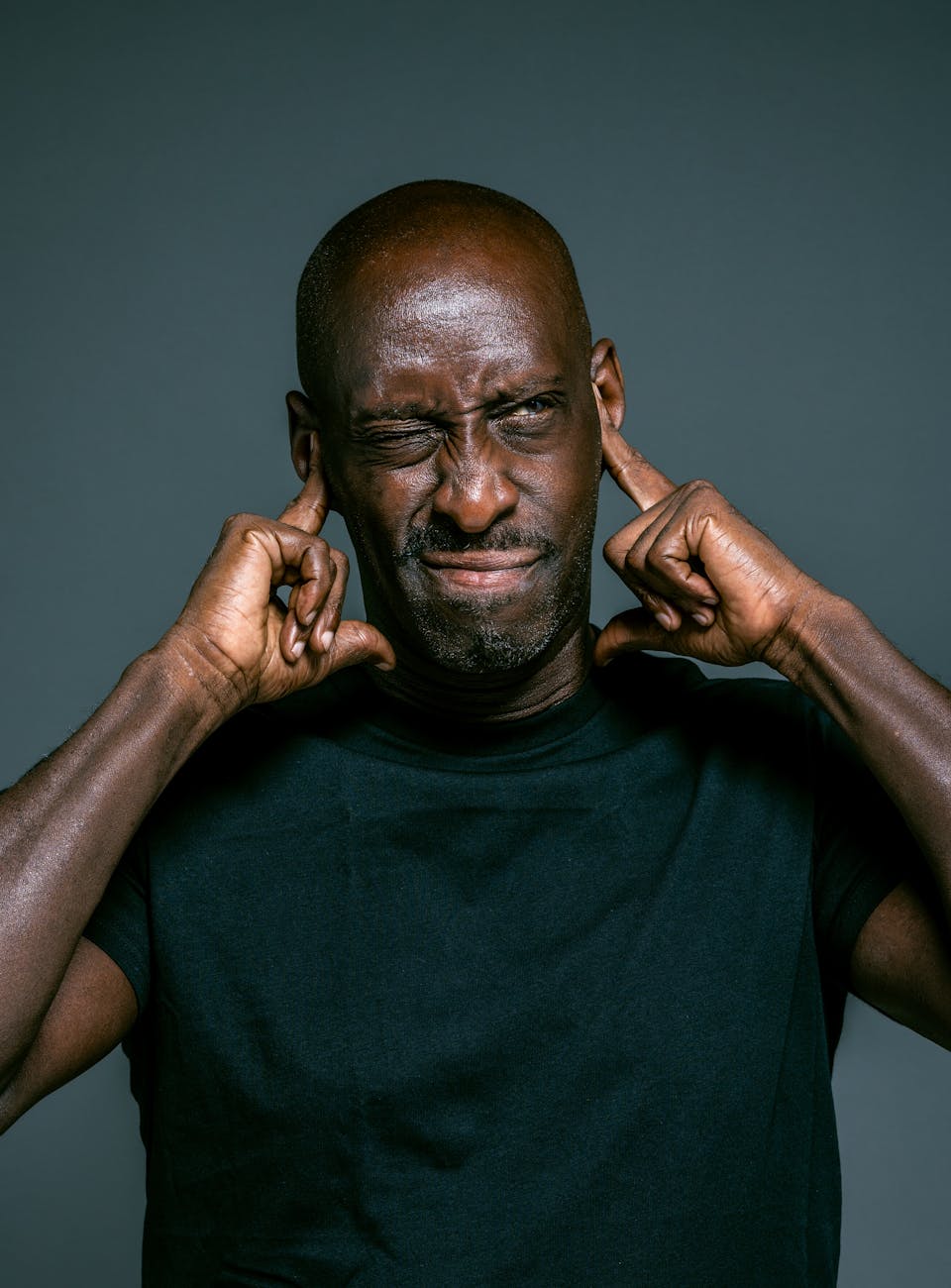
The Psychology of the Black Male.

Photo by Ketut Subiyanto on Pexels.com

The psychology of the Black male cannot be fully understood without examining the intersection of historical oppression, systemic inequality, social conditioning, and cultural identity. From the trauma of slavery to the pressures of modern society, Black men navigate a world that has historically sought to define, limit, and dehumanize them. Understanding these psychological dynamics requires a multidimensional approach, including historical, social, and spiritual perspectives.

Historical and Structural Influences

Historically, Black men have been subjected to the dehumanizing effects of slavery, segregation, and systemic racism. Enslaved African men were stripped of autonomy, forced into labor, and often separated from family, disrupting traditional social and familial roles. Post-emancipation, Jim Crow laws, discriminatory policing, and economic exclusion continued to restrict mobility and opportunity, embedding systemic barriers that impact psychological development. These historical injustices contribute to collective trauma, influencing identity formation and social behavior across generations (Wilson, 2012).

Stereotypes of Black men as inherently violent, hypersexual, or aggressive are rooted in historical attempts to justify oppression. Such representations, perpetuated in media, literature, and law, have created social pressures that affect self-perception, interpersonal relationships, and community dynamics. The psychological impact of these stereotypes includes heightened stress, internalized stigma, and the burden of disproving society’s assumptions.

Identity and Socialization

Socialization plays a critical role in shaping the psychology of Black males. From childhood, boys are taught to navigate a world where race influences expectations, interactions, and opportunities. They often face dual pressures: conforming to societal stereotypes while striving to embrace authentic self-expression. This tension can lead to identity conflicts, self-doubt, and hypervigilance in social contexts (Cross, 1991).

Family and community environments also shape resilience and coping strategies. Mentorship, positive role models, and community engagement provide protective factors that support psychological well-being. Conversely, the absence of stable male figures or exposure to systemic marginalization can exacerbate feelings of isolation, anger, or hopelessness.

Mental Health and Emotional Expression

Black men face unique challenges regarding mental health and emotional expression. Cultural norms, historical trauma, and societal expectations often discourage vulnerability, creating a stigma around seeking help. Depression, anxiety, and stress may manifest in externalizing behaviors such as aggression or withdrawal. Encouraging healthy emotional expression, access to culturally competent counseling, and community-based support systems are essential for psychological wellness.

The chronic stress associated with systemic racism—termed “racial battle fatigue” (Smith, 2004)—has tangible physical and mental health consequences. Experiencing discrimination, microaggressions, or bias consistently triggers psychological and physiological stress responses, leading to increased risks of cardiovascular disease, depression, and other health disparities.

Cultural and Spiritual Dimensions

Culture and spirituality are powerful sources of resilience for Black males. Strong connections to heritage, community, and faith traditions provide coping mechanisms and affirm identity. Religious institutions, music, and cultural rituals serve as spaces for psychological restoration, social support, and personal growth. Scripture reinforces dignity and purpose: “Be strong and of a good courage, fear not, nor be afraid of them: for the LORD thy God, he it is that doth go with thee” (Deuteronomy 31:6, KJV).

Afrocentric psychological frameworks emphasize the importance of collective identity, cultural pride, and historical consciousness. Recognizing the legacy of resilience in African and diasporic traditions can buffer against internalized oppression and foster a sense of purpose and belonging.

Contemporary Pressures

Modern Black men navigate a complex landscape of social, economic, and cultural pressures. Media representations, systemic inequities, and community expectations intersect with personal aspirations, shaping behavior, self-esteem, and relational dynamics. Economic challenges, disproportionate incarceration rates, and educational disparities amplify stress and affect life trajectories. Simultaneously, positive representations of Black men in business, politics, arts, and sports offer aspirational models that reinforce psychological resilience.

Toward Healing and Empowerment

Addressing the psychological needs of Black males requires holistic interventions. Community-based programs, culturally competent therapy, mentorship initiatives, and educational empowerment can mitigate historical and systemic challenges. Encouraging emotional literacy, healthy coping strategies, and spiritual grounding fosters well-being. Importantly, societal transformation to dismantle systemic racism and challenge harmful stereotypes is essential for long-term psychological health.

Understanding the psychology of the Black male is not solely about identifying challenges but also highlighting resilience, creativity, and leadership. Black men have historically navigated oppression while cultivating cultural richness, intellectual achievement, and spiritual depth. By examining both the pressures and the strengths, society can support healthier identities, relationships, and life outcomes.

Historical-Political Lens

The psychology of the Black male is deeply influenced by historical and political contexts. From the transatlantic slave trade to modern systemic oppression, Black men have faced dehumanization, exploitation, and marginalization. Enslaved African men were forcibly removed from their families, denied autonomy, and subjected to brutal labor, disrupting traditional social and familial roles. These historical conditions created intergenerational trauma, shaping the collective psychological experience of Black men in the diaspora (Wilson, 2012).

Colonialism and slavery were codified through political structures, laws, and economic systems designed to maintain control over Black populations. Jim Crow laws, segregation, and discriminatory policing limited opportunities for education, economic advancement, and social mobility. These systems not only constrained material success but also imposed psychological burdens, reinforcing feelings of inferiority and social invisibility.

Stereotypes of Black men as violent, hypersexual, or aggressive have roots in these historical systems. Such depictions served to justify oppression and criminalization while shaping public perception and policy. The internalization of these stereotypes has had lasting effects on self-identity, behavior, and community dynamics.

Despite these structural challenges, Black men have demonstrated resilience. Historically, they built communities, nurtured families under oppressive conditions, and preserved cultural heritage. The persistence of survival and creativity amid systemic adversity illustrates a psychological strength that transcends historical trauma.


Psychological-Social Lens

The psychological impact of systemic oppression manifests in identity formation, socialization, and mental health. Black males often navigate dual pressures: resisting stereotypes while striving to assert authentic selfhood. Internalized racism and societal expectations can create tension, self-doubt, and hypervigilance in both social and professional contexts (Cross, 1991).

Colorism compounds these pressures, influencing social hierarchies within Black communities. Darker-skinned men may experience marginalization, while lighter-skinned men might face pressure to conform to Eurocentric ideals. These dynamics affect self-esteem, social mobility, and relational patterns.

Mental health challenges among Black men are shaped by cultural and systemic factors. Stigma around vulnerability often discourages seeking therapy or support. Depression, anxiety, and stress may manifest in externalizing behaviors such as anger or withdrawal. Addressing these challenges requires culturally competent mental health care that acknowledges historical trauma and systemic inequities.

Peer, family, and community relationships serve as protective factors. Positive mentorship, role modeling, and social support help mitigate the negative effects of external and internalized pressures, fostering resilience, self-confidence, and a sense of belonging.


Faith-Based Lens

Spirituality has historically been central to the psychological well-being of Black men. Faith offers a framework for understanding suffering, resilience, and purpose. Biblical teachings affirm intrinsic worth and provide guidance for navigating oppression: “Be strong and of a good courage, fear not, nor be afraid of them: for the LORD thy God, he it is that doth go with thee” (Deuteronomy 31:6, KJV).

The church has historically functioned as both sanctuary and community center. Religious institutions provided education, mentorship, and leadership opportunities, serving as critical spaces for psychological and social development. Through faith, Black men cultivated hope, moral grounding, and resilience despite systemic marginalization.

Scripture emphasizes the importance of character over societal labels: “Ye are not in the flesh, but in the Spirit, if so be that the Spirit of God dwell in you” (Romans 8:9, KJV). By grounding identity in spiritual truths rather than external stereotypes, Black men can reclaim self-worth and purpose.

Faith also offers mechanisms for coping with historical trauma. Prayer, meditation, and community worship provide emotional regulation, social support, and affirmation of personal value, reinforcing psychological resilience and cultural continuity.


Contemporary Lens

Modern Black men navigate a landscape shaped by systemic inequities, social media, and cultural pressures. Disproportionate incarceration rates, educational disparities, and employment discrimination perpetuate historical patterns of oppression, impacting mental health and self-concept.

Media representations continue to shape public perception and internalized identity. Stereotypical depictions of Black men as criminals or hypermasculine reinforce societal bias, creating pressure to conform to or resist these narrow narratives. Conversely, positive portrayals in sports, business, arts, and media provide aspirational models that affirm identity and potential.

Social media is both empowering and challenging. Platforms can amplify voices, create networks of support, and promote cultural pride, yet they also perpetuate unrealistic standards of masculinity and success. The pressure to perform, achieve, or project a curated image can exacerbate stress, self-doubt, and competition.

Contemporary capitalism further complicates psychological experiences. Material success is often conflated with personal value, creating additional pressure to achieve in a system historically designed to limit access. The intersection of race, economics, and social perception remains a critical factor in understanding the modern psychology of Black men.


Restorative Lens

Healing and empowerment require holistic strategies that address historical, social, and personal dimensions. Community-based programs, mentorship initiatives, and culturally competent therapy are essential for fostering resilience and self-efficacy among Black men.

Education is a vital tool for liberation. Understanding the historical roots of oppression allows Black men to contextualize challenges, resist internalized narratives, and reclaim agency over identity. Knowledge of African heritage, diasporic history, and cultural contributions strengthens pride and belonging.

Spiritual grounding and faith-based support remain critical. By affirming intrinsic value and providing coping strategies for trauma, spirituality reinforces psychological health and resilience. Faith communities can serve as anchors for identity, leadership, and collective empowerment.

Restoration also involves confronting societal inequities. Advocacy, policy reform, and community mobilization address structural barriers, creating environments where Black men can thrive. Holistic approaches combine mental health, cultural affirmation, spiritual grounding, and social reform to nurture empowered, resilient individuals.

Ultimately, understanding the psychology of the Black male requires balancing acknowledgment of systemic oppression with recognition of resilience, creativity, and leadership. Black men have historically navigated adversity while cultivating cultural richness, moral depth, and personal strength. Supporting psychological well-being involves honoring this legacy, addressing contemporary challenges, and promoting environments that affirm identity, purpose, and potential.


📖 References

  • Cross, W. E. (1991). Shades of Black: Diversity in African-American identity. Temple University Press.
  • Smith, W. A. (2004). Racial battle fatigue: Psychology and the Black male experience. Journal of Negro Education, 73(3), 266–278.
  • Wilson, W. J. (2012). The truly disadvantaged: The inner city, the underclass, and public policy. University of Chicago Press.

Cross, W. E. (1991). Shades of Black: Diversity in African-American identity. Temple University Press.

  • Smith, W. A. (2004). Racial battle fatigue: Psychology and the Black male experience. Journal of Negro Education, 73(3), 266–278.
  • Wilson, W. J. (2012). The truly disadvantaged: The inner city, the underclass, and public policy. University of Chicago Press.
  • Holy Bible, King James Version.