Category Archives: Black Hollywood

Growing Up Famous While Black in Hollywood: The Untold Story of Child Stars.

The history of Black child stars in American television reveals a complicated story of talent, visibility, exploitation, and racial inequality. Throughout the twentieth century, Black children appeared in sitcoms and films that were largely created and controlled by white executives, producers, and writers. While these young performers often became beloved cultural icons, their experiences behind the scenes frequently reflected the racial hierarchies that shaped the entertainment industry. Fame brought opportunity, but it also exposed many Black child actors to unequal pay, stereotyping, and limited long-term career support.

Hollywood’s early power structure was overwhelmingly white, especially during the 1970s and 1980s, when many Black child actors rose to prominence. Network executives, casting directors, and producers determined which stories were told and how Black characters were portrayed. Although television increasingly included Black characters, the creative control over those characters often remained outside the Black community. As a result, Black child stars sometimes found themselves performing roles that reflected white expectations about Black identity rather than authentic cultural representation.

One of the most recognizable Black child stars of television was Gary Coleman, who became famous for portraying Arnold Jackson on the sitcom Diff’rent Strokes. Coleman’s character was a witty and charming orphan adopted by a wealthy white businessman. His catchphrase, “What’chu talkin’ ’bout, Willis?” became one of the most famous lines in television history, turning Coleman into a national sensation and making him one of the most recognizable child actors of the era.

At the height of his fame, Coleman was reportedly earning approximately $100,000 per episode, making him one of the highest-paid child actors on television at the time. Despite this financial success, his story later became a cautionary tale about the vulnerability of child performers. Much of the money he earned as a child was mismanaged by adults responsible for his finances. As an adult, Coleman sued his adoptive parents and business advisor for misappropriating his trust fund.

Coleman’s struggles illustrate a broader pattern within Hollywood in which child stars generated enormous wealth for studios while having little control over their earnings. Although laws such as the Coogan Act were designed to protect child actors’ finances, many performers still experienced financial exploitation. For Black child stars, this vulnerability sometimes intersected with racial inequities in an already unequal industry.

Another major Black child star who captured audiences during the 1980s was Emmanuel Lewis, who played the title character on the sitcom Webster. Like Coleman’s role, Lewis portrayed an orphaned Black child adopted by a wealthy white family. The show centered on Webster’s charm and innocence, and Lewis quickly became a household name across the United States.

The premise of shows like Webster and Diff’rent Strokes reflected a recurring trope in Hollywood storytelling: the lovable Black child raised within a white household. While these narratives introduced audiences to talented Black performers, they often framed Black childhood through a lens that centered white benevolence. The stories rarely explored the broader social realities of Black communities or systemic racism.

In many cases, the appeal of these shows depended on the image of the “cute” Black child whose humor and innocence softened racial tensions for white audiences. The characters were often written to be charming, comedic, and non-threatening. While this made them popular with viewers, it also reinforced a narrow representation of Black identity.

Earlier generations of Black child actors experienced similar patterns of limited financial reward and stereotypical roles. One example is Matthew Beard, widely known as “Stymie” from the classic comedy series Our Gang (later called The Little Rascals). Beard was one of the most recognizable child actors of the 1930s, yet like many performers of that era, he reportedly received little long-term financial compensation for his work.

Beard’s experience illustrates how Hollywood historically profited from the talents of Black children while failing to provide long-term economic security. Although audiences loved these characters, the industry rarely invested in the future careers or financial stability of the young actors who portrayed them.

Another figure connected to the conversation about young Black actors in Hollywood is Lamont Bentley, who began acting at a young age and later became known for roles in Black-centered television and film. Like many performers who started as children, Bentley navigated an industry where opportunities for Black actors were limited and highly competitive.

Hollywood’s reliance on stereotypes also shaped how certain Black characters were written for sitcoms. A notable example involves Jimmie Walker, whose character J.J. Evans became the breakout figure on the sitcom Good Times. Walker’s catchphrase “Dyn-o-mite!” became immensely popular with audiences and turned him into one of the show’s most recognizable stars.

However, not everyone celebrated the character’s comedic style. Some cast members and critics argued that J.J.’s exaggerated mannerisms and clownish behavior reinforced negative stereotypes about Black men. Actors within the show reportedly disagreed with producers over the increasing emphasis on comedy at the expense of portraying a serious Black family narrative.

These debates highlight a long-standing tension in Black television representation. Comedy could open doors for Black actors and make shows commercially successful, yet it could also risk perpetuating caricatures that undermined the dignity of Black characters.

Many discussions about Black sitcoms inevitably include the work of influential television producer Norman Lear. Lear was responsible for several groundbreaking television programs that addressed social issues such as racism, poverty, and inequality. His shows helped bring Black family life into mainstream television during a time when representation was limited.

Lear’s supporters argue that his productions challenged audiences to confront uncomfortable social realities. Programs such as Good Times depicted working-class Black families and addressed issues like unemployment and systemic poverty.

At the same time, critics have debated whether some of Lear’s programs relied too heavily on exaggerated comedic elements. While his shows created opportunities for Black actors, they were still shaped by creative decisions made primarily within white-dominated production environments.

Another important figure in the discussion of Black child actors is Kim Fields, who portrayed Dorothy “Tootie” Ramsey on the sitcom The Facts of Life. Fields joined the show as a young actress and quickly became one of its most recognizable characters.

Within the show’s predominantly white ensemble cast, Fields represented one of the few Black characters at an elite girls’ boarding school. Her character brought diversity to the series and resonated with many viewers who rarely saw Black girls represented on mainstream television.

Fields appeared alongside actress Lisa Whelchel, who played Blair Warner, the wealthy and privileged student at the center of many storylines. The contrast between Blair’s affluent background and Tootie’s more grounded personality reflected broader class dynamics often explored in the show.

Although Fields was a beloved member of the cast, many television scholars have noted that storylines frequently centered on white characters. This reflected the broader structure of television writing rooms at the time, which were overwhelmingly white.

Despite these limitations, Fields successfully transitioned into adulthood within the entertainment industry, later starring in the sitcom Living Single. Her longevity in Hollywood is notable because many child actors struggle to maintain successful careers after their early fame fades.

Black child actors often faced a double burden in Hollywood. Like all child performers, they were subject to the pressures of fame, demanding work schedules, and public scrutiny. At the same time, they navigated racial stereotypes and limited roles shaped by systemic inequalities within the industry.

Outside the studio, fame did not shield these actors from the broader realities of American racism. Many experienced discrimination in everyday life despite their celebrity status. Their visibility on television did not always translate into social equality in their personal lives.

Financial instability was another common issue for child stars. Many actors who earned large salaries as children found themselves struggling financially as adults due to poor financial management or exploitation by guardians and managers.

The transition from child star to adult performer proved especially difficult in Hollywood. Once audiences associated an actor with a specific childhood role, casting directors often struggled to imagine them in more mature parts.

For Black actors, these challenges were often intensified by the industry’s limited representation of complex Black characters. Adult roles were scarce, and many performers were confined to stereotypes or minor supporting parts.

Nevertheless, Black child stars played a crucial role in shaping American popular culture. Their performances brought visibility to Black families and children on national television during decades when representation remained limited.

Case Study: Typecasting and the Career of Jaleel White After Steve Urkel on Family Matters

The career of Jaleel White provides a compelling case study on the phenomenon of typecasting in Hollywood, particularly as it affects Black actors who become strongly associated with a single character. White rose to international fame as the nerdy, high-pitched, suspender-wearing Steve Urkel on the sitcom Family Matters, which aired from 1989 to 1998. Although the role brought White immense popularity and cultural recognition, it also shaped public perception of the actor in ways that later complicated his career trajectory.

Jaleel White began acting at a very young age, appearing in commercials and minor television roles during the 1980s. His early career included guest appearances on several television programs, demonstrating his versatility even before landing the role that would define his career. Ironically, Steve Urkel was originally written as a one-time guest character on Family Matters. However, audience reactions were so enthusiastic that the character quickly became central to the show’s storyline.

Steve Urkel soon became one of the most recognizable television characters of the 1990s. With oversized glasses, colorful suspenders, high-water pants, and an awkward personality, Urkel embodied the archetype of the socially awkward genius. His catchphrase “Did I do that?” became a defining line of the era and entered American pop culture. Merchandise, lunchboxes, dolls, and T-shirts featuring the character flooded the market, illustrating the enormous commercial success of the role.

The character’s popularity, however, transformed the direction of Family Matters. Initially conceived as a family-centered sitcom about the Winslow household, the show gradually shifted toward storylines revolving around Urkel’s comedic misadventures and inventions. White himself reportedly played multiple variations of the character, including the suave alter ego Stefan Urquelle, which demonstrated his acting range within the confines of the show.

Typecasting occurs when an actor becomes so strongly associated with a particular role that casting directors and audiences struggle to see them in other types of characters. This phenomenon is common among child actors, whose formative years are closely tied to a specific public persona. For Jaleel White, Steve Urkel became both a blessing and a professional limitation.

After Family Matters ended in 1998, White faced the challenge of redefining his career outside the shadow of Urkel. Casting directors often struggled to envision him in serious or dramatically different roles because audiences had internalized the image of the comedic, awkward teenager. This is one of the central consequences of typecasting: the actor’s identity becomes fused with the fictional character in the public imagination.

In interviews, White has acknowledged the complexities of playing such an iconic role. While he remains proud of the cultural impact of Steve Urkel, he has also spoken about the difficulty of transitioning into adult roles. The entertainment industry frequently pigeonholes actors who become synonymous with a particular character, especially in long-running sitcoms.

Typecasting has historically affected many actors in television history. For example, actors who portray extremely distinctive characters—whether comedic or dramatic—often struggle to escape the expectations attached to those roles. In White’s case, the visual and vocal quirks of Urkel made the character particularly memorable, which strengthened the association between actor and role.

Another factor contributing to White’s typecasting was the character’s exaggerated personality. Urkel’s nasal voice, clumsy physical comedy, and eccentric inventions created a highly stylized performance. While this made the character beloved by audiences, it also made it more difficult for viewers to separate White’s real personality from the fictional character.

White attempted to diversify his career following the end of Family Matters. He appeared in various television programs, including guest roles and voice acting. One of his notable voice roles was portraying Sonic in the animated series Adventures of Sonic the Hedgehog, which demonstrated his versatility beyond live-action sitcom performance.

Despite these efforts, public recognition of White remains strongly tied to Steve Urkel. This phenomenon illustrates the enduring power of television characters in shaping an actor’s identity. Even decades after the show ended, audiences often refer to White primarily through the lens of his famous character.

Typecasting also intersects with broader structural patterns within Hollywood. Black actors historically have had fewer opportunities in mainstream television and film compared to their white counterparts. When a Black actor becomes strongly associated with a single role, the limited number of available roles can make it even more difficult to break free from that identity.

In the case of Jaleel White, however, the actor has embraced the legacy of Urkel while also attempting to redefine his career. He has appeared in various television projects, including reality competitions and guest appearances that highlight his personality beyond the fictional character.

White’s experience illustrates a broader tension within entertainment culture. Iconic roles bring fame, financial success, and cultural influence, but they can also create barriers for actors seeking artistic evolution. The stronger the cultural impact of the character, the more difficult it becomes for audiences to accept the actor in a different identity.

Scholars studying media representation often cite the phenomenon of typecasting as a structural limitation within the entertainment industry. Actors who portray culturally distinctive characters—particularly those tied to race, comedy, or physical traits—may find their careers defined by those portrayals long after the original performance ends.

Nevertheless, Steve Urkel remains one of the most influential television characters of the 1990s. The character reshaped the narrative of Family Matters and became a central symbol of nerd culture, comedic awkwardness, and television nostalgia. While typecasting influenced White’s career trajectory, it also cemented his place in television history.

Ultimately, the case of Jaleel White demonstrates the double-edged nature of iconic television roles. The success of Steve Urkel provided global recognition and cultural legacy, yet it also illustrates how Hollywood can confine actors within the boundaries of their most famous characters. For many performers, the challenge is not achieving fame, but escaping it.

For many Black viewers, these characters were deeply meaningful because they provided rare moments of identification on mainstream television. Seeing Black children on screen helped affirm cultural identity and possibility.

At the same time, the experiences of these actors reveal how deeply race shaped opportunities in Hollywood. Their careers highlight both the progress and the persistent inequalities that characterized the entertainment industry.

In recent decades, the industry has begun to change. Greater representation among writers, producers, and directors has created new opportunities for Black performers to tell their own stories.

Modern audiences are increasingly aware of the historical treatment of child actors, and there is growing advocacy for stronger protections and more equitable contracts.

The stories of performers such as Gary Coleman, Emmanuel Lewis, Kim Fields, and others remind us that behind every beloved television character was a young person navigating fame, expectation, and structural inequality.

Their experiences reveal both the joy that Black child stars brought to audiences and the systemic challenges they faced within a white-dominated entertainment industry.

Understanding this history allows scholars and audiences alike to examine how race, power, and media representation intersect in the making of American television.


References

Bogle, D. (2016). Bright Boulevards, Bold Dreams: The Story of Black Hollywood. Running Press.

Coleman, G. (1998). Gary Coleman: The Unauthorized Biography. St. Martin’s Press.

Gray, H. (2004). Watching Race: Television and the Struggle for Blackness. University of Minnesota Press.

Hunt, D., Ramón, A., & Tran, M. (2021). Hollywood Diversity Report. UCLA College of Social Sciences.

Watkins, S. C. (2005). Hip Hop Matters: Politics, Pop Culture, and the Struggle for the Soul of a Movement. Beacon Press.

Bogle, D. (2001). Toms, Coons, Mulattoes, Mammies, and Bucks: An Interpretive History of Blacks in American Films. Continuum.

IMDb historical production archives for Diff’rent Strokes, Webster, Good Times, and The Facts of Life.

White, J. (2012). Interviews discussing his career and the legacy of Steve Urkel.

IMDb. (n.d.). Family Matters production and cast archives.

Turner Classic Movies Media Archive on sitcom television history.

The “It Girl” Series: Viola Davis

In Hollywood and beyond, few women shine as brightly and powerfully as Viola Davis. This extraordinary actress not only captivates audiences with their unparalleled talent, but they also embody the richness and beauty of Black womanhood—her deep, radiant “chocolate” skintone celebrated as a symbol of elegance, strength, and resilience. From commanding the stage to dominating the silver screen, she has carved a path defined by hard work, brilliance, and groundbreaking accomplishments. Viola Davis, often hailed as the “Black Meryl Streep,” has achieved the rare EGOT status in Hollywood.

This photograph is the property of its respective owners. No copyright infringement intended.

From poverty in Rhode Island to Hollywood’s highest honors, Viola Davis is a transformative talent whose piercing presence, emotional depth, and unparalleled achievements have made her one of the most acclaimed actors of her generation.

Viola Davis was born on August 11, 1965, in Saint Matthews, South Carolina, and raised in Central Falls, Rhode Island, where her family lived in poverty. Growing up, she often felt unseen by society but nurtured a powerful imaginative spirit and a dream of acting as both escape and purpose. Her early life shaped her relentless work ethic, emotional honesty, and drive to portray complex, truthful stories about Black women and human experience.

Davis’s formal training began with a scholarship to the prestigious Juilliard School, where she honed her craft and prepared for a career that would break barriers in theater, film, and television. Her Broadway debut in August Wilson’s Seven Guitars earned critical praise and her first Tony nomination, setting the stage for a career defined by depth, gravitas, and transformative performances.

Viola Davis’s screen career spans gripping dramas, powerful historical adaptations, and commercial successes. Early attention came from roles in films such as Doubt (2008), earning her first Academy Award nomination, and The Help (2011), for which she received another Oscar nomination. Her range expanded into thrillers (Prisoners), biopics (Get On Up), and blockbusters (Suicide Squad), all while continuing to bring unparalleled intensity and truth to her characters.

This photograph is the property of its respective owner.

Her iconic television role as Annalise Keating in How to Get Away with Murder (2014–2020) marked a historic milestone: she became the first Black actress to win the Primetime Emmy Award for Outstanding Lead Actress in a Drama Series. That performance, fierce and emotionally layered, influenced a generation of actresses and redefined representation on primetime TV.

In film, Davis reached new heights with Fences (2016), directed by and starring Denzel Washington, earning her the Academy Award for Best Supporting Actress—a performance widely regarded as one of the most courageous and textured portrayals of a struggling Black woman in cinema. In Ma Rainey’s Black Bottom (2020), she delivered another powerful performance as the blues legend Bessie Smith, further cementing her range and emotional depth.

Viola Davis’s list of honors is historic and unparalleled. She has won the four major American entertainment awards—Emmy, Grammy, Oscar, and Tony—earning her EGOT status, one of the rarest distinctions in the industry. In 2023, her Grammy win for the audiobook narration of her memoir Finding Me completed the quartet, making her only the 18th person in history and the third Black woman ever to achieve EGOT. In addition, she has received multiple Screen Actors Guild Awards, Golden Globe, BAFTA, and Critics’ Choice Awards, as well as the Cecil B. DeMille Award (Golden Globe lifetime achievement) in 2025.

Davis is frequently described as one of the most powerful actors of her generation—often likened to a “Black Meryl Streep” for her emotional precision, versatility, and ability to disappear into roles while still projecting fierce authenticity. Her performances are marked by piercing, expressive eyes and a remarkable capacity to reveal inner turmoil, strength, and vulnerability through minimal gesture, a quality that elevates every character she embodies. Critics, peers, and audiences alike note her uncanny ability to deliver performances that are both profoundly human and culturally transformative.

This photograph is the property of its respective owner.

In her personal life, Viola Davis married producer Julius Tennon in 2003, and together they co‑founded JuVee Productions, a company dedicated to elevating underrepresented voices and stories in film, television, and theater. She balances her professional success with family life and philanthropy, using her platform to advocate for equity, representation, and opportunities for diverse artists.

Beyond awards and accolades, Davis’s influence extends into cultural discourse about race, representation, beauty standards, and women’s stories in entertainment. Her ascendancy—from humble beginnings to EGOT winner and global icon—serves as a testament to perseverance, intelligence, and artistic integrity.

References:

  1. Viola Davis | Biography, Movies, Plays, The Help, EGOT, & Facts. (2026). Britannica. https://www.britannica.com/biography/Viola-Davis
  2. EGOT (Viola Davis). (2026). Wikipedia. https://en.wikipedia.org/wiki/EGOT
  3. Viola Davis. (2026). Wikipedia. https://en.wikipedia.org/wiki/Viola_Davis
  4. Viola Davis | National Women’s History Museum. (2026). https://www.womenshistory.org/about-us/our-people/viola-davis
  5. Viola Davis Completes EGOT After Winning a Grammy For Her Audiobook. (2023). Vanity Fair. https://www.vanityfair.com/style/2023/02/viola-davis-egot-grammy-award-win-audiobook-finding-me
  6. Viola Davis achieves EGOT status at the 2023 Grammys. (2023). The Independent. https://www.the-independent.com/arts-entertainment/films/news/viola-davis-egot-grammys-b2276280.html

Spike Lee: The Cinematic Trailblazer

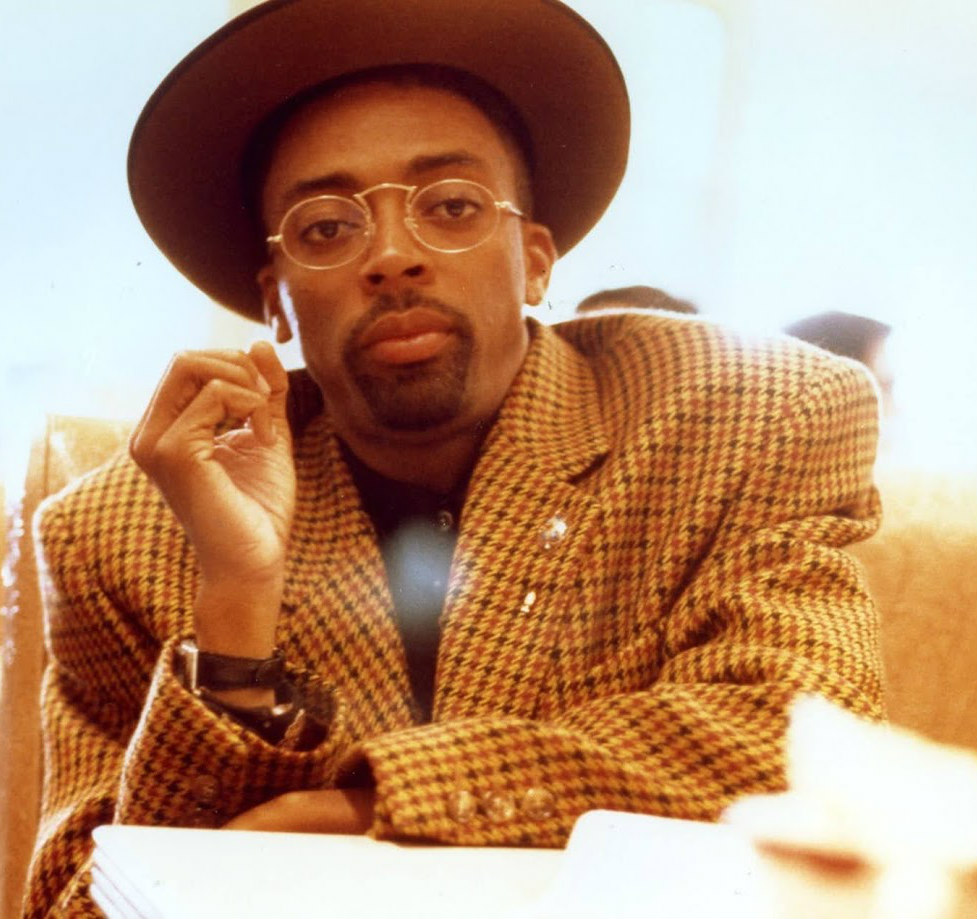
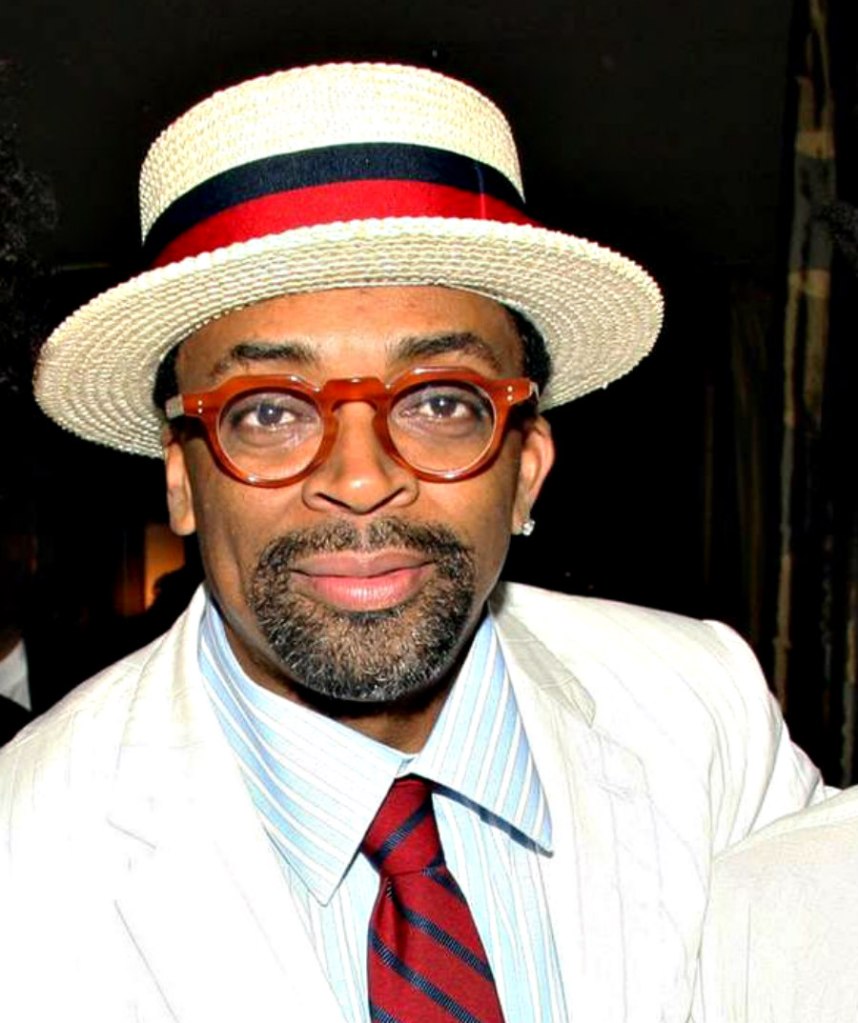
This photograph is the property of its respective owners. No infringement intended.

“It’s easier to be President of the United States as a Black person than to be head of a studio.” — Spike Lee, Governors Awards speech (2015).

Spike Lee is more than a filmmaker—he is the cinematic conscience of Black America. For nearly five decades, he has not only told stories but demanded that America listen to the voices it tried to silence. In the Black community of film, Lee stands as the best of the best because he refuses to separate artistry from accountability. His lens does not flatter injustice, nor does it dilute Black experience for mainstream comfort. Instead, it exposes truth with bold color, sharp dialogue, and uncompromising honesty. Where Hollywood often built walls, Lee carved doorways for others to walk through, ensuring that Denzel Washington, Samuel L. Jackson, and countless others could shine. His work reminds us that the measure of greatness is not only found in awards, but in how deeply one reshapes culture. Spike Lee is not just a director—he is a griot with a camera, a keeper of memory, and a visionary who has transformed film into a battleground for justice and a sanctuary for Black creativity.

Shelton Jackson “Spike” Lee, born on March 20, 1957, in Atlanta, Georgia, is widely recognized as one of the most influential filmmakers of the modern era. His career has been defined by an unwavering commitment to telling stories about race, justice, culture, and community. Lee studied at Morehouse College before earning his Master of Fine Arts in Film Production at New York University’s Tisch School of the Arts, where his student thesis film Joe’s Bed–Stuy Barbershop: We Cut Heads (1983) won a Student Academy Award. Soon after, he established his own production company, 40 Acres and a Mule Filmworks, a hub for creating authentic and unapologetically Black narratives. Married to producer and author Tonya Lewis Lee since 1993, Spike Lee is also a father of two children, Satchel and Jackson, who continue his family legacy of creativity and activism.

Spike Lee’s first feature-length film, She’s Gotta Have It (1986), was a breakthrough in independent cinema. Produced on a micro-budget of $175,000 and filmed in just 12 days, it grossed over $7 million at the box office. The story centered on Nola Darling, a sexually independent Brooklyn artist navigating relationships on her own terms. At a time when mainstream films rarely depicted such complex portrayals of Black women, Lee broke new ground in both narrative and representation. The film’s success not only launched his career but also cemented him as an innovative voice in American cinema.

Nearly five decades into his career, Spike Lee has directed films that dissect the nuances of race and American identity. His 1988 film School Daze drew directly from his experiences at Morehouse College and explored colorism, classism, and cultural hierarchies within the Black community. The following year, he directed Do the Right Thing (1989), inspired by the racially charged Howard Beach incident of 1986 and his observations of racial tension in New York City. Set during a sweltering Brooklyn summer, the film captures how ordinary frustrations can explode into violence under systemic injustice. These works positioned Lee as a truth-teller whose films function both as social critique and as artistic expressions of Black life.

Despite his success, Lee has faced persistent barriers in Hollywood, particularly in securing funding for his films. He has consistently spoken out about the racism and exclusion that plague the industry. In his 2015 Governors Awards speech, he remarked that it was “easier for a Black person to be President of the United States than to head a studio.” His decision to boycott the 2016 Oscars in solidarity with the #OscarsSoWhite movement reflected his long-standing critique of Hollywood’s failure to embrace diversity. For Lee, filmmaking has never been simply about entertainment—it has been a vehicle to confront injustice.

Lee’s inspirations are diverse, ranging from his upbringing in Brooklyn to his academic years at historically Black colleges, and the broader African American struggle for equality. His most enduring creative partnership has been with Denzel Washington, whom he cast in several landmark films including Mo’ Better Blues (1990), Malcolm X (1992), He Got Game (1998), and Inside Man (2006). Washington has praised Lee for opening doors for Black actors and redefining what representation in film could look like. Other frequent collaborators include Samuel L. Jackson, Delroy Lindo, Giancarlo Esposito, John Turturro, cinematographer Ernest Dickerson, and composer Terence Blanchard.

Actors who have worked with Lee consistently describe him as a visionary director who challenges them to give their best performances. Denzel Washington, introducing Lee at the 2015 Governors Awards, emphasized that Lee’s commitment to truth-telling has not only elevated his actors but has reshaped the landscape of American cinema. Many in Hollywood acknowledge that Lee’s films helped pave the way for a generation of Black filmmakers who now have greater opportunities to tell their own stories.

Over the course of his career, Spike Lee has been honored with numerous awards and accolades. He won the Academy Award for Best Adapted Screenplay for BlacKkKlansman (2019) and received an Honorary Oscar in 2015. He has also earned the Cannes Grand Prix, BAFTA Awards, two Primetime Emmy Awards for his documentary When the Levees Broke (2006), Peabody Awards, and the U.S. National Medal of Arts (2023). These honors are testaments to his artistry and his role as a cultural historian, documenting America’s triumphs and its deepest wounds through film.

Today, Spike Lee remains a force in Hollywood and beyond. His films continue to spark dialogue about racism, identity, and justice while celebrating Black resilience and creativity. His influence extends not only through his work but also through the countless artists he has mentored and inspired. For Lee, filmmaking has always been about more than the screen—it has been about shifting consciousness.

Feature Filmography (Director/Filmmaker)

1980s

  • She’s Gotta Have It (1986)
  • School Daze (1988)
  • Do the Right Thing (1989)

1990s

  • Mo’ Better Blues (1990)
  • Jungle Fever (1991)
  • Malcolm X (1992)
  • Crooklyn (1994)
  • Clockers (1995)
  • Get on the Bus (1996)
  • He Got Game (1998)
  • Summer of Sam (1999)

2000s

  • Bamboozled (2000)
  • 25th Hour (2002)
  • She Hate Me (2004)
  • Inside Man (2006)
  • Miracle at St. Anna (2008)

2010s

  • Red Hook Summer (2012)
  • Oldboy (2013)
  • Da Sweet Blood of Jesus (2014)
  • Chi-Raq (2015)
  • BlacKkKlansman (2018)

2020s

  • Da 5 Bloods (2020)

(In addition to feature films, Lee has directed numerous documentaries, including 4 Little Girls (1997), When the Levees Broke (2006), and If God Is Willing and da Creek Don’t Rise (2010).)


Selected Awards and Honors

  • Academy Awards (Oscars)
    • Winner: Best Adapted Screenplay – BlacKkKlansman (2019)
    • Honorary Oscar (2015)
    • Nominations: Best Director (BlacKkKlansman), Best Original Screenplay (Do the Right Thing)
  • Cannes Film Festival
    • Grand Prix: BlacKkKlansman (2018)
  • BAFTA Awards
    • Best Adapted Screenplay – BlacKkKlansman (2019)
  • Primetime Emmy Awards
    • Two wins for When the Levees Broke (2007)
  • Peabody Awards
    • Multiple awards including for When the Levees Broke
  • National Medal of Arts
    • Awarded by the U.S. Government (2023)

References

  • Cannes Film Festival. (2018). Grand Prix winners. Retrieved from [festival-cannes.com]
  • Lee, S. (2015). Governors Awards acceptance speech. Academy of Motion Picture Arts and Sciences.
  • NYU Tisch School of the Arts. (2020). Alumni achievements: Spike Lee. Retrieved from [tisch.nyu.edu]
  • Oscars.org. (2019). Spike Lee wins Best Adapted Screenplay for BlacKkKlansman. Retrieved from [oscars.org]
  • Smith, J. (2019). The films of Spike Lee: A cultural critique. Journal of Film Studies, 45(2), 122–138.
  • Washington, D. (2015). Tribute to Spike Lee at the Governors Awards. Academy of Motion Picture Arts and Sciences.
  • Young, S. (2023). Spike Lee awarded National Medal of Arts. The New York Times.

MOVIE REVIEW: THE PHOTOGRAPH

A Soft Place to Land: A 5-Star Review of The Photograph and the Power of Black Love

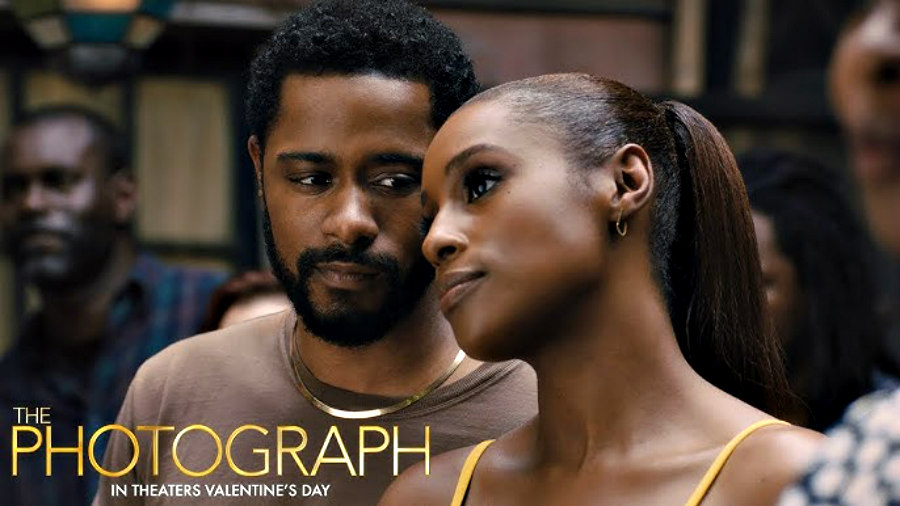
In an era saturated with hyper-dramatic romance and trauma-centered storytelling, The Photograph emerges as a gentle, evocative tribute to the enduring power of Black love. Directed by Stella Meghie and released in 2020, this romantic drama gracefully unfolds over two parallel timelines, weaving together themes of love, loss, generational trauma, and emotional courage. With powerful lead performances from LaKeith Stanfield and Issa Rae, the film delivers a lush, soul-stirring portrait of intimacy that quietly reshapes the cinematic landscape for Black relationships.

At its core, The Photograph tells the story of Mae Morton, a guarded museum curator who is grieving the sudden death of her estranged mother, the acclaimed photographer Christina Eames. As Mae discovers a hidden photograph and a handwritten letter from her mother, she begins to uncover secrets from Christina’s past—including a long-lost love affair. Simultaneously, Mae embarks on her own romantic journey with Michael Block, a rising journalist investigating her mother’s life. Their connection becomes the emotional center of the film, echoing the choices and missed opportunities of the previous generation. The film flows like jazz—measured, improvisational, and beautifully composed. It is, at heart, a love story—but one made remarkable by its cultural subtlety and emotional honesty.


LaKeith Stanfield: A Portrait of Emotional Vulnerability

LaKeith Stanfield, born August 12, 1991, in San Bernardino, California, has carved out a reputation as one of Hollywood’s most versatile and introspective actors. Known for standout performances in Get Out, Atlanta, Judas and the Black Messiah, and Sorry to Bother You, Stanfield consistently chooses roles that challenge dominant narratives around Black masculinity. His portrayal of Michael Block in The Photograph is no exception.

In this role, Stanfield embodies a kind of emotional accessibility rarely afforded to Black male characters in mainstream cinema. Michael is thoughtful, curious, and emotionally intelligent—a man not running from love but quietly pursuing it. Reflecting on the significance of the role, Stanfield remarked, “I wanted to be part of a film where we get to just love, just exist, without chaos. That in itself felt revolutionary.” His presence in the film gives space for Black men to be portrayed with tenderness, complexity, and poetic restraint—offering a refreshing contrast to historically limited and stereotypical portrayals.


Issa Rae: The Evolution of a Phenomenal Woman

Born on January 12, 1985, in Los Angeles, California, Jo-Issa Rae Diop—professionally known as Issa Rae—has transformed the landscape of Black media. She gained national attention through her critically acclaimed web series The Misadventures of Awkward Black Girl, which evolved into the award-winning HBO series Insecure. As a writer, producer, and actress, Rae has become a cultural icon, lauded for her authenticity, wit, and commitment to reshaping the narrative of Black womanhood in media.

In The Photograph, Rae plays Mae Morton, a woman navigating grief, romantic hesitation, and the echoes of her mother’s mistakes. Her performance is subtle yet potent, conveying an internal conflict many Black women face: the need to protect their hearts while longing to open them. Speaking about her connection to the role, Rae shared, “Playing Mae allowed me to explore what it means to love and let go—something many of us wrestle with silently.” Her portrayal offers a quiet revolution in itself—an image of a Black woman not defined by strength alone, but by softness, introspection, and emotional growth.


The Power of Representation and Cultural Impact

The Photograph is more than a romance; it is a cultural statement. It challenges the dominant media narrative that often confines Black stories to struggle and trauma. Instead, it invites audiences into a world where Black people fall in love, make mistakes, and heal—without being burdened by external stereotypes. The film’s aesthetic, scored by Robert Glasper’s jazz compositions, is timeless and dreamlike, further elevating its emotional resonance. Each scene unfolds like a memory, with the camera lingering on touch, glances, and silence rather than sensationalism.

What sets The Photograph apart is its celebration of intergenerational love and emotional inheritance. By paralleling the stories of Mae and her mother Christina, the film explores how trauma, silence, and unresolved love can ripple through time—and how confronting those truths can set future generations free.


Final Reflection: A Necessary Love Story

In every way, The Photograph is a cinematic balm. It reminds viewers that love doesn’t have to be loud to be transformative. For Black audiences especially, it offers something both rare and revolutionary: a story where love is the destination, not the battleground. With Stanfield and Rae delivering performances that are as honest as they are mesmerizing, and with Meghie’s direction guiding the film like a poem, The Photograph earns its five-star rating with ease.

It is not just a film—it is a mirror, a memory, and a meditation on how we love, why we guard our hearts, and what it means to trust again.


References
Meghie, S. (Director). (2020). The Photograph [Film]. Universal Pictures.
NPR. (2020). The Photograph Is a Rare, Tender Look at Black Romance.
Essence. (2020). Issa Rae on Portraying Emotional Complexity in The Photograph.
Variety. (2020). LaKeith Stanfield and Issa Rae Talk Black Love and Vulnerability in The Photograph.