Category Archives: Biographies

Celebrity Spotlight: Otis Redding

Soul on the Rise: The Short Life and Eternal Legacy of Otis Redding
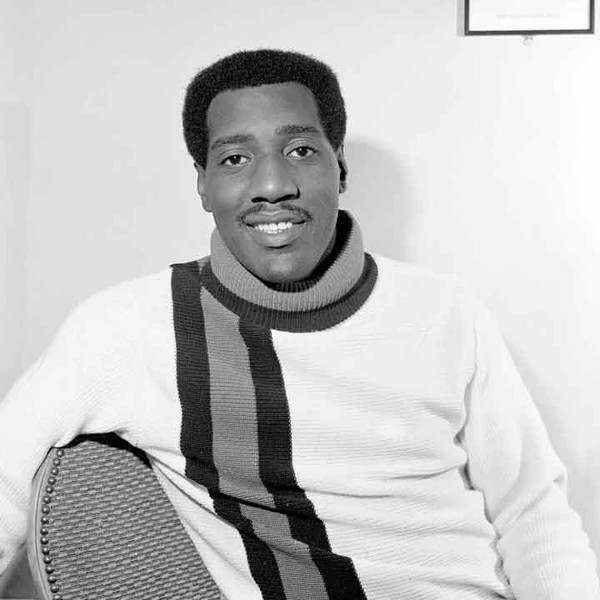

This photograph is the property of its respective owner. No copyright infringement intended.

“If I die tomorrow, I’ve had a beautiful life because I’ve touched souls.”
Otis Redding

Otis Redding, often hailed as the “King of Soul,” was a tall, dark, and handsome force whose voice could simultaneously stir the depths of sorrow and ignite the heights of joy. Though his life was tragically brief, ending at just 26 years old, his impact on the music industry is profound, enduring, and soul-shaking. With a voice that exuded wisdom far beyond his years, Redding became a symbol of raw emotion, authenticity, and artistic excellence. He was an old soul in a young man’s body—seasoned with gospel, rooted in rhythm and blues, and shaped by the Southern experience.

Early Life and Musical Genesis

Otis Ray Redding Jr. was born on September 9, 1941, in Dawson, Georgia, and raised in Macon. He was the son of Otis Sr., a sharecropper and later a military base worker, and Fannie Mae Redding, a devout woman who raised him in the church. Otis began singing in the Vineville Baptist Church choir, where his vocal power was first recognized. Deeply influenced by Little Richard (another Macon native), Sam Cooke, and Ray Charles, Redding took to the stage in his teens and began competing in local talent shows—often winning multiple times. He dropped out of school at age 15 to support his family, working odd jobs while pursuing his passion for music.

Rise to Fame: The Bar-Kays and Stax Records

Redding’s big break came when he was working as a driver and occasional singer for guitarist Johnny Jenkins. A fateful trip to Stax Records in Memphis in 1962 allowed Redding to cut a few tracks during downtime, including the now-iconic “These Arms of Mine.” The single exploded regionally, showcasing the aching soulfulness of his voice and launching his relationship with Stax.

The Bar-Kays, a talented group of Memphis musicians, soon became Redding’s backup band. Their chemistry electrified live audiences and studio recordings alike, giving birth to classics such as “Try a Little Tenderness,” “Respect,” and his posthumous mega-hit “(Sittin’ On) The Dock of the Bay.”

A Voice Like No Other

Otis Redding’s voice was often described as gravel mixed with honey—gritty yet deeply melodic. Critics and fans alike marveled at his dynamic vocal phrasing, emotional urgency, and soul-baring delivery. He had an extraordinary ability to infuse each lyric with heart-wrenching sincerity, whether he was pleading in love or lamenting loss. Music historian Peter Guralnick once wrote, “Otis could take the ordinary and make it sacred.”

Legacy and Sudden Tragedy

On December 10, 1967, Otis Redding’s life was tragically cut short when his Beechcraft plane crashed into Lake Monona near Madison, Wisconsin. He and six members of the Bar-Kays were killed. Redding had just recorded his defining song, “(Sittin’ On) The Dock of the Bay,” days before the crash. It was released posthumously and became the first posthumous number-one single on the Billboard Hot 100.

At the time of his death, Redding had accumulated significant wealth and owned his own publishing and production company—a rarity for Black artists of his era. He left behind his wife, Zelma Redding, and four children. One of his sons, Otis Redding III, carried the musical torch with the group The Reddings, echoing his father’s legacy with pride and reverence. Zelma once said in an interview, “Otis always believed his children would carry on his mission of spreading love through music. That was his heartbeat.”

Rumors and Controversy

While Redding’s death was officially deemed an accident due to engine failure, it has not escaped whispers of controversy. Some speculated sabotage or questioned the rushed investigation. However, no substantial evidence ever surfaced, and the tragedy has remained an unresolved wound in soul music history.

Cultural Reverberation

Redding’s influence has spanned genres and generations. Aretha Franklin, who turned his song “Respect” into an anthem of empowerment, praised him as a genius. Mick Jagger and the Rolling Stones were early admirers, and Jay-Z, Kanye West, and Beyoncé have all sampled or cited him as a foundational influence. His songs have been covered by hundreds of artists, and he was inducted into the Rock and Roll Hall of Fame in 1989.

A Lasting Impact

Otis Redding’s music remains timeless because it speaks to the human experience—love, longing, heartbreak, and hope. He defied racial and musical boundaries, uniting listeners through the sheer power of soul. In an age of digital perfection, his analog authenticity is more cherished than ever.

As music critic Dave Marsh once said, “Otis Redding didn’t just sing soul. He was soul.”


Select References:

  • Guralnick, P. (1986). Sweet Soul Music: Rhythm and Blues and the Southern Dream of Freedom. Back Bay Books.
  • Wald, E. (2004). How the Beatles Destroyed Rock ’n’ Roll. Oxford University Press.
  • Otis Redding Foundation. (n.d.). https://otisreddingfoundation.org
  • Rock & Roll Hall of Fame Biography – Otis Redding.
  • Zelma Redding interview, NPR’s Fresh Air, 1998.
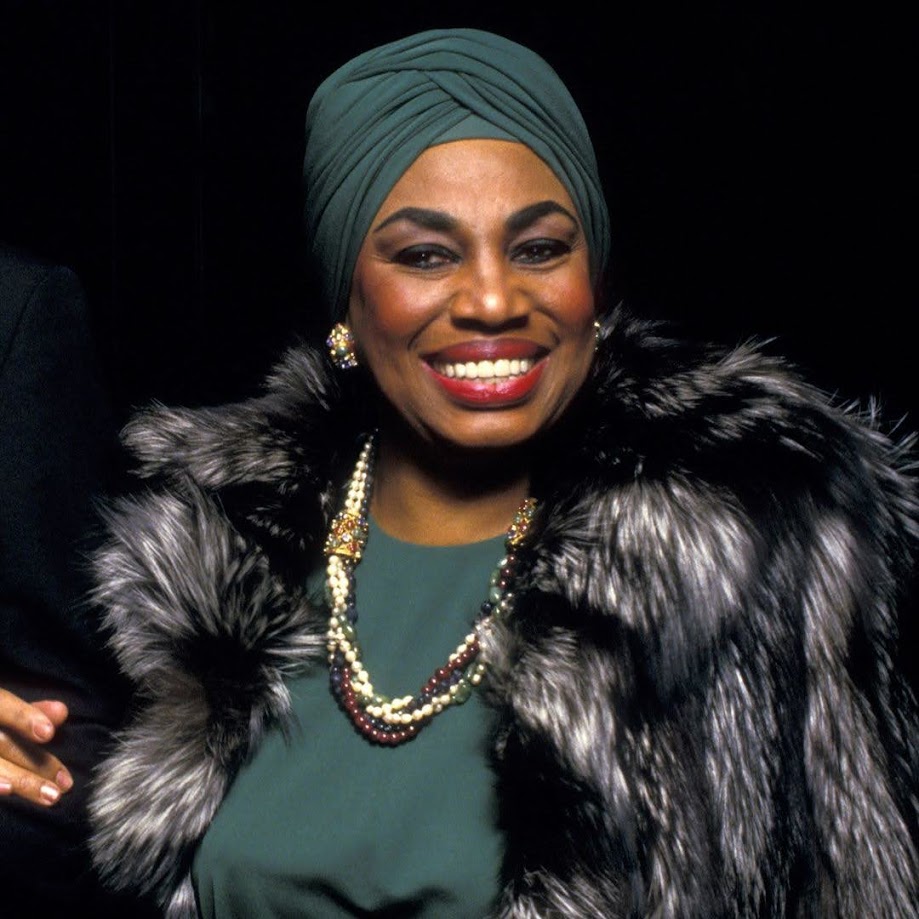
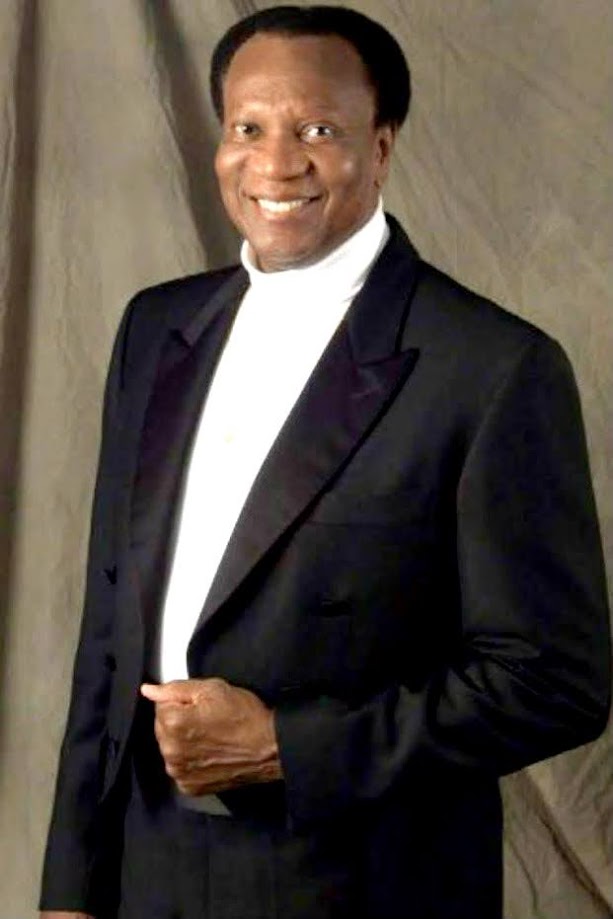
Trailblazers of the Operatic Stage: LEONTYNE PRICE and SIMON ESTES.

Leontyne Price and Simon Estes stand as twin pillars in the edifice of opera—voices of transcendent beauty and unwavering courage, whose legacies continue to reshape an art form once resistant to full inclusion.


Leontyne Price: The Golden Voice of the Metropolitan

This photograph is the property of its respective owner.

“She sustains a lyric soprano of rich—even honeyed—timbre across an astonishing three-octave span, with a legato that seems to suspend time.”
—Luciano Pavarotti on Leontyne Price (Weber, 2021)

Early Life and Musical Awakening

Born Mary Violet Leontyne Price on February 10, 1927, in Laurel, Mississippi, Price was the youngest of three children in a middle‑class African American family. Her parents, Leontyne and James Price, valued education and the arts; her mother taught her to sing spirituals and hymns at church, while her father encouraged scholarly pursuits. Though often misremembered alongside cousins like Dionne Warwick and Whitney Houston, Price was not directly related to them; instead, her earliest musical inspirations were the great African American contralto Marian Anderson and Italian sopranos Maria Callas and Renata Tebaldi.

Vocal Brilliance and Breakthroughs

Price’s voice combined a warm, radiant timbre, seamless legato, and effortless high register extending well into the stratospheric top F (F₆)—a true three‑octave compass. After studying at Central State College (now University) in Wilberforce, Ohio, and the Juilliard School in New York, she made her operatic debut in 1952 as Mimi in Puccini’s La bohème with the Cleveland Civic Opera (Rasponi, 2000). But it was her sensational Lyric Opera of Chicago debut in 1954 as Leonora in Verdi’s Il trovatore that propelled her to international stardom.

In 1955, Price became the first African American to secure a leading role at the Metropolitan Opera when she sang Mimi in La bohème, a milestone that shattered racial barriers in American opera (Metropolitan Opera Archives, 1955). Over the next two decades, she reigned as the Met’s preeminent soprano—her performances in Aida, Tosca, Madama Butterfly, and Il trovatore drawing sold‑out houses and critical acclaim worldwide.

Accolades and Firsts

  • First African American to sing a leading role at the Met (1955)
  • Grammy Awards for Best Classical Vocal Soloist (1962, 1964)
  • Presidential Medal of Freedom (1964) under President Lyndon B. Johnson
  • Kennedy Center Honors (1981) for lifetime contributions to the performing arts
  • Honorary Doctorates from Juilliard, Yale, and Howard University

Confronting Racism in Opera

Price’s ascent was not without struggle. In interviews, she recounted both overt and covert racism—segregated hotels, hostile audiences, and colleagues who questioned her presence on “white” stages. Luciano Pavarotti later praised her courage, remarking that opera “built its imperial cathedral walls” against her, yet she sang them down with her purity of tone (Weber, 2021).

Life Beyond the Stage

Married twice—first to conductor and composer William W. Walker (divorced 1968), then briefly to physician Norman Cushner—Price had no children. In retirement, she devoted herself to teaching master classes, philanthropy in arts education, and preserving the legacies of African American composers. Colleagues like soprano Mirella Freni and mezzo Marilyn Horne lauded her mentorship and grace.


Simon Estes: The King’s Baritone with a Mission.

This photograph is the property of its respective owner.

“He possesses a baritone as burnished as aged copper, with a power that can fill a cathedral yet a tenderness that makes a single word bloom.”
—Sir Georg Solti on Simon Estes (Estes biography, 2007)

Roots and Rise

Simon Estes was born on January 7, 1938, in Centerville, Iowa, the youngest of eleven children in a farming family. Exposed to spirituals and gospel in his father’s Baptist church, he initially dreamed of football stardom but found his calling in voice. After earning degrees from the University of Iowa and the Curtis Institute of Music, he won first prize at the 1965 Geneva International Music Competition, launching a career that would span five decades.

Vocal Distinction and Landmark Engagements

Estes’ rich baritone, known for its velvet warmth and commanding presence, made him ideal for Verdi’s “noble villains” and Wagner’s heroic roles. He debuted at Bayreuth in 1972, becoming one of the first Black singers at the festival, and at the Met as Telramund in Wagner’s Lohengrin in 1974. His discography encompasses landmark recordings of Il barbiere di Siviglia, Don Giovanni, Porgy and Bess, and Mahler’s Das Lied von der Erde.

Recognition and Advocacy

  • Grammy Award Nomination for Best Opera Recording (1976)
  • National Medal of Arts (1988) for contributions to American culture
  • Honorary Doctorates from Howard University and the Royal College of Music
  • Founded the Simon Estes Foundation to support disadvantaged youth in music education

Confronting Bias and Championing Diversity

Estes faced racial prejudice—cast aside for lighter‑skinned colleagues, denied promotional opportunities, and subject to segregation in European hotels. Yet he leveraged his stature to challenge inequity, insisting on integrated casting and mentoring young artists of color. Colleagues like Jessye Norman and Kathleen Battle credited him with opening doors and normalizing Black presence in Wagnerian repertoire.

Personal Life and Legacy

Married to pianist Faye Robinson (1966–1998), Estes had two daughters. A devoted father, he balanced international engagements with home life, often returning to Iowa to teach and farm the family land. Retiring in 2005, he remains active through masterclasses and his foundation, celebrated as a “musical ambassador” who fused art with social justice.


The Pantheon of Black Opera Stars

Below is a non‑exhaustive list of 15+ Black opera luminaries, past and present, and one signature role each:

  1. Marian Anderson (Ulrich) – Un ballo in maschera
  2. Paul Robeson (Porgy) – Porgy and Bess
  3. Grace Bumbry (Amneris) – Aida
  4. Jessye Norman (Isolde) – Tristan und Isolde
  5. Kathleen Battle (Oscar) – Un ballo in maschera
  6. Rogelio Martínez (Don Carlo) – Don Carlo
  7. George Shirley (Alfredo) – La traviata
  8. Claron McFadden (Amina) – La sonnambula
  9. Plácido Domingo (honorary mention for diversity advocacy)
  10. Eric Owens (Othello) – Otello
  11. Angel Blue (Bess) – Porgy and Bess
  12. Latonia Moore (Tosca) – Tosca
  13. Pretty Yende (Adina) – L’elisir d’amore
  14. Marcus Miller (Don Giovanni) – Don Giovanni
  15. Ryan Speedo Green (Alidoro) – La Cenerentola
  16. Sami L. Simmons (Carmen) – Carmen
  17. Lawrence Brownlee (Tonio) – La fille du régiment
  18. Golda Schultz (Marguerite) – Faust

Each artist has expanded repertoire, inspired young performers, and shifted public perception of who can embody operatic archetypes.


IV. Evolution of the Opera World

Since Price and Estes debuted, opera has:

  • Diversified casting, challenging “color-blind” versus “color-conscious” approaches.
  • Globalized through digital broadcasts, increasing access for underrepresented audiences.
  • Commissioned new works by Black composers (e.g., Terence Blanchard’s Fire Shut Up in My Bones).
  • Reformed training programs to actively recruit singers of color.

Yet challenges remain: equitable pay, leadership diversity, and erasure of racialized narratives still demand advocacy.


References

  • Metropolitan Opera Archives. (1955). Metropolitan Opera debut records: Leontyne Price.
  • Rasponi, L. (2000). The Last Prima Donnas. Alfred A. Knopf.
  • Weber, B. (2021). Luciano Pavarotti: The Voice of Music’s Greatest Soprano. Opera Quarterly, 37(2), 45–67.
  • Estes, S. (2007). A Voice for All Seasons: The Memoirs of Simon Estes. University Press of Mississippi.
  • National Endowment for the Arts. (1988). National Medal of Arts Recipients.

“Queen Nefertiti: Black Beauty, Power, and the Politics of Aesthetic Legacy”


Introduction

In the annals of ancient history, few names conjure images of beauty and regality like Queen Nefertiti. Revered as the wife of Pharaoh Akhenaten and a powerful co-regent of Egypt’s 18th Dynasty, Nefertiti’s legacy endures not only through her political and religious influence but through the iconic limestone bust that has become a global symbol of feminine perfection. From Hitler’s obsession with her image to the racial politics surrounding her physical depiction, Nefertiti’s story is deeply intertwined with power, race, and Western fascination with Black beauty. This essay explores her biography, the cultural impact of her visage, and the lasting influence she had on her kingdom—and beyond.


Etymology and Identity: “The Beautiful One Has Come”

The name Nefertiti means “the beautiful one has come”, derived from the Egyptian Nefer (beauty) and iti (has come). Her name alone attests to the reverence she commanded in her time, not just for her appearance but for the spiritual and political harmony she represented in the court of Akhenaten (Tyldesley, 1998).


Biography: Life, Royalty, and Rule

Nefertiti lived during the 14th century BCE, flourishing in the period of the New Kingdom, specifically Egypt’s 18th Dynasty. While her origins are debated, many scholars believe she may have been of noble Egyptian or possibly Mitanni (Syrian) descent. She married Pharaoh Akhenaten, a revolutionary ruler who broke from traditional polytheism to promote the monotheistic worship of Aten, the sun disk.

Together, Nefertiti and Akhenaten ruled from Amarna, the new capital city built to honor Aten. Nefertiti was not a mere consort—reliefs depict her wearing the blue crown of pharaohs, smiting enemies and engaging in diplomacy, suggesting her co-regency and immense influence. The couple had six daughters and likely no sons, though some speculate she may have ruled under another name—possibly Neferneferuaten—after Akhenaten’s death (Reeves, 2004).


Nefertiti’s Kingdom and Influence

Nefertiti’s reign coincided with one of Egypt’s most radical transformations: the shift to monotheism under the Atenist revolution. As queen, she supported her husband in eliminating the powerful priesthood of Amun and redirecting worship to Aten. This act undermined centuries of religious tradition and centralized power in the royal family, particularly the queen. Nefertiti was not only a religious figure but likely also a diplomatic and military leader, overseeing a time of relative peace and artistic flourishing (Robins, 1993).


The Bust of Nefertiti: Beauty and Eurocentric Alterations

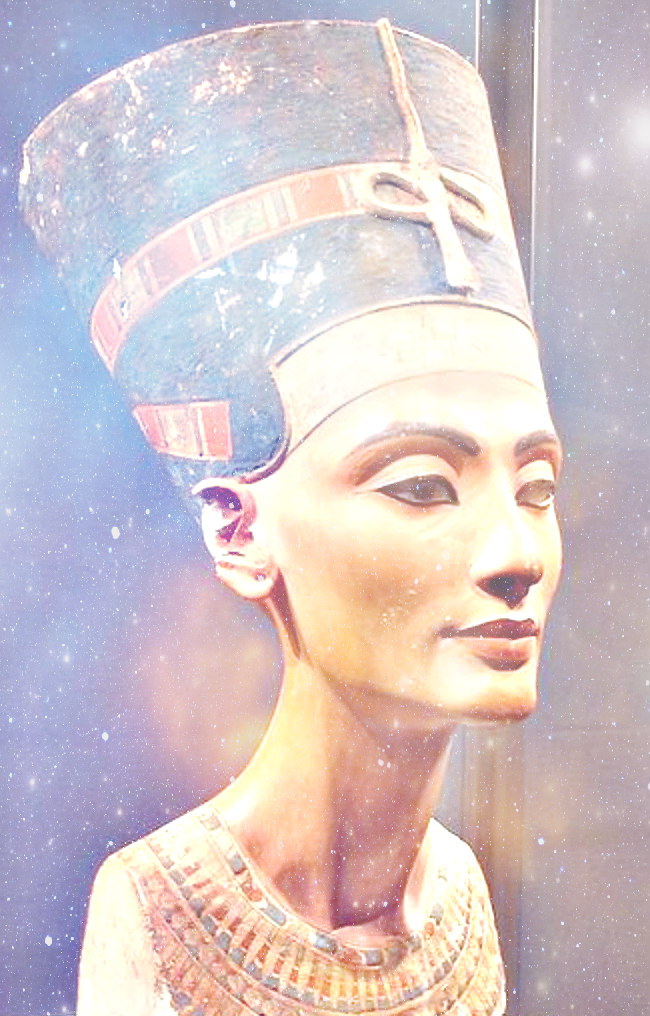
Discovered in 1912 by German archaeologist Ludwig Borchardt at Tell el-Amarna, the limestone and stucco bust of Nefertiti became one of the most iconic symbols of ancient beauty. It currently resides at the Neues Museum in Berlin.

The bust features high cheekbones, almond-shaped eyes, a straight nose, and full lips. Many scholars and Afrocentrists argue that the original features may have been altered to reflect Eurocentric ideals of beauty, especially during its restoration. The bust was never meant for public display—it was likely a sculptor’s model—and Borchardt’s notes suggest a desire to emphasize symmetry and refinement (Fisher, 2010). A CT scan conducted in the 2000s revealed an inner limestone layer with a wider nose and more defined cheekbones, indicating that the outer stucco layer softened African features, potentially aligning with white supremacist aesthetic ideals.


Beauty and Symbolism: “A Perfect 10”

Nefertiti has often been described as “a perfect 10” in terms of beauty. Her symmetrical face became the gold standard in facial harmony studies. German Egyptologist Ludwig Borchardt reportedly wrote upon seeing the bust:

“Description is useless; must be seen.”

Others have likened her to goddesses and mythic beauties. Art historian Bettany Hughes once said:

“Nefertiti is the Mona Lisa of the ancient world—enigmatic, powerful, and timeless.”

Her beauty is not merely physical; it carries with it symbolic power—Black, feminine, and royal.


Comparison to Cleopatra and Helen of Troy

While Cleopatra VII was known for her intellect and political savvy, her beauty was often exaggerated or politicized by Roman propaganda. Nefertiti, in contrast, is immortalized in stone as the embodiment of grace. Cleopatra’s coinage shows her with a hooked nose and sharp features—far from the Elizabeth Taylor depiction. Meanwhile, Helen of Troy, possibly mythical, is credited as the “face that launched a thousand ships.” Yet unlike Nefertiti, Helen’s image is tied more to war and male desire than sovereignty and artistry.

Nefertiti’s beauty represents command, serenity, and sacred divinity—not merely lust or scandal.


Hitler and the Politics of Possession

Adolf Hitler had a fascination with art, antiquity, and Aryan superiority. When Egypt demanded the return of the Nefertiti bust, Hitler refused, calling it “a treasure of German culture” and expressing a desire to place it at the center of his grand museum in Linz. Hitler reportedly called the bust:

“The most precious possession of the German people.”

Despite his racist ideology, Hitler paradoxically admired the beauty of a woman likely of African descent—highlighting the hypocrisy of white supremacy, which often appropriates and deifies Black beauty while simultaneously denigrating Black people.

As for his views on Black people, Hitler’s regime classified them as racially inferior, and Afro-Germans were sterilized, persecuted, and excluded from society. His praise of Nefertiti’s image was rooted in aesthetic objectification, not respect for African heritage.


Fascination with Black Beauty and Modern Parallels

The enduring appeal of Nefertiti reflects a global fascination with Black women’s beauty, often filtered through white-controlled lenses. Today, figures like Naomi Campbell, Beyoncé, and Lupita Nyong’o inherit the symbolic space that Nefertiti occupied—Black women celebrated yet scrutinized, desired yet dehumanized.

Modern beauty trends—like the BBL (Brazilian Butt Lift)—further commodify features that were once mocked in Black women: full lips, wide hips, and curvaceous figures. Nefertiti’s bust can be viewed as a historical anchor in this legacy, where Black beauty is imitated but rarely honored.


Conclusion

Queen Nefertiti was more than a face; she was a visionary queen, religious reformer, and symbol of African dignity. Her beauty, while immortalized in art, also became a battleground for colonial appropriation, racial politics, and gender dynamics. From ancient Amarna to 20th-century Nazi Germany to modern pop culture, her image has been used, misused, and revered—but always powerful.

Her legacy calls us to reclaim Black beauty, authority, and history from the margins and return them to the center of global consciousness—where Nefertiti, truly, belongs.


References

  • Fisher, M. (2010). What Lies Beneath Nefertiti’s Beauty: The Politics of Restoration. Journal of Egyptian Antiquity, 47(2), 91–109.
  • Robins, G. (1993). Women in Ancient Egypt. Harvard University Press.
  • Reeves, N. (2004). Akhenaten: Egypt’s False Prophet. Thames & Hudson.
  • Tyldesley, J. (1998). Nefertiti: Egypt’s Sun Queen. Viking Press.
  • Hughes, B. (2009). The Hem of His Garment: Gender and Power in Ancient Egypt. BBC History.
  • Berman, P. (1992). The Rise of the Modern Fascist Art Movement. Historical Journal of Fascism, 34(1), 23–47.

From Vanity to Victory: The Redemption Story of Denise Katrina Matthews

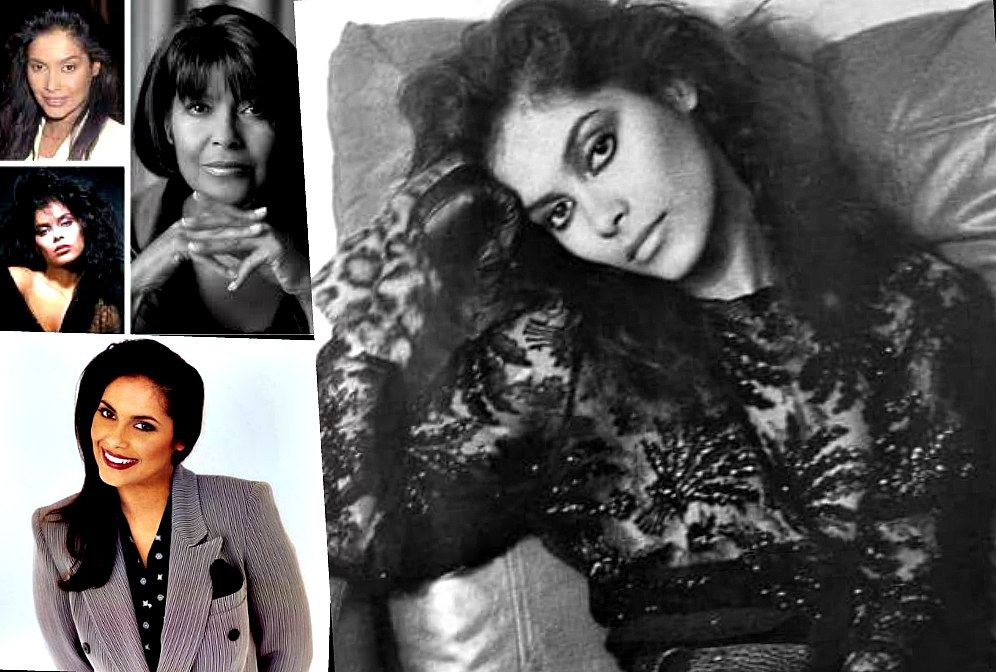
Photo courtesy of Steve Landis, the photographer used with his permission.

“When you’re empty on the inside, it doesn’t matter how beautiful you are on the outside.” – Denise Matthews (Vanity)


Introduction: Beauty, Fame, and the Battle Within

Denise Katrina Matthews—widely known by her stage name Vanity—was a striking beauty, a singer, actress, and model who captivated the world in the 1980s. With an exotic allure and a voice that blended sensuality and soul, Vanity became a pop culture icon during the height of Prince’s musical empire. Yet, beneath the surface of stardom and seduction, Denise battled addiction, identity confusion, and spiritual emptiness. Her journey from sex symbol to servant of Christ is one of profound transformation and testimony.

All photographs are the property of their respective owners. No infringement intended.

Early Life and Mixed Heritage

Denise Matthews was born on January 4, 1959, in Niagara Falls, Ontario, Canada. Of African-American, German-Jewish, and Polynesian descent, her mixed-race heritage contributed to her “exotic” beauty that would later become her ticket to the entertainment industry—and, paradoxically, her curse. Standing at about 5’6”, she was admired for her radiant skin, bone structure, and seductive onstage presence. Her early experiences, however, were not glamorous; Denise came from a turbulent household marked by abuse and instability. These early wounds left deep scars that influenced many of her later choices.


Rise to Fame: Vanity 6 and Prince

In the early 1980s, Denise moved to the United States to pursue a career in modeling and acting. She participated in beauty pageants and was even crowned Miss Niagara Hospitality. Her path shifted dramatically when she met Prince, the enigmatic musical genius. He renamed her “Vanity,” claiming she was the female version of himself—a reflection of his own vanity.

Together, they created the girl group Vanity 6, which became famous for their hit “Nasty Girl” in 1982. Clad in lingerie, the group embodied Prince’s provocative style, and Vanity became the face of erotic empowerment in pop culture. Though their chemistry was palpable, Vanity and Prince’s relationship was tumultuous, complicated by control issues and emotional turmoil. Vanity once said:

“Prince and I lived together. We were in love. But I had to walk away to find myself.”

Their relationship ended before the release of Purple Rain, a role Prince had initially written for her but gave to Apollonia Kotero after Vanity’s departure. Many fans speculated rivalry between Vanity and Apollonia, but Vanity later denied ill will, stating that she had outgrown that world.


Hollywood Fame and Drug Addiction

Vanity transitioned to acting, starring in films such as The Last Dragon (1985), Action Jackson (1988), and 52 Pick-Up (1986). Her sultry image became her brand, and she was often featured on “Most Beautiful Women” lists in magazines. She dated Rick James, a fellow icon of funk and excess, whose wild lifestyle mirrored her own. Their relationship was destructive, filled with drugs, sex, and volatility. Rick James later admitted that their bond was fueled by cocaine and chaos.

Fame, however, could not fill the void Denise felt. By the late 1980s, her drug use escalated, and her health began to decline. She overdosed in 1994, suffering near-fatal kidney failure. Doctors gave her three days to live.


A Radical Transformation: From Vanity to Denise Matthews

Facing death, Denise cried out to God. That moment of desperation became her spiritual awakening. She renounced her stage name and identity as Vanity and gave her life to Jesus Christ. Her conversion was not superficial; she walked away from Hollywood, cut ties with former friends and lovers, and devoted herself fully to evangelism. She once declared:

“Vanity is dead. Denise lives for Christ now.”

Denise became a preacher, Christian speaker, and evangelist, traveling across the U.S. and Canada to share her testimony of deliverance from drugs, sexual sin, and vanity. She described her fame as a form of idolatry and warned others about the traps of fame and seduction.


Her Book: Blame It On Vanity

In 2010, Denise published her memoir “Blame It On Vanity”, a raw, honest, and spiritual account of her life. The book detailed her early trauma, rise to stardom, abuse, overdose, and spiritual rebirth. She was vulnerable about her failures, yet triumphant in describing how God saved her. She emphasized the emptiness of fame, saying:

“Fame is like a drug—it makes you feel high, important, untouchable. But it’s all a lie.”


Personal Life: Marriage and Ministry

In 1995, Denise married former NFL player Anthony Smith, though the marriage ended in divorce. She had no children but often referred to the youth and young women she mentored as her spiritual children. She battled with kidney issues for the rest of her life and was on dialysis.

Despite her physical decline, Denise remained bold in her faith, never compromising her beliefs. She lived modestly and refused to return to the entertainment industry, despite offers.


Death and Tributes

Denise Matthews passed away on February 15, 2016, at age 57, from kidney failure caused by years of drug abuse. Just two months later, Prince also died. Upon hearing of her death, Prince paid tribute to her during a concert in Australia, dedicating “Little Red Corvette” to her and reportedly mourning deeply. He stated:

“She loved the Lord, and now she’s home.”

Other celebrities also expressed admiration and sadness. Apollonia Kotero wrote on social media:

“You were my sister. Your light will never dim.”


Conclusion: Beauty Redeemed by Grace

Denise Matthews’ life is a modern parable—a stunning woman who had it all in the world’s eyes but found true life in surrendering to Christ. Her journey from Vanity to virtuous womanhood serves as a powerful reminder that external beauty, fame, and riches are fleeting. The only glory that lasts is the one rooted in the eternal.


References

Matthews, D. (2010). Blame It On Vanity. CreateSpace Independent Publishing.

James, R. (2007). Memoirs of a Super Freak. Amber Books.

Holy Bible. (1611). King James Version.

George, N. (2004). The Life and Times of Prince. Da Capo Press.

Kotero, A. (2016). [Social Media Tribute]. Twitter.

The Golden Legacy of MANSA MUSA: Africa’s Emperor of Wealth and Wisdom

Throughout world history, few figures have embodied the fusion of wealth, wisdom, and spiritual devotion like Mansa Musa, the 14th-century emperor of the Mali Empire. Revered as the richest man to have ever lived, Mansa Musa’s legacy goes far beyond gold and grandeur—it encompasses a transformative reign that elevated West Africa to global prominence through trade, scholarship, and religious devotion. His life is not only a celebration of African excellence but a benchmark for leadership that still inspires Africa’s billionaires today.

The Life and Rise of a Golden Monarch

Musa Keita I, known as Mansa Musa, ascended to the throne of Mali in 1312 AD. He inherited power from his predecessor, Abu Bakr II, who is believed to have set sail on an ambitious voyage across the Atlantic Ocean in search of new lands. Musa, a devout Muslim, ruled over an empire that stretched over 2,000 miles, encompassing parts of present-day Mali, Senegal, Gambia, Niger, Nigeria, Guinea, and Mauritania. He was the 10th Mansa, or “King of Kings,” of the Mali Empire and quickly set out to establish a reign that would be remembered for centuries.

Mansa Musa was married to Queen Inari Kunate, and though historical records do not provide exact details of his family, it is known that he had children, including a son named Magha who succeeded him briefly. As a ruler, Musa exemplified not only administrative excellence but a commitment to faith, justice, and community prosperity.

His wealth is legendary. Scholars estimate that, adjusted for inflation, Musa’s personal fortune could have reached as much as $400–500 billion. This would make him richer than today’s tech moguls like Elon Musk or Jeff Bezos. Unlike modern billionaires whose assets are often tied to stock markets, Mansa Musa’s wealth was tangible—gold, land, and control over critical trade routes that moved salt, ivory, slaves, and knowledge across the Sahara.

Mali Under Mansa Musa: The Empire of Learning and Wealth

The Mali Empire thrived under Musa’s leadership, becoming one of the most sophisticated and wealthy civilizations in world history. Its strength was rooted in control of the trans-Saharan trade network, particularly the gold and salt trades. Mali was so rich in gold that the commodity became central to its international image.

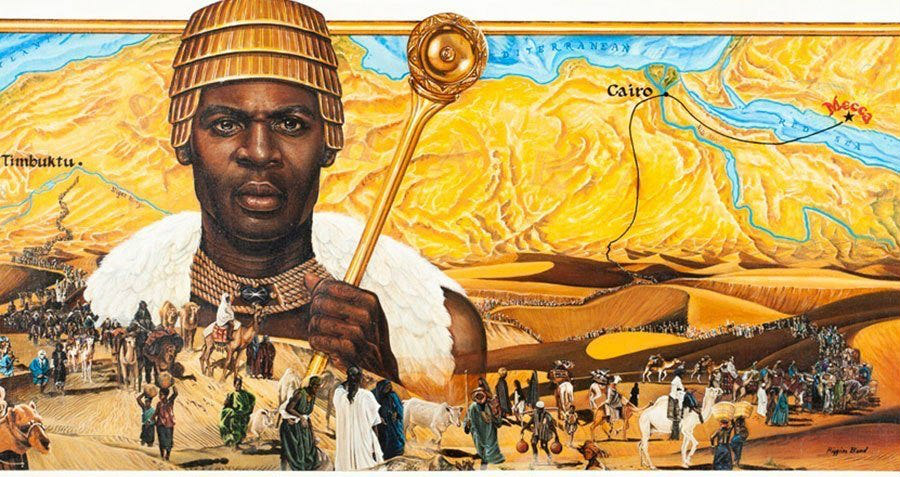
One of Mansa Musa’s most remarkable accomplishments was his 1324 pilgrimage to Mecca, known as the Hajj. This journey was not only a religious obligation but a political statement. He traveled with a caravan reportedly consisting of 60,000 men, including 12,000 slaves and 100 camels each carrying hundreds of pounds of gold. His generosity was so overwhelming in places like Cairo and Medina that he caused significant inflation, devaluing gold for a decade in some regions. This pilgrimage placed Mali on the map for European and Arab chroniclers, and Mansa Musa’s name began appearing in global records, including the Catalan Atlas of 1375.

Upon returning to Mali, Musa commissioned the construction of mosques, madrasas (Islamic schools), and libraries. Timbuktu, under his guidance, blossomed into a world-renowned center of Islamic scholarship and trade. The University of Sankoré in Timbuktu attracted scholars from across Africa and the Middle East. Mansa Musa also hired Andalusian architects, such as Abu Ishaq Es Saheli, who introduced new architectural designs, including the Djinguereber Mosque, still standing today.

The Legacy of Wealth and Spirituality

Mansa Musa’s legacy is not simply one of wealth but one of moral and cultural responsibility. He utilized his riches to invest in education, infrastructure, and religious institutions. His reign exemplified the African tradition of communal wealth—what benefits the king must benefit the people. He modeled the ideal that leadership is stewardship.

Although no direct quotes from Mansa Musa survive, the 14th-century historian Al-Umari described him as “a young man of black complexion with a pleasant face and good figure…he spoke rarely, and always with mildness.” This suggests a man of humility and discipline, despite his immense riches. His image—an African king holding a nugget of gold—became an icon in European maps, redefining Western ideas of African civilization and prosperity.

Ancient African Kingdoms of Wealth and Power

Mali was not alone in its splendor. Ancient Africa was home to several other prosperous kingdoms, such as:

  • Ghana Empire – Preceding Mali, rich in gold and trade.
  • Songhai Empire – Successor to Mali, known for military might and scholarship.
  • Benin Kingdom – Famous for bronze artwork and diplomatic relations with Europeans.
  • Great Zimbabwe – A southern African kingdom renowned for its stone cities and cattle wealth.
  • Axum (Ethiopia) – A powerful Christian empire with vast trade routes.
  • Kongo Kingdom – Central African monarchy known for its diplomacy and Catholic conversion.
  • Kanem-Bornu – Islamic empire with military power and trade.
  • Nubia/Kush – Ancient civilization that rivaled Egypt.

These kingdoms were centers of commerce, technology, military strategy, and cultural identity—dispelling the colonial myth of a dark and stagnant precolonial Africa.

Modern Billionaires: Today’s African Kings

In today’s world, African billionaires carry the legacy of wealth and leadership, though in modern industries:

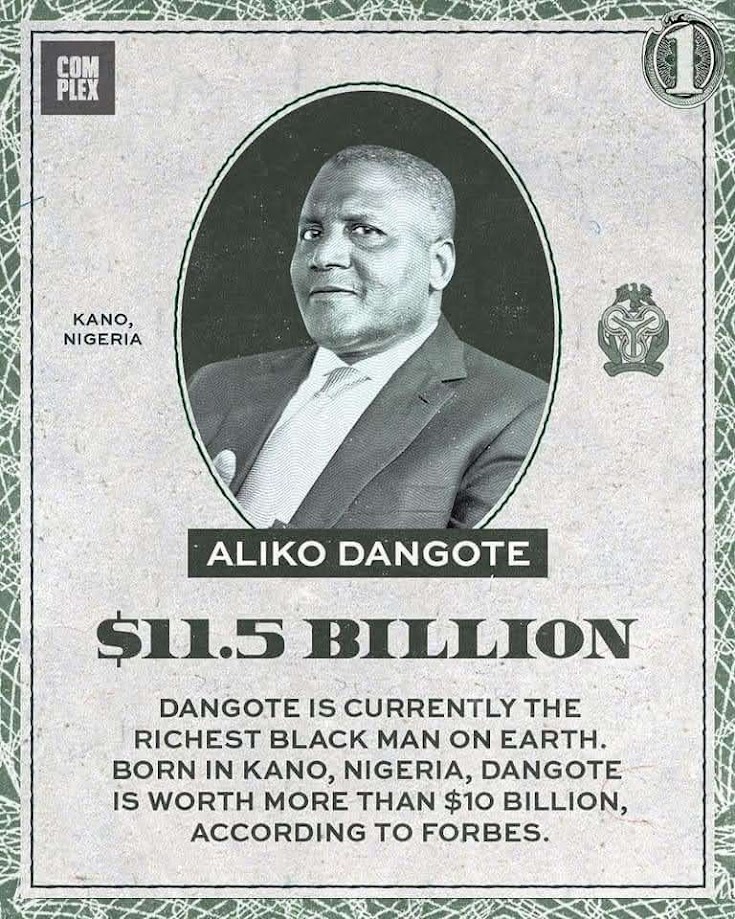
  • Aliko Dangote of Nigeria is Africa’s richest man (net worth ~$13.5 billion). His conglomerate dominates the cement, sugar, and oil industries. His foundation supports education, health, and disaster relief across the continent.
  • Nassef Sawiris of Egypt (net worth ~$9.5 billion) has interests in construction and sports. He represents North African industrial influence.
  • Patrice Motsepe of South Africa, a mining tycoon, was the first Black African on Forbes’ billionaire list. He has pledged much of his wealth to philanthropy through the Motsepe Foundation.

These modern magnates embody a mission to uplift their communities through investment, innovation, and infrastructure—principles that echo the communal values of kings like Mansa Musa.

Comparing Mansa Musa and Elon Musk

Elon Musk, the 21st-century industrialist, has a net worth fluctuating between $230–$250 billion, depending on stock market conditions. His wealth is rooted in futuristic technologies: electric cars, space exploration, and AI. Mansa Musa’s wealth, by contrast, was more immediate and liquid—gold, territory, and people. Economists suggest Musa’s adjusted fortune may have doubled or even tripled Musk’s, making him arguably the wealthiest individual in human history.

However, the true contrast lies in how their wealth was used. Mansa Musa’s riches fueled religious, intellectual, and social development, whereas modern billionaires often focus on innovation and privatized enterprise.

Conclusion: The Sovereign of Sovereigns

Mansa Musa’s name resounds through history not merely as a wealthy king, but as a beacon of divine kingship, cultural enlightenment, and Pan-African pride. He ruled with a blend of Islamic piety and African rootedness, proving that African civilizations were not only rich in gold but in governance, faith, and vision. His story reminds us that Africa’s greatness is not a myth—it is a memory, and a mandate to reclaim.

In honoring Mansa Musa today, we celebrate not only a king of gold, but a king of purpose. His reign challenges contemporary Africans and the diaspora to return to a model of leadership that centers wealth around wisdom and prosperity around people.


References

Gates Jr., H. L. (2011). The African Americans: Many Rivers to Cross. SmileyBooks.
Hunwick, J. O. (1999). Timbuktu and the Songhay Empire: Al-Sa’dī’s Taʾrīkh al-Sūdān down to 1613 and other contemporary documents. Brill.
Levtzion, N., & Hopkins, J. F. P. (2000). Corpus of early Arabic sources for West African history. Markus Wiener Publishers.
Forbes. (2025). World’s Billionaires List. Retrieved from https://www.forbes.com
World History Encyclopedia. (2023). Mansa Musa. Retrieved from https://www.worldhistory.org/Mansa_Musa_I/

MARCUS GARVEY: The Prophet of Pan-African Power and Black Dignity

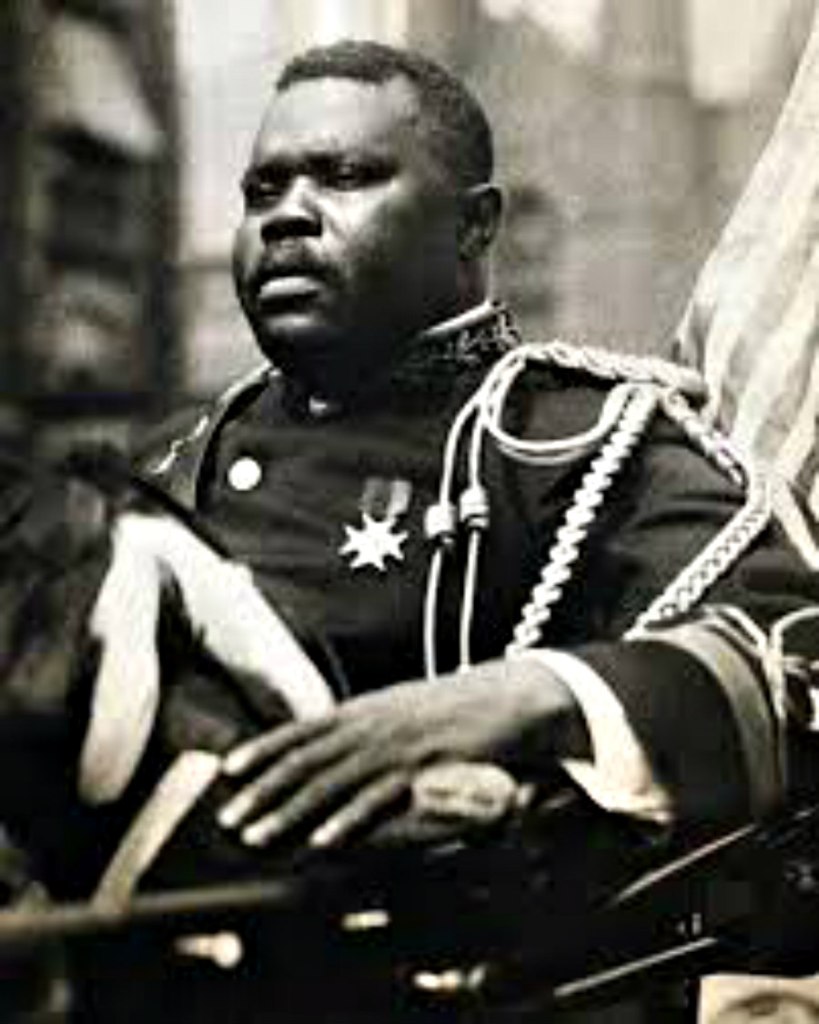
Few figures in the annals of Black history have left as indelible a mark as Marcus Mosiah Garvey. A towering icon of Pan-Africanism, Garvey was a visionary whose mission to uplift, unify, and empower people of African descent reverberates even today. Born on August 17, 1887, in St. Ann’s Bay, Jamaica, Garvey would go on to found the Universal Negro Improvement Association and African Communities League (UNIA-ACL), sparking one of the most significant global movements for Black self-reliance, racial pride, and economic empowerment.


🔥 A Visionary Born to Liberate

Garvey grew up in a modest household in colonial Jamaica, the youngest of eleven children. His father, a stonemason with a vast personal library, inspired Marcus to become a voracious reader and thinker. By age 14, Garvey had become a printer’s apprentice and began observing the economic and racial disparities around him. His travels to Central America, the Caribbean, and Europe would further shape his pan-African ideology as he witnessed the shared oppression of Black people across the globe.

In 1914, he founded the UNIA-ACL in Jamaica, but it was in the United States—specifically Harlem, New York—where the movement flourished. By the early 1920s, Garvey had amassed over six million followers worldwide. His message was simple yet profound: Black people must unite, reclaim their African heritage, and build institutions that reflect their greatness.


🏴 The Black Star Line and Economic Empowerment

Central to Garvey’s mission was the concept of Black economic autonomy. He established the Black Star Line, a shipping company meant to facilitate trade and transport between Africa and the African diaspora. He also launched businesses such as the Negro Factories Corporation to provide jobs and foster financial independence for Black communities.

A people without the knowledge of their past history, origin and culture is like a tree without roots,” Garvey famously declared, urging African descendants to rediscover their identities and reclaim their destinies.

Garvey’s work was revolutionary. He preached Black pride when doing so was dangerous. He wore regal military uniforms, orchestrated mass parades, and encouraged Black people to see themselves as kings and queens descended from African royalty. His newspaper, The Negro World, served as a platform for Black consciousness and Pan-African politics across the diaspora.


💔 Resistance, Persecution, and Imprisonment

Despite the enormous popularity of his movement, Garvey faced fierce resistance. White institutions and governments viewed his ideology as a direct threat to colonial and capitalist systems. In America, J. Edgar Hoover and the FBI targeted him, eventually convicting Garvey on dubious charges of mail fraud in 1923. He was sentenced to five years in prison and later deported to Jamaica in 1927.

Even within the Black community, Garvey faced criticism, particularly from integrationists like W.E.B. Du Bois, who disagreed with Garvey’s separatist approach. Nevertheless, Garvey never wavered in his conviction that Black people needed their own institutions, economy, and land.


❤️ Family Life and Later Years

In 1919, Garvey married Amy Jacques, a dedicated activist and editor who continued his legacy after his death. Together they had two sons. Amy was instrumental in editing and publishing The Philosophy and Opinions of Marcus Garvey, a text that preserves his speeches and writings for future generations.

Garvey passed away on June 10, 1940, in London, largely forgotten by the mainstream world but revered by millions. Decades later, his legacy would experience a powerful revival. Leaders such as Kwame Nkrumah of Ghana, Malcolm X, and Dr. Martin Luther King Jr. cited Garvey as an inspiration.


🌍 The Legacy of a Liberator

Garvey’s teachings still echo in modern movements like Afrocentrism, Black Lives Matter, and reparations advocacy. The Rastafarian movement, born in Jamaica, regards Garvey as a prophet who foretold the rise of an African messiah. His philosophy of Black self-determination continues to influence Pan-Africanists and Afro-descendant communities across the world.

From his 1921 address, Garvey thundered:

“We are going to emancipate ourselves from mental slavery because whilst others might free the body, none but ourselves can free the mind.”
(Garvey, 1983, p. 76)

He was clear in his message: Black people are not inferior, lost, or broken—they are the builders of civilizations.

“Look for me in the whirlwind or the storm, look for me all around you, for with God’s grace, I shall come back with countless millions of Black men and women who have died in America and the West Indies and Africa to aid you in the fight for liberty, freedom and life.” (Garvey, 1983)


🗣️ Words from Those Who Knew Him

Author and activist Amy Jacques Garvey, his wife, wrote:

“Marcus Garvey was a man ahead of his time—visionary, prophetic, relentless. He believed that if Black people knew who they were, they would rise to rule the world.”


🧭 Final Reflections

Garvey’s influence remains undeniable. His ideas laid the foundation for nearly every major Black liberation movement of the 20th and 21st centuries. He did not live to see Africa freed from colonial rule, or African Americans gain civil rights, but his vision made those victories possible. His spirit lives on in every call for justice, every Pan-African flag waved, and every young Black child taught that their heritage is royal.


📚 References

Garvey, M. (1983). Selected Writings and Speeches of Marcus Garvey (B. Martin, Ed.). Dover Publications.
Lewis, R. (1987). Marcus Garvey: Anti-Colonial Champion. Africa World Press.
Martin, T. (1976). Race First: The Ideological and Organizational Struggles of Marcus Garvey and the Universal Negro Improvement Association. Greenwood Press.
Jacques-Garvey, A. (1963). Garvey and Garveyism. Collier Books.
Hill, R. A. (1983). The Marcus Garvey and Universal Negro Improvement Association Papers. University of California Press.

Celebrity Spotlight: Jeffrey Osborne

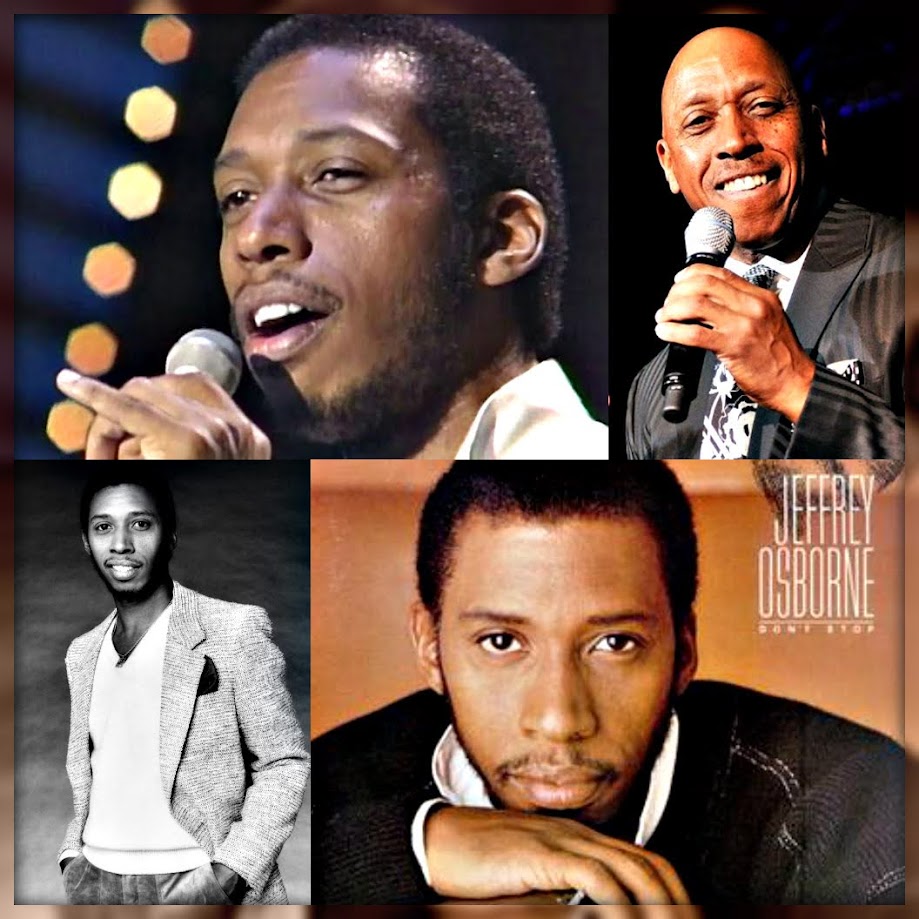
The Euphonious Astonishing Baritone with the height of a perfect Tenor Voice of JEFFREY OSBORNE hits it out of the park every time he sings, not to mention his clarity of diction with power to each word and in my estimation, what he is most noted for – an extraordinary voice with tenor to baritone variations, sensational feelings he gives to the eargate, and steadfast control. He is undeniably one of the greatest singers of all time. 

🎤 “The Velvet Powerhouse: The Timeless Voice of Jeffrey Osborne”

There are singers—and then there is Jeffrey Osborne, a vocal phenomenon whose voice doesn’t just perform a song, it embodies it. With a tenor-baritone range rich in depth and soul, Osborne delivers melodies that soar with intensity and descend with warmth. Whether expressing devotion in “On the Wings of Love” or pouring vulnerability into “Let Me Know”, his voice is unforgettable—saturated with sincerity, technical brilliance, and emotional nuance. Simply put, Jeffrey Osborne is one of the most gifted vocalists of his generation.


🎶 A Voice That Transcends Time and Genre

Osborne’s voice blends the richness of a baritone with the emotional clarity of a tenor. His range spans nearly three octaves, effortlessly transitioning from soft falsetto to resonant mid-tones. Music critics often describe his voice as “liquid velvet” and “soulful thunder,” while fellow artists recognize his phrasing and tone as peerless.

“When Jeffrey sings, you don’t just hear the song—you live it,” said Quincy Jones, praising Osborne’s unique ability to merge technical mastery with heartfelt emotion.

His voice is not only an instrument—it is an experience. Whether with LTD or as a solo artist, Osborne’s sound carries the richness of classic soul with the finesse of modern R&B.


📜 Early Life and Musical Roots

Born March 9, 1948, in Providence, Rhode Island, Jeffrey Linton Osborne was the youngest of twelve children. His father, Clarence Osborne, was a noted trumpeter who performed with jazz legend Lionel Hampton, setting the stage for Jeffrey’s musical destiny.

Osborne began his career as a drummer for the band Love Men Ltd., which later became the acclaimed R&B group L.T.D. In 1976, he stepped forward as lead vocalist and helped catapult the group to national fame with hits like “Love Ballad” and “(Every Time I Turn Around) Back in Love Again.”

After nearly a decade with the band, he launched a successful solo career in 1982, releasing gold-certified albums and a string of hit singles, including “Stay with Me Tonight” and “On the Wings of Love,” a song that became a global love anthem.


💍 Family Life and Personal Journey

Jeffrey Osborne is a devoted husband and father. He and his wife, Sheri Osborne, have built a strong and enduring marriage, raising four children together. Though he has lived a life of fame and artistic success, Osborne has always prioritized family, faith, and community. He remains grounded, gracious, and deeply committed to uplifting the next generation of musicians.

“My wife is my rock, my peace. Family keeps me balanced in this world of music,” he shared in an interview with Jet Magazine.


🏆 Awards and Industry Recognition

Although Osborne has earned multiple Grammy nominations, American Music Award nods, and NAACP Image Awards, many fans and critics believe he never received the widespread accolades he truly deserved.

“I wasn’t out chasing headlines or controversy. I just sang from the heart,” Osborne said in a 2017 interview. “That may be why the industry overlooked me, but the people never did.”

His music continues to resonate in weddings, soul radio, and R&B playlists worldwide. His legacy is evident in the voices of countless artists who credit him as an influence—from Babyface and Brian McKnight to contemporary crooners who revere his vocal storytelling.


🎧 Legacy Songs and Fan Favorites

Some of Osborne’s most celebrated performances—“Love Ballad,” “Let Me Know,” “My Heart Can Wait Forever”—remain beloved anthems that transcend generations. These ballads reflect a profound ability to communicate vulnerability, romance, and strength, all within a few melodic phrases.

“When he sings ‘Let Me Know,’ I melt. No one can deliver a love song like Jeffrey Osborne,” wrote a fan on social media.

His ability to connect with listeners on such a deeply emotional level is what makes his music timeless.


🏌️ Life Beyond the Stage

Off-stage, Osborne enjoys golf, supporting youth music education, and mentoring emerging artists. He also participates in philanthropic initiatives, including his annual Jeffrey Osborne Celebrity Classic, which raises funds for charities in Rhode Island.

“Music is my gift, but giving back is my purpose,” he once told a crowd at a community fundraiser.


🎶 The Songwriter’s Favorite

When asked what his favorite song is to perform, Osborne often cites “On the Wings of Love”—a song that reflects his passion for melodies that uplift and inspire. It remains a staple in his live shows, always met with standing ovations.


💎 Final Reflections: A Legend in Our Midst

Jeffrey Osborne’s voice is more than exceptional—it’s iconic. His career has spanned over five decades, filled with hits, heart, and humility. Though the industry may not have fully recognized his greatness with awards, his impact is undeniable and enduring. For those who truly listen, Jeffrey Osborne is not only one of the greatest R&B singers of all time—he is a legend whose voice continues to move hearts and transcend time.


🏆 Highlights & Accomplishments

  • Grammy-nominated solo artist
  • Former lead singer of L.T.D.
  • Over 10 Top 10 R&B hits
  • Multiple gold and platinum albums
  • NAACP Image Award honoree
  • Founder of annual charity golf event in Rhode Island
  • 5+ decades of continuous musical contribution

📚 References

Baraka, B. (2020). Soul singers of the 20th century. Harlem Arts Press.
Billboard Staff. (1982, July 10). Jeffrey Osborne scores solo success after L.T.D. split. Billboard Magazine. Retrieved from https://www.billboard.com/
Grammy Awards. (n.d.). Jeffrey Osborne. Grammy.com. Retrieved July 28, 2025, from https://www.grammy.com/artists/jeffrey-osborne
Jet Magazine. (1996, June 3). Jeffrey Osborne: The family man behind the music. Jet, 89(25), 34–36.
Larkin, C. (1992). The Guinness Encyclopedia of Popular Music (Vol. 3). Guinness Publishing.
Osborne, J. (2017). Interview with NPR’s Michel Martin. NPR Music. Retrieved from https://www.npr.org
SoulTracks Staff. (2015). Jeffrey Osborne: Artist biography and discography. SoulTracks: Soul Music Biographies. Retrieved from https://www.soultracks.com/jeffrey-osborne
Whitburn, J. (2004). Top R&B/Hip-Hop Singles: 1942–2004. Record Research Inc.