Category Archives: Beauty Secrets

Plastic Surgery: The Artifical Beauty Standard

Photo by cottonbro studio on Pexels.com

The pursuit of beauty has existed for centuries, but in modern society, it has taken on new dimensions with the widespread use of plastic surgery. Increasingly, men and women are willing to undergo painful, expensive, and sometimes dangerous procedures to alter their natural appearance. This fixation on artificial beauty reflects deeper issues of self-esteem, cultural pressure, and misplaced value on outward appearance rather than inner character. The Bible warns against such vanity, urging believers to focus on the “hidden man of the heart” (1 Peter 3:3 -4, KJV), where true beauty lies.

The Psychology of Plastic Surgery

From a psychological standpoint, many people who seek plastic surgery struggle with body image dissatisfaction, social comparison, and the pressures of perfectionism. Studies have linked high usage of cosmetic surgery to body dysmorphic disorder (BDD)—a condition where individuals obsess over perceived flaws in their appearance (Sarwer et al., 2007). Social media platforms further intensify this by promoting “filter culture” and unrealistic beauty ideals, leading many to feel inadequate in their natural state. While some individuals pursue cosmetic enhancements for reconstructive purposes after accidents or illness, the majority seek it for vanity-driven reasons tied to self-worth and societal approval.

Popular Procedures and Cultural Influence

The most popular plastic surgery procedures include rhinoplasty (nose reshaping), liposuction, breast augmentation, buttock enhancement (such as the Brazilian Butt Lift), eyelid surgery, and facelifts. In non-surgical categories, Botox and dermal fillers dominate. Celebrities have both normalized and accelerated these trends. Figures such as the Kardashians are often cited by plastic surgeons as the most requested “look” (Devgan, 2021). Other celebrities like Michael Jackson, Lil’ Kim, and Jocelyn Wildenstein became famous for their extensive facial surgeries. Surgeons report that patients often bring photos of celebrities or even AI-generated images of themselves to consultations, asking to be transformed into “idealized” versions of beauty.

Most Popular Plastic Surgery Procedures

According to the 2024 ASPS (American Society of Plastic Surgeons) report:

These trends reflect both enduring body contouring demands and the growing popularity of quick, minimally invasive procedures.


2. Which Celebrity Faces Are Most Requested?

Plastic surgeons report strong demand to emulate the appearance of celebrities, particularly members of the Kardashian-Jenner family, renowned for contoured bodies, full lips, and balanced facial features. However, now, many clients bring filtered selfies, seeking to replicate surgically what filters achieve—a phenomenon referred to as “Snapchat Dysmorphia.” Wikipedia


3. Psychology: Why Do People Get Plastic Surgery?

  • Self-Image & Identity: Many seek boosted confidence or wish to look refreshed rather than drastically altered. Surgeons like Dr. Banek integrate psychological evaluations to understand client motivations. The Times
  • Social Media Influence: The rise of social media and filter culture increases facial and body dissatisfaction. A study from Boston University found a jump in people considering cosmetic surgery—from 64% to 86%—and increased surgeon consultations. New York Post
  • Psychological Traits: Research shows that high levels of perfectionism and external appearance pressure predict increased interest in cosmetic procedures. Allure

Summary Table

TopicInsight
Top Procedures (2024)Liposuction, breast augmentation, abdominoplasty, breast lift, eyelid surgery
Celebrity TrendsKardashian-inspired looks and “filtered selfie” aesthetic requests
Why People Opt InTo improve confidence, influenced by social media, driven by body image issues

The Cost of Artificial Beauty

Plastic surgery is also a multi-billion-dollar industry. In the United States, procedures can range from $5,000 to $15,000 for breast or body operations, and $7,500 or more for facial surgeries (American Society of Plastic Surgeons, 2022). Non-surgical procedures, though less invasive, still cost hundreds to thousands annually due to repeat maintenance. Beyond financial cost, patients often face physical risks such as infection, scarring, nerve damage, or even death from procedures like the Brazilian Butt Lift, which has one of the highest mortality rates among elective surgeries.

Biblical Teachings on Beauty

The Bible warns against excessive focus on outward appearance. Proverbs 31:30 (KJV) reminds us, “Favour is deceitful, and beauty is vain: but a woman that feareth the Lord, she shall be praised.” Similarly, 1 Timothy 2:9 encourages modesty and inner godliness over outward adornment. God created each person “fearfully and wonderfully made” (Psalm 139:14, KJV), and altering His vanity design can reflect ingratitude and misplaced priorities. While the Bible does not specifically mention plastic surgery, it consistently elevates inner character, spiritual fruit, and holiness above physical alterations.

Why People Do It

The reasons people undergo plastic surgery are deeply tied to insecurity, cultural standards, and societal glorification of celebrity beauty. Many believe it will bring happiness, confidence, or romantic fulfillment, but psychological studies reveal that satisfaction often fades, leading to repeated procedures (Honigman et al., 2004). In essence, it becomes a cycle of chasing perfection that never delivers lasting peace. The Bible teaches that true contentment cannot be bought or surgically implanted but is rooted in faith, identity in God, and the love of Christ (Philippians 4:11).

Conclusion

Plastic surgery reflects a culture that idolizes artificial beauty and neglects the spiritual truth that worth is found in God. While reconstructive procedures have legitimate purposes, the obsession with vanity-driven alterations reveals a deeper spiritual and psychological struggle. For believers, the call is clear: resist the false promises of worldly beauty standards and embrace the eternal beauty of a heart aligned with God.


References

  • American Society of Plastic Surgeons. (2022). Plastic Surgery Statistics Report. Retrieved from https://www.plasticsurgery.org
  • Devgan, L. (2021). The Kardashian Effect: How Celebrity Culture Influences Plastic Surgery. Journal of Cosmetic Surgery, 38(5), 112–120.
  • Honigman, R., Phillips, K. A., & Castle, D. J. (2004). A review of psychosocial outcomes for patients seeking cosmetic surgery. Plastic and Reconstructive Surgery, 113(4), 1229–1237.
  • Sarwer, D. B., Cash, T. F., Magee, L., Williams, E. F., Thompson, J. K., Roehrig, M., … & Anderson, D. A. (2007). Female college students and cosmetic surgery: An investigation of experiences, attitudes, and body image. Plastic and Reconstructive Surgery, 120(3), 845–856.
  • The Holy Bible, King James Version.
“Black Don’t Crack”: The Science Behind Melanated Skin.

Photo by KATRIN BOLOVTSOVA on Pexels.com

The popular phrase “Black Don’t Crack” is more than just a cultural expression; it is a reflection of biological science, genetics, and lived experience. The phrase highlights how people of African descent, with higher levels of melanin, often appear younger than their chronological age. While the statement is rooted in cultural pride, dermatological research confirms that melanated skin is more resistant to the visible effects of aging due to its structural composition and protective properties.

Melanin, the pigment that determines skin color, is a powerful natural protector. Darker skin tones contain higher amounts of eumelanin, which shields the skin against ultraviolet (UV) radiation, reducing the likelihood of premature wrinkles, sunspots, and photoaging (Palmer & Oppenheimer, 2019). Studies have shown that darker skin tones have a natural sun protection factor (SPF) estimated between 13 and 15, compared to lighter skin which has an SPF of 3 or less (Taylor, 2002). This biological advantage helps delay visible signs of aging, keeping skin firm and radiant for longer periods.

In addition to UV protection, melanated skin has structural benefits. Research indicates that Black skin tends to have a denser dermis, with more compact collagen fibers and greater elasticity (Halder & Bridgeman-Shah, 1995). Collagen breakdown is one of the primary causes of wrinkles and sagging, yet in darker skin, this process occurs at a slower rate. Combined with natural oil production that maintains skin hydration, these factors contribute to the smooth and youthful appearance often seen in Black individuals.

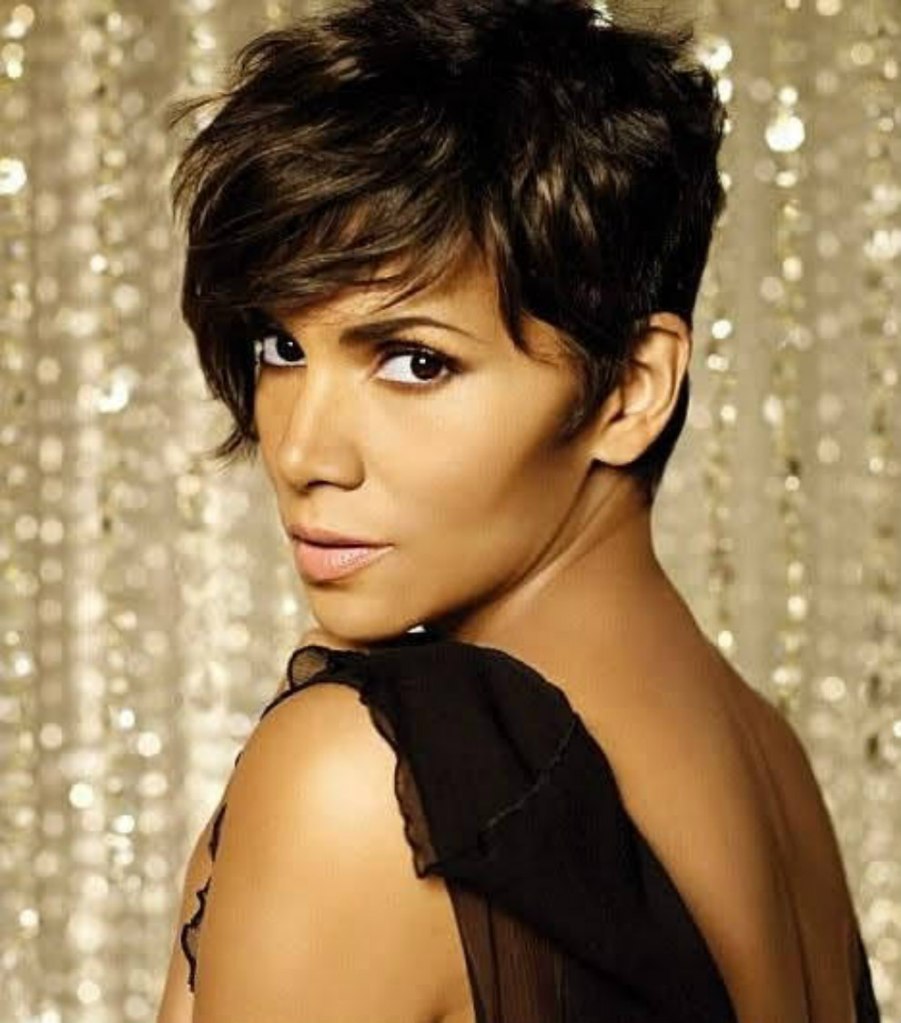
Cultural narratives about beauty are reinforced by celebrities whose appearances defy time. Angela Bassett, at nearly 65, is celebrated for her glowing, youthful complexion, often appearing decades younger. Similarly, actors like Morris Chestnut and Halle Berry continue to embody ageless elegance, their skin reflecting both genetics and disciplined skincare routines. Pharrell Williams, often cited as a celebrity who appears almost untouched by time, demonstrates the profound impact of melanin’s protective qualities, paired with healthy lifestyle choices. Even supermodel Naomi Campbell, in her fifties, continues to maintain the same radiance and elasticity as she did at the height of her modeling career.

Psychologically, the phrase “Black Don’t Crack” also acts as an affirmation, countering centuries of Eurocentric beauty standards that often marginalized Black features. By celebrating the resilience and beauty of melanated skin, the phrase empowers communities to embrace their natural attributes while acknowledging the unique biological advantages they hold. It not only speaks to science but also to the cultural pride and resistance embedded in Black identity.

Yet, it is important to recognize that “Black Don’t Crack” is not a guarantee. Lifestyle choices, diet, hydration, stress management, and skincare practices all play a crucial role in preserving youthfulness. While melanin provides natural protection, it does not eliminate the risks of sun damage or skin cancer, making sunscreen and self-care important across all skin tones (Kundu & Patterson, 2013).

In conclusion, the phrase “Black Don’t Crack” embodies both cultural truth and scientific fact. Melanated skin, with its higher levels of melanin, stronger collagen structures, and natural oil balance, is biologically designed to age more gracefully. Celebrities such as Angela Bassett, Naomi Campbell, and Pharrell Williams exemplify the synergy between genetics and lifestyle in sustaining youthful appearances. What began as a cultural saying has now been validated by dermatological science: the richness of Black skin is both a gift of nature and a source of cultural pride.


References

  • Halder, R. M., & Bridgeman-Shah, S. (1995). Skin cancer in African Americans. Cancer, 75(S2), 667-673.
  • Kundu, R. V., & Patterson, S. (2013). Dermatologic conditions in skin of color: Part I. Special considerations for common skin disorders. American Family Physician, 87(12), 850–856.
  • Palmer, J. S., & Oppenheimer, S. B. (2019). The biology of melanin. Journal of Dermatological Science, 96(2), 75-83.
  • Taylor, S. C. (2002). Skin of color: Biology, structure, function, and implications for dermatologic disease. Journal of the American Academy of Dermatology, 46(2 Suppl Understanding), S41–S62.

Ancient Beauty Secrets: Anti-Aging and Timeless Practices for Skin and Health.

Photo by Boat Ntswaneng on Pexels.com

Throughout history, beauty has been closely tied to health, wellness, and natural remedies. Ancient civilizations cultivated rituals that not only enhanced appearance but also preserved vitality. From the milk baths of Cleopatra to the turmeric masks of India, these practices reveal the ingenuity of traditional medicine and the importance of nature in self-care. Many of these secrets have endured for thousands of years, demonstrating that the foundation of beauty often lies in holistic wellness.

🌿 DIY Ancient-Inspired Facial Mask (Best for Glow and Detox)

Ingredients:

  • 1 tablespoon raw honey (antibacterial, moisturizing)
  • 1 teaspoon turmeric powder (anti-inflammatory, brightening)
  • 2 tablespoons plain yogurt (exfoliating, lactic acid)
  • A few drops of olive oil (hydration)

Instructions: Mix all ingredients into a paste, apply evenly to face, leave for 15–20 minutes, rinse with lukewarm water.


🌱 Best Herbs and Remedies for Skin Health

  • Turmeric – anti-inflammatory, brightens skin.
  • Aloe Vera – soothes burns, hydrates.
  • Neem – antibacterial, clears acne.
  • Rose Water – toner, reduces redness.
  • Green Tea – antioxidant, fights aging.
  • Chamomile – calms sensitive skin.
  • Shea Butter – deep moisturizer, skin barrier repair.

The ancient Egyptians were pioneers in skincare. Cleopatra, the last queen of Egypt, was renowned for bathing in milk infused with honey, a treatment rich in lactic acid, which gently exfoliates and softens the skin (James, 2015). Egyptians also used olive oil for hydration and aloe vera for healing burns and blemishes. In Africa, particularly West Africa, shea butter was prized for moisturizing and protecting the skin against harsh climates, a tradition still widely practiced today (Agyare et al., 2016). Similarly, in ancient China, women used rice water rinses for the skin and hair, enhancing brightness and strengthening hair strands (Zhang, 2013).

Anti-Aging Tips: Herbal, Nutritional, and Skincare Strategies for Youthful Skin

Aging is a natural process, but modern science and traditional herbal wisdom provide tools to slow visible signs of skin aging. Aging skin is characterized by the breakdown of collagen and elastin, loss of hydration, fine lines, wrinkles, hyperpigmentation, and reduced cell turnover. Strategies for maintaining youthful skin involve topical treatments, dietary habits, lifestyle choices, and herbal interventions.

1. Herbal & Natural Anti-Aging Remedies

  • Green Tea (Camellia sinensis): Rich in polyphenols, green tea reduces oxidative stress, improves elasticity, and protects against UV damage (Weber et al., 2018).
  • Turmeric (Curcuma longa): Contains curcumin, an anti-inflammatory and antioxidant compound that can help prevent collagen degradation and pigmentation (Huang et al., 2019).
  • Aloe Vera: Promotes hydration, reduces inflammation, and stimulates collagen production (Choi et al., 2009).
  • Rosehip Oil: High in vitamin C and essential fatty acids; supports skin regeneration and reduces fine lines.
  • Licorice Root: Brightens skin and reduces hyperpigmentation due to its glabridin content.
  • Gotu Kola (Centella asiatica): Stimulates collagen synthesis and enhances skin elasticity.

2. Topical Anti-Aging Skincare

  • Retinoids (Retinol, Retin-A/Tretinoin): Stimulate collagen production, increase cell turnover, and reduce fine lines (Mukherjee et al., 2006). Retinol is milder and suitable for over-the-counter use; tretinoin is prescription-strength.
  • Antioxidants: Vitamin C, E, and coenzyme Q10 neutralize free radicals, protect skin from environmental damage, and improve firmness (Pullar et al., 2017).
  • Hyaluronic Acid: Hydrates and plumps skin, reducing the appearance of fine lines.
  • Sunscreen (Broad Spectrum SPF 30+): Daily UV protection is critical to prevent photoaging.

3. Nutrition for Youthful Skin

  • Antioxidant-rich foods: Berries, leafy greens, nuts, and seeds combat oxidative stress.
  • Healthy fats: Omega-3 fatty acids from salmon, flaxseed, and walnuts maintain skin barrier integrity and hydration.
  • Hydration: Adequate water intake ensures proper skin moisture and elasticity.
  • Protein: Collagen synthesis depends on amino acids from lean meats, eggs, and legumes.
  • Limit sugar and processed foods: Advanced glycation end products (AGEs) from high sugar diets damage collagen and elastin (Vlassara & Uribarri, 2014).

4. Lifestyle and Physical Practices

  • Regular facial exercises (“face yoga”): Strengthen facial muscles, improve circulation, and promote firmness.
  • Ice facials: Constrict capillaries, reduce puffiness, and stimulate collagen production.
  • Stress management: Chronic stress accelerates skin aging; meditation, yoga, and deep breathing help maintain youthfulness.
  • Sleep: Adequate sleep enables repair and regeneration of skin cells.
  • Avoid smoking and excessive alcohol: Both accelerate collagen breakdown and oxidative damage.

In India, the Ayurvedic tradition developed powerful remedies still used in modern wellness. Turmeric facials, often mixed with yogurt or honey, provided anti-inflammatory and antibacterial benefits, giving the skin a natural glow (Mukherjee et al., 2011). Steam facials infused with herbs were also common, opening pores and detoxifying the skin. Ancient Greeks and Romans emphasized nutrition for beauty, encouraging the consumption of fresh fruits, vegetables, and abundant water, while also practicing olive oil massages to promote circulation and skin elasticity (Liversidge, 2017).

Culture / RegionBeauty Practice / SecretKey Ingredients / ToolsPurpose / Benefits
Ancient EgyptMilk bathsMilk, honeyGentle exfoliation, softening skin, hydration
Olive oil massageOlive oilMoisturization, improved circulation
Aloe vera applicationAloe veraHealing burns, soothing skin
West AfricaShea butter applicationShea butterDeep moisturization, skin barrier protection
Black soap cleansingPlant ash, palm oilDetoxifies, gentle exfoliation
India (Ayurveda)Turmeric facial maskTurmeric, yogurt, honeyBrightening, anti-inflammatory, antibacterial
Herbal steam facialsNeem, tulsi, chamomileOpens pores, detoxifies, soothes skin
Ancient ChinaRice water rinseRice waterBrightens skin, strengthens hair
Green tea masksGreen tea, honeyAntioxidant, anti-aging, soothes skin
Greece & RomeOlive oil massagesOlive oilHydration, circulation, elasticity
Wine or honey masksRed wine, honeyAntioxidant, softening skin
Middle EastRose water tonerRose waterSoothes irritation, balances pH
Sandalwood pasteSandalwood, milk or waterCooling, anti-inflammatory
JapanGeisha skincare ritualCamellia oil, rice branHydration, brightening, anti-aging
Indigenous AmericasCornmeal scrubCornmeal, honeyExfoliation, skin softening
Herbal infusionsCalendula, chamomileSoothing, healing minor skin issues

Insights from the Chart:

  • Hydration & moisturization were universally emphasized (milk, honey, shea butter, oils).
  • Exfoliation & brightening came from natural acids or abrasives (milk, rice water, cornmeal).
  • Healing & anti-inflammatory herbs were central in most traditions (turmeric, aloe, neem, chamomile).
  • Ritual & consistency mattered; daily or weekly treatments were part of lifestyle, not just cosmetic.

Other global practices further highlight the universality of natural skincare. Japanese geishas employed green tea extracts for their antioxidant properties. Indigenous peoples of the Americas used cornmeal scrubs for exfoliation, while Middle Eastern traditions included rose water to soothe and tone the skin. Across cultures, beauty was intertwined with rituals of self-preservation and respect for the natural environment. These ancient practices underscore the fact that wellness and beauty are inseparable, rooted in mindful living and harmony with nature.

An overview of the skincare routines and beauty secrets of three renowned celebrities: Salma Hayek, Halle Berry, and Lupita Nyong’o. Each of these stars has shared insights into their beauty regimens, highlighting both luxurious and accessible products, as well as natural approaches to skincare.


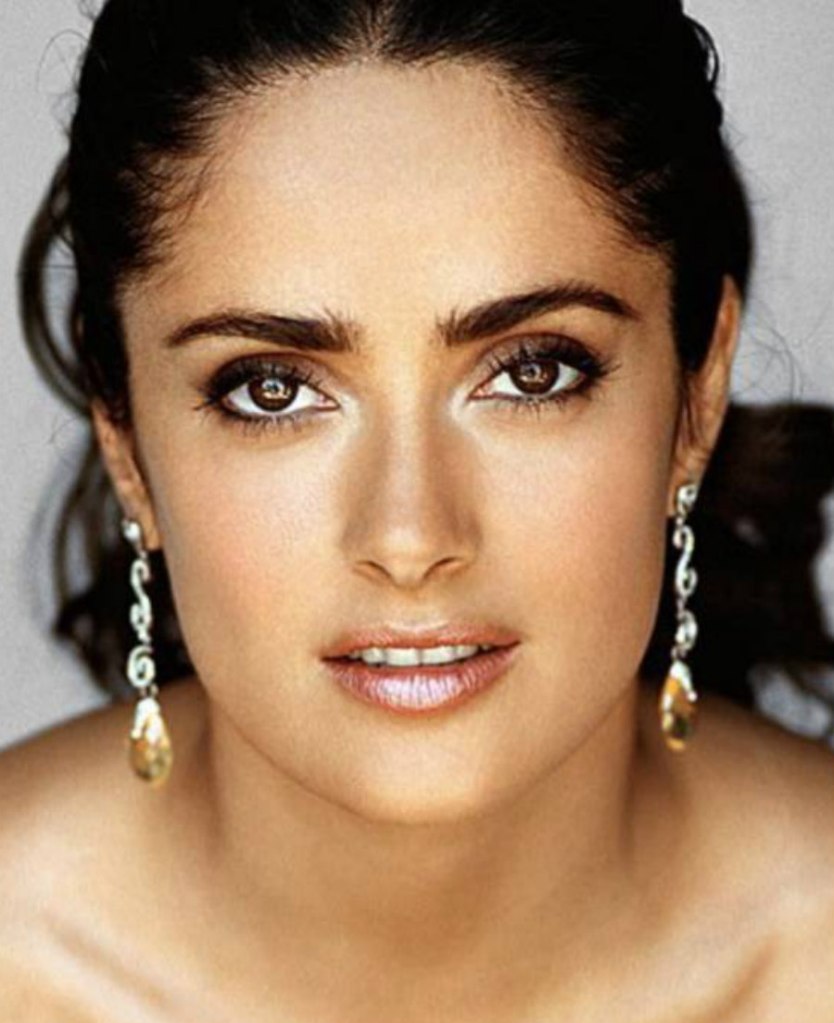
🌟 Salma Hayek

This photograph is the property of its respective owners. No infringement intended.

Salma Hayek emphasizes a flexible skincare routine that adapts to her skin’s needs. She often starts her day with rose water, a practice inspired by her grandmother’s use of aloe vera and papaya in homemade creams. Hayek incorporates high-end products like Augustinus Bader’s Rich Cream and Forest Essentials’ Advanced Eternal Youth Formula Anti-Aging Night Cream into her regimen. She also swears by Patchology Rejuvenating Eye Gels, which she finds both effective and affordable. Her approach combines luxury with simplicity, focusing on hydration and nourishment. ByrdieGood Housekeeping+1Page Six+1


🌟 Halle Berry

This photograph is the property of its respective owners. No infringement intended.

Halle Berry maintains a consistent skincare routine that includes cleansing, exfoliating, masking, and moisturizing. She uses products like the Olga Lorencin Lactic Acid Hydrating Serum and the Knesko Gold Repair Collagen Face Mask. Berry also incorporates facial massage tools, such as the Flawless Cleanse Hydro-Vibrating Facial Cleanser, to enhance her skincare regimen. Her routine reflects a commitment to maintaining youthful skin through consistent care and the use of high-quality products. eCosmeticsOlga Lorencin Skincare+3The Sun+3Entertainment Tonight+3PreventionEntertainment Tonight


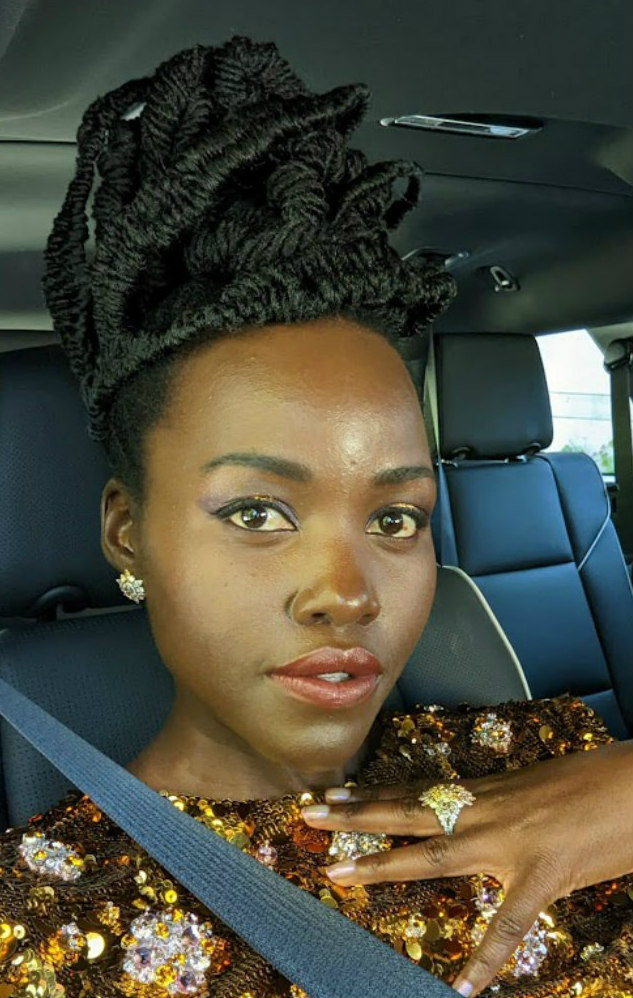
🌟 Lupita Nyong’o

This photograph is the property of its respective owners. No infringement intended.

Lupita Nyong’o is renowned for her radiant complexion and commitment to natural beauty. Her skincare routine emphasizes simplicity, hydration, and the use of natural oils. She often incorporates products like Honest Beauty’s Hydrogel Cream, which contains jojoba, squalane, and hyaluronic acid, to achieve a plump, dewy glow. Additionally, she utilizes avocado oil and Hawaiian kukui oil for moisturizing and makeup removal, appreciating their effectiveness and versatility. Allure+3Vanity Fair+3bombshellbybleu.com+3InStyle+1Momtastic+1


Summary:

  • Salma Hayek: Combines luxurious products with natural ingredients, focusing on hydration and nourishment.
  • Halle Berry: Maintains a consistent skincare routine with high-quality products and tools for youthful skin.
  • Lupita Nyong’o: values the healing properties of calendula ointment, which she carries during travels to address skin issues like burns and scars. This natural remedy reflects her preference for clean beauty products.
CelebritySkincare Products / ToolsNatural Ingredients / RemediesRoutine Highlights / Rituals
Lupita Nyong’oHonest Beauty Hydrogel Cream, calendula ointmentAvocado oil, Hawaiian kukui oil, calendulaEmphasizes hydration, dewy glow; uses natural oils for moisturizing and makeup removal; carries healing ointments while traveling; consistent cleansing, toning, and moisturizing; stress management through meditation & exercise
Salma HayekAugustinus Bader Rich Cream, Forest Essentials Advanced Eternal Youth Night Cream, Patchology Rejuvenating Eye GelsRose water, aloe vera, papaya (inspired by grandmother)Focuses on hydration and nourishment; combines luxury with simple remedies; under-eye gels for puffiness and rejuvenation; flexible routine based on skin needs
Halle BerryOlga Lorencin Lactic Acid Hydrating Serum, Knesko Gold Repair Collagen Face Mask, Flawless Cleanse Hydro-Vibrating Facial CleanserNoted use of masks with natural extractsMaintains youthful skin through consistent cleansing, exfoliation, masking, and moisturizing; incorporates facial massage tools; committed to high-quality products and structured regimen

Key Takeaways:

  1. Hydration is a core focus for all three celebrities—whether through creams, oils, or serums.
  2. Natural ingredients (like rose water, avocado oil, aloe vera, kukui oil) are incorporated alongside high-end products.
  3. Consistency and ritual matter: cleansing, moisturizing, masking, and stress management are prioritized.
  4. Luxury products are often combined with simple, natural remedies for maximum effect.

Each of these celebrities showcases a unique approach to skincare, blending luxury, consistency, and natural ingredients to maintain their radiant complexions.

Layer antioxidants in the morning and retinoids at night for maximal effect.

Combine herbal masks (turmeric, aloe, rosehip) with gentle exfoliation once or twice weekly.

Incorporate adaptogenic herbs like ashwagandha and holy basil to combat stress-related aging.

Modern science has validated many of these traditions. For example, ice facials constrict blood vessels, reduce puffiness, and stimulate circulation, leaving the skin firmer and refreshed. Facial exercises, sometimes called “face yoga,” strengthen underlying muscles, promoting firmness and slowing the appearance of wrinkles. Combined with herbal remedies and nutrient-rich diets, these timeless methods reveal that ancient beauty was less about vanity and more about cultivating balance, resilience, and natural radiance.

📚 References

  • Agyare, C., Boakye, Y. D., Bekoe, E. O., Hensel, A., Dapaah, S. O., & Appiah, T. (2016). African medicinal plants with skin healing properties. Journal of Ethnopharmacology, 177, 85–100.
  • James, T. G. H. (2015). The British Museum Concise Introduction to Ancient Egypt. Thames & Hudson.
  • Liversidge, J. (2017). Everyday Life in the Roman Empire. Routledge.
  • Mukherjee, P. K., Maity, N., Nema, N. K., & Sarkar, B. K. (2011). Bioactive compounds from natural resources against skin aging. Phytomedicine, 19(1), 64–73.
  • Zhang, X. (2013). Beauty Secrets of Ancient China. Beijing Press.

Choi, S., Chung, M. H., & Lee, H. (2009). Effects of Aloe Vera on skin collagen and hydration. Journal of Ethnopharmacology, 124(1), 104–108.

Huang, W., et al. (2019). Curcumin and skin health: A review. Phytotherapy Research, 33(2), 351–366.

Mukherjee, S., Date, A., Patravale, V., Korting, H. C., Roeder, A., & Weindl, G. (2006). Retinoids in the treatment of skin aging: An overview. Indian Journal of Dermatology, 51(4), 255–261.

Pullar, J., Carr, A., & Vissers, M. (2017). The roles of vitamin C in skin health. Nutrients, 9(8), 866.

Vlassara, H., & Uribarri, J. (2014). Advanced glycation end products (AGEs) and skin aging. Journal of Cosmetic Dermatology, 13(4), 288–292.

Weber, C., et al. (2018). Green tea polyphenols and skin protection. Dermato-Endocrinology, 10(1), e1465713.

ET Online. (n.d.). Halle Berry’s skincare routine is the ultimate at-home facial. Retrieved from https://www.etonline.com/halle-berrys-skincare-routine-is-the-ultimate-at-home-facial-shop-the-stars-favorite-beauty