Category Archives: Artists/Singers

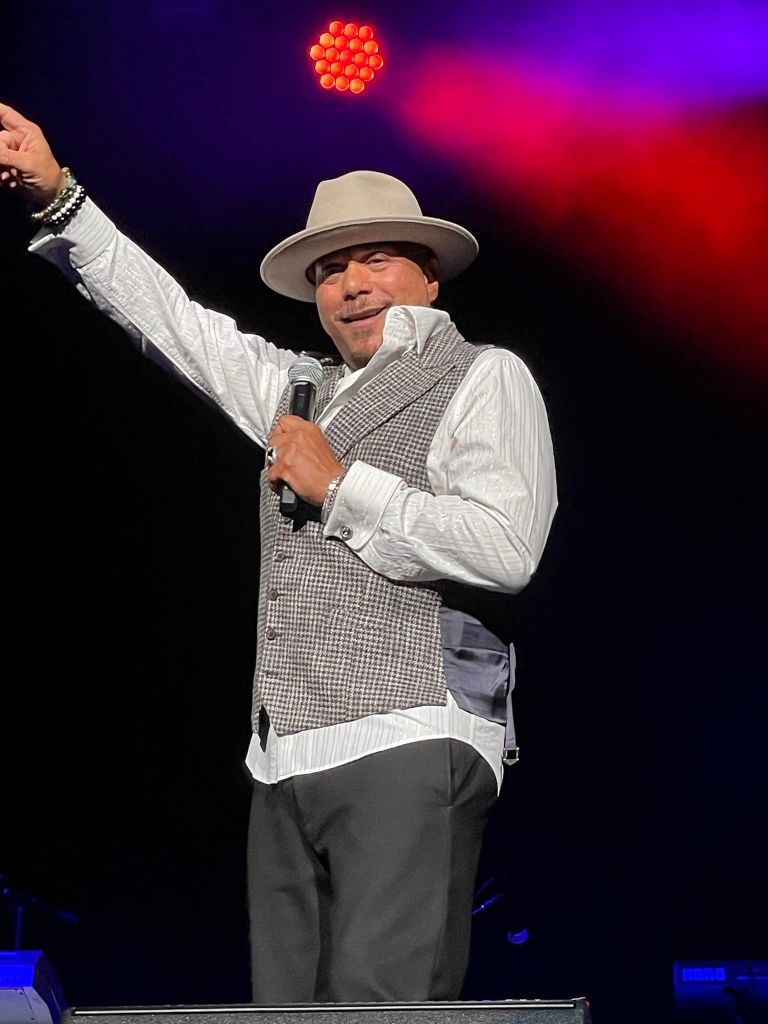
Celebrity Spotlight: Howard Hewett

This photograph is the property of its respective owner. No copyright infringement intended.

Howard Hewett is celebrated for his silky, emotive balladeer’s voice—smooth, resonant, and deeply expressive. His vocal tone carries a romantic warmth rooted in gospel tradition while effortlessly blending with contemporary R&B and soul. Hewett’s delivery is intimate yet powerful, allowing him to convey vulnerability, devotion, and longing in a way that has defined classic Black love songs for generations.

Born October 1, 1955, in Akron, Ohio, Howard Hewett Jr. was raised in a musically rich household. He was introduced to music at an early age through the church. He sang gospel alongside his sisters in a family group known as The Hewett Singers, which laid the spiritual and technical foundation for his vocal style.

Hewett’s early exposure to gospel instilled discipline, harmony, and emotional depth in his singing. As a teenager, he expanded beyond church music and joined a local funk band called Lyfe, where he gained experience performing secular music and honing his stage presence. This period marked his transition from gospel roots to broader musical exploration.

His professional career began to take shape in 1976, when he relocated to Los Angeles to pursue opportunities in the music industry. This move proved pivotal, placing him at the center of the emerging West Coast R&B and soul scene during a transformative era in Black music.

Howard Hewett rose to national prominence as the lead singer of the R&B group Shalamar, one of the flagship acts of Dick Griffey’s SOLAR Records. Joining the group in the late 1970s, Hewett became the voice behind many of Shalamar’s most iconic records during their commercial peak.

With Hewett on lead vocals, Shalamar released a string of timeless hits that blended dance, soul, and romance. Songs such as “The Second Time Around,” “A Night to Remember,” and “This Is for the Lover in You” became staples of Black radio and remain enduring classics in R&B history.

After establishing himself as a star with Shalamar, Hewett embarked on a solo career in the mid-1980s. He officially launched his solo journey in 1986 with the release of his debut album, I Commit to Love, under Elektra Records. The album showcased his signature romantic style and solidified his identity as a premier R&B balladeer.

His solo success continued with hits such as “I’m for Real,” “Stay,” and “Once, Twice, Three Times.” These songs emphasized emotional sincerity, commitment, and adult love, distinguishing Hewett in an era increasingly influenced by pop crossover trends.

Throughout his career, Hewett has been associated with award-winning projects. He contributed to the Grammy-winning Beverly Hills Cop soundtrack, which received recognition for its musical excellence and cultural impact during the 1980s.

Howard Hewett’s influence has also been recognized at the community level. The city of Akron, Ohio, has honored him for his artistic contributions, acknowledging his role as one of the city’s most successful and respected musical figures.

In his personal life, Hewett has experienced several marriages. His first marriage was to Rainey Riley-Cunningham, with whom he shares two daughters, LaKiva Siani and Rainey Daze. He later married Mari Molina, though that union did not produce children.

His third marriage was to actress and singer Nia Peeples, with whom he has a son, Christopher Eugene Howard Hewett, born in 1989. Hewett later married Angela Bloom-Hewett, and they share a daughter named Anissa Hewett. He is also a proud grandfather.

Beyond chart success, Hewett’s legacy rests in his role as a cultural voice for Black love, emotional transparency, and mature romance. His music has consistently affirmed tenderness, commitment, and vulnerability—values often absent from mainstream portrayals of masculinity.

With a career spanning more than four decades, Howard Hewett remains a respected elder statesman of R&B. His influence is evident in contemporary soul artists who prioritize vocal purity, lyrical sincerity, and emotional depth.

Howard Hewett’s story is one of faith-rooted beginnings, artistic perseverance, and enduring musical relevance. His voice continues to stand as a testament to the power of soulful expression and the timeless beauty of Black love in song.


References

Hewett, H. (n.d.). Official biography. Howard Hewett Music. https://www.howardhewettmusic.com/bio

Howard Hewett. (n.d.). In Wikipedia. https://en.wikipedia.org/wiki/Howard_Hewett

I Commit to Love. (n.d.). In Wikipedia. https://en.wikipedia.org/wiki/I_Commit_to_Love

Forever and Ever (Howard Hewett album). (n.d.). In Wikipedia. https://en.wikipedia.org/wiki/Forever_and_Ever_(Howard_Hewett_album)

City of Akron honors Howard Hewett. (n.d.). Downtown Akron Partnership. https://www.downtownakron.com

IMDb. (n.d.). Howard Hewett biography. https://www.imdb.com/name/nm0382040/bio/

Celebrity Spotlight: Mariah Carey

“The Songbird Supreme: The Unparalleled Voice and Legacy.”

This photograph is the property of its respective owner. No infringement intended.

One of the best voices in the world.

Mariah Carey, often heralded as “The Songbird Supreme,” is one of the most iconic vocalists in the history of popular music. Celebrated for her five-octave vocal range, mastery of the whistle register, and ability to express profound emotion through soaring high notes and delicate falsettos, Carey has set a standard few artists can reach. The Guinness World Records officially recognizes her as possessing the highest vocal range of any female singer, and she remains a benchmark of vocal excellence, often compared to greats such as Whitney Houston and Aretha Franklin (Guinness World Records, 2023).

Her Distinctive Voice: A Vocal Instrument Like No Other

What sets Mariah Carey apart from other singers is her extraordinary voice—an instrument of precision, power, and purity. Known for her melismatic singing style and flawless transitions between registers, Carey effortlessly glides from rich alto notes to glass-shattering high tones. Her use of the whistle register—a rare vocal technique only mastered by a handful of artists—makes her instantly recognizable. Dubbed the “Queen of Whistle Register,” Carey is known to reach G#7 and even higher during live performances, a feat that cements her status in vocal history.

Musicologists and critics alike have praised her versatility and vocal agility. Rolling Stone once described her voice as “soaring, pristine, and otherworldly,” while legendary producer David Foster called her “one of the greatest singers ever born.”

A Legacy Often Compared to Whitney Houston

Mariah Carey is frequently mentioned in the same breath as Whitney Houston, another powerhouse vocalist of her era. The two were contemporaries who rose to fame in the late 1980s and 1990s, often compared due to their vocal range, soulful delivery, and immense popularity. Yet, where Whitney was known for her gospel-rooted belting, Mariah was revered for her agility and multi-textured voice. Their duet “When You Believe” (1998) not only united their fanbases but became a cultural moment showcasing two of the greatest vocalists in perfect harmony.

Early Life and Musical Influences

Born on March 27, 1969, in Huntington, New York, Mariah Carey is the daughter of Patricia Hickey, an Irish-American opera singer and vocal coach, and Alfred Roy Carey, an African-American and Afro-Venezuelan engineer. Being biracial in a time of heightened racial tensions shaped her worldview and deeply informed her music. Her early life was marked by financial struggles and instability, but her mother’s musical background offered young Mariah a creative escape. From the age of three, she was already mimicking opera scales and showing signs of prodigious talent.

She cites her mother as her first and most important musical influence, and later drew inspiration from icons like Minnie Riperton, Aretha Franklin, Billie Holiday, and Prince. Riperton’s use of the whistle register had a particularly profound impact on Carey’s vocal development.

Breakthrough and Stardom

Mariah’s journey to stardom began with relentless persistence. As a teenager, she moved to New York City to pursue her dreams while working odd jobs and attending beauty school. Her big break came when she handed her demo tape to Tommy Mottola, then head of Columbia Records, at a party. Impressed by her talent, he signed her immediately. Her self-titled debut album Mariah Carey (1990) produced four No. 1 singles, including “Vision of Love,” which showcased her vocal strength and set the tone for her career.

Signature Songs and Personal Favorites

Among her vast catalog, Carey has often cited “Vision of Love” and “Butterfly” as two of her most meaningful songs. “Vision of Love” introduced the world to her signature style—gospel-inspired runs, towering notes, and heartfelt emotion—while “Butterfly” symbolized her emancipation from a controlling marriage and creative restrictions. These songs not only display her technical prowess but also her ability to connect deeply with listeners.

Personal Life: Marriages and Motherhood

Mariah Carey has been married twice. Her first marriage to Tommy Mottola in 1993 was both personal and professional but ended in 1998 amid reports of creative and personal control. She later married actor and comedian Nick Cannon in 2008, with whom she had twins, Moroccan and Monroe, affectionately known as “Dem Babies.” Despite their divorce in 2016, Carey and Cannon co-parent their children amicably.

Charity Work and Advocacy

Mariah Carey has used her platform to give back generously. She is a longtime supporter of the Fresh Air Fund’s Camp Mariah, a career awareness camp for inner-city youth. She has also worked with the Make-A-Wish Foundation, Save the Music Foundation, and the Elton John AIDS Foundation. Carey has received recognition for her philanthropic efforts, including a Congressional Award for her youth-oriented charitable work.

Awards and Accolades

Mariah Carey’s list of accomplishments is staggering. She has sold over 220 million records worldwide, making her one of the best-selling female artists of all time. Her accolades include:

  • 5 Grammy Awards
  • 19 World Music Awards
  • 10 American Music Awards
  • Billboard’s Artist of the Decade (1990s)
  • Songwriter Hall of Fame Inductee (2022)

In 2020, her memoir The Meaning of Mariah Carey became a New York Times bestseller, offering a raw and honest account of her journey, identity, and triumphs.

Hobbies and Personal Interests

Outside of music, Carey enjoys writing poetry, painting, cooking, and swimming. Known for her glamorous persona, she also embraces a playful, humorous side—often seen in her holiday specials and interviews. Christmas is especially important to her, largely because of her record-breaking hit “All I Want for Christmas Is You,” a perennial classic that continues to top charts each December.

Conclusion: A Voice That Changed the World

Mariah Carey is more than a pop icon—she is a living legend. With a voice that transcends earthly boundaries, she has redefined what it means to be a vocalist, artist, and woman of resilience. Her influence spans generations, and her musical legacy continues to inspire millions. Whether hitting a high F#7 or delivering a soulful ballad, Mariah Carey remains “The Songbird Supreme,” a rare and radiant gift to the world of music.


References

Gil Scott-Heron: The Voice of the Revolution that was Televised 🎤

🎤 The Voice of a Generation…..

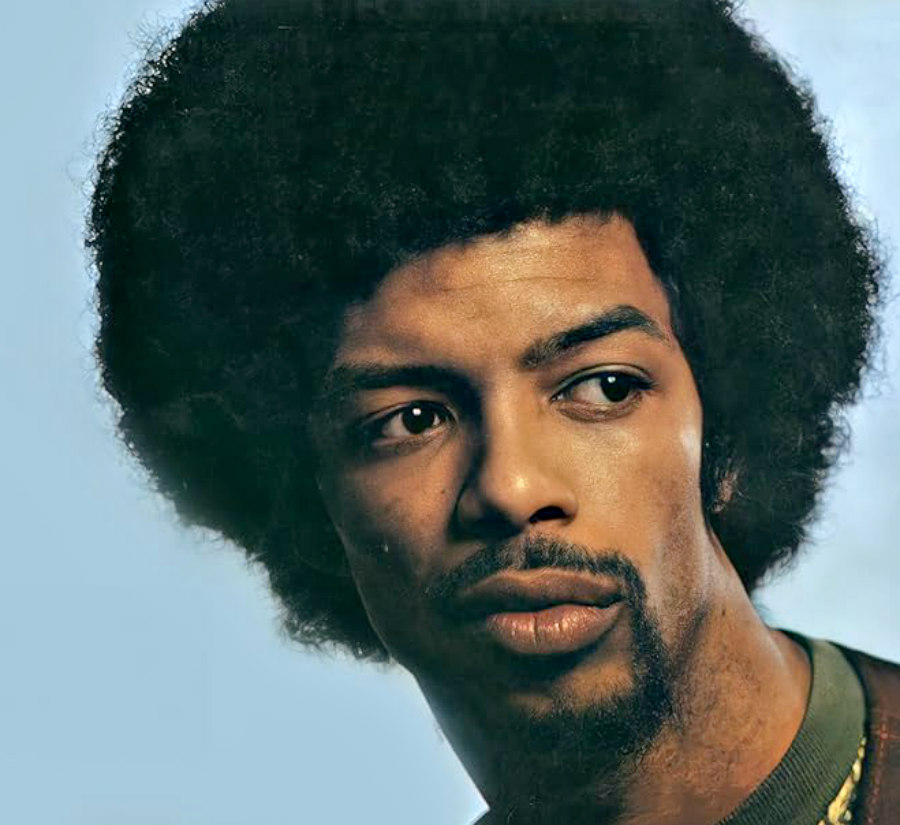
Gil Scott-Heron was a poet, musician, novelist, and spoken-word prophet whose powerful lyrics and uncompromising critique of systemic racism made him a towering figure in Black consciousness and American protest culture. Best known for his seminal work “The Revolution Will Not Be Televised,” Scott-Heron used jazz, funk, and poetry to expose the hypocrisy of American democracy and ignite a deeper understanding of Black identity, oppression, and resilience.


🪶 Biography: A Revolutionary Mind

Gilbert Scott-Heron was born on April 1, 1949, in Chicago, Illinois, and raised in Jackson, Tennessee and later The Bronx, New York. His mother, Bobbie Scott, was a librarian and opera singer; his father, Gil Heron, was a Jamaican-born professional soccer player and the first Black man to play for Scotland’s Celtic FC. Scott-Heron was intellectually precocious, winning a full scholarship to the elite Fieldston School in New York and later attending Lincoln University—a historically Black university in Pennsylvania—where he began collaborating with future jazz great Brian Jackson.

He later earned his master’s degree in creative writing from Johns Hopkins University, blending literary talent with political activism and music.


📢 “The Revolution Will Not Be Televised” – A Cultural Detonation

First recorded in 1970, “The Revolution Will Not Be Televised” became an anthem for Black power and radical critique. Delivered in a gritty, urgent tone over a sparse conga beat, the piece warned against passive consumption of media, urging Black Americans to reject corporate distractions and confront real-world oppression.

“The revolution will not be brought to you by Xerox…The revolution will not go better with Coke.”

It rejected commercialism and fake liberalism, shaking the Black community out of political slumber. For many, it was a wake-up call to reclaim agency, identity, and justice—decades before terms like “woke” were popularized. It remains a cornerstone of hip-hop, neo-soul, and conscious rap, influencing artists like Public Enemy, Kendrick Lamar, Common, and Kanye West.


💍 Marriage, Family, and Struggles

Scott-Heron was married to Brenda Sykes, an actress, and had several children, including Gia Scott-Heron, a poet. His personal life, however, was often turbulent. He struggled with drug addiction, particularly crack cocaine, which led to multiple arrests and prison stints.

He died on May 27, 2011, in New York City, reportedly from complications related to HIV/AIDS, as well as pneumonia.


🏆 Awards and Recognition

Despite his commercial limitations, Scott-Heron was widely revered:

  • Grammy Lifetime Achievement Award (posthumously, 2012)
  • BET Honors and various tributes by musical peers
  • Inducted into the Rock and Roll Hall of Fame (2021) under the category of Early Influence

Critics often credit him as the “godfather of rap,” though he personally rejected the label, arguing that his work was rooted more in Blues, Jazz, and Soul-inflected poetry than the structure of hip-hop.


📚 Literary Work: The Vulture (1970)

Gil Scott-Heron was also an accomplished novelist. His debut novel The Vulture was a gripping urban murder mystery that explored themes of race, violence, and identity in Harlem. The story follows the murder of a young Black man and the perspectives of four friends as they try to uncover the truth.

Written when he was just 19, the novel was raw, honest, and infused with street dialect, jazz rhythms, and sociopolitical tension. Scott-Heron wrote it because he saw literature as another weapon to confront societal neglect and expose the real conditions of inner-city youth. The novel was praised for giving voice to disenfranchised Black characters in a way few literary works had done before.


🤍 Reception from White America

Scott-Heron’s message was unapologetically pro-Black and critical of systemic whiteness, so mainstream (largely white) America viewed him with caution, if not outright hostility. However, progressive white intellectuals and musicians appreciated his genius. Over time, as social justice became a broader conversation, even mainstream outlets began to recognize his prophetic insight.


🧠 What He Thought and Said

Scott-Heron was not only a performer but also a philosopher of Black struggle. One of his most quoted lines:

“The first revolution is when you change your mind.”
—Gil Scott-Heron, The Mind of Gil Scott-Heron (1978)

He believed liberation began with mental transformation—a message that deeply influenced Black consciousness movements.


🔥 Legacy and Influence

Scott-Heron’s work laid the foundation for conscious hip-hop, Black Lives Matter rhetoric, and modern spoken word. His uncompromising style still echoes through the works of artists like Nas, Mos Def, Erykah Badu, and Common.

Though he passed away in 2011, Gil Scott-Heron’s prophetic voice still resonates in every protest, every poem, and every performance that dares to tell the truth.


📚 References

MOVIE REVIEW: Lady sings the Blues (1972)

⭐⭐⭐⭐⭐ 5/5

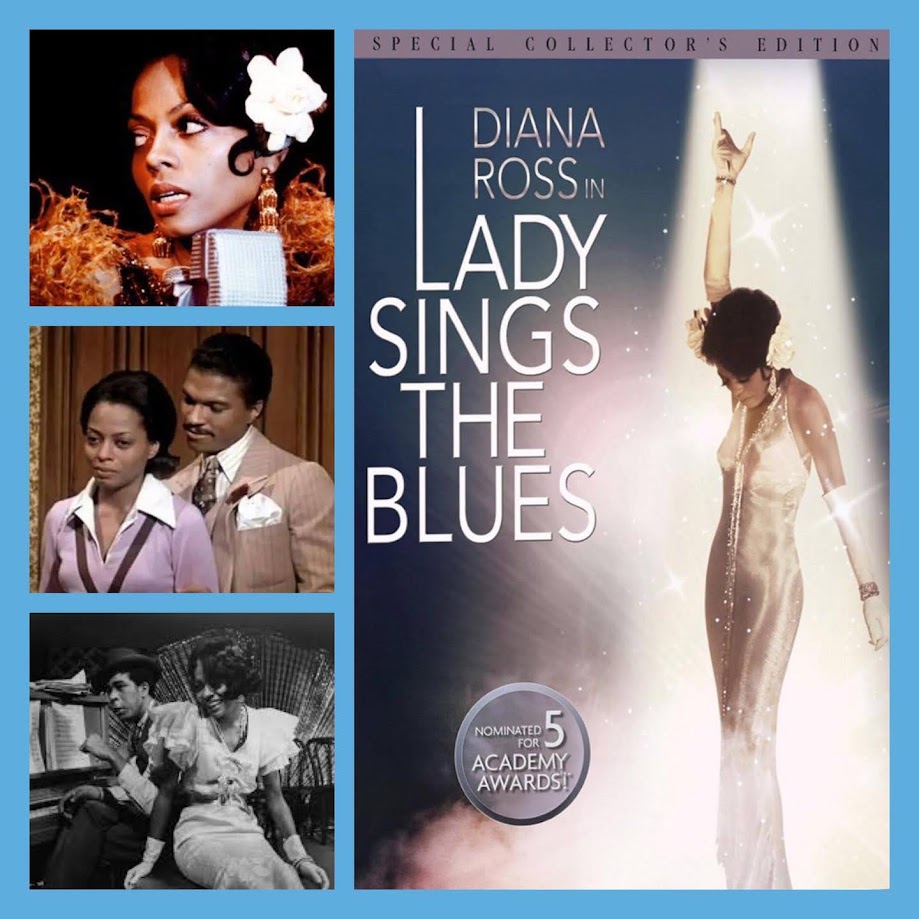
Lady Sings the Blues: A Five-Star Tribute to Billie Holiday and Black Cinematic Brilliance

In 1972, Lady Sings the Blues captivated audiences with its raw, poignant dramatization of jazz legend Billie Holiday’s tumultuous life. With Diana Ross stepping boldly into the role of Holiday and Billy Dee Williams offering one of his most iconic performances, the film transcended traditional biopics. It gave voice to the complexities of Black womanhood, addiction, racism, and love through the lens of music. Directed by Sidney J. Furie and produced by Motown Productions, the film became an instant classic, earning five Academy Award nominations and launching Ross’s career as a serious actress.


The Film’s Narrative and Cultural Importance

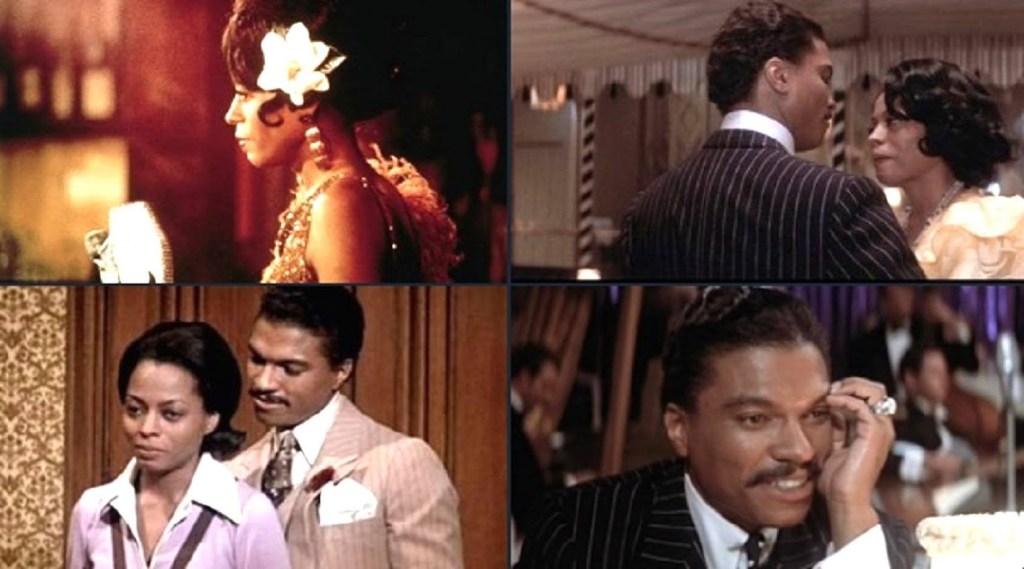
Scenes from the movie – All photographs are the property of their respective owners.

Based loosely on Billie Holiday’s 1956 autobiography, Lady Sings the Blues follows her journey from a troubled childhood in Baltimore to stardom as one of the most influential jazz vocalists of all time. It candidly explores her battles with sexual trauma, substance abuse, and racial injustice. The film doesn’t just document her music career—it illustrates how the weight of being Black and brilliant in Jim Crow America often meant fighting to simply survive.

Audiences were struck not only by the musical numbers but by the painful authenticity in the story. As Ross sang Holiday’s signature pieces like “Strange Fruit” and “God Bless the Child,” the songs took on new meaning in the post-Civil Rights era, speaking directly to a generation still healing from America’s legacy of racial terror.


🎤 Billie Holiday: The Woman Behind the Blues

Billie Holiday, born Eleanora Fagan in 1915, rose from the poverty of Baltimore’s streets to become a jazz icon whose voice remains one of the most distinctive in music history. Orphaned early and sent to work in brothels, her life was marked by trauma. Despite these early hardships, Holiday channeled her pain into poignant songs that defied the sanitized entertainment norms of the time.

In her own words, she once said:

“If I’m going to sing like someone else, then I don’t need to sing at all.”

Holiday’s impact was revolutionary. Her song “Strange Fruit” was one of the first explicit artistic condemnations of American lynching, which made her a target of the FBI and earned her a place in both musical and civil rights history. Her voice, described as smoky and full of soul, was less about technical precision and more about raw emotion. She said,

“I don’t think I’m singing. I feel like I’m playing a horn… I try to improvise like Les Young, like Louis Armstrong, or someone else I admire.”

Holiday died in 1959 under federal arrest in her hospital bed, yet she remains a symbol of resistance, artistry, and tragic beauty.


🌟 Diana Ross: From Supreme Starlet to Dramatic Powerhouse

Diana Ross’s transformation from pop music icon to dramatic actress stunned the industry. Known primarily as the glamorous frontwoman of The Supremes, Ross had never acted professionally before taking on the daunting task of portraying Billie Holiday. Yet her performance earned widespread acclaim.

Ross reflected on the emotional toll the role demanded:

“I had to feel everything she felt. I had to go deep into her darkness to bring out her light.”

Critics praised her haunting renditions of Holiday’s music. Though Ross did not imitate Holiday’s exact vocal style, she captured the essence of her sorrow and resilience. Roger Ebert declared:

“Diana Ross doesn’t play Billie Holiday. She becomes her.”

Ross earned an Academy Award nomination for Best Actress and a Golden Globe win for Most Promising Newcomer. Her role opened the door for future Black actresses to take center stage in complex, leading roles. Ebony magazine wrote,

“Ross didn’t just play Billie—she exorcised her ghost with grace, grit, and unflinching beauty.”


💎 Billy Dee Williams: The Romantic Soul of the Film

The drop dead handsome Billy Dee Williams brought elegance, strength, and warmth to the role of Louis McKay, Billie Holiday’s husband and protector. Though the real-life relationship between Holiday and McKay was marked by volatility, the film portrayed him as a stabilizing presence and symbol of enduring love.

Born in New York City in 1937, Williams was an accomplished painter and stage actor before he rose to fame on screen. His breakthrough came with Brian’s Song (1971), but it was Lady Sings the Blues that made him a romantic icon in Black cinema. Williams once said:

“It was a love story wrapped in sorrow, but also in survival. That’s what moved people.”

His chemistry with Diana Ross was undeniable, helping redefine the image of Black love on screen. Williams later reflected:

“In that moment, we weren’t just acting. We were telling our story—our people’s story.”

His portrayal helped reshape Hollywood’s image of Black men, portraying tenderness, loyalty, and passion with quiet strength.


🌍 Awards, Acclaim & Cultural Reverberations

Lady Sings the Blues received five Academy Award nominations, including Best Actress (Diana Ross), Best Original Score, Best Screenplay, Best Art Direction, and Best Costume Design. It also won the NAACP Image Award and was nominated for a Golden Globe.

Critics and audiences alike were swept away. The New York Times praised the film’s boldness:

“It dares to tell the story of a Black woman’s tragedy and brilliance without apology.”

In Black America, the film became an instant classic. It was one of the first major studio pictures to center a Black woman’s story, inspiring a generation of artists and sparking deeper conversations about racism, addiction, and resilience.


Final Reflection: A Testament to Black Excellence

Lady Sings the Blues is not merely a film—it is a five-star artistic triumph and cultural monument. It honored the life of Billie Holiday not with pity, but with reverence and passion. With Diana Ross’s electrifying debut and Billy Dee Williams’s heartfelt performance, the film transformed pain into poetry and tragedy into triumph.

As Ross herself said:

“Billie’s story broke my heart. I had to tell it not as a diva, but as a woman trying to heal.”


References

Ebert, R. (1972). Lady Sings the Blues movie review. Chicago Sun-Times.
Holiday, B., & Dufty, W. (1956). Lady Sings the Blues. Doubleday.
Motown Productions. (Producer), & Furie, S. J. (Director). (1972). Lady Sings the Blues [Film]. Paramount Pictures.
Ebony Magazine. (1972). Diana Ross: The Triumph of Billie Holiday.
Williams, B. D. (2021). Interview on Lady Sings the Blues. Essence Magazine.

Celebrity Spotlight: Otis Redding

Soul on the Rise: The Short Life and Eternal Legacy of Otis Redding


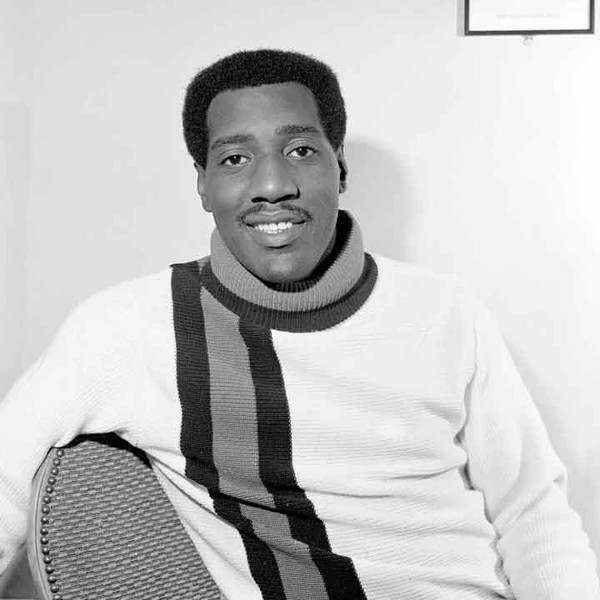
This photograph is the property of its respective owner. No copyright infringement intended.

“If I die tomorrow, I’ve had a beautiful life because I’ve touched souls.”
Otis Redding

Otis Redding, often hailed as the “King of Soul,” was a tall, dark, and handsome force whose voice could simultaneously stir the depths of sorrow and ignite the heights of joy. Though his life was tragically brief, ending at just 26 years old, his impact on the music industry is profound, enduring, and soul-shaking. With a voice that exuded wisdom far beyond his years, Redding became a symbol of raw emotion, authenticity, and artistic excellence. He was an old soul in a young man’s body—seasoned with gospel, rooted in rhythm and blues, and shaped by the Southern experience.

Early Life and Musical Genesis

Otis Ray Redding Jr. was born on September 9, 1941, in Dawson, Georgia, and raised in Macon. He was the son of Otis Sr., a sharecropper and later a military base worker, and Fannie Mae Redding, a devout woman who raised him in the church. Otis began singing in the Vineville Baptist Church choir, where his vocal power was first recognized. Deeply influenced by Little Richard (another Macon native), Sam Cooke, and Ray Charles, Redding took to the stage in his teens and began competing in local talent shows—often winning multiple times. He dropped out of school at age 15 to support his family, working odd jobs while pursuing his passion for music.

Rise to Fame: The Bar-Kays and Stax Records

Redding’s big break came when he was working as a driver and occasional singer for guitarist Johnny Jenkins. A fateful trip to Stax Records in Memphis in 1962 allowed Redding to cut a few tracks during downtime, including the now-iconic “These Arms of Mine.” The single exploded regionally, showcasing the aching soulfulness of his voice and launching his relationship with Stax.

The Bar-Kays, a talented group of Memphis musicians, soon became Redding’s backup band. Their chemistry electrified live audiences and studio recordings alike, giving birth to classics such as “Try a Little Tenderness,” “Respect,” and his posthumous mega-hit “(Sittin’ On) The Dock of the Bay.”

A Voice Like No Other

Otis Redding’s voice was often described as gravel mixed with honey—gritty yet deeply melodic. Critics and fans alike marveled at his dynamic vocal phrasing, emotional urgency, and soul-baring delivery. He had an extraordinary ability to infuse each lyric with heart-wrenching sincerity, whether he was pleading in love or lamenting loss. Music historian Peter Guralnick once wrote, “Otis could take the ordinary and make it sacred.”

Legacy and Sudden Tragedy

On December 10, 1967, Otis Redding’s life was tragically cut short when his Beechcraft plane crashed into Lake Monona near Madison, Wisconsin. He and six members of the Bar-Kays were killed. Redding had just recorded his defining song, “(Sittin’ On) The Dock of the Bay,” days before the crash. It was released posthumously and became the first posthumous number-one single on the Billboard Hot 100.

At the time of his death, Redding had accumulated significant wealth and owned his own publishing and production company—a rarity for Black artists of his era. He left behind his wife, Zelma Redding, and four children. One of his sons, Otis Redding III, carried the musical torch with the group The Reddings, echoing his father’s legacy with pride and reverence. Zelma once said in an interview, “Otis always believed his children would carry on his mission of spreading love through music. That was his heartbeat.”

Rumors and Controversy

While Redding’s death was officially deemed an accident due to engine failure, it has not escaped whispers of controversy. Some speculated sabotage or questioned the rushed investigation. However, no substantial evidence ever surfaced, and the tragedy has remained an unresolved wound in soul music history.

Cultural Reverberation

Redding’s influence has spanned genres and generations. Aretha Franklin, who turned his song “Respect” into an anthem of empowerment, praised him as a genius. Mick Jagger and the Rolling Stones were early admirers, and Jay-Z, Kanye West, and Beyoncé have all sampled or cited him as a foundational influence. His songs have been covered by hundreds of artists, and he was inducted into the Rock and Roll Hall of Fame in 1989.

A Lasting Impact

Otis Redding’s music remains timeless because it speaks to the human experience—love, longing, heartbreak, and hope. He defied racial and musical boundaries, uniting listeners through the sheer power of soul. In an age of digital perfection, his analog authenticity is more cherished than ever.

As music critic Dave Marsh once said, “Otis Redding didn’t just sing soul. He was soul.”


Select References:

  • Guralnick, P. (1986). Sweet Soul Music: Rhythm and Blues and the Southern Dream of Freedom. Back Bay Books.
  • Wald, E. (2004). How the Beatles Destroyed Rock ’n’ Roll. Oxford University Press.
  • Otis Redding Foundation. (n.d.). https://otisreddingfoundation.org
  • Rock & Roll Hall of Fame Biography – Otis Redding.
  • Zelma Redding interview, NPR’s Fresh Air, 1998.

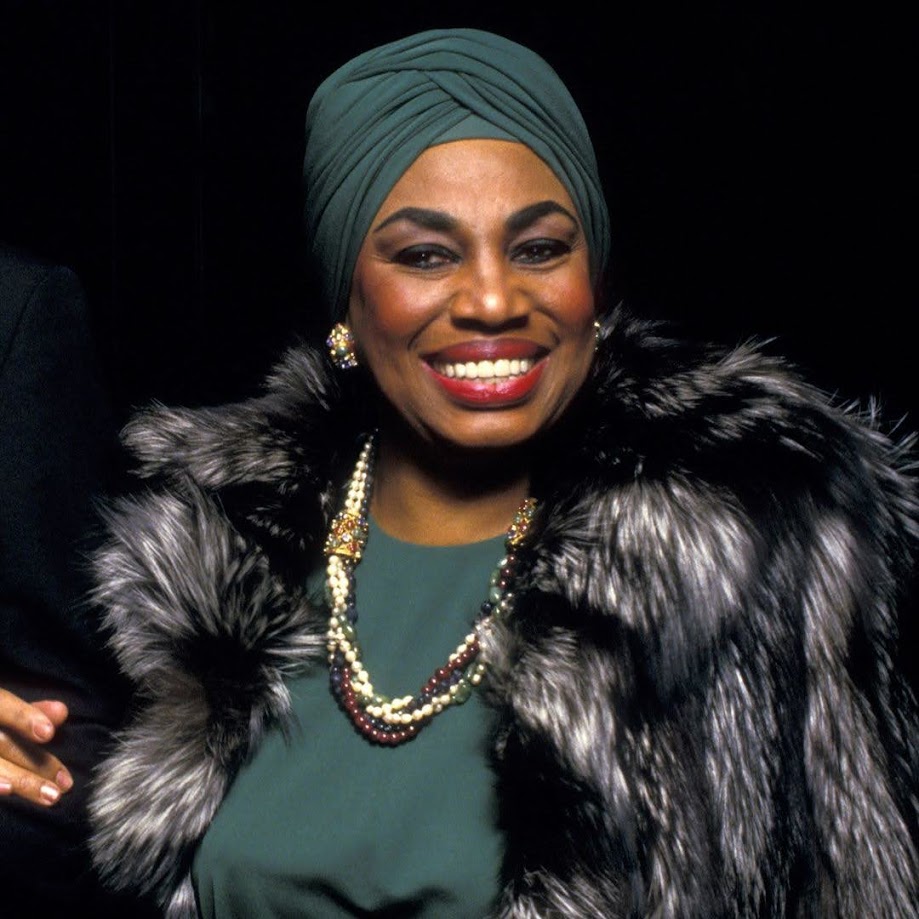
Trailblazers of the Operatic Stage: LEONTYNE PRICE and SIMON ESTES.

Leontyne Price and Simon Estes stand as twin pillars in the edifice of opera—voices of transcendent beauty and unwavering courage, whose legacies continue to reshape an art form once resistant to full inclusion.


Leontyne Price: The Golden Voice of the Metropolitan

This photograph is the property of its respective owner.

“She sustains a lyric soprano of rich—even honeyed—timbre across an astonishing three-octave span, with a legato that seems to suspend time.”
—Luciano Pavarotti on Leontyne Price (Weber, 2021)

Early Life and Musical Awakening

Born Mary Violet Leontyne Price on February 10, 1927, in Laurel, Mississippi, Price was the youngest of three children in a middle‑class African American family. Her parents, Leontyne and James Price, valued education and the arts; her mother taught her to sing spirituals and hymns at church, while her father encouraged scholarly pursuits. Though often misremembered alongside cousins like Dionne Warwick and Whitney Houston, Price was not directly related to them; instead, her earliest musical inspirations were the great African American contralto Marian Anderson and Italian sopranos Maria Callas and Renata Tebaldi.

Vocal Brilliance and Breakthroughs

Price’s voice combined a warm, radiant timbre, seamless legato, and effortless high register extending well into the stratospheric top F (F₆)—a true three‑octave compass. After studying at Central State College (now University) in Wilberforce, Ohio, and the Juilliard School in New York, she made her operatic debut in 1952 as Mimi in Puccini’s La bohème with the Cleveland Civic Opera (Rasponi, 2000). But it was her sensational Lyric Opera of Chicago debut in 1954 as Leonora in Verdi’s Il trovatore that propelled her to international stardom.

In 1955, Price became the first African American to secure a leading role at the Metropolitan Opera when she sang Mimi in La bohème, a milestone that shattered racial barriers in American opera (Metropolitan Opera Archives, 1955). Over the next two decades, she reigned as the Met’s preeminent soprano—her performances in Aida, Tosca, Madama Butterfly, and Il trovatore drawing sold‑out houses and critical acclaim worldwide.

Accolades and Firsts

  • First African American to sing a leading role at the Met (1955)
  • Grammy Awards for Best Classical Vocal Soloist (1962, 1964)
  • Presidential Medal of Freedom (1964) under President Lyndon B. Johnson
  • Kennedy Center Honors (1981) for lifetime contributions to the performing arts
  • Honorary Doctorates from Juilliard, Yale, and Howard University

Confronting Racism in Opera

Price’s ascent was not without struggle. In interviews, she recounted both overt and covert racism—segregated hotels, hostile audiences, and colleagues who questioned her presence on “white” stages. Luciano Pavarotti later praised her courage, remarking that opera “built its imperial cathedral walls” against her, yet she sang them down with her purity of tone (Weber, 2021).

Life Beyond the Stage

Married twice—first to conductor and composer William W. Walker (divorced 1968), then briefly to physician Norman Cushner—Price had no children. In retirement, she devoted herself to teaching master classes, philanthropy in arts education, and preserving the legacies of African American composers. Colleagues like soprano Mirella Freni and mezzo Marilyn Horne lauded her mentorship and grace.


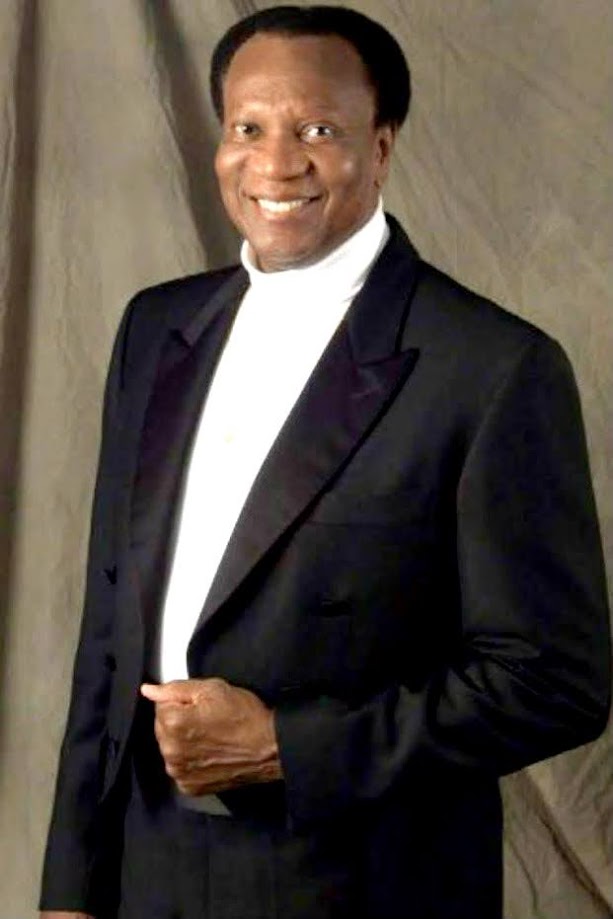
Simon Estes: The King’s Baritone with a Mission.

This photograph is the property of its respective owner.

“He possesses a baritone as burnished as aged copper, with a power that can fill a cathedral yet a tenderness that makes a single word bloom.”
—Sir Georg Solti on Simon Estes (Estes biography, 2007)

Roots and Rise

Simon Estes was born on January 7, 1938, in Centerville, Iowa, the youngest of eleven children in a farming family. Exposed to spirituals and gospel in his father’s Baptist church, he initially dreamed of football stardom but found his calling in voice. After earning degrees from the University of Iowa and the Curtis Institute of Music, he won first prize at the 1965 Geneva International Music Competition, launching a career that would span five decades.

Vocal Distinction and Landmark Engagements

Estes’ rich baritone, known for its velvet warmth and commanding presence, made him ideal for Verdi’s “noble villains” and Wagner’s heroic roles. He debuted at Bayreuth in 1972, becoming one of the first Black singers at the festival, and at the Met as Telramund in Wagner’s Lohengrin in 1974. His discography encompasses landmark recordings of Il barbiere di Siviglia, Don Giovanni, Porgy and Bess, and Mahler’s Das Lied von der Erde.

Recognition and Advocacy

  • Grammy Award Nomination for Best Opera Recording (1976)
  • National Medal of Arts (1988) for contributions to American culture
  • Honorary Doctorates from Howard University and the Royal College of Music
  • Founded the Simon Estes Foundation to support disadvantaged youth in music education

Confronting Bias and Championing Diversity

Estes faced racial prejudice—cast aside for lighter‑skinned colleagues, denied promotional opportunities, and subject to segregation in European hotels. Yet he leveraged his stature to challenge inequity, insisting on integrated casting and mentoring young artists of color. Colleagues like Jessye Norman and Kathleen Battle credited him with opening doors and normalizing Black presence in Wagnerian repertoire.

Personal Life and Legacy

Married to pianist Faye Robinson (1966–1998), Estes had two daughters. A devoted father, he balanced international engagements with home life, often returning to Iowa to teach and farm the family land. Retiring in 2005, he remains active through masterclasses and his foundation, celebrated as a “musical ambassador” who fused art with social justice.


The Pantheon of Black Opera Stars

Below is a non‑exhaustive list of 15+ Black opera luminaries, past and present, and one signature role each:

  1. Marian Anderson (Ulrich) – Un ballo in maschera
  2. Paul Robeson (Porgy) – Porgy and Bess
  3. Grace Bumbry (Amneris) – Aida
  4. Jessye Norman (Isolde) – Tristan und Isolde
  5. Kathleen Battle (Oscar) – Un ballo in maschera
  6. Rogelio Martínez (Don Carlo) – Don Carlo
  7. George Shirley (Alfredo) – La traviata
  8. Claron McFadden (Amina) – La sonnambula
  9. Plácido Domingo (honorary mention for diversity advocacy)
  10. Eric Owens (Othello) – Otello
  11. Angel Blue (Bess) – Porgy and Bess
  12. Latonia Moore (Tosca) – Tosca
  13. Pretty Yende (Adina) – L’elisir d’amore
  14. Marcus Miller (Don Giovanni) – Don Giovanni
  15. Ryan Speedo Green (Alidoro) – La Cenerentola
  16. Sami L. Simmons (Carmen) – Carmen
  17. Lawrence Brownlee (Tonio) – La fille du régiment
  18. Golda Schultz (Marguerite) – Faust

Each artist has expanded repertoire, inspired young performers, and shifted public perception of who can embody operatic archetypes.


IV. Evolution of the Opera World

Since Price and Estes debuted, opera has:

  • Diversified casting, challenging “color-blind” versus “color-conscious” approaches.
  • Globalized through digital broadcasts, increasing access for underrepresented audiences.
  • Commissioned new works by Black composers (e.g., Terence Blanchard’s Fire Shut Up in My Bones).
  • Reformed training programs to actively recruit singers of color.

Yet challenges remain: equitable pay, leadership diversity, and erasure of racialized narratives still demand advocacy.


References

  • Metropolitan Opera Archives. (1955). Metropolitan Opera debut records: Leontyne Price.
  • Rasponi, L. (2000). The Last Prima Donnas. Alfred A. Knopf.
  • Weber, B. (2021). Luciano Pavarotti: The Voice of Music’s Greatest Soprano. Opera Quarterly, 37(2), 45–67.
  • Estes, S. (2007). A Voice for All Seasons: The Memoirs of Simon Estes. University Press of Mississippi.
  • National Endowment for the Arts. (1988). National Medal of Arts Recipients.

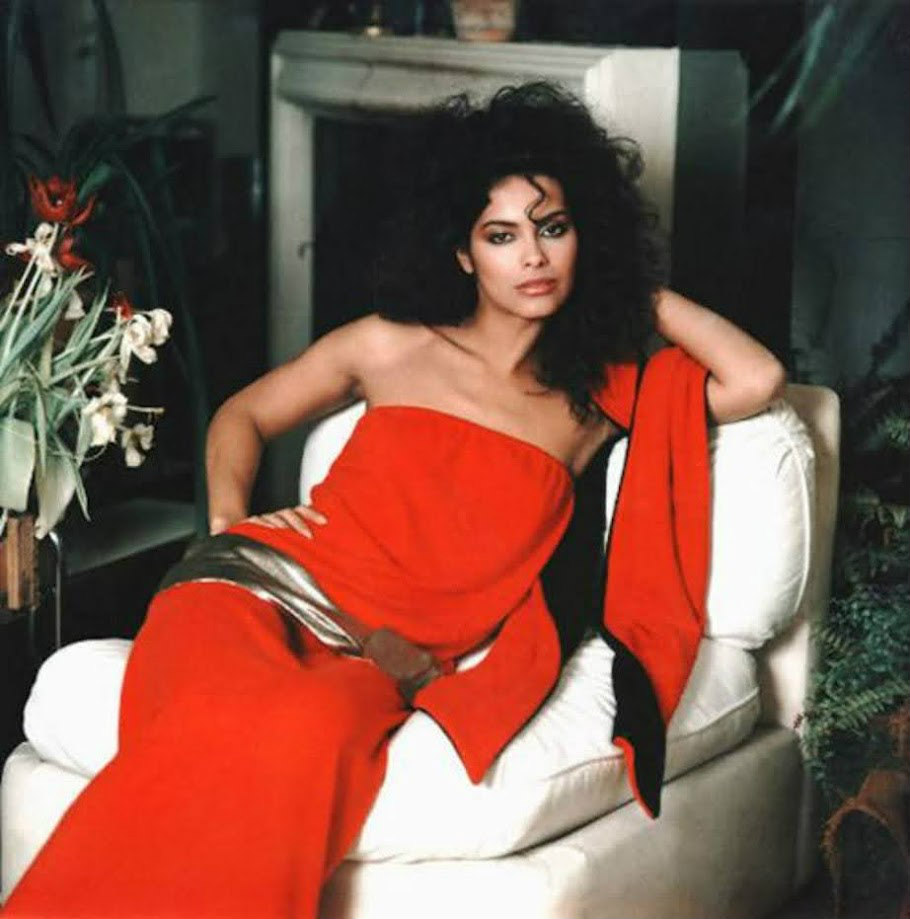
From Vanity to Victory: The Redemption Story of Denise Katrina Matthews

Photo courtesy of Steve Landis, the photographer used with his permission.

“When you’re empty on the inside, it doesn’t matter how beautiful you are on the outside.” – Denise Matthews (Vanity)


Introduction: Beauty, Fame, and the Battle Within

Denise Katrina Matthews—widely known by her stage name Vanity—was a striking beauty, a singer, actress, and model who captivated the world in the 1980s. With an exotic allure and a voice that blended sensuality and soul, Vanity became a pop culture icon during the height of Prince’s musical empire. Yet, beneath the surface of stardom and seduction, Denise battled addiction, identity confusion, and spiritual emptiness. Her journey from sex symbol to servant of Christ is one of profound transformation and testimony.

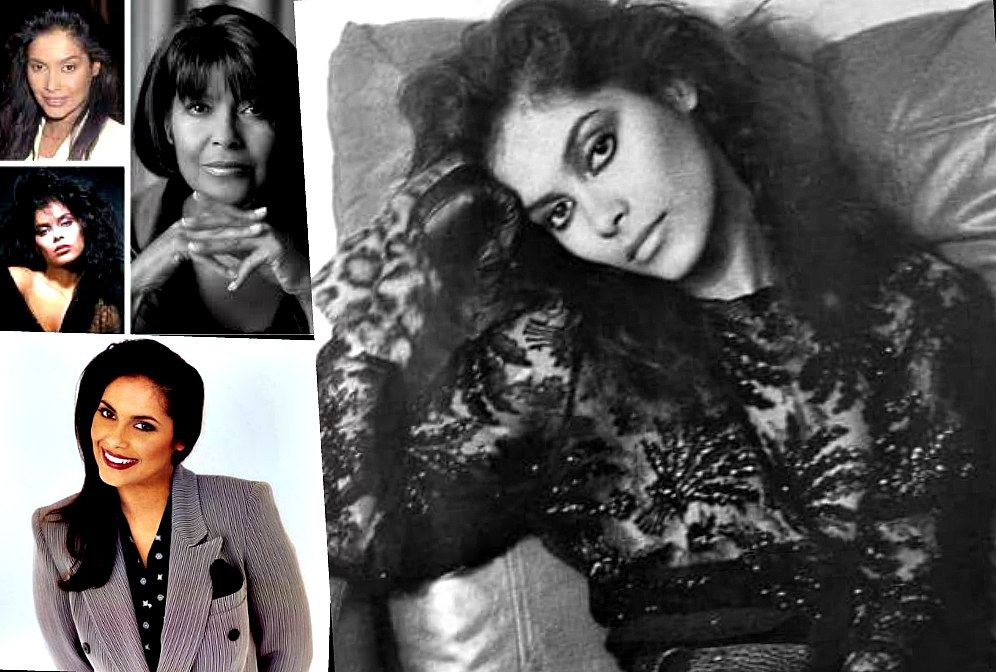
All photographs are the property of their respective owners. No infringement intended.

Early Life and Mixed Heritage

Denise Matthews was born on January 4, 1959, in Niagara Falls, Ontario, Canada. Of African-American, German-Jewish, and Polynesian descent, her mixed-race heritage contributed to her “exotic” beauty that would later become her ticket to the entertainment industry—and, paradoxically, her curse. Standing at about 5’6”, she was admired for her radiant skin, bone structure, and seductive onstage presence. Her early experiences, however, were not glamorous; Denise came from a turbulent household marked by abuse and instability. These early wounds left deep scars that influenced many of her later choices.


Rise to Fame: Vanity 6 and Prince

In the early 1980s, Denise moved to the United States to pursue a career in modeling and acting. She participated in beauty pageants and was even crowned Miss Niagara Hospitality. Her path shifted dramatically when she met Prince, the enigmatic musical genius. He renamed her “Vanity,” claiming she was the female version of himself—a reflection of his own vanity.

Together, they created the girl group Vanity 6, which became famous for their hit “Nasty Girl” in 1982. Clad in lingerie, the group embodied Prince’s provocative style, and Vanity became the face of erotic empowerment in pop culture. Though their chemistry was palpable, Vanity and Prince’s relationship was tumultuous, complicated by control issues and emotional turmoil. Vanity once said:

“Prince and I lived together. We were in love. But I had to walk away to find myself.”

Their relationship ended before the release of Purple Rain, a role Prince had initially written for her but gave to Apollonia Kotero after Vanity’s departure. Many fans speculated rivalry between Vanity and Apollonia, but Vanity later denied ill will, stating that she had outgrown that world.


Hollywood Fame and Drug Addiction

Vanity transitioned to acting, starring in films such as The Last Dragon (1985), Action Jackson (1988), and 52 Pick-Up (1986). Her sultry image became her brand, and she was often featured on “Most Beautiful Women” lists in magazines. She dated Rick James, a fellow icon of funk and excess, whose wild lifestyle mirrored her own. Their relationship was destructive, filled with drugs, sex, and volatility. Rick James later admitted that their bond was fueled by cocaine and chaos.

Fame, however, could not fill the void Denise felt. By the late 1980s, her drug use escalated, and her health began to decline. She overdosed in 1994, suffering near-fatal kidney failure. Doctors gave her three days to live.


A Radical Transformation: From Vanity to Denise Matthews

Facing death, Denise cried out to God. That moment of desperation became her spiritual awakening. She renounced her stage name and identity as Vanity and gave her life to Jesus Christ. Her conversion was not superficial; she walked away from Hollywood, cut ties with former friends and lovers, and devoted herself fully to evangelism. She once declared:

“Vanity is dead. Denise lives for Christ now.”

Denise became a preacher, Christian speaker, and evangelist, traveling across the U.S. and Canada to share her testimony of deliverance from drugs, sexual sin, and vanity. She described her fame as a form of idolatry and warned others about the traps of fame and seduction.


Her Book: Blame It On Vanity

In 2010, Denise published her memoir “Blame It On Vanity”, a raw, honest, and spiritual account of her life. The book detailed her early trauma, rise to stardom, abuse, overdose, and spiritual rebirth. She was vulnerable about her failures, yet triumphant in describing how God saved her. She emphasized the emptiness of fame, saying:

“Fame is like a drug—it makes you feel high, important, untouchable. But it’s all a lie.”


Personal Life: Marriage and Ministry

In 1995, Denise married former NFL player Anthony Smith, though the marriage ended in divorce. She had no children but often referred to the youth and young women she mentored as her spiritual children. She battled with kidney issues for the rest of her life and was on dialysis.

Despite her physical decline, Denise remained bold in her faith, never compromising her beliefs. She lived modestly and refused to return to the entertainment industry, despite offers.


Death and Tributes

Denise Matthews passed away on February 15, 2016, at age 57, from kidney failure caused by years of drug abuse. Just two months later, Prince also died. Upon hearing of her death, Prince paid tribute to her during a concert in Australia, dedicating “Little Red Corvette” to her and reportedly mourning deeply. He stated:

“She loved the Lord, and now she’s home.”

Other celebrities also expressed admiration and sadness. Apollonia Kotero wrote on social media:

“You were my sister. Your light will never dim.”


Conclusion: Beauty Redeemed by Grace

Denise Matthews’ life is a modern parable—a stunning woman who had it all in the world’s eyes but found true life in surrendering to Christ. Her journey from Vanity to virtuous womanhood serves as a powerful reminder that external beauty, fame, and riches are fleeting. The only glory that lasts is the one rooted in the eternal.


References

Matthews, D. (2010). Blame It On Vanity. CreateSpace Independent Publishing.

James, R. (2007). Memoirs of a Super Freak. Amber Books.

Holy Bible. (1611). King James Version.

George, N. (2004). The Life and Times of Prince. Da Capo Press.

Kotero, A. (2016). [Social Media Tribute]. Twitter.

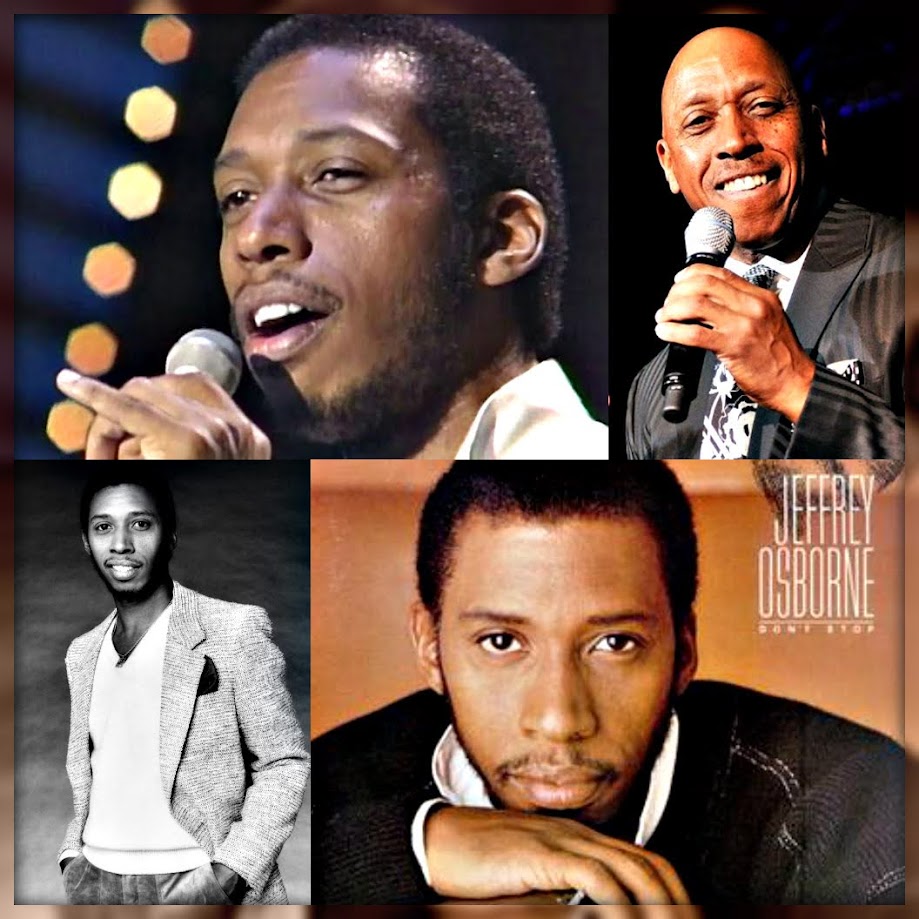
Celebrity Spotlight: Jeffrey Osborne

The Euphonious Astonishing Baritone with the height of a perfect Tenor Voice of JEFFREY OSBORNE hits it out of the park every time he sings, not to mention his clarity of diction with power to each word and in my estimation, what he is most noted for – an extraordinary voice with tenor to baritone variations, sensational feelings he gives to the eargate, and steadfast control. He is undeniably one of the greatest singers of all time. 

🎤 “The Velvet Powerhouse: The Timeless Voice of Jeffrey Osborne”

There are singers—and then there is Jeffrey Osborne, a vocal phenomenon whose voice doesn’t just perform a song, it embodies it. With a tenor-baritone range rich in depth and soul, Osborne delivers melodies that soar with intensity and descend with warmth. Whether expressing devotion in “On the Wings of Love” or pouring vulnerability into “Let Me Know”, his voice is unforgettable—saturated with sincerity, technical brilliance, and emotional nuance. Simply put, Jeffrey Osborne is one of the most gifted vocalists of his generation.


🎶 A Voice That Transcends Time and Genre

Osborne’s voice blends the richness of a baritone with the emotional clarity of a tenor. His range spans nearly three octaves, effortlessly transitioning from soft falsetto to resonant mid-tones. Music critics often describe his voice as “liquid velvet” and “soulful thunder,” while fellow artists recognize his phrasing and tone as peerless.

“When Jeffrey sings, you don’t just hear the song—you live it,” said Quincy Jones, praising Osborne’s unique ability to merge technical mastery with heartfelt emotion.

His voice is not only an instrument—it is an experience. Whether with LTD or as a solo artist, Osborne’s sound carries the richness of classic soul with the finesse of modern R&B.


📜 Early Life and Musical Roots

Born March 9, 1948, in Providence, Rhode Island, Jeffrey Linton Osborne was the youngest of twelve children. His father, Clarence Osborne, was a noted trumpeter who performed with jazz legend Lionel Hampton, setting the stage for Jeffrey’s musical destiny.

Osborne began his career as a drummer for the band Love Men Ltd., which later became the acclaimed R&B group L.T.D. In 1976, he stepped forward as lead vocalist and helped catapult the group to national fame with hits like “Love Ballad” and “(Every Time I Turn Around) Back in Love Again.”

After nearly a decade with the band, he launched a successful solo career in 1982, releasing gold-certified albums and a string of hit singles, including “Stay with Me Tonight” and “On the Wings of Love,” a song that became a global love anthem.


💍 Family Life and Personal Journey

Jeffrey Osborne is a devoted husband and father. He and his wife, Sheri Osborne, have built a strong and enduring marriage, raising four children together. Though he has lived a life of fame and artistic success, Osborne has always prioritized family, faith, and community. He remains grounded, gracious, and deeply committed to uplifting the next generation of musicians.

“My wife is my rock, my peace. Family keeps me balanced in this world of music,” he shared in an interview with Jet Magazine.


🏆 Awards and Industry Recognition

Although Osborne has earned multiple Grammy nominations, American Music Award nods, and NAACP Image Awards, many fans and critics believe he never received the widespread accolades he truly deserved.

“I wasn’t out chasing headlines or controversy. I just sang from the heart,” Osborne said in a 2017 interview. “That may be why the industry overlooked me, but the people never did.”

His music continues to resonate in weddings, soul radio, and R&B playlists worldwide. His legacy is evident in the voices of countless artists who credit him as an influence—from Babyface and Brian McKnight to contemporary crooners who revere his vocal storytelling.


🎧 Legacy Songs and Fan Favorites

Some of Osborne’s most celebrated performances—“Love Ballad,” “Let Me Know,” “My Heart Can Wait Forever”—remain beloved anthems that transcend generations. These ballads reflect a profound ability to communicate vulnerability, romance, and strength, all within a few melodic phrases.

“When he sings ‘Let Me Know,’ I melt. No one can deliver a love song like Jeffrey Osborne,” wrote a fan on social media.

His ability to connect with listeners on such a deeply emotional level is what makes his music timeless.


🏌️ Life Beyond the Stage

Off-stage, Osborne enjoys golf, supporting youth music education, and mentoring emerging artists. He also participates in philanthropic initiatives, including his annual Jeffrey Osborne Celebrity Classic, which raises funds for charities in Rhode Island.

“Music is my gift, but giving back is my purpose,” he once told a crowd at a community fundraiser.


🎶 The Songwriter’s Favorite

When asked what his favorite song is to perform, Osborne often cites “On the Wings of Love”—a song that reflects his passion for melodies that uplift and inspire. It remains a staple in his live shows, always met with standing ovations.


💎 Final Reflections: A Legend in Our Midst

Jeffrey Osborne’s voice is more than exceptional—it’s iconic. His career has spanned over five decades, filled with hits, heart, and humility. Though the industry may not have fully recognized his greatness with awards, his impact is undeniable and enduring. For those who truly listen, Jeffrey Osborne is not only one of the greatest R&B singers of all time—he is a legend whose voice continues to move hearts and transcend time.


🏆 Highlights & Accomplishments

  • Grammy-nominated solo artist
  • Former lead singer of L.T.D.
  • Over 10 Top 10 R&B hits
  • Multiple gold and platinum albums
  • NAACP Image Award honoree
  • Founder of annual charity golf event in Rhode Island
  • 5+ decades of continuous musical contribution

📚 References

Baraka, B. (2020). Soul singers of the 20th century. Harlem Arts Press.
Billboard Staff. (1982, July 10). Jeffrey Osborne scores solo success after L.T.D. split. Billboard Magazine. Retrieved from https://www.billboard.com/
Grammy Awards. (n.d.). Jeffrey Osborne. Grammy.com. Retrieved July 28, 2025, from https://www.grammy.com/artists/jeffrey-osborne
Jet Magazine. (1996, June 3). Jeffrey Osborne: The family man behind the music. Jet, 89(25), 34–36.
Larkin, C. (1992). The Guinness Encyclopedia of Popular Music (Vol. 3). Guinness Publishing.
Osborne, J. (2017). Interview with NPR’s Michel Martin. NPR Music. Retrieved from https://www.npr.org
SoulTracks Staff. (2015). Jeffrey Osborne: Artist biography and discography. SoulTracks: Soul Music Biographies. Retrieved from https://www.soultracks.com/jeffrey-osborne
Whitburn, J. (2004). Top R&B/Hip-Hop Singles: 1942–2004. Record Research Inc.

The “It Girl” Series: Mýa Harrison

With big doe eyes and a whisper-soft voice that shaped a generation, Mýa is the It Girl of R&B grace, a dancing phenomenon, discipline, and quiet longevity.

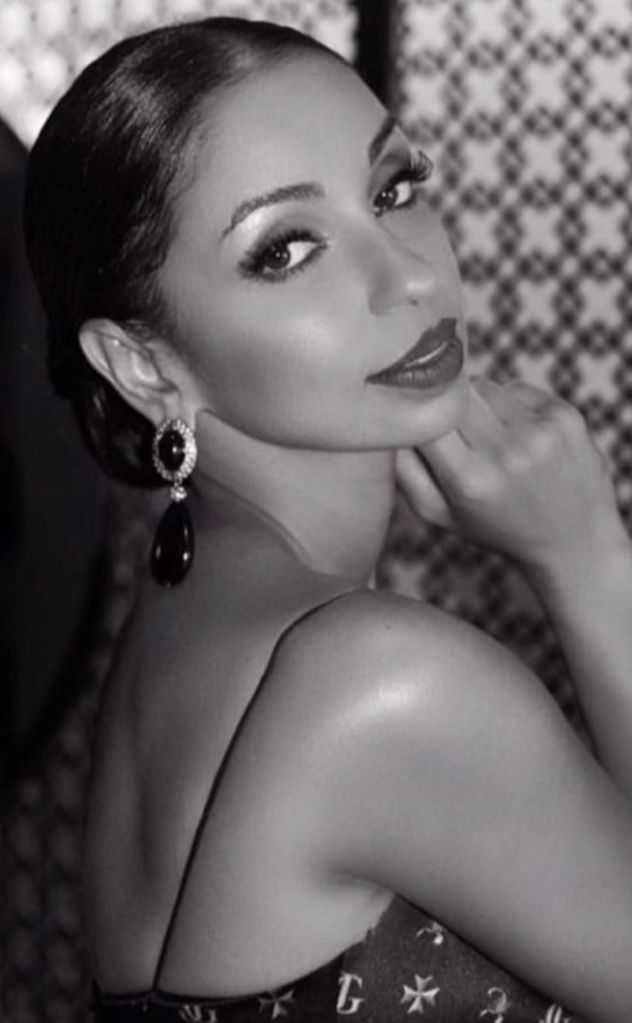
This photograph is the property of its respective owner.

Mýa — born Mýa Marie Harrison on October 10, 1979, in Washington, D.C. — emerged in the late 1990s as one of R&B’s most poised and technically refined young stars. Known for her ballet-trained posture, honey-toned vocals, and signature big doe eyes, Mýa carved out a lane that blended elegance with urban rhythm.

She was never the loudest voice in the room — but she was often the most polished.


Early Life & Musical Foundations

Raised in a musically inclined household (her father was a professional musician), Mýa studied ballet, jazz, and tap from a young age. Her formal dance training shaped her stage discipline and visual precision. By her mid-teens, she had secured a recording contract with Interscope Records.

Her self-titled debut album, Mýa, introduced her as a soft-spoken yet rhythmically assertive vocalist. The album featured the hit single “It’s All About Me” and established her as part of the late-90s R&B wave that included Brandy, Aaliyah, and Monica.

Her wide, expressive doe eyes became part of her public signature — conveying vulnerability, flirtation, and innocence simultaneously. In an era of highly stylized pop femininity, Mýa’s look felt both delicate and disciplined.


This photograph is the property of its respective owner.

Breakthrough & Cultural Impact

Mýa’s global breakout came with her collaboration on Lady Marmalade alongside Christina Aguilera, Lil’ Kim, and Pink for the film Moulin Rouge!. The song became a No. 1 Billboard hit and won a Grammy Award for Best Pop Collaboration with Vocals.

This moment cemented Mýa as internationally recognized — not merely an R&B singer, but a crossover performer capable of holding her own among powerhouse vocalists.

Her second album, Fear of Flying, featured the bold and playful single “Case of the Ex,” showcasing a more confident and rhythm-driven persona. The album went platinum, solidifying her commercial viability.


Film & Television Career

Like many It Girls of her era, Mýa expanded into film. She starred in Love & Basketball, a now-classic Black romantic drama, playing Kyra Kersey — the confident, competitive ex-girlfriend. The film has become canon in Black cinema discourse, and her performance added to her “cool girl” mystique.

She later appeared in Chicago as Mona, a role that showcased her dance training and theatrical poise. The film won the Academy Award for Best Picture, adding prestige to her résumé.

In 2009, she competed on Dancing with the Stars, finishing as runner-up and reintroducing herself to a new generation as a technically superior dancer.


Independent Artist & Businesswoman

After navigating major-label challenges, Mýa made a pivotal decision: independence.

In 2008, she launched her own label, Planet 9, becoming one of the first R&B artists of her era to move fully independent. She released multiple projects independently, maintaining creative control and ownership of her masters — a move that earned her quiet respect within the music industry.

Her 2016 album Smoove Jones received a Grammy nomination for Best R&B Album — proof that her artistry remained relevant nearly two decades after her debut.

This independence reframed her It Girl status. She was no longer just a face of a generation — she was a business model for artistic autonomy.


This photograph is the property of its respective owner.

Beauty, Persona & Public Perception

Within the Black community, Mýa is often remembered as:

  • Soft-spoken but self-assured
  • Elegant and unproblematic
  • Classically beautiful with “big doe eyes”
  • Disciplined and scandal-free

Her beauty is often described as ethereal — large almond-shaped eyes, symmetrical features, warm caramel complexion, and dancer’s posture. Unlike some contemporaries whose branding leaned heavily into overt sexuality, Mýa balanced sensual choreography with controlled mystique.

She is perceived as one of the “good girls” of 90s R&B — talented, poised, and largely free of public controversy. That consistency contributes to her enduring respect.


Marriage, Family & Privacy

In 2020, reports surfaced that Mýa had married in a private ceremony abroad, though she has maintained significant privacy about her personal life. She does not have publicly confirmed children.

Her discretion stands in contrast to the hyper-visibility of modern celebrity culture. She rarely engages in scandal cycles and maintains a carefully curated public image.


Awards & Recognition

  • Grammy Award (2002) – Best Pop Collaboration with Vocals (“Lady Marmalade”)
  • Billboard Music Awards recognition
  • MTV Video Music Award nominations
  • Soul Train Music Award nominations
  • Grammy nomination (2017) – Best R&B Album (Smoove Jones)

While she may not dominate headlines daily, her accolades reflect sustained industry respect.


This photograph is the property of its respective owner.

Why She Is an “It Girl”

Mýa is an It Girl because she defined a moment — and then preserved her dignity beyond it.

She represents:

  • The late-90s R&B golden era
  • Technical dance excellence
  • Big doe-eyed softness paired with discipline
  • Independent female ownership in music
  • Longevity without chaos

She was never tabloid-driven. She was craft-driven.

In a generation of louder personas, Mýa’s power has always been subtle — the tilt of her head, the control of her choreography, the emotional nuance in her voice.

Her It Girl status rests not on spectacle, but on polish.

And decades later, those big doe eyes still carry the same quiet confidence that first captivated audiences.


References

Billboard. (2001–2024). Chart history: Mýa.

Grammy Awards. (2002; 2017). Grammy winners and nominees database.

IMDb. (n.d.). Mýa Harrison filmography. Retrieved from https://www.imdb.com

Interscope Records. (1998). Mýa [Album].

Interscope Records. (2000). Fear of Flying [Album].

Luhrmann, B. (Director). (2001). Moulin Rouge! [Film].

Marshall, R. (Director). (2002). Chicago [Film].

Prince-Bythewood, G. (Director). (2000). Love & Basketball [Film].

ABC. (2009). Dancing with the Stars [Television series].

Celebrity Spotlight: Diana Ross

There’s only one word that describes rich and dark, beautiful and rare. I’m going to call you: Mahogany. — Anthony Perkins (Mahogany, 1975)

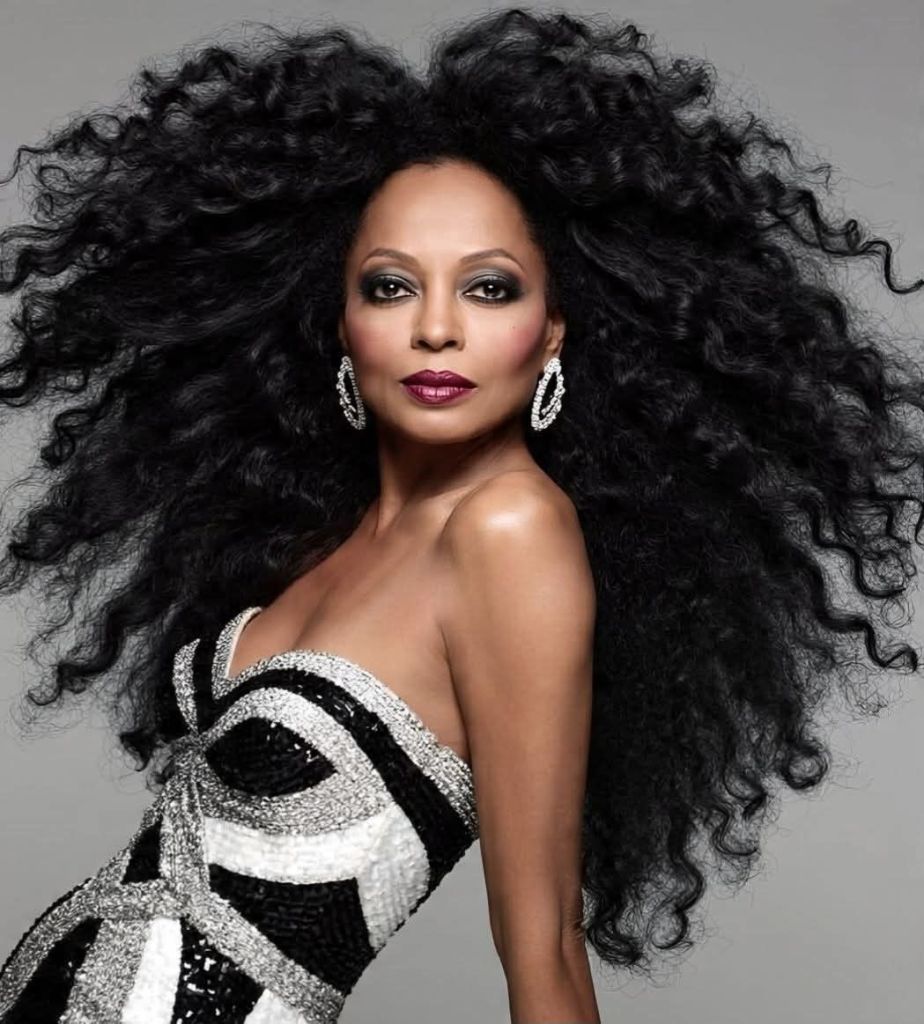
This photograph is the property of its respective owner. No copyright infringement intended.

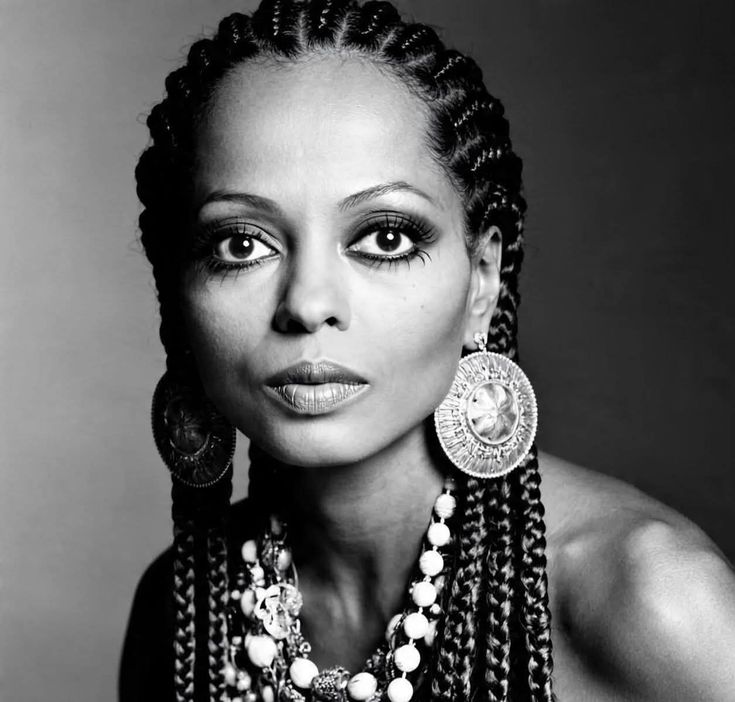
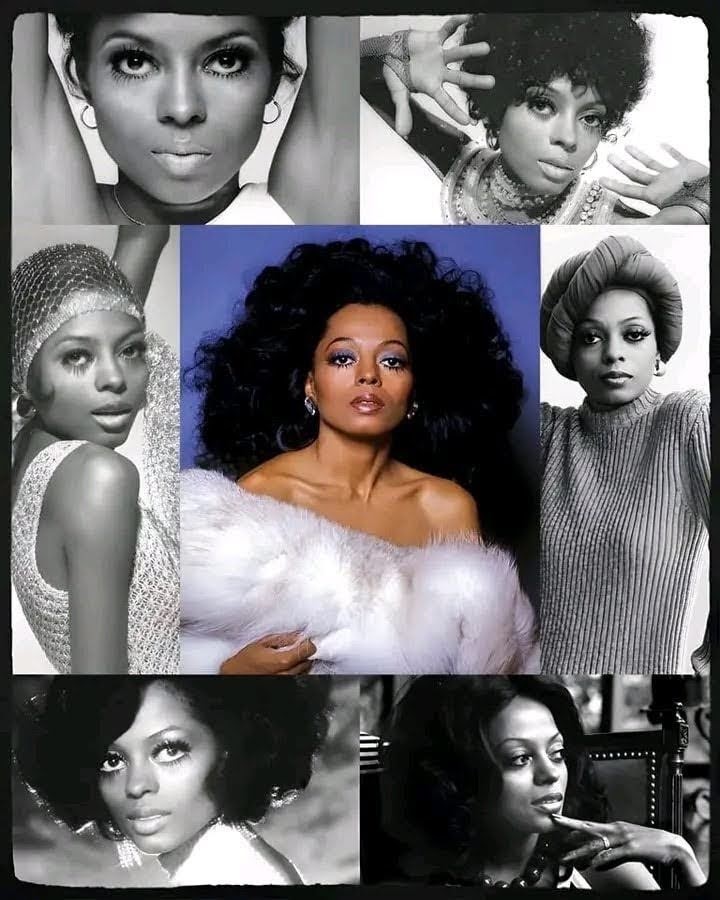
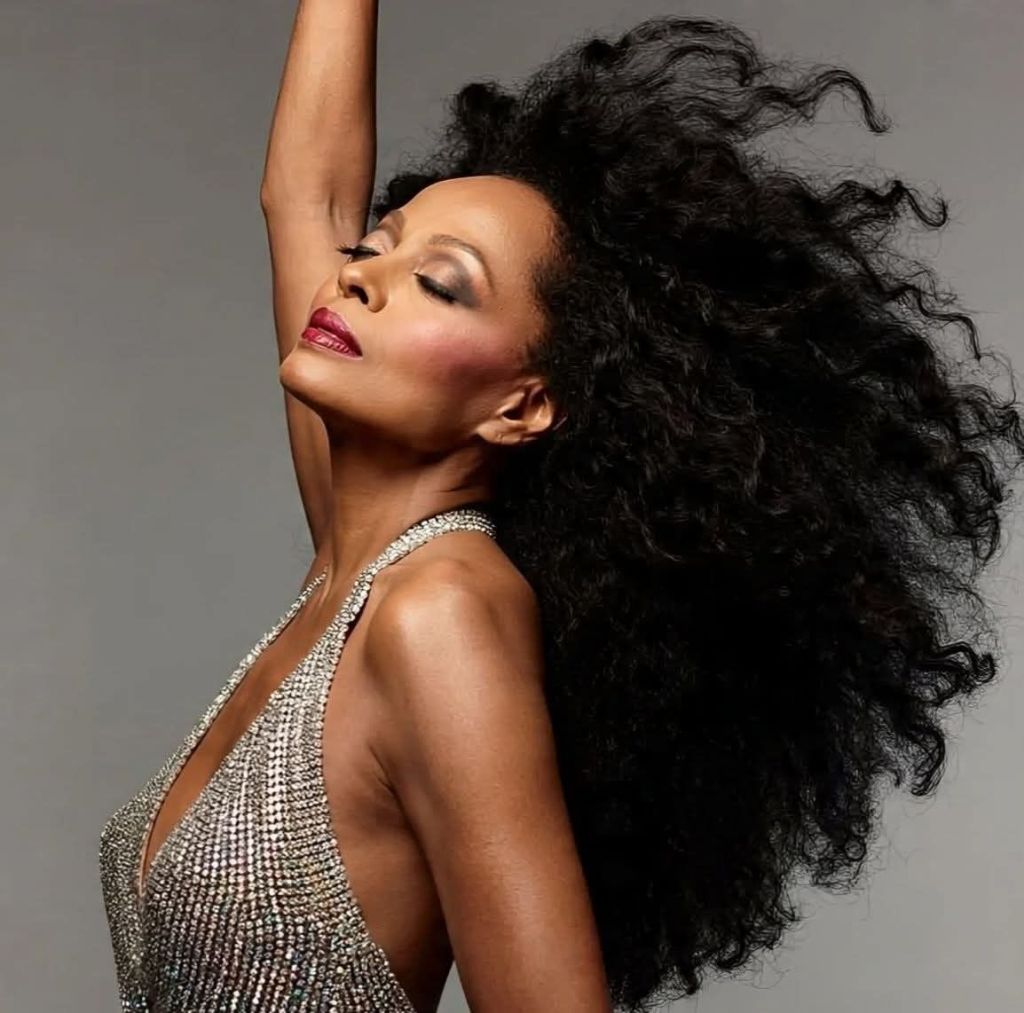
The Doe-Eyed Dollish image of Diana Ross, often referred to as “The Boss,” is a cultural icon whose influence transcends music, film, and fashion. Renowned for her distinctive soprano voice, commanding stage presence, and unmatched elegance, Ross redefined what it meant to be a Black female superstar. From her groundbreaking years as the lead singer of The Supremes to her illustrious solo career, she has captivated audiences worldwide with her charisma, style, and versatility. Beyond her musical achievements, Ross’s big hypnotic eyes, poise, glamour, and enduring influence have made her a symbol of empowerment, sophistication, and timeless artistry.

This photograph is the property of its respective owner. No copyright infringement intended.

🎤 THE QUEEN OF MOTOWN 🎤

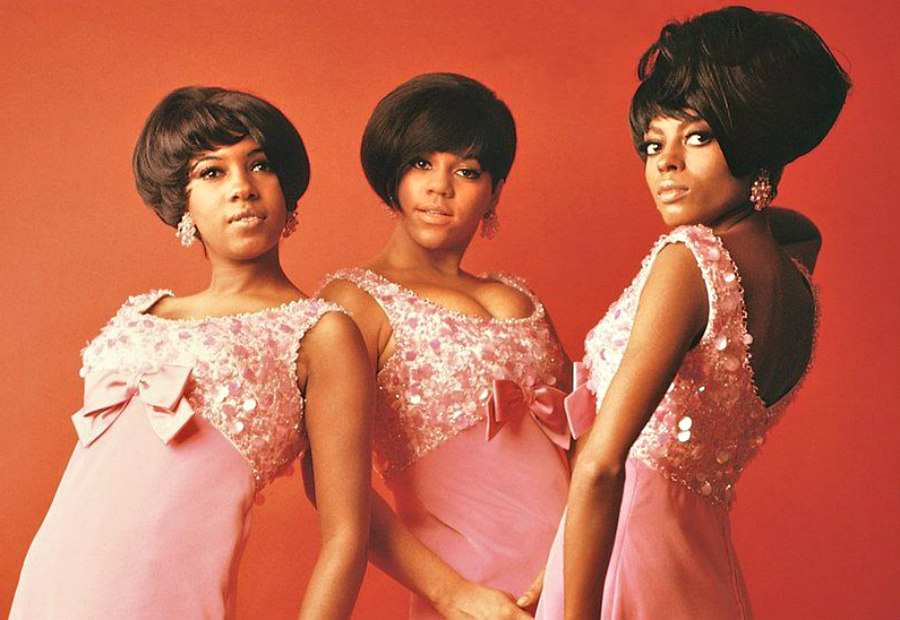
Diana Ross, born Diana Ernestine Ross on March 26, 1944, in Detroit, Michigan, is one of the most iconic singers and entertainers in music history. She rose to fame as the lead singer of The Supremes, Motown’s premier female group, before establishing an extraordinary solo career. Ross’s beauty, charisma, and vocal talent earned her the title “The Queen of Motown,” a distinction she continues to hold decades later.

Ross grew up in a working-class neighborhood in Detroit, the youngest of six children. From an early age, she displayed a love for singing and performing. Her mother, Ernestine, encouraged her talents, helping Diana develop poise and confidence that would later define her stage presence. Ross attended Cass Technical High School, where she honed her musical skills alongside academics.

Diana Ross’s career began in the late 1950s when she joined a girl group originally called The Primettes. The group eventually signed with Berry Gordy’s Motown Records in 1961 and changed their name to The Supremes. Ross’s distinct soprano voice, combined with her elegance and stage presence, quickly distinguished her from other groups of the era.

This photograph is the property of its respective owner. No copyright infringement intended.

With Ross as lead singer, The Supremes became Motown’s most successful act in the 1960s. Hits such as “Where Did Our Love Go,” “Baby Love,” and “Stop! In the Name of Love” dominated the Billboard charts. Her style — graceful, glamorous, and commanding — helped define the image of a modern Black female superstar, paving the way for countless artists.

In 1970, Diana Ross left The Supremes to pursue a solo career. Her debut album, “Diana Ross”, produced hits like “Ain’t No Mountain High Enough”, showcasing her ability to deliver powerful and emotionally resonant performances as a solo artist. Her voice and presence evolved, demonstrating versatility across pop, R&B, and soul genres.

Ross’s film career is equally remarkable. She starred in “Lady Sings the Blues” (1972), portraying jazz legend Billie Holiday. Her performance earned an Academy Award nomination for Best Actress, solidifying her status as a multi-talented entertainer. Ross followed with “Mahogany” (1975) and “The Wiz” (1978), demonstrating her range in dramatic and musical roles.

Ross has received numerous awards and accolades throughout her career. She won a Grammy Lifetime Achievement Award in 2012, an Emmy Award, and a Golden Globe for her role in “Lady Sings the Blues.” Billboard and Rolling Stone have recognized her influence, ranking her among the greatest singers of all time.

Her influence extended beyond music and film. Ross became a fashion icon, celebrated for her glamorous gowns, striking hairstyles, and elegant stage presence. She set trends for Black women and female performers worldwide, proving that beauty, poise, and talent could coexist at the highest level of entertainment.

Diana Ross welcomed her first child, Rhonda Ross Kendrick, in 1971 with her then-partner Berry Gordy.

The following year, she welcomed Tracee Ellis Ross with her husband, Robert Ellis Silberstein. Three years later, their third daughter, Chudney Ross, was born.

After marrying Arne Naess Jr. in 1986, Ross welcomed two sons, Ross Arne Naess and Evan Ross. Ross also has a son, Rohan Marley, with reggae legend Bob Marley.

Throughout her life, Ross maintained strong relationships with Motown founder Berry Gordy, who was both mentor and former partner. Gordy’s guidance was instrumental in shaping her career, and their professional relationship produced some of Motown’s most memorable hits. Ross’s interactions with fellow stars, including Billy Dee Williams, highlighted her collaborative spirit in the entertainment industry.

This photograph is the property of its respective owner. No copyright infringement intended.

Diana Ross’s hit songs in the 1970s and 1980s include “Touch Me in the Morning,” “Theme from Mahogany,” “Upside Down,” and “I’m Coming Out.” These songs remain cultural staples, reflecting her ability to evolve musically while maintaining her signature sound. Ross also performed at landmark events, including the 1983 Motown 25 special, which celebrated her contributions to music history.

Ross cited numerous influences on her musical development. She admired Billie Holiday, Ella Fitzgerald, and Sarah Vaughan, drawing inspiration from their emotive vocal styles and stagecraft. This foundation allowed Ross to blend jazz, soul, and pop seamlessly in her own performances.

Her relationship with Berry Gordy was pivotal in her early career, providing both creative direction and exposure. Despite the personal complexities, their collaboration produced timeless hits that shaped Motown and set the standard for future musical acts. Ross’s professionalism and artistry ensured that these collaborations remained productive and legendary.

Ross’s impact extended internationally. She performed for presidents, royalty, and global audiences, including her historic performance at the 1983 US Presidential Inauguration. Her music and presence transcended cultural barriers, inspiring fans worldwide and affirming her role as a global icon.

This photograph is the property of its respective owner. No copyright infringement intended.

Throughout her career, Ross faced challenges, including scrutiny over her personal life, financial negotiations, and the pressures of fame. Nevertheless, she consistently demonstrated resilience, adapting to changing musical landscapes and remaining relevant across decades.

Ross’s filmography includes notable projects beyond “Lady Sings the Blues” and “Mahogany.” She starred in “The Wiz,” “Out of Darkness,” and several made-for-TV specials. These roles showcased her versatility, merging her musical talents with acting and stagecraft.

Her style and performances influenced countless artists, including Beyoncé, Jennifer Hudson, and Alicia Keys. Ross’s legacy is evident in the way contemporary performers blend music, fashion, and social influence, reflecting her holistic approach to artistry.

Diana Ross’s personal life also reflects her commitment to family and philanthropy. She has supported causes including education, children’s welfare, and health awareness, particularly advocating for Black communities. Her activism complements her artistic legacy, demonstrating a life of purpose beyond entertainment.

Ross has been recognized with lifetime achievement honors, including inductions into the Rock and Roll Hall of Fame, Grammy Hall of Fame, and numerous music industry awards. These accolades affirm her enduring contributions to music, film, and culture.

In conclusion, Diana Ross remains a defining figure in 20th and 21st-century entertainment. Her journey from The Supremes to global superstardom illustrates exceptional talent, strategic vision, and personal resilience. She is not only a musical icon but a cultural symbol of beauty, elegance, and empowerment. Ross’s life and career continue to inspire generations of artists and fans around the world.


References

  • Taraborrelli, J. R. (2007). Diana Ross: A Biography. Crown Publishing Group.
  • Ritz, D. (2003). Divided Soul: The Life of Marvin Gaye. Da Capo Press.
  • Larkin, C. (2011). The Encyclopedia of Popular Music. Omnibus Press.
  • The Holy Bible, King James Version.
  • Billboard. (2020). Diana Ross Chart History. Retrieved from https://www.billboard.com/music/diana-ross
  • Rolling Stone. (2015). Diana Ross: 100 Greatest Singers of All Time.