
Category Archives: Afros

The History of the “Afro”

The Afro hairstyle is one of the most iconic and symbolic expressions of Black identity in modern history. It represents far more than fashion—it is a cultural statement, a symbol of pride, and an act of resistance. Rooted in centuries of African tradition, the Afro re-emerged during the 20th century as a political and spiritual symbol of liberation. To understand its history is to trace the evolution of Black consciousness from enslavement to empowerment.
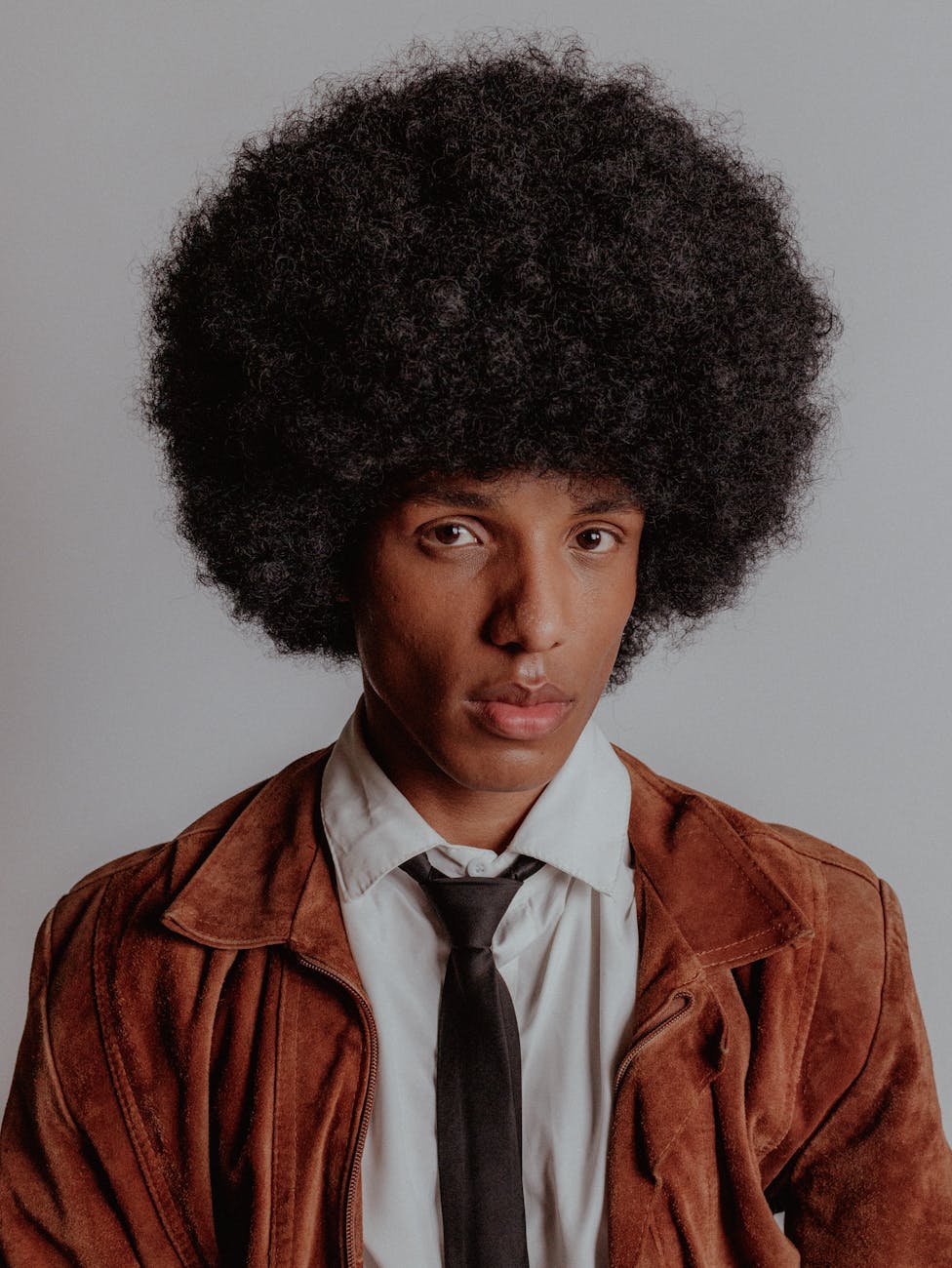
Photo by Alexandre Canteiro on Pexels.com

In pre-colonial Africa, hair was deeply significant. Hairstyles communicated tribe, status, age, religion, and even marital status. The Yoruba, Wolof, and Himba peoples, among others, crafted elaborate styles using natural oils and clay. Hair was not merely aesthetic—it was sacred. The scalp was considered the highest part of the body and, therefore, closest to the Creator. Braiding and grooming rituals reflected intimacy, identity, and spirituality within African societies.
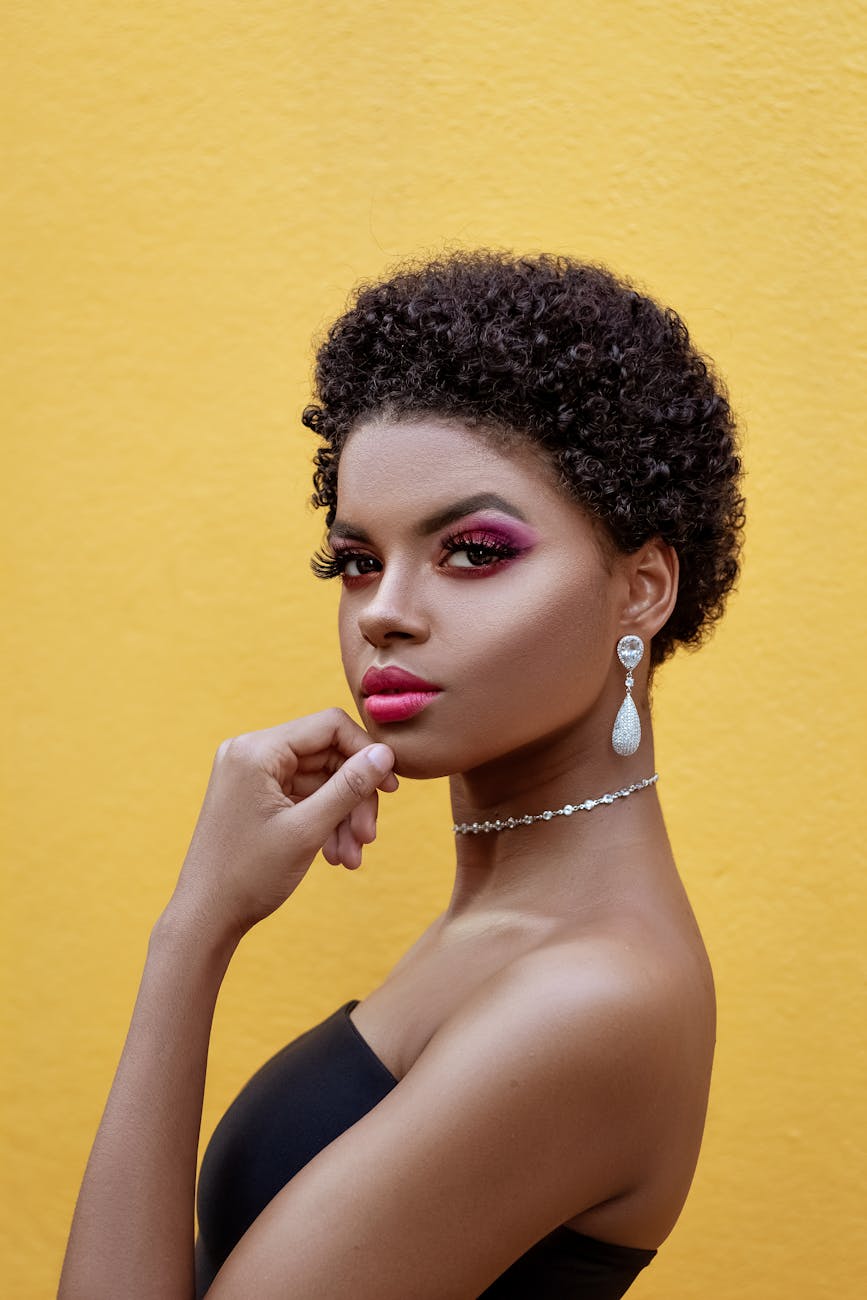
Photo by Marlon Schmeiski on Pexels.com

When the transatlantic slave trade began, these sacred traditions were violently disrupted. Enslaved Africans were often forcibly shaved to strip them of cultural identity and dignity. Hair, once a crown of glory, became a mark of oppression. This degradation marked one of the first psychological tools of dehumanization in slavery. The Eurocentric notion that straight hair was “civilized” and tightly coiled hair was “unkempt” would shape perceptions of beauty for centuries.
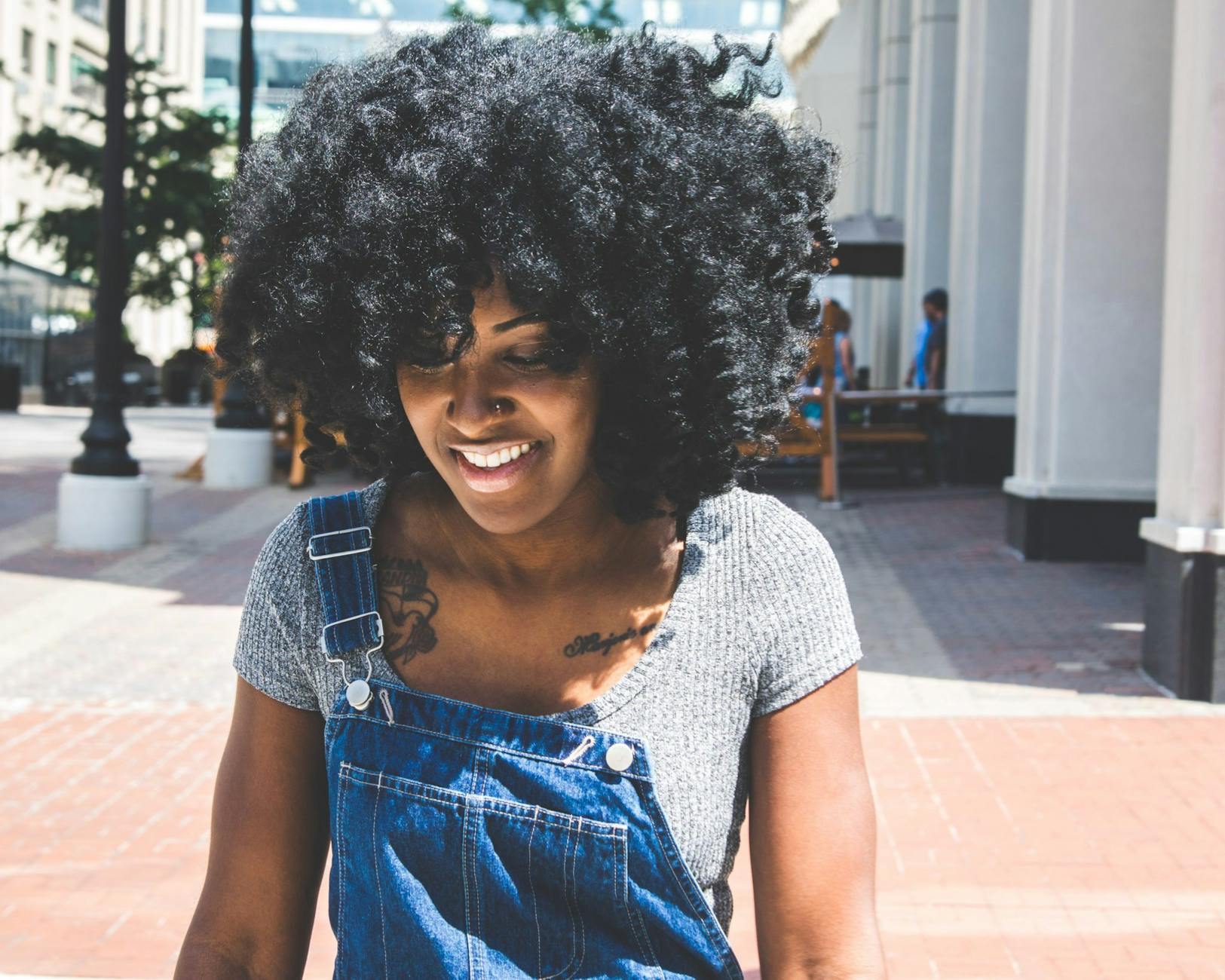
Photo by nappy on Pexels.com

In the United States, the late 19th and early 20th centuries saw the rise of Black haircare pioneers who sought both empowerment and assimilation. Madam C. J. Walker, one of America’s first self-made millionaires, revolutionized Black haircare through her line of pressing oils and straightening combs. While her work provided economic independence for Black women, it also reflected the complex tension between cultural pride and societal conformity.

By the 1950s, the dominant beauty ideal in America still revolved around Eurocentric features. Straightened hair was seen as a sign of professionalism and social acceptance. Black men and women often faced discrimination for wearing natural styles in schools and workplaces. Straightening was not merely aesthetic—it was a survival mechanism in a racist society that punished difference.
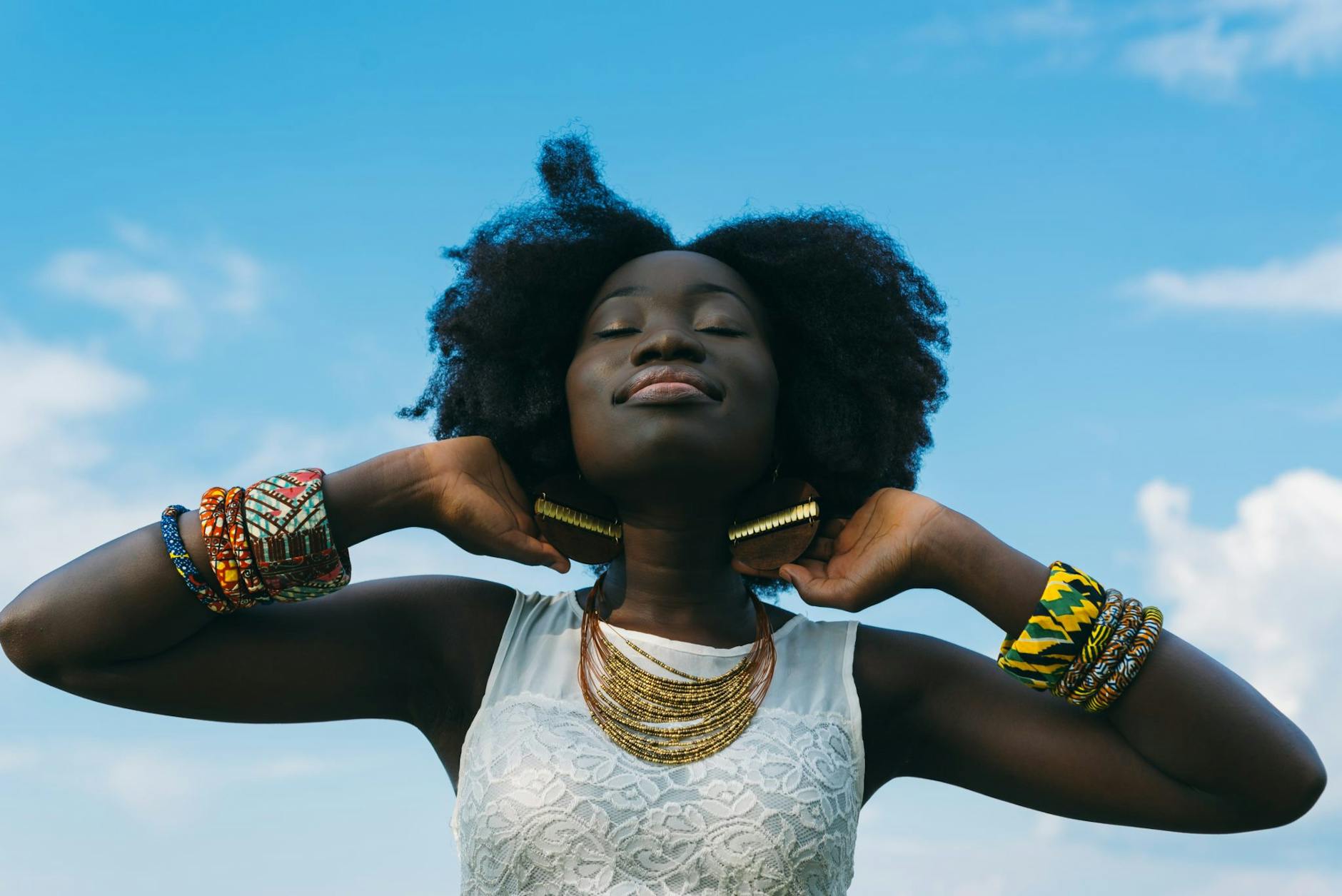
Photo by nappy on Pexels.com

However, as the Civil Rights Movement gained momentum in the 1960s, a cultural revolution began to reshape Black identity. The Afro re-emerged as a bold expression of defiance and pride. It was no longer just a hairstyle but a political statement that rejected assimilation and embraced authenticity. The Afro became a visual symbol of the slogan “Black is Beautiful,” championed by activists and artists alike.

Figures like Angela Davis, Huey P. Newton, and Kathleen Cleaver of the Black Panther Party used the Afro to embody resistance and revolution. The hairstyle’s natural fullness and unapologetic volume mirrored the growing confidence of the movement. It declared that Black people would no longer conform to oppressive standards or hide their God-given features.

Cultural icons such as Nina Simone, Cicely Tyson, and Pam Grier brought the Afro into mainstream visibility, blending elegance with rebellion. Music, fashion, and film became vehicles for Black expression, and the Afro’s aesthetic began to influence pop culture globally. The hairstyle traveled from the streets of Oakland to the runways of Paris, transforming beauty norms and inspiring pride across the African diaspora.

In the 1970s, the Afro was not only political but fashionable. It evolved into different variations—rounded shapes, picked-out crowns, and sculpted silhouettes. Both men and women wore it proudly as a mark of identity. Commercial brands capitalized on the trend, selling Afro picks adorned with fists—the iconic “Black Power” symbol that merged style and activism.
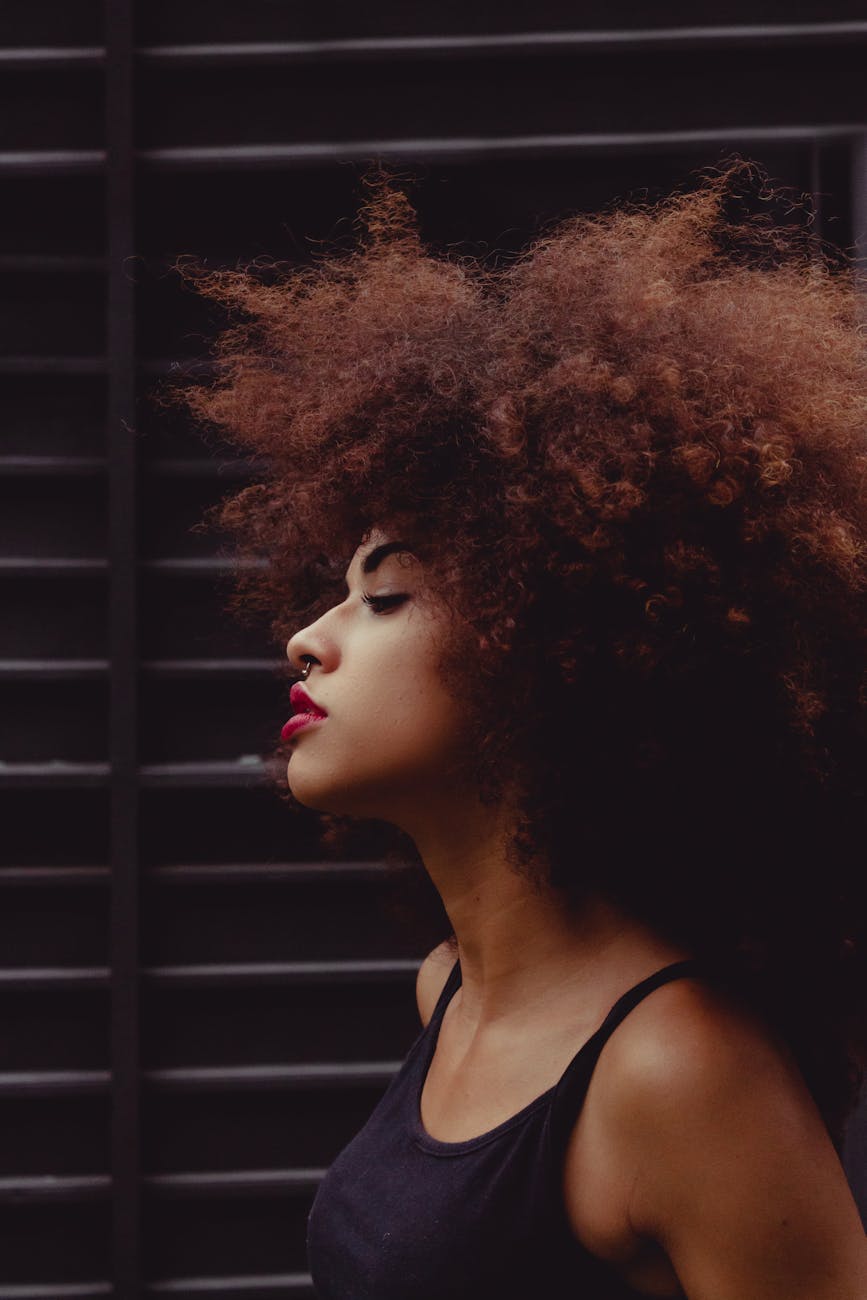
Photo by Bruno Thethe on Pexels.com

However, the 1980s brought a cultural shift. As the post-civil rights era gave way to corporate professionalism, the Afro was gradually replaced by jheri curls, perms, and other styles perceived as more “modern.” The natural movement dimmed as assimilation pressures returned. Yet, for many, the Afro remained a symbol of authenticity and remembrance of a time when Black pride transformed politics and art.

In the 1990s and early 2000s, the natural hair movement began to resurface. Artists like Lauryn Hill and Erykah Badu resurrected Afrocentric aesthetics, merging spirituality, soul, and Black consciousness. Their influence reignited conversations about self-acceptance and ancestral identity. The Afro re-entered mainstream culture as both a retro style and a symbol of self-love.

The 2010s brought a global renaissance of natural hair culture. Social media became a platform for education and empowerment. Black women shared tutorials, hair journeys, and stories that celebrated the versatility of Afro-textured hair. Hashtags like #NaturalHairMovement and #TeamNatural encouraged unity and representation, fostering a digital community of pride and resistance.
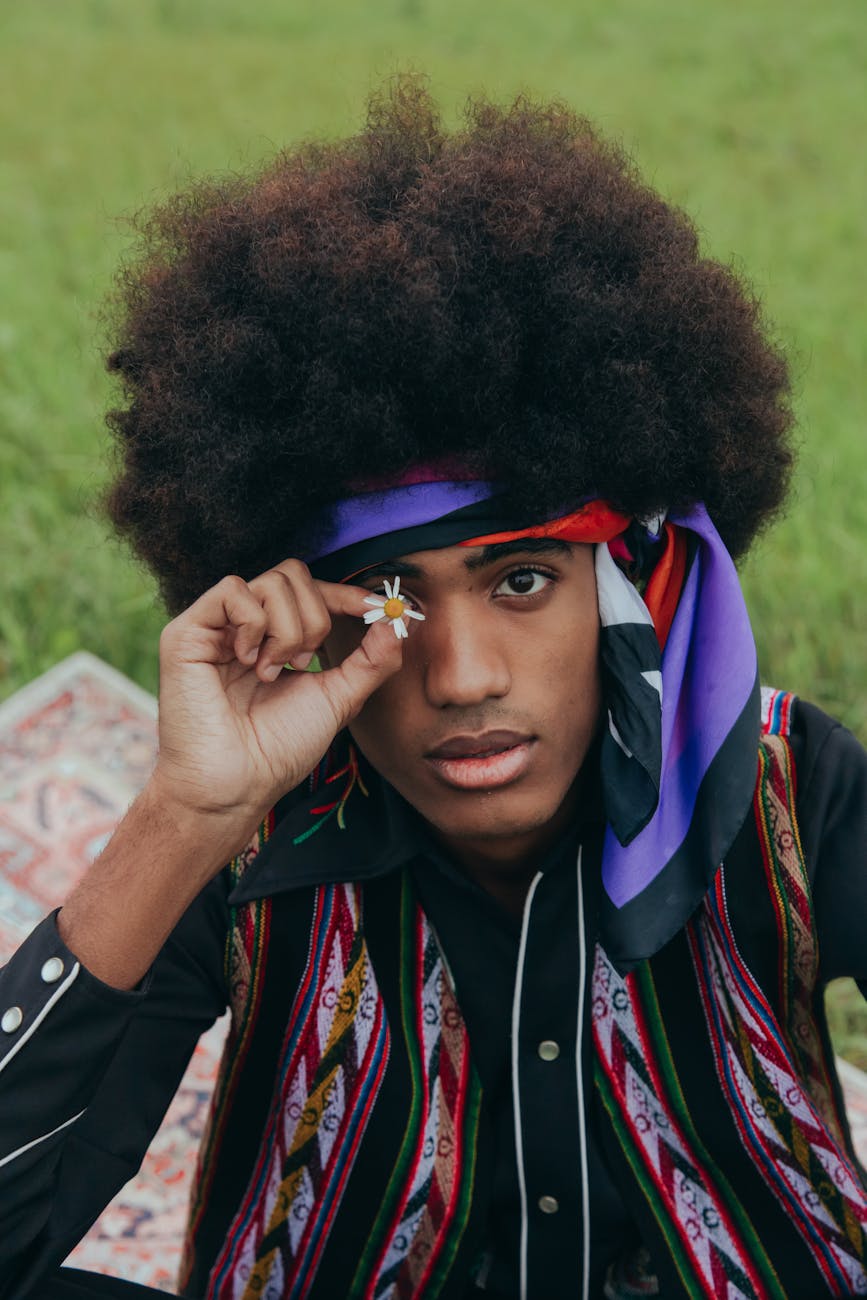
Photo by cottonbro studio on Pexels.com

At the same time, systemic discrimination persisted. Schools and workplaces continued to police natural hairstyles, labeling them as “unprofessional.” The introduction of the CROWN Act (Creating a Respectful and Open World for Natural Hair) in 2019 sought to combat this injustice by legally prohibiting hair-based discrimination. This legislation represents a victory for cultural rights and human dignity.

Globally, the Afro has become a universal symbol of cultural strength and artistic inspiration. From South Africa to Brazil, and from London to the Caribbean, the Afro connects people of African descent to their ancestral roots. It stands as an emblem of resilience—surviving centuries of oppression, yet still radiating dignity and grace.

Spiritually, the Afro reminds many of the scriptural affirmation that “the very hairs of your head are all numbered” (Luke 12:7, KJV). This verse underscores divine intention—every curl, coil, and kink carries purpose and perfection. Wearing an Afro, therefore, is both a celebration of creation and a restoration of cultural order.

The psychology of the Afro reveals how beauty and identity intersect with freedom. It challenges the notion that one must conform to be accepted. Instead, it affirms that true beauty flows from authenticity and self-respect. As bell hooks (1992) noted, reclaiming natural beauty is a revolutionary act in a world that profits from insecurity.

Contemporary art, film, and photography continue to celebrate the Afro as both aesthetic and archive. Artists such as Lorna Simpson and Kerry James Marshall immortalize natural hair as a narrative of memory, power, and belonging. Their works remind audiences that beauty is historical, political, and sacred all at once.

Ultimately, the history of the Afro is a testament to resilience. It chronicles centuries of suppression, survival, and self-reclamation. The Afro endures not merely as a hairstyle but as a movement of liberation—a living monument to the unbreakable spirit of African people.

As the global conversation around race, beauty, and identity evolves, the Afro continues to stand tall—an eternal symbol of pride, freedom, and divine creation. It is not a trend but a testimony, declaring that Blackness, in all its forms, is beautiful beyond measure.

References

  • Asante, M. K. (2003). Afrocentricity: The Theory of Social Change. African American Images.
  • Byrd, A., & Tharps, L. (2014). Hair Story: Untangling the Roots of Black Hair in America. St. Martin’s Press.
  • Davis, A. (1981). Women, Race, and Class. Vintage Books.
  • hooks, b. (1992). Black Looks: Race and Representation. South End Press.
  • Mercer, K. (1987). Black Hair/Style Politics. In New Formations, 3, 33–54.
  • Rooks, N. (1996). Hair Raising: Beauty, Culture, and African American Women. Rutgers University Press.
  • Scripture citations from the Holy Bible, King James Version (KJV).
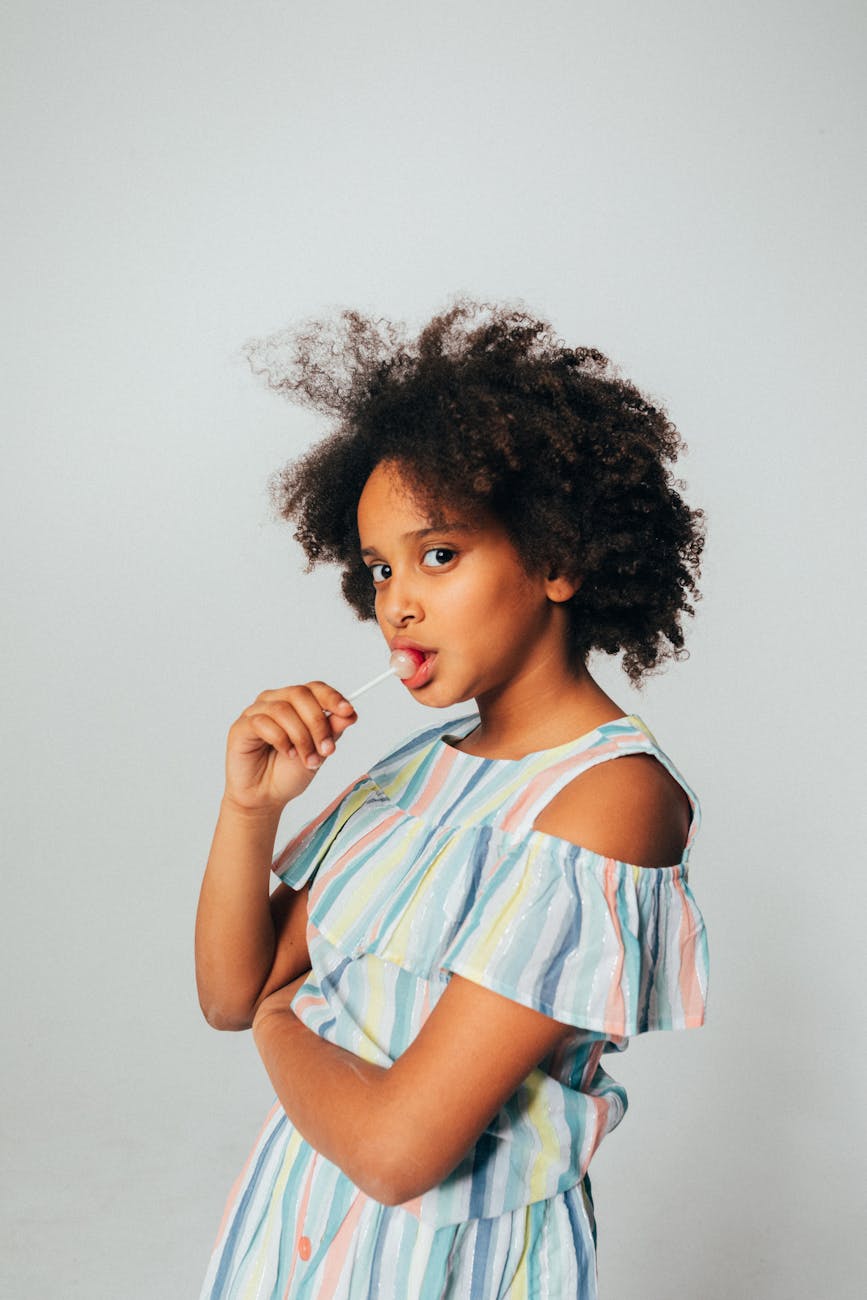
Brown Girl Blues: “Why don’t you do something with your hair?” They Say….

Photo by KoolShooters on Pexels.com

The question, “Why don’t you do something with your hair?” may seem harmless to some, but to many Black women, it cuts deeper than strands and styles—it reaches the roots of identity, history, and self-worth. Beneath the surface of that question lies centuries of cultural conditioning, where European aesthetics became the measuring rod for beauty, and anything deviating from that ideal was deemed unkempt, unruly, or undesirable.

For the brown girl, hair has never been “just hair.” It has been a site of both pride and pain, rebellion and respectability, resistance and reinvention. The texture of Black hair tells a story—one of survival through enslavement, assimilation through colonization, and reclamation through self-love. When society asks her to “do something” with it, it’s not simply asking for grooming—it’s demanding conformity.

Historically, enslaved African women were stripped not only of their homeland but also of their cultural expressions. Hair, once a symbol of tribal identity and spirituality, was forcibly shaved or hidden beneath rags. This act was psychological warfare—a way to erase selfhood. The lingering echo of that erasure still reverberates when a Black woman is told that her natural curls, coils, or kinks are “unprofessional” or “too much.”

The “Brown Girl Blues” emerge when the pressure to assimilate collides with the yearning to be authentic. Straightening, relaxing, and weaving became not merely beauty choices but survival tactics. For decades, many Black women internalized the message that straight hair equaled success, and natural hair equaled defiance. The corporate world, media, and even schools reinforced these codes of respectability through policies and imagery that favored Eurocentric beauty.

The Crown Act, passed in several U.S. states, sought to challenge these biases by legally protecting natural hairstyles. Yet, laws alone cannot undo generations of psychological conditioning. The battle over Black hair is not only fought in courtrooms but also in mirrors, classrooms, and boardrooms—everywhere a brown girl silently wonders if she’s “enough.”

In biblical terms, hair has always been symbolic of identity and covenant. Samson’s strength was connected to his locks (Judges 16:17), and a woman’s hair was often referred to as her “glory” (1 Corinthians 11:15). Yet for Black women, this glory has been distorted by societal judgment. The question, “Why don’t you do something with your hair?”, becomes not about maintenance but about value—an attempt to measure worth through assimilation.

The modern natural hair movement represents a spiritual and cultural awakening. It is a declaration that Black beauty, in its raw and natural form, is divine. Afro-textured hair defies gravity—it rises upward, toward the heavens—symbolizing resilience, creativity, and connection to something higher than human approval. Each coil, each curl, is a fingerprint of divine design.

However, the journey toward self-acceptance is not always smooth. Many brown girls recall being teased in childhood for their “nappy” hair or “kitchen.” These early wounds leave imprints that resurface in adulthood, influencing how they view their reflection. Healing requires unlearning not only external prejudice but internalized shame.

This healing is both emotional and theological. When a Black woman begins to see herself as fearfully and wonderfully made (Psalm 139:14), her relationship with her hair transforms. What was once a burden becomes a crown—an emblem of divine artistry. The process of detangling, twisting, and moisturizing becomes a sacred ritual of self-love and restoration.

Still, the societal gaze remains relentless. Even as representation increases, media often celebrates “acceptable” versions of natural hair—looser curls, lighter skin, or “manageable” textures—while sidelining tighter coils and darker complexions. Thus, colorism and texturism intertwine, creating a hierarchy within Black beauty itself.

The “Brown Girl Blues” is not just a personal lament; it is a cultural diagnosis. It asks: why must the Black woman still defend her right to simply be? Why must her hair still be politicized, policed, or tokenized? Why must she apologize for the crown God gave her? These questions echo through generations of women who have fought to redefine beauty on their own terms.

In academia, thinkers like bell hooks and Audre Lorde have explored how hair politics reflect the intersection of race, gender, and power. Lorde (1984) argued that self-care is an act of political warfare; for the Black woman, wearing her natural hair is exactly that—a rebellion against centuries of aesthetic colonization. It is a declaration that her beauty needs no validation from oppressive systems.

Faith and psychology converge here. While the world critiques, God affirms. The anxious heart that once craved acceptance learns to rest in divine identity. As Romans 12:2 urges, “Be not conformed to this world, but be ye transformed by the renewing of your mind.” Transformation begins internally, when the brown girl realizes her reflection already bears the image of God—no alterations necessary.

Black hair, in all its forms, is a metaphor for spiritual resilience. It bends but does not break; it shrinks yet expands; it endures heat, tension, and pressure but always finds a way to thrive. That endurance mirrors the Black woman’s soul—a living testimony of beauty born from struggle.

Community has been vital in reclaiming this narrative. Natural hair expos, YouTube tutorials, and sister circles have become spaces of affirmation where brown girls uplift one another and rediscover pride in their roots. These collective affirmations function like modern-day psalms—songs of freedom and healing sung through shared experience.

Still, not every Black woman chooses natural hair, and that, too, deserves respect. True liberation means freedom of choice, not obligation to any one aesthetic. Whether she wears braids, wigs, locs, or silk presses, her worth is not in the texture but in her authenticity. The problem was never the style—it was the shame.

To dismantle “Brown Girl Blues,” society must stop pathologizing Blackness. It must stop framing Black beauty as a problem to be solved and begin honoring it as a reflection of cultural genius. The question must shift from “Why don’t you do something with your hair?” to “What stories does your hair tell?”—because every strand carries history, faith, and pride.

Ultimately, the healing of the brown girl begins with reclaiming her divine mirror. She looks at her reflection and no longer sees deficiency, but design. She hears the old question—“Why don’t you do something with your hair?”—and smiles, because she already did: she learned to love it.

In that moment, the blues fade into gold, and her crown—once questioned—now glows with the glory of a woman who finally knows she was never the problem. Her hair, her hue, her heritage—all of it—is holy.


References

  • The Holy Bible, King James Version.
  • hooks, b. (1994). Outlaw culture: Resisting representations. Routledge.
  • Lorde, A. (1984). Sister outsider: Essays and speeches. Crossing Press.
  • Byrd, A. D., & Tharps, L. L. (2014). Hair story: Untangling the roots of Black hair in America. St. Martin’s Griffin.
  • Johnson, T. A., & Bankhead, T. (2014). Hair it is: Examining the experiences of Black women with natural hair. Open Journal of Social Sciences, 2(1), 86–100.
  • Tate, S. A. (2007). Black beauty: Shade, hair and anti-racist aesthetics. Ethnic and Racial Studies, 30(2), 300–319.