
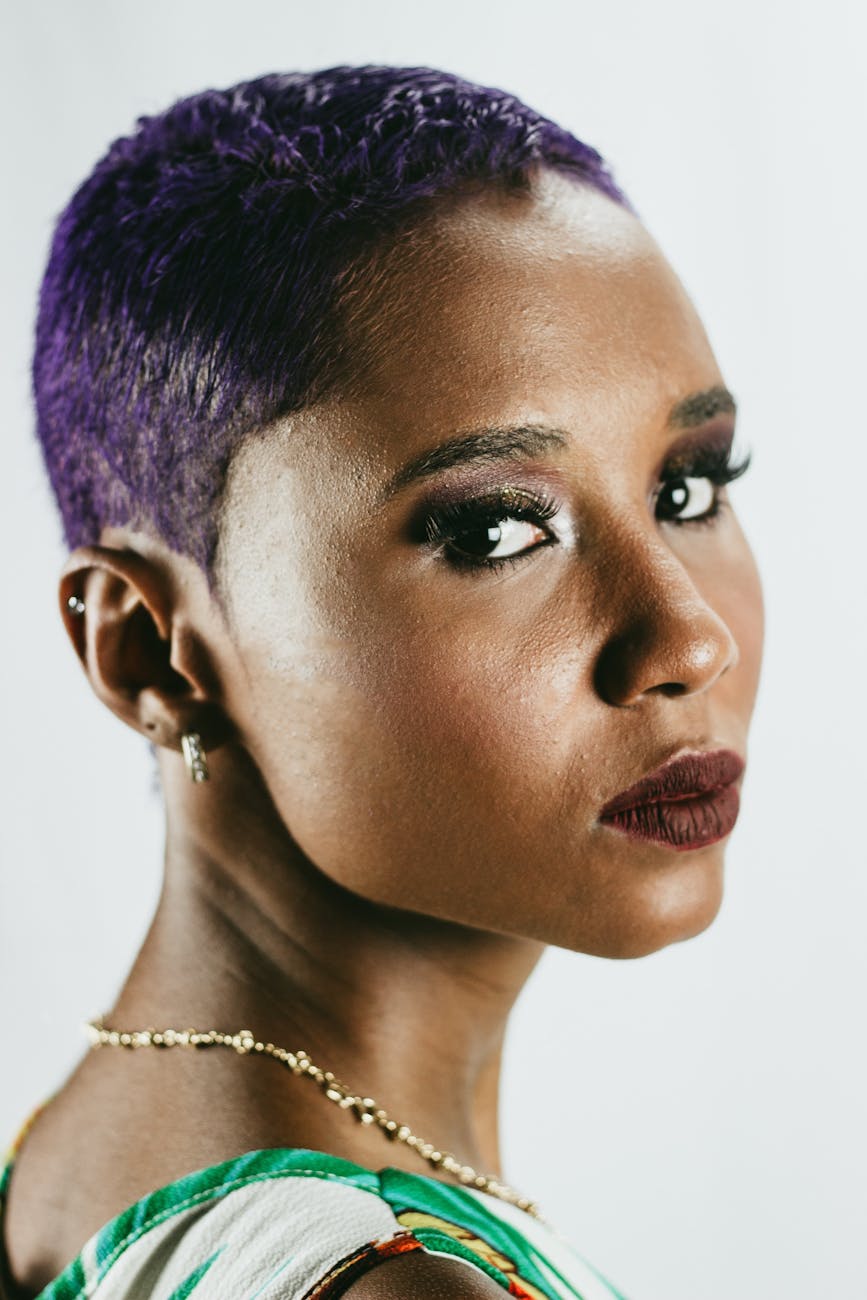
The beauty industry, valued at billions of dollars worldwide, has long been a space where race, gender, and consumer culture intersect. For Black women, makeup marketing has been both a site of exclusion and empowerment. Historically marginalized in product design and advertising, Black women were often positioned outside mainstream definitions of beauty. Yet, over time, the demand for inclusivity, the rise of Black-owned brands, and the power of cultural influence have transformed makeup marketing. Still, the journey reveals complex dynamics of representation, identity, and consumer psychology.
Historical Exclusion from the Market
For much of the 20th century, mainstream makeup companies largely ignored the needs of Black women. Shades for darker skin tones were either unavailable or limited to a small range, forcing many women to mix products or turn to alternative methods to match their complexion (Craig, 2006). The absence of inclusive shades reinforced Eurocentric standards, sending the implicit message that lighter skin was normative and desirable. This exclusion not only alienated Black consumers but also perpetuated colorism by failing to validate the beauty of darker complexions.
The Psychological Effects of Exclusion
The lack of representation in makeup marketing contributed to negative self-image and internalized racism among Black women. According to Hall (2010), the erasure of darker skin tones in consumer products reinforced a hierarchy of beauty that privileged proximity to whiteness. Psychologically, this translated into feelings of invisibility, inadequacy, and pressure to conform to Eurocentric aesthetics. Biblical wisdom emphasizes the value of self-worth beyond external validation: “Favour is deceitful, and beauty is vain: but a woman that feareth the LORD, she shall be praised” (Proverbs 31:30, KJV). Yet, when entire industries failed to affirm Black women’s beauty, the weight of systemic messaging became a powerful force shaping identity.
Black-Owned Beauty Brands as Resistance
In response to exclusion, Black entrepreneurs created their own beauty solutions. Companies like Fashion Fair Cosmetics, founded in 1973 by Eunice Johnson, became pioneers in offering a wide range of shades for Black women. These brands not only met practical needs but also challenged dominant beauty narratives by affirming that Black beauty was valuable, marketable, and worthy of celebration (Byrd & Tharps, 2014). Makeup became more than a cosmetic product; it was an act of resistance, pride, and self-definition.
Modern Representation and Inclusivity
The 21st century ushered in significant changes. Rihanna’s Fenty Beauty revolutionized the industry in 2017 by launching with 40 foundation shades, later expanded to 50, proving that inclusivity could also be profitable. The brand’s success pressured major companies like L’Oréal, Maybelline, and CoverGirl to expand their shade ranges. Adut Akech, Duckie Thot, and other dark-skinned models became global campaign faces, signaling a shift toward celebrating deeper tones. However, critics note that inclusivity often functions as a marketing strategy rather than a genuine commitment to equity (Lewis & Neal, 2020).
Fashion Fair vs. Fenty Beauty
Fashion Fair (1973): Founded by Eunice Johnson of Ebony and Jet magazines, Fashion Fair was one of the first major cosmetic brands created specifically for Black women. It emerged during the height of the Civil Rights Movement and the Black Is Beautiful era. The brand’s marketing emphasized elegance, sophistication, and the celebration of dark-skinned women. Fashion Fair offered shades that had long been ignored by mainstream companies and became a staple in Black households, representing self-determination and pride in racial identity (Byrd & Tharps, 2014).
Fenty Beauty (2017): Launched by Rihanna, Fenty Beauty debuted with 40 foundation shades that instantly disrupted the industry. Unlike Fashion Fair, which primarily served Black women, Fenty positioned inclusivity as universal—catering to all races while centering deeper tones. Social media marketing, influencer campaigns, and global reach allowed Fenty to dominate culturally and commercially, setting new industry standards.
Comparison:
- Cultural Context: Fashion Fair was a product of the Black Power era; Fenty emerged in the digital, globalized age.
- Marketing Approach: Fashion Fair marketed exclusively to Black women; Fenty used Black women as the starting point but expanded inclusivity to all.
- Legacy: Fashion Fair paved the way by affirming Black beauty in a segregated market; Fenty institutionalized inclusivity in the mainstream.
Together, these brands illustrate how makeup marketing for Black women evolved from racial exclusivity to global inclusivity—yet both underscore the importance of Black women shaping their own beauty narratives.
Social Media and Consumer Activism
Social media platforms have amplified Black women’s voices in shaping beauty marketing. Hashtags like #BlackGirlMagic and #MelaninPoppin highlight the richness of darker skin tones, while consumer backlash against non-inclusive campaigns has pressured companies to diversify. This shift demonstrates the power of collective consumer activism in holding brands accountable and ensuring that marketing reflects the realities of diverse beauty.
The Duality of Empowerment and Exploitation
While inclusive makeup marketing empowers Black women by affirming their presence, it also risks commodifying diversity. Representation can sometimes be surface-level, serving corporate profits more than genuine cultural respect. This duality highlights a tension: makeup can be a tool of self-expression and empowerment, but it can also perpetuate consumer dependency and reinforce beauty hierarchies if not critically engaged.
A Biblical Perspective on Beauty and Value
From a biblical perspective, makeup marketing raises questions about identity and self-worth. Scripture emphasizes that beauty originates not from external adornment but from inner character: “Whose adorning let it not be that outward adorning of plaiting the hair, and of wearing of gold, or of putting on of apparel; But let it be the hidden man of the heart” (1 Peter 3:3-4, KJV). This perspective does not condemn cosmetics outright but reminds Black women that marketing should not define their worth. True empowerment lies in knowing one’s divine value while navigating consumer culture critically.
Conclusion
The impact of makeup marketing on Black women is profound, weaving together histories of exclusion, resistance, empowerment, and commodification. While the rise of inclusive brands has reshaped the industry, Black women remain vigilant in ensuring that representation is authentic rather than exploitative. At its best, makeup marketing affirms identity and expands the definition of beauty; at its worst, it risks reducing diversity to a trend. Ultimately, the challenge for Black women lies in balancing the joy of self-expression with the wisdom of recognizing that true beauty and worth transcend products, aligning with God’s eternal affirmation of their value.
References
Byrd, A., & Tharps, L. L. (2014). Hair story: Untangling the roots of Black hair in America. St. Martin’s Press.
Craig, M. L. (2006). Race, beauty, and the tangled knot of a guilty pleasure. Feminist Theory, 7(2), 159–177.
Hall, R. E. (2010). An historical analysis of skin color discrimination in America: Victimism among victim group populations. Springer.
Lewis, R., & Neal, A. (2020). Colorism and the fashion industry: Shifting standards of representation. Journal of Black Studies, 51(5), 452–469.
The Holy Bible, King James Version. (1611/2017). Thomas Nelson.
 THE BROWN GIRL DILEMMA