
Category Archives: Addiction

Love Not the Things in This World

Photo by Diana u2728 on Pexels.com

The world constantly pulls at our desires, offering glittering promises of wealth, fame, and pleasure. Yet the Bible warns us in 1 John 2:15 (KJV), “Love not the world, neither the things that are in the world. If any man love the world, the love of the Father is not in him.” This scripture reminds believers that our hearts were never designed to be satisfied by temporary possessions or worldly success. True fulfillment comes from God alone, not from the fleeting allure of material things.

To love the world is to place ultimate trust and joy in what is unstable. Money, beauty, power, and status can all disappear in an instant. Psychology confirms this through the concept of the “hedonic treadmill,” which shows that once people achieve a goal or gain possessions, they quickly adapt and seek more, never fully satisfied (Brickman & Campbell, 1971). God calls us higher, urging us to seek eternal treasures that cannot be taken away.

Christ Himself lived as an example of detachment from worldly excess. Though He could have had kingship and riches, He chose humility, servanthood, and obedience to the Father. Matthew 6:19–20 (KJV) says, “Lay not up for yourselves treasures upon earth, where moth and rust doth corrupt, and where thieves break through and steal: But lay up for yourselves treasures in heaven.” This eternal perspective protects us from the anxiety and emptiness that come from clinging to worldly possessions.

Materialism can easily become idolatry when it replaces God as the source of security. The Israelites struggled with this when they worshiped the golden calf, prioritizing wealth and image over their covenant with God (Exodus 32). Today’s culture mirrors that temptation, with consumerism encouraging people to measure worth by what they own. But scripture reminds us: “For what shall it profit a man, if he shall gain the whole world, and lose his own soul?” (Mark 8:36, KJV).

Loving the world also impacts relationships. When our hearts are consumed with competition, greed, or envy, we struggle to love others authentically. James 4:4 (KJV) warns, “Know ye not that the friendship of the world is enmity with God?” Choosing the world over God distances us from His presence and often leaves us isolated. By contrast, living in God’s love allows us to experience community, generosity, and compassion.

Psychologically, detaching from worldly desires is linked to greater well-being. Studies on gratitude and simplicity show that people who value relationships, spiritual life, and personal growth report higher happiness than those who pursue wealth and possessions (Kasser, 2002). This mirrors biblical truth: “Better is little with the fear of the Lord than great treasure and trouble therewith” (Proverbs 15:16, KJV). God’s design for joy is rooted not in accumulation, but in contentment and trust.

To resist the pull of the world, the Bible instructs believers to renew their minds daily. Romans 12:2 (KJV) says, “And be not conformed to this world: but be ye transformed by the renewing of your mind.” Transformation requires intentional focus on God’s Word, prayer, and fellowship with like-minded believers. When our minds are fixed on things above, we develop resilience against worldly distractions.

Another key to overcoming worldliness is cultivating eternal vision. Colossians 3:2 (KJV) urges, “Set your affection on things above, not on things on the earth.” This does not mean abandoning all responsibility or joy in life, but rather holding loosely to material things while holding tightly to God’s promises. This shift in perspective allows us to see trials as temporary and blessings as opportunities for stewardship rather than ownership.

Things the Bible Warns Us Not to Worship

  • Money and Wealth“Ye cannot serve God and mammon” (Matthew 6:24, KJV).
  • Idols and Graven Images“Thou shalt have no other gods before me” (Exodus 20:3–5, KJV).
  • Human Leaders or Kings“Put not your trust in princes, nor in the son of man, in whom there is no help” (Psalm 146:3, KJV).
  • Beauty and Vanity“Favour is deceitful, and beauty is vain: but a woman that feareth the Lord, she shall be praised” (Proverbs 31:30, KJV).
  • Self and Pride“For men shall be lovers of their own selves” (2 Timothy 3:2, KJV).
  • The World’s Pleasures“Love not the world, neither the things that are in the world” (1 John 2:15, KJV).
  • False Gods and Spirits“They sacrificed unto devils, not to God” (Deuteronomy 32:17, KJV).
  • Created Things (Sun, Moon, Stars)“Take heed…lest thou lift up thine eyes unto heaven… and be driven to worship them” (Deuteronomy 4:19, KJV).

Ultimately, the danger of loving the world is that it blinds us to God’s eternal kingdom. The Apostle John warns that “the world passeth away, and the lust thereof: but he that doeth the will of God abideth forever” (1 John 2:17, KJV). To love the world is to invest in what is fading; to love God is to secure everlasting life. Every believer is called to choose which love will rule their heart.

In conclusion, the call to “love not the things in this world” is a call to freedom. It is not about deprivation, but about protection from emptiness. It is about living with eternal purpose rather than chasing temporary pleasure. When we anchor our love in Christ, we discover that we lack nothing—for His presence is greater than any possession, His promises more lasting than any treasure, and His love more fulfilling than anything this world could offer.


References

  • Brickman, P., & Campbell, D. T. (1971). Hedonic relativism and planning the good society. In M. H. Appley (Ed.), Adaptation-level theory (pp. 287–302). New York: Academic Press.
  • Kasser, T. (2002). The high price of materialism. Cambridge, MA: MIT Press.
  • The Holy Bible, King James Version (KJV).
Dilemma: Health, Diet, and Nutrition

Nourishment, Health, and Resilience: Addressing Nutritional Inequities and Chronic Disease in the Black Community”

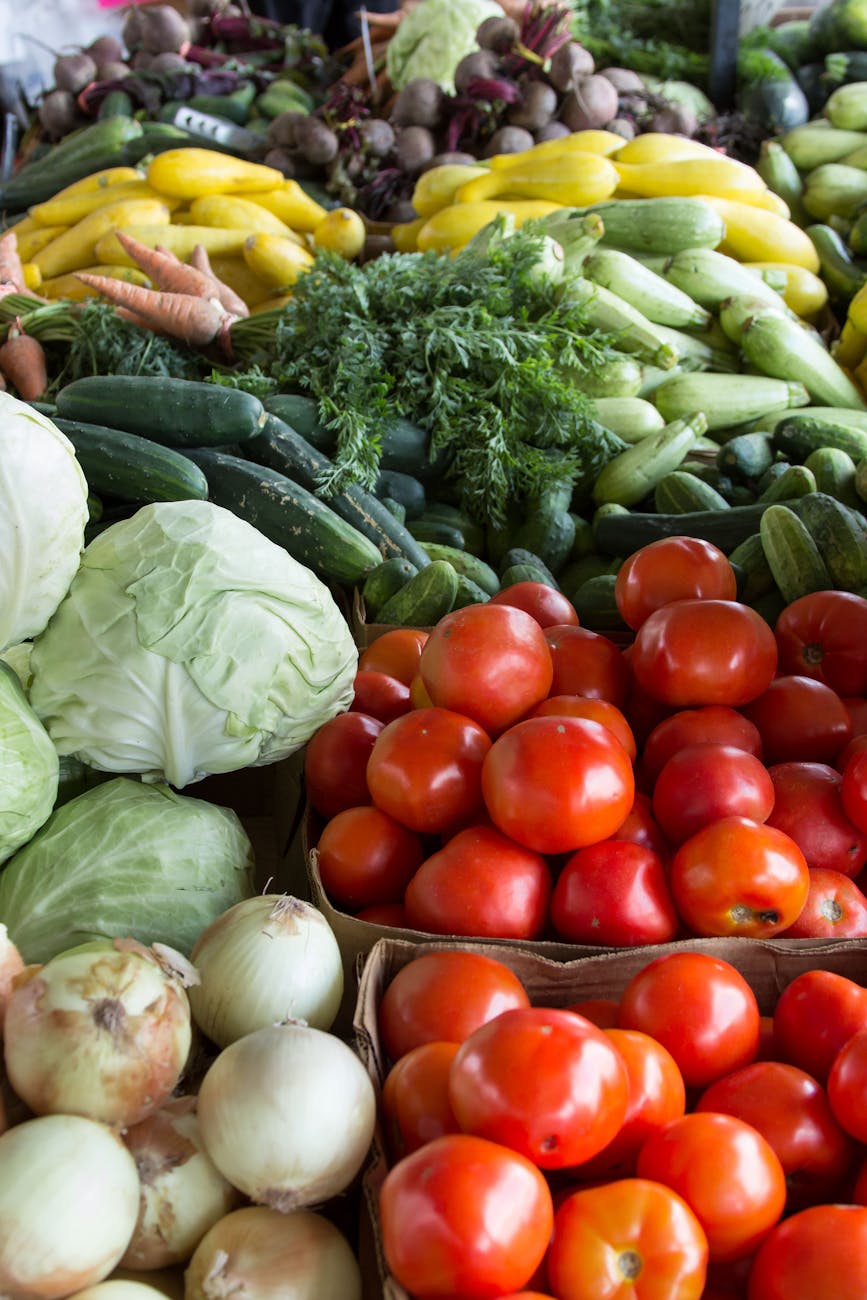
Photo by Mark Stebnicki on Pexels.com

Across the African diaspora, food has been both a source of cultural identity and a silent contributor to disease. In the United States, Black Americans experience disproportionately high rates of chronic illnesses such as type 2 diabetes, heart disease, hypertension, and certain cancers—conditions often influenced by both genetic predispositions and nutritional environments (Centers for Disease Control and Prevention [CDC], 2023). According to the Office of Minority Health (2022), Black adults are 60% more likely than non-Hispanic White adults to be diagnosed with diabetes, and they are nearly twice as likely to die from heart disease before the age of 75. These alarming disparities are rooted in a complex interplay of systemic racism, economic barriers, targeted marketing of unhealthy foods, environmental toxins, and limited access to nutrient-rich diets (Walker et al., 2010).

The health crisis within the Black community is not merely a matter of individual choice—it is a product of history, policy, and science. The legacy of slavery, segregation, and urban food deserts has shaped dietary patterns, often replacing traditional African plant-rich diets with highly processed, chemically laden foods (Ashebir et al., 2022). Compounding these issues are genetic factors such as the prevalence of sickle cell anemia and heightened risk of hypertension, as well as autoimmune conditions like lupus, which affect Black women at disproportionately high rates (Pons-Estel et al., 2010).

Black Americans bear a disproportionate burden of chronic diseases such as type 2 diabetes, hypertension, heart disease, and certain cancers. These disparities stem from a complex interweaving of historical structural inequities, systemic racism, socioeconomic deprivation, and limited access to nutritious foods (Artiga et al., 2024; Shin et al., 2019) KFFarXiv. This essay explores the root causes of these health disparities, dietary approaches that support healing, the promise of medicinal herbs, strategies for cancer prevention, impacts of environmental toxins, the role of genetics, and culturally relevant wellness practices for the Black community.


Structural and Psychosocial Determinants of Health Disparities
The foundations of racial health inequities in the U.S. are deeply rooted in historical policies and medical racism. Black Americans have endured discriminatory medical experimentation, unequal care, and stereotyping that continue to influence health outcomes today (Artiga et al., 2024; Wikipedia, 2025) KFFWikipedia. Discrimination and chronic stress contribute to physiological dysregulation such as inflammation, hypertension, and poor health behaviors, reinforcing disease risks (APA, 2025; Wikipedia, 2025) American Psychological AssociationWikipedia. Additionally, many predominantly Black neighborhoods are food and healthcare deserts—terms more accurately described as “food apartheid” or “medical deserts”—where access to trauma centers, supermarkets, and wholesome food is severely restricted (Wikipedia, 2025) Wikipedia+1. These systemic barriers converge to amplify the prevalence of multimorbidity among African American families (CDC, 2020) CDC.


Nutrition and Dietary Approaches
Access to affordable and nutritious food is critical. Community interventions such as urban gardens, farmers’ markets, and policy-supported nutrition programs show promise in reversing diet-related illnesses like obesity, diabetes, and heart disease (Public Health Reviews, 2016; EatingWell, 2021) BioMed CentralEatingWell.

Dietary Patterns:

  • Whole-food, plant-based diets (including vegetarian and vegan patterns) are associated with reduced risk of cardiovascular disease, improved metabolic profiles, and lower cancer incidence. However, careful planning is necessary to ensure adequate intake of vitamin B12, iron, calcium, and omega-3s.
  • Paleo diets, emphasizing lean meats, fruits, and vegetables while excluding grains and dairy, have demonstrated short-term improvements in weight, blood pressure, and lipids, but may elevate TMAO levels and lack long-term evidence.
  • Raw vegan diets offer enhanced intake of antioxidants and fiber; yet, restrictive meal options and nutrient deficiencies are important considerations.

Medicinal Herbs and Their Functional Benefits
Several culinary herbs and spices offer evidence-based health benefits:

  • Turmeric (Curcumin): Curcumin has been shown to reduce blood pressure, improve arterial compliance, enhance antioxidant status, and improve exercise performance (PMC, 2024) PMC. It also supports insulin sensitivity, beta-cell function, and may help prevent diabetes progression (Healthline, 2024) HealthlineMedical News Today. Its anti-inflammatory and anti-carcinogenic actions may contribute to cardiovascular and brain health (Healthline, 2017) Healthline.
  • Garlic: Epidemiological and clinical studies indicate garlic lowers cholesterol, triglycerides, and may slow cardiovascular disease progression (Hopkins Medicine, 2024; PMC, 2001) Johns Hopkins MedicinePMC.
  • Ginger, Garlic & Turmeric Combined: A 2025 review underscores their synergistic benefits—reducing LDL, raising HDL, exerting antioxidant effects, and improving endothelial function—thereby lowering cardiovascular risk (ResearchGate, 2025) ResearchGate.
  • Other herbs and spices: Everyday staples like cinnamon, cloves, coriander, cumin, bay leaf, berberine, bitter melon, and cayenne are linked to blood sugar regulation, lipid metabolism, insulin efficiency, and neuropathy relief in diabetes management (Diabetes Action, 2025) Diabetes Action Foundation.

Daily incorporation of a broad range of these herbs and spices—such as turmeric, garlic, coriander, cinnamon, ginger, rosemary, oregano, and black pepper—can help reduce reliance on salt/sugar and support long-term metabolic health (Times of India, 2025) The Times of India.


Cancer Prevention and Immune Support
Diets rich in colorful fruits, vegetables, whole grains, and legumes deliver phytochemicals and antioxidants that inhibit cancer development and progression. Curcumin, for example, has demonstrated anti-angiogenic and pro-apoptotic effects in tumor models (Healthline, 2017) Healthline. Herbs like turmeric and garlic also support immune function and reduce inflammation, potentially aiding cancer prevention (Health.com, 2025) Health.


Genetic and Autoimmune Health Considerations
Specific genetic and autoimmune conditions disproportionately affect Black individuals:

  • Sickle Cell Disease (SCD): A hereditary hemoglobinopathy prevalent in African Americans. Nutritional strategies include increased caloric and micronutrient intake (zinc, vitamins A, C, E, folate), hydration, and possibly amino acids to support growth and immune resilience.
  • Rheumatic and Autoimmune Disorders: Lupus and multiple sclerosis present higher severity in Black populations. Anti-inflammatory, antioxidant-rich diets and stress reduction are supportive adjuncts to medical therapy.
  • Genetic Predispositions: Variants like APOL1 heighten the risk of kidney disease, while polymorphisms affecting insulin metabolism and inflammation contribute to diabetes and heart disease risk.

Exercise and Holistic Health
Regular physical activity enhances cardiovascular endurance, insulin sensitivity, and mental well-being. Turmeric’s protective effects during exercise-induced oxidative stress further support recovery and endurance (PMC, 2024) PMC. Home-cooked meals are protective—an American Heart Association study found that consuming two home-prepared meals daily is associated with a 13% lower risk of type 2 diabetes (Time, 2015) TIME.

Black Americans face disproportionately high rates of type 2 diabetes, hypertension, heart disease, and certain cancers—driven by socioeconomic inequities, limited access to nutritious foods, targeted marketing of unhealthy products, environmental exposures, and systemic barriers in healthcare and food systems WikipediaHealthline. Genetic predispositions—such as variants linked to diabetes, hypertension, and kidney disease—further intensify vulnerability in this population WikipediaKidney Medicine. Conditions like sickle cell disease and lupus also present distinct burdens among Black individuals Verywell HealtharXivScienceDirectWikipedia.


1. Causes of Chronic Conditions

  • Type 2 Diabetes: Arises from both lifestyle factors (high-calorie, low-fiber diets; lack of access to healthy foods) and specific genetic variants (e.g., TCF7L2, IGF2, HLA-B) associated with insulin signaling and glucose metabolism Wikipedia.
  • Heart Disease: Despite often having lower cholesterol, Black adults experience higher rates of hypertension and diabetes—major contributors to cardiovascular mortality. Social determinants such as limited healthcare access and environmental stressors add to risk Healthline.
  • Cancer: Diets high in processed and red meats and low in fiber-rich plant foods increase cancer risk. Conversely, plant-based diets are associated with lower rates of colorectal, prostate, and overall cancer incidence WikipediaVerywell Health.
  • Sickle Cell Disease (SCD): A genetic blood disorder predominating in African Americans (~1 in 365 births) due to inheritance of the sickle-cell trait. It leads to anemia, painful crises, and organ damage. Management involves nutrition, hydration, and medical care Verywell HealthWikipedia.
  • Lupus & Autoimmune Diseases: More prevalent in Black women. Disparities are shaped by systemic stress, immune dysregulation, and socioeconomic factors arXivScienceDirect.
  • Other Genetic Factors: APOL1 risk variants significantly raise the likelihood of chronic kidney disease in people of African descent Kidney MedicineAJKD.

2. Dietary Patterns & Their Benefits

A. Plant-Based Diets (Vegetarian/Vegan/Whole-Food)

  • Associated with lower risk of total cancer (~–8%) and vegan diets ~–15% Wikipedia.
  • Linked with reduced cardiovascular disease incidence, lower blood pressure (~4 mmHg), improved cholesterol, and better metabolic markers WikipediaVerywell HealthSAGE Journals.
  • Beneficial for diabetes and weight management; studies show vegan diets improve glycemic control and insulin sensitivity Verywell HealthSAGE Journals.
  • Note: Requires attention to B12, iodine, vitamin D, calcium, iron, zinc, and omega-3 intake Wikipedia.

B. Raw Vegan Diet

  • Yield weight loss, enhanced energy, skin health, digestion, and increased nutrient/fiber/antioxidant intake ResearchGateSciendo.
  • May reduce cancer and cardiovascular risk and promote longevity ResearchGateSciendo.
  • Cautions: Nutrient deficiencies, food safety, social challenges, restrictive nature; cooking can enhance some nutrients and reduce pathogens Verywell HealthStanford Medicine.

C. Paleo Diet

  • Emphasizes fruits, vegetables, nuts, lean meats, eggs, fish; excludes grains, legumes, dairy, and processed foods NCBIMayo Clinic.
  • Short-term trials suggest improvements in weight, blood pressure, cholesterol, and triglycerides Mayo Clinic.
  • Concerns include nutritional balance, cost, lack of long-term evidence, and elevated TMAO levels linked to cardiovascular risk NCBI.

3. Best Herbs & Their Roles

While evidence is evolving, some herbs show promise for metabolic and immune support:

  • Turmeric (Curcumin): Anti-inflammatory, modulates metabolic health.
  • Garlic: Supports cardiovascular health through lipid and blood pressure regulation.
  • Ginger: Enhances digestion, mitigates inflammation.
  • Green Tea (EGCG): Antioxidant, supports weight and metabolic health.

Note: Further rigorous trials are needed, especially in Black populations.


4. Toxicants, Organic Eating & Nutritional Biodiversity

  • Organic Foods: Tend to have higher minerals and vitamin C, and lower nitrates; reduce pesticide exposure ResearchGateSciendo.
  • Nutritional Biodiversity: A varied plant-based diet improves micronutrient intake, gut microbiome diversity, and lowers risk of type 2 diabetes and cardiovascular disease Wikipedia.

5. Lifestyle, Exercise, and Holistic Health

  • Exercise: Improves cardiovascular function, insulin sensitivity, body composition, mood, and reduces systemic inflammation.
  • Organic & Biodiverse Foods: Support reduced toxin load, enhanced antioxidant intake, and improved metabolic resilience.
  • Holistic Guidance: Regular screenings for blood sugar, blood pressure, lipids; stress management; access to healthcare; community food access improvements HealthlineWikipedia.

6. Disease-Specific Nutritional Strategies

  • Sickle Cell Disease: Requires higher calorie and micronutrient intake (zinc, vitamins A, C, E, folate), hydration, and possibly multivitamin/amino acid supplementation (e.g., arginine) to support immune function and growth Verywell Health.
  • Diabetes & Heart Disease: Emphasize fiber-rich foods (whole grains, legumes, fruits, vegetables), lean proteins (plant, fish), healthy fats (nuts, seeds, olive oil), limited processed foods and added sugars HealthlineSAGE JournalsMDPI. Nutrition interventions following ACC/AHA guidelines reduce cardiovascular risk in Black Americans MDPI.

7. Genetic Conditions: IBS, Multiple Sclerosis (MS)

  • IBS: Not strongly tied to race, but gut-healthy diets (rich in fiber, low in FODMAPs when needed, supportive probiotics) can benefit symptoms.
  • Lupus & MS: Autoimmune conditions with higher prevalence or severity in Black individuals. Nutrient-rich diets, anti-inflammatory foods (omega-3 rich, colorful produce), stress reduction, and medical treatment are vital.

Summary: Best Foods for the Human Body

Foundational foods (especially for Black communities vulnerable to metabolic and chronic disease):

  1. Colorful Fruits & Vegetables (berries, leafy greens, cruciferous veggies)
  2. Legumes & Whole Grains (beans, lentils, oats, brown rice, quinoa)
  3. Nuts, Seeds & Healthy Oils (walnuts, flax, chia, olive oil)
  4. Lean Proteins (fish, eggs, poultry, tofu, tempeh)
  5. Herbs & Spices (turmeric, garlic, ginger, green tea)
  6. Hydrating Fluids (water, herbal teas)
  7. Organic, Biodiverse Produce for nutrient density and lower toxins

Final Thoughts

Reducing disease burden in Black communities requires integrating:

  • Culturally relevant, affordable, and diverse nutrition
  • Whole-food, plant-focused diets with appropriate supplementation
  • Support for chronic genetic conditions (e.g., SCD, lupus) via tailored dietary strategies
  • Access to fitness, healthcare, and environmental health
  • Structural efforts addressing food deserts, discrimination, and stress

Conclusion and Recommendations
To improve health outcomes for Black Americans, a multifaceted strategy is essential:

  • Nutrition: Prioritize culturally acceptable, affordable, whole foods; minimize ultra-processed foods. Maximize nutrient density with diverse produce, legumes, lean proteins, healthy fats, and medicinal herbs.
  • Herbs and Spices: Leverage the anti-inflammatory and metabolic benefits of turmeric, garlic, coriander, cinnamon, and similar botanicals.
  • Lifestyle: Encourage regular physical activity, stress management, and community-level interventions such as urban gardens and improved food access programs.
  • Healthcare and Equity: Promote culturally sensitive medical care, improved access to preventive screenings, and structural policy change to dismantle food apartheid and healthcare inequities.

References

  • Artiga, S., Hill, L., & Presiado, M. (2024). How present-day health disparities for Black people are linked to past policies and events. KFF. KFF
  • American Psychological Association. (2025). Fact Sheet: Health Disparities and Stress; Health Disparities Defined. American Psychological Association+1
  • CDC. (2020). Chronic Disease Among African American Families. CDC
  • Hopkins Medicine. (2024). 5 Spices with Healthy Benefits. Johns Hopkins Medicine
  • PMC. (2024). Effects of Turmeric Concentrate on Cardiovascular Risk Factors and … PMC
  • PMC. (2001). Effect of garlic on cardiovascular disorders: a review. PMC
  • ResearchGate. (2025). Exploring the Cardio-Protective Effect of Bioactive Compounds Present in Ginger, Garlic, and Turmeric. ResearchGate
  • Diabetes Action. (2025). Medicinal plants that can help with diabetes. Diabetes Action Foundation
  • Times of India. (2025). 14 Everyday herbs and spices that may help prevent cancer, diabetes, and heart disease. The Times of India
  • Healthline. (2024). Turmeric and Diabetes. HealthlineMedical News Today
  • Healthline, (2017). Top 10 Evidence-Based Health Benefits of Turmeric. Healthline
  • Shin, E. K., Kwon, Y., & Shaban-Nejad, A. (2019). Geo-clustered chronic affinity: pathways from socio-economic disadvantages to health disparities. arXiv. arXiv
  • Wikipedia. (2025). Medical racism in the United States; Psychological impact of discrimination on health; Medical deserts; Food desert; Food justice movement; National Institute on Minority Health and Health Disparities. Wikipedia+5Wikipedia+5Wikipedia+5
  • Public Health Reviews. (2016). Improving the health of African Americans in the USA: an overdue … BioMed Central
  • EatingWell. (2021). Good Food for All. EatingWell
  • Time. (2015). Homemade Meals Lower Risk of Diabetes, Study Says. TIME

Dilemma: Addiction

Understanding Addiction: A Psychological and Biblical Perspective

Photo by Pixabay on Pexels.com

Addiction is a pervasive psychological and spiritual ailment that transcends socioeconomic status, age, and cultural background. It is characterized by compulsive engagement in behaviors or consumption of substances despite negative consequences. According to the American Psychological Association (APA), addiction is “a chronic disorder with biological, psychological, social, and environmental factors influencing its development and maintenance” (APA, 2023). Whether rooted in trauma, genetics, or environmental influence, addiction disrupts individual lives and reverberates throughout families and communities. This essay explores the origins and nature of addiction, popular types of addictions such as substance abuse, sex, gambling, and shopping, and the psychological and biblical perspectives on overcoming such destructive patterns. A poignant case study of model Gia Carangi illustrates the devastating effects of heroin addiction. Finally, practical tools and resources are offered to aid recovery and restoration.


What Is Addiction? Origins and Definitions

The term addiction originates from the Latin word addicere, meaning “to devote or surrender oneself to something habitually or obsessively.” Modern psychology classifies addiction as a brain disorder that affects reward, motivation, memory, and related circuitry (Koob & Volkow, 2016). While traditionally associated with substance use—such as alcohol or narcotics—behavioral addictions (e.g., gambling, sex, internet use) are increasingly recognized for their similar impact on the brain’s reward system.

Addiction manifests when dopamine, the neurotransmitter associated with pleasure and reward, is repeatedly overstimulated. Over time, the brain requires greater stimuli to achieve the same euphoric effect, leading to compulsive behavior despite harmful consequences.


Popular Types of Addiction

  1. Drug Addiction – Includes both legal substances (e.g., prescription opioids) and illegal narcotics (e.g., heroin, cocaine). It leads to physical dependence, withdrawal symptoms, and cognitive decline.
  2. Alcoholism – Chronic alcohol abuse impairs judgment, memory, and liver function, and contributes to domestic violence and emotional instability.
  3. Sex Addiction – Compulsive sexual behavior, often linked to pornography or risky encounters, may mask deeper emotional wounds or trauma (Carnes, 2001).
  4. Gambling Addiction – A behavioral addiction that triggers the same neurological reward pathways as substance use. It often results in financial ruin and family conflict.
  5. Shopping Addiction (Oniomania) – Compulsive buying behavior used to relieve anxiety or depression, leading to debt, guilt, and shame.
  6. Food Addiction – Binge-eating or compulsive eating is often tied to emotional dysregulation and body image issues.
  7. Internet and Social Media Addiction – Escapism through digital platforms can result in decreased productivity, social withdrawal, and mental health decline.

Psychological Perspectives on Addiction

Psychology explains addiction through various models:

  • The Disease Model views addiction as a chronic illness, not a moral failing, requiring medical and therapeutic intervention.
  • The Behavioral Model focuses on learned behaviors and reinforcement. Addiction is sustained because it is associated with short-term relief or pleasure.
  • The Cognitive Model examines how distorted thinking and beliefs (e.g., “I can’t cope without this”) fuel addictive behavior.
  • Trauma-Informed Psychology recognizes how early life abuse, neglect, or abandonment may predispose individuals to self-medicate emotional pain (Van der Kolk, 2014).

Research indicates that genetic predisposition, peer influence, stress, mental health disorders, and a lack of healthy coping mechanisms all play significant roles in the onset and persistence of addiction.


Biblical Perspective on Addiction (KJV)

The Bible does not use the term addiction in the modern clinical sense, but it warns against being brought under the power of any habit. 1 Corinthians 6:12 (KJV) says, “All things are lawful unto me, but I will not be brought under the power of any.” Similarly, Proverbs 23:29-35 offers a detailed description of alcohol abuse and its consequences. Romans 6:16 warns, “Know ye not, that to whom ye yield yourselves servants to obey, his servants ye are to whom ye obey…”

The Bible also emphasizes self-control (temperance) as a fruit of the Spirit (Galatians 5:22-23) and offers deliverance through the renewing of the mind (Romans 12:2). Addiction is seen as a form of spiritual bondage, and freedom is possible through Christ (John 8:36).


Effects of Addiction on the Family

Addiction rarely exists in isolation. Family members often suffer from codependency, emotional abuse, financial instability, and neglect. Children in such environments may develop trust issues, anxiety, or repeat the cycle of addiction. Marital strife, broken communication, and enabling behaviors further complicate the family dynamic. Supportive, faith-based, and therapeutic family interventions are crucial for healing.


Why People Become Addicted

  • Genetics: A family history of addiction increases risk.
  • Mental Health: Depression, anxiety, PTSD, and bipolar disorder often co-occur with addiction.
  • Trauma and Abuse: Many use substances to numb pain from past trauma.
  • Peer Pressure and Culture: Social environments that normalize substance use or hypersexuality increase vulnerability.
  • Loneliness and Boredom: Addiction often fills emotional voids or a lack of purpose.

Case Study: Gia Carangi – The Cost of Heroin Addiction

Gia Carangi, often credited as the first supermodel of the late 1970s and early 1980s, had a meteoric rise and a tragic fall. Heralded for her raw beauty and androgynous appeal, she graced the covers of Vogue and Cosmopolitan. However, behind the glamour was a young woman plagued by loneliness, childhood trauma, and heroin addiction. Gia’s descent into substance abuse led to erratic behavior, lost contracts, and eventually her death at age 26 from AIDS-related complications (Stern, 1993).

Her story underscores the dangers of unhealed emotional wounds and the illusion of success as a substitute for internal peace. Gia’s life is a cautionary tale about the destructive nature of addiction and the importance of intervention, support, and compassion.


Overcoming Addiction: Pathways to Recovery

  1. Psychological Treatment: Cognitive Behavioral Therapy (CBT), Motivational Interviewing (MI), trauma-informed therapy, and 12-step programs have shown efficacy in treating addiction.
  2. Faith-Based Recovery: Programs like Celebrate Recovery integrate spiritual healing and scripture to support sobriety and transformation.
  3. Medical Intervention: In some cases, detoxification, medication-assisted treatment (e.g., methadone, naltrexone), and inpatient care are necessary.
  4. Support Systems: Family, friends, and church communities play a critical role in recovery. Their encouragement, boundaries, and love can motivate change.
  5. Lifestyle Changes: Exercise, nutrition, prayer, journaling, accountability partnerships, and replacing addictive behavior with purposeful action are essential steps.

How Families Can Help

  • Education: Learn about addiction as a disease, not a character flaw.
  • Set Boundaries: Avoid enabling behavior while offering unconditional love.
  • Encourage Treatment: Support professional help and faith-based recovery paths.
  • Attend Support Groups: Al-Anon or similar programs for families of addicts.
  • Pray and Practice Patience: Healing is a process, not an event.

Conclusion

Addiction is a multifaceted battle that ravages individuals and their families alike. Through psychological insight and biblical wisdom, we understand that while addiction is powerful, it is not beyond redemption. With professional support, prayer, and community, healing is possible. The story of Gia Carangi stands as a tragic example of what happens when addiction is left unchecked, but also as a call to compassion for those still suffering. As Galatians 6:1 (KJV) reminds us, “Brethren, if a man be overtaken in a fault, ye which are spiritual, restore such an one in the spirit of meekness.”


Resources for Help


References

American Psychological Association. (2023). Addiction. Retrieved from https://dictionary.apa.org/addiction

Carnes, P. (2001). Out of the Shadows: Understanding Sexual Addiction. Hazelden Publishing.

Koob, G. F., & Volkow, N. D. (2016). Neurobiology of addiction: a neurocircuitry analysis. The Lancet Psychiatry, 3(8), 760-773.

Stern, S. (1993). Thing of Beauty: The Tragedy of Supermodel Gia. Warner Books.

Van der Kolk, B. A. (2014). The Body Keeps the Score: Brain, Mind, and Body in the Healing of Trauma. Viking.

King James Bible. (1769). Authorized King James Version. Public Domain.