Category Archives: Actors/Actresses

The “It Girl” Series: Queen Latifah

From Newark’s Hip-Hop Queen to Hollywood Royalty
This photograph is the property of its respective owner.

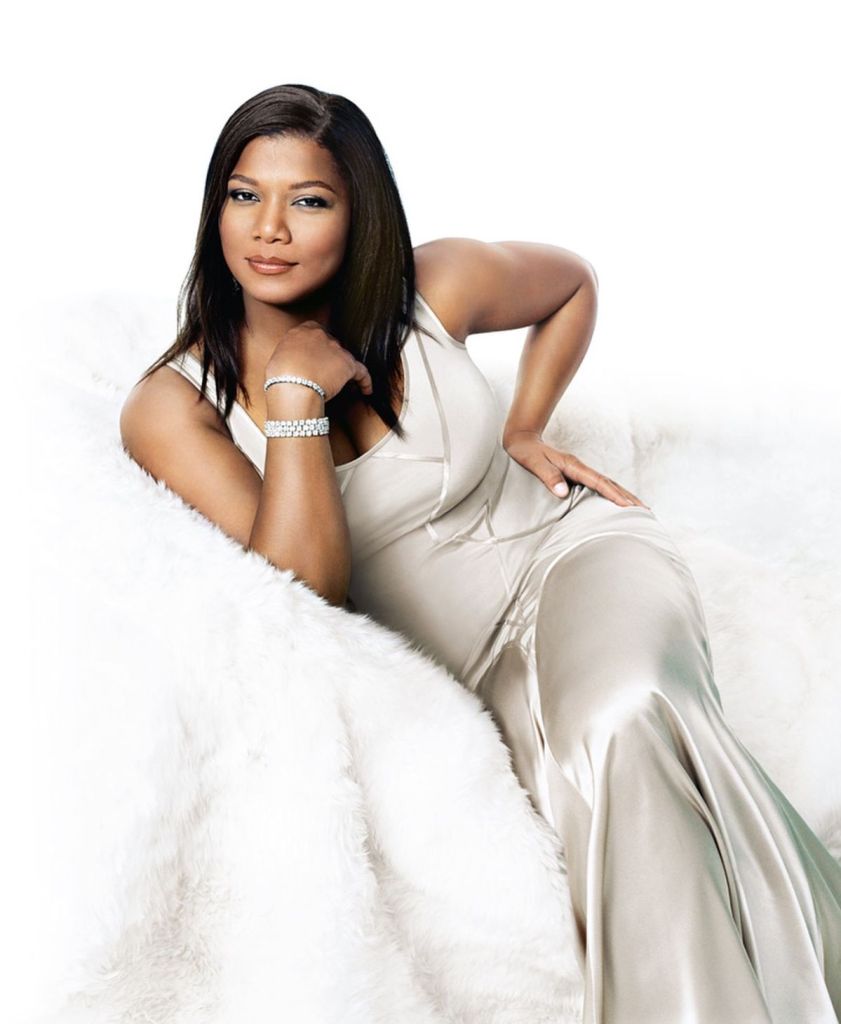
In the world of entertainment, certain women transcend generations and cultural boundaries to become enduring symbols of beauty, talent, and influence. Queen Latifah is one of those rare figures. Known for her statuesque elegance, radiant skin, commanding voice, and intellectual presence, she represents a powerful image of confidence and grace. Over the course of more than three decades, she has excelled as a rapper, actress, producer, businesswoman, and fashion figure, earning respect across multiple industries. Her multifaceted career and timeless presence make her a quintessential “It Girl,” a woman whose style, talent, and influence define cultural moments.

Born Dana Elaine Owens on March 18, 1970, in Newark, New Jersey, Queen Latifah was raised in a working-class family that emphasized discipline and education. Her mother, Rita Owens, was a schoolteacher who instilled strong values and intellectual curiosity, while her father, Lancelot Owens, worked as a police officer. Growing up in Newark during a transformative era in American culture exposed Latifah to the vibrant rhythms of urban life, gospel music, and the emerging sounds of hip-hop. These early influences would shape the foundation of her creative voice.

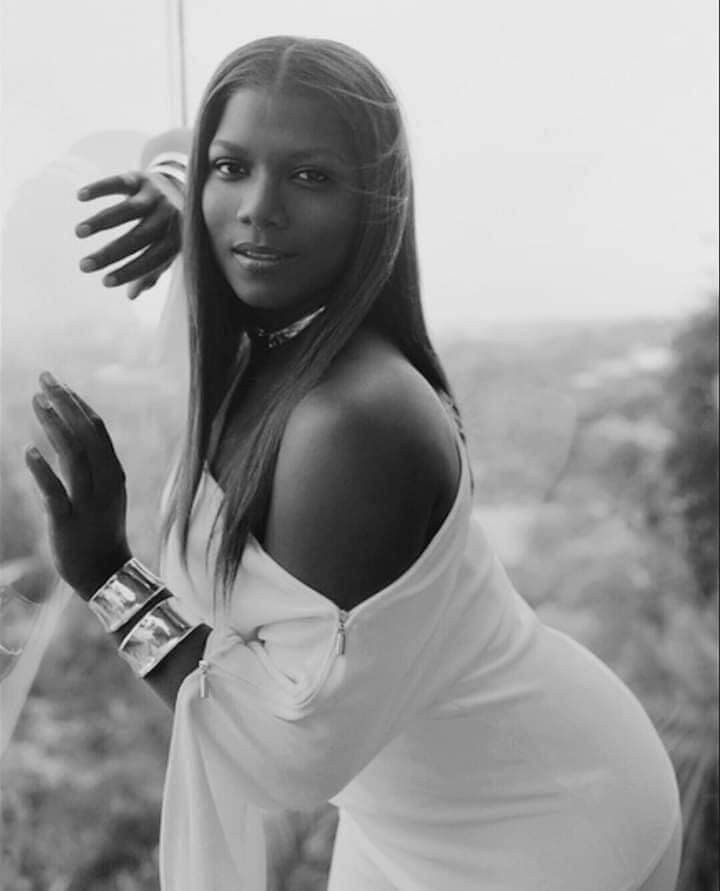
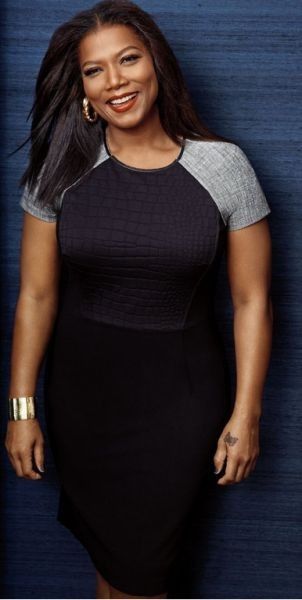
Queen Latifah has long been admired for her striking physical presence. Standing nearly six feet tall, she carries herself with a regal posture that commands attention in any room. Her smooth, luminous complexion and confident smile helped redefine beauty standards in an entertainment industry that historically marginalized fuller-figured Black women. Rather than conforming to narrow expectations, Latifah embraced her natural beauty, projecting confidence and dignity that resonated with audiences around the world.

As a teenager, Latifah discovered her passion for music and performance. She began beatboxing and rapping in local groups while attending high school in East Orange, New Jersey. Her early musical experiences included performing with an all-female rap collective called Ladies Fresh. At a time when female voices were rare in hip-hop, she developed a style that blended lyrical strength with social awareness and rhythmic innovation.

Her stage name carries both cultural meaning and personal symbolism. The name “Latifah,” which translates loosely from Arabic as “delicate” or “kind,” was given to her by a cousin when she was a child. When she entered the music industry, she added the title “Queen” to express dignity, respect, and empowerment for women. The name became a declaration of identity, reflecting both self-respect and a broader message about the worth and strength of women.
This photograph is the property of its respective owner.

Queen Latifah’s breakthrough came in 1989 when she released her debut album All Hail the Queen. The album was groundbreaking not only for its musical style but also for its themes of empowerment and cultural pride. It blended hip-hop beats with jazz and reggae influences while delivering messages that encouraged respect for women and community awareness. The record quickly established Latifah as one of the most important female voices in hip-hop history.

Her music often addressed social issues affecting women. One of her most famous songs, “U.N.I.T.Y.,” became an anthem against harassment and violence toward women. The song’s bold lyrics challenged misogyny in hip-hop culture and broader society, earning her a Grammy Award for Best Rap Solo Performance. Through her music, Latifah demonstrated that hip-hop could be both entertaining and socially conscious.

While her rap career flourished, Queen Latifah also expanded into entrepreneurship. She co-founded Flavor Unit Entertainment, a production and management company that helped guide the careers of multiple artists and entertainment projects. Through this venture, she demonstrated remarkable business acumen and creative leadership, building opportunities not only for herself but for other performers as well.

Her transition into acting began during the 1990s, when she appeared in television and film roles that showcased her natural charisma. One of her most beloved early performances was in the sitcom Living Single, where she portrayed Khadijah James, a confident magazine editor navigating friendship and career in New York City. The series became a cultural touchstone, portraying successful Black women in professional settings with humor and authenticity.

Queen Latifah’s acting career soon expanded into major motion pictures. She delivered memorable performances in films such as Set It Off, The Bone Collector, Brown Sugar, and Bringing Down the House. Her versatility allowed her to move seamlessly between drama and comedy, establishing her as one of Hollywood’s most respected actresses.

A defining moment in her acting career came with her role as Mama Morton in the musical film Chicago. Her commanding performance earned her an Academy Award nomination for Best Supporting Actress. The role demonstrated her powerful singing ability and theatrical presence, further proving that she could excel in virtually any artistic medium.
This photograph is the property of its respective owner.

Latifah continued to star in a wide range of films, including Hairspray, Last Holiday, and The Secret Life of Bees. Each performance reflected her ability to embody strong and complex female characters. Audiences connected with her authenticity, warmth, and humor, qualities that made her a beloved figure in entertainment.

Beyond acting and music, Queen Latifah has also influenced the beauty and fashion industries. She became a spokesperson for the cosmetics brand CoverGirl and launched the “Queen Collection,” a makeup line designed specifically for women of color. The collection celebrated diverse skin tones and helped expand representation in mainstream beauty marketing.

Her contributions to entertainment have been recognized with numerous awards and honors. Queen Latifah has received a Grammy Award, a Golden Globe, Screen Actors Guild Awards, and multiple nominations for prestigious honors, including the Academy Awards and Emmy Awards. She also received a star on the Hollywood Walk of Fame, marking her lasting impact on American popular culture.

Throughout her career, Latifah has also been a voice for empowerment and social responsibility. She has spoken openly about issues affecting women, body positivity, and representation in media. Her ability to balance artistic success with cultural advocacy has strengthened her legacy as more than just an entertainer.

In recent years, Queen Latifah has continued to evolve creatively. She currently stars in the television series The Equalizer, portraying a resourceful woman who uses her intelligence and skills to protect vulnerable people. The role highlights her strength, wisdom, and maturity as a performer.

Outside of acting, she remains active as a producer and entrepreneur through her production company. Her leadership behind the camera has helped create opportunities for diverse stories and voices in film and television.
This photograph is the property of its respective owner.

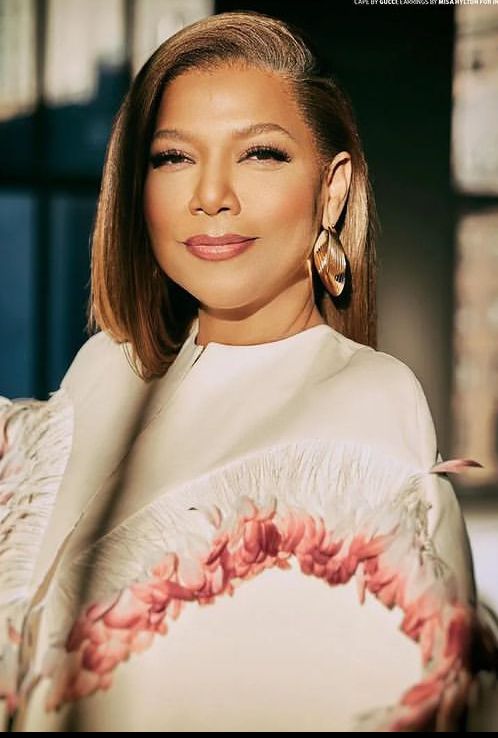
What makes Queen Latifah an “It Girl” is not simply her fame but her presence. She embodies elegance, intelligence, talent, and resilience. Her beauty radiates confidence rather than conformity, and her success spans multiple creative disciplines.

Her career also represents longevity in an industry known for fleeting trends. While many artists rise and fade quickly, Latifah has remained relevant for more than three decades by constantly evolving and expanding her talents.

She represents a powerful model of Black womanhood—one that celebrates intelligence, strength, compassion, and dignity. For many admirers, she symbolizes a modern form of royalty rooted in character rather than status.

Ultimately, Queen Latifah’s journey from a young girl in Newark to an international icon reflects perseverance and vision. She used her voice and intellect to break barriers in music, film, and business.

In every sense of the phrase, Queen Latifah remains an “It Girl”—a timeless symbol of elegance, influence, and cultural power.


References

Britannica. (2026). Queen Latifah. Encyclopaedia Britannica.

Owens, D. E. (1999). Ladies First: Revelations of a Strong Woman. HarperCollins.

Biography.com Editors. (2020). Queen Latifah Biography. Biography.com.

IMDb. (2026). Queen Latifah Filmography. IMDb Database.

Smith, S. (2018). Hip-Hop Divas: Women Who Changed the Game. New York University Press.
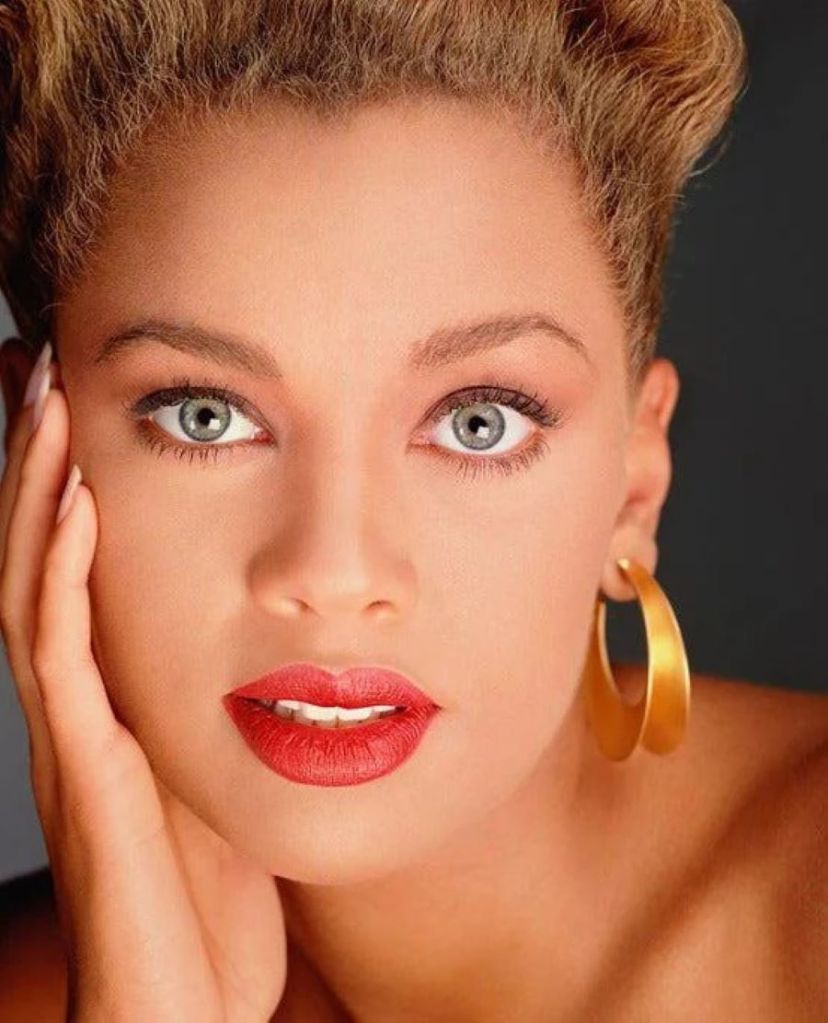
The Ebony Dolls: Vanessa Williams

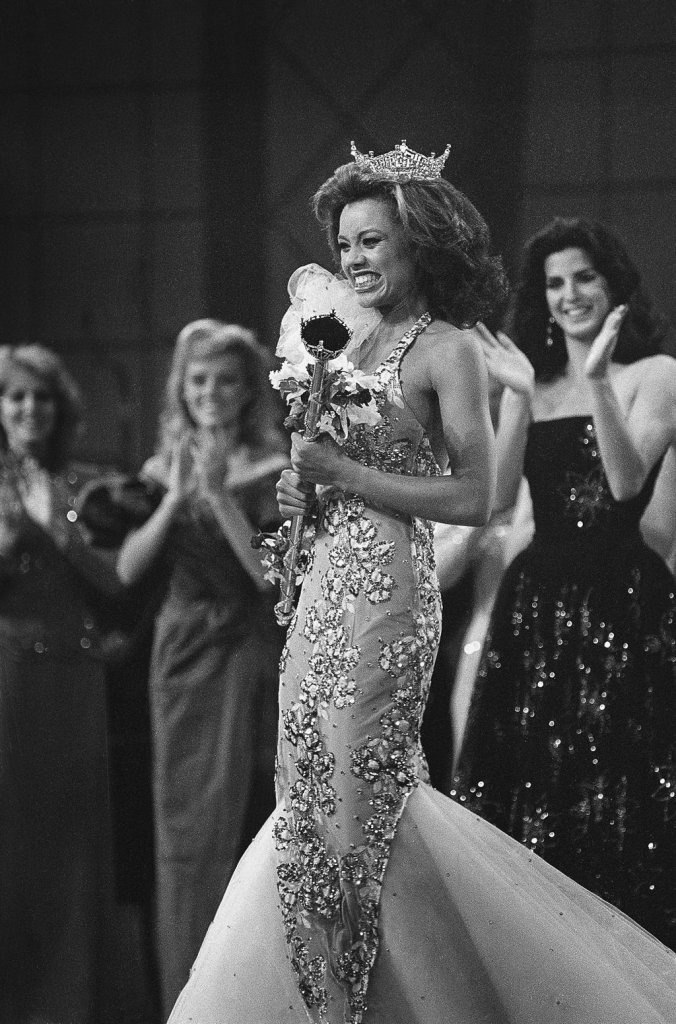
And there she is, Miss America…..

This photograph is the property of its respective owner. No copyright infringement intended.

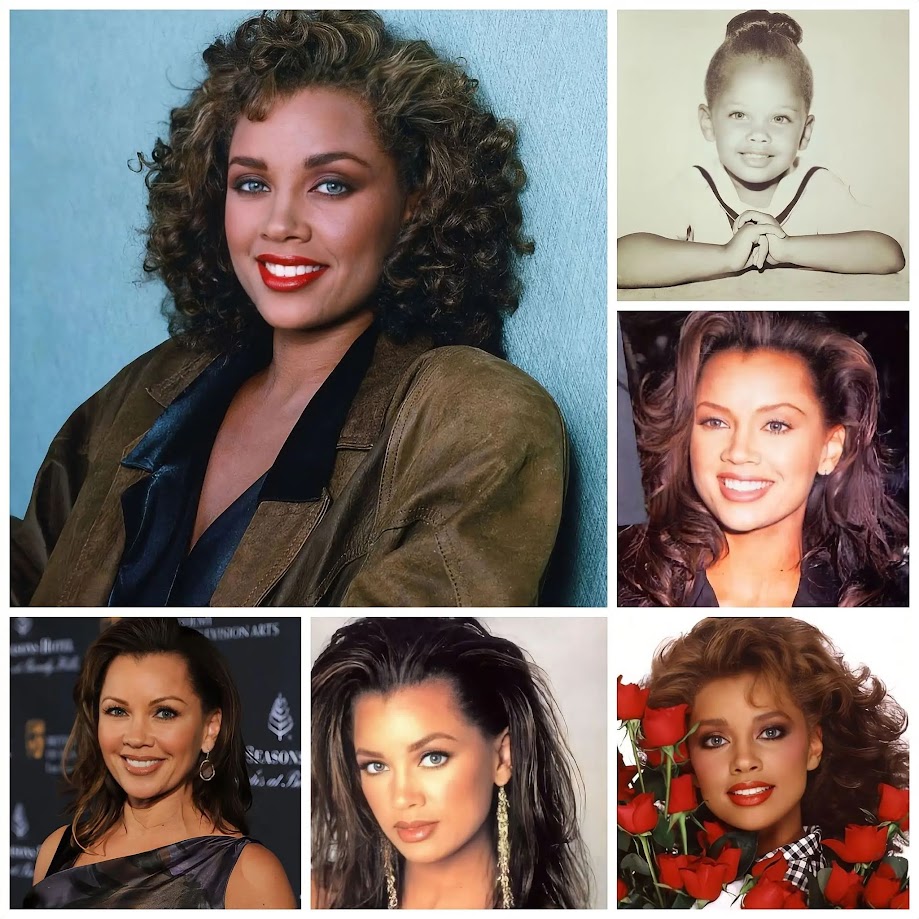
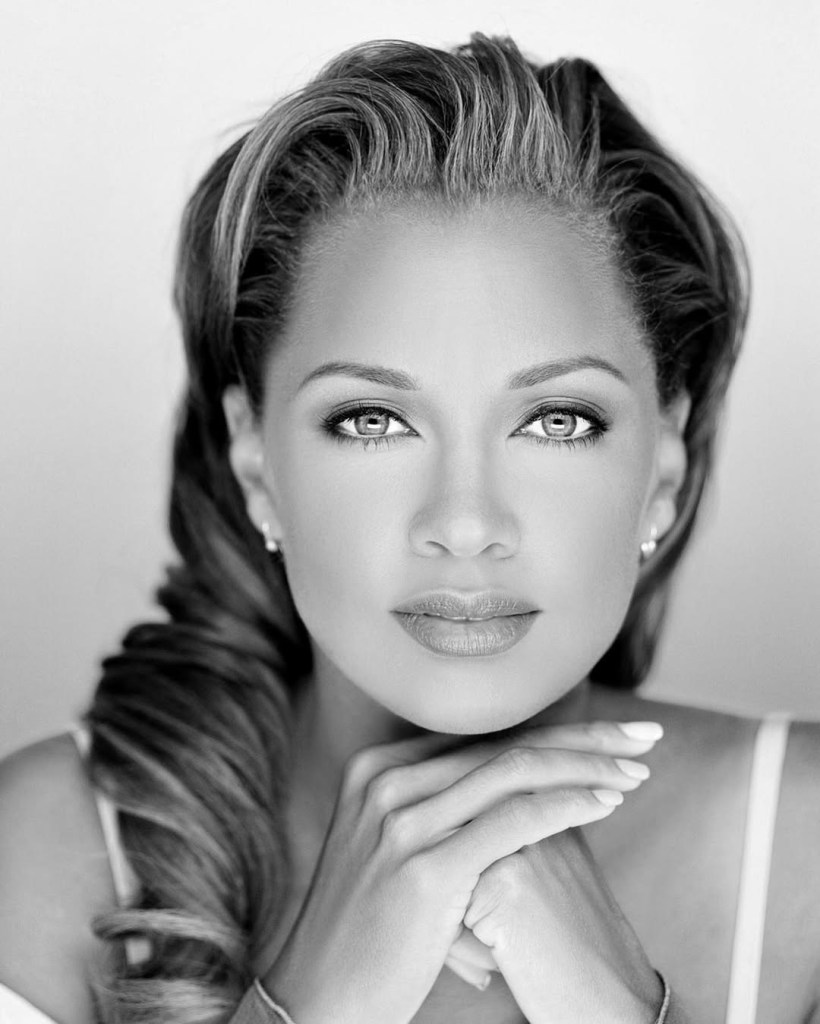
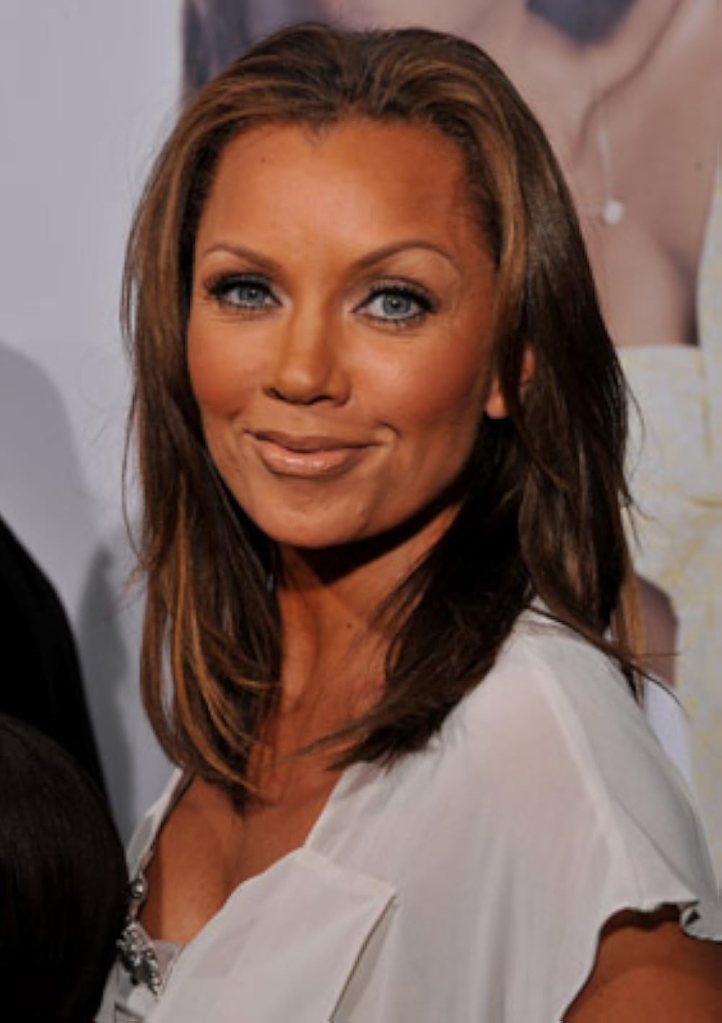
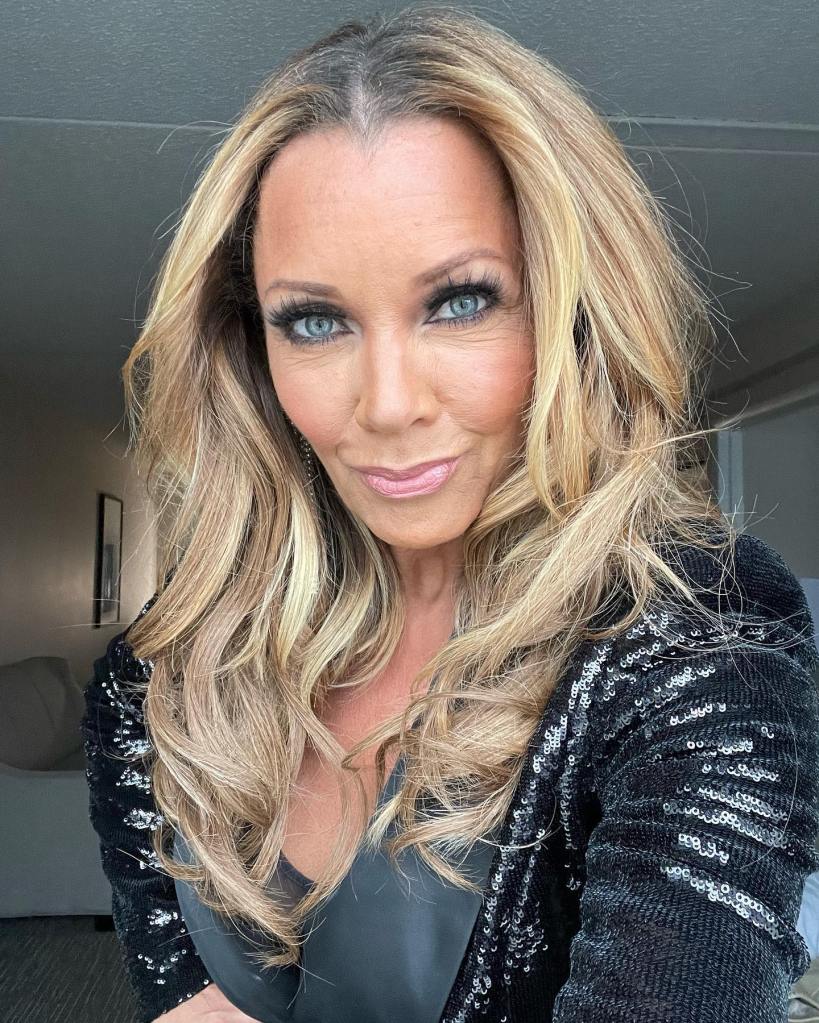
Vanessa Lynn Williams is a timeless symbol of beauty, talent, and perseverance—a woman whose radiant presence has defined multiple generations of entertainment. Born on March 18, 1963, in Tarrytown, New York, her arrival into the world was met with prophetic pride. Her parents, Helen and Milton Williams, both devoted music teachers, joyfully announced her birth in the local paper with the words, “Here she is: Miss America.” That simple line, written long before the world knew her name, became a divine foreshadowing of destiny fulfilled. With her French vanilla skin tone with luminous golden undertones, and striking big blue eyes. Her mixed African American and European heritage gave her a distinctive look that both challenged and expanded Hollywood’s perception of Black womanhood.

Raised in a home filled with music and discipline, Vanessa’s artistic journey began early. Her parents ensured that her childhood was rich with musical training and cultural exposure. She studied piano, violin, and French horn before she could drive, and later developed a powerful singing voice that would become one of her trademarks. Education was equally important—she attended Syracuse University as a musical theater major, where she developed into a true triple threat: a gifted singer, actress, and dancer capable of captivating audiences across any medium.

This photograph is the property of its respective owner. No copyright infringement intended

In 1983, Vanessa Williams made history as the first Black woman crowned Miss America. Her victory was not merely a pageant win—it was a moment that redefined American beauty and challenged the racial boundaries of a longstanding institution. Her reign, however, was cut short after unauthorized nude photographs were published without her consent, forcing her resignation. This controversy, though painful and racially charged, could not extinguish her spirit. Vanessa’s poise, dignity, and strength throughout that ordeal transformed her into a symbol of resilience and grace under pressure. Decades later, the Miss America Organization formally apologized to her in 2015, acknowledging the injustice she endured and the class with which she carried herself.

The foundation of that strength came from her parents, Helen and Milton, whose unwavering love kept her grounded in faith and artistry. They reminded her that her value transcended public opinion. Vanessa took their words to heart and began the work of rebuilding—not as a fallen pageant queen, but as an emerging artist ready to command the world stage. That decision would lead to one of the most remarkable comebacks in entertainment history.

This photograph is the property of its respective owner. No copyright infringement intended.

Her debut album, “The Right Stuff” (1988), proved that her talent was undeniable. The project earned three Grammy nominations and produced several hit singles, including “Dreamin’.” Her follow-up album, “The Comfort Zone” (1991), became a defining moment in her career, producing the timeless ballad “Save the Best for Last.” The song topped charts worldwide and earned her additional Grammy nominations, solidifying her status as a major recording artist. With her sultry vocals and sophistication, Vanessa redefined what it meant to be a Black pop star—bridging the worlds of R&B, soul, and adult contemporary music with elegance and ease.

This photograph is the property of its respective owner. No copyright infringement intended

Hollywood soon called, and Vanessa answered. She transitioned seamlessly into acting, displaying remarkable range across genres. She starred in films like Eraser (1996) alongside Arnold Schwarzenegger, Soul Food (1997), and Dance with Me (1998), where her dancing ability shone brightly. Her performance in Soul Food earned her an NAACP Image Award, and her presence onscreen was magnetic—powerful yet soft, modern yet timeless. On television, she rose to prominence as the glamorous and cunning Wilhelmina Slater in the hit series Ugly Betty (2006–2010). Her performance earned three Primetime Emmy Award nominations, a Golden Globe nomination, and widespread critical acclaim. She later joined Desperate Housewives, further showcasing her comedic timing and sophistication.

Vanessa’s Broadway career proved that her artistry was boundless. She starred in Kiss of the Spider Woman, Into the Woods, After Midnight, and City of Angels, earning Tony Award nominations for her work. Her return to the stage in The Devil Wears Prada: The Musical once again demonstrated her enduring ability to captivate audiences through song, movement, and storytelling. She had become the epitome of a triple threat, mastering every artistic form with effortless grace.

As a light-skinned Black woman, Vanessa’s journey in Hollywood was complex. Her beauty—often described as “exotic” by industry standards—was both celebrated and scrutinized. She spoke candidly about navigating colorism, understanding that her fair skin and blue eyes opened certain doors while others remained closed to her darker-skinned peers. Rather than shy away from this truth, Vanessa used her platform to advocate for diversity in representation, pushing for more authentic portrayals of Black women in all shades of beauty. Her career stands as a testament to breaking barriers while remaining authentic to one’s identity.

This photograph is the property of its respective owner. No copyright infringement intended.

Vanessa’s personal life reflects both joy and heartbreak, strength and evolution. She has been married three times. Her first marriage to publicist Ramon Hervey II produced three children—Melanie, Jillian, and Devin Hervey—all of whom have pursued creative careers of their own. Her second marriage to NBA player Rick Fox brought her fourth child, Sasha Gabriella Fox. Her third marriage to businessman Jim Skrip, whom she met while on vacation in Egypt, began in 2015. Their union was a symbol of love found later in life and celebrated across the media. However, after years together, Vanessa and Jim quietly divorced, parting ways respectfully while maintaining mutual admiration.

Despite her public ups and downs, Vanessa’s devotion to her family remains unwavering. Her children often speak about her resilience, humor, and guidance. She is a proud mother and a woman who has always balanced fame with faith and motherhood with artistry.

Throughout her career, Vanessa Williams has earned numerous accolades, including multiple Grammy, Emmy, Tony, and NAACP Image Award nominations. She received a Star on the Hollywood Walk of Fame in 2007 and continues to perform internationally, enchanting audiences with her voice and grace. Her autobiography, You Have No Idea (2012), co-written with her mother Helen, offers an intimate glimpse into her personal and professional journey—filled with lessons on forgiveness, courage, and identity.

Her mixed heritage—African American, English, Welsh, Irish, Finnish, and possibly Native American—represents the complex tapestry of American lineage. Yet through all her success, Vanessa has always identified proudly as a Black woman. Her poise, intelligence, and authenticity have allowed her to redefine what it means to be beautiful, talented, and powerful in an industry that too often limits Black women’s narratives.

This photograph is the property of its respective owner. No copyright infringement intended

Fashion, too, has always been a part of Vanessa’s story. From the stage to the red carpet, her timeless glamour, impeccable taste, and radiant confidence have made her a muse for designers and photographers alike. Her “French vanilla” glow and magnetic aura became synonymous with elegance itself.

Today, Vanessa Williams stands as one of the most accomplished entertainers of her time—a woman whose life embodies the power of reinvention and the strength of faith. From Miss America to singer, from actress to Broadway star, she has turned every obstacle into an opportunity. Her story is not just one of beauty and fame but of integrity, perseverance, and artistry at the highest level.

Vanessa remains a guiding light for generations of women navigating faith, fame, and femininity. Her legacy continues to remind the world that true beauty shines brightest when it reflects strength, authenticity, and divine grace.

References

  • Williams, V., & Williams, H. (2012). You Have No Idea: A Famous Daughter, Her No-Nonsense Mother, and How They Survived Pageants, Hollywood, Love, Loss (and Each Other). Gotham Books.
  • Miss America Organization. (2015). Vanessa Williams receives official apology. Retrieved from https://missamerica.org
  • IMDb. (2024). Vanessa Williams biography. Retrieved from https://www.imdb.com
  • Rolling Stone. (1992). Vanessa Williams: The Comfort Zone Review.
  • Essence Magazine. (2021). Vanessa Williams: Grace, Glamour, and the Power of Reinvention.
  • People Magazine. (2024). Vanessa Williams and Jim Skrip quietly divorce after nearly a decade of marriage.

The Ebony Dolls: Karyn White

The soulful powerhouse whose beauty, grace, and unforgettable voice turned songs like “Superwoman” into lasting anthems.

This photograph is the property of its respective owner.

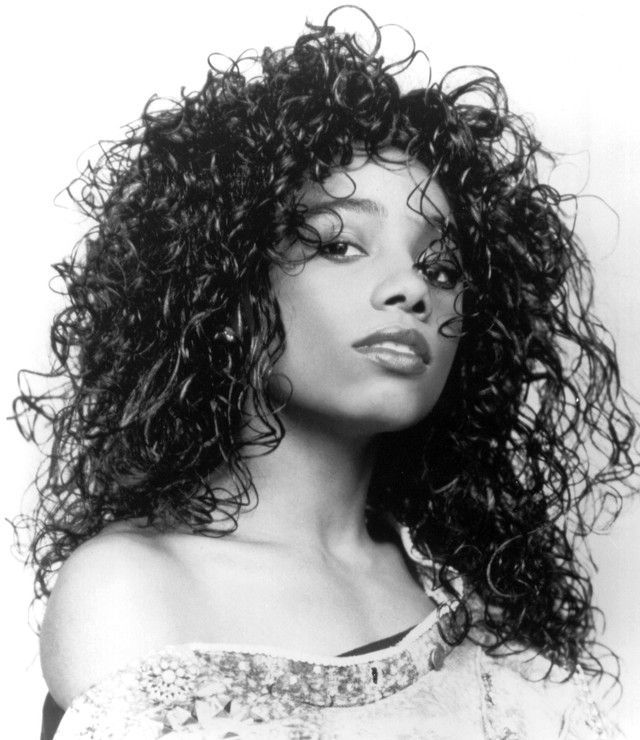
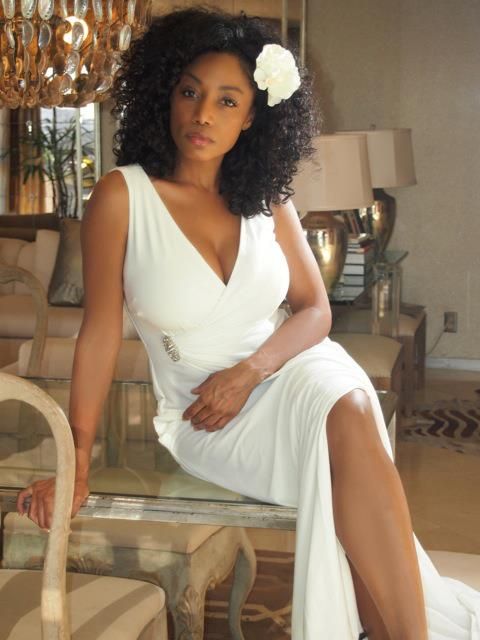
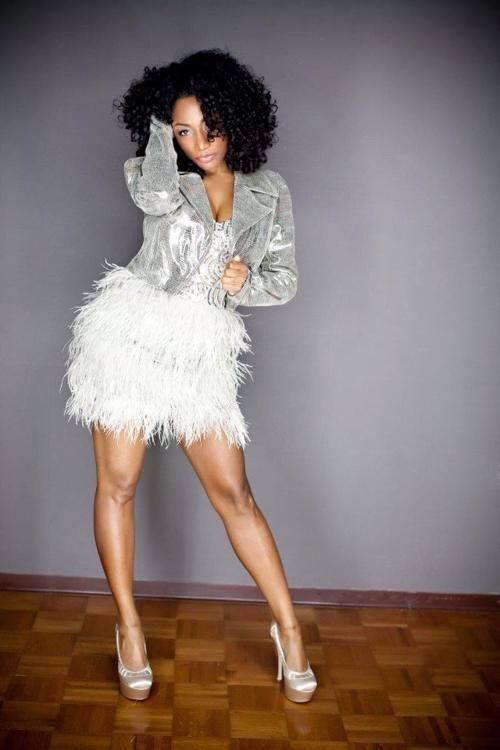
The late 1980s and early 1990s produced a generation of R&B singers whose voices and striking beauty became cultural touchstones, and among them stands the unforgettable Karyn White. Known for her rich vocals, stunning brown beauty, elegant presence, and timeless hits, White became one of the defining female voices of contemporary R&B. With her stunning brown complexion, sculpted facial features, and confident stage presence, she represents the essence of what many admirers celebrate as an “Ebony Doll”—a woman whose beauty, poise, and talent radiate sophistication and strength.

Karyn Layvonne White was born on October 14, 1965, in Los Angeles. She grew up in a musically inclined family where artistic expression was encouraged from an early age. Her father was a trumpet player, while her mother directed a church choir. As a child, White frequently sang in church, an experience that helped develop both her vocal control and emotional expression. Like many legendary R&B singers, the church became her earliest training ground and laid the foundation for her professional career.

Before achieving fame as a solo artist, White worked diligently behind the scenes within the music industry. She began her professional career as a background vocalist and songwriter, gaining valuable experience that helped her understand the mechanics of the recording business. One of her earliest notable appearances was performing vocals on the 1986 single “Facts of Love” by jazz keyboardist Jeff Lorber. The song became a modest hit and introduced her distinctive voice to a broader audience.

This photograph is the property of its respective owner.

Her big break came when she signed with Warner Bros. Records and released her debut album Karyn White in 1988. The album was produced by renowned music producers Babyface and L.A. Reid. Their production helped craft a polished R&B sound that blended soulful melodies with the emerging energy of contemporary pop and dance music.

The album became a major success and included several hit singles that defined White’s early career. Songs like The Way You Love Me and Secret Rendezvous climbed the charts and established her as a rising star in the industry. However, it was her emotional anthem Superwoman that truly cemented her legacy. The song resonated with women across the country and became an empowering statement about emotional strength and vulnerability in relationships.

White continued her success with the 1991 album Ritual of Love. The album showcased her evolving artistry and vocal maturity. Its lead single, Romantic, became a massive hit and reached No. 1 on the Billboard Hot 100, marking the peak of her commercial success. The song’s upbeat groove and infectious energy demonstrated White’s versatility as both a soulful balladeer and a dance-floor favorite.

This photograph is the property of its respective owner.

Part of what made Karyn White stand out was her distinctive voice. Her vocal tone carried both sweetness and strength, allowing her to deliver romantic ballads and assertive anthems with equal authenticity. The clarity of her voice, combined with her emotional phrasing, created a sound that listeners could immediately recognize.

White’s inspirations were rooted in the great vocalists who preceded her. Artists such as Whitney Houston and Chaka Khan influenced the style and vocal confidence that shaped her artistry. These powerful women demonstrated that an R&B singer could command both emotional depth and mainstream success.

In her personal life, White married legendary music producer Terry Lewis in 1992. Lewis was one half of the iconic production duo Jimmy Jam and Terry Lewis, whose work helped define the sound of modern R&B. During their marriage, White and Lewis welcomed a daughter named Ashley Nicole. Although the couple eventually divorced in 1999, their partnership represented an important chapter in White’s life and career.

This photograph is the property of its respective owner.

Following the height of her fame, White stepped away from the music industry for a period to focus on family and personal growth. During this time, she pursued business ventures and eventually developed a career in interior design and real estate. Her return to music years later demonstrated both resilience and a deep love for the art form that first brought her recognition.

Karyn White’s impact on R&B remains significant. Her music helped shape the transition from classic soul to the polished contemporary R&B sound of the late twentieth century. Songs like “Superwoman” continue to resonate with listeners decades after their release, and her influence can be heard in many of the female vocalists who followed.

Beyond music, White embodies a timeless representation of beauty and elegance. Her luminous brown skin, symmetrical features, and graceful style helped define the visual aesthetic of late-1980s R&B culture. Yet what truly elevates her legacy is the combination of beauty and substance—her voice carried stories of love, vulnerability, and empowerment that still connect with audiences today.

For these reasons, Karyn White stands proudly within the celebration of Ebony Dolls—women whose presence in music, film, and culture reflects both artistic excellence and the enduring beauty of Black womanhood.


References

Facts of Love. (n.d.). Wikipedia. https://en.wikipedia.org/wiki/Facts_of_Love

Karyn White. (n.d.). Wikipedia. https://en.wikipedia.org/wiki/Karyn_White

Musician Guide. (n.d.). Karyn White biography. https://www.musicianguide.com/biographies/1608000857/Karyn-White.html

Romantic (song). (n.d.). Wikipedia. https://en.wikipedia.org/wiki/Romantic_(song)

Superwoman (Karyn White song). (n.d.). Wikipedia. https://en.wikipedia.org/wiki/Superwoman_(Karyn_White_song)