This photograph is the property of its respective owner. No copyright infringement intended.
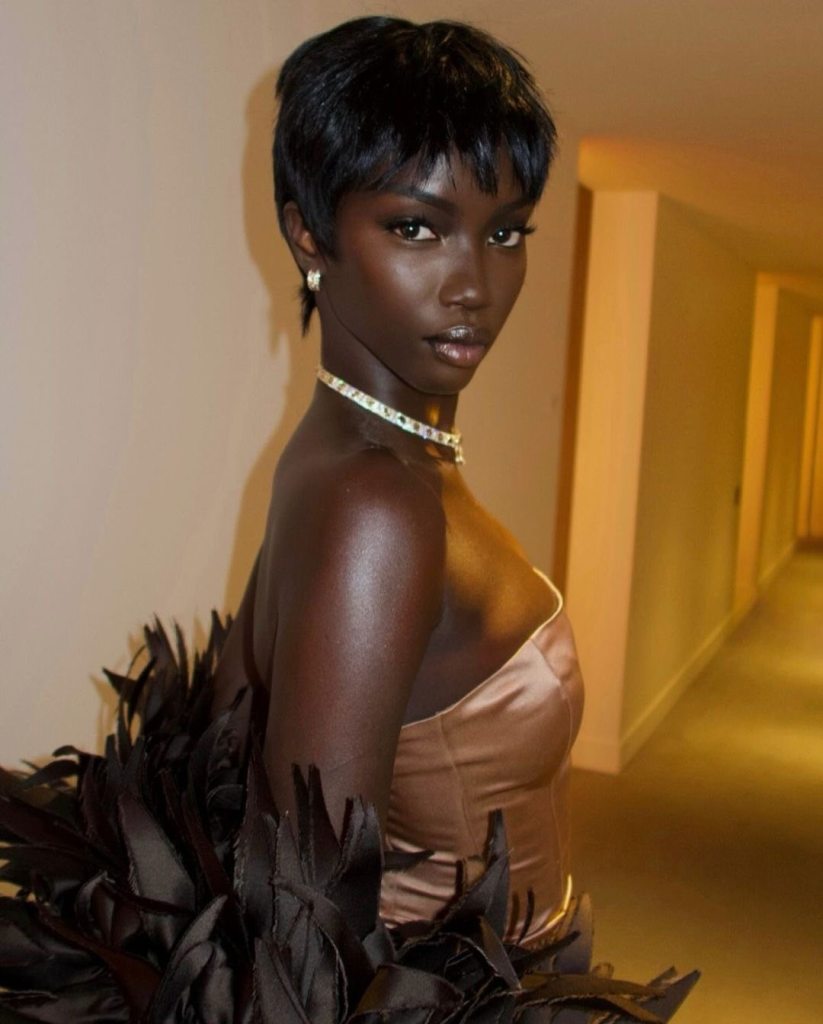
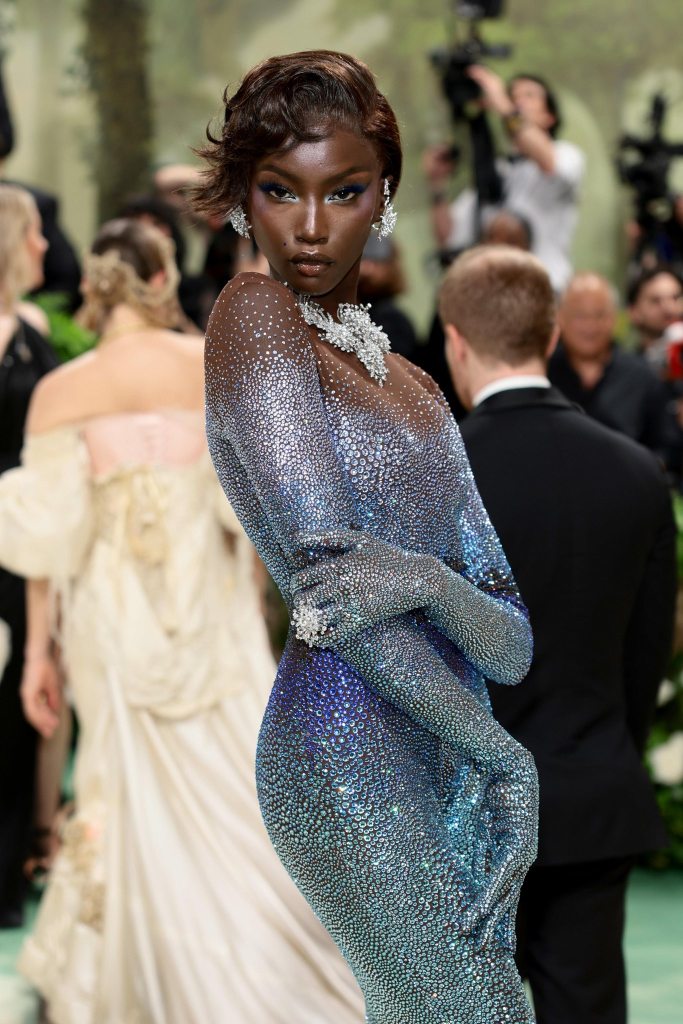
Anok Yai is one of the most striking and influential models of her generation, celebrated for her regal presence, flawless dark skin, and sculptural beauty that has reshaped global fashion standards. She represents a new era in modeling where African features, deep melanin, and unapologetic Blackness are not only accepted but exalted.
Born on December 20, 1997, Anok Yai is of South Sudanese descent and was raised in the United States after her family migrated from Egypt. Her upbringing was deeply rooted in cultural pride and academic excellence, as she initially pursued higher education before entering the fashion world. Modeling was never her original plan, which makes her rise even more remarkable.
Anok was discovered in 2017 after a photo of her attending Howard University’s homecoming went viral on social media. The image, captured by a photographer and shared online, spread rapidly and caught the attention of major modeling agencies. Almost overnight, Anok became a global sensation, proving the power of organic Black beauty and digital visibility.
Shortly after being discovered, Anok signed with Next Management and made history as the second Black woman ever to open a Prada runway show, following Naomi Campbell. This debut instantly placed her among the elite ranks of high fashion and established her as a symbol of progress in an industry long criticized for racial exclusion.
Anok is known for her celestial facial symmetry, radiant ebony complexion, almond-shaped eyes, and statuesque height, which give her a goddess-like appearance both on the runway and in editorial work. Her beauty is often described as futuristic, otherworldly, and divine, embodying a visual language that feels ancestral and modern at the same time.
This photograph is the property of its respective owner. No copyright infringement intended.
Throughout her career, she has walked for and appeared in campaigns for some of the world’s most prestigious fashion houses, including Prada, Dior, Versace, Saint Laurent, Burberry, Fendi, and Givenchy. She has also graced the covers of Vogue, Harper’s Bazaar, and other major fashion publications, becoming a muse for top designers and photographers.
Anok has spoken openly about the challenges she has faced in the modeling industry, including colorism, tokenism, and mental health struggles. She has used her platform to advocate for greater representation, honesty, and protection for young Black models navigating spaces that often lack emotional support and cultural understanding.
Beyond fashion, Anok is admired for her intelligence and activism. She has expressed interest in public service and international development, once stating that she aspired to work with the United Nations before modeling. This intellectual depth adds another layer to her public image, positioning her as more than a face—she is a voice and a symbol.
Anok Yai has received widespread recognition for her impact, including being named Model of the Year by models.com and receiving multiple fashion industry honors. She is consistently ranked among the top models in the world and is considered one of the most important figures in redefining modern beauty. Anok’s impact culminated in her being named Model of the Year at the 2025 Fashion Awards held at London’s Royal Albert Hall, one of the most prestigious honors in fashion today. The accolade acknowledged not only her creative achievements but also her role in shaping the industry’s evolving identity and inclusivity.
Anok qualifies as an Ebony Doll because she embodies the highest expression of melanated Black femininity—royal, luminous, and unapologetically African. Her presence restores visibility to dark-skinned women who were historically marginalized, and her success stands as a testament to the power, elegance, and divine design of African beauty.
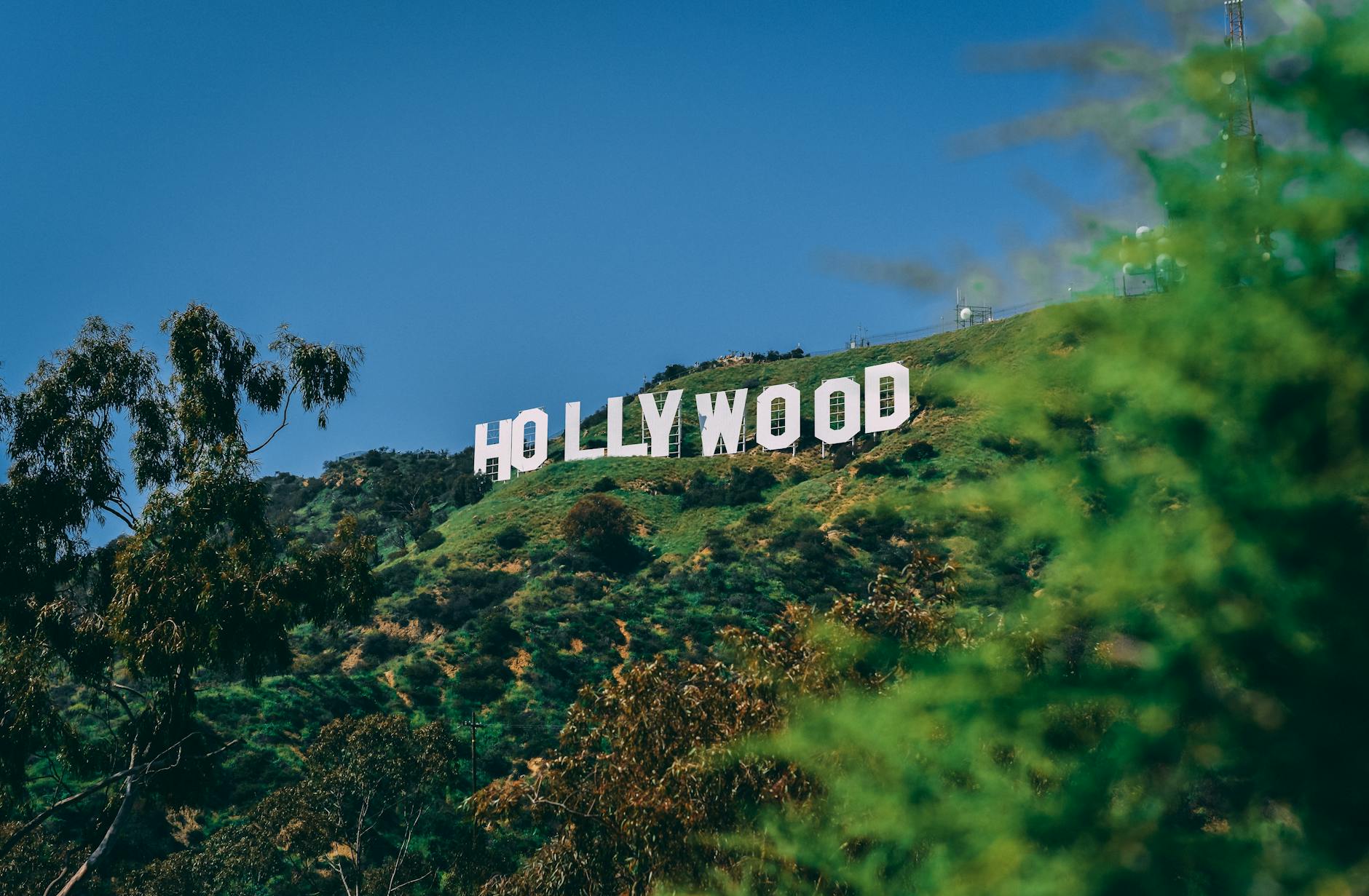
Hollywood doesn’t just entertain—it educates, influences, and often distorts global understanding of what it means to be Black. Through both its celebrated icons and its systemic blind spots, the film industry plays a profound role in shaping identity, aspiration, and prejudice. Drawing on reflections from Halle Berry, Denzel Washington, Viola Davis, and Blair Underwood, this article examines how media representation reverberates across borders—and what that means for Black communities everywhere.
1. The Power of Representation: Breaking Ground and Limiting Legacies
Halle Berry, the first—and still only—woman of color to win the Academy Award for Best Actress (for Monster’s Ball, 2002), reflects on her victory with tempered hope. She hoped it would open doors—but nearly two decades later, remains the lone woman of color honored in that category. Despite incremental changes, Berry describes Hollywood’s progress as slow and calls for more honest storytelling that reflects the real diversity of culture and experience.Vanity FairGlamour
Denzel Washington recently shared a deeply emotional response upon watching Black Panther, saying “he ‘cried a little bit’… felt like the baton had been passed” to a younger generation of Black actors. His joy reflects both pride and readiness for broader representation.People.com
These testimonies affirm how rare and symbolic truly groundbreaking achievements remain—and how they resonate internationally.
Icons, Audiences, and Global Resonance
Actors like Halle Berry, Denzel Washington, Viola Davis, Blair Underwood, and others, have become globally recognized symbols of Black excellence. Their talent and accolades draw admiration worldwide, yet their individual experiences reveal systemic limitations.
In the upcoming documentary Number One on the Call Sheet, actors—including Washington, Berry, Murphy, Union, Davis, Jordan, Kaluuya, and Erivo—reflect on how being a leading name in Hollywood remains a powerful statement of representation and a symbol of Black presence at the highest level of storytelling.People.com
These icons show that global admiration exists—but it’s also conditional, often tied to rare breakthroughs rather than sustained structural inclusion.
Spike Lee: A Filmmaker as Cultural Provocateur
As a towering figure in Black cinema, Spike Lee offers a vivid case study of Hollywood’s influence—and its contradictions.
Origins & Self-Made Drive Lee’s breakthrough came with She’s Gotta Have It, funded through handwritten letters and collecting cans—“Kickstarter before there was Kickstarter.”The Guardian This underlines both the ingenuity and the necessity of self-reliance for Black creators.
Demanding Authentic Storytelling When Lee directed Malcolm X, he insisted on a Black director, stating: “White Americans will never know what it feels like to be an African-American in this country.”Los Angeles Times This insistence enabled unmatched authenticity—allowing access to Malcolm’s inner circle, Mecca, and narrative frameworks that a white director likely couldn’t achieve.
Challenging Stereotypes through Satire In Bamboozled, Spike Lee dissected and satirized media’s racist stereotypes—portraying Black actors in minstrel roles to expose Hollywood’s complicity. Though a box-office failure, it later gained cult status and was added to the U.S. National Film Registry for its cultural significance.Wikipedia The world now recognizes its sharp critique of Black portrayal, years ahead of its time.
Global Perception: The Provocateur as Brand Lee’s reputation as an outspoken figure—”rabble-rouser,” publicity-loving, provocative—is part of his brand identity. He once remarked: “Spike Lee is a brand.”Vulture Over time, his voice has resonated globally, especially as his films (e.g., BlacKkKlansman) awakened international audiences to persistent racial injustices.TIME
Standing Up for Structural Change Lee has long criticized the lack of diversity among industry gatekeepers, arguing that genuine representation means having Black people with green-light power in studios and networks—not just actors on-screen.The Washington Times
On platforms like Reddit, fans express how Spike Lee’s films shaped their conscience:
“Do the Right Thing was brilliant in how it held a mirror up to the viewer’s biases… Spike Lee’s genius is in eliciting the tension and discomfort that Americans… still will not confront in themselves.”Reddit
Others celebrate how he carved a space when none existed:
“He carved out a place for himself, and employed many amazing actors.”Reddit
These reflections highlight how representation resonates not just on screens, but in global cultural awareness.
Hollywood’s “media mirrors” reflect both achievement and limitation. While Berry, Washington, Davis, Underwood, and Lee have become global icons—people the world admires—their journeys reveal how rare visibility can be.
Spike Lee’s legacy shows how embracing fullness—demanding authenticity, satirizing stereotypes, and insisting Black stories be told by Black voices—pushes the world’s mirror closer to our truth. Yet the work continues: true representation means expanding beyond iconic individuals to empowerment across the creative landscape.
When Hollywood mirrors the full breadth of Black humanity—complex, joyful, painful, triumphant—global perceptions can evolve. That is the profound power of representation, and the responsibility we must continue to claim.
2. Confronting Stereotypes and the Burden of Tokenism
Hollywood’s history is riddled with tropes: the “mammy,” the criminal, the sidekick—persistent caricatures that reinforce limited, dehumanizing views of Black identity. Viola Davis, reflecting on her role in The Help, expressed deep discomfort with the enduring “mammy” trope and challenged filmmakers to humanize Black characters beyond stereotypes.Wikipedia
Blair Underwood, who became one of the first regular Black faces on L.A. Law in the late 1980s, described the scarcity of Black representation: “You know Denzel… It was very rare to see any of us on the big screen… usually… pimps or thugs… Hollywood wanted to promote and project.”inklCinemablend His presence signified a shift, but his words underscore the uphill battle against tokenism and cliché.
3. Behind-the-Scenes Power—The Real Battleground
Representation isn’t just about who’s on screen—it’s about who’s telling the story. A 2022 NAACP report revealed that studio leadership remains almost exclusively white—over 90% of CEOs, senior executives, and unit heads.Psych Central Similarly, McKinsey data shows Black creators — writers, producers, directors — remain vastly underrepresented. Only about 6% of films and TV shows have Black directors, and fewer than 5% of showrunners are Black.McKinsey & Company+1
These facts underscore why stereotypical scripts persist, and why progress often stalls: creative power remains concentrated outside Black hands.
Research shows inclusive content doesn’t just entertain—it reshapes perception. A recent machine-learning study of over 300,000 images in popular culture found that non-inclusive media reinforces stereotypes, while diverse visibility helps reduce biases.arXiv
Moreover, voices from within the community reflect the profound impact of authentic storytelling. As one commenter quoting Viola Davis said:
“The audience is a huge part of our work, and they need to see themselves.” Another actor added: “We put asses in seats.”Reddit
These candid remarks highlight the transformative power of representation—and the financial as well as cultural stakes.
5. Global Perceptions and the Empathy Gap
Hollywood’s global reach means its portrayals become many people’s primary lens into Black lives. When narratives are skewed or limited, entire cultures risk being misunderstood. A Vanity Fair piece calls on audiences—especially white viewers—to support genuine Black stories, pointing out how false universality reinforces bias: Black-led stories are often underfunded and under-marketed, even though they perform well with investment.Vanity Fair
Viola Davis and others have amplified that need: authentic, diverse stories bridge that empathy gap and reshape how the world sees—and values—Black humanity.
Conclusion: The Reflections, the Responsibility, the Future.Global Perceptions and Admiration… But Through What Lens?
Internationally, the global audience often respects and admires Black talent, but such visibility is frequently restricted to a few celebrated faces—Washington, Berry, Davis, and so on. Behind the public facade, systemic barriers remain:
A 2022 NAACP report emphasized how rare Black creatives are in executive and production roles.Vanity FairVogue
Vogue notes that Black suffering dominates narratives—reinforcing empathy, yes, but also reinforcing a one-dimensional view.Vogue
Research continues to show that equitable representation isn’t just ethical—it shifts perceptions, builds empathy, and challenges stereotypes.Vanity F
Hollywood holds up a mirror—and the reflection it offers shapes how Blackness is perceived across the world. Icons like Berry, Washington, Davis, and Underwood have broken barriers and challenged assumptions. Their experiences illustrate both progress and the limits of representation when control remains marginalized.
True transformation demands power behind the camera—so that stories aren’t merely performed, but lived, with depth, nuance, and dignity. As research and international success demonstrate, inclusive storytelling isn’t just morally right—it’s universally compelling.
In a world where media frames empathy and identity, the mirror Hollywood holds up must reflect the full spectrum of Black lives. Only then can global perceptions evolve beyond stereotypes—toward understanding, respect, and uplift.
Two Stars, One Sisterhood: The Friendship That Defined a Generation of Television
This photograph is the property of its respective owner.
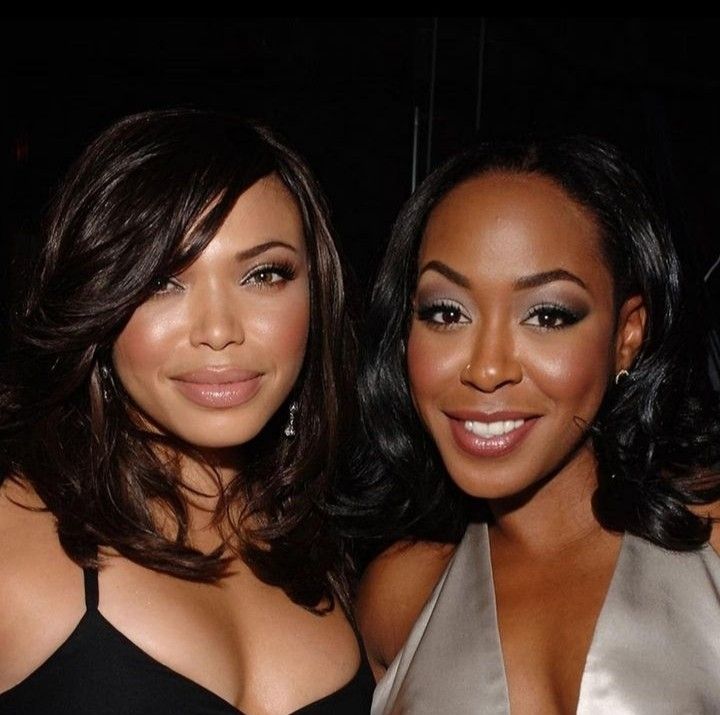
In the history of Black television, few friendships have been as beloved and enduring as that of Tisha Campbell and Tichina Arnold. Both women emerged as dynamic actresses whose beauty, talent, and comedic brilliance helped shape some of the most iconic sitcoms in American television. Individually, they built impressive careers, but together, they created a cultural legacy rooted in authentic friendship, humor, and sisterhood. Their chemistry on screen and their bond off screen represent a rare example of loyalty in an industry often defined by competition.
Tisha Campbell: From House Party to Hollywood It Girl
This photograph is the property of its respective owner.
Tisha Michelle Campbell was born on October 13, 1968, in Oklahoma City, Oklahoma, and raised in Newark, New Jersey. Growing up in a family deeply involved in music and entertainment, Campbell developed her artistic talents at a young age. Her mother worked as a vocal coach and talent manager, exposing Campbell to the performing arts early in life.
Campbell’s beauty has long been admired for its vibrant energy and elegance. With expressive brown eyes, radiant skin, and a charismatic smile, she carries a presence that blends confidence with warmth. Her lively personality and natural comedic timing made her stand out even as a young performer.
Her early career began with appearances on children’s television and musical programs. Campbell gained early attention when she appeared on the television show Kids Incorporated, where her singing and acting abilities captured audiences. The show introduced her to a generation of viewers and revealed her versatility as both a vocalist and performer.
Her breakout film role came in the 1990 cult classic House Party, where she portrayed Sidney, a confident young woman navigating romance and friendship. The film became a cultural milestone in Black cinema and established Campbell as a rising star in Hollywood.
Campbell’s greatest television success came with the groundbreaking sitcom Martin. Playing Gina Waters, the intelligent and stylish girlfriend of Martin Payne, Campbell became one of the most recognizable faces on television during the 1990s. Her chemistry with the cast and her sophisticated comedic style made Gina a beloved character.
Beyond acting, Campbell has also maintained a music career, releasing R&B recordings that highlight her powerful voice and emotional range. Her artistic abilities extend across multiple disciplines, reinforcing her reputation as a multi-talented performer.
Over the years, she has continued acting in television series, films, and stage productions. Her performances demonstrate a balance of humor, vulnerability, and strength that resonates with audiences across generations.
Tichina Arnold: The Comedic Queen with Timeless Style and Talent
This photograph is the property of its respective owner.
Tichina Rolanda Arnold was born on June 28, 1969, in Queens, New York. Raised in a creative environment that encouraged artistic expression, Arnold discovered her passion for performing while still in elementary school. She attended the prestigious Fiorello H. LaGuardia High School of Music & Art and Performing Arts, where she honed her acting and musical talents.
Arnold has distinctive beauty, with radiant skin, striking features, and expressive eyes that enhance her comedic performances. Her bold personality and unmistakable voice have made her one of television’s most memorable comedic actresses.
Her early career included stage and film roles, including Little Shop of Horrors. However, her defining role came when she was cast in the hit sitcom Martin.
On the show, Arnold portrayed Pamela “Pam” James, the sharp-tongued and hilarious best friend of Gina. Pam’s fearless wit and confident attitude made her one of the show’s standout characters. Arnold’s comedic timing turned Pam into a fan favorite whose catchphrases and reactions became part of pop culture.
Arnold later achieved another major television success on the long-running sitcom Everybody Hates Chris, where she played Rochelle, the strict yet loving mother of the show’s protagonist. Her energetic performance earned widespread praise and introduced her talents to a new generation of viewers.
More recently, Arnold has continued her television success in the sitcom The Neighborhood, where she portrays Tina Butler. The show highlights Arnold’s ability to blend humor with heartfelt moments, proving that her comedic brilliance remains as strong as ever.
A Friendship That Transcends Hollywood
This photograph is the property of its respective owner.
What truly distinguishes Campbell and Arnold in entertainment history is their genuine friendship. The two actresses met as young performers and developed a bond that has lasted for decades. Their natural chemistry was evident when they appeared together on Martin, where their characters Gina and Pam portrayed best friends navigating relationships, careers, and life in Detroit.
Their on-screen dynamic felt authentic because it reflected their real-life relationship. Off camera, Campbell and Arnold supported one another through personal challenges, career changes, and the pressures of fame. Their loyalty to each other stands as a powerful example of sisterhood within the entertainment industry.
Years later, the duo reunited on the television sitcom The Neighborhood, once again sharing the screen and reminding audiences why their partnership remains so beloved. The reunion felt less like nostalgia and more like a continuation of a story that fans had followed for decades.
Together, Campbell and Arnold represent an important chapter in Black television history. They helped create characters who were intelligent, humorous, stylish, and relatable. Their performances contributed to a cultural shift in how Black women were portrayed on mainstream television.
Both women embody the qualities of an “It Girl”: confidence, talent, resilience, and timeless beauty. Yet what makes them even more special is that their success was never built on rivalry. Instead, it was strengthened by friendship.
In an industry often defined by competition and fleeting fame, the enduring bond between Tisha Campbell and Tichina Arnold is remarkable. Their careers demonstrate that collaboration, loyalty, and mutual respect can create something far more powerful than individual stardom.
Together they represent more than two talented actresses—they symbolize sisterhood, laughter, and a legacy of excellence that continues to inspire audiences around the world.
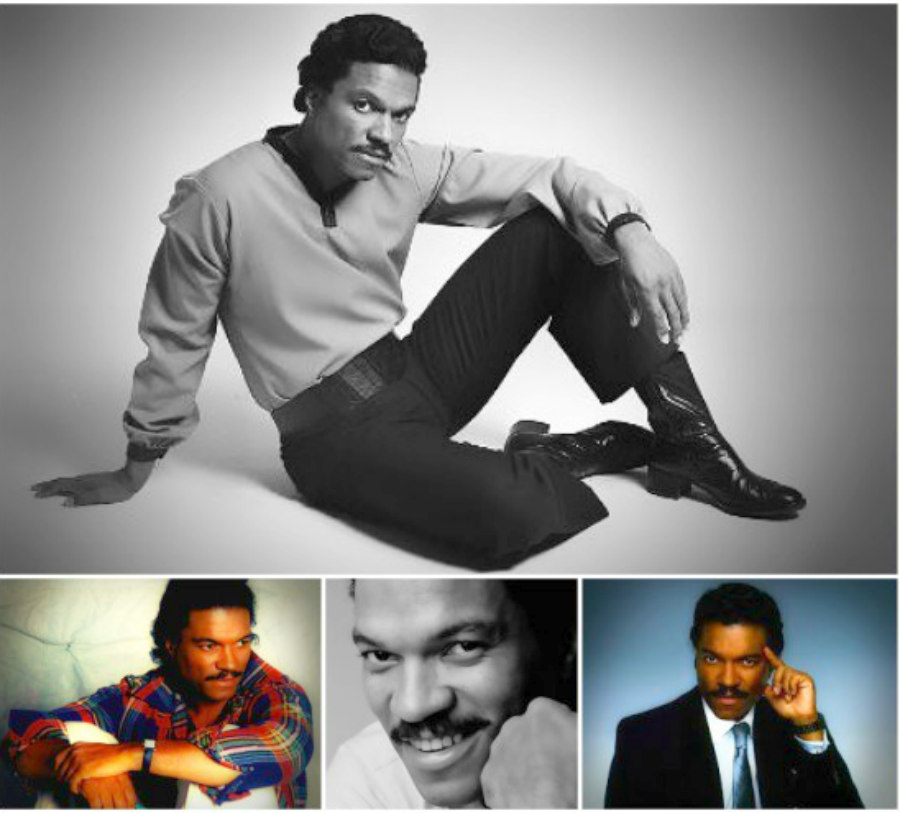
The Most Handsome, Suave, Cool, and Charismatic Black Actor to ever grace the Silver Screen.
This photograph is the property of its respective owner.
“Suave was redefined the moment he walked into a room. That voice, that smile, that presence—Billy Dee wasn’t just a heartthrob, he was a whole genre of cool.”
Introduction: The Gentleman of Desire
Before the era of social media heartthrobs, abs-driven selfies, and designer drip, there was Billy Dee Williams—an actor whose very presence on screen sent pulses racing and redefined Black masculinity for generations. With his caramel-hued velvety skin, deep-set almond eyes, and that now-legendary “come hither” smile, Billy Dee was more than handsome—he was hypnotic. His voice? A smooth, seductive baritone dipped in brown liquor and jazz smoke, as unforgettable as his on-screen swagger.
With his caramel-toned skin, bedroom eyes, and a voice as smooth as jazz, Billy Dee Williams was more than just a handsome face—he was an icon of sophistication. Possessing a magnetic screen presence, his roles blended elegance and edge, charm and command. Whether donning a finely tailored suit or delivering lines with velvety poise, Williams captivated audiences with a rare combination of classic Hollywood glamour and unapologetic Black excellence. From romantic dramas to intergalactic adventures, he brought style, strength, and seduction to every frame he graced. A trailblazer for generations of Black leading men, Billy Dee made being suave look effortless—and unforgettable.
He was the epitome of elegance—a handsome devil, as fans and critics often called him, whose sensual restraint made desire simmer rather than explode. His style, grace, and natural charm gave the leading men of the 1970s and ’80s a run for their money—and would still outshine many of today’s stars.
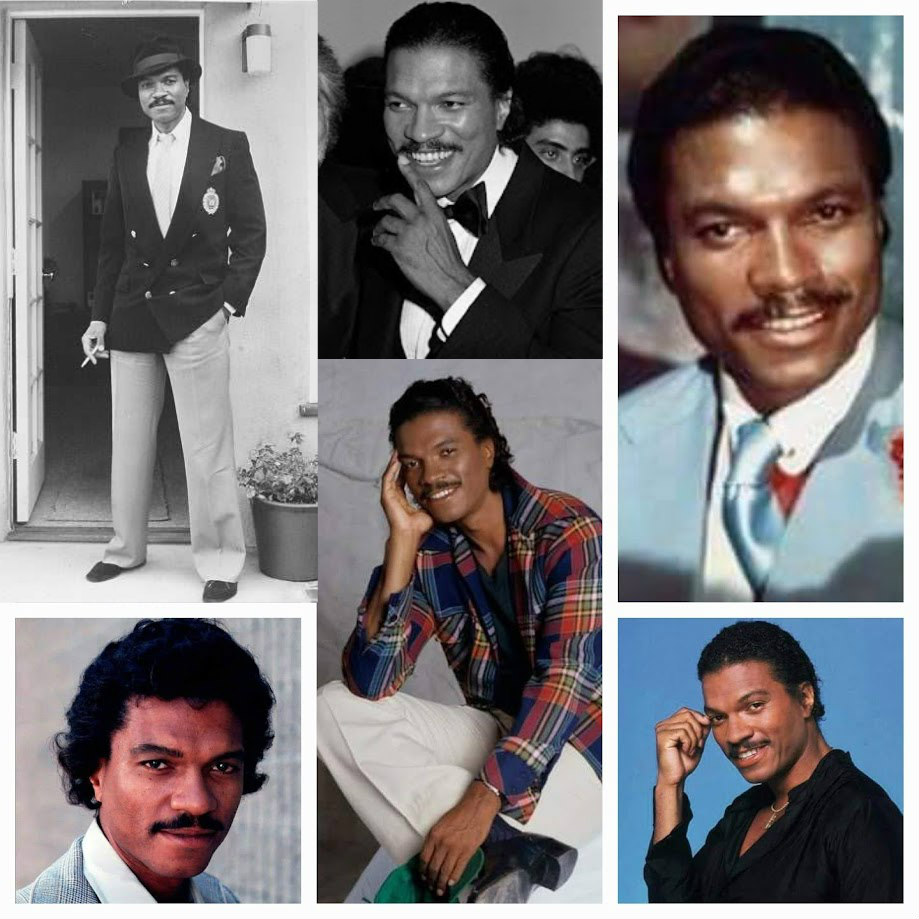
These photographs are the property of their respective owners.
Quotes from Admirers
“There was Denzel, there was Sidney… but there was only one Billy Dee.” – Quincy Jones
“His voice alone could seduce a nation.” – Angela Bassett
“He made us believe in love on screen. Real, grown, complicated love.” – Diana Ross
Early Life and Beginnings
William December “Billy Dee” Williams Jr. was born (has a twin sister) on April 6, 1937, in Harlem, New York, to Loretta Anne, an elevator operator at the Schubert Theatre, and William Sr., a caretaker and aspiring musician. With roots in African-American, West Indian, and Native American ancestry, Billy Dee’s rich cultural heritage imbued him with both classic beauty and a regal air.
He graduated from LaGuardia High School of Music & Art and studied at the prestigious National Academy of Fine Arts and Design, originally pursuing a career in visual arts before making a pivot to the stage and screen.
Rise to Stardom and Breakout Roles
Billy Dee’s breakthrough came with the 1971 television movie “Brian’s Song,” in which he portrayed NFL star Gale Sayers alongside James Caan. The role earned him a Primetime Emmy nomination and established him as a serious actor with emotional depth and romantic appeal.
But it was in “Lady Sings the Blues” (1972), opposite Diana Ross, that Billy Dee became a certified sex symbol. Playing the smooth-talking Louis McKay, he delivered the now-iconic line to Ross, “Do you want my arm to fall off?”—a moment that oozed suave seduction. That line—and the way he said it—became cinematic shorthand for Black male romantic allure.
The Aesthetic of Desire: His Iconic Look
Billy Dee’s beauty wasn’t just physical—it was dimensional.
These photographs are the property of their respective owners.
Skin: A warm, glowing brown, reminiscent of sunlit caramel, always perfectly lit by the camera.
Smile: Disarming, confident, and suggestive—a “come hither” look that made audiences lean in.
Voice: Silky, deep, and debonair. That “d’o-demere” voice (as one fan affectionately mispronounced “debonair”) added to his mystique.
Style: Whether in a tuxedo, a cape (as Lando Calrissian), or a simple three-piece suit, his fashion sense exuded classic Hollywood elegance with unapologetic Black pride.
Women swooned, men imitated, and Hollywood finally had a Black male romantic lead who didn’t have to be aggressive, comedic, or stereotyped to hold the screen.
Celebrated Roles and Legacy
Billy Dee Williams has appeared in over 90 film and television projects across his career, including iconic roles in “Lady Sings the Blues” (1972) and as Lando Calrissian in the Star Wars franchise.
Some of Billy Dee’s most iconic roles include:
Louis McKay in Lady Sings the Blues (1972)
Brian’s Song (1971) – A tender, groundbreaking portrayal of interracial friendship
Gale Sayers in the TV movie Brian’s Song
Lando Calrissian in Star Wars: The Empire Strikes Back (1980) and Return of the Jedi (1983)
Berry Gordy’s Mahogany (1975) – Again paired with Diana Ross
Nighthawks (1981) with Sylvester Stallone
He is particularly remembered for Lando Calrissian, the cape-wearing, galaxy-hopping smooth-talker who brought charm and charisma to the Star Wars universe—a role he reprised in The Rise of Skywalker (2019), proving his ageless appeal.
His favorite performance? Billy Dee has often said that Brian’s Song and Lady Sings the Blues held deep personal meaning—stories about love, loss, and dignity.
Awards and Recognition
NAACP Image Award (multiple wins)
Hollywood Walk of Fame Star (1985)
Primetime Emmy Nomination for Brian’s Song
Honored by Ebony, Jet, and Essence throughout the 1970s and ’80s as one of the “Most Beautiful Black Men in America.”
Ebony Magazine once called him “The Face of Black Sophistication.” Diana Ross described him as “so smooth, he made the screen melt.”
Racism, Respect, and Representation
Billy Dee was a leading Black man in an era that rarely allowed for them. He once shared, “There weren’t many roles where a Black man could be dignified, romantic, and powerful without being stereotyped. I fought for that image.”
He challenged Hollywood’s limited narrative—presenting the Black man as a lover, a hero, and a gentleman.
Love Life, Family, and Legacy
Billy Dee has been married three times, most famously to Teruko Nakagami, a Japanese-American actress and model. They have one daughter, Hanako, and he has a son, Corey Dee Williams, from a previous relationship.
While not publicly known for romantic scandals, he’s long been admired for his respectful relationships, discretion, and dignified image.
Who did he have a crush on? Rumors swirled about his admiration for Lena Horne, whom he called “the epitome of grace and allure.”
Commercials and Endorsements
In the 1980s, Billy Dee became the face of Colt 45 Malt Liquor, delivering the famously smooth tagline: “It works every time.”
While the ad campaign was commercially successful, it also drew criticism for its alignment with alcohol marketing. Nevertheless, it further cemented his image as the “coolest man alive.”
He also endorsed products for Mennen, Schick razors, and fashion brands who wanted to capture his stylish persona.
Where Is He Now?
Now in his late 80s, Billy Dee Williams remains active in voice acting, public appearances, and conventions. He reprised his Lando role in Star Wars: The Rise of Skywalker (2019) and voiced characters in animated series.
In 2019, he caused a stir by referring to himself as using “he/him and she/her pronouns” to describe his emotional duality—sparking conversations about identity, masculinity, and expression. He later clarified he was referring to his balance of energies, not gender fluidity, but praised the younger generation’s openness.
Conclusion: A Living Monument of Black Elegance
Billy Dee Williams wasn’t just beautiful—he was cinematic alchemy. The type of man who made time pause, who made women blush and men reassess their approach. He showed us that Black men could be more than what the world limited them to. He was a lover, a thinker, a prince of style and sensuality.
As Ebony once put it: “Billy Dee didn’t just change the screen—he changed the way Black men were seen.”
References
Bassett, A. (2016). Interview with Angela Bassett on Black icons in Hollywood. Essence Magazine. https://www.essence.com
Ebony Magazine. (1972, October). Hollywood’s smoothest Black leading man: Billy Dee Williams lights up the screen. Ebony, 27(12), 72–76.
Jet Magazine. (1980, April 7). Billy Dee Williams: The man, the myth, the mustache. Jet, 59(15), 20–23.
Jones, Q. (1994). Q: The Autobiography of Quincy Jones. New York: Doubleday.
Ross, D. (1993). Secrets of a diva: Diana Ross on life, love, and legends. Interview by Ebony, reprinted in Classic Soul Interviews. Johnson Publishing.
Smith, J. (2020). The elegance of Black masculinity: Billy Dee Williams and the politics of suave. Journal of Black Cinema and Culture, 12(1), 35–48.
Vanity Fair. (2019, November 27). Billy Dee Williams discusses gender fluidity, love, and his return to Star Wars. Retrieved from https://www.vanityfair.com
Williams, B. D. (2016). Lights, Camera, Legacy: A Conversation with Billy Dee Williams. NPR Interviews. Retrieved from https://www.npr.org
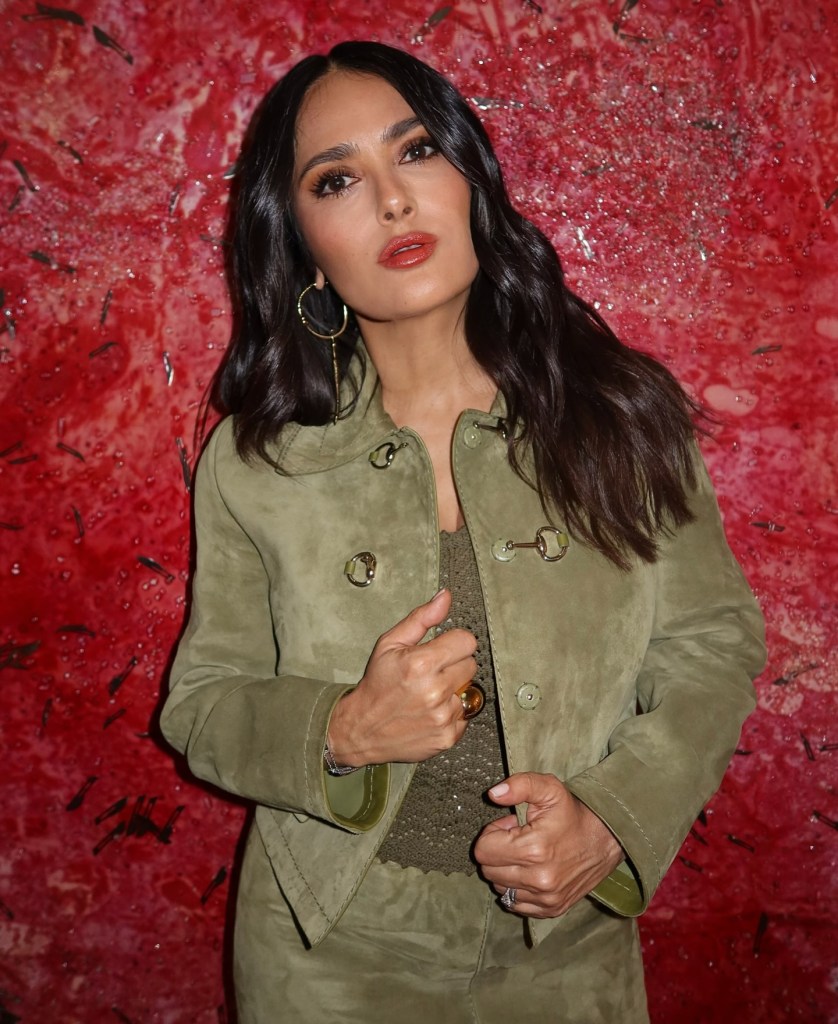
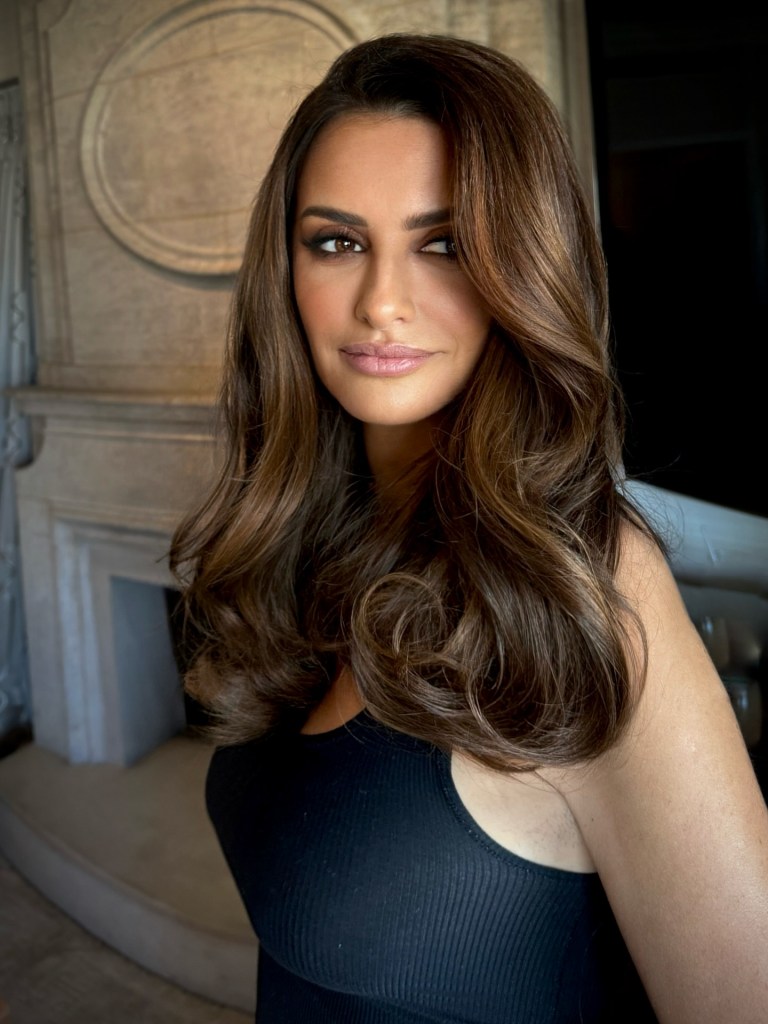
Latin beauty (Spanish) in Hollywood has often been filtered through stereotype, exoticism, or erasure. Yet a small lineage of Spanish-speaking actresses has emerged whose careers, faces, voices, and family lives embody not caricature—but culture, femininity, and dimensional storytelling. When we speak of “Latin Dolls,” we refer not to manufactured plastic representations, but to living women whose features resemble artistry: sculpted faces, expressive eyes, natural warmth, beauty that feels both aspirational and familiar. Salma Hayek is a genetic marvel who has earned her a reputation as a “perfect 10.” Penelope Cruz’s hypnotic eyes carry emotional gravity, and Roselyn Sánchez radiates an approachable glow—effortless skin, super cute face, and the relatable charm of the girl-next-door. Together, these women reflect the spectrum of Hispanic/Latin/Spanish womanhood, and this range is exactly why they stand as powerful representations of the idea of the Latin/Spanish dolls: intricate, timeless, diverse, and real.
Salma Hayek — The Face of Beauty, Luxury, and Hollywood Power
This photograph is the property of its respective owner. No copyright infringement intended.
Where she is from
Salma Hayek was born in Coatzacoalcos, Veracruz, Mexico. She was raised in a prominent and financially stable household—something rare among Latina actresses breaking into mainstream Hollywood during the 1990s.
Race & background
Her heritage is Mexican and Middle Eastern:
Her father, Sami Hayek, is Lebanese-Mexican and of Arab descent.
Her mother, Diana Jiménez Medina, is Mexican of Spanish ancestry. Salma identifies strongly with her Mexican roots while also honoring her Lebanese lineage.
Family, Marriage, & Children
Salma married François-Henri Pinault, a French billionaire businessman and CEO of the luxury group Kering (owner of Gucci, Balenciaga, and others). They have one daughter, Valentina Paloma Pinault (born 2007).
Career: how it started
She began acting in Mexican telenovelas, specifically Teresa (1989), where she gained national fame.
She moved to Los Angeles, struggled with English early on, and studied acting under Stella Adler.
Director Robert Rodriguez cast her in Desperado (1995), her Hollywood breakout role beside Antonio Banderas.
Notable roles & career expansion
She became a producer and starred in passion-driven projects, most famously:
Frida (2002), where she played Mexican artist Frida Kahlo and also produced the film despite industry resistance.
Awards & Accomplishments
Academy Award nomination for Best Actress (Frida)
Golden Globe, SAG, and BAFTA nominations
Daytime Emmy Award win for The Maldonado Miracle (Producer, 2004)
Time 100 honoree, activist in Latin representation and women’s rights
Beauty marker referenced
Salma is a perfect ten in terms of overall beauty, often referred to as a genetic marvel.
Penelope Cruz — The Eyes that Changed the Narrative for Spanish Talent
This photograph is the property of its respective owner. No copyright infringement intended.
Where she is from
Penelope was born in Alcobendas, Madrid, Spain.
Race & ethnicity
She is Spanish/Castilian, of European Iberian descent. Her career introduced Spain as a serious force in Hollywood’s cinematic landscape.
Family, Marriage, & Children
Married to Spanish actor Javier Bardem (2010–present)
Two children:
Leonardo Encinas Bardem (born 2011)
Luna Encinas Bardem (born 2013)
Career beginnings
Studied Classical Ballet for 9 years at Spain’s National Conservatory
Acting start through Spanish TV and music videos
Starred in Jamón Jamón (1992), launching her film career in Spain
How she entered Hollywood
Director Pedro Almodóvar helped shape her career in Spanish cinema
Hollywood breakthrough roles:
Vanilla Sky (2001) alongside Tom Cruise
Blow (2001) with Johnny Depp
Awards & career peak
Academy Award win for Best Supporting Actress (Vicky Cristina Barcelona, 2008)
First Spanish actress to win an Oscar
Multiple awards including:
2 Goya Awards
Berlin Film Festival Award
César Honorary Award
Walk of Fame Star (2011)
Venice Film Festival Best Actress Award (2021, Parallel Mothers)
Beauty marker referenced
Penelope is known for her stunning, expressive, almond-shaped eyes, often highlighted in global beauty studies as emotionally and aesthetically striking.
Roselyn Sánchez — The Warm, Natural Beauty of Puerto Rico Gifted the Screen
This photograph is the property of its respective owner. No copyright infringement intended.
Where she is from
Born in San Juan, Puerto Rico.
Race & ethnicity
Afro-Caribbean and Spanish-Caribbean ancestry, identifying as Puerto Rican Latina. She represents the more approachable side of Latina beauty in media—not distant glamour, but familiar warmth.
Family, Marriage, & Children
Married to actor Eric Winter (2008–present). They have two children:
Sebella Rose Winter (born 2012)
Dylan Gabriel Winter (born 2017)
Career beginnings
Started as a dancer and model
Won:
Miss Puerto Rico Petite (1993)
Miss American Petite (1994)
TV debut in Puerto Rico before transitioning to U.S. programming
Hollywood career
Notable roles:
Rush Hour 2 (2001) — film debut to wide audiences
Without a Trace (2005–2009) — CBS drama series
Devious Maids, Fantasy Island reboot, Act of Valor
Awards
ALMA Award
Imagen Awards
Recognized for music as well—released Latin pop albums and scored Billboard chart appearances
Beauty representation referenced
Roselyn is celebrated for naturally glowing skin, girl-next-door charm, and a versatility that blends class, relatability, and polished glamour.
Why They Are a Good Representation of “Spanish Dolls”
These women represent different pillars of Hispanic identity:
Actress
Doll Archetype Represented
What She Brings to Representation
Salma Hayek
Couture, regal, sculpted, luxurious beauty
Mixed heritage Latina success + producer power
Penelope Cruz
Dramatic, evocative, emotional eye-driven beauty
First Spanish Oscar winner + range of depth
Roselyn Sánchez
Natural, warm, approachable everyday beauty
Afro-Latina visibility + multi-career talent
Cultural and social representation value
They honor Hispanic family life (marriage, motherhood, long-term partnerships)
They broke into Hollywood without abandoning their origins
They represent beauty types not limited to one “Latina mold.”
They brought Spanish language, Spanish cinema prestige, and Latina production influence to global media
Their faces, careers, and identities reflect what makes dolls compelling in the cultural imagination: beauty, narrative possibility, symbolism, and variations of identity. But unlike plastic dolls, they make a human, historical, and inspirational.
References
Hayek, S. (2020). Frida: The production battle and cultural impact. Journal of Latin American Cinema.
Pitt, R. (2018). Race and representation among Latina actresses in Hollywood. Media Psychology Review.
Berg, M. (2017). Beauty, celebrity culture and racial symbolism. Cultural Aesthetics Press.
IMDB Academy Records. (2011). Penelope Cruz career and award documentation.
Torres, L. (2022). Afro-Latina visibility in American television. Hispanic Cultural Studies Quarterly.
With luminous eyes and fearless range, Meagan Good is the It Girl who grew up before our eyes — and never stopped evolving.
This photograph is the property of its respective owner.
Meagan Good has been a visible presence in Hollywood for more than three decades — a rare feat for a woman who began as a child actor and matured into a leading lady without losing cultural relevance. From precocious talent to romantic lead, from cult-classic ingénue to executive producer, Good’s career reflects longevity, reinvention, and enduring fascination within the Black community.
Early Life & Hollywood Beginnings
Born August 8, 1981, in Panorama City, California, Meagan Monique Good began acting at the age of four, appearing in commercials before transitioning into television. Raised in a supportive household with a mother who served as a manager, Good navigated child stardom with unusual stability.
Her early television credits included appearances on Doogie Howser, M.D., Amen, and Moesha. However, her breakthrough came with the critically acclaimed Southern Gothic drama Eve’s Bayou, directed by Kasi Lemmons. As Cisely Batiste, Good delivered a haunting, emotionally layered performance that showcased maturity beyond her teenage years. The film has since become a staple in Black cinema studies, frequently cited for its exploration of memory, colorism, and generational trauma.
Transition to Leading Lady
The early 2000s positioned Good as one of Hollywood’s emerging Black ingénues. She appeared in films such as Deliver Us from Eva (2003) and later in Stomp the Yard, where she played April Palmer, the poised love interest opposite Columbus Short. The film was commercially successful and cemented her place in mainstream Black romantic drama.
She also appeared in genre films like The Unborn (2009) and action projects such as Think Like a Man (2012), expanding her audience beyond primarily Black cinema. This crossover ability — balancing culturally rooted films with broader commercial projects — contributed to her sustained popularity.
This photograph is the property of its respective owner.
Exotic Beauty & Public Perception
Within the Black community, Meagan Good is often described as possessing “exotic beauty” — a term historically layered with complexity. Of African American and Puerto Rican descent, her light brown complexion, almond-shaped eyes, and soft yet striking features have frequently positioned her within conversations about Hollywood colorism and desirability politics.
Yet Good has spoken openly about embracing her natural identity without conforming to industry pressures. Her beauty is often paired with vulnerability and spiritual openness — qualities that resonate strongly with Black female audiences who have watched her mature publicly.
Critics and fans alike often describe her as:
Magnetic
Sultry yet soft-spoken
Spiritually grounded
Emotionally transparent
Her image balances sensual confidence with girl-next-door relatability — a rare duality that has sustained her “It Girl” appeal.
Marriage, Faith & Public Evolution
In 2012, Good married producer and pastor DeVon Franklin. Their marriage was highly visible within Christian and Black entertainment circles, symbolizing a union of faith and Hollywood ambition. They co-authored, held public discussions about their relationship, and were often regarded as a modern faith-based power couple.
However, in 2021, the couple announced their divorce. Good addressed the separation with grace, emphasizing personal growth rather than scandal. The public response within the Black community was mixed — some mourned the symbolic loss, while others applauded her transparency and resilience.
In 2023, she married actor Jonathan Majors in a private ceremony. Their relationship drew media attention due to the Majors’ legal controversies, again placing Good under intense public scrutiny. Through it all, she has maintained composure, choosing loyalty and privacy over public commentary.
As of 2026, Good does not have biological children but has expressed openness to motherhood and family expansion.
Awards & Recognition
While not an Academy Award recipient, Good has received several nominations and wins, including:
NAACP Image Award nominations
Teen Choice Award recognition
YoungStar Award (early career)
Her influence, however, extends beyond trophies. She represents a generation of Black actresses who sustained careers through transitional industry eras — from the 1990s Black cinema resurgence to modern streaming dominance.
Recent & Latest Projects
Good has remained active in both film and television. She starred in the Amazon Prime series Harlem (2021–2025), portraying Camille Parks, an ambitious anthropology professor navigating love and career in New York City. The show became culturally resonant for its portrayal of modern Black female friendship and professional life.
She also appeared in Shazam! Fury of the Gods, expanding her presence within blockbuster franchises.
Additionally, she has ventured into producing, signaling a strategic shift toward creative control — a hallmark of actresses who intend to build a legacy, not just visibility.
This photograph is the property of its respective owner.
Why She Is an “It Girl”
Meagan Good is an It Girl because audiences have grown up with her. She is not a fleeting trend — she is a familiar presence woven into multiple eras of Black popular culture.
She represents:
Early Black millennial stardom
Romantic drama nostalgia
Spiritual transparency
Beauty conversations within the Black community
Longevity without disappearance
Her popularity persists because she feels accessible. Fans see her as talented but human — glamorous but spiritually searching.
In a Hollywood ecosystem that often discards young actresses once novelty fades, Meagan Good reinvented herself repeatedly. She matured publicly, navigated marriage and divorce under scrutiny, and maintained consistent employment in an industry notorious for instability.
Her It Girl status is not based solely on fashion or virality. It rests on endurance.
She is the girl from Eve’s Bayou. The love interest from Stomp the Yard. The professor in Harlem. The woman who kept evolving.
And in the gallery of It Girls, Meagan Good stands as proof that beauty may open doors — but resilience keeps them open.
References
Franklin, D., & Good, M. (2016). The wait: A powerful practice for finding the love of your life and the life you love. Howard Books.
This photograph is the property of its respective owner.
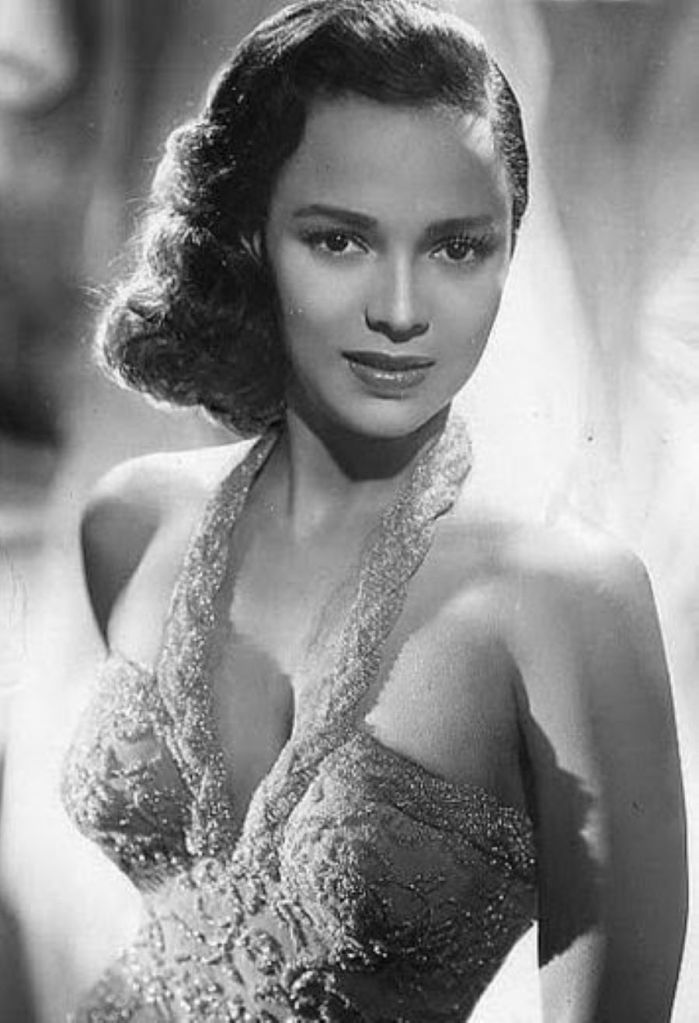
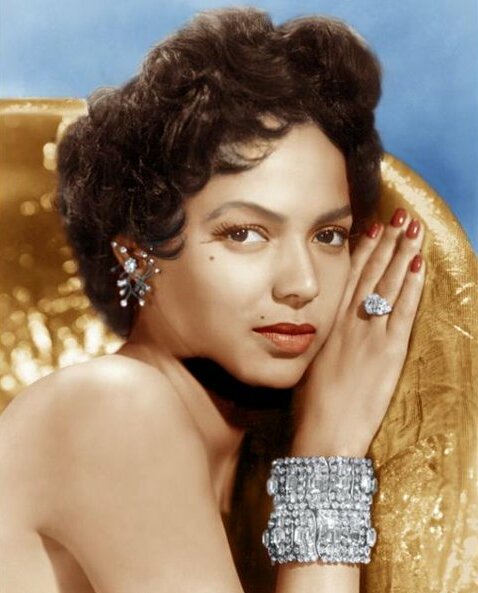
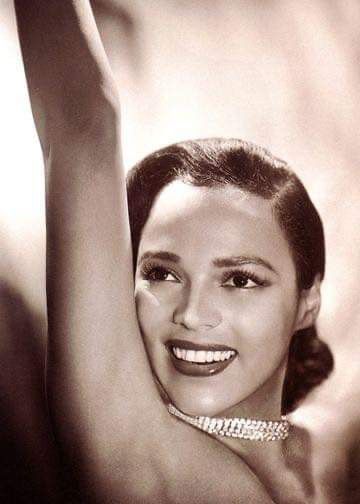
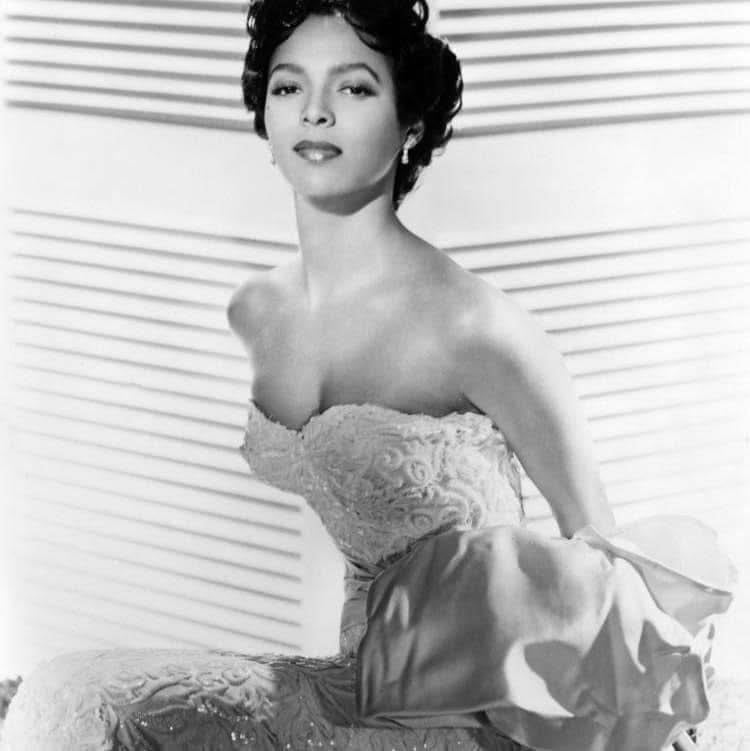
Dorothy Jean Dandridge remains one of the most luminous figures in the history of American cinema—a woman of breathtaking beauty, extraordinary talent, and profound courage who broke barriers for generations of Black actresses. Born on November 9, 1922, in Cleveland, Ohio, she emerged from humble beginnings to become the first African American woman nominated for an Academy Award for Best Actress. Her life was both a triumph and a tragedy, defined by grace, resilience, and the painful realities of racism and colorism in Hollywood’s golden age. With her flawless caramel complexion, delicate features, full lips, and almond-shaped eyes, she became the archetype of cinematic beauty—the original “Black Marilyn Monroe,” yet far deeper and more soulful.
Dorothy’s early life was marked by struggle and instability. Her parents separated before her birth, and she and her sister Vivian were raised by their mother, Ruby Dandridge, a stage performer who recognized her daughters’ natural talent. Ruby was determined that her children would escape poverty through performance. She created an act called “The Wonder Children,” in which Dorothy and Vivian sang and danced in churches throughout the South during the Great Depression. It was a tough childhood filled with long hours and racial discrimination, but it gave Dorothy a foundation in showmanship that would shape her later stardom.
As she grew older, Dorothy’s passion for performance evolved into a desire to act. Her beauty caught the attention of filmmakers, but Hollywood was not ready to embrace a Black actress in leading roles. Her earliest film appearances were minor, often uncredited, and she was typecast as a maid, chorus girl, or “exotic” background beauty. Despite the limited opportunities, her undeniable screen presence shone through. She soon realized that she would need to fight harder than most to be seen not just as a singer or a dancer, but as a serious actress.
This photograph is the property of its respective owner.
In the 1940s, Dorothy performed with the musical trio “The Dandridge Sisters,” alongside her sister Vivian and their friend Etta Jones. The group performed at the Cotton Club and other prestigious venues, dazzling audiences with their harmonies and elegance. These performances brought Dorothy into the orbit of Hollywood elites and introduced her to industry power players. Yet even as her popularity grew, she was often subjected to the cruelty of racism—barred from staying in the very hotels she performed in and forced to use side entrances to glamorous clubs that showcased her talent.
Her breakthrough came in 1954 when she starred as the seductive and complex Carmen Jones in Otto Preminger’s adaptation of Bizet’s opera Carmen. Her portrayal of Carmen was electrifying—sensual, intelligent, and layered with vulnerability. It was a defining performance that earned her an Academy Award nomination for Best Actress, making her the first Black woman in history to receive such an honor. Her role in Carmen Jones shattered Hollywood’s color barrier and proved that Black women could carry major motion pictures with the same magnetism and skill as their white counterparts.
Dorothy’s beauty was both her blessing and her curse. She was often described as “too beautiful for a Black actress” by studio executives who struggled to fit her into the narrow roles Hollywood reserved for women of color. Colorism played a cruel role in her career—she was considered light enough to be “acceptable” to white audiences but still Black enough to face discrimination from the industry. Directors and producers often fetishized her appearance, exoticizing her rather than recognizing her as a woman of depth and intellect.
This photograph is the property of its respective owner.
Her personal life reflected the same turbulence she faced professionally. Dorothy married dancer Harold Nicholas of the famed Nicholas Brothers in 1942. The marriage produced one child, Harolyn Suzanne Nicholas, who was born with brain damage and required lifelong care. The emotional and financial strain of caring for her daughter deeply affected Dorothy, contributing to the collapse of her marriage. She later had a relationship with director Otto Preminger, who cast her in Carmen Jones and later Porgy and Bess (1959), but their affair was marred by the racial politics of the time and his refusal to publicly acknowledge their relationship.
Her portrayal in Porgy and Bess alongside Sidney Poitier and Sammy Davis Jr. was another milestone in her career, though it was overshadowed by behind-the-scenes tension and the studio’s handling of the film. Despite the challenges, her performance once again displayed her remarkable ability to infuse complex emotion into her roles. She was not merely acting—she was expressing the frustrations, desires, and dreams of an entire generation of Black women who longed to be seen and respected.
Dorothy’s journey in Hollywood was marked by systemic racism and sexism. She was denied the roles her talent deserved, often replaced by white actresses in films she had been promised. She was invited to glamorous parties but forbidden to swim in hotel pools. Hollywood, while dazzled by her beauty, refused to offer her the humanity it extended to her white peers. She became a tragic symbol of a racist system that could idolize a Black woman’s image while destroying her spirit.
Behind the glamour, Dorothy struggled with loneliness and depression. Her finances suffered due to poor management, and her once-promising career began to fade in the 1960s. Yet even as her circumstances worsened, she continued to fight for her dignity and her art. She performed in nightclubs and continued to act in smaller roles, holding onto her dream that Hollywood would one day recognize her true worth.
Dorothy Dandridge’s untimely death in 1965 at the age of 42 shocked the world. Officially ruled an accidental overdose of antidepressants, many believed her death was a result of exhaustion and despair. She was buried in Los Angeles’ Forest Lawn Cemetery, leaving behind a legacy that was only fully appreciated decades later.
This photograph is the property of its respective owner.
Her influence, however, endured. In 1999, Halle Berry portrayed Dorothy Dandridge in the HBO film Introducing Dorothy Dandridge, a performance that earned Berry both an Emmy and a Golden Globe Award. Halle Berry credited Dorothy as a personal inspiration, saying that her own success as the first Black woman to win an Oscar for Best Actress in 2002 was possible because Dorothy had walked that difficult path first. In many ways, Halle’s triumph was the completion of Dorothy’s interrupted dream.
Dorothy Dandridge contributed to the world not just through her artistry but through her courage. She challenged Hollywood’s racist boundaries, bringing dignity, sensuality, and sophistication to roles previously denied to Black women. She paved the way for actresses like Diahann Carroll, Cicely Tyson, Halle Berry, and countless others who followed in her footsteps.
She also redefined Black beauty on the global stage, making her one of the epitomes of the Ebony Dolls series. Her elegance, grace, and poise influenced fashion, music, and film aesthetics, introducing a new archetype of the Black leading lady—refined, sensual, and complex. Her beauty was not just physical; it was spiritual and artistic, a reflection of her intelligence and emotional depth.
In her lifetime, Dorothy received numerous accolades, including a historic Academy Award nomination, a Golden Globe nomination, and multiple posthumous honors recognizing her contributions to cinema. In 1962, she was awarded a Hollywood Walk of Fame star, ensuring her name would remain immortalized among the legends of film.
Today, Dorothy Dandridge is remembered as more than an actress—she is a symbol of perseverance, artistry, and grace under oppression. Her story is one of triumph over systemic injustice, of beauty and brilliance in a world that often sought to dim her light.
This photograph is the property of its respective owner.
Through her voice, her movement, and her gaze, Dorothy gave dignity to desire, humanity to glamour, and truth to the illusion of Hollywood. She opened doors that others would one day walk through freely. Her beauty was never merely skin deep—it was the radiance of a soul that refused to be silenced.
Dorothy Dandridge’s legacy remains a beacon for artists and dreamers worldwide. She proved that even in a world built to deny her light, she could still shine—and in doing so, she illuminated the path for every Black woman who dared to dream after her.
References
Donald Bogle. (2006). Dorothy Dandridge: A Biography. Amistad Press.
Berry, H. (Producer). (1999). Introducing Dorothy Dandridge [Film]. HBO Films.
South Asian women have long occupied a complicated space in global beauty culture—simultaneously admired, stereotyped, and under-represented. The idea of the “Indian doll” does not symbolize artificial imitation, but rather a woman whose aesthetics appear richly crafted, emotionally expressive, culturally rooted, and globally captivating. Priyanka Chopra Jonas embodies radiant, healthy skin and facial sculpting that reads as cinematic perfection. Deepika Padukone brings a commanding, statuesque elegance—runway poise blended with emotional vulnerability and strength. Aishwarya Rai Bachchan’s green-blue colored eyes make her instantly recognizable in the Indian community. Together, these women represent cultural range, ancestral depth, family stability, global success, and physical beauty that still feels human and warm, a spectrum that modern South Asian girls can both aspire to and see themselves in.
They are a powerful representation of Indian “doll” imagery because:
Their beauty is distinct, not uniform
They reflect mixed influences from colonization, migration, and heritage without losing their Indianness
They succeeded in global media without abandoning marriage, motherhood, or cultural identity
They entered Hollywood and international cinema as fully formed stars, not novelties
They shifted the lens from “exotic stereotype” to “global admiration.”
Priyanka Chopra Jonas — The Exotic Global Doll with Glowing Skin
Early Life & Family
Born July 18, 1982, in Jamshedpur, Jharkhand, India
Parents: Dr. Ashok Chopra and Dr. Madhu Chopra, both physicians in the Indian Army
Frequent relocation during childhood due to military assignments gave her exposure to multilingual and multicultural environments
Attended school in India and the United States
At age 13, she lived in the U.S. for studies before returning to India to complete her education
Ethnicity / Race
She is Indian (South Asian), primarily of Punjabi descent
Identifies culturally as Desi and maintains a strong affiliation with Indian identity despite a global career trajectory
Marriage & Children
Married American singer/actor Nick Jonas in December 2018
Child: Malti Marie Chopra Jonas (born January 2022 via surrogate)
Priyanka and Nick have displayed a public narrative of cross-cultural admiration, blended tradition, and committed partnership, including a Hindu and Christian wedding celebration
Career Beginnings & Hollywood Entry
Crowned Miss World 2000, which launched her national visibility
Bollywood film debut: The Hero: Love Story of a Spy (2003)
Rose rapidly through Hindi cinema with a commercial and dramatic range
U.S. breakthrough: TV series Quantico (2015–2018), making her the first South Asian woman to lead an American network drama
Hollywood films include Baywatch (2017) and The Matrix Resurrections (2021)
Awards & Honors
National Film Award for Best Actress (India, 2008)
5 Filmfare Awards
Padma Shri (Government of India, 2016)
Serves as UNICEF Goodwill Ambassador
Featured in Time 100 Most Influential People
Beauty Representation
Priyanka represents the modern Indian doll archetype—her golden-bronze complexion, healthy, glowing skin, and beauty rooted in self-care rituals offer representation for Indian girls who seldom saw their natural skin tone elevated in global media before her.
Deepika Padukone — The piercing-eyed Statuesque beauty, the Runway-Doll
Early Life & Family
Born January 5, 1986 in Copenhagen, Denmark
Raised in Bangalore, India
Father: Prakash Padukone, one of India’s greatest badminton champions
Mother: Ujjala Padukone, travel agent
Younger sister: Anisha Padukone, professional golfer
Originally trained in sports before transitioning into modeling
Ethnicity / Race
Indian (South Asian), of Konkani ancestry
Her upbringing merges Nordic birth geography with a deeply Indian childhood cultural imprint
Marriage & Children
Married Bollywood actor Ranveer Singh in November 2018
Child: Dua Padukone Singh, born 2024
Career Beginnings & Hollywood Entry
Started career in professional modeling and fashion campaigns
Bollywood debut: Om Shanti Om (2007), which transformed her into a national sensation
Hollywood debut: xXx: Return of Xander Cage (2017)
Regular presence at the Cannes Film Festival
Built a parallel career as a mental health advocate, founding the Live Love Laugh Foundation
Major Awards & Honors
3 Filmfare Best Actress Awards
Cannes 2022 Jury Member
Time 100 Impact Award
Multiple global honors for fashion and influence
Beauty Representation
Her towering height, flawless beauty, sculpted bone structure, and bronzed, warm skin give her the presence of a living couture doll. She reflects beauty that is bold, visible, and undeniable, inspiring Indian girls to see power in presence, not just prettiness.
Aishwarya Rai Bachchan — The Iconic Bollywood Doll
Born November 1, 1973 in Mangalore, Karnataka, India
Raised in Mumbai
Father: Krishnaraj Rai, marine biologist
Mother: Brindya Rai, writer/author
Fluent in Tulu, Hindi, English, Tamil, and Bengali
Academically gifted; originally studied architecture before pivoting to modeling and film
Ethnicity / Race
Indian (South Asian), from a Tulu-speaking community
Represents intelligence and cultural rootedness underneath global beauty admiration
Marriage & Children
Married Bollywood actor Abhishek Bachchan in April 2007
Daughter: Aaradhya Bachchan (born 2011)
Career Beginnings & Hollywood Entry
Won Miss World 1994
Bollywood debut: Aur Pyaar Ho Gaya (1997)
International film visibility early, making her India’s first major crossover global film star
Major English-language roles:
Bride & Prejudice (2004)
The Last Legion (2007)
The Pink Panther 2 (2009)
Longstanding Cannes red carpet presence since 2002
Major Awards & Honors
2 Filmfare Awards
Padma Shri
Ordre des Arts et des Lettres (France, 2012)
Numerous global beauty and cinema honors
Beauty Representation
Her eyes are her signature—not common in India. She became the blueprint for success in Bollywood – unforgettable and delicate-fierce.
Why They Represent the “Indian Doll” Legacy Well
They are not a monolith. They represent a trinity of Hispanic-style inspiration in South Asian form:
Woman
Doll Essence
Representation Value
Priyanka
glowing skin, sculpted face, golden tone
Modern global Desi woman + cross-cultural beauty
Deepika
statuesque runway statue brought to life
Tall South Asian beauty + mental health voice
Aishwarya
green-blue eyes
India’s first global beauty
Their representation matters because:
They reflect the true multiracial and multi-textural harmony of South Asian populations
They preserve long-term marriage and motherhood narratives, resisting Hollywood instability tropes
They carried their languages, traditions, and ancestry onto global screens
They embody beauty that is ornamental, aspirational, emotional, political, cultural, and personal
They are a good representation of the idea of Indian dolls because they show the world that South Asian beauty is not factory-made—it is lineage-made, climate-born, grace-carried, and culturally embodied.
References
Chopra Jonas, P. (2019). Unfinished: A Memoir. Ballantine Books.
Live Love Laugh Foundation. (2021). Mental health advocacy research and campaigns.
Cannes Film Festival Archives. (2003, 2022). Jury member and red carpet documentation.
Nayar, P. K. (2014). The Indian Cinematic Imagination. Routledge.
Dudrah, R. (2006). Bollywood and Globalization: The Global Power of Popular Hindi Cinema. Manchester University Press.
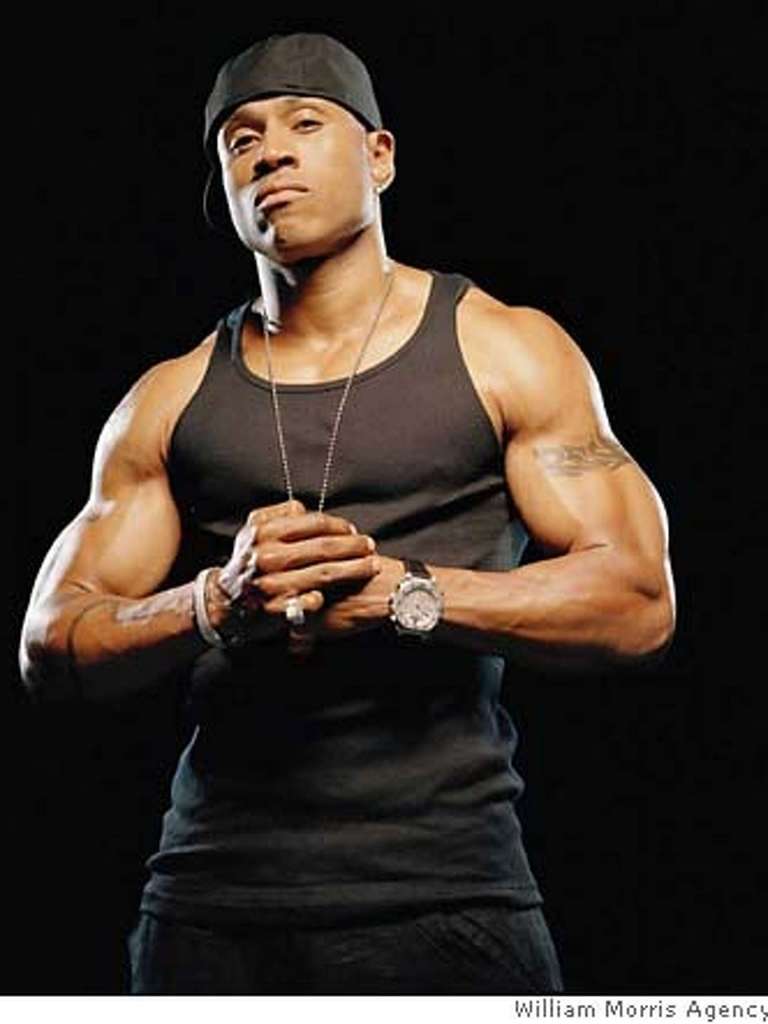
LL Cool J — The Rappin Adonis with Peanut-Butter Skin & Iconic Lips
LL Cool J, born James Todd Smith in 1968 in Bay Shore, New York, stands as one of the most influential figures in hip-hop and a multi-talented force in entertainment. With smooth peanut-butter skin, full sensual lips, and an athletic, sculpted physique, he has long been admired for his charm and striking appearance. His career began as a young teenager when he became one of Def Jam’s earliest and most successful artists. He quickly rose to fame with hits such as “I Can’t Live Without My Radio,” “Rock the Bells,” and the legendary “Mama Said Knock You Out,” earning multiple awards, including two Grammys.
LL Cool J extended his talent into acting, becoming a dynamic force in both film and television. His performances in Deep Blue Sea, In Too Deep, Any Given Sunday, and S.W.A.T. showcased his charisma, and his long-running role as Special Agent Sam Hanna on NCIS: Los Angeles solidified his status as a respected TV star.
In his personal life, LL has been married to Simone I. Smith since 1995, and together they share four children: Najee, Italia, Samaria, and Nina. His family life is known for its stability, closeness, and strong values, and LL has also embraced being a proud grandfather. Through discipline, loyalty, and an unwavering work ethic, he remains a powerful representation of Black masculine excellence.
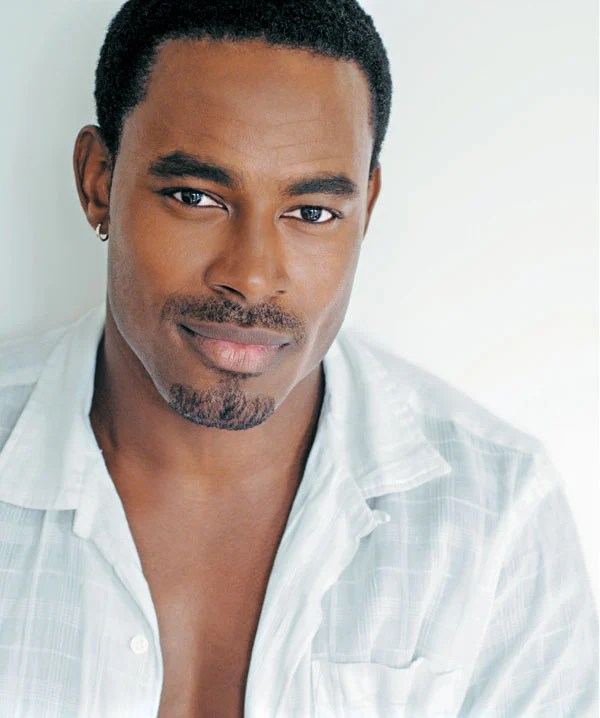
Lamman Rucker — The Adorable Boy-Next-Door
Lamman Rucker, born in 1971 in Pittsburgh, exudes warmth, gentleness, and a naturally disarming charm. With rich brown skin, soft expressive eyes, and a down-to-earth demeanor, he embodies the ideal “boy-next-door” look — approachable, comforting, and undeniably handsome. Before embracing acting full-time, Rucker studied business, education, and information technology, which equipped him with discipline and intellect that complement his artistic gifts.
His early roles in soap operas introduced him to audiences, but he became widely recognized for his roles in Tyler Perry’s Why Did I Get Married? and Why Did I Get Married Too? He later captivated viewers as Jacob Greenleaf in the acclaimed series Greenleaf, where he portrayed complexity, depth, and emotional authenticity. More recently, he joined the cast of The Black Hamptons, continuing to expand his presence in television drama.
Lamman is married to Kelly Davis Rucker and maintains a private and grounded family life. Beyond acting, he is known for his advocacy work within the community. In his youth and early adulthood, he participated in abstinence education, sexual-health advocacy, HIV awareness programs, and youth empowerment initiatives. His values, compassion, and moral grounding enhance his public image as a man of integrity.
Michael Jai White — Dangerously Handsome with Skills & Physique Out of This World
Michael Jai White, born in 1967 in Brooklyn, New York, carries a commanding, warrior-like presence. His chiseled features, intense gaze, powerful build, and disciplined aura contribute to a form of masculine beauty that is sharp, striking, and unforgettable. He is one of the most skilled and accomplished real martial artists in Hollywood, holding multiple black belts across several disciplines, including Shotokan, Kyokushin, Taekwondo, Tang Soo Do, Wushu, and Kobudō.
Beginning martial-arts training at the age of seven, Michael developed a mastery that set him apart from actors who merely perform choreographed fighting. His athleticism and precision translated naturally into an action-film career. He starred in productions such as Spawn, Blood and Bone, Undisputed II, Black Dynamite, and the Never Back Down franchise, where he brought both physical brilliance and emotional depth to the screen.
Away from his demanding screen roles, Michael is a dedicated family man. He is married to Gillian White, who also practices martial arts, creating a partnership grounded in discipline and shared purpose. His life reflects strength, structure, and authenticity, making him one of the most respected and admired Black action stars of his era.
References
“LL Cool J.” Wikipedia.
Parade Magazine. LL Cool J family and children features.
People Magazine. LL Cool J biography and family coverage.
“Lamman Rucker.” Wikipedia.
Interviews and press features on Lamman Rucker’s work in The Black Hamptons.
“Michael Jai White.” Wikipedia.
Martial Arts Entertainment: Michael Jai White martial-arts biography.
USAdojo: Michael Jai White training and black belt documentation.
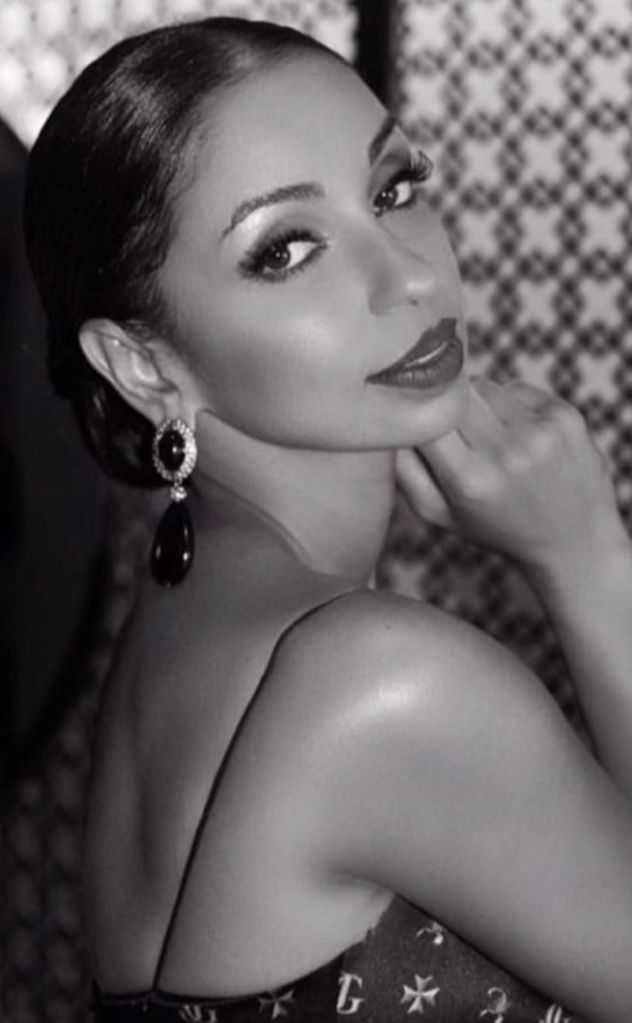
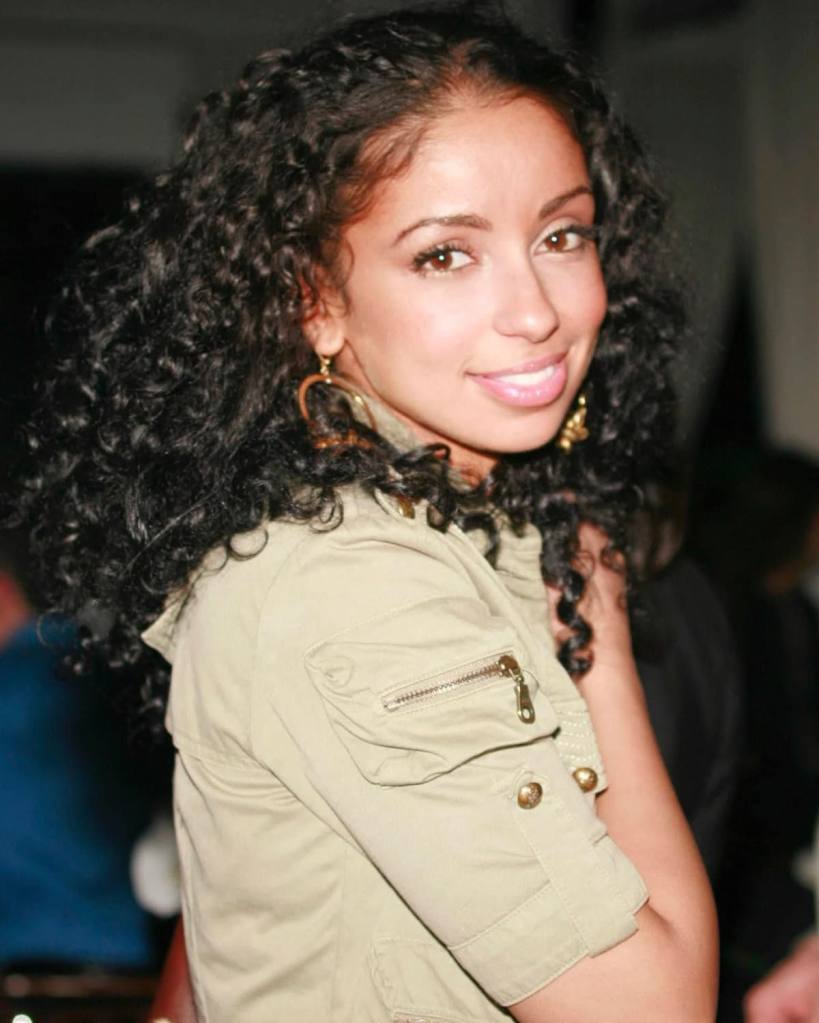
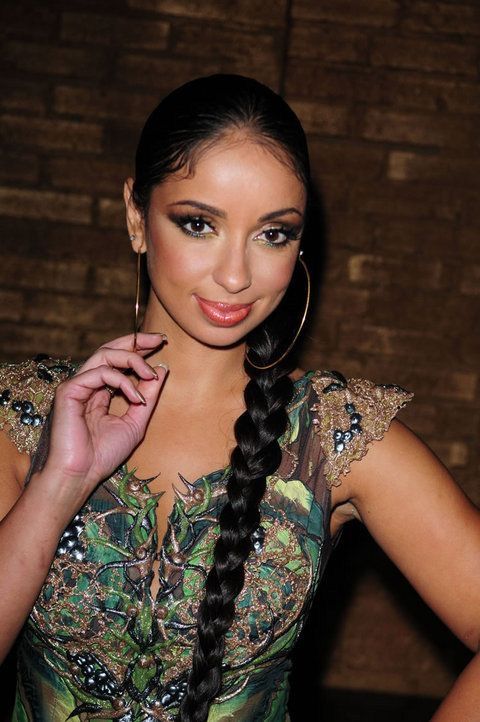
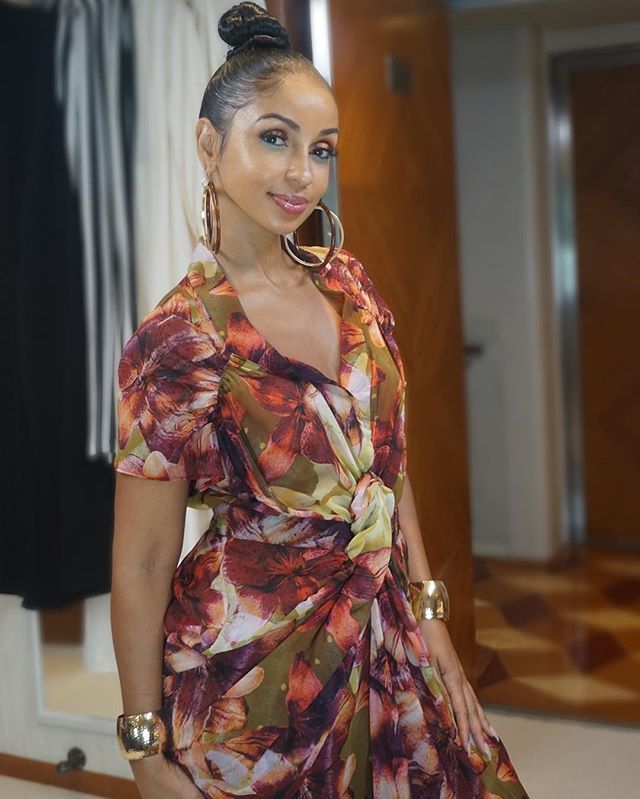
With big doe eyes and a whisper-soft voice that shaped a generation, Mýa is the It Girl of R&B grace, a dancing phenomenon, discipline, and quiet longevity.
This photograph is the property of its respective owner.
Mýa — born Mýa Marie Harrison on October 10, 1979, in Washington, D.C. — emerged in the late 1990s as one of R&B’s most poised and technically refined young stars. Known for her ballet-trained posture, honey-toned vocals, and signature big doe eyes, Mýa carved out a lane that blended elegance with urban rhythm.
She was never the loudest voice in the room — but she was often the most polished.
Early Life & Musical Foundations
Raised in a musically inclined household (her father was a professional musician), Mýa studied ballet, jazz, and tap from a young age. Her formal dance training shaped her stage discipline and visual precision. By her mid-teens, she had secured a recording contract with Interscope Records.
Her self-titled debut album, Mýa, introduced her as a soft-spoken yet rhythmically assertive vocalist. The album featured the hit single “It’s All About Me” and established her as part of the late-90s R&B wave that included Brandy, Aaliyah, and Monica.
Her wide, expressive doe eyes became part of her public signature — conveying vulnerability, flirtation, and innocence simultaneously. In an era of highly stylized pop femininity, Mýa’s look felt both delicate and disciplined.
This photograph is the property of its respective owner.
Breakthrough & Cultural Impact
Mýa’s global breakout came with her collaboration on Lady Marmalade alongside Christina Aguilera, Lil’ Kim, and Pink for the film Moulin Rouge!. The song became a No. 1 Billboard hit and won a Grammy Award for Best Pop Collaboration with Vocals.
This moment cemented Mýa as internationally recognized — not merely an R&B singer, but a crossover performer capable of holding her own among powerhouse vocalists.
Her second album, Fear of Flying, featured the bold and playful single “Case of the Ex,” showcasing a more confident and rhythm-driven persona. The album went platinum, solidifying her commercial viability.
Film & Television Career
Like many It Girls of her era, Mýa expanded into film. She starred in Love & Basketball, a now-classic Black romantic drama, playing Kyra Kersey — the confident, competitive ex-girlfriend. The film has become canon in Black cinema discourse, and her performance added to her “cool girl” mystique.
She later appeared in Chicago as Mona, a role that showcased her dance training and theatrical poise. The film won the Academy Award for Best Picture, adding prestige to her résumé.
In 2009, she competed on Dancing with the Stars, finishing as runner-up and reintroducing herself to a new generation as a technically superior dancer.
Independent Artist & Businesswoman
After navigating major-label challenges, Mýa made a pivotal decision: independence.
In 2008, she launched her own label, Planet 9, becoming one of the first R&B artists of her era to move fully independent. She released multiple projects independently, maintaining creative control and ownership of her masters — a move that earned her quiet respect within the music industry.
Her 2016 album Smoove Jones received a Grammy nomination for Best R&B Album — proof that her artistry remained relevant nearly two decades after her debut.
This independence reframed her It Girl status. She was no longer just a face of a generation — she was a business model for artistic autonomy.
This photograph is the property of its respective owner.
Beauty, Persona & Public Perception
Within the Black community, Mýa is often remembered as:
Soft-spoken but self-assured
Elegant and unproblematic
Classically beautiful with “big doe eyes”
Disciplined and scandal-free
Her beauty is often described as ethereal — large almond-shaped eyes, symmetrical features, warm caramel complexion, and dancer’s posture. Unlike some contemporaries whose branding leaned heavily into overt sexuality, Mýa balanced sensual choreography with controlled mystique.
She is perceived as one of the “good girls” of 90s R&B — talented, poised, and largely free of public controversy. That consistency contributes to her enduring respect.
Marriage, Family & Privacy
In 2020, reports surfaced that Mýa had married in a private ceremony abroad, though she has maintained significant privacy about her personal life. She does not have publicly confirmed children.
Her discretion stands in contrast to the hyper-visibility of modern celebrity culture. She rarely engages in scandal cycles and maintains a carefully curated public image.
Awards & Recognition
Grammy Award (2002) – Best Pop Collaboration with Vocals (“Lady Marmalade”)
Billboard Music Awards recognition
MTV Video Music Award nominations
Soul Train Music Award nominations
Grammy nomination (2017) – Best R&B Album (Smoove Jones)
While she may not dominate headlines daily, her accolades reflect sustained industry respect.
This photograph is the property of its respective owner.
Why She Is an “It Girl”
Mýa is an It Girl because she defined a moment — and then preserved her dignity beyond it.
She represents:
The late-90s R&B golden era
Technical dance excellence
Big doe-eyed softness paired with discipline
Independent female ownership in music
Longevity without chaos
She was never tabloid-driven. She was craft-driven.
In a generation of louder personas, Mýa’s power has always been subtle — the tilt of her head, the control of her choreography, the emotional nuance in her voice.
Her It Girl status rests not on spectacle, but on polish.
And decades later, those big doe eyes still carry the same quiet confidence that first captivated audiences.
References
Billboard. (2001–2024). Chart history: Mýa.
Grammy Awards. (2002; 2017). Grammy winners and nominees database.


 THE BROWN GIRL DILEMMA