The Rapping Peanut-Butter Colored Adonis, one of the pioneers and GOATs of Rap Music,and timeless swagger.
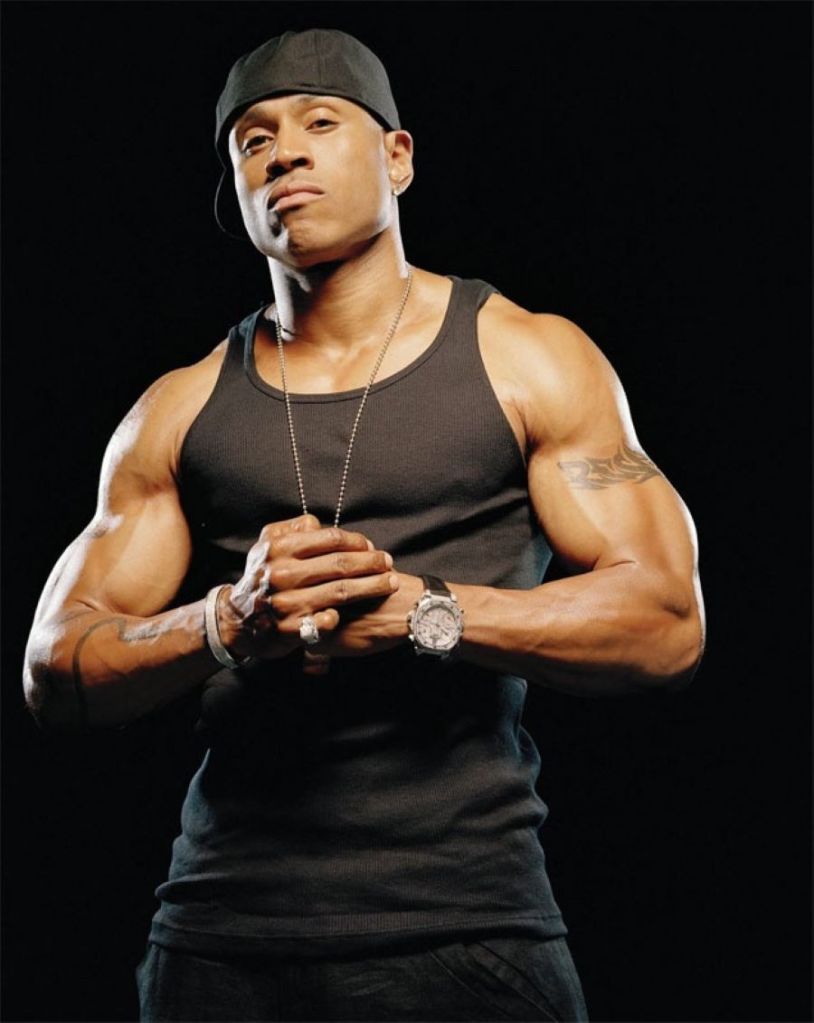
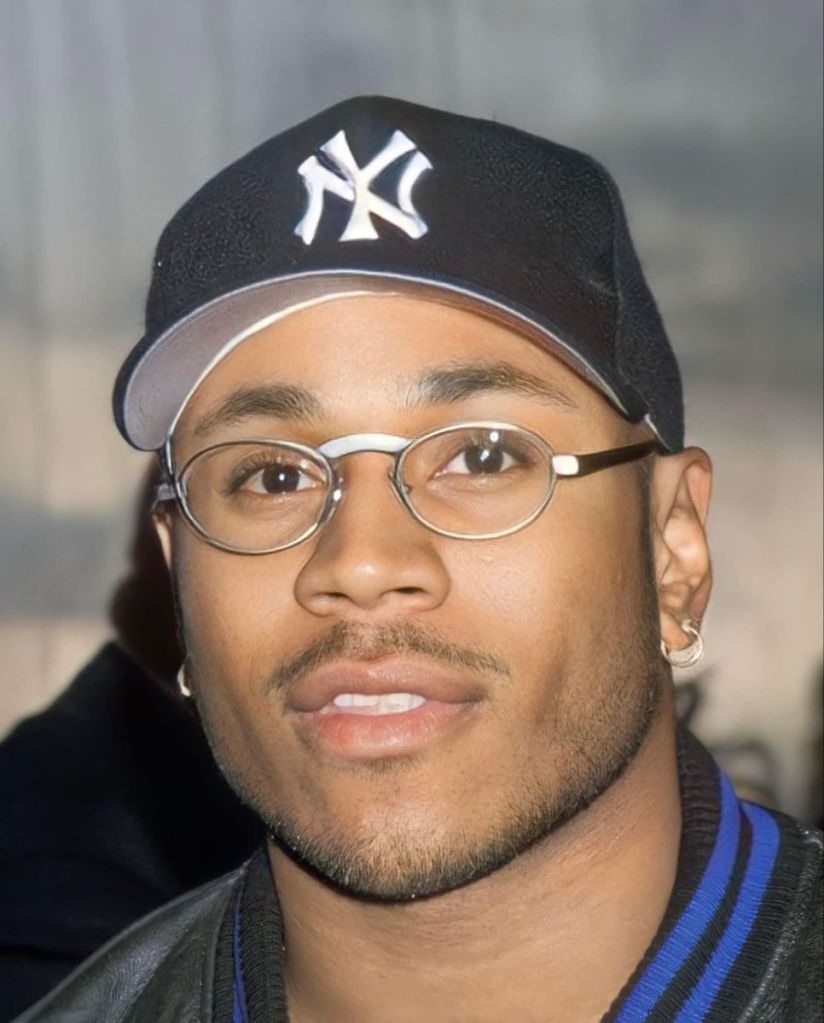
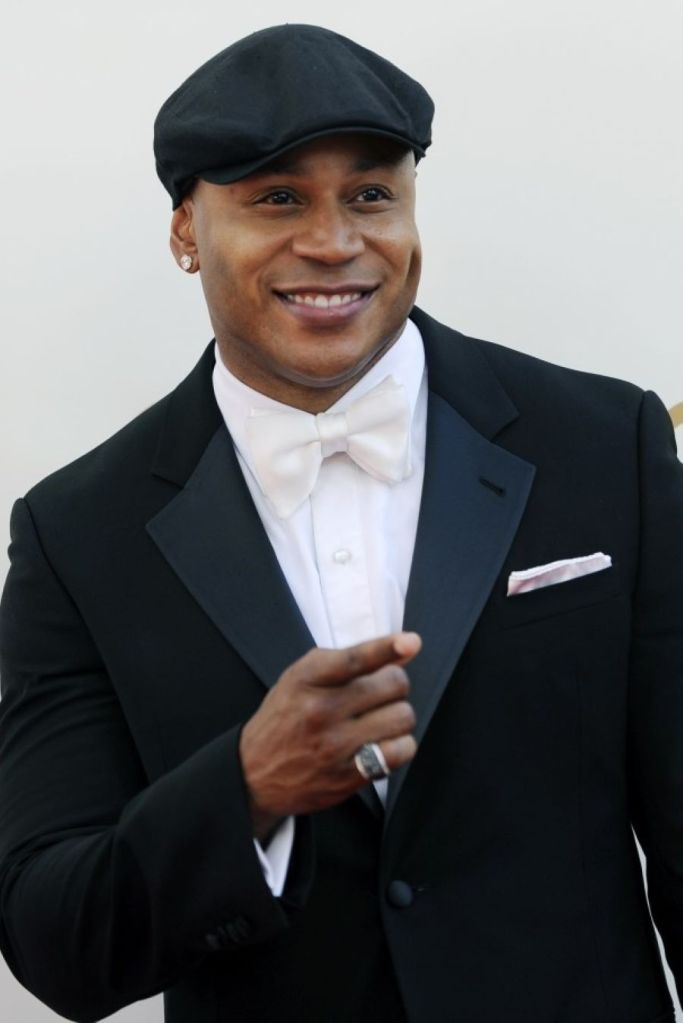
LL Cool J—born James Todd Smith on January 14, 1968, in Queens, New York—emerged from humble beginnings to become one of hip-hop’s most enduring architects. Raised in a working-class household in the Hollis neighborhood, he began writing rhymes at age nine and was recording demos by his early teens. His breakthrough came in 1984 when he signed with the pioneering label Def Jam Recordings, co-founded by Russell Simmons and Rick Rubin. His debut album, Radio (1985), helped solidify the commercial viability of rap music, blending street lyricism with crossover appeal. From the outset, LL Cool J projected confidence, charisma, and lyrical precision—qualities that would earn him the title many fans bestow upon him: one of the GOATs of rap.
Throughout the late 1980s and 1990s, LL Cool J became synonymous with versatility. He balanced hard-edged battle rhymes with romantic ballads like “I Need Love,” proving that vulnerability could coexist with bravado in hip-hop masculinity. Albums such as Bigger and Deffer (1987) and Mama Said Knock You Out (1990) elevated him into rap royalty, with the latter earning a Grammy Award and cementing his comeback narrative. His accolades include multiple Grammy Awards, NAACP Image Awards, and in 2021, induction into the Rock and Roll Hall of Fame—a historic milestone recognizing his foundational role in shaping mainstream hip-hop. His Kennedy Center Honors recognition further affirmed his cultural impact beyond music.
Beyond the microphone, LL Cool J built a formidable acting career. His filmography includes roles in Deep Blue Sea (1999), Any Given Sunday (1999), and S.W.A.T. (2003). On television, he achieved long-running success starring as Sam Hanna in the hit CBS series NCIS: Los Angeles (2009–2023), a role that introduced him to a new generation of viewers and showcased his disciplined, commanding screen presence. His transition from rap pioneer to respected actor demonstrated rare longevity in an industry known for rapid turnover. Few artists have sustained relevance across four decades while maintaining credibility in both music and film.
Physically, LL Cool J has long been celebrated as a striking figure in entertainment—a peanut-butter–hued Adonis with a sculpted physique that redefined hip-hop sex appeal in the late twentieth century. His commitment to fitness, often displayed through sleeveless performances and confident stage presence, challenged stereotypes of rappers and expanded the image of Black male desirability in mainstream media. Yet beneath the aesthetic admiration lies a consistent narrative of discipline and devotion. Married since 1995 to Simone Smith, whom he often describes as his foundation, he is a devoted husband and father to their four children. His story—rooted in Queens grit, maternal encouragement, lyrical hunger, and spiritual grounding—embodies perseverance. LL Cool J is not merely a rapper or actor; he is a cultural institution whose artistry, humility, and longevity continue to shape the architecture of hip-hop and Black masculinity in American popular culture.
LL Cool J belongs in the Masculine Perfection series because he epitomizes the ideal of manhood in both form and presence. With his peanut-butter complexion, sculpted physique, and commanding aura, he embodies physical perfection while exuding confidence, discipline, and charisma. His music redefined Black male aesthetic in hip-hop, blending strength, vulnerability, and emotional intelligence, while his acting career demonstrates gravitas, control, and versatility on screen. Beyond his striking appearance, his humility, devotion to family, and sustained excellence over four decades make him a paragon of refined power, resilience, and timeless appeal—a man whose beauty, talent, and character are “drop-dead fine” and worthy of celebration as the ultimate masculine ideal.
References
LL Cool J. (2023). Biography. Rock & Roll Hall of Fame.
Rock and Roll Hall of Fame. (2021). LL Cool J Inductee Profile.
Dyson, M. E. (2007). Know What I Mean? Reflections on hip-hop. Basic Civitas Books.
Forman, M., & Neal, M. A. (Eds.). (2012). That’s the joint!: The hip-hop studies reader (2nd ed.). Routledge.
Grammy Awards. (n.d.). LL Cool J – Artist Profile. The Recording Academy.
CBS. (2009–2023). NCIS: Los Angeles series archives and cast biography.
Smith, S., & Cool J, L. L. (2022). Public interviews and award acceptance speeches compiled in media archives.
Across the evolving landscape of Western cinema and fashion, certain women have emerged not merely as stars, but as aesthetic archetypes—faces that defined decades, influenced global standards, and embodied what their eras called “perfection.” From the violet-eyed mystique of Elizabeth Taylor to the sculpted intensity of Angelina Jolie, the swan-like refinement of Audrey Hepburn, and the porcelain prominence of Brooke Shields—hailed as the face of the 1980s—these women collectively represent a lineage of luminous white femininity that Hollywood elevated into myth. Their beauty was not incidental to their fame; it was central to their branding, their marketability, and their enduring mystique.
Elizabeth Taylor
Violet Eyes, Diamond Fire, and a Beauty That Ruled an Era
This photograph is the property of its respective owner. No copyright infringement intended.
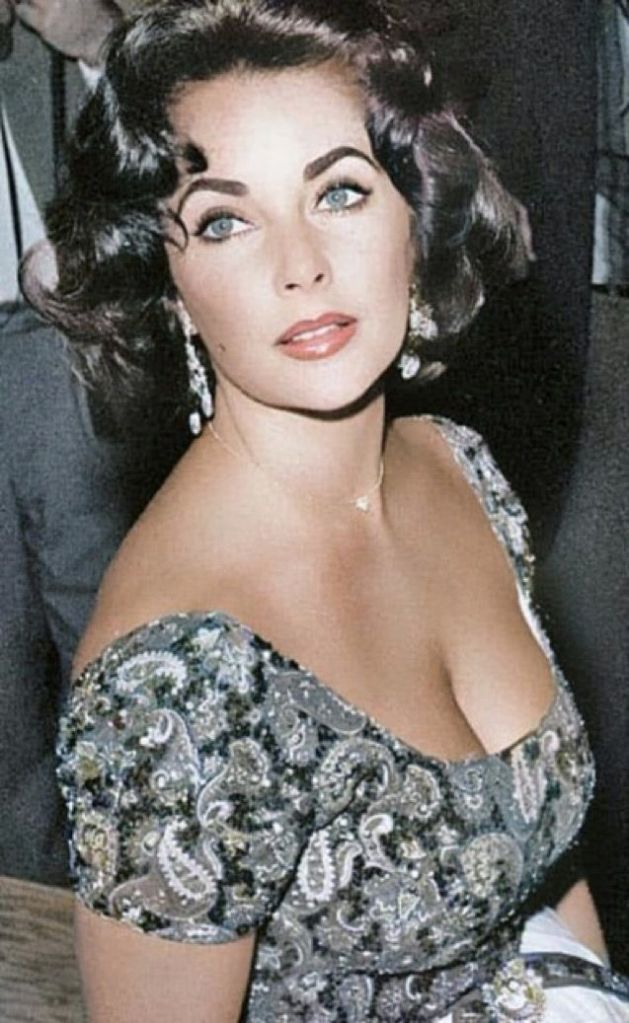
Elizabeth Taylor was born on February 27, 1932, in London, England, to American parents, and rose to prominence as one of the most luminous screen icons of Hollywood’s Golden Age. From her earliest performances in films such as National Velvet (1944), she possessed a rare magnetism—an arresting combination of innocence and intensity that matured into one of cinema’s most legendary presences. Taylor’s beauty became the subject of global fascination, particularly her naturally dark hair, porcelain complexion, and famously rare violet-blue eyes, often enhanced by a double row of eyelashes caused by a genetic mutation (distichiasis). Studios framed her as the embodiment of aristocratic glamour, yet her screen performances—especially in Cat on a Hot Tin Roof (1958) and Butterfield 8 (1960)—proved she was not merely ornamental, but an actress of formidable emotional power.
Taylor’s artistry earned her two Academy Awards for Best Actress, first for Butterfield 8 (1960) and later for Who’s Afraid of Virginia Woolf? (1966), a performance widely regarded as one of the greatest in American cinema. In that latter role, she deliberately shed the polished veneer of conventional beauty, gaining weight and embracing harsh realism to portray Martha, a volatile and wounded wife, demonstrating that her greatness transcended physical appearance. Her peers often remarked that the camera did not simply capture her; it adored her. Director George Stevens once noted that Taylor possessed a face “made for the close-up.” At the same time, media coverage of the mid-twentieth century routinely described her as “the most beautiful woman in the world,” a superlative repeated in magazines across Europe and America.
Beyond the screen, Taylor’s life was inseparable from spectacle. Her eight marriages—including two to actor Richard Burton—fed public fascination, framing her as a romantic heroine whose passions were as brilliant as her jewels. Indeed, her love of extraordinary gemstones became legendary; pieces such as the Taylor-Burton Diamond and the La Peregrina Pearl were not merely accessories but symbols of opulence and self-possession. Yet her identity as an “Ivory Doll” transcends adornment. She represented a Eurocentric ideal of mid-century glamour—radiant skin, symmetrical features, regal bearing—yet she infused that ideal with depth, vulnerability, and unapologetic sensuality. In an era that often reduced women to aesthetic objects, Taylor wielded beauty as power.
Elizabeth Taylor was considered extraordinary not only because she conformed to classical Western standards of loveliness, but because she animated them with intensity, resilience, and emotional authenticity. Her beauty was described as almost mythic—“too much and yet perfect,” wrote contemporary critics—suggesting that she seemed sculpted rather than born. Even as fashions changed, her image endured as a benchmark of cinematic glamour. To call her an Ivory Doll is to acknowledge how she embodied and defined a particular archetype of luminous white femininity in Hollywood’s imagination—untouchable, jeweled, and unforgettable—yet unmistakably human beneath the brilliance.
Angelina Jolie
Sculpted Beauty, Untamed Spirit, and a Face That Redefined Modern Glamour
This photograph is the property of its respective owner. No copyright infringement intended.
Angelina Jolie was born on June 4, 1975, in Los Angeles, California, the daughter of Academy Award–winning actor Jon Voight and actress Marcheline Bertrand. Emerging in the 1990s with an unconventional intensity, Jolie quickly distinguished herself from traditional Hollywood ingénues. Her breakthrough role in Girl, Interrupted (1999) earned her an Academy Award for Best Supporting Actress, solidifying her reputation as a performer capable of raw psychological depth. Yet it was her portrayal of Lara Croft in Lara Croft: Tomb Raider (2001) that crystallized her global image: bold, statuesque, and unmistakably striking. Her full lips, high cheekbones, luminous pale complexion, and piercing gaze were hailed by media outlets as embodying a contemporary evolution of classical beauty—sensual yet severe, delicate yet formidable.
Jolie’s beauty has often been described as sculptural and otherworldly, evoking Renaissance portraiture infused with modern edge. Critics and fashion editors repeatedly referred to her as one of the most beautiful women in the world, with magazines such as People and Vanity Fair placing her atop annual beauty rankings. Unlike the soft glamour of Old Hollywood, Jolie’s aesthetic projected intensity—an almost feline poise that seemed to challenge the camera rather than merely invite it. Director Clint Eastwood once remarked on her emotional authenticity before the lens, while collaborators noted her ability to command attention in stillness. Her presence in films such as Mr. & Mrs. Smith (2005) and Maleficent (2014) reinforced her image as a woman whose beauty carried an undercurrent of danger and sovereignty.
Her personal life amplified public fascination. High-profile marriages to actors Billy Bob Thornton and Brad Pitt, along with her role as a mother to six children from diverse cultural backgrounds, positioned her at the intersection of glamour and global humanitarianism. Jolie’s extensive advocacy work with the United Nations High Commissioner for Refugees (UNHCR) reframed her public identity beyond aesthetics, aligning beauty with conscience and moral engagement. In 2013, her public disclosure of a preventive double mastectomy due to a BRCA1 gene mutation further reshaped cultural conversations about women’s health, courage, and bodily autonomy—revealing vulnerability beneath the polished exterior.
Angelina Jolie is considered an Ivory Doll not simply because she reflects Western standards of physical allure, but because she embodies a modern archetype of pale, high-fashion elegance fused with intellectual gravity and emotional complexity. Her features—often described as symmetrical to near mathematical precision—became templates in cosmetic and fashion industries, influencing trends in lip augmentation and facial contouring. Yet what renders her extraordinary is the paradox she carries: ethereal beauty combined with visible scars of experience, cinematic grandeur intertwined with humanitarian conviction. She stands as a figure through whom contemporary culture reimagined white femininity—not fragile porcelain, but carved marble—resilient, luminous, and enduring.
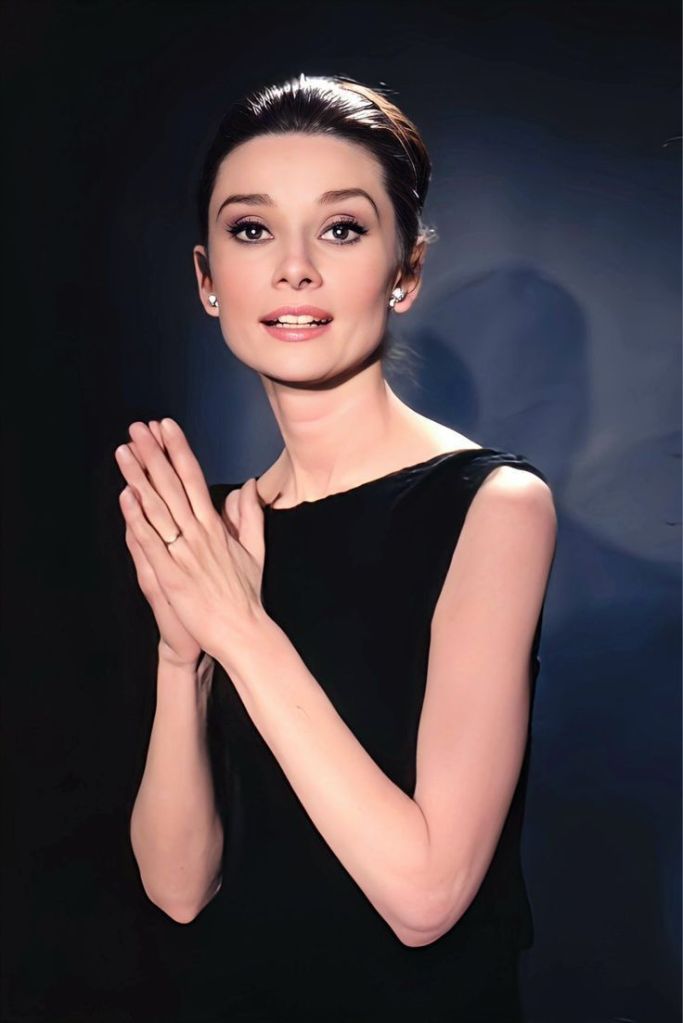
Audrey Hepburn
Swan-Necked Elegance, Timeless Grace, and the Poetry of Simplicity
This photograph is the property of its respective owner. No copyright infringement intended.
Audrey Hepburn was born on May 4, 1929, in Ixelles, Belgium, and rose to international prominence as one of the most refined and enduring icons of twentieth-century cinema. Emerging from the shadows of World War II Europe, where she endured hardship during the Nazi occupation of the Netherlands, Hepburn brought to Hollywood not only delicacy of frame but resilience of spirit. Her breakthrough performance in Roman Holiday (1953) opposite Gregory Peck earned her the Academy Award for Best Actress, instantly positioning her as a new archetype of feminine beauty—slender, luminous, and disarmingly natural. In an era dominated by voluptuous glamour, Hepburn’s big doe eyes, arched brows, and swan-like neck introduced a minimalist elegance that redefined aesthetic standards.
Her collaboration with designer Hubert de Givenchy further immortalized her image, particularly in Breakfast at Tiffany’s (1961), where the black Givenchy dress became a symbol of chic restraint and cosmopolitan poise. Hepburn’s beauty was frequently described as “elfin” and “ethereal,” marked not by excess but by proportion and grace. Critics emphasized her expressive eyes and gamine silhouette, suggesting that her allure emanated from movement and manner as much as physical symmetry. Unlike the sultry magnetism of contemporaries, Hepburn’s presence conveyed innocence blended with intelligence—a quiet radiance that seemed to glow from within rather than demand attention.
Hepburn’s accolades extended beyond her Academy Award to include multiple BAFTA Awards, a Tony Award, and a posthumous Presidential Medal of Freedom for her humanitarian work. Later in life, she served as a Goodwill Ambassador for UNICEF, drawing upon her childhood experiences of hunger to advocate for vulnerable children worldwide. Public admiration for her beauty thus became inseparable from admiration for her compassion. Writer Dominick Dunne once observed that Hepburn possessed “a face that mirrored kindness,” reinforcing the perception that her loveliness was inseparable from moral refinement. In cultural memory, she remains less a figure of spectacle and more an embodiment of cultivated grace.
Audrey Hepburn is considered an Ivory Doll not merely because she reflected mid-century European ideals of pale, delicate femininity, but because she refined them into something enduring and aspirational. Her extraordinary quality lay in paradox: fragility paired with fortitude, simplicity elevated to haute couture, and understatement transformed into legend. She did not overwhelm the gaze; she invited it gently. In doing so, she expanded Hollywood’s conception of beauty—proving that elegance need not shout to be unforgettable, and that true radiance is as much character as countenance.
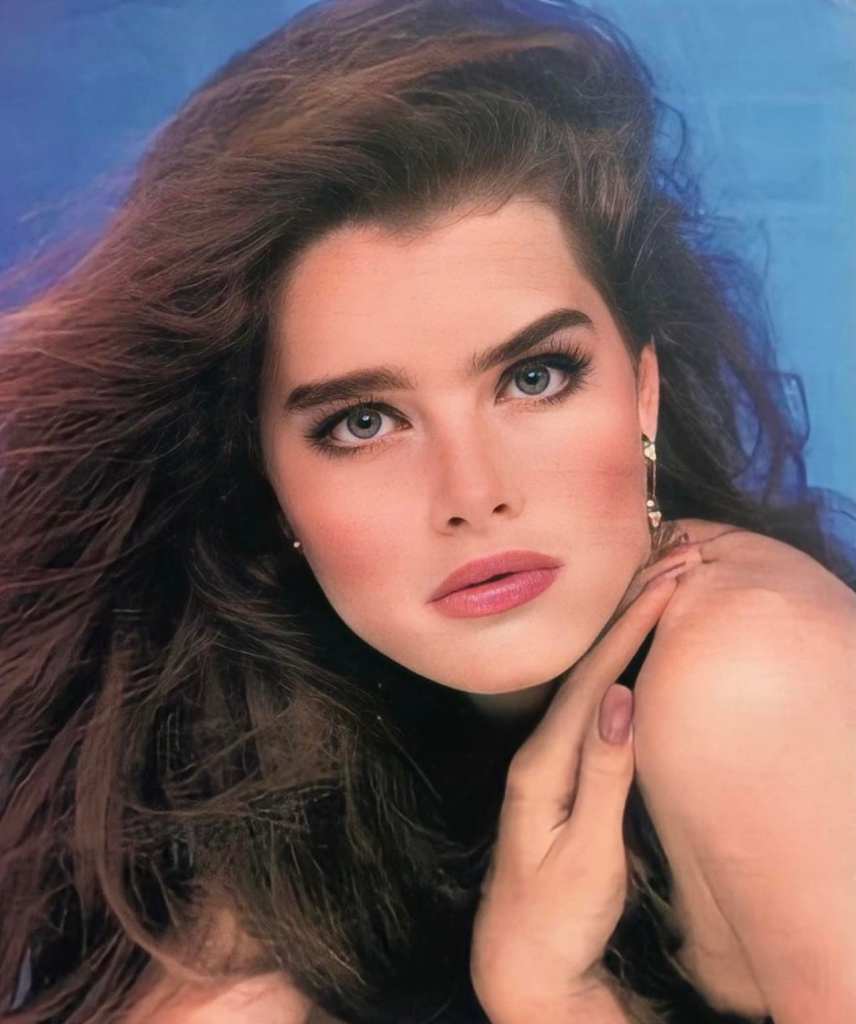
Brooke Shields
The Face of the ’80s—Porcelain Beauty, Power Brows, and Cultural Provocation
This photograph is the property of its respective owner. No copyright infringement intended.
Brooke Shields was born on May 31, 1965, in New York City, and emerged as one of the most recognizable faces of late twentieth-century popular culture. A child model before she was a teenager, Shields entered the public imagination with striking force—tall, poised, and possessed of luminous fair skin framed by famously bold eyebrows that would become her signature. Her early film roles, particularly in Pretty Baby (1978) and The Blue Lagoon (1980), ignited both acclaim and controversy, placing her at the intersection of innocence and sensuality. By the early 1980s, she was widely heralded as “the face of the ’80s,” a supermodel-actress whose image saturated fashion campaigns, magazine covers, and television screens with unprecedented ubiquity.
Her Calvin Klein jeans advertisements—most notably the provocative line, “You want to know what comes between me and my Calvins? Nothing”—became emblematic of the era’s bold commercial aesthetic and cemented her status as a cultural phenomenon. Photographers and designers praised her classical proportions, alabaster complexion, and expressive eyes, often comparing her to Renaissance portraiture infused with modern attitude. Shields’ beauty was described as both wholesome and daring, a duality that allowed her to navigate film, fashion, and Broadway with equal visibility. Unlike fleeting trends, her look defined a decade’s visual language, influencing everything from eyebrow styles to the merging of high fashion with youth culture.
Shields’ career extended beyond modeling into acting and academia; she later graduated from Princeton University, challenging stereotypes that beauty and intellect were mutually exclusive. Public commentary on her appearance frequently emphasized symmetry and camera magnetism—qualities that made her a favorite of photographers such as Richard Avedon and Francesco Scavullo. At the height of her fame, media outlets routinely listed her among the world’s most beautiful women, framing her as an icon of American glamour during a period of cultural excess and stylistic experimentation. Even as public scrutiny surrounded aspects of her early career, Shields’ composure and longevity demonstrated resilience beneath the porcelain exterior.
Brooke Shields is considered an Ivory Doll not simply because she embodied Eurocentric ideals of fair-skinned, classical femininity, but because she became the definitive aesthetic emblem of a transformative decade. Her extraordinary quality lay in her ability to project vulnerability and confidence simultaneously—soft features underscored by an unwavering gaze. As the face of the ’80s, she symbolized youth, luxury, and media saturation in equal measure. In cultural memory, her image remains suspended in time: luminous, sculpted, and unmistakably emblematic of an era when beauty became both brand and battleground.
Yet beauty, in their cases, functioned as more than symmetry and complexion. It became narrative. Taylor’s opulence shimmered with diamonds and drama; Hepburn’s elegance whispered restraint and cultivated grace; Shields’ youthful glamour fused innocence with provocation; Jolie’s angular features suggested power and modern autonomy. Each woman reflected the aesthetic and psychological needs of her generation. Their faces appeared on magazine covers, film posters, couture campaigns, and philanthropic platforms, shaping global conversations about desirability, womanhood, and aspiration. They were described in superlatives—“the most beautiful woman in the world,” “timeless,” “otherworldly,” “iconic”—phrases that reveal how deeply society invests meaning in physical form.
To call them “Ivory Dolls” is not merely to reference complexion, but to identify a particular cultural positioning: elevated, polished, displayed, and often idealized as delicate yet untouchable. The term gestures toward how Western media historically framed pale femininity as the aesthetic benchmark—porcelain skin illuminated under studio lights, features sculpted into classical proportion, bodies adorned in couture and jewels. In this framing, beauty becomes both privilege and burden: a pedestal that amplifies admiration while intensifying scrutiny. These women were celebrated, commodified, protected, and critiqued—sometimes all at once.
Together, they form a gallery of cinematic and cultural memory—figures whose appearances shaped industries and influenced generations of women’s self-perception. Their extraordinary quality was not solely a matter of genetic fortune, but of the interplay among image, performance, media narrative, and public imagination. In studying their beauty, one is not merely studying faces; one is examining how power, race, glamour, commerce, and femininity converge in the construction of iconography. The Ivory Dolls, then, are more than beautiful women—they are mirrors reflecting what their societies chose to exalt, preserve, and remember.
While Elizabeth Taylor, Angelina Jolie, Audrey Hepburn, and Brooke Shields did not always frame their public identities around race-specific discourse, their documented actions—ranging from civil rights support to global humanitarian advocacy and cross-cultural engagement—reflect patterns of inclusion and compassion rather than hostility toward Black people.
References
Brown, S. (2022). Elizabeth Taylor: The grit and glamour of an icon. Lyons Press.
Parish, J. R. (2011). Elizabeth Taylor: Hollywood’s last star. Wiley.
Spoto, D. (1995). A passion for life: The biography of Elizabeth Taylor. HarperCollins.
Turan, K. (2011, March 23). Elizabeth Taylor dies at 79; legendary actress won 2 Oscars. Los Angeles Times.
Biskind, P. (2010). Star: How Warren Beatty seduced America. Simon & Schuster.
Jolie, A. (2013, May 14). My medical choice. The New York Times.
Parish, J. R. (2017). Hollywood beauties: The evolution of screen glamour. McFarland.
UNHCR. (2022). Angelina Jolie’s humanitarian advocacy and global impact. United Nations High Commissioner for Refugees.
Dunne, D. (2004). Too much money. Crown Publishers.
Hepburn, S. (2015). Audrey Hepburn: An elegant spirit. Atria Books.
Spoto, D. (2006). Enchantment: The life of Audrey Hepburn. Harmony Books.
United Nations Children’s Fund (UNICEF). (1993). Audrey Hepburn’s humanitarian legacy. United Nations.
Shields, B. (2014). There was a little girl: The real story of my mother and me. Dutton.
Shields, B. (2021). Brooke Shields is not allowed to get old: Thoughts on aging as a woman. Flatiron Books.
Trebay, G. (2021, November 8). Brooke Shields on aging, beauty and survival. The New York Times.
Vogue Archive. (1980–1985). Brooke Shields cover features and fashion editorials. Condé Nast.
This photograph is the property of its owner. No copyright infringement intended.
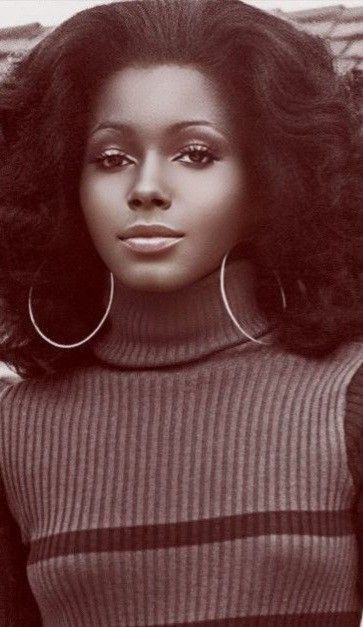
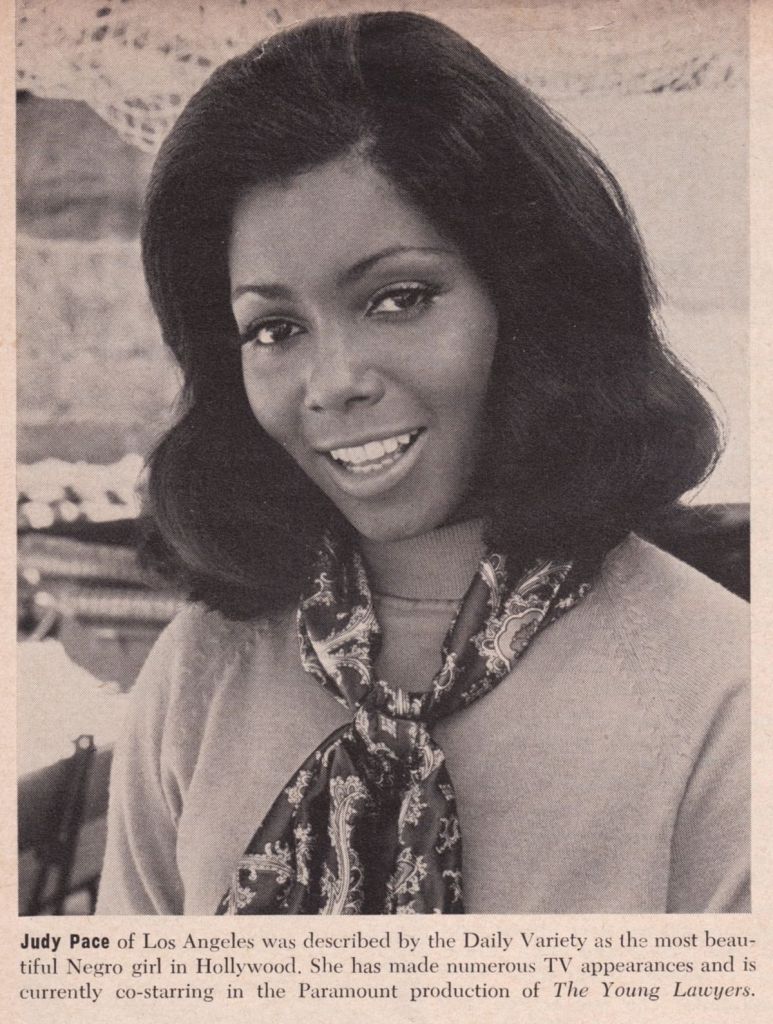
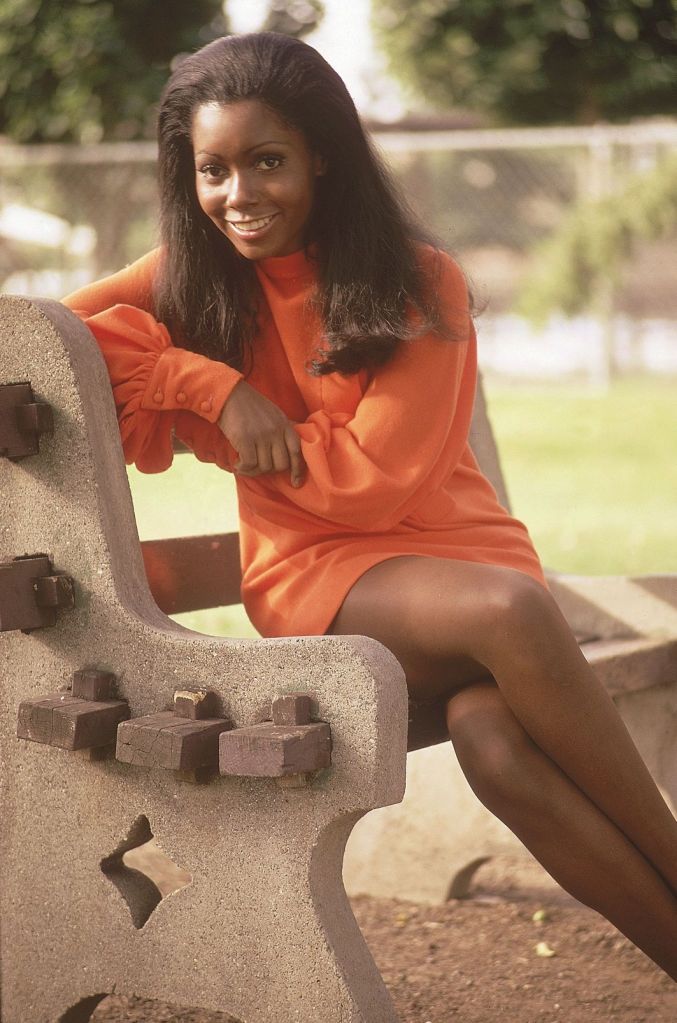
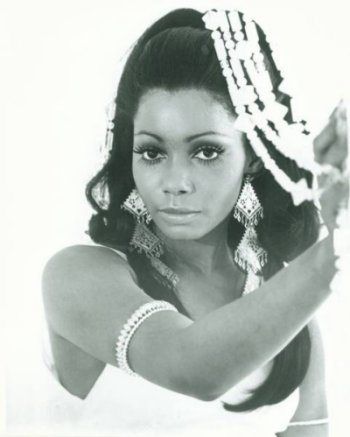
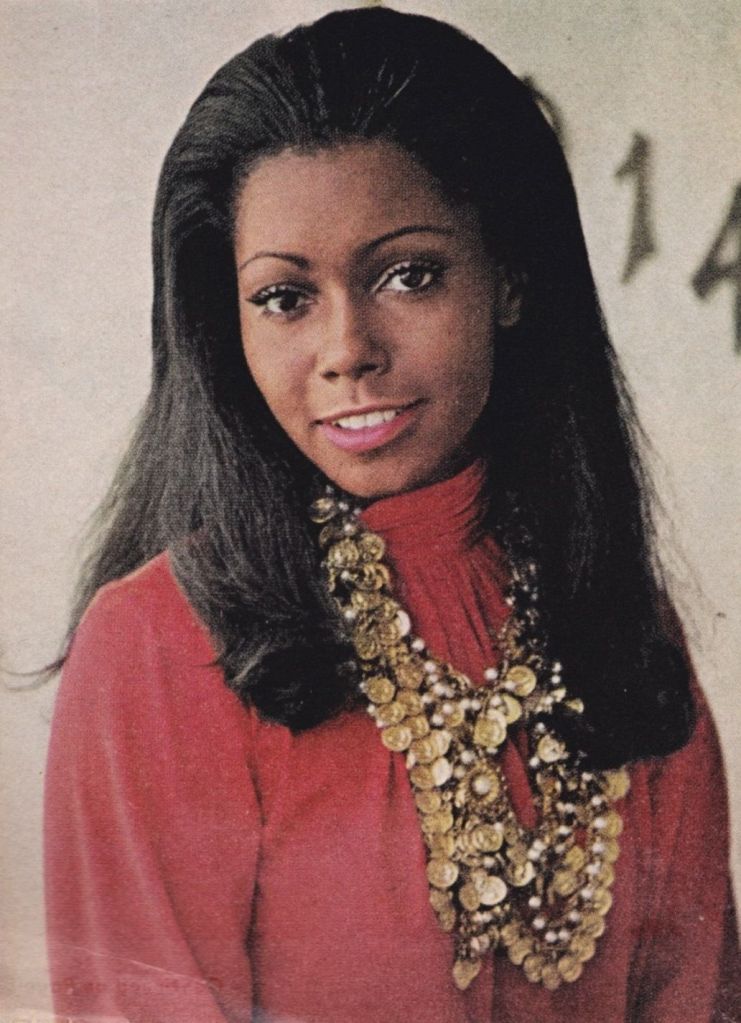
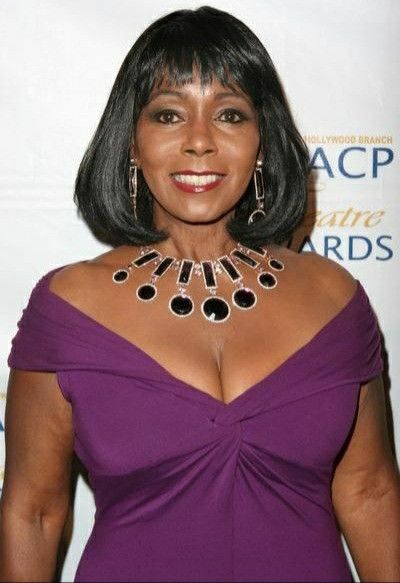
Judy Pace is an American actress and model whose beauty, talent, and groundbreaking presence helped reshape Hollywood’s portrayal of Black women during the 1960s and 1970s. Born Judy Lenteen Pace on June 15, 1942, in Los Angeles, California, she emerged at a time when opportunities for dark-skinned Black actresses were limited, yet she transcended barriers with elegance and strength. She was not simply a performer; she became a symbol of refined Black beauty during an era of cultural transformation.
Raised in Los Angeles, Pace grew up in a creative and supportive household. Her father worked as an airplane mechanic and her mother was a dressmaker. She attended Los Angeles City College, where she studied sociology before transitioning into modeling. Her entry into the entertainment industry came through fashion, and she quickly distinguished herself as the youngest model to participate in the prestigious Ebony Fashion Fair. That platform placed her before national audiences and positioned her as a rising figure in Black fashion and media.
This photograph/article is the property of its respective owner.
Her modeling success opened the door to film. She made her screen debut in 1963 in 13 Frightened Girls, marking the beginning of a steady acting career. However, her true breakthrough came in 1968 when she joined the cast of the television drama Peyton Place, becoming the first Black female villainess in American prime-time television history. This role was culturally significant; it disrupted the narrow stereotypes assigned to Black women and introduced complexity and intrigue to their representation onscreen.
This photograph is the property of its owner. No copyright infringement intended.
Pace continued her television success with a starring role in The Young Lawyers from 1969 to 1971. Her performance earned her the NAACP Image Award for Outstanding Actress in a Drama Series in 1970, affirming both her talent and her cultural impact. Throughout the 1970s, she appeared in numerous popular television shows, including Batman, Bewitched, I Dream of Jeannie, Sanford and Son, and Good Times. Her film credits include Three in the Attic and Cotton Comes to Harlem, further solidifying her versatility across genres.
This photograph is the property of its respective owner.
Beyond her acting, Judy Pace was widely celebrated for her striking appearance. Her dark chocolate complexion, luminous skin, and expressive eyes captivated photographers and audiences alike. During a period when colorism often privileged lighter complexions, she stood unapologetically as a dark-skinned beauty icon. Industry publications described her as one of the most beautiful women to appear on screen. She was affectionately referred to as “The Black Barbie” and “The Black Babydoll,” titles that reflected both admiration and her doll-like elegance.
Her beauty, however, was never detached from intellect or poise. Pace represented a refined femininity that balanced strength with softness. She carried herself with composure and confidence, embodying the spirit of the “Black is Beautiful” movement that was redefining aesthetic standards in America. In this sense, she became more than a glamorous figure; she became a cultural affirmation.
This photograph is the property of its owner. No copyright infringement intended.
In her personal life, she married actor Don Mitchell in 1972. The couple had two daughters, including actress Julia Pace Mitchell. After their divorce in 1984, Pace later married baseball legend Curt Flood in 1986. Flood was a pivotal figure in Major League Baseball’s fight for free agency, and their union linked two pioneering spirits—one in sports justice and the other in entertainment representation. They remained married until Flood’s passing in 1997.
Judy Pace’s lineage reflects African American heritage rooted in Los Angeles, and her life represents the postwar generation of Black Americans who navigated integration, civil rights transformation, and evolving media landscapes. Her career unfolded during a critical historical moment when Black visibility in Hollywood was expanding but still constrained. She stepped into that space with confidence and sophistication.
Why is she a great “Ebony Doll”? Because she embodied grace under pressure. She broke barriers without loud proclamations, simply by being excellent. She proved that dark-skinned Black women could be leading ladies, complex characters, and national beauty icons. She expanded what America saw when it looked at Black womanhood.
This photograph is the property of its respective owner.
Judy Pace is elegant. She is a representation. She is cinematic history. She is the quiet revolution of beauty and talent walking through Hollywood’s doors when they were only slightly open.
References
BlackPast.org. (n.d.). Judy Lenteen Pace (1942– ). IMDb. (n.d.). Judy Pace – Biography. NAACP Image Awards archives. (1970). Outstanding Actress in a Drama Series. Wikipedia contributors. (n.d.). Judy Pace. Wikipedia contributors. (n.d.). Julia Pace Mitchell. Wikipedia contributors. (n.d.). Curt Flood.
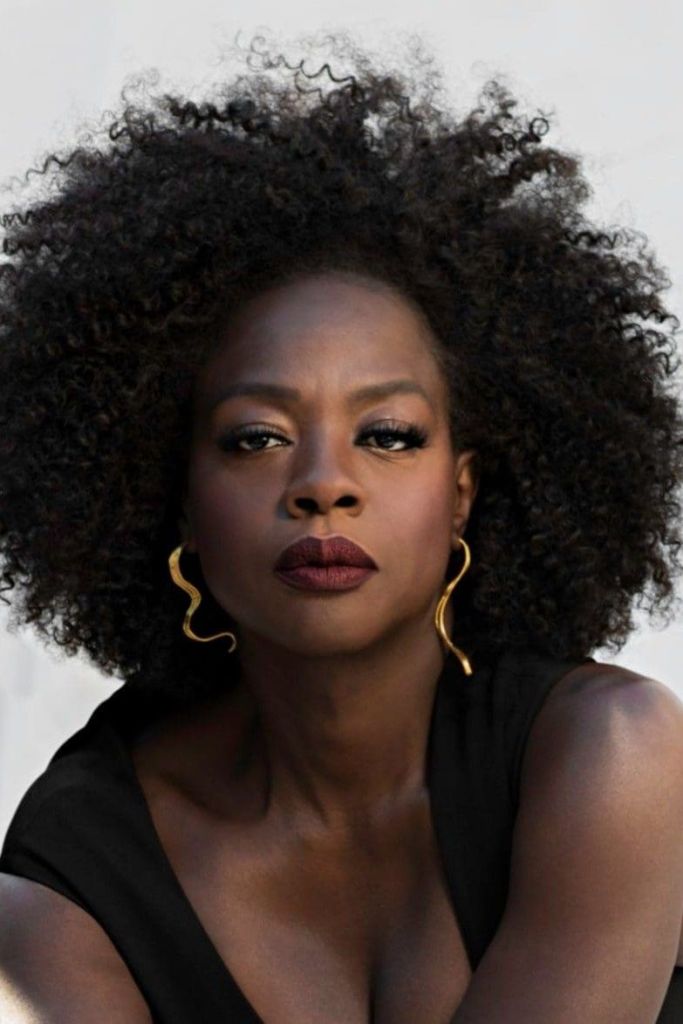
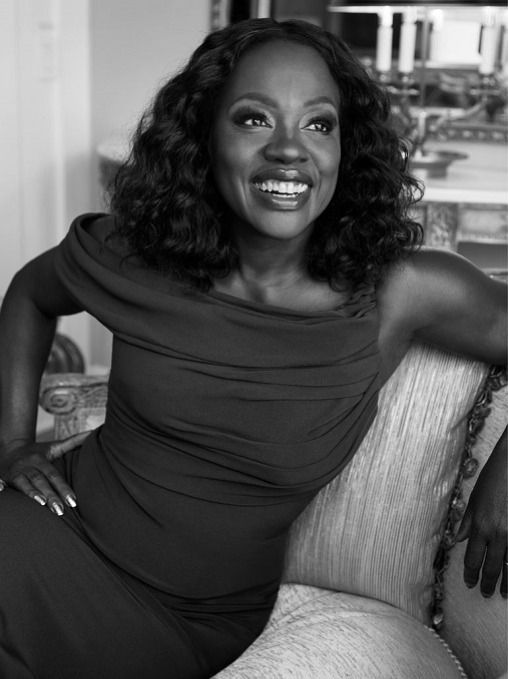
In Hollywood and beyond, few women shine as brightly and powerfully as Viola Davis. This extraordinary actress not only captivates audiences with their unparalleled talent, but they also embody the richness and beauty of Black womanhood—her deep, radiant “chocolate” skintone celebrated as a symbol of elegance, strength, and resilience. From commanding the stage to dominating the silver screen, she has carved a path defined by hard work, brilliance, and groundbreaking accomplishments. Viola Davis, often hailed as the “Black Meryl Streep,” has achieved the rare EGOT status in Hollywood.
This photograph is the property of its respective owners. No copyright infringement intended.
From poverty in Rhode Island to Hollywood’s highest honors, Viola Davis is a transformative talent whose piercing presence, emotional depth, and unparalleled achievements have made her one of the most acclaimed actors of her generation.
Viola Davis was born on August 11, 1965, in Saint Matthews, South Carolina, and raised in Central Falls, Rhode Island, where her family lived in poverty. Growing up, she often felt unseen by society but nurtured a powerful imaginative spirit and a dream of acting as both escape and purpose. Her early life shaped her relentless work ethic, emotional honesty, and drive to portray complex, truthful stories about Black women and human experience.
Davis’s formal training began with a scholarship to the prestigious Juilliard School, where she honed her craft and prepared for a career that would break barriers in theater, film, and television. Her Broadway debut in August Wilson’s Seven Guitars earned critical praise and her first Tony nomination, setting the stage for a career defined by depth, gravitas, and transformative performances.
Viola Davis’s screen career spans gripping dramas, powerful historical adaptations, and commercial successes. Early attention came from roles in films such as Doubt (2008), earning her first Academy Award nomination, and The Help (2011), for which she received another Oscar nomination. Her range expanded into thrillers (Prisoners), biopics (Get On Up), and blockbusters (Suicide Squad), all while continuing to bring unparalleled intensity and truth to her characters.
This photograph is the property of its respective owner.
Her iconic television role as Annalise Keating in How to Get Away with Murder (2014–2020) marked a historic milestone: she became the first Black actress to win the Primetime Emmy Award for Outstanding Lead Actress in a Drama Series. That performance, fierce and emotionally layered, influenced a generation of actresses and redefined representation on primetime TV.
In film, Davis reached new heights with Fences (2016), directed by and starring Denzel Washington, earning her the Academy Award for Best Supporting Actress—a performance widely regarded as one of the most courageous and textured portrayals of a struggling Black woman in cinema. In Ma Rainey’s Black Bottom (2020), she delivered another powerful performance as the blues legend Bessie Smith, further cementing her range and emotional depth.
Viola Davis’s list of honors is historic and unparalleled. She has won the four major American entertainment awards—Emmy, Grammy, Oscar, and Tony—earning her EGOT status, one of the rarest distinctions in the industry. In 2023, her Grammy win for the audiobook narration of her memoir Finding Me completed the quartet, making her only the 18th person in history and the third Black woman ever to achieve EGOT. In addition, she has received multiple Screen Actors Guild Awards, Golden Globe, BAFTA, and Critics’ Choice Awards, as well as the Cecil B. DeMille Award (Golden Globe lifetime achievement) in 2025.
Davis is frequently described as one of the most powerful actors of her generation—often likened to a “Black Meryl Streep” for her emotional precision, versatility, and ability to disappear into roles while still projecting fierce authenticity. Her performances are marked by piercing, expressive eyes and a remarkable capacity to reveal inner turmoil, strength, and vulnerability through minimal gesture, a quality that elevates every character she embodies. Critics, peers, and audiences alike note her uncanny ability to deliver performances that are both profoundly human and culturally transformative.
This photograph is the property of its respective owner.
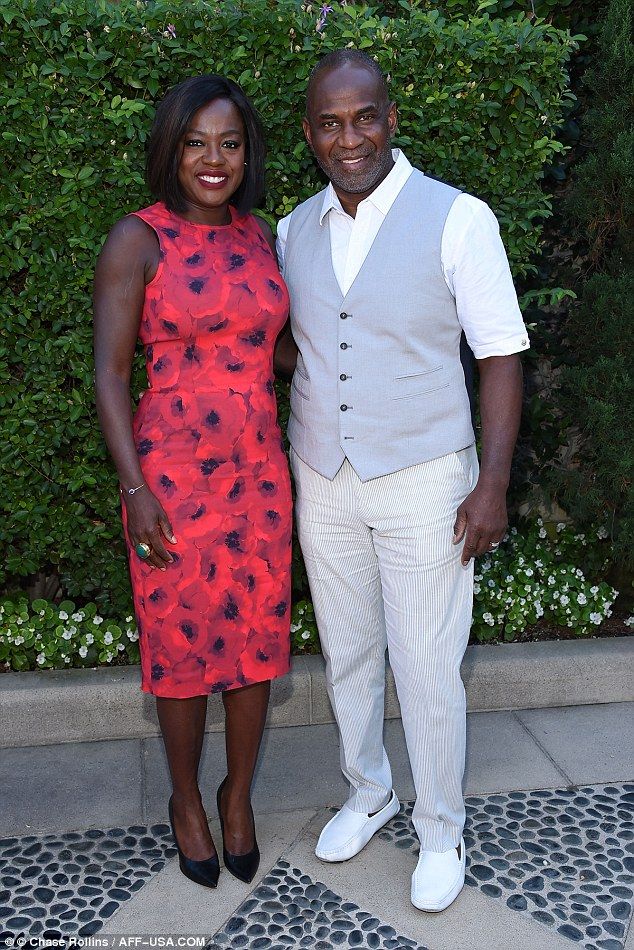
In her personal life, Viola Davis married producer Julius Tennon in 2003, and together they co‑founded JuVee Productions, a company dedicated to elevating underrepresented voices and stories in film, television, and theater. She balances her professional success with family life and philanthropy, using her platform to advocate for equity, representation, and opportunities for diverse artists.
Beyond awards and accolades, Davis’s influence extends into cultural discourse about race, representation, beauty standards, and women’s stories in entertainment. Her ascendancy—from humble beginnings to EGOT winner and global icon—serves as a testament to perseverance, intelligence, and artistic integrity.
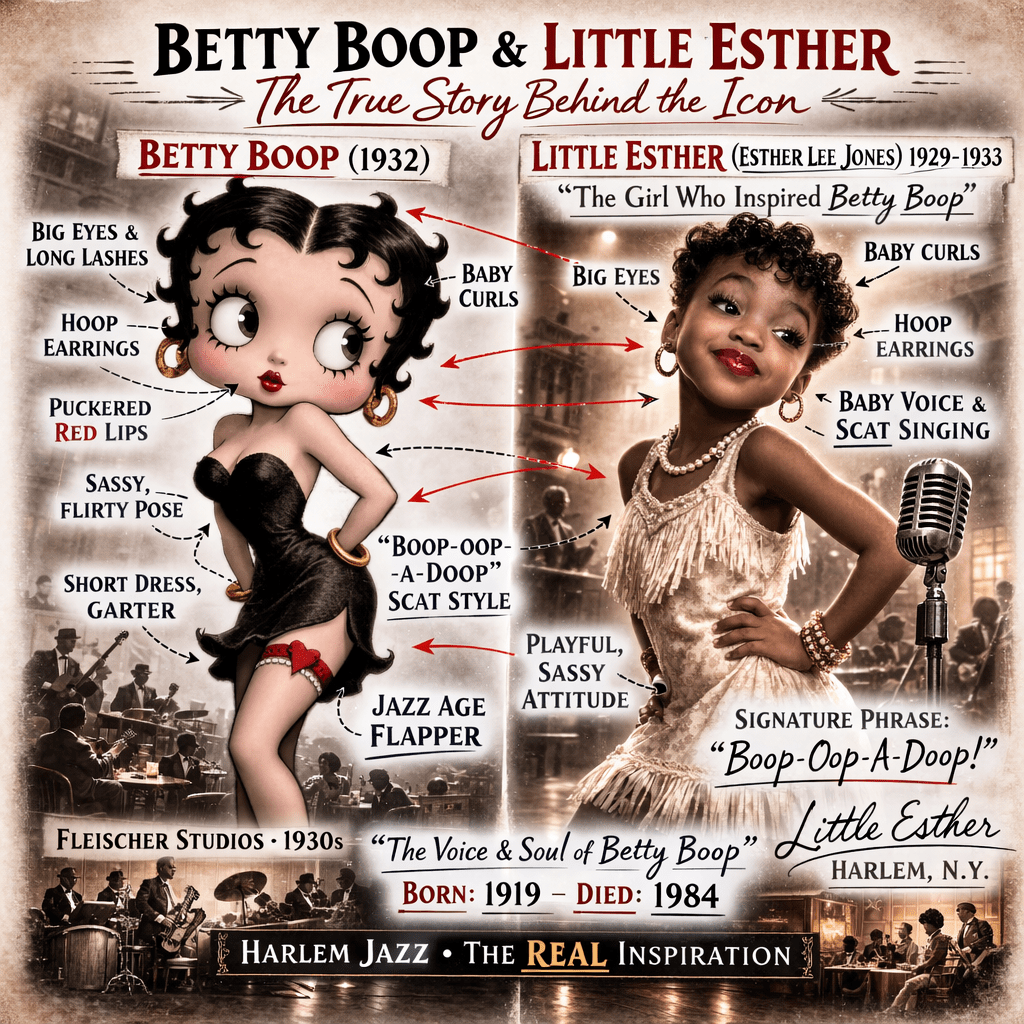
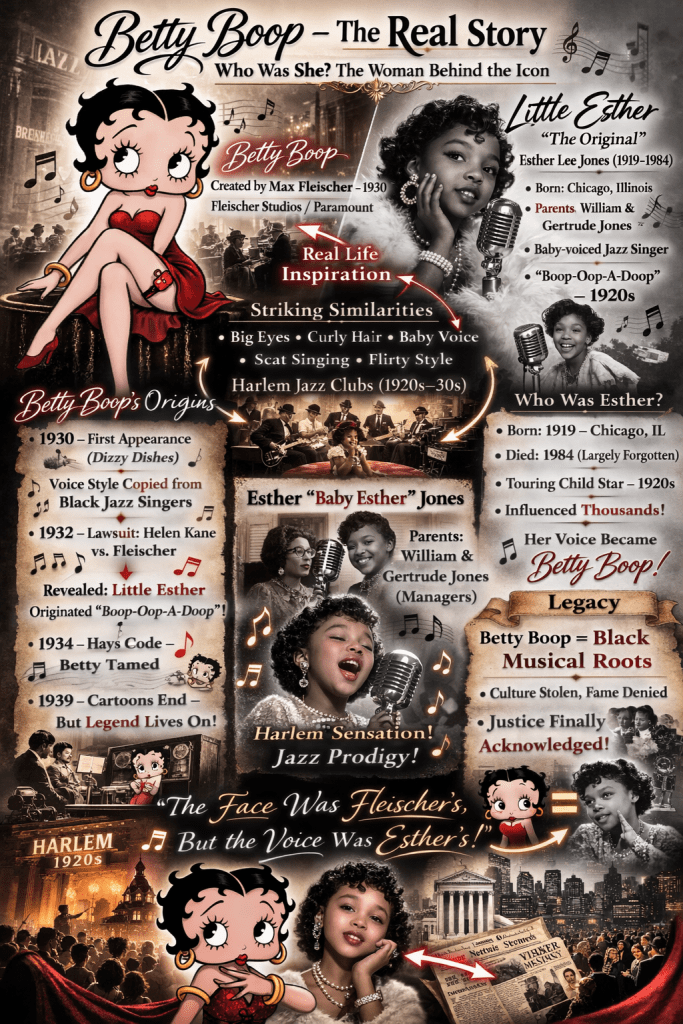
Betty Boop is widely remembered as one of the most recognizable animated characters in American history—flirtatious, wide-eyed, baby-voiced, and emblematic of the Jazz Age. Created during the Great Depression, she became a cultural symbol of femininity, modernity, and rebellion. Yet beneath the animated glamour lies a layered and contested origin story that intersects with race, music, and the appropriation of Black artistry in early American entertainment.
Betty Boop was created by animator Max Fleischer and introduced in 1930 through Fleischer Studios. Her first appearance was in the cartoon Dizzy Dishes, part of the Talkartoons series distributed by Paramount Pictures. Initially, Betty was not even human; she debuted as an anthropomorphic French poodle performing in a nightclub. Over time, her floppy ears were transformed into hoop earrings, and her canine features softened into the human flapper figure audiences recognize today.
The early 1930s were a time when jazz reigned supreme, and animated shorts often borrowed heavily from live musical performances. Fleischer Studios regularly featured jazz musicians and nightclub aesthetics. Betty’s exaggerated baby voice, rhythmic phrasing, and scat-style singing were not accidental inventions but reflections of popular Black musical traditions that had been captivating audiences nationwide.
Central to Betty Boop’s origin story is the Black child performer known as Little Esther Phillips, born Esther Lee Jones in Chicago. Known professionally as “Baby Esther” or “Little Esther,” she rose to fame in the late 1920s. Managed by her parents, William and Gertrude Jones, she performed in Harlem nightclubs and toured nationally. Her act included a distinctive baby-voiced scat style filled with sounds like “Boop-oop-a-doop,” a phrase that would later become Betty Boop’s signature catchphrase.
Esther was a prodigy who captivated audiences in venues across New York City, particularly during the height of the Harlem Renaissance. Her performances were known for their playful vocal improvisations, expressive facial gestures, and rhythmic phrasing. Contemporary reports describe her as electrifying, charming, and musically advanced beyond her years.
In 1932, a lawsuit brought national attention to Esther’s connection to Betty Boop. Helen Kane, a white singer famous for her 1928 hit “I Wanna Be Loved by You,” sued Fleischer Studios for allegedly stealing her “boop-boop-a-doop” style for Betty Boop. Kane claimed the animated character was an unauthorized caricature of her persona.
During the trial, however, evidence was introduced showing that Helen Kane herself had borrowed the vocal style from Little Esther. Film footage was presented of Esther performing her baby-voiced scat years before Kane adopted the style. The court ultimately ruled against Kane, concluding that the baby-voice technique was not original to her and therefore could not be exclusively claimed.
This lawsuit, though unsuccessful for Kane, revealed a broader pattern of racial borrowing in American entertainment. Black performers often originated musical styles that were later popularized by white entertainers who received greater financial rewards and national recognition. Betty Boop’s voice and persona thus sit at the crossroads of Black innovation and white commercial adaptation.
Betty Boop herself evolved rapidly. By 1932, she became the first female animated character to star in her own cartoon series. She embodied the flapper archetype—short dress, garter, high heels, and a coquettish demeanor. In many ways, she reflected the liberated woman of the Roaring Twenties, challenging Victorian modesty with playful sensuality.
However, with the enforcement of the Hays Code in 1934, Betty’s overt sexuality was toned down. Her hemlines were lowered, her garter removed, and her storylines became more domestic. This shift marked not only a moral tightening in Hollywood but also a decline in Betty’s rebellious jazz-era spirit.
Meanwhile, Little Esther’s career faced its own challenges. As she matured, the novelty of her childlike voice faded in the eyes of mainstream promoters. Despite her talent, she did not receive the same long-term commercial success as the animated character inspired by her style. Her later life remains less documented than her early performances, reflecting the historical marginalization of many Black entertainers of that era.
The question “Was Esther Betty Boop?” is complex. Legally, Betty Boop was not officially based on Esther. The court did not credit her as the direct inspiration. Yet culturally and musically, the similarities are striking. Esther’s scat syllables, vocal tone, and rhythmic delivery predated both Helen Kane and Betty Boop’s animated persona.
Betty Boop was often compared to the flapper girls of the Jazz Age—bold, urban, and flirtatious. Yet her voice carried the imprint of Harlem’s jazz clubs. The aesthetics of early animation borrowed liberally from Black musical spaces while rarely acknowledging their origins.
Max Fleischer himself was an innovator in animation, pioneering techniques like rotoscoping. Yet like many creators of his time, he operated within an entertainment industry shaped by racial hierarchies. Whether consciously or not, Fleischer Studios benefited from cultural forms birthed in Black communities.
Betty Boop’s popularity soared throughout the 1930s. She appeared in more than 90 cartoons and became a merchandising phenomenon. Dolls, comic strips, and advertisements cemented her as a household name. She remains one of the most enduring animated icons in American pop culture.
Esther Lee Jones, by contrast, did not enjoy such immortality. Her contributions were largely overshadowed in mainstream history. Only in recent decades have scholars and cultural critics revisited the 1932 lawsuit to reconsider her influence on American animation and popular music.
Betty Boop as a character never “died” in the conventional sense; her cartoon series ended in 1939, but she was revived through syndication and nostalgic merchandising. She remains a symbol of retro Americana, appearing on clothing, collectibles, and themed events worldwide.
Little Esther’s death date is less clearly documented in popular historical sources, which itself reflects how incomplete archival records can be for Black performers of the early twentieth century. Her story survives primarily through court transcripts, jazz histories, and cultural scholarship examining appropriation in entertainment.
The legacy of Betty Boop is therefore dual-layered. On the surface, she represents animation history and the Jazz Age aesthetic. Beneath that surface lies a deeper narrative about artistic borrowing, race, and the erasure of Black innovators from mainstream credit.
Today, conversations about Betty Boop increasingly acknowledge Little Esther’s role in shaping the vocal style that defined the character. Scholars argue that recognizing Esther does not diminish Betty’s cultural impact but rather enriches the historical record by restoring context.
Betty Boop’s story reminds us that American pop culture is often a tapestry woven from multiple communities, even when only one thread receives the spotlight. To ask who Betty Boop really was is to uncover not just an animated flapper, but a reflection of jazz, Harlem nightlife, racial complexity, and the enduring influence of a gifted Black child performer whose voice echoed far beyond the stage.
References
Bogle, D. (2001). Toms, coons, mulattoes, mammies, and bucks: An interpretive history of Blacks in American films. Continuum.
Fleischer, R. (2005). Out of the inkwell: Max Fleischer and the animation revolution. University Press of Kentucky.
Maltin, L. (1987). Of mice and magic: A history of American animated cartoons. Plume.
Watkins, M. (1998). On the real side: Laughing, lying, and signifying—the underground tradition of African American humor that transformed American culture. Simon & Schuster.
Court decision: Kane v. Fleischer, 299 F. 533 (S.D.N.Y. 1934).
This photograph is the property of its respective owner. No copyright infringement intended.
Dona Drake occupies a complex and often painful place in Hollywood history as a woman of color who was forced to “pass” as white and Latina to survive within a racially segregated film industry. Born Eunice Westmoreland in the early twentieth century, Drake’s career reveals the psychological and structural pressures placed on racially ambiguous performers in an era when Black identity was treated as a professional death sentence. Her story is not merely one of personal reinvention, but of institutional coercion, cultural erasure, and racial deception demanded by Hollywood itself.
Drake was born in 1914 to African American parents, despite later studio narratives claiming she was of Spanish or Latin descent. Her father, Amos Westmoreland, was a Black vaudeville performer, and her mother was also African American. This factual lineage directly contradicts the racial mythology constructed around her public persona, illustrating how studios deliberately rewrote her identity to make her palatable to white audiences.
In the 1930s and 1940s, Hollywood operated under a rigid racial caste system shaped by Jim Crow ideology, the Production Code, and deeply entrenched white supremacy. Black actresses were almost exclusively limited to roles as maids, mammies, or comic relief, for a light-skinned woman like Drake, passing offered a pathway into lead roles, romance, and upward mobility that would otherwise be inaccessible.
Drake first entered Hollywood under the name “Dona Drake” in the early 1940s, a carefully crafted identity that obscured her African American origins. Studios promoted her as “Mexican,” “Spanish,” or “Latin American,” depending on the role, allowing her to be cast in exoticized but non-Black parts. This racial ambiguity functioned as a form of commercial camouflage, enabling her to navigate a racist system while concealing her true heritage.
Her most notable film appearances during this period included roles in Road to Morocco (1942) and The Falcon in San Francisco (1945), where she was marketed as a glamorous “foreign” woman rather than a Black American. These roles would have been impossible had her racial background been publicly known, revealing how Hollywood’s casting practices were fundamentally racialized and exclusionary.
Drake’s passing was not merely professional but psychological. To maintain her career, she had to continuously deny her family, ancestry, and community. This form of racial performance required constant vigilance, as discovery could mean immediate blacklisting. Passing thus became a survival strategy rooted in fear rather than freedom.
This photograph is the property of its respective owner. No copyright infringement intended.
In 1941, Drake also performed under the name “Rita Rio” during her singing and nightclub career, another identity layer that distanced her from Blackness and aligned her with Latin exoticism. These shifting names reflect how racial identity in Hollywood was not self-defined but corporate-controlled, reshaped to fit market demands.
Hollywood actively taught Drake how to lie about herself. Studio publicists constructed false biographies, altered her speech patterns, and discouraged any association with Black spaces or people. This training in racial deception was not unique to Drake but part of a broader system in which light-skinned performers were coached to “perform whiteness” as a professional skill.
The reason Drake wanted to be perceived as white or non-Black was rooted in the brutal reality of racial economics. Black actresses earned less, had fewer roles, and were denied romantic narratives. Passing offered access to dignity, complexity, and visibility in a world that refused to humanize Black women on screen.
However, Drake’s success was fragile. As racial scrutiny increased and Hollywood’s gossip culture intensified, questions about her background followed her throughout her career. The constant pressure of concealment reportedly took an emotional toll, contributing to personal struggles and career instability later in life.
Drake’s downfall reflects the psychological cost of racial erasure. Passing requires not only external performance but internal fragmentation, where one must suppress authentic identity to maintain social survival. Scholars often describe this as a form of racial dissociation or identity splitting.
Her story also exposes the hypocrisy of Hollywood’s racial politics. While studios claimed to celebrate diversity through “ethnic” characters, they simultaneously excluded real Black identity, preferring racial fantasy over racial truth. Drake’s Latin persona was acceptable precisely because it was not Black.
From a sociological perspective, Drake represents what W.E.B. Du Bois called “double consciousness,” the internal conflict of seeing oneself through the eyes of a society that devalues your true identity. Her life illustrates how racial passing is not individual deception but structural coercion embedded in white supremacy.
Drake never publicly reclaimed her Black identity during her lifetime, which reflects how deeply the fear of racial exposure had been internalized. Even in death, her racial background remained contested, showing how thoroughly her original identity had been overwritten by Hollywood myth.
Dona Drake’s legacy forces us to confront uncomfortable truths about representation, race, and survival. She was not simply pretending to be white; she was responding rationally to a system that punished Blackness and rewarded proximity to whiteness. Her life stands as a historical case study in racial capitalism and identity trauma.
Ultimately, Drake’s passing reveals that Hollywood did not merely reflect racism; it engineered it. By forcing performers like her to erase themselves, the industry taught generations that Black identity was something to escape rather than embrace. Her story is not about individual shame, but about institutional violence against Black existence itself.
References
Bogle, D. (2016). Toms, coons, mulattoes, mammies, and bucks: An interpretive history of Blacks in American films (5th ed.). Bloomsbury.
Du Bois, W. E. B. (2007). The souls of Black folk. Oxford University Press. (Original work published 1903)
Gaines, J. M. (2017). Fire and desire: Mixed-race movies in the silent era. University of Chicago Press.
Hoberman, J. (2018). Hollywood and the color line. Film Quarterly, 71(3), 12–19.
Smith, S. (2019). Passing and performance: Racial ambiguity in classical Hollywood. Journal of American Culture, 42(2), 145–158.
This photograph is the property of its respective owner. No copyright infringement intended.
Fredi Washington stands as one of the most powerful and tragic figures in early Hollywood history, not because she passed as white, but because she refused to. In an industry that rewarded racial ambiguity and punished Black identity, Washington embodied the moral and psychological conflict of being light-skinned in a violently racist society. Her career reveals how passing was not merely a personal choice, but a structural demand imposed by white supremacy and enforced through economic survival.
Born Fredericka Carolyn Washington in 1903, Washington was an African American woman of mixed ancestry whose appearance allowed her to easily pass as white. However, unlike many of her contemporaries, she openly identified as Black throughout her life. This decision came at a tremendous cost, as Hollywood consistently denied the leading roles that she would have easily secured had she chosen to conceal her racial identity.
Washington rose to prominence through her iconic role as Peola Johnson in Imitation of Life (1934), a film that centered directly on the psychological trauma of racial passing. Ironically, the very role that made her famous also trapped her, as she was forever associated with a character who rejected Blackness to survive. The role mirrored the real-life dilemma Washington faced in her own career.
The studio system strongly pressured Washington to pass. Executives encouraged her to claim Spanish, Hawaiian, or “exotic” heritage, similar to what they had done with other racially ambiguous actresses. She was told explicitly that identifying as Black would make her “unmarketable,” especially for romantic roles opposite white male leads.
Washington refused. She rejected studio attempts to rebrand her and insisted on racial honesty, even as she watched opportunities disappear. In doing so, she became one of the earliest examples of conscious racial resistance in Hollywood, choosing integrity over access, and truth over fame.
Her refusal to pass effectively ended her film career. While she possessed the beauty, talent, and screen presence of a major star, she was relegated to theater, modeling, and race films. Hollywood’s message was clear: Black identity, even when invisible, was still unacceptable.
This photograph is the property of its respective owner. No copyright infringement intended.
Unlike many performers who internalized white standards, Washington developed a strong racial consciousness. She openly criticized Hollywood’s racism and later became a co-founder of the Negro Actors Guild, an organization created to fight discriminatory casting practices and protect Black performers from exploitation.
Washington’s story highlights the psychological violence of racial capitalism. Passing offered financial security, safety, and visibility, while racial honesty meant poverty, exclusion, and marginalization. The system rewarded proximity to whiteness and punished Black authenticity.
Her experience also exposes a deeper contradiction: Hollywood wanted Black bodies but not Black identity. Washington’s face was desirable, but her race was not. This split reveals how racism operates not only through exclusion, but through selective consumption and erasure.
Washington’s life demonstrates what W.E.B. Du Bois described as double consciousness, the internal struggle of existing in a world that constantly demands you deny yourself to be accepted. For Washington, the conflict was not internal, but external—she knew who she was, and society rejected her for it.
While many light-skinned performers passed in silence, Washington turned her suffering into activism. She used her voice to advocate for dignity, representation, and systemic change, long before civil rights became mainstream discourse in American culture.
Her later years were marked by relative obscurity, not because of lack of talent, but because she refused to participate in racial deception. In a different industry, she would have been one of the greatest leading ladies of her generation.
Washington’s legacy forces us to reconsider the narrative of passing. While many were forced into it, she revealed the alternative path: racial truth, even when it costs everything. Her life becomes a moral counterpoint to Hollywood’s culture of assimilation.
She represents the unseen casualties of racism—those whose careers never happened, whose talents were buried, and whose dreams were denied because they refused to lie about their existence.
Ultimately, Fredi Washington did not pass as white, but she exposed the system that demanded it. Her story is not one of failure, but of resistance, a reminder that sometimes the most radical act in a racist world is simply telling the truth about who you are.
References
Bogle, D. (2016). Toms, coons, mulattoes, mammies, and bucks: An interpretive history of Blacks in American films (5th ed.). Bloomsbury.
Du Bois, W. E. B. (2007). The souls of Black folk. Oxford University Press. (Original work published 1903)
Gaines, J. M. (2017). Fire and desire: Mixed-race movies in the silent era. University of Chicago Press.
Hoberman, J. (2018). Hollywood and the color line. Film Quarterly, 71(3), 12–19.
Smith, S. (2019). Passing and performance: Racial ambiguity in classical Hollywood. Journal of American Culture, 42(2), 145–158.
These photographs are the property of their respective owners. No copyright infringement intended.
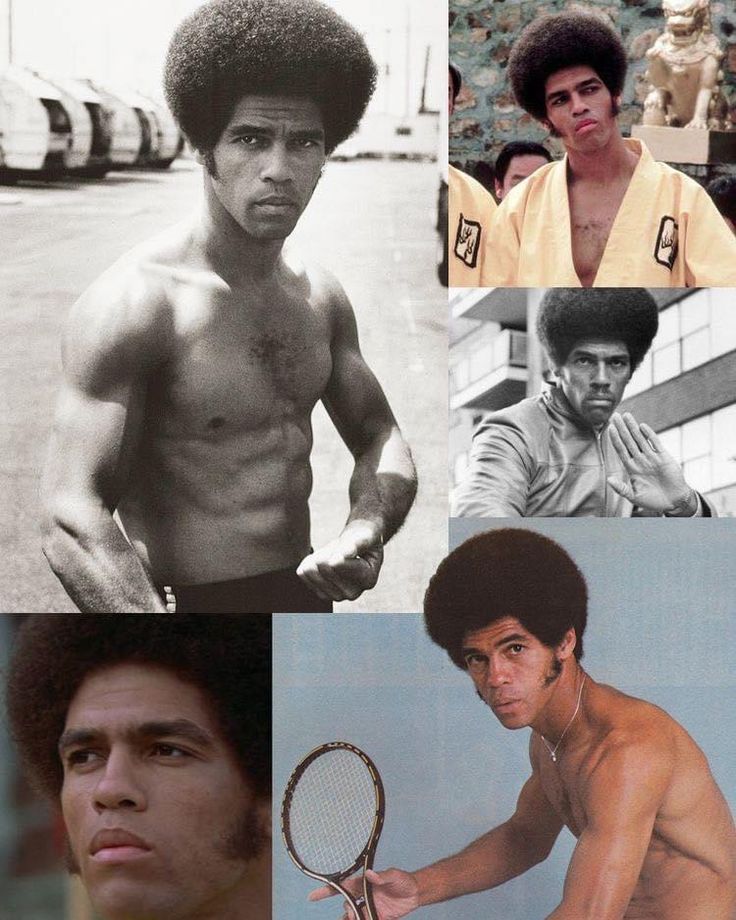
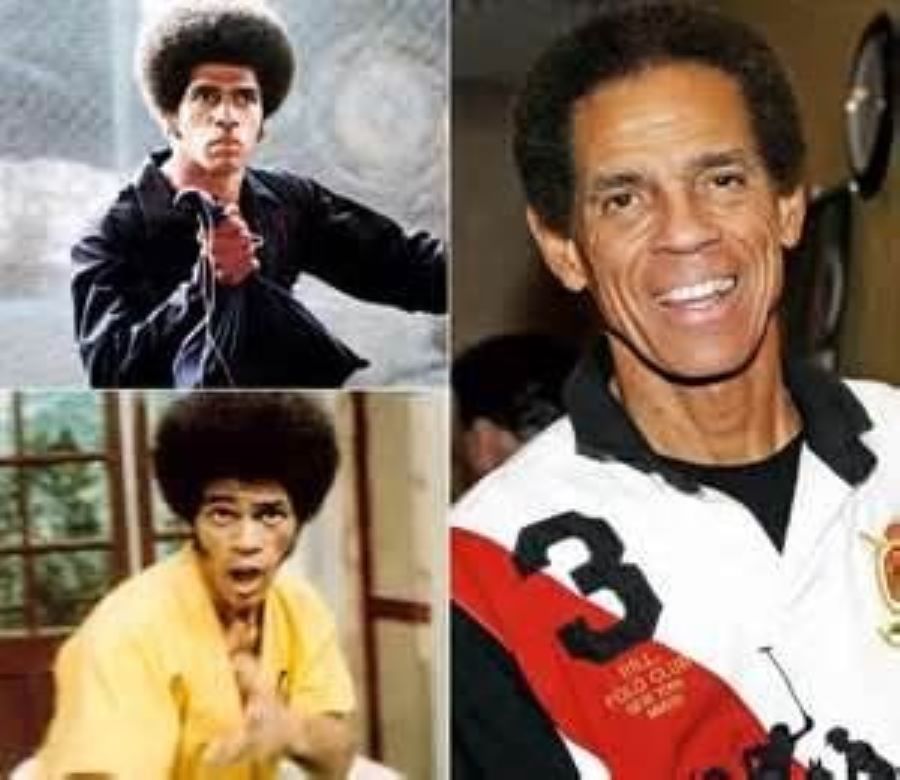
Jim Kelly stands as one of the most iconic martial artists and action stars in film history, a figure who reshaped the image of Black masculinity in global cinema. At a time when Black men were rarely portrayed as disciplined heroes, intellectual fighters, or spiritual warriors, Kelly emerged as a symbol of strength, confidence, and cultural pride. His presence on screen fused martial arts philosophy with Black Power aesthetics, creating a legacy that transcended entertainment.
Born in 1946 in Paris, Kentucky, Kelly grew up during the height of segregation and racial inequality in the United States. As a young man, he was drawn to physical fitness, sports, and self-discipline as a means of empowerment. Martial arts became not just a hobby, but a personal philosophy rooted in control, focus, and self-mastery.
Kelly began his martial arts journey in karate, training rigorously in the late 1960s. He studied under respected instructors and quickly demonstrated exceptional talent and athleticism. His dedication to training placed him among the elite practitioners of his era, at a time when very few Black Americans were visible in competitive martial arts spaces.
He ultimately achieved the rank of black belt in Shorin-Ryu karate, a traditional Okinawan style known for speed, precision, and fluid striking techniques. This was not a ceremonial rank but one earned through serious training, competition, and mastery. Kelly was widely respected in martial arts circles as a legitimate and highly skilled fighter.
Before entering Hollywood, Kelly became a professional karate champion. He won multiple national karate tournaments and was considered one of the top competitors in the United States. His reputation as a real martial artist, not just a movie performer, distinguished him from many action stars who relied primarily on choreography.
Kelly’s big breakthrough came when he was discovered by Warner Bros and cast in the film Enter the Dragon in 1973. This film, starring Bruce Lee, became one of the most influential martial arts movies in history. Kelly’s role as Williams introduced audiences to a new archetype: the Black martial artist who was disciplined, rebellious, and spiritually grounded.
His relationship with Bruce Lee was one of deep mutual respect. Lee admired Kelly’s athletic ability and on-screen charisma, while Kelly viewed Lee as both a mentor and philosophical influence. Together, they helped globalize martial arts culture and popularize Eastern philosophy within Western and Black communities.
In Enter the Dragon, Kelly’s character symbolized Black resistance and self-awareness. He rejected corrupt systems, challenged authority, and embodied a revolutionary spirit that resonated with Black audiences worldwide. His afro, confidence, and unapologetic masculinity made him a cultural icon of the 1970s.
After Bruce Lee’s death, Kelly became the leading Black martial arts star in the world. He starred in several kung fu and action films, including Black Belt Jones, Three the Hard Way, Hot Potato, and Golden Needles. These films positioned him as the central hero, not a sidekick or stereotype.
Black Belt Jones was especially significant, as it was one of the first martial arts films to center a Black protagonist. Kelly played a karate instructor protecting his community from gangsters and corrupt forces. The film blended Blaxploitation themes with authentic martial arts, creating a genre-defining classic.
Unlike many actors, Kelly insisted on realism in fight scenes. His movements were not exaggerated or theatrical but grounded in real technique. This authenticity made his performances influential among future martial artists and action stars.
Beyond film, Kelly was deeply committed to health, wellness, and holistic living. He later became a motivational speaker and health advocate, promoting vegetarianism, fitness, and mental discipline. Martial arts, for him, was inseparable from spiritual and physical health.
Kelly also worked as a tennis instructor and sports entrepreneur, showing that his talents extended far beyond cinema. He believed in lifelong physical excellence and viewed the body as a sacred instrument requiring discipline and respect.
These photographs are the property of their respective owners. No copyright infringement intended.
In his personal life, Kelly was married and had children, though he kept his family life largely private. He was known by friends and peers as humble, disciplined, and deeply philosophical, living by the values he portrayed on screen.
Tragically, Kelly died in 2013 after battling cancer. His death was mourned across martial arts communities, film circles, and Black cultural spaces. Yet his influence remains alive through generations of fighters, actors, and fans.
Kelly’s legacy is not just cinematic but symbolic. He represented a Black man who mastered both mind and body, who rejected criminal stereotypes and replaced them with warrior ethics and intellectual power.
He opened doors for Black representation in action cinema long before stars like Wesley Snipes, Michael Jai White, and Idris Elba. Without Jim Kelly, the image of the Black martial arts hero might never have existed.
Culturally, Kelly fused Afrocentric pride with Eastern philosophy, creating a new global identity for Black masculinity rooted in discipline, honor, and spiritual strength.
His image continues to circulate in hip-hop, fashion, fitness culture, and martial arts philosophy. He remains one of the few figures who embodied both revolutionary aesthetics and authentic warrior training.
Ultimately, Jim Kelly was not just an actor or a fighter. He was a symbol of Black excellence in motion, a living bridge between African American empowerment and martial arts philosophy, and a king whose legacy still trains minds and bodies across the world.
References
Bolelli, D. (2008). On the warrior’s path: Philosophy, fighting, and martial arts mythology. Blue Snake Books.
Bowman, P. (2010). Theorizing Bruce Lee: Film-fantasy-fighting-philosophy. Rodopi.
Hunt, L. H. (1998). Kung fu cult masters: From Bruce Lee to Crouching Tiger. Film Quarterly, 51(4), 10–17.
Miller, D. (2014). Jim Kelly: The original Black martial arts superstar. Black Film Review, 6(2), 22–29.
Teo, S. (2009). Chinese martial arts cinema: The wuxia tradition. Edinburgh University Press.
“The Lord will make a way somehow.” (A recurring expression of faith often attributed to Good Times -Florida Evans’ character.)
This photograph is the property of its respective owner. No copyright infringement intended.
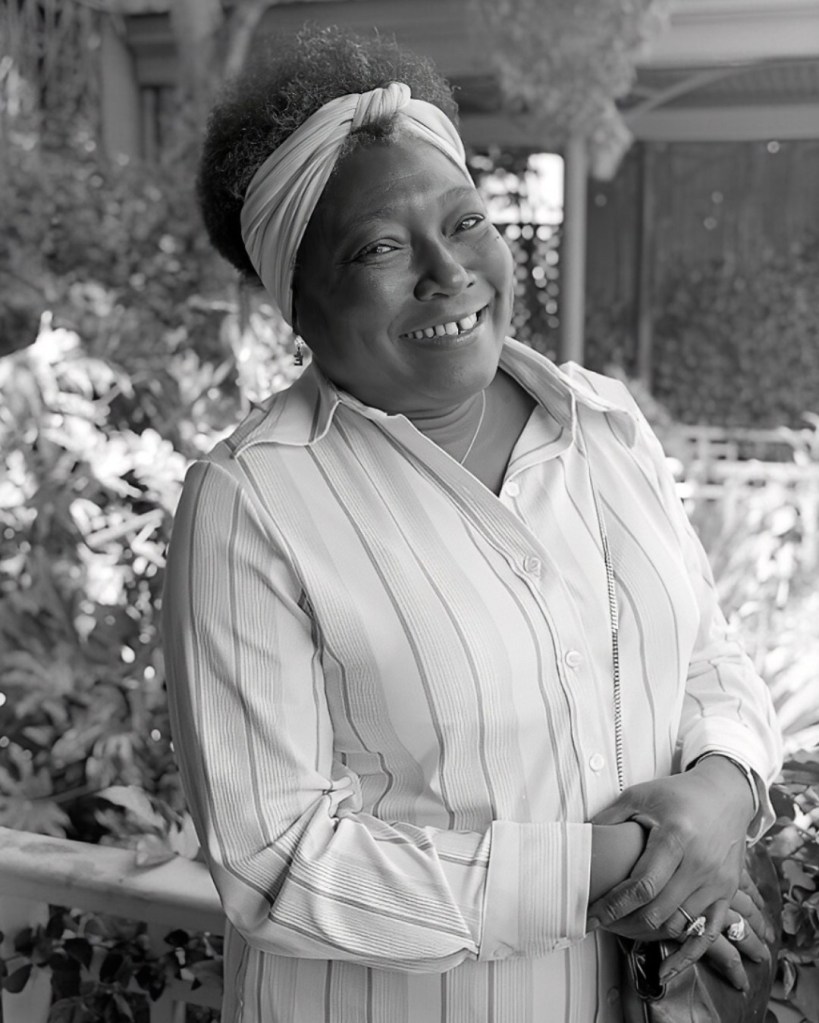
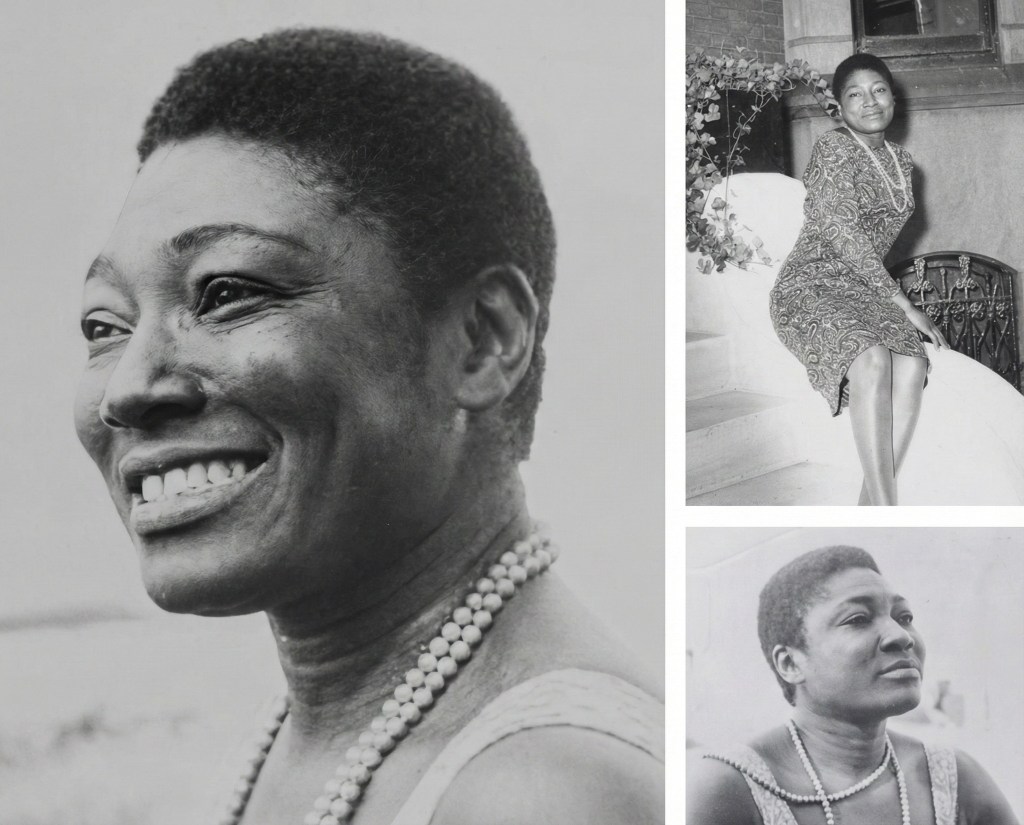
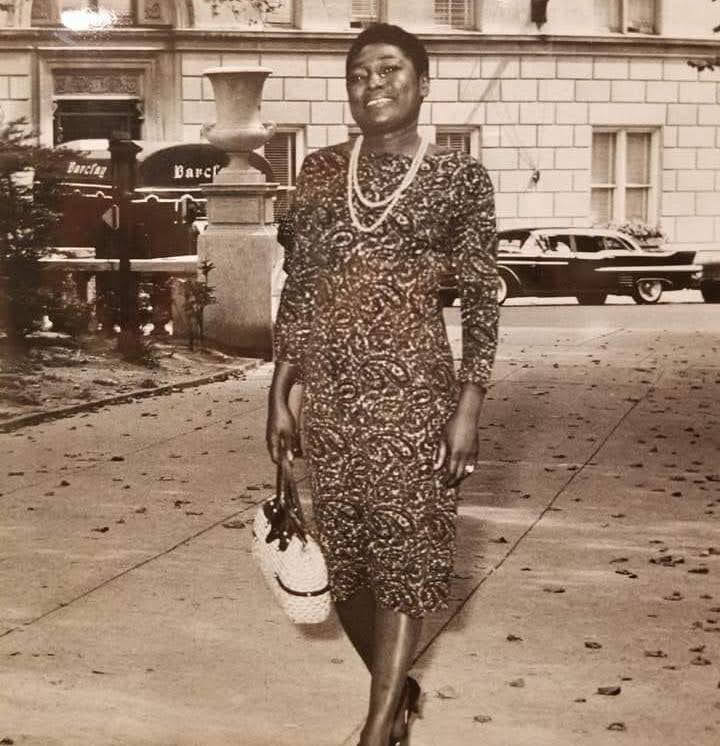
Esther Rolle was one of the most respected and principled actresses in American television history, celebrated for her powerful portrayal of Black womanhood, dignity, and cultural authenticity. Born Esther Elizabeth Rolle on November 8, 1920, in Pompano Beach, Florida, she was the daughter of Bahamian immigrants and the tenth of eighteen children. Her upbringing in a large, disciplined, Caribbean household deeply shaped her worldview, instilling in her a strong sense of moral responsibility, cultural pride, and commitment to excellence.
Rolle moved to New York City in the 1940s, where she pursued formal education in the arts. She studied drama at Hunter College and later at The New School for Social Research, becoming immersed in theater and Black intellectual circles during the Harlem Renaissance’s later cultural wave. Her early career was rooted in stage acting, particularly in socially conscious and politically engaged theater that addressed the realities of Black life in America.
Before achieving television fame, Esther Rolle was heavily involved in the Negro Ensemble Company, a groundbreaking Black theater organization dedicated to producing serious dramatic works by and about African Americans. She also appeared in numerous stage productions, including The Blacks, Blues for Mister Charlie, and The Moon Besieged, which solidified her reputation as a serious dramatic actress rather than a stereotypical performer.
This photograph is the property of its respective owner. No copyright infringement intended.
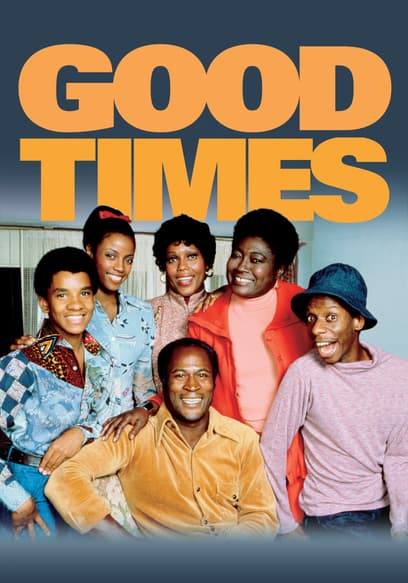
Rolle’s breakthrough into mainstream television came through her role as Florida Evans, a character she originally played on the sitcom Maude (1972–1974). Florida was the maid for Maude Findlay, portrayed by Bea Arthur, and quickly became one of the most beloved characters on the show due to Rolle’s warmth, realism, and emotional depth. Her performance was so compelling that producers developed a spin-off series centered entirely on her character and family.
“Damn, damn, damn!”
This line became her signature catchphrase on the show and is one of the most iconic phrases in American television history. Florida would often say it in moments of frustration, disbelief, or righteous anger—usually when dealing with J.J.’s foolishness or the family’s struggles.
But culturally and historically, “Damn, damn, damn!” is the phrase that made Esther Rolle a household name and entered pop culture permanently.
This spin-off became the iconic sitcom Good Times (1974–1979), making Esther Rolle the first Black woman to star as the lead mother in a network television sitcom. As Florida Evans, Rolle portrayed a strong, loving, God-fearing Black mother raising her family in the Chicago housing projects. The show addressed serious issues such as poverty, racism, unemployment, and systemic inequality—topics rarely explored honestly on television at the time.
This photograph is the property of its respective owner. No copyright infringement intended.
Rolle was deeply committed to positive Black representation and frequently challenged the show’s producers when she felt the characters were becoming too stereotypical or degrading. She famously objected to the direction of the character J.J., believing his exaggerated behavior undermined the dignity of Black men. At one point, she temporarily left the show due to these concerns, demonstrating her integrity and refusal to compromise her values for fame.
Esther Rolle’s activism extended beyond the screen. She was a vocal advocate for civil rights, Black empowerment, and cultural responsibility in media. She believed television had a moral duty to portray Black families with complexity, intelligence, and respect, rather than as caricatures for entertainment. Her philosophy made her one of the earliest figures to challenge systemic racism within Hollywood from an insider position.
In addition to television, Rolle built an extensive filmography. Her notable film roles include Cleopatra Jones (1973), The Bingo Long Traveling All-Stars & Motor Kings (1976), Rosewood (1997), and Driving Miss Daisy (1989), where she played Idella, the domestic worker whose subtle performance added emotional gravity to the film. She also starred in Down in the Delta (1998), directed by Maya Angelou, in one of her final and most celebrated roles.
Esther Rolle was also highly active in voice acting and children’s programming, most notably as the voice of Shug Avery in The Color Purple animated series and as Nana in The Proud Family. Her voice, like her presence, carried authority, wisdom, and maternal warmth, making her an intergenerational cultural icon.
Despite her public visibility, Rolle maintained a relatively private personal life. She was married once, briefly, to Oscar Robinson, but had no children of her own. Nevertheless, she became a symbolic mother figure to millions of Black Americans, especially women who saw themselves reflected in her strength, resilience, and grace.
This photograph is the property of its respective owner. No copyright infringement intended.
Esther Rolle received numerous awards and honors throughout her career. She won a Primetime Emmy Award in 1979 for her role in the television film Summer of My German Soldier. She was also nominated for multiple Emmy and NAACP Image Awards and received honorary doctorates for her contributions to arts and culture.
Her cultural impact cannot be overstated. Esther Rolle redefined what it meant to be a Black woman on television. At a time when Black female characters were often limited to servants or comic relief, Rolle brought depth, spirituality, intelligence, and moral authority to every role she played. She insisted that Black women be shown as thinkers, leaders, and nurturers of their communities.
Rolle’s power was not rooted in celebrity, but in principle. She wielded influence through moral clarity, intellectual rigor, and cultural responsibility. She refused roles that demeaned Black people and challenged producers, networks, and writers to elevate their storytelling. In this sense, her power was both political and spiritual.
She viewed acting as a form of ministry and social responsibility, once stating that she felt accountable not just to audiences, but to history itself. Her work was never about ego or fame; it was about legacy, truth, and representation.
Esther Rolle passed away on November 17, 1998, at the age of 78, after complications from diabetes. Her death marked the end of an era, but her influence continues to shape Black television, film, and cultural consciousness.
Today, Esther Rolle is remembered as more than an actress. She is remembered as a cultural guardian, a matriarch of Black media, and a woman who used her platform to fight for dignity, truth, and justice. Her legacy lives on in every strong Black female character who is allowed to be complex, intelligent, and fully human.
References
Bogle, D. (2016). Primetime blues: African Americans on network television. Farrar, Straus and Giroux.
Coleman, R. (1999). Esther Rolle obituary. The New York Times.
Gates, H. L., Jr. (2014). The Black church and the African American experience. Oxford University Press.
Rolle, E. (1993). Interview in Ebony Magazine. Johnson Publishing.
Smith, J. (2003). Black women and television representation. Journal of African American Studies, 7(2), 45–62.
NAACP. (1998). Esther Rolle lifetime achievement recognition.
IMDb. (2024). Esther Rolle filmography.
Encyclopedia Britannica. (2023). Esther Rolle biography.
From Canadian beauty queen and pop icon to born-again Christian minister
This photograph is the property of its respective owners. No copyright infringement intended
She looked like a mirror of me. I saw her and thought, that’s me in female form.” — — Prince
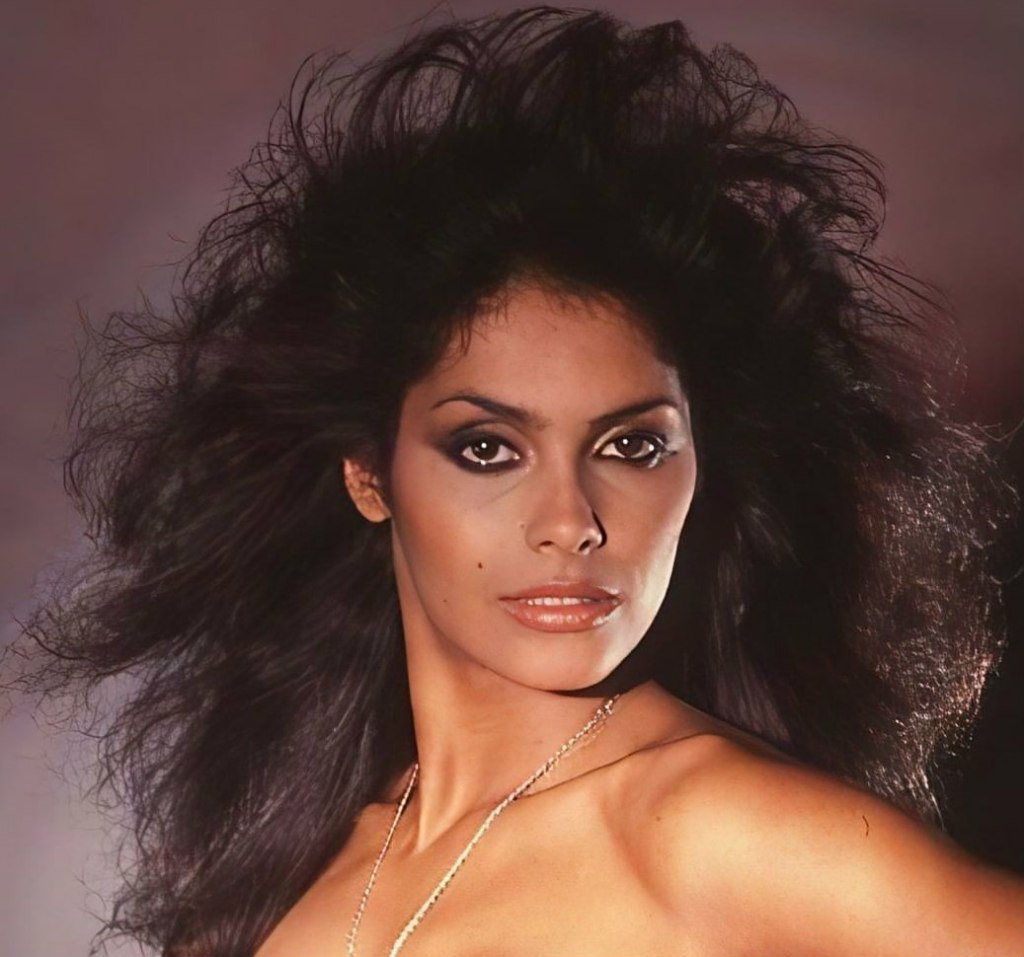
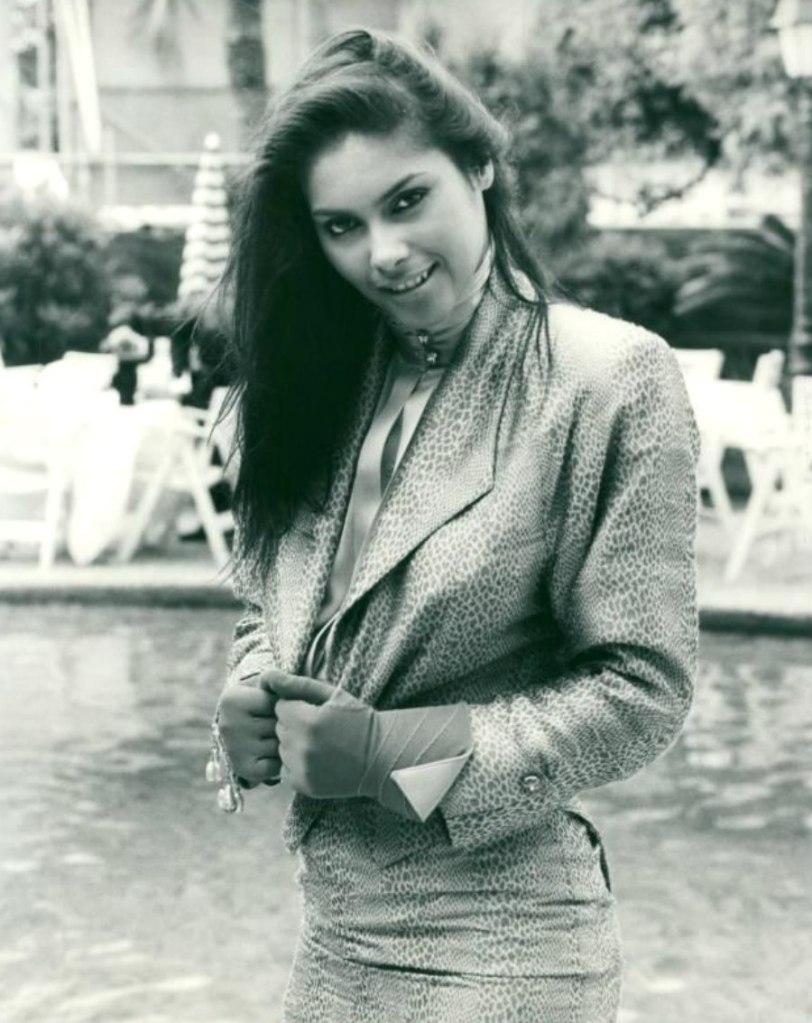
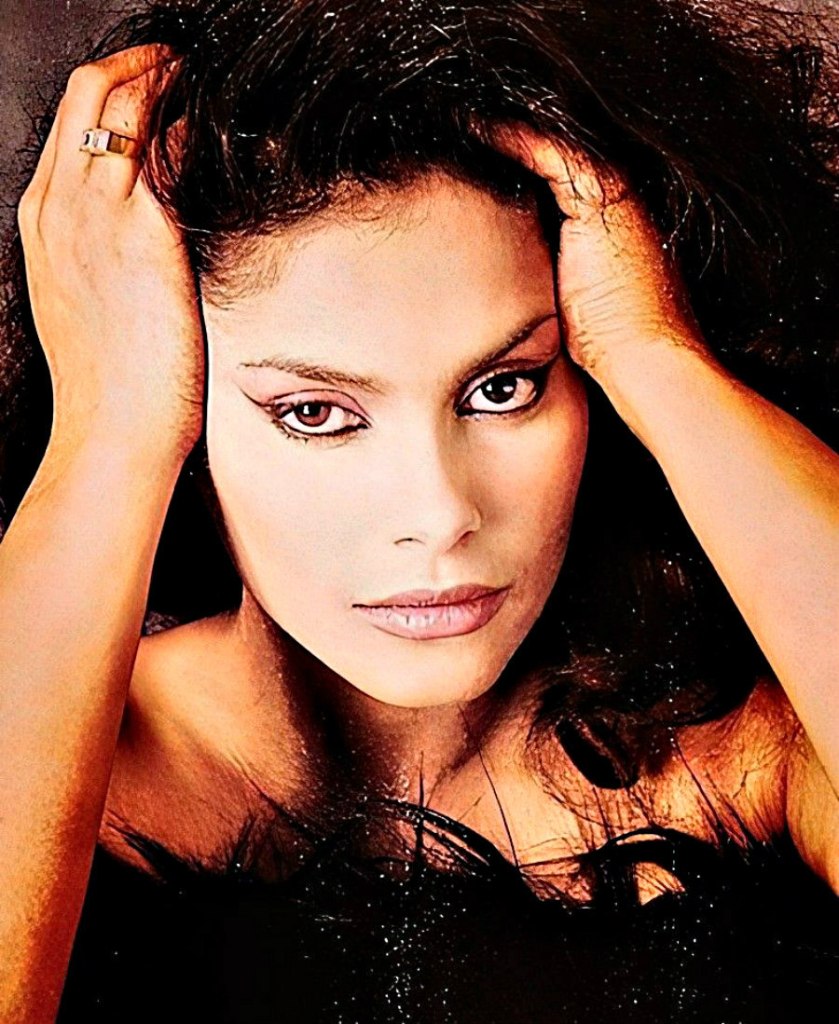
Denise Matthews, known to the world as Vanity, embodied a rare and arresting form of beauty—one that felt almost mythic. With her almond-shaped eyes, glowing skin, racially ambiguous features, and effortless beauty, she represented the archetype of the 1980s “Ebony Doll”: a woman whose presence commanded attention before she ever spoke a word. Vanity was not merely admired; she was desired, elevated into fantasy, and projected onto screens and stages as an icon of glamour and Black feminine mystique.
Yet the most profound chapter of her life unfolded far from the spotlight. After years of fame, addiction, and near-death, Vanity experienced a spiritual awakening that led her to renounce celebrity culture entirely. She publicly surrendered her stage name, calling it a false identity, and dedicated the rest of her life to Jesus Christ and Christian ministry. In doing so, she became one of the rare figures in pop history whose legacy is not defined only by beauty and desire, but by repentance, faith, and radical transformation—an “Ebony Doll” who walked away from the world to choose God.
Denise Katherine Matthews (January 4, 1959 – February 15, 2016), professionally known as Vanity, was a Canadian model, singer, songwriter, actress, and later a Christian evangelist. She rose to global fame in the early 1980s as the frontwoman of the provocative pop-funk group Vanity 6, created and produced by Prince. Her life became a powerful narrative of beauty, fame, addiction, redemption, and spiritual rebirth.
Denise Matthews was born in Niagara Falls, Ontario, Canada. She was of mixed racial heritage, with a Black father and a mother of German and Jewish descent. From a young age, Denise gravitated toward modeling and performance. She entered beauty competitions and gained national recognition when she won Miss Niagara Hospitality (1977) and later competed in Miss Canada (1978). These early achievements established her as a rising figure in Canadian beauty culture and opened doors to professional modeling. She was one of the most beautiful celebrities.
This photograph is the property of its respective owners. No copyright infringement intended
Following her pageant success, Matthews relocated to New York City, where she signed with the prestigious Zoli Model Agency. Though she did not fit traditional high-fashion height standards, her magnetic presence, camera appeal, and sensual confidence made her highly marketable. She appeared in commercials, print advertisements, and international modeling campaigns, including work in Japan.
Her early image combined innocence and eroticism, foreshadowing the bold persona she would later embody as Vanity.
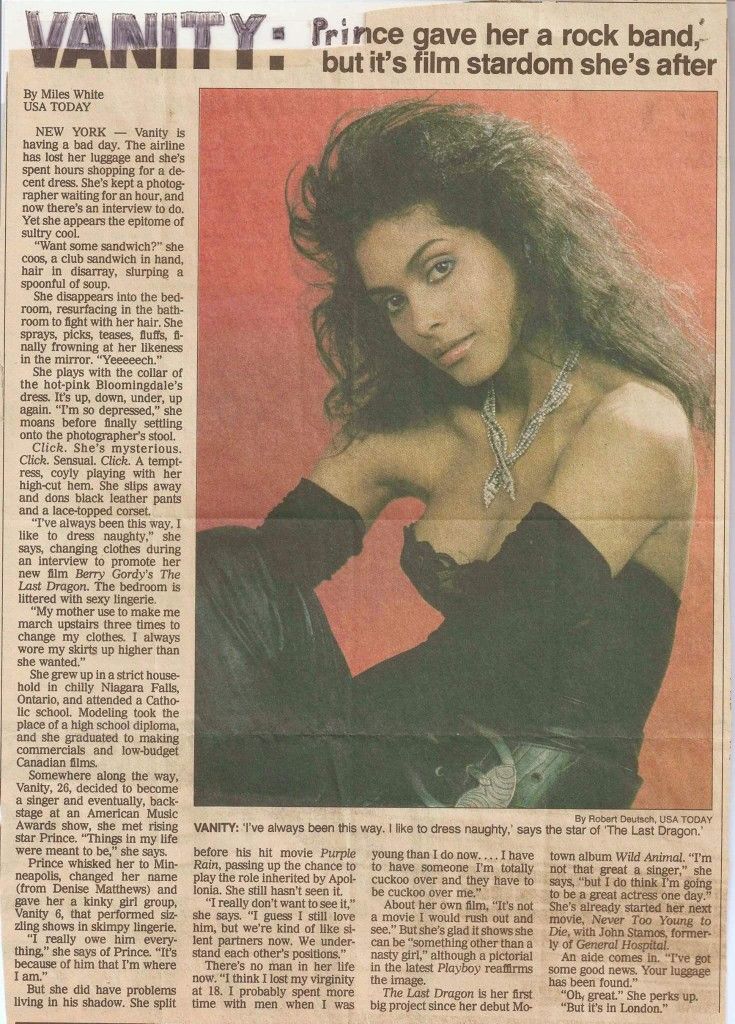
Denise’s career took a dramatic turn after meeting Prince at the 1980 American Music Awards. Prince saw in her a female reflection of his own artistic identity and envisioned her as the centerpiece of a new musical project.
Originally, Prince proposed highly explicit stage names, but Denise refused one of them and accepted “Vanity” instead. The name symbolized both beauty and self-obsession—qualities that became central to her public persona.
USA Today
Prince formed Vanity 6, a three-woman group that blended sexual imagery, synth-funk music, and provocative performance aesthetics. The group’s lingerie-styled outfits and explicit lyrics made them cultural lightning rods.
Their breakout hit “Nasty Girl” (1982) became a defining anthem of the decade, reaching #1 on the U.S. Billboard Dance Chart and turning Vanity into a global sex symbol.
After leaving Vanity 6, Denise signed with Motown Records and launched a solo career. She released two albums:
Wild Animal (1984)
Skin on Skin (1986)
Her single “Under the Influence” charted on Billboard’s R&B and Dance rankings.
In parallel, she pursued acting, appearing in major films including:
The Last Dragon (1985)
52 Pick-Up (1986)
Never Too Young to Die (1986)
Action Jackson (1988)
Vanity became one of the most visible Black female celebrities of the era, blending beauty, sexuality, and pop culture power.
This photograph is the property of its respective owners. No copyright infringement intended
Vanity’s beauty and fame attracted high-profile relationships throughout the 1980s, including musicians and rock stars. However, behind the glamorous image were deep struggle with substance abuse.
In 1995, she married former NFL player Anthony Smith after a brief courtship. The marriage ended in divorce, and Smith later became infamous after being convicted of multiple murders and receiving life imprisonment. This period marked a traumatic chapter in her personal life.
By the early 1990s, Vanity’s cocaine addiction had devastated her health. In 1994, she suffered near-fatal kidney failure. During her hospitalization, she reported a spiritual encounter with Jesus Christ, which she described as a divine intervention that saved her life.
She immediately renounced the “Vanity” persona, abandoned secular entertainment, and became a born-again Christian evangelist.
This photograph is the property of its respective owners. No copyright infringement intended
Denise founded Pure Hearts Ministries in California and dedicated her life to preaching, counseling, and sharing her testimony about spiritual transformation, repentance, and redemption.
She later published her autobiography: Blame It On Vanity: Hollywood, Hell and Heaven (2010), detailing her journey from fame to faith.
Years of substance abuse permanently damaged her kidneys. She underwent a kidney transplant in 1997 and later suffered from sclerosing encapsulating peritonitis, a rare and painful abdominal disease.
After multiple surgeries and long-term dialysis, Denise Matthews died on February 15, 2016, at age 57, in Fremont, California, from kidney failure.
Vanity remains a symbol of Black feminine beauty, erotic power, and cultural transformation. As an “Ebony Doll,” she embodied the intersection of beauty, visibility, and spirituality—first as a singer-actress and later as a woman who publicly rejected celebrity culture in favor of faith.
Her life stands as a rare testimony of radical personal change within the entertainment industry, illustrating the spiritual cost of fame and the possibility of redemption.
References
Matthews, D. (2010). Blame It On Vanity: Hollywood, Hell and Heaven. Destiny Image Publishers.



 THE BROWN GIRL DILEMMA