
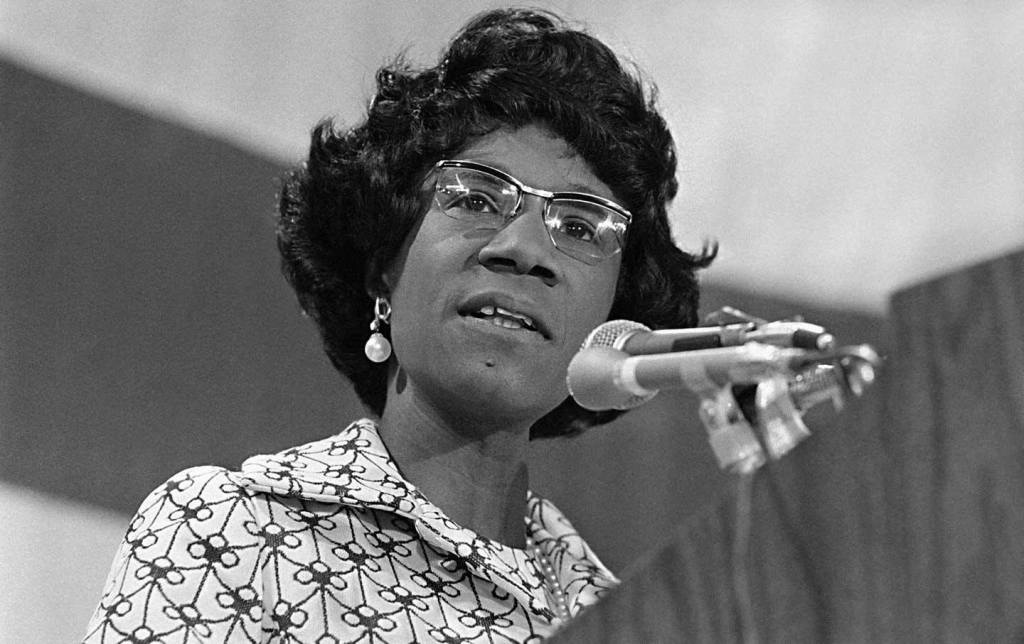
Black women have been central to social, political, and cultural transformation throughout history, yet their contributions are often overlooked or minimized. From the era of slavery to modern times, Black women have demonstrated resilience, intellect, and leadership, challenging systemic oppression while paving the way for future generations. Recognizing and celebrating their accomplishments is essential for understanding history, inspiring social justice, and affirming the intrinsic value of Black womanhood.
Black Women in the Fight Against Slavery
Women such as Harriet Tubman and Sojourner Truth played pivotal roles in the abolitionist movement. Harriet Tubman’s courage in leading enslaved people to freedom via the Underground Railroad embodies fearless leadership. Sojourner Truth, through her speeches and activism, exposed the dual oppression of race and gender, most famously in her “Ain’t I a Woman?” address. Their legacy teaches that resistance and advocacy are intertwined with survival and faith
Pioneers in Civil Rights
In the 20th century, activists like Rosa Parks and Septima Clark reshaped the civil rights landscape. Rosa Parks’ refusal to give up her bus seat sparked the Montgomery Bus Boycott, a catalyst for nationwide action. Septima Clark, known as the “Mother of the Movement,” advanced citizenship education and literacy programs, empowering African Americans to exercise their voting rights. These women exemplify strategic courage, moral conviction, and community-focused leadership.
Trailblazers in Politics and Leadership
Black women have broken barriers in governance, challenging systemic exclusion. Figures like Shirley Chisholm, the first Black woman elected to Congress and a presidential candidate, redefined political possibility. Similarly, Barbara Jordan brought eloquence and moral authority to legislative processes, inspiring future generations of leaders. Their achievements highlight resilience, intellect, and the intersection of race and gender in public life.
Cultural and Artistic Revolutionaries
Beyond activism, Black women have transformed culture. Maya Angelou, Toni Morrison, and Nina Simone reshaped literature, music, and public consciousness, using their art as both personal expression and political commentary. Through storytelling, poetry, and song, they challenged racial stereotypes, inspired pride, and nurtured cultural identity.
Education and Empowerment Advocates
Black women like Mary McLeod Bethune dedicated their lives to education, founding institutions and programs that uplifted communities. Bethune’s emphasis on literacy, vocational training, and civic engagement demonstrates that education is both a tool for personal growth and societal change.
Modern Trailblazers
Contemporary leaders such as Alicia Garza, co-founder of the Black Lives Matter movement; Tarana Burke, founder of the MeToo movement; Misty Copeland, the first African American principal dancer at the American Ballet Theatre; Amanda Gorman, the youngest inaugural poet in U.S. history; Oprah Winfrey, media mogul and philanthropist; and Stacey Abrams, political leader and voting rights advocate, continue the legacy of activism, creativity, and cultural influence. Their visibility challenges stereotypes, advocates for equity, and inspires younger generations of Black women to embrace their talents, assert their voices, and claim their rightful place in society.
The Intersection of Faith and Activism
Many Black women activists grounded their work in faith. The KJV Bible repeatedly emphasizes justice and moral courage: “Learn to do well; seek judgment, relieve the oppressed” (Isaiah 1:17). Faith has often been a source of resilience, moral clarity, and community solidarity for Black women navigating oppression.
Overcoming Dual Oppression
Black women historically contend with both racial and gendered discrimination. Intersectionality—a term coined by Kimberlé Crenshaw—explains how overlapping systems of oppression shape lived experiences. Recognizing this helps illuminate why the achievements of Black women are particularly extraordinary and instructive.
Inspiring the Next Generation
Celebrating these trailblazers is not mere homage; it is a call to action. Mentorship programs, education, and media representation rooted in Black women’s histories foster self-worth, leadership, and civic engagement among youth.
Concluding Reflection
From Harriet Tubman to Kamala Harris, Black women’s contributions have been monumental, shaping history, culture, and society. Their resilience, intellect, and moral courage exemplify the power of faith, education, and activism. Honoring Black women in history affirms their intrinsic value, encourages social justice, and inspires generations to continue the work of liberation, leadership, and creativity.
References
- Crenshaw, K. (1991). Mapping the margins: Intersectionality, identity politics, and violence against women of color. Stanford Law Review, 43(6), 1241–1299.
- Collier-Thomas, B., & Franklin, V. P. (Eds.). (2001). Sisters in the struggle: African American women in the civil rights–black power movement. New York University Press.
- Morris, A. D. (1999). Women’s work: The civil rights movement and the politics of gender. University of North Carolina Press.
- Taylor, U. Y. (1998). The historical evolution of Black women in America. Black Women’s Studies Press.
 THE BROWN GIRL DILEMMA