All posts by The Brown Girl Dilemma

I welcome everyone— women and men of all nationalities—to read, reflect, and gather insight across the many topics about black people explored here. To the Brown girl and the Brown boy who walk into rooms already carrying history, beauty, and burden—this space is for you. You stand at the intersection of visibility and erasure, desirability and disregard, reverence and resistance, often praised, questioned, desired, dismissed, and debated all at once. In a world that studies your skin more than your soul and distorts what God designed with intention, may truth, healing, and divine purpose meet you here. This is a conversation created to name your journey without silencing your truth, to restore what society has tried to redefine, and to remind you that your worth was never the problem—only the world’s inability to honor it.

Dilemma: DEATH

Appointed unto Man Once to Die.

Photo by Mike Bird on Pexels.com

The Divine Mystery of Death and the Afterlife According to Scripture.

I stood at the edge of the world that day,
When his breath left, and time slipped away.
The sun dimmed low, though it still burned bright,
And morning felt swallowed by endless night.

I held his hand, though it no longer held me,
Whispered my love into eternity.
A silence fell louder than thunder’s cry—
I was not ready to say goodbye.

Devastated, I wept through the hollowed air,
Grief wrapped its fingers in my unkempt hair.
Our bed grew cold, the house was bare,
The echo of his voice was everywhere.

I faced the tombs of my yesterdays,
With trembling hands and tear-streaked praise.
Alone, yet not alone, I kneeled—
My broken heart unmasked, unsealed.

Oh Most High, You heard the widow’s groan,
You saw me shattered, facing it alone.
You caught each tear that lined my face,
And wrapped me in Your endless grace.


Death is a universal certainty that touches every living soul. It is at once feared, misunderstood, and deeply mourned, yet within Scripture, it is presented not as an end, but a transition. The Bible speaks of death as an appointment (Hebrews 9:27), a natural and divine boundary within human existence. Through the lens of both biblical revelation and psychological insight, we can begin to understand the meaning of death, the process of grieving, and how communities—especially the righteous—are called to respond to it.


1. The Biblical Definition of Death

According to the Bible, death is the separation of the spirit from the body. Ecclesiastes 12:7 declares, “Then shall the dust return to the earth as it was: and the spirit shall return unto God who gave it.” This reflects the Hebrew understanding that man is made from the dust of the earth (Genesis 2:7), and life itself is the breath of God. Death, therefore, is not annihilation but a return—of the body to the ground and the soul to the Creator.

In Hebrews 9:27, it is written, “And as it is appointed unto men once to die, but after this the judgment.” This passage underlines the certainty and inevitability of death; it is a divine appointment. The book of Job echoes this theme: “Man’s days are determined; you have decreed the number of his months and have set limits he cannot exceed” (Job 14:5, NIV). Likewise, Psalm 90:12 urges, “Teach us to number our days, that we may apply our hearts unto wisdom.”

Death is a fixed moment in time, known to God alone. In Ecclesiastes 3:2, King Solomon poetically writes, “A time to be born, and a time to die…” indicating that death is part of the divine rhythm of life.


2. Death in the Apocrypha

The apocryphal books, especially 2 Esdras and Wisdom of Solomon, provide rich insights into death and the afterlife. Wisdom of Solomon 3:1-4 (KJV) proclaims:
“But the souls of the righteous are in the hand of God, and there shall no torment touch them. In the sight of the unwise they seemed to die: and their departure is taken for misery… but they are in peace.”

This apocryphal text aligns with the biblical theology that physical death is not the final state, particularly for the righteous. These writings affirm that death is not a punishment for the faithful, but a transition into divine rest and reward.


3. The Psychology of Death and Grief

Psychologically, death triggers the grieving process—a deeply personal, emotional, and spiritual experience. Elisabeth Kübler-Ross famously outlined the five stages of grief: denial, anger, bargaining, depression, and acceptance. These stages are not linear, and people may cycle through them multiple times.

From a biblical standpoint, grieving is not sinful—it is human. Even Jesus wept at the tomb of Lazarus (John 11:35), showing divine empathy and legitimizing mourning. Ecclesiastes 7:2 states: “It is better to go to a house of mourning than to go to a house of feasting, for death is the destiny of everyone; the living should take this to heart.” In this view, grief is both a process of healing and a source of wisdom.

The Apostle Paul instructed believers to “mourn, but not as those without hope” (1 Thessalonians 4:13). Hope in the resurrection tempers sorrow with faith.


4. Scriptural References on Death

Below is a brief overview of key scriptures on death:

  • Genesis 3:19“For dust you are and to dust you shall return.”
  • Ecclesiastes 12:7“The spirit returns to God.”
  • Hebrews 9:27“It is appointed unto man once to die.”
  • Psalm 116:15“Precious in the sight of the Lord is the death of His saints.”
  • Isaiah 57:1-2“The righteous perish, and no one takes it to heart… they enter into peace.”
  • John 11:25-26“I am the resurrection and the life…”
  • Revelation 21:4“There will be no more death or mourning…”

Each verse reflects the mystery and majesty of death, showing that for the believer, death is both solemn and sacred.


5. How to Comfort the Grieving

The Bible calls on believers to comfort the grieving with compassion, presence, and hope. Romans 12:15 teaches, “Rejoice with those who rejoice; mourn with those who mourn.”

Practical biblical ways to help include:

  • Listening without judgment (James 1:19)
  • Bearing one another’s burdens (Galatians 6:2)
  • Praying for and with the bereaved (James 5:16)
  • Reminding them of resurrection hope (1 Thessalonians 4:14)

6. The Biblical Mandate to Care for Widows

Widows hold a special place in Scripture. The death of a husband in ancient Israelite society could leave a woman vulnerable. Thus, God commands special care and justice for them:

  • Exodus 22:22-24“You shall not afflict any widow… If you do, I will hear their cry.”
  • Deuteronomy 14:29 – instructs that part of the tithe should support widows.
  • Isaiah 1:17“Defend the cause of the fatherless, plead the case of the widow.”
  • 1 Timothy 5:3-10 – offers qualifications for the church’s support of widows and emphasizes honoring them.

Widows are not to be forgotten but to be sustained, visited, defended, and honored by the community of believers.


7. Hope Beyond the Grave

Ultimately, Jesus Christ’s resurrection broke the power of death:

“O death, where is thy sting? O grave, where is thy victory?” (1 Corinthians 15:55)

Revelation 14:13 offers comfort:

“Blessed are the dead who die in the Lord… for they will rest from their labor.”

This hope is the cornerstone of Christian consolation in the face of death: that death is not the end, but the doorway to eternal life.

According to the sacred instruction preserved in the apocryphal book of 2 Esdras, death is not the end but a transition—an unveiling of the eternal order decreed by the Most High. When the irrevocable decree is issued from heaven that a soul must depart its mortal habitation, the spirit returns to its Creator, the One who breathed it into man (Ecclesiastes 12:7). Upon its release, the spirit is first compelled to behold and reverence the glory of the Most High, whose majesty it can no longer deny.

The passage below is from the annotated Apocryphal book of 2 Esdras (also known as 4 Ezra), specifically 2 Esdras 7:79–87 (depending on the version and translation).

This section outlines the seven “ways” or stages of punishment for the souls of the wicked after death, contrasting with the earlier verses that describe the peace and joy of the righteous souls. It is one of the most profound and sobering depictions of the afterlife in apocalyptic Jewish literature.


Source:

2 Esdras 7:79–87 (also labeled sometimes as 2 Esdras 7:80–98 in expanded versions, depending on the Bible edition, especially in Orthodox or Catholic apocryphal collections).


Context of the Passage:

This text is part of a larger apocalyptic vision given to the prophet Ezra (Esdras) during his dialogue with the angel Uriel, where he seeks to understand the fate of souls after death. It serves as a theological exploration of divine justice and the fate of both the righteous and the wicked.

For the ungodly—those who lived in rebellion, despising the Law of the Most High and scorning the fear of God—their spirits are denied entry into peaceful dwellings. Instead, they are cast into restless torment, burdened with sorrow and shame as they wander in judgment. The scriptures outline seven grievous sorrows that accompany their condemnation:

  1. First, they are tormented by the knowledge that they have despised the Law of the Most High.
  2. Second, they are afflicted with despair, realizing they can no longer repent unto life.
  3. Third, they behold the reward of the righteous, the inheritance they forfeited by their rebellion.
  4. Fourth, they become aware of the judgment and torment reserved for them in the last days.
  5. Fifth, they witness how the dwelling places of the righteous are safeguarded in heavenly tranquility.
  6. Sixth, they perceive that some among them have already entered into the beginnings of their torment.
  7. Seventh, the most dreadful sorrow of all: they are consumed by shame and terror in the presence of the glory of God, whom they offended in life, and before whom they will stand in final judgment.

In contrast, the righteous—those who have kept the commandments of the Lawgiver and endured the trials of life with steadfast devotion—shall enter their rest in seven distinct orders of peace and glory:

  1. First, they rejoice that they overcame the evil inclinations that sought to lead them from life into death.
  2. Second, they behold the agonies of the ungodly and understand the judgment they have escaped.
  3. Third, they are honored by the testimony of their Creator, who affirms their faithful obedience to His law.
  4. Fourth, they enter into quiet rest, kept in spiritual chambers, guarded by angels, and comforted by the promise of glory.
  5. Fifth, they rejoice in the knowledge that they have been freed from corruption and are heirs of incorruption.
  6. Sixth, they are shown that their countenance will shine like the sun and the stars, clothed in eternal light and incorruptibility.
  7. Seventh, the highest joy: they hasten to behold the face of the One they served in life, and in His presence, they rejoice boldly, without fear, awaiting the eternal reward from His hands.

This sacred teaching affirms that the human soul is not extinguished by death but judged by its alignment with divine law. The righteous shall shine forever, while the wicked shall perish in confusion and sorrow (Daniel 12:2–3; 2 Esdras 7:78–99 KJV with Apocrypha).


Supporting Scripture (KJV & Apocrypha)

  • “Then shall the dust return to the earth as it was: and the spirit shall return unto God who gave it.” — Ecclesiastes 12:7
  • “And many of them that sleep in the dust of the earth shall awake, some to everlasting life, and some to shame and everlasting contempt. And they that be wise shall shine as the brightness of the firmament.” — Daniel 12:2–3
  • “The souls of the righteous are in the hand of God, and there shall no torment touch them.” — Wisdom of Solomon 3:1 (Apocrypha)
  • 2 Esdras 7:78–99 (Apocrypha) – Full passage from which this doctrine is derived.

Conclusion

Death, though inevitable, is not hopeless. The Bible teaches us that our days are numbered (Job 14:5), our deaths are appointed (Hebrews 9:27), and our souls are known to God. The apocryphal writings echo these truths with deep reverence for the fate of the righteous. Psychology helps us process the emotional impact of death and grief, while Scripture calls us to mourn with empathy, to support widows with action, and to remember that in Christ, death has lost its sting. For the believer, death is not the final word—resurrection is.


References

  • The Holy Bible, King James Version. (1611/2017). Thomas Nelson.
  • The Apocrypha. (2009). Oxford University Press.
  • Kübler-Ross, E. (1969). On Death and Dying. Scribner.
  • Wright, N. T. (2008). Surprised by Hope: Rethinking Heaven, the Resurrection, and the Mission of the Church. HarperOne.
  • Lewis, C. S. (1961). A Grief Observed. Faber & Faber.

The Evolution of Fashion: From Haute Couture to Modern Trends

Photo by Pixabay on Pexels.com

Fashion, as both a cultural expression and a global industry, reflects society’s evolving ideologies, class structures, and creative impulses. From ancient royal garments to modern streetwear, fashion is more than fabric—it is a language of status, art, rebellion, and self-identity. This paper traces the history of fashion with a focus on iconic elements like the little black dress, high heels, and haute couture. It also contrasts the styles and societal contexts of fashion from the 1960s to the 2000s and examines the work of pivotal designers such as Coco Chanel, Oscar de la Renta, Elie Saab, and Valentino.


The Origins and Evolution of Fashion

The history of fashion can be traced back to ancient civilizations such as Egypt, Mesopotamia, and Rome, where clothing signified rank, wealth, and occupation (Tortora & Eubank, 2010). In medieval Europe, sumptuary laws dictated what individuals could wear based on class, and during the Renaissance, elaborate fabrics and tailoring became status symbols.

The Industrial Revolution of the 18th and 19th centuries marked a turning point with mass production, making fashionable clothing accessible beyond the aristocracy. By the 20th century, fashion became a symbol of both modernity and rebellion, with icons like Coco Chanel and Christian Dior reshaping feminine silhouettes.


The Little Black Dress and Coco Chanel’s Revolution

Coco Chanel revolutionized women’s fashion by liberating them from corsets and promoting simplicity and elegance. In 1926, Vogue published a drawing of Chanel’s “little black dress,” describing it as “a uniform for all women of taste” (Madsen, 1990). The dress was radical in its minimalism, contrasting the ornate gowns of the era. Chanel’s vision made black, once reserved for mourning, a symbol of chic elegance.

Chanel’s biography reveals a woman who defied societal expectations. Born Gabrielle Bonheur Chanel in 1883 in Saumur, France, she began as a milliner and eventually built a fashion empire. Her designs, such as the tweed suit and the use of jersey fabric, reflected her commitment to functional luxury (Madsen, 1990).


The History and Symbolism of High Heels

Photo by Ray Piedra on Pexels.com

High heels, often perceived as modern, date back to Persian cavalry in the 10th century who used heels for stability in stirrups. By the 17th century, European nobility wore heels to signify power; King Louis XIV famously wore red heels as a symbol of his status (Semmelhack, 2015).

In modern fashion, high heels are often associated with femininity, sexuality, and class, though their health implications and gender expectations have sparked ongoing debate. Despite controversy, they remain a staple in haute couture and mainstream fashion alike.


Haute Couture: History and Modern Significance

Haute couture, meaning “high sewing” in French, began in 19th-century Paris with Charles Frederick Worth, widely regarded as the first fashion designer to present seasonal collections. Haute couture is defined by custom-fitted clothing, hand-stitched construction, and luxurious materials, regulated by the Chambre Syndicale de la Haute Couture (Steele, 2005).

Designers such as Christian Dior, Valentino, Givenchy, and Elie Saab have carried the legacy of haute couture into the modern era. Saab, in particular, is renowned for ethereal, intricately embroidered gowns worn by royalty and Hollywood elite.


Fashion Trends by Decade (1960s–2000s)

Each decade brought distinct styles influenced by politics, culture, and technological shifts:

  • 1960s – Mod fashion, mini skirts, bold prints (Mary Quant, André Courrèges)
  • 1970s – Bohemian, disco, bell bottoms (Halston, Diane von Fürstenberg)
  • 1980s – Power suits, shoulder pads, neon (Gianni Versace, Jean-Paul Gaultier)
  • 1990s – Minimalism, grunge, slip dresses (Calvin Klein, Tom Ford)
  • 2000s – Logomania, denim on denim, hip-hop fashion (Baby Phat, Ed Hardy)

Fashion Today vs. the Last 100 Years

  • 1920s–1950s: silhouettes moved from restrictive corsets to simplified lines, culminating in Dior’s romantic post-war shapes.
  • 1960s–1980s: youth culture, social revolutions, and corporate power defined bold and expressive style.
  • 1990s–2000s: minimalism, casualwear ascendancy, brand logos, celebrity-endorsed fashion.
  • 2020s: sustainability, nostalgia revivals, tech integration, diversity and inclusivity becoming central themes.

The fashion of each era responded to social dynamics—from feminism and counterculture to globalism and digital innovation.


Modern Trends and the Role of the Media

Today, fashion is heavily influenced by social media, fast fashion giants, and digital influencers. While this democratizes style, it also accelerates trend cycles and raises concerns about sustainability and mental health due to comparison culture. “Old money” elites often shop luxury heritage brands like Loro Piana, Hermès, and Brunello Cucinelli, in contrast to the masses who gravitate toward trend-driven retail brands.


Top Fashion Designers of the Past (Historical Legends)

These designers shaped fashion history and left legacies that continue to influence the industry:

1. Coco Chanel (1883–1971) – France

  • Created the little black dress, Chanel No. 5, and Chanel suits.
  • Liberated women from corsets; introduced casual elegance.
  • House of Chanel remains one of the most powerful fashion houses.

2. Christian Dior (1905–1957) – France

  • Introduced the “New Look” in 1947: cinched waists, full skirts, femininity post-WWII.
  • Re-established Paris as the capital of fashion.

3. Yves Saint Laurent (1936–2008) – France

  • First to put women in tuxedos (Le Smoking).
  • Merged haute couture with street style.
  • Iconic for color blocking and global influence.

4. Gianni Versace (1946–1997) – Italy

  • Known for bold colors, gold hardware, Greek motifs, and celebrity culture.
  • Popularized supermodels and high-glamour fashion.

5. Valentino Garavani (b. 1932) – Italy

  • Master of red carpet romance, known for “Valentino red”.
  • Specialized in haute couture elegance.

6. Karl Lagerfeld (1933–2019) – Germany

  • Artistic director of Chanel, Fendi, and his own brand.
  • Known for revamping fashion houses while keeping heritage.

7. Oscar de la Renta (1932–2014) – Dominican Republic/USA

  • Known for luxurious gowns and dressing First Ladies.
  • Feminine, refined eveningwear for the elite.

8. Alexander McQueen (1969–2010) – UK

  • Avant-garde, dark romanticism, technical genius.
  • Known for theatrical runway shows and sculptural garments.

👑 Leading Fashion Designers Right Now (2020s–Present)

These designers are dominating the current fashion scene across haute couture, ready-to-wear, and innovation:

1. Maria Grazia Chiuri – Dior (France)

  • First female creative director at Dior.
  • Focuses on feminism, craftsmanship, and modern romanticism.

2. Pierpaolo Piccioli – Valentino (Italy)

  • Reinvented Valentino with ethereal couture and bold color use.
  • Praised for inclusive casting and poetic design.

3. Demna (Gvasalia) – Balenciaga (France/Georgia)

  • Known for normcore, dystopian aesthetics, and political commentary.
  • Challenges the fashion establishment while keeping Balenciaga edgy.

4. Daniel Roseberry – Schiaparelli (USA/France)

  • Revived the surrealist legacy of Elsa Schiaparelli.
  • Worn by Beyoncé, Cardi B, and Lady Gaga (notably at Biden’s inauguration).

5. Elie Saab – Lebanon

  • Master of red carpet glamour.
  • Known for embellished gowns with Middle Eastern opulence.

6. Jonathan Anderson – Loewe & JW Anderson (UK/Spain)

  • Artistic and gender-fluid designs.
  • Cultivates luxury art-fashion hybrids.

7. Pharrell Williams – Louis Vuitton Men’s (USA)

  • Music mogul turned designer.
  • Infuses hip-hop culture into high fashion since 2023.

8. Telfar Clemens – Telfar (USA)

  • Famous for the “Bushwick Birkin” bag.
  • Champion of unisex, inclusive, accessible luxury.

9. Simone Rocha – UK/Ireland

  • Known for feminine silhouettes with a gothic twist.
  • Modern fairy-tale fashion.

10. Iris van Herpen – Netherlands

  • Leads fashion-tech innovation.
  • Uses 3D printing, robotics, and biomimicry in haute couture.

✨ Honorable Mentions (Current and Rising)

  • Matthew M. Williams – Givenchy
  • Glenn Martens – Diesel & Y/Project
  • Nicolas Ghesquière – Louis Vuitton (Women’s)
  • Sarah Burton (recently stepped down) – Alexander McQueen
  • Bach Mai – Emerging couture talent
  • Marine Serre – Sustainability and futurism
  • Grace Wales Bonner – British-Jamaican designer blending tailoring with Black culture

The First Hat Milliner and the Role of Accessories

The profession of millinery—hat making—rose to prominence in the 17th century. Rose Bertin, milliner to Marie Antoinette, was one of the first to gain international fame. Hats were once a symbol of decorum and status; today, they serve both function and fashion, especially in haute couture.


The Ups and Downs of Fashion

Fashion offers creative expression, economic power, and cultural identity. However, its pitfalls include consumerism, exploitation of labor, and unrealistic beauty standards. Moreover, the pressure to remain “on trend” can foster insecurity and materialism.


Conclusion

Fashion is both an art form and a mirror of society. From Chanel’s timeless black dress to the media-driven culture of fast fashion, clothing tells the story of human desire, innovation, and identity. The industry continues to evolve, balancing heritage and futurism, luxury and accessibility. As the world confronts environmental and social challenges, the future of fashion will depend on conscious creativity and a renewed understanding of its historical significance. Fashion is a reflection of society’s evolving values—from rigid hierarchy and exclusion to democratized expression, sustainability, and individual identity. Figures like Worth and Chanel reshaped not only what people wear, but how they see themselves. In every era, fashion has offered both opportunity for self-expression and critique of excess, reminding us that clothes carry cultural stories as much as they carry the body.


References

  • Madsen, A. (1990). Chanel: A Woman of Her Own. Henry Holt.
  • Semmelhack, E. (2015). Shoes: The Meaning of Style. Bata Shoe Museum.
  • Steele, V. (2005). Fashion, Italian Style. Yale University Press.
  • Tortora, P. G., & Eubank, K. (2010). Survey of Historic Costume. Fairchild Books.
  • Arnold, R. (2009). Fashion: A Very Short Introduction. Oxford University Press.
  • Steele, V. (2003). The Berg Companion to Fashion. Bloomsbury.
  • Chanel’s life and influence; LBD history thisbluebird.comiconikmagazine.comWikipediaapnews.com
  • History of haute couture and Charles Frederick Worth The National News+1
  • High heel origins and social symbolism teenvogue.com+2Wikipedia+2
  • Modern trends in fashion revival and sustainability theguardian.combyrdie.commarieclaire.com

The Ebony Dolls: Adut Akech

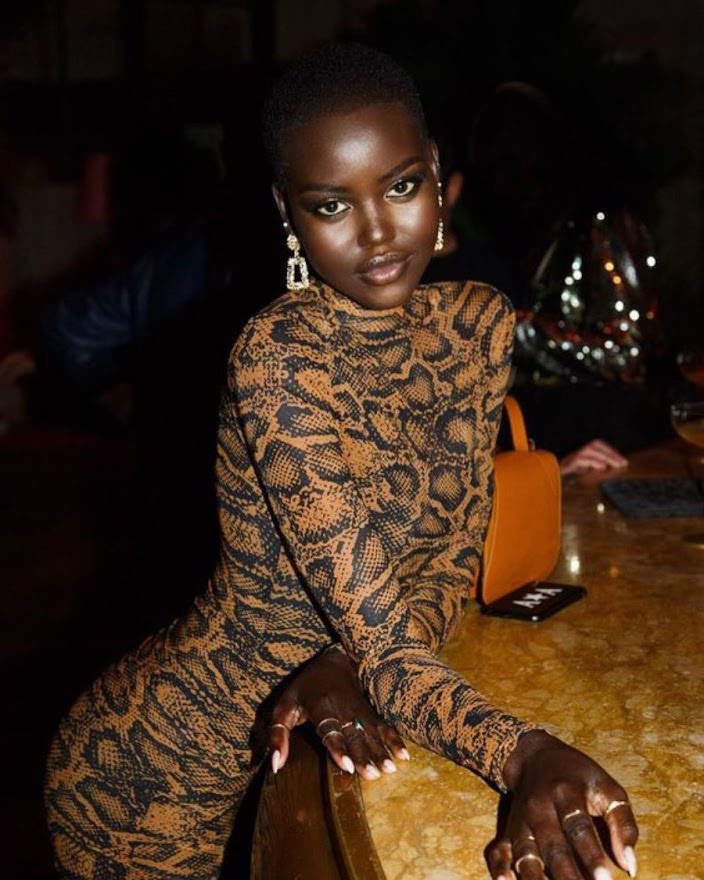
The face of high fashion, illuminated by otherworldly black beauty.


This photograph is the property of its respective owner. No copyright infringement intended.

Adut Akech’s beauty is a fusion of deep, luminous melanin, sculpted bone structure, and regal African features that command attention. She embodies a rare elegance where strength meets softness, making her presence feel both ancestral and otherworldly, as if her face were designed to redefine global standards of beauty.

Adut Akech Bior was born on December 25, 1999, in South Sudan and raised in a Kenyan refugee camp before relocating to Adelaide, Australia, at the age of 7. Her story is one of survival and transcendence—from displacement to becoming one of the world’s most recognizable fashion faces.

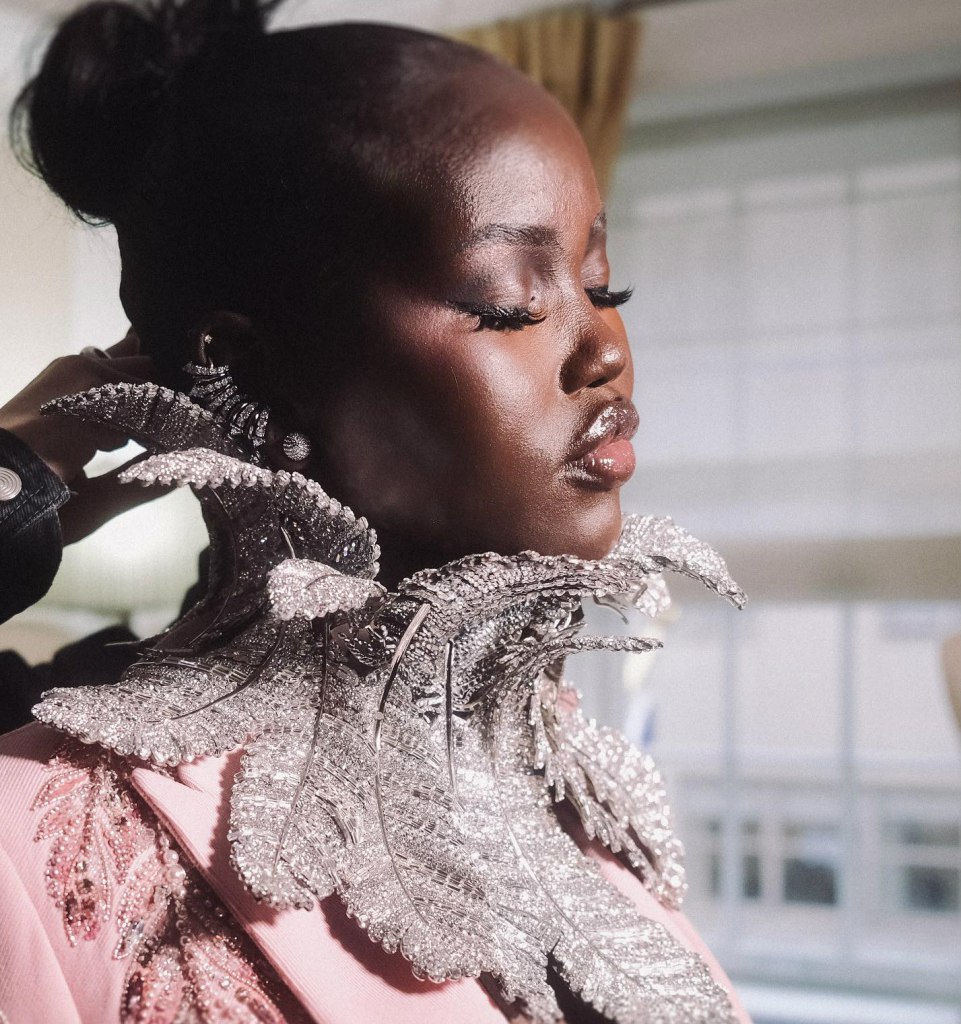
Discovered at 16, Adut was signed to Chadwick Models in Sydney and later joined Elite Models in Paris. Her big break came when Saint Laurent cast her as an exclusive in 2016. Since then, she has walked for Valentino, Dior, Versace, Prada, and Chanel, and graced the covers of Vogue, including the historic Vogue Italia and British Vogue issues. Her radiant melanated skin, striking facial features, and luminous smile have made her one of the most recognizable and influential faces in contemporary high fashion. Adut’s beauty is often described as regal, sculptural, and otherworldly. Her deep ebony complexion, almond-shaped eyes, symmetrical bone structure, and radiant smile create a look that is both modern and ancestral. She embodies a visual narrative that challenges Eurocentric ideals and restores dark-skinned African beauty to its rightful prominence in global media. Her presence represents a powerful shift in global beauty standards, placing dark-skinned Black women at the center of luxury and editorial fashion.

This photograph is the property of its respective owner. No copyright infringement intended.

With her deep, rich skin tone, short natural hair, and commanding runway presence, Adut redefined what mainstream beauty could look like. “My skin is not a trend,” she told Allure, challenging the tokenism and fetishization often placed on dark-skinned models. Her look is both regal and authentic, earning her a global following and editorial acclaim.

Adut’s international breakthrough came when she was selected as an exclusive model for Saint Laurent’s Spring/Summer 2017 show in Paris, an extraordinary debut that immediately elevated her status within the fashion world. Since then, she has walked for nearly every major luxury house, including Valentino, Dior, Givenchy, Versace, Fendi, Prada, Moschino, and Balenciaga.

She has appeared in major global campaigns and graced the covers of American Vogue, British Vogue, Vogue Italia, and many other international fashion publications, working with some of the most influential designers and photographers in the industry.

In 2018, she was named Model of the Year by Models.com and honored again in 2019 by the British Fashion Council, with Naomi Campbell presenting her award. Adut Akech’s achievements place her among the elite in fashion history. She won Model of the Year at the British Fashion Awards in 2019, one of the most prestigious honors in the industry. That same year, she was selected for the iconic September 2019 cover of British Vogue, curated by Meghan, Duchess of Sussex—cementing her as a cultural symbol beyond fashion alone.

Personal Life:
Adut is married to Samuel Elkhier. In 2024, she announced her pregnancy and later gave birth to their daughter, Kiki, entering motherhood while continuing to work at the highest levels of fashion. She has spoken openly about balancing family life with career, and about representing Black women with dignity, visibility, and grace.

Adut Akech qualifies as an Ebony Doll not only because of her exceptional physical beauty, but because she represents Black excellence, African resilience, and the elevation of melanated femininity in a global arena that once excluded women who looked like her. She is living proof that dark skin, African features, and Black womanhood are not trends—but timeless symbols of elegance, power, and divine design


References

  • Adut Akech profile and biography.
  • Adut Akech early career and Model of the Year coverage.
  • Basic biographical details including age and early life.
  • Modeling career highlights and campaigns.
  • Additional accolades and fashion influence.
  • Personal life and motherhood.
  • Adut Akech. Wikipedia. https://en.wikipedia.org/wiki/Adut_Akech

The Ebony Dolls: Naomi Campbell

The Unrivaled Supermodel and Queen of the Catwalk

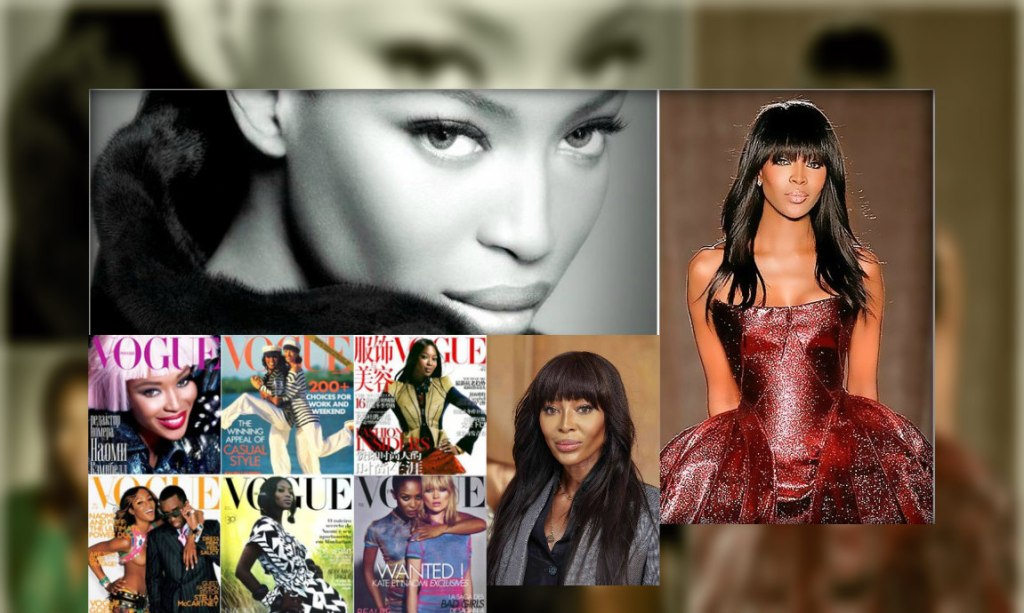
With her statuesque frame, chiseled cheekbones, an unmistakable feline grace, with the best runway walk known to man, Naomi Campbell reigns as one of the most iconic supermodels in history—a living embodiment of timeless beauty, discipline, and global influence. Her deep mocha complexion, commanding runway presence, and captivating gaze revolutionized the fashion world, breaking barriers for Black women in an industry once reluctant to embrace diversity. Discovered at just 15 years old, Campbell became the first Black model to grace the covers of French Vogue and Time magazine, solidifying her place among the elite. Beyond modeling, she has evolved into a philanthropist, actress, businesswoman, and cultural ambassador, using her platform to advocate for racial equality and representation in fashion. Naomi Campbell is not merely a model—she is an institution, a symbol of power, poise, and perseverance whose name defines excellence itself.

Few names in fashion history command the same reverence as Naomi Campbell, whose presence on the runway is often described as both thunderous and divine. With a walk that is the benchmark of high fashion, Naomi did not simply model clothes—she embodied power, elegance, and revolution. As one of the original “supermodels,” she shattered racial barriers, redefined global beauty standards, and remains an enduring force in fashion decades after her debut.


Early Life and Modeling Beginnings

Naomi Elaine Campbell was born on May 22, 1970, in London, England, to a Jamaican-born mother, Valerie Morris, a professional dancer. Naomi never knew her father, who left before her birth, and she took her mother’s surname. Of Afro-Jamaican and Chinese-Jamaican descent, Naomi grew up between London and Rome, where she studied ballet and performing arts.

Her modeling journey began serendipitously. At just 15 years old, while shopping in Covent Garden, Naomi was discovered by Beth Boldt, head of the Synchro Model Agency. By age 16, she was already gracing the cover of British Elle—a signal that fashion’s next phenomenon had arrived.


Rise to Supermodel Status and the “Big Five”

In the late 1980s and early 1990s, Naomi became one of the original five supermodels, a term Gianni Versace helped popularize. The group—Naomi Campbell, Linda Evangelista, Christy Turlington, Cindy Crawford, and Claudia Schiffer—dominated catwalks and campaigns, crossing over into pop culture with unprecedented fame. These women weren’t just faces of brands; they were personalities, businesswomen, and icons.

Naomi’s defining moment came in 1991, when Versace sent all five supermodels down the runway together, lip-syncing George Michael’s “Freedom! ’90,” immortalizing the era and solidifying Naomi’s place in fashion history.


A Trailblazer in Fashion

Naomi Campbell broke racial barriers in an industry that long upheld Eurocentric beauty standards. She was the first Black model to appear on the covers of French Vogue (1988) and Time Magazine, and the first Black British model to cover British Vogue in decades. Her presence signaled a tectonic shift, yet she has repeatedly spoken about how much of her career was earned through persistence in the face of racism.

In an interview with The Guardian (2020), Campbell stated, “I had to fight for myself because nobody else was going to fight for me. Racism is still very much alive in this industry.”

Despite being a supermodel, Naomi was often excluded from certain magazine covers and beauty campaigns. She has been candid about being booked last, paid less, or overlooked—until designers like Azzedine Alaïa, Yves Saint Laurent, and Gianni Versace personally advocated for her inclusion.


The Walk That Changed the Runway

Naomi’s runway walk is widely regarded as the most iconic in fashion history. Fluid yet powerful, rhythmic yet effortless—her strut became a signature, studied by generations of aspiring models. No one, past or present, walks quite like Naomi Campbell. Designer Marc Jacobs once said, “Naomi doesn’t walk the runway. She owns it.”

Fashion commentator Tim Blanks described it as “the physical expression of regality.” Her ability to command space—whether in couture or ready-to-wear—transcended the clothes and elevated fashion shows into full theatrical displays.


Longevity and Current Influence

Remarkably, Naomi remains one of the few models from her era still working at the top tier of the industry. Well into her 50s, she continues to headline major runway shows—Fendi, Balmain, and Valentino among them—and serves as a mentor and judge on modeling competitions, including The Face. She’s also walked for Rihanna’s Fenty, bridging generations and staying relevant with younger audiences.

Edward Enninful, editor-in-chief of British Vogue, called her “a legend, and a living link between fashion’s past, present, and future.”


Rivalry with Tyra Banks

Naomi’s long-publicized feud with Tyra Banks cast a shadow over both of their careers. In early interviews, Banks described being ostracized by Naomi in the 1990s when she entered the industry. Though both women have since reconciled, Tyra admitted in a 2019 interview that Naomi’s treatment made her question her place in fashion.

Naomi, in turn, claimed the media pitted them against each other, fostering competition between the only two prominent Black models of their time—another consequence of fashion’s limited diversity.


Comparisons: Naomi Campbell vs. Cindy Crawford

Both Naomi Campbell and Cindy Crawford were pioneers of the supermodel era, but they took slightly different paths. Cindy, often seen as the “All-American beauty,” became the face of numerous beauty campaigns and focused more on commercial modeling and business ventures. Naomi, by contrast, was a runway thoroughbred, closely aligned with haute couture and high fashion.

Where Cindy brought relatable beauty to the masses, Naomi brought otherworldly presence and regal glamour to elite runways. Both earned their spots through talent, but Naomi’s path was arguably more difficult due to systemic racism and underrepresentation.


Praise from Industry Icons and Her Own Words

Gianni Versace once said, “Naomi is not just a model—she is fashion.”
Vivienne Westwood called her “the goddess of the runway.”
Donatella Versace, after Naomi walked in her tribute show for Gianni in 2017, said: “She is a symbol of strength and resilience.”

On Christy Turlington, Naomi once said: “Christy is the most beautiful woman in the world—inside and out. Her face is like a Renaissance painting.” This rare public compliment reveals Naomi’s respect for her fellow supermodels, despite often being cast as the competitive one.


Personal Life

Naomi Campbell has never married but has had high-profile relationships, including with U2’s Adam Clayton, Russian billionaire Vladislav Doronin, and, more recently, she has welcomed two children, announcing the births quietly in 2021 and 2023. She maintains a level of privacy around her family life, choosing instead to highlight her philanthropic efforts and modeling career.


Conclusion

Naomi Campbell is not merely a supermodel—she is a cultural icon, a fashion revolutionary, and a living legend. With a walk that has never been matched, a legacy that spans generations, and a resilience forged in adversity, she has become more than the sum of her catwalks and covers. She is a force—still walking, still stunning, still Naomi.


References

  • Enninful, E. (2021). British Vogue Interviews
  • Banks, T. (2019). Tyra Banks Show Interview with Naomi Campbell
  • Versace, G. (1991). Freedom! Runway Show Commentary
  • Blanks, T. (2018). Business of Fashion: The Naomi Effect
  • Campbell, N. (2020). The Guardian Interview
  • Vogue Archives. (1988–2024). Covers and Editorials featuring Naomi Campbell

The GOAT … The LEGEND … The MAN …

With six championships, five MVPs, and a flawless Finals record, Michael Jordan isn’t just the GOAT—he’s the standard by which greatness is measured, also beyond the game. Michael Jordan, Air Jordan, and the Making of a Cultural Empire.

Photo by Willian Justen de Vasconcellos on Pexels.com

In the pantheon of global sports figures, Michael Jordan’s name occupies an almost mythic place. He is more than a retired professional basketball player; he is a brand, an icon, and a case study in the fusion of athleticism, entrepreneurship, and cultural influence. The Air Jordan brand—launched through his collaboration with Nike—did not merely change sportswear; it redefined the relationship between athletes and corporate branding. This report examines Michael Jordan’s biography, his partnership with Nike, his business ventures, controversies, and enduring influence, drawing on historical, economic, and sociocultural contexts.


Early Life and Career

Michael Jeffrey Jordan was born on February 17, 1963, in Brooklyn, New York, and raised in Wilmington, North Carolina. The fourth of five children to James and Deloris Jordan, he developed an early love for sports. After being famously cut from his high school varsity team as a sophomore, Jordan’s relentless work ethic propelled him to basketball stardom at the University of North Carolina at Chapel Hill, where he hit the game-winning shot in the 1982 NCAA Championship (Lazenby, 2014).

Jordan entered the NBA in 1984, drafted third overall by the Chicago Bulls. His explosive athleticism, combined with an unmatched competitive drive, quickly transformed him into one of the league’s most marketable stars.


The Nike Partnership and Birth of Air Jordan

In 1984, Nike—a company then struggling to regain its market share—offered Jordan a five-year endorsement deal worth $2.5 million, an unprecedented sum for an NBA rookie (Katz, 2013). At the time, Adidas and Converse dominated basketball shoes, but Nike took a risk on a player who had yet to play an NBA game.

The original Air Jordan I, designed by Peter Moore, debuted in 1985 and was banned by the NBA for violating uniform color rules. Nike capitalized on the controversy, marketing the sneakers with the tagline, “On October 15, Nike created a revolutionary new basketball shoe. On October 18, the NBA threw them out of the game. Fortunately, the NBA can’t stop you from wearing them.” The ban fueled demand, and sales skyrocketed to over $126 million in the first year (Nike Archives, 2020).


The Cultural Impact of Air Jordan

The Air Jordan brand transformed sneaker culture from simple athletic gear into a status symbol. Jordan’s on-court dominance—winning six NBA championships, five MVP awards, and ten scoring titles—was mirrored by his off-court marketing mastery. Nike commercials, including the iconic “It’s Gotta Be the Shoes” campaign with Spike Lee as “Mars Blackmon,” merged basketball with hip-hop culture, fashion, and urban identity.

By 2023, the Air Jordan line generated over $5 billion in annual revenue for Nike (Forbes, 2023). The brand’s limited-edition releases and retro models became a global phenomenon, inspiring sneaker resale markets and collector subcultures.


Business Ventures and Billionaire Status

Jordan’s financial empire extends beyond Nike. He owns the Charlotte Hornets NBA franchise (recently selling majority control while retaining a minority stake), has investments in restaurants, car dealerships, and tequila brands (Cincoro Tequila), and holds equity in DraftKings. According to Forbes (2023), his net worth surpassed $3 billion, making him one of the wealthiest former athletes in history.


Personal Life and Tragedy

Jordan married Juanita Vanoy in 1989, with whom he had three children—Jeffrey, Marcus, and Jasmine. The couple divorced in 2006. In 2013, he married Yvette Prieto, and they have twin daughters.
A pivotal tragedy occurred in 1993 when his father, James Jordan Sr., was murdered during a robbery in North Carolina. The incident profoundly impacted Jordan, leading to his first retirement from basketball.


Controversies and Criticism

Although celebrated as the greatest of all time (“GOAT”) by many, Jordan has faced criticism. Some in the Black community argue that he has not been as vocal on social justice issues as other athletes, famously summarized in his alleged quip, “Republicans buy sneakers too”—a statement he later clarified as a joke (Smith, 2020). Others point to incidents involving gambling and reports of a demanding, sometimes abrasive personality with teammates.


Basketball Legacy and Statistics

Jordan’s career statistics are staggering:

  • Points per game: 30.1 (highest in NBA history)
  • NBA titles: 6 (1991–1993, 1996–1998)
  • MVP Awards: 5
  • All-Star Selections: 14
  • Olympic Gold Medals: 2 (1984, 1992 Dream Team)

His silhouette, captured in the “Jumpman” logo, is now one of the most recognizable symbols in global marketing.


Memorialization and Statues

The Michael Jordan Statue, “The Spirit,” stands outside the United Center in Chicago, unveiled in 1994. It immortalizes his soaring dunk, symbolizing excellence, flight, and determination.


Marketing Slogan: “Be Like Mike”

In 1991, Gatorade launched the “Be Like Mike” campaign, cementing Jordan as a model of aspiration for millions of young fans. The commercials showcased him as approachable yet extraordinary—a balance that fueled his lasting appeal.


Conclusion

Michael Jordan’s journey from a determined teenager in North Carolina to a global icon encapsulates the synergy between sports excellence, branding mastery, and cultural influence. The Air Jordan brand is not merely a commercial product—it is a socio-cultural artifact, representing ambition, identity, and global capitalism. Jordan’s legacy is multifaceted: a legendary athlete, a savvy businessman, a cultural influencer, and a symbol of aspiration, particularly for Black entrepreneurs navigating both the challenges and opportunities of American capitalism.


References

  • Forbes. (2023). Michael Jordan Net Worth. Retrieved from https://www.forbes.com
  • Katz, D. (2013). When Michael Met Nike: The Birth of Air Jordan. Sports Illustrated.
  • Lazenby, R. (2014). Michael Jordan: The Life. Little, Brown and Company.
  • Nike Archives. (2020). The History of Air Jordan. Nike, Inc.
  • Smith, S. (2020). Michael Jordan and Social Responsibility: Context and Controversy. Journal of Sports and Society, 12(3), 45-57.

How to Be a Good and Godly Wife

A Biblical and Psychological Perspective

Photo by Agung Prakoso BayuAdi on Pexels.com

The institution of marriage is one of the earliest and most sacred covenants established by God (Genesis 2:24, KJV). The Bible’s model for a godly wife integrates reverence for the Lord, commitment to her husband, and the nurturing of the home. In contemporary psychology, these same virtues—mutual respect, emotional intelligence, and selflessness—are essential predictors of marital satisfaction and family stability (Gottman & Silver, 2015). Understanding how to live out these biblical principles with wisdom enables women to flourish in their roles as wives, mothers, and spiritual stewards of the household.


I. Biblical Foundation for a Godly Wife

Scripture outlines the qualities of a virtuous wife in detail. Proverbs 31 describes her as industrious, wise, compassionate, and devoted to her family. The apostle Paul emphasizes in Ephesians 5:22–24 (KJV) that wives should submit to their own husbands “as unto the Lord,” not as an act of inferiority, but as a reflection of divine order. Submission in biblical terms means honoring the leadership role of the husband while exercising her own God-given wisdom and gifts (Titus 2:4–5, KJV).


II. Psychological Perspective

From a psychological standpoint, marriage thrives when both partners display emotional regulation, mutual respect, and shared values (Stanley, Rhoades, & Whitton, 2010). Research on healthy relationships shows that a supportive wife fosters emotional stability in her spouse, which in turn strengthens the marital bond and provides a secure environment for children (Karney & Bradbury, 2005). Emotional intelligence—understanding and managing one’s own emotions while empathizing with others—is a key factor in being a loving and wise helpmeet (Goleman, 1995).


III. Ten Traits of a Good and Godly Wife

  1. Faithfulness – Remains loyal in heart, speech, and conduct (Proverbs 31:11, KJV).
  2. Respect for Her Husband – Honors his leadership (Ephesians 5:33, KJV).
  3. Wisdom and Discernment – Speaks with kindness and avoids foolish words (Proverbs 31:26, KJV).
  4. Diligence – Works hard to manage the home and contribute to its well-being (Proverbs 31:13, 27, KJV).
  5. Compassion – Cares for the poor and needy (Proverbs 31:20, KJV).
  6. Self-Control – Maintains godly behavior even under stress (1 Peter 3:4, KJV).
  7. Encouragement – Strengthens her husband with words of affirmation (Proverbs 12:4, KJV).
  8. Modesty – Dresses in a way that honors God and avoids immodesty (1 Timothy 2:9–10, KJV).
  9. Hospitality – Opens her home and heart to others (Hebrews 13:2, KJV).
  10. Prayerfulness – Covers her family in consistent intercession (Philippians 4:6, KJV).

IV. Behaviors to Avoid

A godly wife must guard against traits and behaviors that undermine love and respect:

  • Nagging and Quarreling (Proverbs 21:9, KJV)
  • Disrespect or Contempt (Ephesians 5:33, KJV)
  • Gossip and Slander (Proverbs 16:28, KJV)
  • Laziness (Proverbs 31:27, KJV)
  • Vanity and Pride (Proverbs 31:30, KJV)

Psychology confirms that contempt, criticism, and stonewalling are some of the most destructive patterns in marriage (Gottman & Silver, 2015).


V. Biblical Modesty and Dress

Modesty in dress is both an outward reflection of inward holiness and a safeguard against distraction or temptation. The Bible commands women to adorn themselves “in modest apparel, with shamefacedness and sobriety” (1 Timothy 2:9, KJV). Modesty is not about drabness but about self-respect, dignity, and honoring God with our appearance. Psychology supports the idea that clothing influences perception—modest dress fosters respect and communicates self-control (Adam & Galinsky, 2012).


VI. Becoming the Biblical Wife

To embody the biblical wife is to live in alignment with God’s Word, to respect her husband’s role without losing her own voice, and to cultivate an atmosphere of peace in the home. This requires daily spiritual discipline—prayer, study of Scripture, humility, and a heart set on service rather than self-promotion.


VII. Teaching Daughters to Be Godly Wives

Titus 2:3–5 (KJV) instructs older women to teach the younger women “to love their husbands, to love their children, to be discreet, chaste, keepers at home, good, obedient to their own husbands.” Mothers must model godly womanhood before their daughters, teaching:

  • The value of purity before marriage.
  • The strength found in gentleness and wisdom.
  • Skills for managing a household.
  • How to pray and read Scripture daily.

Psychologically, daughters who witness healthy marriages and loving motherly guidance are more likely to form strong, stable relationships themselves (Amato, 2000).


Conclusion

A good and godly wife is a woman who embodies biblical virtues, exercises emotional intelligence, and builds her home on a foundation of faith and love. She is not defined by cultural fads but by the eternal wisdom of God’s Word. By teaching these principles to daughters, mothers ensure that the legacy of godly womanhood is preserved for generations.


References

Adam, H., & Galinsky, A. D. (2012). Enclothed cognition. Journal of Experimental Social Psychology, 48(4), 918–925.
Amato, P. R. (2000). The consequences of divorce for adults and children. Journal of Marriage and the Family, 62(4), 1269–1287.
Goleman, D. (1995). Emotional intelligence. Bantam Books.
Gottman, J., & Silver, N. (2015). The seven principles for making marriage work. Harmony Books.
Karney, B. R., & Bradbury, T. N. (2005). Contextual influences on marriage. Current Directions in Psychological Science, 14(4), 171–174.
Stanley, S. M., Rhoades, G. K., & Whitton, S. W. (2010). Commitment: Functions, formation, and the securing of romantic attachment. Journal of Family Theory & Review, 2(4), 243–257.

Ten Signs That a Man Does Not Love You.

A Psychological and Biblical Examination

Photo by Joshua Mcknight on Pexels.com

Love is more than a verbal declaration; it is an active, continuous commitment demonstrated through actions, consistency, and sacrificial care (1 Corinthians 13:4–7, KJV). Many women remain in relationships where the profession of love is contradicted by behavior, creating emotional dissonance and spiritual harm. Understanding the signs that a man does not truly love you is essential for both psychological well-being and spiritual discernment.

1. Lack of Respect

Respect is foundational in love (Gottman & Silver, 2015). A man who belittles, mocks, or disregards your feelings is not operating from a place of genuine love. Scripture aligns with this truth, as husbands are commanded to “give honour unto the wife” (1 Peter 3:7, KJV).

2. Absence of Consistent Communication

Healthy love thrives on honest and regular communication. When a man avoids meaningful dialogue, responds with indifference, or habitually ignores your calls and messages, it indicates emotional detachment (Markman, Stanley, & Blumberg, 2010).

3. Emotional Neglect

Love involves emotional support and empathy. When a man is present physically but absent emotionally, the relationship becomes one-sided. Psychological research shows that emotional neglect erodes intimacy and increases relational dissatisfaction (Levine & Heller, 2010).

4. Self-Centeredness

If his needs, ambitions, and comfort consistently take precedence over yours, he may lack the sacrificial nature of true love. Biblical love “seeketh not her own” (1 Corinthians 13:5, KJV), implying that selflessness is non-negotiable.

5. Unwillingness to Commit

Chronic avoidance of defining the relationship or making future plans is a clear warning. Research indicates that commitment avoidance is linked to low relationship satisfaction and a higher likelihood of infidelity (Stanley, Rhoades, & Whitton, 2010).

6. Patterns of Dishonesty

A man who frequently lies or withholds information demonstrates a lack of trustworthiness. The Bible warns that “lying lips are abomination to the LORD” (Proverbs 12:22, KJV), and in relationships, dishonesty is corrosive to emotional safety.

7. Disregard for Your Well-being

When your pain, challenges, or victories are met with indifference, it reveals an absence of genuine care. Psychologically, empathy is a hallmark of love; without it, attachment becomes transactional (Neff & Karney, 2005).

8. Infidelity

Betrayal through emotional or physical affairs violates both biblical covenant (Hebrews 13:4, KJV) and the trust essential to healthy partnerships. Infidelity often signals deeper relational disengagement (Glass & Staeheli, 2003).

9. Lack of Support for Your Growth

True love fosters the other’s spiritual, emotional, and personal development. When a man discourages your dreams, mocks your goals, or undermines your growth, it reveals insecurity rather than love (Cloud & Townsend, 1992).

10. Consistent Disrespect of Boundaries

Healthy boundaries protect individuality within a relationship. A man who repeatedly violates your limits, pressures you into unwanted behavior, or disregards your consent fails to love you in a way that honors God and you (Henry, 2007).


Conclusion

Love is proven by actions, not mere words. The KJV Bible, psychology, and relationship science agree that respect, honesty, empathy, and commitment are indispensable. Recognizing the absence of these traits is not a call to bitterness but to clarity—so one may guard the heart (Proverbs 4:23, KJV) and align with relationships that mirror God’s standard of love.


References

Cloud, H., & Townsend, J. (1992). Boundaries: When to say yes, how to say no to take control of your life. Zondervan.
Glass, S. P., & Staeheli, J. (2003). Not “just friends”: Protect your relationship from infidelity and heal the trauma of betrayal. Free Press.
Gottman, J., & Silver, N. (2015). The seven principles for making marriage work. Harmony Books.
Henry, C. (2007). Boundaries in dating. Zondervan.
Levine, A., & Heller, R. (2010). Attached: The new science of adult attachment and how it can help you find – and keep – love. TarcherPerigee.
Markman, H., Stanley, S., & Blumberg, S. L. (2010). Fighting for your marriage. Jossey-Bass.
Neff, L. A., & Karney, B. R. (2005). To know you is to love you: The implications of global adoration and specific accuracy for marital relationships. Journal of Personality and Social Psychology, 88(3), 480–497.
Stanley, S. M., Rhoades, G. K., & Whitton, S. W. (2010). Commitment: Functions, formation, and the securing of romantic attachment. Journal of Family Theory & Review, 2(4), 243–257.

Crowning Glory: The Record-Breaking Hair Journey of Asha Mandela and the Global Narrative of Black Women’s Hair.

This photograph is the property of its respective owner.

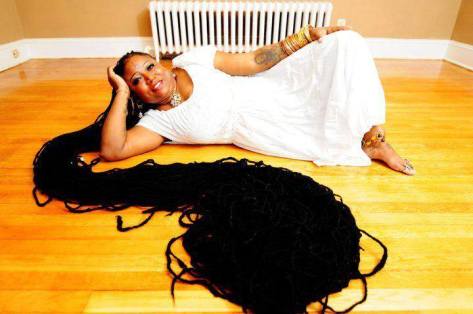
Asha Mandela, widely recognized as “The Black Rapunzel,” has captivated the world with her extraordinary crown—locs that measure over 110 feet long. As the Guinness World Record holder for the longest dreadlocks on a living person, her story is not merely about length but about patience, pride, and the spiritual and cultural journey of Black womanhood. In a world where Black hair has often been politicized, exoticized, or misunderstood, Asha Mandela’s story reclaims agency, celebrates heritage, and offers insight into the sacred beauty of natural hair care. This essay explores Mandela’s biography, hair routine, the science of Black hair growth, societal views on Afro-textured hair, and the rising global fascination—particularly in Asia—with natural Black hairstyles.


Asha Mandela: A Biography of Beauty and Resilience

Born in Trinidad and Tobago and raised in the Caribbean before relocating to the United States, Asha Mandela began her loc journey in her early 20s, over 40 years ago. At the time, she was experiencing serious health issues and believed that growing her locs was part of a spiritual calling—a holistic lifestyle decision meant to connect her to her roots and protect her energy. She credits her locs not only as a beauty statement but as an extension of her identity and strength.

According to the Guinness World Records (2021), her longest lock measures over 110 feet (33.5 meters)—longer than a London double-decker bus. Maintaining and growing her hair to such incredible lengths has been a labor of love, discipline, and faith.


The Art and Ritual of Hair Care

Asha Mandela’s hair is styled in traditional locs, a natural hairstyle created by allowing textured hair to mat and lock over time. She has stated in interviews that caring for her hair can take up to two full days, especially during washing and drying. She uses homemade essential oil blends, nutrient-rich shampoos, and organic treatments. Because of the weight and length of her locs, which can exceed 25 pounds when wet, she sleeps with them wrapped and often carries them in a scarf or pouch to avoid strain on her spine.

Mandela emphasizes that growing hair to such lengths requires spiritual intention, patience, and internal harmony. “It’s a part of me,” she says. “They’re my life force and my connection to the universe” (Essence Magazine, 2014).


Understanding Black Women’s Hair: Texture, Growth, and Myths

Black women’s hair is genetically diverse and uniquely structured. Afro-textured hair typically falls under the Type 3 (curly) and Type 4 (coily/kinky) hair classification. These strands grow in tight spirals or coils, giving the appearance of less length due to shrinkage, even though the hair continues to grow like any other hair type.

Contrary to stereotypes, Black hair grows at the same average rate—about 0.5 inches per month—as other ethnicities, but its coily nature and fragility make length retention more difficult. Frequent breakage, excessive manipulation, or chemical treatments can hinder growth. However, with protective styling, moisture-rich routines, and low-manipulation methods such as locs or braids, Black hair can grow very long, as demonstrated by Asha Mandela.


The World’s Gaze: Black Hair in Global Culture

Historically, Black hair has been burdened by social stigma. In many Western societies, Afro-textured hair has been labeled “unprofessional” or “unkempt,” leading to discriminatory practices in schools and workplaces (Byrd & Tharps, 2014). Yet simultaneously, Black hair has also become a site of global fascination and cultural admiration.

In recent years, a trend known as the “Fro Craze” has taken root in parts of Asia, particularly Japan and South Korea. Young people in these countries have embraced Afro wigs, dreadlocks, and cornrows as symbols of rebellion or high fashion. Some even undergo perms to create the look of a natural Afro. While some view this as cultural appreciation, others critique it as cultural appropriation—enjoying the aesthetics of Blackness without the lived realities that come with it.

Nonetheless, the interest reveals a broader shift: Black hair is no longer being hidden—it is being celebrated globally as a symbol of boldness, authenticity, and ancestral pride.


Public Reactions to Asha Mandela’s Hair

Public responses to Mandela’s hair are as layered as her locs themselves. Many see her as a living legend and a symbol of natural beauty. Others question the practicality or even the health of such extreme hair lengths. Some have unfairly labeled her hair “unclean” or “eccentric,” which speaks more to societal discomfort with Black hair that does not conform.

Yet Mandela remains unfazed. “My hair has never been a burden to me,” she said. “It’s been a blessing. It’s who I am.” (Guinness World Records, 2021).


Spirituality and Black Hair

For many women of African descent, hair is not merely fashion—it is spiritual. In African cosmologies, hair is considered a conduit for divine energy. In the Bible, Samson’s strength was in his hair (Judges 16:17), and many Rastafarians, like Mandela, view dreadlocks as a holy connection to Jah (God), resisting Babylon (oppression).


Conclusion

Asha Mandela’s record-breaking locs symbolize far more than a Guinness certificate. Her hair tells a story of resilience, cultural pride, self-acceptance, and sacred beauty. In a world where Black hair has been misunderstood, criminalized, or commodified, Mandela offers a bold reminder that natural hair is a crown—not to be tamed, but to be revered. Her journey also invites a deeper understanding of Black women’s hair, its science, cultural depth, and global influence. Ultimately, Asha Mandela’s story is a testament to the power of patience, pride, and authenticity in a society that often demands conformity.


References

Dilemma: Leveling Up as a Godly Wife

Biblical Principles, Intellectual Partnership, and the Role of Support in Marriage

Photo by Pavel Danilyuk on Pexels.com

In modern discourse, the phrase “leveling up” often describes personal growth, self-improvement, and the intentional pursuit of higher standards in one’s life. While secular definitions may focus on financial status, aesthetics, or social capital, within the biblical framework, “leveling up” as a wife is rooted in character, spiritual maturity, and the ability to nurture a godly and harmonious home. Proverbs 18:22 (KJV) declares, “Whoso findeth a wife findeth a good thing, and obtaineth favour of the Lord.” This statement highlights not only the blessing of marriage but also the intrinsic value of a godly wife to her husband’s life, mission, and spiritual walk.


The Meaning of “Leveling Up” in a Biblical Marriage

“Leveling up” in the context of biblical womanhood is the intentional act of aligning one’s actions, mindset, and spirit with God’s standards for marriage. This involves spiritual growth (2 Peter 3:18), emotional maturity (Proverbs 31:25), and the cultivation of virtues such as kindness, humility, and wisdom. It is not about material perfection but about embodying the qualities that make a wife a source of stability, inspiration, and strength.


Biblical Principles of Being a Wife

The Bible presents a multi-dimensional view of the role of a wife. Key passages include:

  • Submission and Respect: “Wives, submit yourselves unto your own husbands, as unto the Lord” (Ephesians 5:22, KJV). Biblical submission is not about oppression but about honoring the divine order and supporting the husband’s leadership.
  • Helper and Partner: Genesis 2:18 identifies the wife as a “help meet,” meaning a suitable helper, complementing her husband’s mission and vision.
  • Virtue and Diligence: Proverbs 31 describes a wife who is industrious, wise, and compassionate, managing her home well and caring for her household’s needs.
  • Faithfulness: Hebrews 13:4 emphasizes marital fidelity as a covenant before God.

Practical Ways to Level Up as a Wife

  1. Listening and Communication Skills – James 1:19 advises being “swift to hear, slow to speak.” Effective listening fosters trust, minimizes conflict, and helps a wife better understand her husband’s emotional and spiritual needs.
  2. Culinary and Home Management Skills – Providing healthy, well-prepared meals (Proverbs 31:15) and maintaining a clean, peaceful home environment demonstrate care and respect for the family.
  3. Supportive Partnership – A wife’s encouragement can uplift a man in moments of doubt (Ecclesiastes 4:9–10). She helps him focus on his calling by providing stability and reassurance.
  4. Emotional and Spiritual Encouragement – Praying together and for each other strengthens the spiritual bond (1 Thessalonians 5:11).

Choosing a Husband: Beyond Looks

The Bible warns against relying solely on appearances: “Favour is deceitful, and beauty is vain: but a woman that feareth the Lord, she shall be praised” (Proverbs 31:30). Compatibility, shared faith, integrity, and a man’s commitment to God’s purpose are more important than physical attraction alone.


What Godly Men Look For

Research and biblical teaching suggest that godly men often value:

  • Spiritual maturity (Proverbs 31:10–12)
  • Trustworthiness
  • Emotional support
  • Intellectual companionship
  • Respect and admiration

The Five Love Languages in Marriage

Dr. Gary Chapman (1992) identifies five primary ways people express and receive love:

  1. Words of Affirmation
  2. Acts of Service
  3. Receiving Gifts
  4. Quality Time
  5. Physical Touch

Understanding a husband’s primary love language allows a wife to meet his emotional needs more effectively, fostering deeper intimacy and connection.


Conclusion

Leveling up as a wife means committing to personal growth, aligning with biblical values, and becoming a partner who nurtures her husband’s well-being spiritually, emotionally, and physically. Proverbs 18:22 is not merely a poetic line but a reminder that a godly wife is both a blessing and a source of divine favor. By embracing biblical principles, practical skills, and emotional intelligence, a wife can create a marriage that reflects God’s design and thrives in love and unity.


References

  • Chapman, G. (1992). The five love languages: How to express heartfelt commitment to your mate. Northfield Publishing.
  • Holy Bible, King James Version.
  • Peters, R. (2020). Marriage God’s Way: A Biblical Recipe for Healthy, Joyful Relationships. Christian Focus Publications.
  • Thomas, G. (2015). Sacred marriage: What if God designed marriage to make us holy more than to make us happy? Zondervan.

Dilemma: Health, Diet, and Nutrition

Nourishment, Health, and Resilience: Addressing Nutritional Inequities and Chronic Disease in the Black Community”

Photo by Mark Stebnicki on Pexels.com

Across the African diaspora, food has been both a source of cultural identity and a silent contributor to disease. In the United States, Black Americans experience disproportionately high rates of chronic illnesses such as type 2 diabetes, heart disease, hypertension, and certain cancers—conditions often influenced by both genetic predispositions and nutritional environments (Centers for Disease Control and Prevention [CDC], 2023). According to the Office of Minority Health (2022), Black adults are 60% more likely than non-Hispanic White adults to be diagnosed with diabetes, and they are nearly twice as likely to die from heart disease before the age of 75. These alarming disparities are rooted in a complex interplay of systemic racism, economic barriers, targeted marketing of unhealthy foods, environmental toxins, and limited access to nutrient-rich diets (Walker et al., 2010).

The health crisis within the Black community is not merely a matter of individual choice—it is a product of history, policy, and science. The legacy of slavery, segregation, and urban food deserts has shaped dietary patterns, often replacing traditional African plant-rich diets with highly processed, chemically laden foods (Ashebir et al., 2022). Compounding these issues are genetic factors such as the prevalence of sickle cell anemia and heightened risk of hypertension, as well as autoimmune conditions like lupus, which affect Black women at disproportionately high rates (Pons-Estel et al., 2010).

Black Americans bear a disproportionate burden of chronic diseases such as type 2 diabetes, hypertension, heart disease, and certain cancers. These disparities stem from a complex interweaving of historical structural inequities, systemic racism, socioeconomic deprivation, and limited access to nutritious foods (Artiga et al., 2024; Shin et al., 2019) KFFarXiv. This essay explores the root causes of these health disparities, dietary approaches that support healing, the promise of medicinal herbs, strategies for cancer prevention, impacts of environmental toxins, the role of genetics, and culturally relevant wellness practices for the Black community.


Structural and Psychosocial Determinants of Health Disparities
The foundations of racial health inequities in the U.S. are deeply rooted in historical policies and medical racism. Black Americans have endured discriminatory medical experimentation, unequal care, and stereotyping that continue to influence health outcomes today (Artiga et al., 2024; Wikipedia, 2025) KFFWikipedia. Discrimination and chronic stress contribute to physiological dysregulation such as inflammation, hypertension, and poor health behaviors, reinforcing disease risks (APA, 2025; Wikipedia, 2025) American Psychological AssociationWikipedia. Additionally, many predominantly Black neighborhoods are food and healthcare deserts—terms more accurately described as “food apartheid” or “medical deserts”—where access to trauma centers, supermarkets, and wholesome food is severely restricted (Wikipedia, 2025) Wikipedia+1. These systemic barriers converge to amplify the prevalence of multimorbidity among African American families (CDC, 2020) CDC.


Nutrition and Dietary Approaches
Access to affordable and nutritious food is critical. Community interventions such as urban gardens, farmers’ markets, and policy-supported nutrition programs show promise in reversing diet-related illnesses like obesity, diabetes, and heart disease (Public Health Reviews, 2016; EatingWell, 2021) BioMed CentralEatingWell.

Dietary Patterns:

  • Whole-food, plant-based diets (including vegetarian and vegan patterns) are associated with reduced risk of cardiovascular disease, improved metabolic profiles, and lower cancer incidence. However, careful planning is necessary to ensure adequate intake of vitamin B12, iron, calcium, and omega-3s.
  • Paleo diets, emphasizing lean meats, fruits, and vegetables while excluding grains and dairy, have demonstrated short-term improvements in weight, blood pressure, and lipids, but may elevate TMAO levels and lack long-term evidence.
  • Raw vegan diets offer enhanced intake of antioxidants and fiber; yet, restrictive meal options and nutrient deficiencies are important considerations.

Medicinal Herbs and Their Functional Benefits
Several culinary herbs and spices offer evidence-based health benefits:

  • Turmeric (Curcumin): Curcumin has been shown to reduce blood pressure, improve arterial compliance, enhance antioxidant status, and improve exercise performance (PMC, 2024) PMC. It also supports insulin sensitivity, beta-cell function, and may help prevent diabetes progression (Healthline, 2024) HealthlineMedical News Today. Its anti-inflammatory and anti-carcinogenic actions may contribute to cardiovascular and brain health (Healthline, 2017) Healthline.
  • Garlic: Epidemiological and clinical studies indicate garlic lowers cholesterol, triglycerides, and may slow cardiovascular disease progression (Hopkins Medicine, 2024; PMC, 2001) Johns Hopkins MedicinePMC.
  • Ginger, Garlic & Turmeric Combined: A 2025 review underscores their synergistic benefits—reducing LDL, raising HDL, exerting antioxidant effects, and improving endothelial function—thereby lowering cardiovascular risk (ResearchGate, 2025) ResearchGate.
  • Other herbs and spices: Everyday staples like cinnamon, cloves, coriander, cumin, bay leaf, berberine, bitter melon, and cayenne are linked to blood sugar regulation, lipid metabolism, insulin efficiency, and neuropathy relief in diabetes management (Diabetes Action, 2025) Diabetes Action Foundation.

Daily incorporation of a broad range of these herbs and spices—such as turmeric, garlic, coriander, cinnamon, ginger, rosemary, oregano, and black pepper—can help reduce reliance on salt/sugar and support long-term metabolic health (Times of India, 2025) The Times of India.


Cancer Prevention and Immune Support
Diets rich in colorful fruits, vegetables, whole grains, and legumes deliver phytochemicals and antioxidants that inhibit cancer development and progression. Curcumin, for example, has demonstrated anti-angiogenic and pro-apoptotic effects in tumor models (Healthline, 2017) Healthline. Herbs like turmeric and garlic also support immune function and reduce inflammation, potentially aiding cancer prevention (Health.com, 2025) Health.


Genetic and Autoimmune Health Considerations
Specific genetic and autoimmune conditions disproportionately affect Black individuals:

  • Sickle Cell Disease (SCD): A hereditary hemoglobinopathy prevalent in African Americans. Nutritional strategies include increased caloric and micronutrient intake (zinc, vitamins A, C, E, folate), hydration, and possibly amino acids to support growth and immune resilience.
  • Rheumatic and Autoimmune Disorders: Lupus and multiple sclerosis present higher severity in Black populations. Anti-inflammatory, antioxidant-rich diets and stress reduction are supportive adjuncts to medical therapy.
  • Genetic Predispositions: Variants like APOL1 heighten the risk of kidney disease, while polymorphisms affecting insulin metabolism and inflammation contribute to diabetes and heart disease risk.

Exercise and Holistic Health
Regular physical activity enhances cardiovascular endurance, insulin sensitivity, and mental well-being. Turmeric’s protective effects during exercise-induced oxidative stress further support recovery and endurance (PMC, 2024) PMC. Home-cooked meals are protective—an American Heart Association study found that consuming two home-prepared meals daily is associated with a 13% lower risk of type 2 diabetes (Time, 2015) TIME.

Black Americans face disproportionately high rates of type 2 diabetes, hypertension, heart disease, and certain cancers—driven by socioeconomic inequities, limited access to nutritious foods, targeted marketing of unhealthy products, environmental exposures, and systemic barriers in healthcare and food systems WikipediaHealthline. Genetic predispositions—such as variants linked to diabetes, hypertension, and kidney disease—further intensify vulnerability in this population WikipediaKidney Medicine. Conditions like sickle cell disease and lupus also present distinct burdens among Black individuals Verywell HealtharXivScienceDirectWikipedia.


1. Causes of Chronic Conditions

  • Type 2 Diabetes: Arises from both lifestyle factors (high-calorie, low-fiber diets; lack of access to healthy foods) and specific genetic variants (e.g., TCF7L2, IGF2, HLA-B) associated with insulin signaling and glucose metabolism Wikipedia.
  • Heart Disease: Despite often having lower cholesterol, Black adults experience higher rates of hypertension and diabetes—major contributors to cardiovascular mortality. Social determinants such as limited healthcare access and environmental stressors add to risk Healthline.
  • Cancer: Diets high in processed and red meats and low in fiber-rich plant foods increase cancer risk. Conversely, plant-based diets are associated with lower rates of colorectal, prostate, and overall cancer incidence WikipediaVerywell Health.
  • Sickle Cell Disease (SCD): A genetic blood disorder predominating in African Americans (~1 in 365 births) due to inheritance of the sickle-cell trait. It leads to anemia, painful crises, and organ damage. Management involves nutrition, hydration, and medical care Verywell HealthWikipedia.
  • Lupus & Autoimmune Diseases: More prevalent in Black women. Disparities are shaped by systemic stress, immune dysregulation, and socioeconomic factors arXivScienceDirect.
  • Other Genetic Factors: APOL1 risk variants significantly raise the likelihood of chronic kidney disease in people of African descent Kidney MedicineAJKD.

2. Dietary Patterns & Their Benefits

A. Plant-Based Diets (Vegetarian/Vegan/Whole-Food)

  • Associated with lower risk of total cancer (~–8%) and vegan diets ~–15% Wikipedia.
  • Linked with reduced cardiovascular disease incidence, lower blood pressure (~4 mmHg), improved cholesterol, and better metabolic markers WikipediaVerywell HealthSAGE Journals.
  • Beneficial for diabetes and weight management; studies show vegan diets improve glycemic control and insulin sensitivity Verywell HealthSAGE Journals.
  • Note: Requires attention to B12, iodine, vitamin D, calcium, iron, zinc, and omega-3 intake Wikipedia.

B. Raw Vegan Diet

  • Yield weight loss, enhanced energy, skin health, digestion, and increased nutrient/fiber/antioxidant intake ResearchGateSciendo.
  • May reduce cancer and cardiovascular risk and promote longevity ResearchGateSciendo.
  • Cautions: Nutrient deficiencies, food safety, social challenges, restrictive nature; cooking can enhance some nutrients and reduce pathogens Verywell HealthStanford Medicine.

C. Paleo Diet

  • Emphasizes fruits, vegetables, nuts, lean meats, eggs, fish; excludes grains, legumes, dairy, and processed foods NCBIMayo Clinic.
  • Short-term trials suggest improvements in weight, blood pressure, cholesterol, and triglycerides Mayo Clinic.
  • Concerns include nutritional balance, cost, lack of long-term evidence, and elevated TMAO levels linked to cardiovascular risk NCBI.

3. Best Herbs & Their Roles

While evidence is evolving, some herbs show promise for metabolic and immune support:

  • Turmeric (Curcumin): Anti-inflammatory, modulates metabolic health.
  • Garlic: Supports cardiovascular health through lipid and blood pressure regulation.
  • Ginger: Enhances digestion, mitigates inflammation.
  • Green Tea (EGCG): Antioxidant, supports weight and metabolic health.

Note: Further rigorous trials are needed, especially in Black populations.


4. Toxicants, Organic Eating & Nutritional Biodiversity

  • Organic Foods: Tend to have higher minerals and vitamin C, and lower nitrates; reduce pesticide exposure ResearchGateSciendo.
  • Nutritional Biodiversity: A varied plant-based diet improves micronutrient intake, gut microbiome diversity, and lowers risk of type 2 diabetes and cardiovascular disease Wikipedia.

5. Lifestyle, Exercise, and Holistic Health

  • Exercise: Improves cardiovascular function, insulin sensitivity, body composition, mood, and reduces systemic inflammation.
  • Organic & Biodiverse Foods: Support reduced toxin load, enhanced antioxidant intake, and improved metabolic resilience.
  • Holistic Guidance: Regular screenings for blood sugar, blood pressure, lipids; stress management; access to healthcare; community food access improvements HealthlineWikipedia.

6. Disease-Specific Nutritional Strategies

  • Sickle Cell Disease: Requires higher calorie and micronutrient intake (zinc, vitamins A, C, E, folate), hydration, and possibly multivitamin/amino acid supplementation (e.g., arginine) to support immune function and growth Verywell Health.
  • Diabetes & Heart Disease: Emphasize fiber-rich foods (whole grains, legumes, fruits, vegetables), lean proteins (plant, fish), healthy fats (nuts, seeds, olive oil), limited processed foods and added sugars HealthlineSAGE JournalsMDPI. Nutrition interventions following ACC/AHA guidelines reduce cardiovascular risk in Black Americans MDPI.

7. Genetic Conditions: IBS, Multiple Sclerosis (MS)

  • IBS: Not strongly tied to race, but gut-healthy diets (rich in fiber, low in FODMAPs when needed, supportive probiotics) can benefit symptoms.
  • Lupus & MS: Autoimmune conditions with higher prevalence or severity in Black individuals. Nutrient-rich diets, anti-inflammatory foods (omega-3 rich, colorful produce), stress reduction, and medical treatment are vital.

Summary: Best Foods for the Human Body

Foundational foods (especially for Black communities vulnerable to metabolic and chronic disease):

  1. Colorful Fruits & Vegetables (berries, leafy greens, cruciferous veggies)
  2. Legumes & Whole Grains (beans, lentils, oats, brown rice, quinoa)
  3. Nuts, Seeds & Healthy Oils (walnuts, flax, chia, olive oil)
  4. Lean Proteins (fish, eggs, poultry, tofu, tempeh)
  5. Herbs & Spices (turmeric, garlic, ginger, green tea)
  6. Hydrating Fluids (water, herbal teas)
  7. Organic, Biodiverse Produce for nutrient density and lower toxins

Final Thoughts

Reducing disease burden in Black communities requires integrating:

  • Culturally relevant, affordable, and diverse nutrition
  • Whole-food, plant-focused diets with appropriate supplementation
  • Support for chronic genetic conditions (e.g., SCD, lupus) via tailored dietary strategies
  • Access to fitness, healthcare, and environmental health
  • Structural efforts addressing food deserts, discrimination, and stress

Conclusion and Recommendations
To improve health outcomes for Black Americans, a multifaceted strategy is essential:

  • Nutrition: Prioritize culturally acceptable, affordable, whole foods; minimize ultra-processed foods. Maximize nutrient density with diverse produce, legumes, lean proteins, healthy fats, and medicinal herbs.
  • Herbs and Spices: Leverage the anti-inflammatory and metabolic benefits of turmeric, garlic, coriander, cinnamon, and similar botanicals.
  • Lifestyle: Encourage regular physical activity, stress management, and community-level interventions such as urban gardens and improved food access programs.
  • Healthcare and Equity: Promote culturally sensitive medical care, improved access to preventive screenings, and structural policy change to dismantle food apartheid and healthcare inequities.

References

  • Artiga, S., Hill, L., & Presiado, M. (2024). How present-day health disparities for Black people are linked to past policies and events. KFF. KFF
  • American Psychological Association. (2025). Fact Sheet: Health Disparities and Stress; Health Disparities Defined. American Psychological Association+1
  • CDC. (2020). Chronic Disease Among African American Families. CDC
  • Hopkins Medicine. (2024). 5 Spices with Healthy Benefits. Johns Hopkins Medicine
  • PMC. (2024). Effects of Turmeric Concentrate on Cardiovascular Risk Factors and … PMC
  • PMC. (2001). Effect of garlic on cardiovascular disorders: a review. PMC
  • ResearchGate. (2025). Exploring the Cardio-Protective Effect of Bioactive Compounds Present in Ginger, Garlic, and Turmeric. ResearchGate
  • Diabetes Action. (2025). Medicinal plants that can help with diabetes. Diabetes Action Foundation
  • Times of India. (2025). 14 Everyday herbs and spices that may help prevent cancer, diabetes, and heart disease. The Times of India
  • Healthline. (2024). Turmeric and Diabetes. HealthlineMedical News Today
  • Healthline, (2017). Top 10 Evidence-Based Health Benefits of Turmeric. Healthline
  • Shin, E. K., Kwon, Y., & Shaban-Nejad, A. (2019). Geo-clustered chronic affinity: pathways from socio-economic disadvantages to health disparities. arXiv. arXiv
  • Wikipedia. (2025). Medical racism in the United States; Psychological impact of discrimination on health; Medical deserts; Food desert; Food justice movement; National Institute on Minority Health and Health Disparities. Wikipedia+5Wikipedia+5Wikipedia+5
  • Public Health Reviews. (2016). Improving the health of African Americans in the USA: an overdue … BioMed Central
  • EatingWell. (2021). Good Food for All. EatingWell
  • Time. (2015). Homemade Meals Lower Risk of Diabetes, Study Says. TIME