
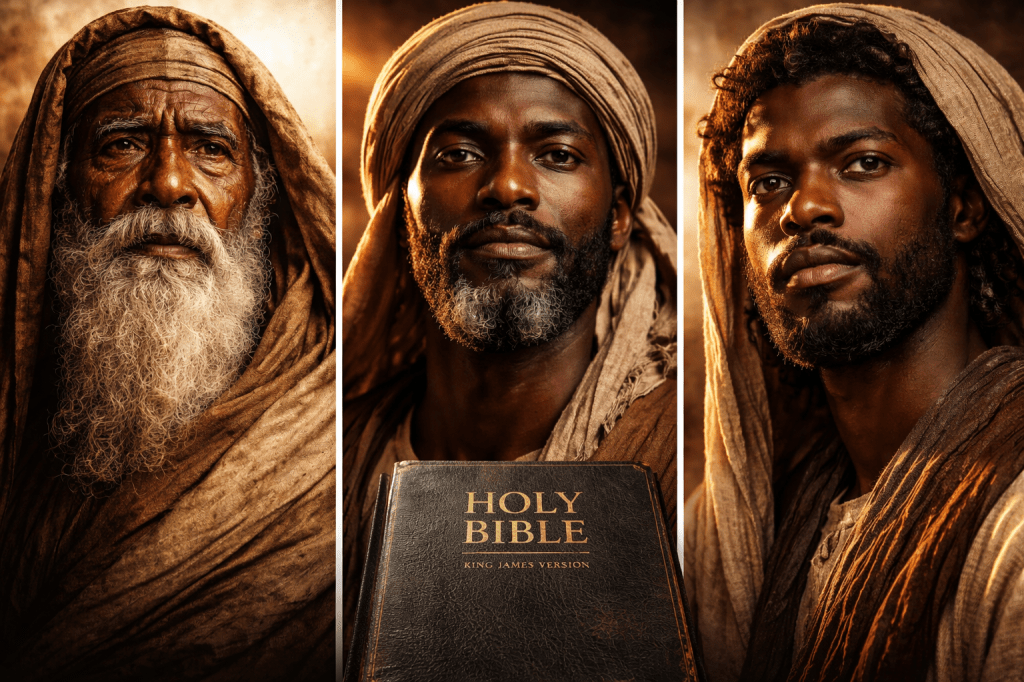
Hebrewism is a multifaceted concept that encompasses the language, culture, spiritual worldview, and identity associated with the ancient Hebrews, often identified biblically as the children of Israel. Rooted in antiquity, Hebrewism extends beyond mere ethnicity; it embodies a covenantal relationship with God, a structured moral law, and a distinctive way of life preserved through sacred texts such as the Torah and the broader canon of Scripture.
At its linguistic core, Hebrewism refers to the Hebrew language, one of the oldest Semitic languages, which carries unique idioms, poetic structures, and symbolic expressions. Biblical Hebrew is rich in imagery and layered meanings, often conveying spiritual truths through metaphor and repetition. Understanding Hebrew linguistically allows deeper interpretation of scripture, as many meanings are lost in translation.
Culturally, Hebrewism reflects a communal and covenant-based society governed by divine law. Practices such as dietary restrictions, Sabbath observance, and ceremonial rituals defined the daily life of ancient Israelites. These customs were not arbitrary but were intended to set the people apart as holy and distinct among the nations.
Theologically, Hebrewism is grounded in monotheism—the belief in one God—and a covenantal framework established with key patriarchs such as Abraham, Isaac, and Jacob. This covenant outlined blessings for obedience and consequences for disobedience, forming the foundation of Israelite identity and destiny.
Historically, the Hebrews are traced through biblical narratives that span from Mesopotamia to Egypt and eventually to the land of Canaan. Key events such as the Exodus and the establishment of the kingdom of Israel shaped their national consciousness and spiritual identity. These events are central to understanding Hebrewism as both a faith and a historical experience.
The destruction of the First and Second Temples and subsequent dispersions contributed to what is often referred to as the Diaspora. This scattering led to the spread of Hebrew culture and religious practice across different regions, while also introducing challenges of maintaining identity in foreign lands.
In examining how Black people fit into Hebrewism, one encounters a range of perspectives, some of which are theological, historical, and cultural. Certain groups assert that people of African descent are descendants of the ancient Israelites, drawing connections between biblical prophecies and the historical experiences of Black populations, particularly in the Americas.
Loss of identity refers to a state in which an individual or group becomes disconnected from their true sense of self—culturally, spiritually, psychologically, or historically. It is the erosion or displacement of one’s original identity, often replaced by imposed beliefs, values, or labels.
At the individual level, loss of identity can occur through trauma, social pressure, or prolonged exposure to environments that discourage authenticity. A person may begin to question who they are, adopting behaviors or perspectives that do not align with their core self in order to survive or be accepted.
At the collective level—especially in the context of Black history—the loss of identity is deeply tied to historical processes such as slavery, colonisation, and systemic oppression. During the Transatlantic Slave Trade, Africans were stripped of their names, languages, spiritual systems, and cultural practices. This was not accidental—it was a deliberate attempt to erase identity and replace it with one that served the interests of a dominant सत्ता.
This erasure created generations disconnected from their ancestral roots. Cultural memory was fragmented, and in its place emerged imposed identities shaped by racial hierarchies. Over time, this led to internal conflicts about self-worth, belonging, and purpose—closely tied to what W. E. B. Du Bois described it as double consciousness.
Loss of identity can also manifest through assimilation, where individuals feel pressure to conform to dominant cultural norms at the expense of their own heritage. This often results in code-switching, self-censorship, and the suppression of cultural expression.
Psychologically, it may lead to confusion, low self-esteem, or a fractured sense of self. Spiritually, it can create a disconnection from purpose, heritage, and belief systems that once grounded a people. Socially, it may appear as a division within communities, where shared identity becomes unclear or contested.
Yet, loss of identity is not always permanent. It can also be the beginning of a reclamation process—a journey of rediscovery, where individuals and communities seek to reconnect with their history, culture, and truth.
Simple definition
Loss of identity = the disconnection from one’s true self, roots, or heritage—often caused by external forces like oppression, assimilation, or cultural erasure.
One frequently cited framework in this discussion is found in Deuteronomy 28, which outlines blessings and curses tied to covenantal obedience. Some interpret the curses—such as enslavement, oppression, and displacement—as paralleling the experiences of Africans during the Transatlantic Slave Trade.
This interpretive approach is often associated with movements collectively referred to as Hebrew Israelite traditions. These groups seek to reclaim a perceived lost identity by aligning their history with that of the biblical Israelites, emphasizing restoration, repentance, and adherence to biblical law.
The concept of identity loss is central to these interpretations. The stripping of names, languages, and spiritual systems during slavery is viewed as a severing of original identity, which Hebrewism seeks to restore. This aligns with broader discussions of cultural erasure and reclamation within the African diaspora.
Scholars such as W. E. B. Du Bois have explored the psychological impact of such disconnection, particularly through the lens of double consciousness. While not explicitly tied to Hebrewism, this framework helps explain the internal conflict experienced by those navigating multiple identities.
It is important to note that mainstream academic scholarship generally distinguishes between ancient Israelites of the Near East and modern populations, including those of African descent. Genetic, archaeological, and historical evidence is often used to trace these distinctions, though debates and alternative interpretations persist.
At the same time, Africa has long been connected to biblical narratives. Regions such as Cush (often associated with parts of modern-day Sudan and Ethiopia) and figures like the Ethiopian eunuch in the New Testament highlight the presence of African peoples within the biblical world. This demonstrates that African identity is not foreign to scripture.
Religious identity, particularly within Christianity, has also shaped how Black communities engage with Hebrewism. The Bible has served as both a tool of oppression and a source of liberation, with enslaved Africans drawing strength from stories of deliverance and divine justice.
Modern expressions of Hebrewism among Black communities often emphasise a return to biblical laws, names, and practices. This can include observing dietary laws, celebrating biblical feasts, and adopting Hebrew names as a means of reclaiming identity and spiritual heritage.
Critics of these movements argue that some interpretations lack historical and textual support, cautioning against conflating spiritual identity with ethnic lineage. Nonetheless, the emotional and cultural resonance of these beliefs underscores a deeper desire for belonging and historical continuity.
Hebrewism, therefore, operates on multiple levels: as an ancient tradition, a religious framework, and, for some, a pathway to identity restoration. Its meanings shift depending on context, reflecting both historical realities and contemporary interpretations.
The intersection of Hebrewism and Black identity highlights broader themes of displacement, resilience, and the search for truth. Whether viewed through a scholarly or faith-based lens, the conversation reveals the enduring impact of history on present identity.
Ultimately, Hebrewism invites a deeper exploration of who a people are, where they come from, and how they understand their place in the world. For many, it is not merely about the past but about shaping a future grounded in perceived truth and restored dignity.
As discussions continue, it is essential to approach the topic with both intellectual rigor and cultural sensitivity. The narratives surrounding Hebrewism and Black identity are complex, deeply personal, and often contested, requiring careful study and respectful dialogue.
References
The Holy Bible, King James Version. (1611).
Du Bois, W. E. B. (1903). The Souls of Black Folk. Chicago, IL: A. C. McClurg & Co.
Sanders, E. P. (1992). Judaism: Practice and Belief, 63 BCE–66 CE. London, UK: SCM Press.
Finkelstein, I., & Silberman, N. A. (2001). The Bible Unearthed: Archaeology’s New Vision of Ancient Israel and the Origin of Its Sacred Texts. New York, NY: Free Press.
Goldenberg, D. M. (2003). The Curse of Ham: Race and Slavery in Early Judaism, Christianity, and Islam. Princeton, NJ: Princeton University Press.
Discover more from THE BROWN GIRL DILEMMA
Subscribe to get the latest posts sent to your email.
 THE BROWN GIRL DILEMMA