
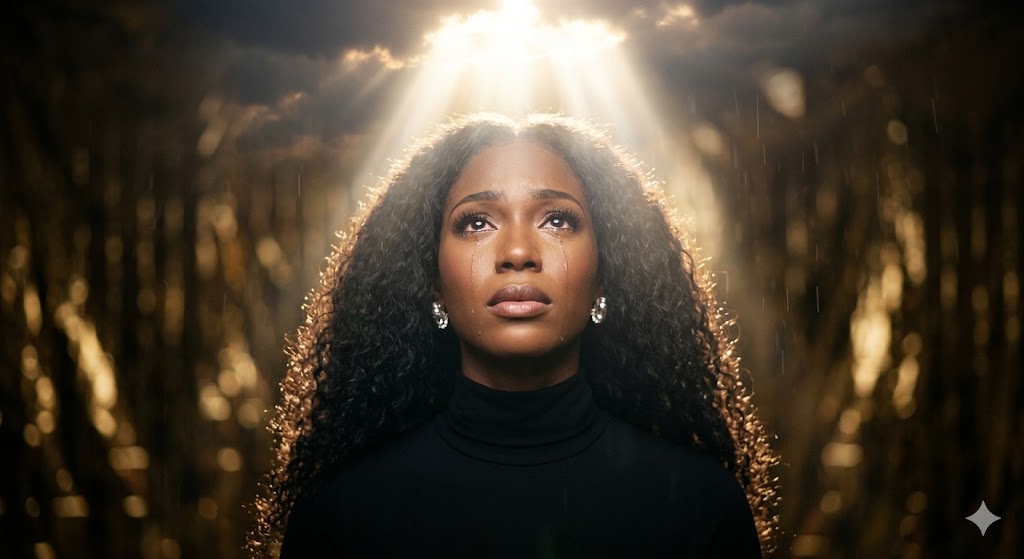
Black women in the United States occupy a unique social position shaped by the intersection of race, gender, and historical inequality. Their experiences are influenced by centuries of systemic discrimination, cultural expectations, and social pressures that affect economic opportunities, health outcomes, and societal perceptions. Understanding the realities facing Black women requires examining the historical and structural forces that shape their daily lives.
One of the most significant frameworks used to analyze these experiences is intersectionality, a concept introduced by legal scholar Kimberlé Crenshaw. Intersectionality explains how different forms of discrimination—particularly racism and sexism—interact simultaneously. For Black women, this means facing social barriers that cannot be fully explained by race alone or gender alone but by the combination of both.
Historically, Black women have endured unique forms of labor exploitation and social marginalization. During slavery in the United States, Black women were forced to perform both agricultural labor and domestic work while also being subjected to sexual exploitation. These conditions created enduring stereotypes that portrayed Black women as either excessively strong or morally deviant.
These stereotypes evolved into several harmful archetypes that continue to influence public perception. The “mammy,” “jezebel,” and “angry Black woman” stereotypes emerged from historical narratives that sought to justify inequality and control. These caricatures have persisted in popular culture, shaping how Black women are viewed in workplaces, media, and social institutions.
Economic inequality represents another major pressure affecting Black women. Despite high levels of labor participation, Black women frequently encounter wage disparities compared with white men, white women, and sometimes Black men. Data from the U.S. Bureau of Labor Statistics consistently demonstrates a persistent racial and gender wage gap.
The consequences of wage inequality extend beyond individual income. Lower earnings reduce opportunities for homeownership, savings, and wealth accumulation. Over time, these disparities contribute to the broader racial wealth gap observed across American society.
Education has been an area where Black women have demonstrated remarkable progress. In recent decades, Black women have become one of the fastest-growing groups earning college and advanced degrees. Despite these achievements, barriers to leadership roles and executive positions remain prevalent in many industries.
Healthcare disparities also represent a critical concern. Studies conducted by the Centers for Disease Control and Prevention show that Black women face significantly higher maternal mortality rates than women from other racial groups. These disparities have been linked to unequal access to healthcare, implicit bias among medical providers, and systemic inequalities in the healthcare system.
Mental health pressures are also significant. Many Black women report experiencing high levels of stress related to workplace discrimination, financial responsibilities, and caregiving obligations. Yet cultural expectations often encourage them to appear emotionally resilient regardless of the circumstances.
This expectation is commonly referred to as the “Strong Black Woman” trope. While resilience is often celebrated, scholars argue that the expectation of constant strength can discourage Black women from seeking emotional support or mental health care when needed.
Black feminist scholars have played a central role in analyzing these dynamics. Intellectual leaders such as Patricia Hill Collins and bell hooks have written extensively about the ways Black women resist oppression while simultaneously navigating complex social expectations.
Media representation also shapes how Black women are perceived. Historically, film and television often depicted Black women through narrow stereotypes. Although representation has improved, scholars continue to debate whether contemporary portrayals adequately reflect the diversity and complexity of Black womanhood.
Another significant pressure involves beauty standards and colorism. Western beauty ideals have historically favored lighter skin tones and European features, often marginalizing darker-skinned women. Colorism can influence opportunities in employment, media representation, and social relationships.
Black women are also deeply involved in community leadership and social activism. Throughout American history, they have organized movements advocating for civil rights, gender equality, and social justice. Their leadership has often been underrecognized despite its profound impact.
Figures such as Harriet Tubman, Ida B. Wells, and Shirley Chisholm exemplify the tradition of Black female leadership in American history. Their contributions helped reshape political and social landscapes.
Family and community responsibilities also create unique pressures. Black women frequently play central roles in caregiving, household leadership, and community support networks. These responsibilities often exist alongside professional obligations, creating additional demands on time and emotional energy.
Religious and spiritual institutions have historically provided important support systems. Churches and faith-based organizations have served as spaces where Black women could find community, leadership opportunities, and emotional resilience.
Despite these pressures, Black women have demonstrated extraordinary cultural influence. Their contributions to literature, music, fashion, and art have profoundly shaped American culture and global artistic expression.
Scholars emphasize that understanding the experiences of Black women requires recognizing both the challenges they face and the strength they demonstrate. Their resilience reflects not only personal determination but also collective strategies developed within communities to resist inequality.
Addressing the social pressures facing Black women requires policy reforms that promote economic equity, healthcare access, educational opportunity, and fair representation in leadership positions.
Ultimately, examining the experiences of Black women reveals broader truths about inequality within American society. By acknowledging these realities and addressing systemic barriers, society can move toward a more inclusive and equitable future.
References
Collins, P. H. (2000). Black feminist thought: Knowledge, consciousness, and the politics of empowerment. Routledge.
Crenshaw, K. (1989). Demarginalizing the intersection of race and sex. University of Chicago Legal Forum.
hooks, b. (1981). Ain’t I a woman: Black women and feminism. South End Press.
Jones, C. P. (2000). Levels of racism: A theoretical framework and a gardener’s tale. American Journal of Public Health.
Centers for Disease Control and Prevention. (2023). Racial and ethnic disparities in maternal health.
U.S. Bureau of Labor Statistics. (2023). Labor force statistics by race and gender.
Discover more from THE BROWN GIRL DILEMMA
Subscribe to get the latest posts sent to your email.
 THE BROWN GIRL DILEMMA