
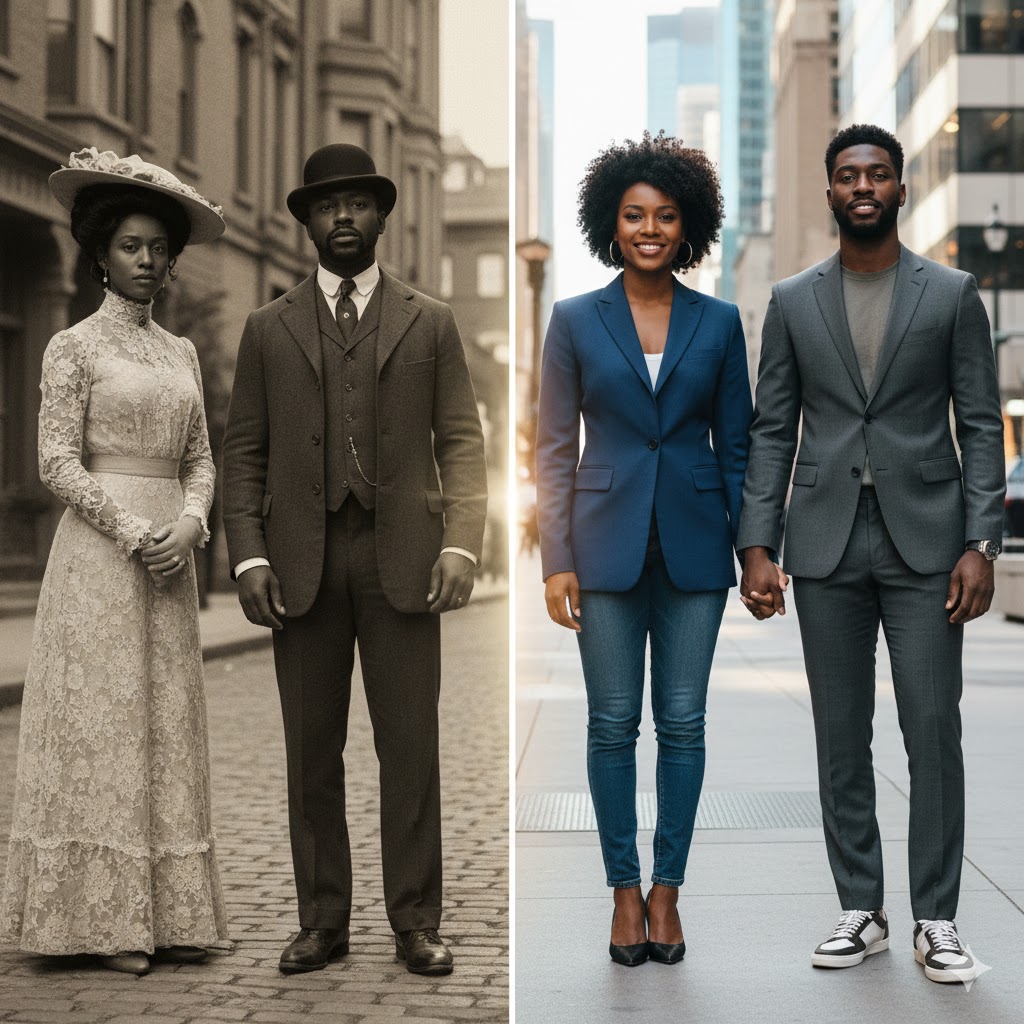
Beauty is a concept both timeless and fluid, shaped by culture, society, and history. What one era or civilization considers beautiful may differ drastically from that of another. While scientific principles like symmetry, proportion, and health inform perceptions of attractiveness, cultural context profoundly influences who is valued and why. Faith reminds us that true beauty transcends these shifting standards, as every human is fearfully and wonderfully made in God’s image (Psalm 139:14).
1. Ancient Egypt and Divine Aesthetics
In Ancient Egypt, beauty was closely linked to divinity, status, and symmetry. Eye makeup, jewelry, and elaborate hairstyles were both aesthetic and symbolic, reflecting moral and social order. Beauty was not only outward; it conveyed spiritual and societal ideals.
2. Greek Ideals of Proportion
The Greeks emphasized balance and mathematical harmony in beauty, exemplified in statues like the Venus de Milo. The concept of the “golden ratio” influenced facial and bodily ideals, suggesting that beauty was a reflection of cosmic order and perfection.
3. Roman and Early European Standards
Romans valued youth, symmetry, and proportion, often sculpting and painting faces to idealize citizens. In these societies, beauty signified power, social standing, and civic virtue.
4. Medieval Europe
During the Middle Ages, pale skin signified nobility, as it indicated one did not labor outdoors. Fuller figures were often admired, symbolizing wealth and prosperity. Religious art frequently depicted saints and angels with ethereal beauty, linking aesthetic appeal to moral virtue.
5. The Renaissance
The Renaissance revived classical ideals, celebrating symmetry, proportion, and idealized human forms. Artists such as Leonardo da Vinci and Botticelli emphasized harmonious facial structures, linking physical beauty with intellect and moral excellence.
6. Non-Western Cultural Standards
African, Asian, and Indigenous societies have historically valued distinct facial and bodily traits, often connected to spirituality, rites of passage, and social identity. Beauty was culturally contextual, emphasizing characteristics meaningful within the community.
7. Colonial Influence and Colorism
Colonization imposed European beauty standards worldwide, privileging lighter skin, straighter hair, and Eurocentric features. Colorism emerged, favoring individuals with lighter skin and marginalizing those with darker complexions.
8. African Beauty Ideals
Traditional African societies celebrated melanin-rich skin, full lips, broad noses, and natural hair. Facial scarification, body art, and adornments highlighted individuality and spiritual identity, emphasizing beauty beyond Eurocentric norms.
9. Asian Beauty Standards
In East and South Asia, historical preferences included fair skin, small facial features, and delicate proportions. Cultural texts, paintings, and rituals reinforced these ideals over centuries, reflecting social hierarchy and health indicators.
10. Modern Western Influence
With globalization, Western media, fashion, and advertising disseminated Eurocentric beauty ideals worldwide. Features such as slim bodies, narrow noses, and light skin became aspirational, impacting self-esteem and cultural perceptions.
11. Psychological Implications
Cultural beauty norms affect mental health, self-worth, and social interactions. Studies show that individuals judged as attractive often receive preferential treatment, while those outside mainstream ideals face bias, stigma, or discrimination.
12. Beauty and Media Representation
Television, film, and social media reinforce narrow beauty standards. The proliferation of edited images and filters creates unrealistic ideals, impacting body image and shaping desires for conformity.
13. Faith Perspective on Beauty
Scripture reminds believers that God values the heart above outward appearance (1 Samuel 16:7). True beauty integrates spiritual, moral, and physical dimensions, honoring God through obedience, kindness, and integrity.
14. Shifts in Contemporary Standards
Recent movements celebrate diverse body types, natural hair, and darker skin tones. Representation matters, challenging Eurocentric norms and reaffirming the dignity of previously marginalized features.
15. Intersection of Science and Culture
While science identifies universal cues—symmetry, skin clarity, facial proportions—culture mediates perception. What is considered beautiful is a dynamic interplay between biology and social conditioning.
16. Beauty Across Ethnicities
Anthropological studies show that aesthetic preferences vary widely, influenced by heritage, environment, and historical experience. Recognizing this diversity affirms that beauty cannot be universally standardized.
17. Aging and Beauty
Beauty evolves with age. Youthfulness is often idealized, but maturity brings wisdom, character, and spiritual depth—qualities that Scripture values alongside outward appearance (Proverbs 31:25).
18. Combating Bias
Understanding the cultural and historical context of beauty helps dismantle lookism and colorism. Promoting inclusivity and self-acceptance aligns with the biblical principle of valuing each person as God’s creation.
19. Beauty as Divine Reflection
Every face, regardless of societal standards, reflects the handiwork of God. Recognizing divine intentionality in human diversity cultivates gratitude, humility, and celebration of uniqueness.
20. Conclusion
Beauty is simultaneously universal and culturally specific, informed by biology, psychology, and society. Yet, the ultimate measure of worth and attractiveness is rooted in God’s design. As Psalm 139:14 affirms, we are all fearfully and wonderfully made, and true beauty lies in acknowledging, celebrating, and honoring that divine creation.
References
- Hunter, M. L. (2007). The persistent problem of colorism: Skin tone, status, and inequality. Sociology Compass, 1(1), 237–254. https://doi.org/10.1111/j.1751-9020.2007.00006.x
- Russell-Cole, K., Wilson, M., & Hall, R. E. (2013). The color complex: The politics of skin color among African Americans. Anchor Books.
- Jones, D., & Hill, K. (1993). Criteria of facial attractiveness in five populations. Human Nature, 4(3), 271–296.
- Psalm 139:14 (KJV).
- 1 Samuel 16:7 (KJV).
- Proverbs 31:25 (KJV).
Discover more from THE BROWN GIRL DILEMMA
Subscribe to get the latest posts sent to your email.
 THE BROWN GIRL DILEMMA