
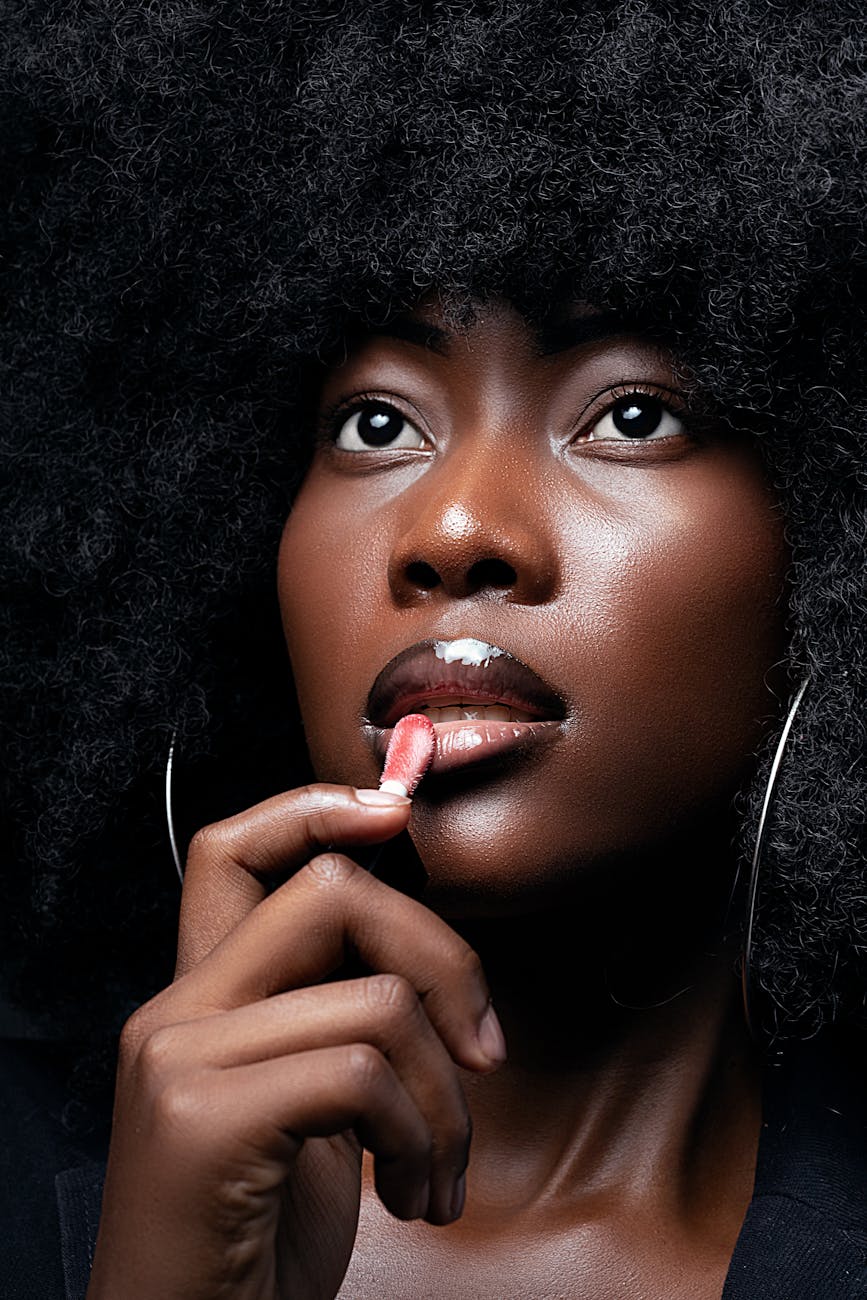
A Journey Through Struggle, Faith, and Resilience
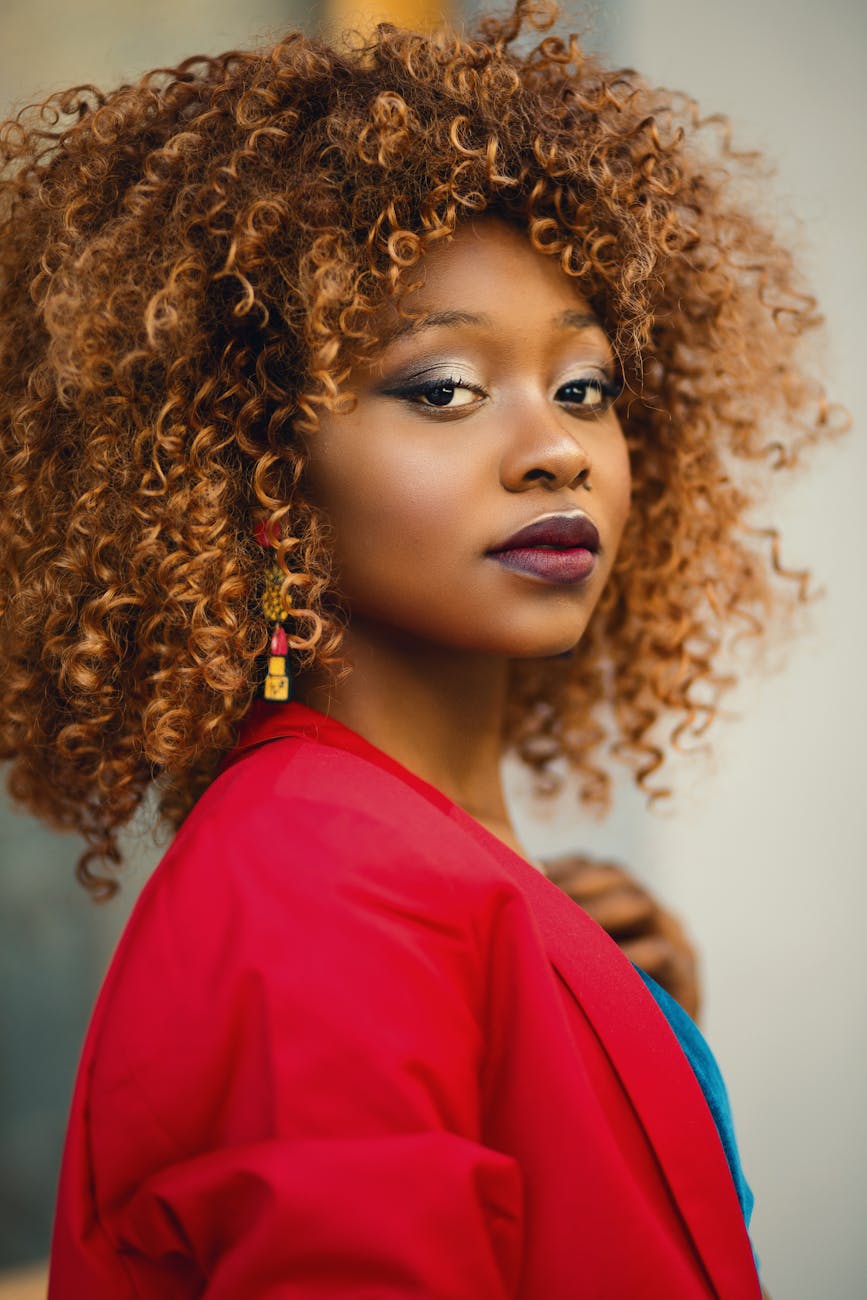
The Weight and Wonder of Brownness
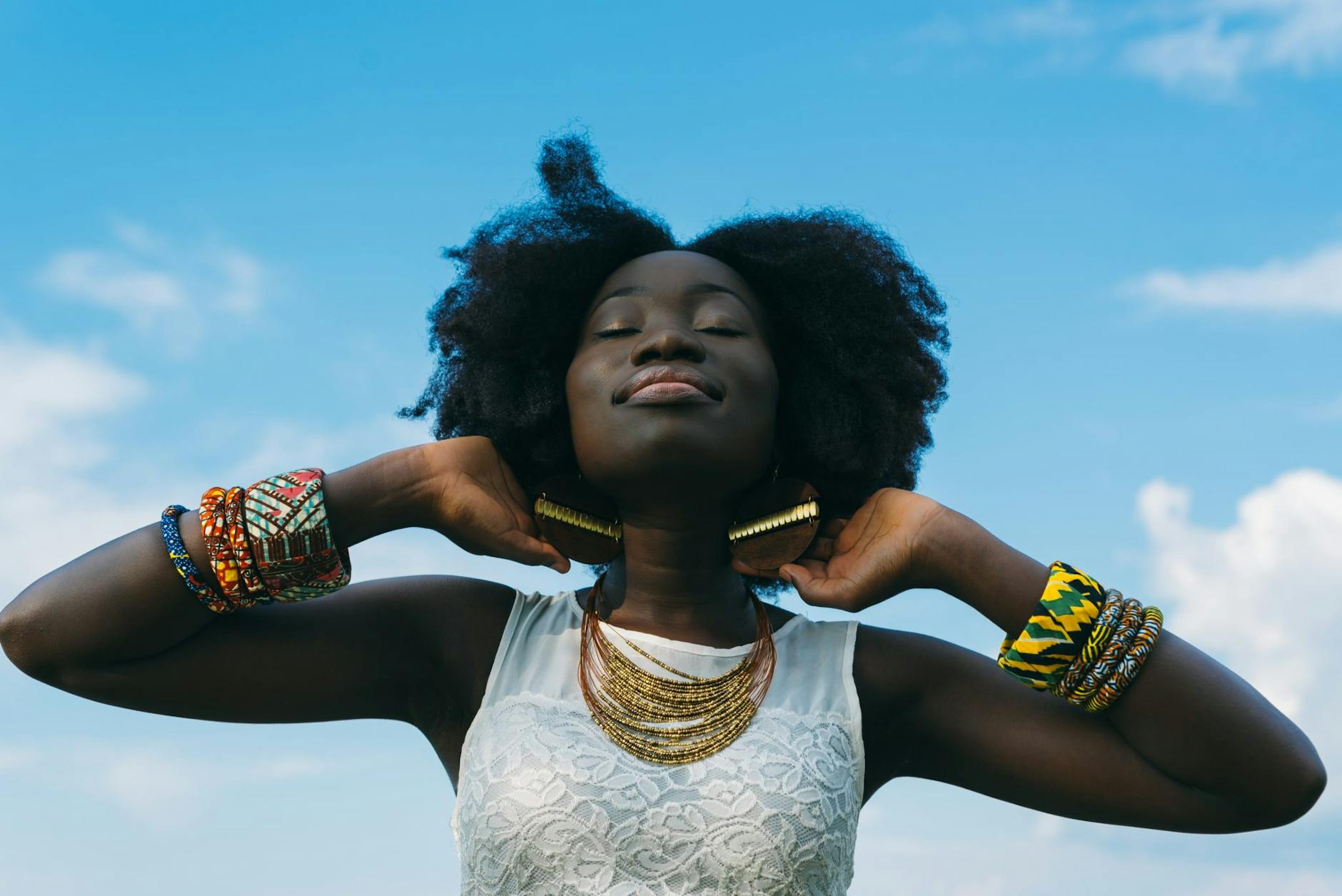
To be a brown girl in a world that has long worshiped whiteness is to live within a paradox. She is both invisible and hyper-visible, overlooked yet over-scrutinized, diminished and yet desired. Her skin tells a story before she even speaks, a story marked by colonial history, racial hierarchies, and cultural misrepresentation. But her melanin also tells another story—one of divine design, resilience, and sacred inheritance.
This manuscript, The Brown Girl Dilemma, seeks to unpack the layered experiences of brown girls across eight lenses: beauty, faith, psychology, representation, and resilience. Each essay acts as both a mirror and a window—reflecting the inner struggles of brown girls while revealing their undeniable strength to the world.
Beyond the Mirror: Unpacking the Brown Girl Dilemma
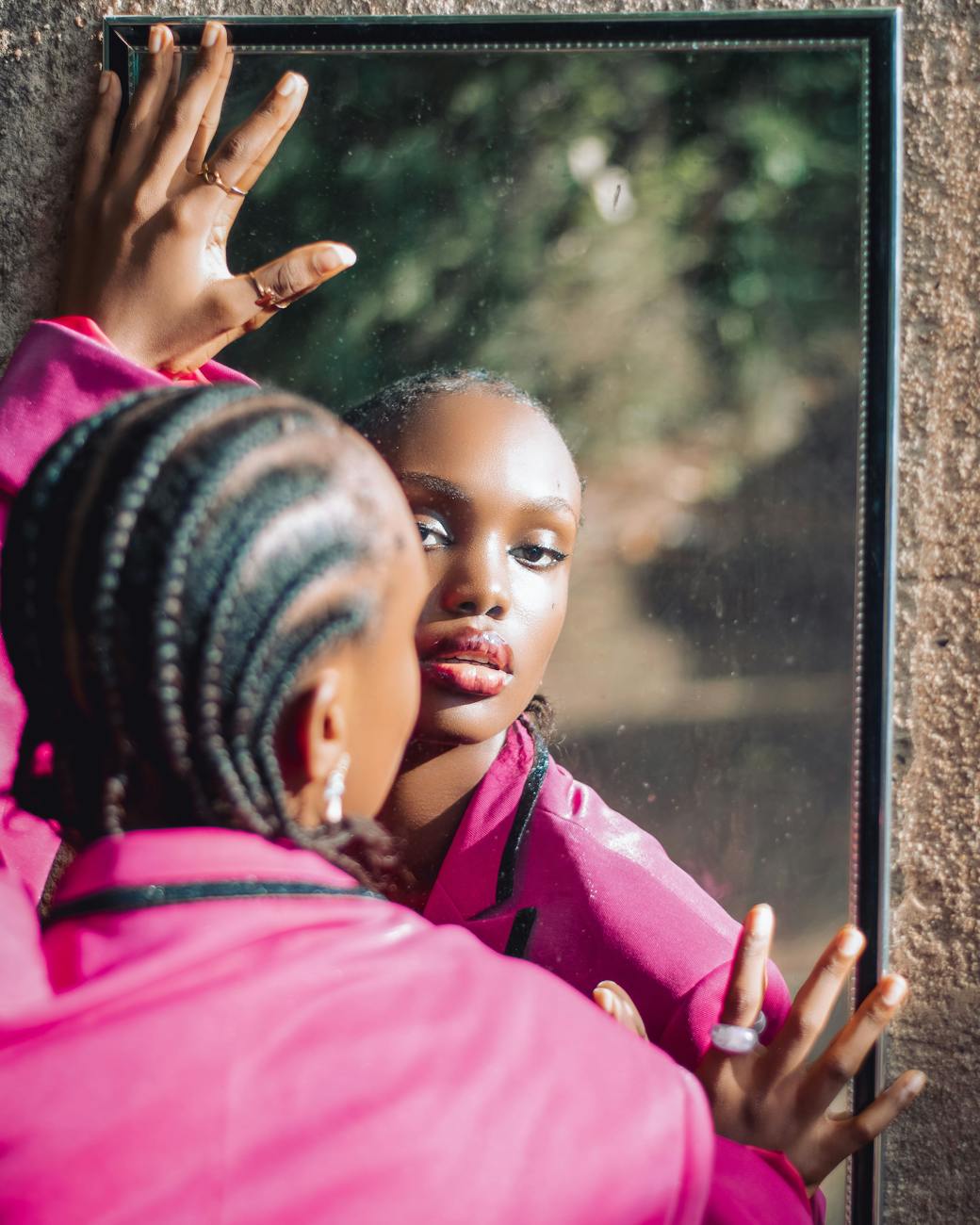
The mirror often becomes a battleground for the brown girl. Staring back at her is not only her reflection but centuries of imposed ideals that privilege lighter skin and Eurocentric beauty standards. In this space, the question of worth arises: Is she beautiful enough? Desirable enough? Human enough?
Yet, beyond the mirror lies truth: she is not defined by imposed ideals but by divine design. Psalm 139:14 reminds her that she is “fearfully and wonderfully made.” The brown girl dilemma, then, is not truly about her inadequacy but about the world’s blindness. Beyond the mirror, she rediscovers herself—not as broken, but as whole, chosen, and radiant.
Beauty, Bias, and the Brown Girl Battle
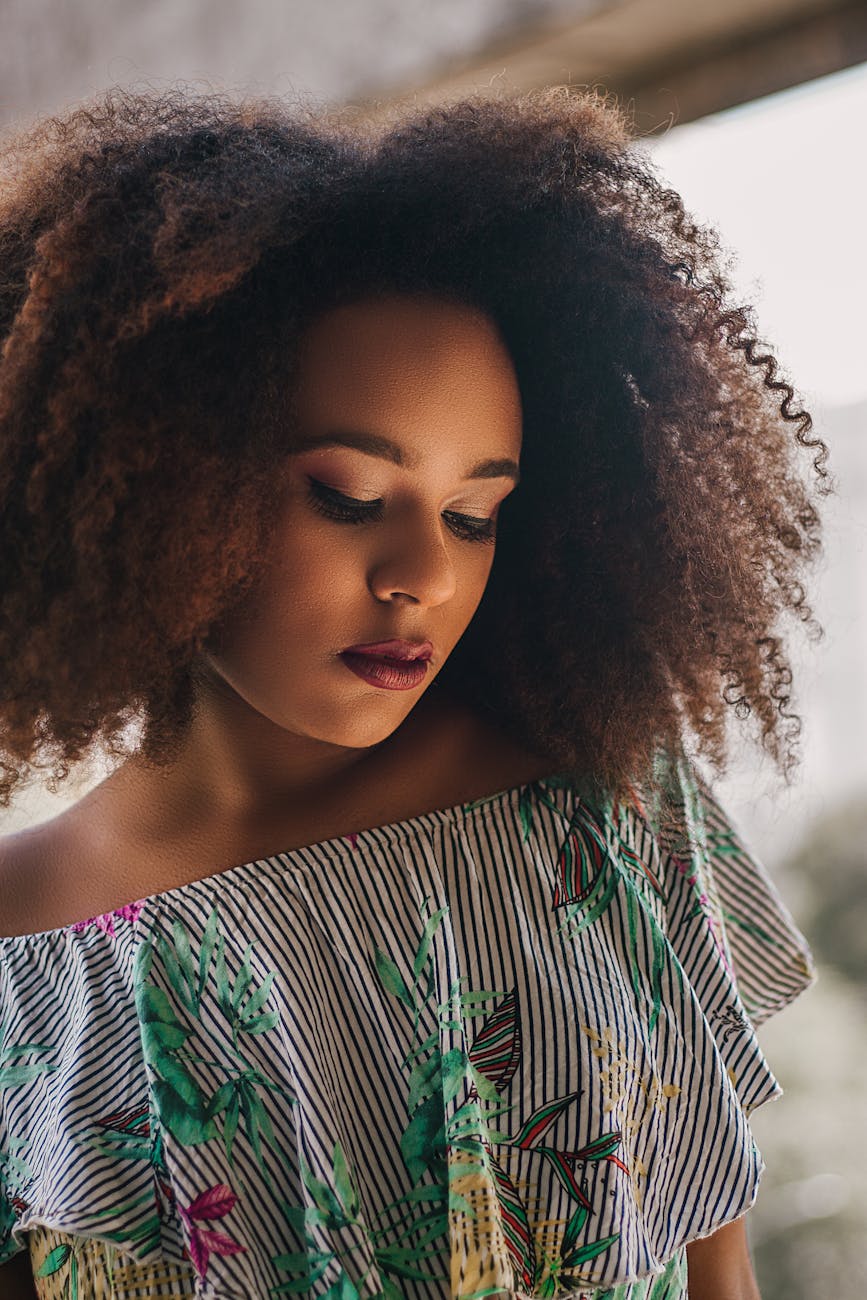
The brown girl’s beauty is often weaponized against her. Colorism, both outside and within her community, creates hierarchies that distort identity. Lighter skin is praised, darker shades are devalued, and the cycle perpetuates insecurity. This bias is reinforced by media, where brown girls are either erased or cast into stereotypical roles.
But this battle is not fought in vain. Brown girls resist by embracing natural hair, celebrating melanin, and refusing to shrink. They redefine beauty on their own terms, proving that their worth is not determined by bias but by boldness. Like the Shulamite woman who declared, “I am black, but comely” (Song of Solomon 1:5, KJV), the brown girl learns to affirm her own beauty in the face of cultural denial.
Sacred Shades: A Theological Look at the Brown Girl Dilemma
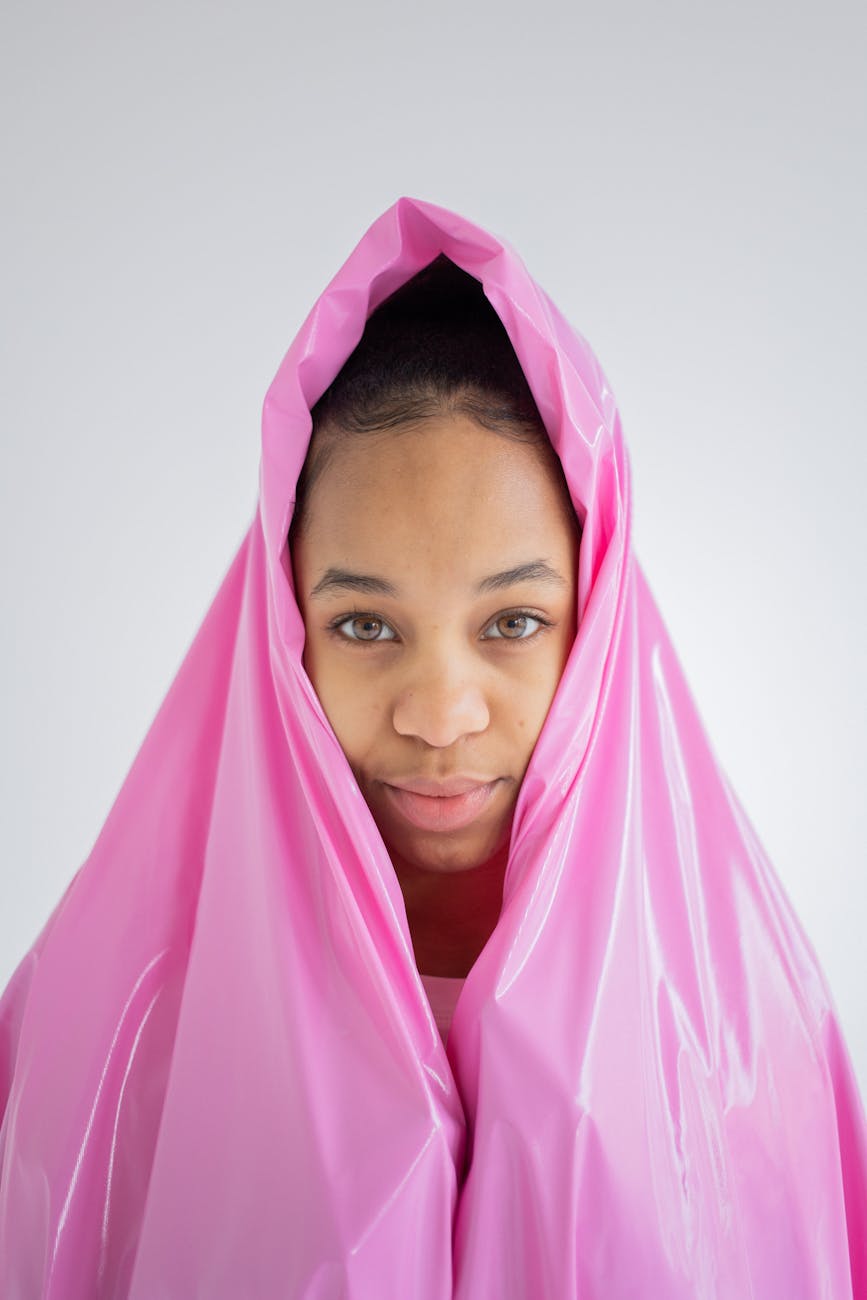
Faith offers the brown girl an anchor. Theology, when read through her lens, reveals the beauty of her creation and the dignity of her calling. The Bible affirms her worth: she is God’s workmanship, a vessel of divine glory. Too often, theology has been weaponized to justify slavery, segregation, and sexism. But a liberating theology restores her identity as a daughter of Zion, beloved and chosen.
In reclaiming sacred shades, the brown girl learns that her melanin is not a curse but a crown. Her skin is not incidental but intentional—woven into her being by the Creator Himself. Theological reflection allows her to shift from shame to sacredness, from seeing her brownness as a burden to embracing it as a blessing.
Brown Skin, Heavy Crown: The Weight of Representation

Representation is both privilege and pressure. For the brown girl who “makes it” into spaces of visibility—whether Hollywood, academia, politics, or business—her presence carries the weight of her entire community. She is expected to perform flawlessly, lest her mistakes be generalized onto all who look like her.
This heavy crown is both exhausting and empowering. It exhausts because it demands perfection, but it empowers because it signals that she is breaking barriers. The brown girl bears this weight with grace, reminding the world that she does not merely represent her community—she represents excellence, resilience, and possibility.
Invisible Yet Hyper-Visible: The Brown Girl Paradox
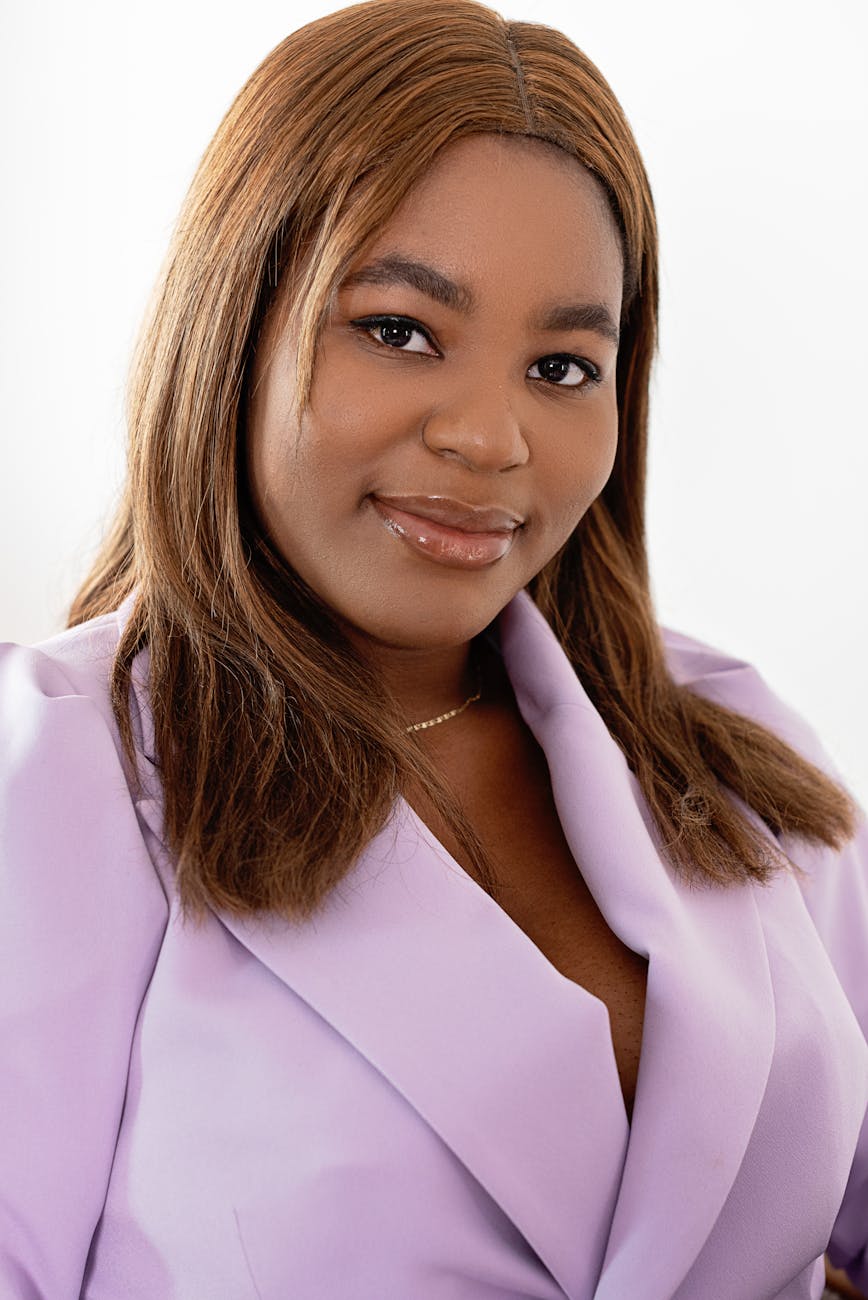
One of the most painful dilemmas is the paradox of invisibility and hyper-visibility. In professional and social settings, brown girls are often overlooked—passed over for promotions, excluded from conversations, their voices minimized. Yet, in other contexts, their bodies are over-scrutinized, hyper-sexualized, or exotified.
This paradox creates a psychological tug-of-war. But the brown girl learns to navigate it with strategic resilience—raising her voice where silence is imposed, reclaiming her body where objectification occurs. She refuses invisibility and rejects hyper-visibility, instead demanding authentic visibility—to be seen for who she truly is.
The Skin They Can’t Ignore: Brown Girls in a World of Whiteness

In societies where whiteness is normalized as the standard, the brown girl cannot fade into the background. Her skin announces her difference before she speaks. This difference has historically made her a target of exclusion, discrimination, and violence. Yet, paradoxically, this same difference becomes her power.
Her skin, the one thing the world cannot ignore, becomes her testimony. It is the evidence of survival, the shade of heritage, and the hue of strength. What was once used to marginalize her now becomes a mark of distinction. She stands unapologetically brown in a world that demands assimilation, embodying both resistance and pride.
From Colorism to Confidence: Redefining the Brown Girl Dilemma
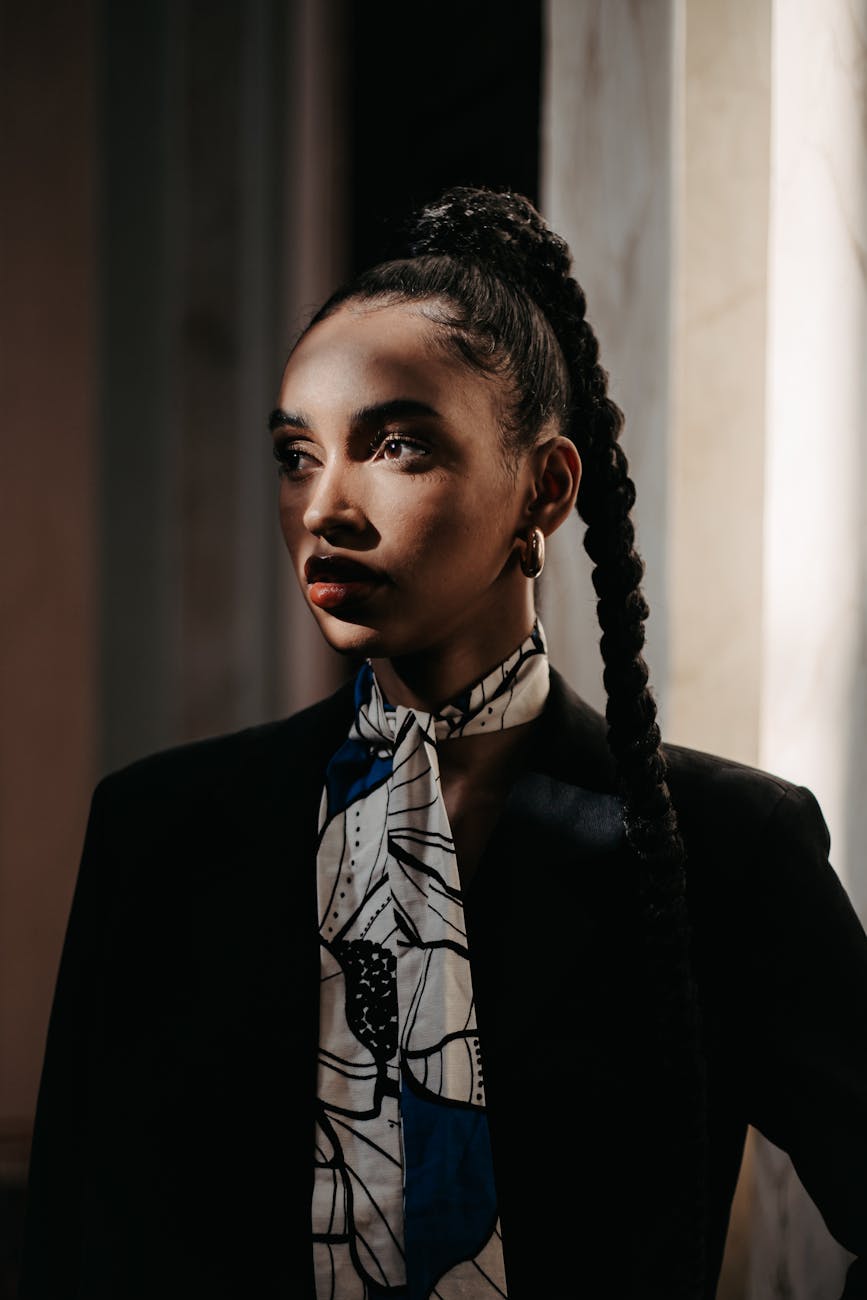
The journey from struggle to strength is never linear. For the brown girl, healing requires confronting colorism—the internalized wounds of comparison, rejection, and exclusion. It also requires unlearning the false narratives whispered by society.
Confidence is cultivated through affirmation, community, and faith. As she grows, the brown girl redefines her dilemma: it is no longer about whether she fits into society’s mold, but about how she chooses to shatter it. Her confidence is not arrogance but liberation—the freedom to exist without apology, to celebrate her skin without shame.
Shades of Struggle, Shades of Strength: The Brown Girl Experience
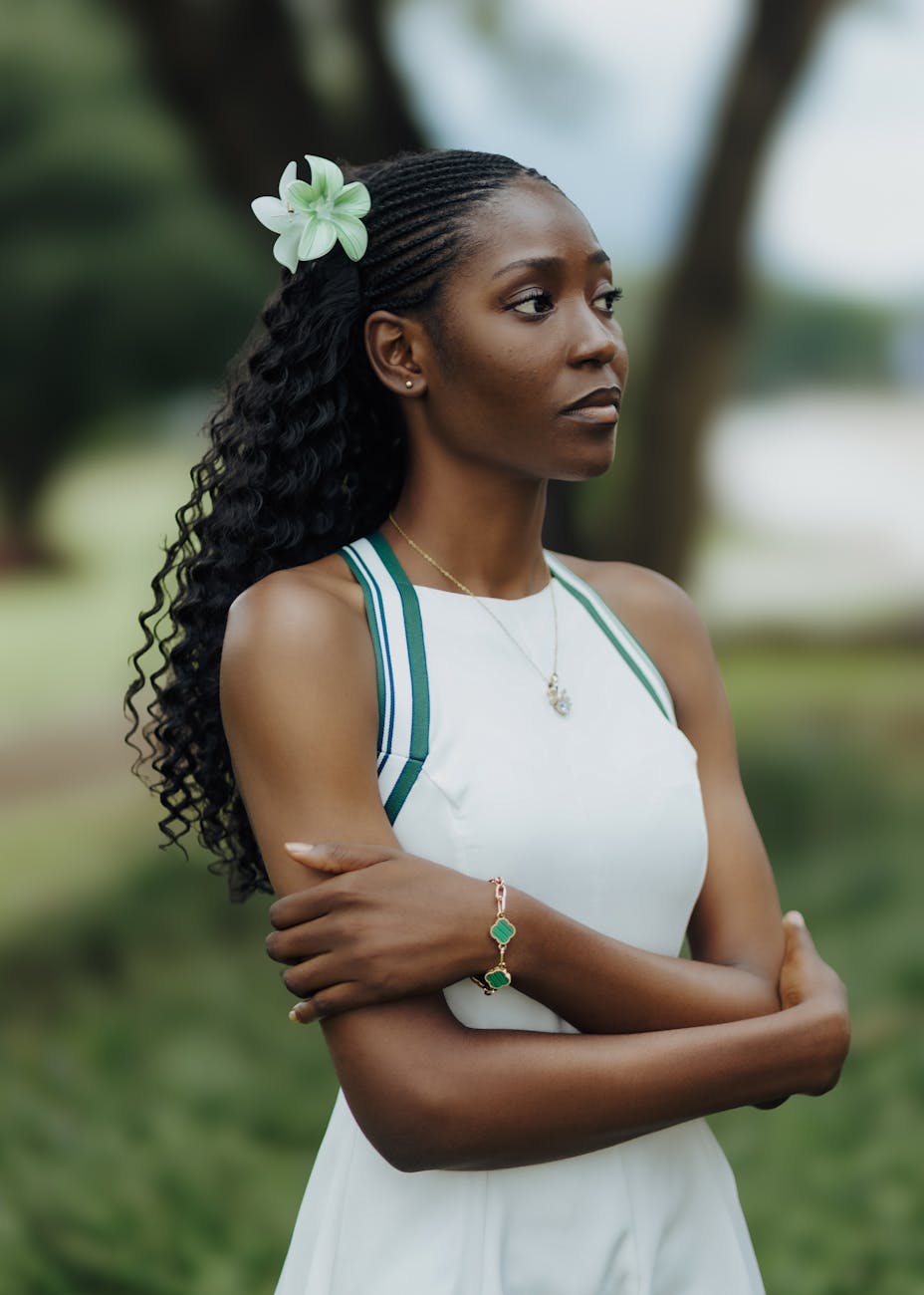
The brown girl experience is a tapestry of both burden and blessing. She carries the struggle of systemic racism, sexism, and colorism, yet she transforms these struggles into sources of strength. Her resilience is not accidental but ancestral, inherited from women who endured and overcame.
Her shades of struggle are inseparable from her shades of strength. They coexist, shaping her into a woman of wisdom, compassion, and courage. She is not merely surviving the brown girl dilemma—she is rewriting it, turning wounds into wisdom, battles into breakthroughs, and silence into song.
Conclusion: From Dilemma to Destiny
The brown girl dilemma is not the end of the story—it is the beginning of transformation. Each essay in this collection testifies that the brown girl is not defined by her struggles but refined by them. She is both the question and the answer, both the wound and the healing.
In a world that often misunderstands her, she emerges as a living paradox of power: invisible yet undeniable, burdened yet unbreakable, questioned yet chosen. She carries within her the reflection of divine creativity and the legacy of unyielding resilience.
The brown girl dilemma, then, is not her curse. It is her canvas. And on it, she is painting a masterpiece of survival, beauty, and destiny.
References
Collins, P. H. (2000). Black feminist thought: Knowledge, consciousness, and the politics of empowerment. Routledge.
Cone, J. H. (2010). A Black theology of liberation. Orbis Books.
Craig, M. L. (2006). Race, beauty, and the tangled knot of a guilty pleasure. Feminist Theory, 7(2), 159–177. https://doi.org/10.1177/1464700106064415
Glenn, E. N. (2008). Yearning for lightness: Transnational circuits in the marketing and consumption of skin lighteners. Gender & Society, 22(3), 281–302. https://doi.org/10.1177/0891243208316089
Harris, A., & Khanna, N. (2010). Black is, Black ain’t: Biracials, middle-class Blacks, and the social construction of Blackness. Sociological Spectrum, 30(1), 99–120. https://doi.org/10.1080/02732170903495892
hooks, b. (1992). Black looks: Race and representation. South End Press.
Hunter, M. (2016). Colorism in the classroom: How skin tone stratifies African American and Latina/o students. Theory Into Practice, 55(1), 54–61. https://doi.org/10.1080/00405841.2016.1119019
King, D. K. (2005). Multiple jeopardy, multiple consciousness: The context of a Black feminist ideology. Signs: Journal of Women in Culture and Society, 14(1), 42–72. https://doi.org/10.1086/494491
Russell, K., Wilson, M., & Hall, R. (2013). The color complex: The politics of skin color in a new millennium. Anchor Books.
Williams, D. S. (2013). Sisters in the wilderness: The challenge of womanist God-talk. Orbis Books.
Wingfield, A. H. (2019). Flatlining: Race, work, and health care in the new economy. University of California Press.
Discover more from THE BROWN GIRL DILEMMA
Subscribe to get the latest posts sent to your email.
 THE BROWN GIRL DILEMMA