
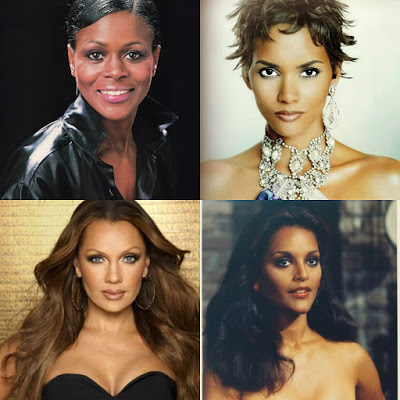
Society often equates physical appearance with personal value, creating an environment where beauty, skin tone, and facial features disproportionately influence perceived worth. For Brown girls, this dynamic is intensified by colorism, Eurocentric standards, and media representation that favors lighter skin and Western features. These biases shape how girls are treated socially, academically, and professionally, producing both overt and subtle forms of discrimination that impact self-esteem and life outcomes (Hunter, 2007).
Historically, colonialism and slavery entrenched hierarchies that privileged lighter skin, straight hair, and Eurocentric facial features. These beauty standards were tied to social, economic, and political advantage, establishing a legacy in which lighter-skinned individuals often received preferential treatment. Brown girls inherit these systemic biases, facing the dual burden of navigating societal preference for lightness while seeking to embrace their natural features and cultural identity (Byrd & Tharps, 2014).
Media perpetuates and magnifies these standards. Television, film, and social media platforms frequently showcase lighter-skinned women as aspirational figures, while darker-skinned women remain underrepresented or stereotyped. Celebrities like Yara Shahidi, Salli Richardson, and Mari Morrow exemplify the privilege of visibility afforded to lighter-skinned women, whereas Lupita Nyong’o, Kenya Moore, and Issa Rae disrupt these patterns by embracing melanin-rich beauty and redefining cultural norms. The contrast illustrates how societal worth is often tied to appearance rather than character, talent, or intellect (Fardouly et al., 2015).
Psychological research underscores the consequences of appearance-based valuation. Social comparison theory reveals that individuals measure themselves against perceived standards, leading to self-esteem fluctuations and internalized bias. For Brown girls, repeated exposure to biased beauty standards can create feelings of inadequacy, imposter syndrome, and diminished confidence. Intentional self-reflection, mentorship, and culturally affirming representation mitigate these effects by fostering a holistic sense of self-worth that transcends appearance (Festinger, 1954).
Economic and social implications of appearance bias are profound. Studies show that lighter-skinned women often enjoy higher employment opportunities, increased social mobility, and broader access to resources. This systemic preference for lighter complexions demonstrates that societal valuation is not merely aesthetic; it is embedded in structures of power and access, reinforcing inequalities for darker-skinned individuals (Hunter, 2007).
Cultural and spiritual affirmation offers a corrective lens. Programs that celebrate African and diasporic heritage, such as community workshops, mentorship initiatives, and storytelling sessions, empower Brown girls to recognize the value of their natural features. Proverbs 31:30 (KJV) reminds, “Favour is deceitful, and beauty is vain: but a woman that feareth the LORD, she shall be praised.” Grounding self-worth in faith and character provides resilience against external judgments and societal pressures, emphasizing that value is inherent, not contingent on appearance.
Practical strategies reinforce this holistic sense of worth. Brown girls can engage in self-care, personal expression, and creative outlets to celebrate their identity, features, and heritage. Media literacy, mentorship, and culturally responsive education equip girls to critically navigate bias while cultivating confidence, talent, and leadership. Together, these approaches shift the focus from surface-level validation to substantive personal growth, achievement, and self-respect.
In conclusion, society’s tendency to measure worth by appearance disproportionately affects Brown girls, perpetuating colorism, bias, and unequal opportunity. Yet through cultural affirmation, mentorship, education, media literacy, and spiritual grounding, girls can cultivate a deep sense of intrinsic value that transcends external standards. By emphasizing character, talent, and authenticity, Brown girls redefine worth beyond skin deep, challenging societal hierarchies and inspiring future generations to embrace their full potential.
References
Banks, J. A. (2015). Cultural diversity and education: Foundations, curriculum, and teaching. Routledge.
Byrd, A. D., & Tharps, L. L. (2014). Hair Story: Untangling the Roots of Black Hair in America. St. Martin’s Press.
Fardouly, J., Diedrichs, P. C., Vartanian, L. R., & Halliwell, E. (2015). Social comparisons on social media: The impact of Facebook on young women’s body image concerns and mood. Body Image, 13, 38–45.
Festinger, L. (1954). A theory of social comparison processes. Human Relations, 7(2), 117–140.
Hunter, M. (2007). The persistent problem of colorism: Skin tone, status, and inequality. Sociology Compass, 1(1), 237–254.
Discover more from THE BROWN GIRL DILEMMA
Subscribe to get the latest posts sent to your email.
 THE BROWN GIRL DILEMMA