
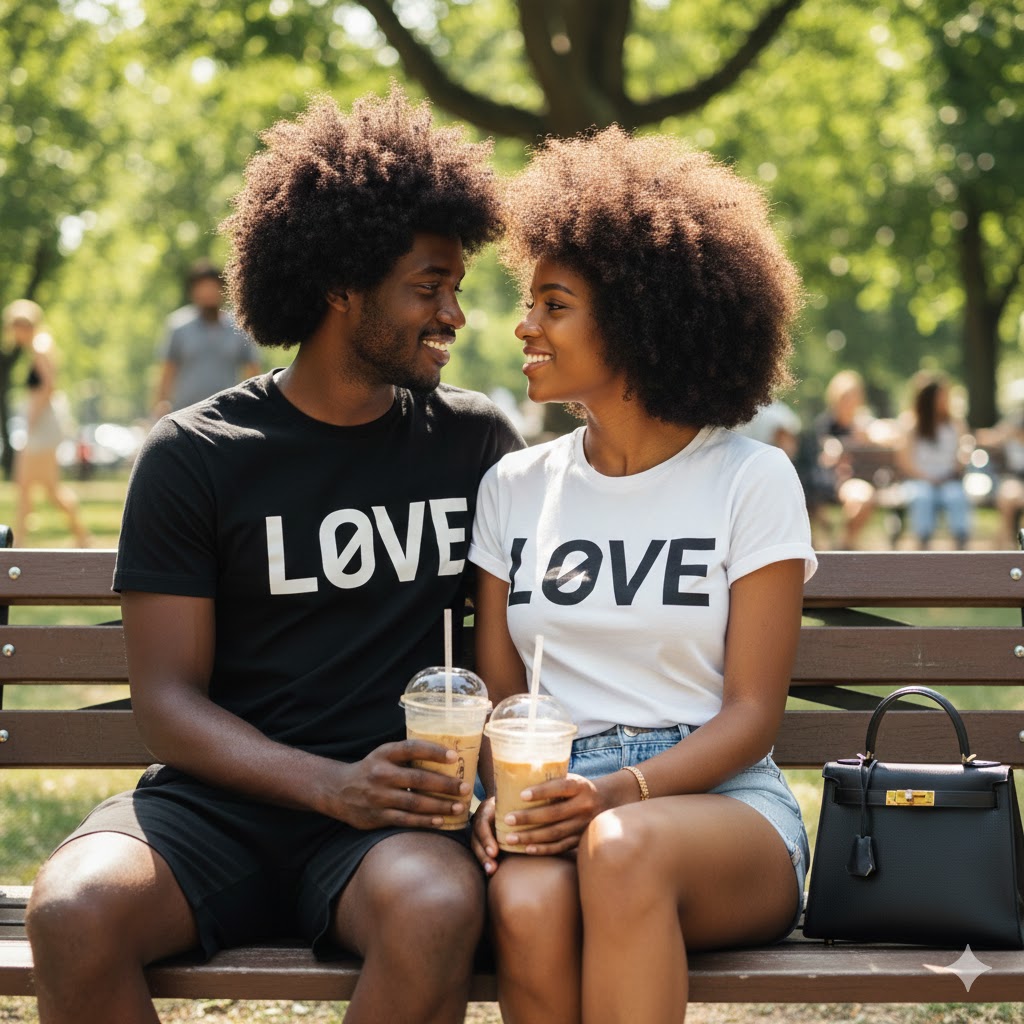
Dating is more than a transactional interaction; it is a cultural, emotional, and spiritual practice shaped by heritage, rhythm, and relational values. AfroLove emphasizes the importance of understanding love, attraction, and partnership through the lens of African and diasporic cultural norms while integrating biblical principles of morality, respect, and self-discipline.
Physical attraction is a natural aspect of human relationships. Symmetry, health, and personal grooming are often subconscious indicators of genetic fitness and well-being (Rhodes, 2006). In Afrocentric dating, features such as natural hair, skin tone, and body shape are celebrated and valued, reflecting a rejection of Eurocentric beauty standards and an embrace of cultural identity (Hunter, 2007).
Psychologically, attraction is influenced by both familiarity and similarity. Individuals tend to be drawn to those who share values, cultural practices, and interests, as these similarities facilitate trust, comfort, and relational stability (Byrne, 1971). Music, dance, and cultural rituals further reinforce attraction by creating shared experiences and emotional resonance.
Cultural expression plays a pivotal role in AfroLove. From traditional courtship songs to contemporary Afrobeat and spoken word, rhythm and artistic expression guide relational dynamics, allowing couples to communicate, connect, and understand one another in ways that transcend verbal language. These cultural markers help shape attraction and relational alignment.
Biblically, dating should honor God’s design and timing. Physical attraction and emotional connection are not sinful in themselves, but yielding to sexual activity outside of marriage is discouraged (1 Corinthians 6:18-20, KJV). Proverbs 6:25 (KJV) cautions against lusting after beauty alone: “Lust not after her beauty in thine heart; neither let her take thee with her eyelids.” This encourages intentionality and moral discernment in relationships.
Emotional intelligence is essential in AfroLove. Recognizing one’s own feelings, understanding the emotional cues of a partner, and fostering empathy create strong relational foundations. Respect, communication, and accountability are culturally and biblically endorsed components of healthy dating (Eagly et al., 1991).
The psychology of attraction emphasizes reciprocity, where mutual interest and admiration strengthen relational bonds (Aron et al., 1992). In AfroLove, shared values such as community orientation, familial respect, and spiritual alignment amplify these effects, making compatibility deeper than mere physical or superficial attraction.
Colorism and internalized beauty hierarchies remain challenges within Afro-diasporic communities. Lighter-skinned individuals may receive disproportionate social validation, while darker-skinned individuals may encounter marginalization (Hunter, 2007). AfroLove seeks to celebrate all forms of Black beauty, emphasizing worth, dignity, and divine design.
Music and rhythm play unique roles in shaping relational connection. Dance and communal cultural events create spaces for natural interaction and attraction to emerge organically, reinforcing compatibility and shared cultural understanding. These elements act as both social and psychological catalysts for partnership formation.
In practical terms, AfroLove encourages couples to date with purpose, establishing boundaries that protect emotional and spiritual well-being. Avoiding lustful fixation, premature sexual activity, or superficial valuation of partners ensures that relationships honor both God and cultural integrity (Matthew 5:28, KJV).
Spiritual discernment complements cultural awareness. Prayer, reflection, and mentorship provide guidance in evaluating potential partners beyond aesthetic appeal, fostering relational decisions aligned with moral and spiritual standards.
Psychologically, long-term attraction is more sustained by emotional connection, shared values, and intellectual compatibility than by physical beauty alone (Montoya & Horton, 2004). AfroLove emphasizes holistic evaluation, integrating cultural, emotional, and spiritual dimensions in partner selection.
Community engagement also shapes relational experiences. Participating in family gatherings, cultural events, and spiritual activities allows individuals to observe character, relational skills, and social alignment, reinforcing informed and intentional dating choices.
Digital culture presents both opportunities and challenges in AfroLove. Social media can facilitate connection across distances but can also amplify superficial assessment and appearance-based judgment. Discernment is essential to ensure that attraction is rooted in substance rather than digital facades (Marwick, 2017).
Cultural rituals, such as gift-giving, storytelling, and dance, serve as relational expressions that deepen attachment and provide insight into values, character, and mutual respect. These culturally grounded practices complement spiritual teachings on courtship and relational integrity.
Dating in rhythm also involves patience and emotional regulation. Understanding the importance of timing, personal growth, and relational readiness aligns with biblical instruction to pursue holiness and avoid premature sexual engagement (1 Thessalonians 4:3-5, KJV).
Self-expression, through style, hair, and personality, communicates individuality and cultural identity. Observing how a partner maintains self-respect, presentation, and cultural connection provides insight into relational compatibility without succumbing to superficial judgment.
AfroLove emphasizes joy, mutual respect, and shared cultural pride. Romantic connection is not solely a physical or emotional experience but a celebration of heritage, identity, and community values, allowing attraction to flourish in alignment with spiritual principles.
In conclusion, AfroLove: Dating in Our Rhythm integrates cultural heritage, psychological understanding, and biblical wisdom to guide Black individuals in forming healthy, respectful, and spiritually grounded relationships. True attraction arises from the heart, cultural alignment, and moral discernment, ensuring that love is both authentic and honoring to God.
References
Aron, A., Melinat, E., Aron, E. N., Vallone, R. D., & Bator, R. J. (1992). The experimental generation of interpersonal closeness: A procedure and some preliminary findings. Personality and Social Psychology Bulletin, 23(4), 363–377.
Buss, D. M. (1994). The evolution of desire: Strategies of human mating. Basic Books.
Byrne, D. (1971). The attraction paradigm. Academic Press.
Eagly, A. H., Ashmore, R. D., Makhijani, M. G., & Longo, L. C. (1991). What is beautiful is good, but…: A meta-analytic review of research on the physical attractiveness stereotype. Psychological Bulletin, 110(1), 109–128.
Hunter, M. (2007). The persistent problem of colorism: Skin tone, status, and inequality. Sociology Compass, 1(1), 237–254.
Langlois, J. H., Kalakanis, L., Rubenstein, A. J., Larson, A., Hallam, M., & Smoot, M. (2000). Maxims or myths of beauty? A meta-analytic and theoretical review. Psychological Bulletin, 126(3), 390–423.
Marwick, A. (2017). Status update: Celebrity, publicity, and branding in the social media age. Yale University Press.
Montoya, R. M., & Horton, R. S. (2004). A meta-analytic investigation of the processes underlying the similarity–attraction effect. Journal of Social and Personal Relationships, 21(3), 289–308.
Rhodes, G. (2006). The evolutionary psychology of facial beauty. Annual Review of Psychology, 57, 199–226.
Wolf, N. (1991). The beauty myth: How images of beauty are used against women. HarperCollins.
Holy Bible, King James Version (KJV). Proverbs 6:25; Matthew 5:28; 1 Corinthians 6:18-20; 1 Thessalonians 4:3-5; 1 Samuel 16:7.
Discover more from THE BROWN GIRL DILEMMA
Subscribe to get the latest posts sent to your email.
 THE BROWN GIRL DILEMMA