
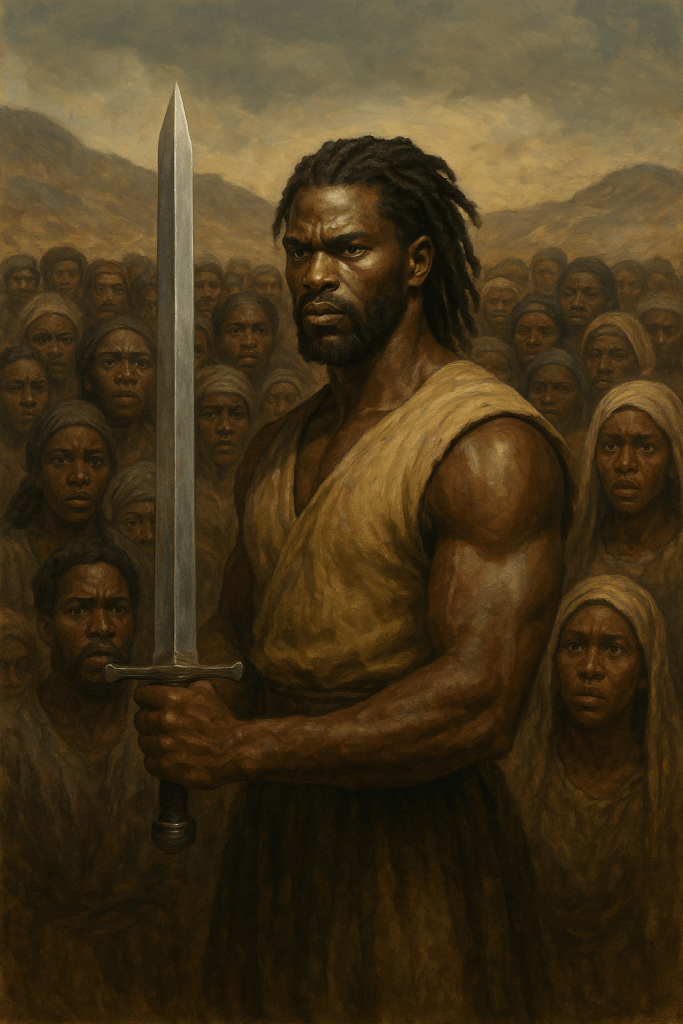
The account of Gideon and the Midianites unfolds during a dark period in Israel’s history, when the people repeatedly turned away from the covenant and suffered oppression as a consequence. The book of Judges situates this narrative in a cycle of sin, servitude, supplication, and salvation, revealing both human frailty and divine mercy according to the LORD’s enduring faithfulness.
Midian’s oppression of Israel was severe and systematic, stripping the land of its produce and driving the people into dens and caves. The Israelites cried unto the LORD, acknowledging that their distress was linked to disobedience, and the text emphasizes that economic devastation and fear had become daily realities in the promised land.
Before deliverance came, the LORD sent a prophet to remind Israel of His saving acts, declaring that He brought them out of Egypt and delivered them from the hand of all their oppressors. This rebuke framed the coming salvation as an act of grace rather than reward, exposing the spiritual root of Israel’s suffering.
Gideon is introduced not as a mighty warrior but as a fearful man threshing wheat by the winepress to hide it from Midian. This setting underscores the humility of Gideon’s beginnings and the contrast between human weakness and divine calling.
The Angel of the LORD greeted Gideon with words that seemed contradictory to his circumstances, calling him a “mighty man of valour.” This divine address reveals God’s perspective, which speaks identity and purpose into situations that appear barren and defeated.
Gideon questioned how deliverance could come through him, citing his clan’s insignificance and his own low status. The LORD’s response redirected Gideon’s focus from self-assessment to divine presence, promising, “Surely I will be with thee.”
A sign was given to Gideon through an offering consumed by fire, confirming the LORD’s commission. Gideon’s fear turned to reverence as he recognized the holiness of the encounter, building an altar and naming it “The LORD is peace.”
The call to deliver Israel began at home, as Gideon was instructed to tear down his father’s altar to Baal and cut down the grove beside it. This act demonstrated that spiritual reform must precede national victory and that idolatry could not coexist with covenant faithfulness.
Though Gideon acted by night out of fear, the LORD honored his obedience. When opposition arose from the men of the city, Gideon’s father defended him, declaring that Baal should plead for himself if he were truly a god.
As Midian gathered with Amalek and the children of the east, the Spirit of the LORD clothed Gideon, empowering him to call Israel to arms. Yet even in leadership, Gideon sought reassurance, revealing the patience of God with those who desire confirmation of His will.
The sign of the fleece demonstrated God’s condescension to Gideon’s weakness, granting clarity without rebuke. This moment highlights the balance between faith and divine compassion within the narrative.
When the army assembled, the LORD reduced Gideon’s forces to prevent Israel from boasting that victory came by human strength. The deliberate shrinking of the army underscored that salvation belongs to the LORD alone.
The final selection of three hundred men emphasized obedience and alertness rather than military might. Through this unlikely company, God prepared to display His power unmistakably.
On the eve of battle, the LORD strengthened Gideon by revealing a Midianite’s dream foretelling defeat by Gideon’s hand. Gideon’s worship in response illustrates faith matured through divine reassurance.
The strategy of trumpets, pitchers, and lamps defied conventional warfare, signaling that the victory would be miraculous. When the men cried, “The sword of the LORD, and of Gideon,” confusion seized the enemy camp.
The Midianites turned their swords upon one another and fled, fulfilling the LORD’s promise of deliverance. Israel pursued, and the oppressors were subdued, marking a decisive turning point.
Despite victory, Gideon refused kingship, declaring that the LORD alone would rule over Israel. This confession affirmed divine sovereignty, though later actions revealed lingering human weakness.
Gideon’s request for gold led to the creation of an ephod that became a snare to Israel, reminding readers that even faithful leaders can falter. The narrative remains honest about the complexity of righteousness and leadership.
The land had rest for forty years in the days of Gideon, reflecting the peace that follows obedience and divine intervention. Yet the cycle of Judges warns that peace is often temporary when remembrance fades.
The story of Gideon and Midian ultimately testifies to God’s power perfected in weakness, calling every generation to trust not in numbers or strength, but in the presence and promises of the LORD.
References
The Holy Bible, King James Version. Judges 6–8.
Discover more from THE BROWN GIRL DILEMMA
Subscribe to get the latest posts sent to your email.
 THE BROWN GIRL DILEMMA