
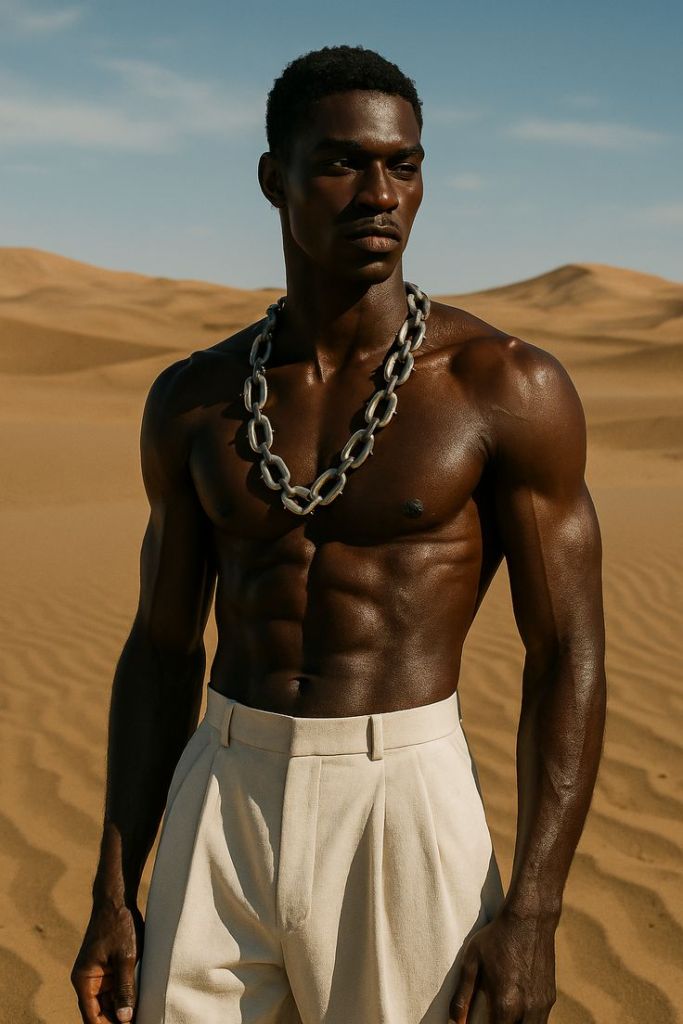
Brown skin, a living shield of light,
Absorbing sun, yet shining bright.
Ancestral stories etched in hue,
Strength enduring, ever true.
Not a mark of shame, but crown,
Royal tones from gold to brown.
Scripture whispers, “comely, fair,”
A beauty deep beyond compare.
Brown skin, in its radiant spectrum of hues, carries both a scientific brilliance and a profound cultural meaning. At its foundation lies melanin, the pigment that not only determines the complexion of human skin but also provides biological advantages, cultural identity, and psychological resilience. To understand the beauty of brown skin, one must examine the science of melanin, the psychology of color, the history of racialized beauty standards, and the spiritual affirmations that honor melanated people.
The Science of Melanin
Melanin is a natural polymer responsible for pigmentation in skin, eyes, and hair. It functions as a biological shield, absorbing ultraviolet radiation and protecting against DNA damage (Jablonski & Chaplin, 2010). Higher concentrations of melanin are associated with slower aging, reduced risk of certain skin cancers, and the famed saying, “Black don’t crack.” The resilience of melanated skin is thus not only aesthetic but deeply physiological, reinforcing health, vitality, and longevity.
Shades of Brown and Identity
Brown skin exists in a spectrum ranging from golden caramel to deep mahogany. These shades tell ancestral stories of adaptation to diverse climates and environments. The psychology of shade is crucial, as social hierarchies have historically privileged lighter tones while devaluing darker ones—a phenomenon known as colorism (Hunter, 2007). Despite this legacy, there has been a global reclaiming of darker skin tones as symbols of pride, resilience, and beauty.
Cultural and Psychological Impact
Brown skin has often been unjustly stigmatized through Eurocentric beauty ideals that elevate whiteness as the standard. Such biases have led to internalized racism and psychological harm among darker-skinned populations (Burke, 2008). Yet, psychological studies also demonstrate that affirmations of cultural identity and positive representation can restore self-esteem and foster collective pride (Cross & Vandiver, 2001). For many, embracing melanin becomes an act of resistance and self-love.
The Global Praise of Brown Skin
Across cultures, melanated beauty has long been admired. Ancient African, Indian, and Indigenous traditions revered darker complexions as markers of nobility, fertility, and divine favor. Even in literature, metaphors likening dark skin to bronze, ebony, and gold highlight its aesthetic richness. Contemporary fashion and modeling—exemplified by icons like Naomi Campbell and Adut Akech—continue this global appreciation, showcasing the elegance of brown skin on international stages.
Biblical Affirmations of Brown Skin
The King James Bible contains references that affirm the beauty of melanated people. In Song of Solomon 1:5–6, the Shulamite woman declares: “I am black, but comely”, affirming dark skin as both divine and desirable. Jeremiah 8:21 describes the suffering of a “black people” with dignity, further signifying presence and importance within sacred texts. These passages refute any notion of inferiority and ground beauty in spiritual identity.
Psychological Strength in Melanin
The psychology of brown skin transcends surface appearance—it is linked to survival, adaptability, and communal pride. Psychologists argue that beauty is not merely physical but tied to resilience and confidence (Swami & Tovée, 2004). For people of African descent, melanin embodies endurance against centuries of oppression, serving as a visible reminder of strength. In this sense, melanin is both a biological armor and a psychological crown.
The Beauty Narrative Reclaimed
Today, movements such as “Melanin Magic” and “Black is Beautiful” are reshaping narratives. Social media platforms amplify voices that celebrate brown skin in all its variations, shifting beauty hierarchies away from Eurocentrism. This reclamation of beauty is not superficial but deeply psychological, affirming identity while dismantling internalized shame.
Conclusion
Brown skin is beautiful not simply because of pigmentation, but because it represents a convergence of science, history, psychology, and spirituality. It carries biological brilliance, cultural symbolism, and ancestral resilience. To celebrate melanin is to affirm life, survival, and dignity in the face of systems that once sought to devalue it. As the Bible reminds, “I am fearfully and wonderfully made” (Psalm 139:14, KJV)—a truth that underscores why brown skin, in all its hues, remains eternally beautiful.
References
- Burke, M. A. (2008). Colorism as racism: Garvey, Fanon, and the evolution of Black consciousness. Journal of African American Studies, 12(4), 498–515.
- Cross, W. E., & Vandiver, B. J. (2001). Nigrescence theory and measurement. Handbook of multicultural counseling, 371–393.
- Hunter, M. (2007). The persistent problem of colorism: Skin tone, status, and inequality. Sociology Compass, 1(1), 237–254.
- Jablonski, N. G., & Chaplin, G. (2010). Human skin pigmentation as an adaptation to UV radiation. Proceedings of the National Academy of Sciences, 107(Supplement 2), 8962–8968.
- Swami, V., & Tovée, M. J. (2004). The influence of body weight and shape in determining female and male physical attractiveness. Body Image, 1(2), 129–137.
Discover more from THE BROWN GIRL DILEMMA
Subscribe to get the latest posts sent to your email.
 THE BROWN GIRL DILEMMA