
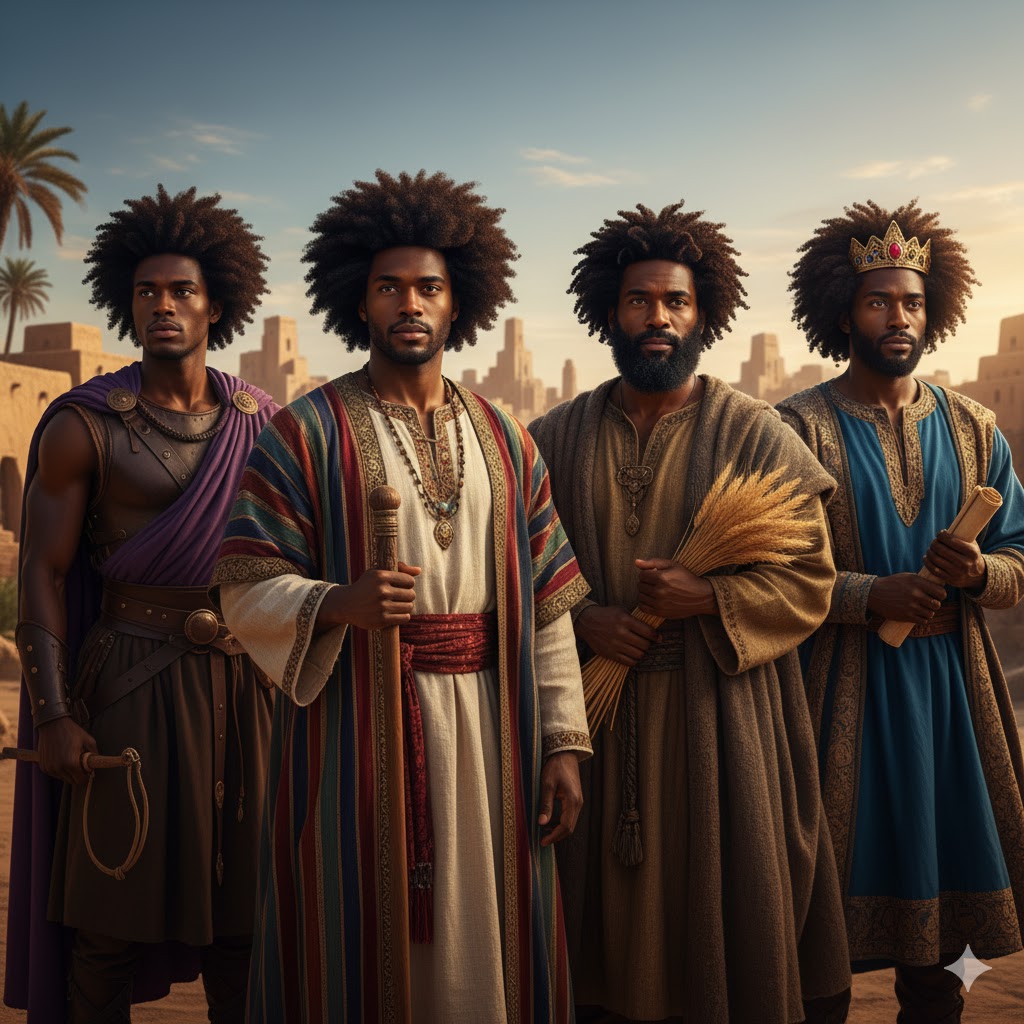
Biblical masculinity is not defined merely by physical strength or social status. Rather, it is rooted in covenant identity, moral authority, obedience to God, protective leadership, and sacrificial love. The Scriptures present layered archetypes—each revealing a dimension of righteous manhood and offering a blueprint for spiritual, emotional, and cultural formation. These archetypes counter modern distortions of masculinity rooted in ego, domination, and superficial conquest. Instead, they elevate purpose, humility, stewardship, and divine calling as the true hallmarks of masculine greatness.
David: The Warrior-Poet King
David embodies paradoxical masculine beauty—ferocity in battle paired with artistic tenderness. His courage against Goliath reflects heroic faith, not arrogance. Scripture declares, “The LORD saveth not with sword and spear” (1 Samuel 17:47, KJV), showing that David’s strength came from trust in God. Yet he also wept, repented, wrote psalms, and worshiped openly. His masculinity embraced emotional intelligence and spiritual intimacy. His failures remind men to repent quickly and return to righteousness. David teaches that a man can wield both the harp and the sword—balanced power rooted in divine purpose.
Joseph: The Moral Leader and Visionary Provider
Joseph reveals integrity under pressure and excellence in adversity. Sold into slavery, falsely accused, and imprisoned, he maintained righteousness. When tempted sexually, he fled, declaring, “How then can I do this great wickedness, and sin against God?” (Genesis 39:9, KJV). His restraint and purity positioned him for elevation. As a provider during famine, Joseph exemplifies strategic wisdom, patience, and forgiveness. He shows that real masculine power is self-control, foresight, and the ability to rise without bitterness. Joseph models destiny leadership—meekness that matures into national authority.
Boaz: The Noble Protector and Redeemer
Boaz personifies protective masculinity rooted in kindness and covenant responsibility. He noticed Ruth not merely for beauty but for character and loyalty. Boaz protected her dignity, provided provision, and acted honorably as kinsman-redeemer, reflecting a man who values lineage preservation and community ethics. Scripture notes his generosity and godliness: “The LORD recompense thy work” (Ruth 2:12, KJV). He demonstrates that masculine strength serves, protects, and uplifts womanhood. Boaz teaches that a man does not exploit vulnerability; he covers it with dignity, commitment, and righteous leadership.
Solomon: The Wise King and Builder
Solomon represents intellectual brilliance, kingly refinement, and creative authority. His request for wisdom rather than riches reflects spiritual maturity (1 Kings 3:9–12). He constructed the Temple—symbolizing that masculinity builds, organizes, and leaves legacy. Although his later life warns against unchecked desire and divided loyalty, Solomon’s wisdom literature (Proverbs, Ecclesiastes, Song of Solomon) shapes biblical ethics of discipline, justice, and godly courtship. Solomon’s archetype emphasizes mental strength, discernment, cultural sophistication, and the stewardship of power under divine law.
Christ-Like Manhood: The Perfect Model
Christ embodies the fulfillment of righteous masculinity. He was firm yet gentle, authoritative yet humble, lion and lamb. He washed feet, blessed children, confronted corruption, healed the broken, and gave His life for His people. Scripture declares, “Greater love hath no man than this, that a man lay down his life for his friends” (John 15:13, KJV). Christ-like masculinity rejects pride, domination, and violence for their own sake; instead, it champions sacrifice, servant-leadership, holiness, truth, discipline, emotional capacity, and uncompromising moral courage.
Unity of Archetypes in Biblical Manhood
David teaches bravery and worship; Joseph teaches purity and perseverance; Boaz teaches honorable love and protection; Solomon teaches wisdom and excellence; Christ synthesizes them all into godly kingship and sacrificial love. These archetypes reveal that a biblical man is warrior, provider, visionary, priest, protector, and servant. He leads not by ego but by obedience. He conquers not nations, but himself. He builds not just houses, but homes and legacies rooted in righteousness.
In an age confused by shallow masculinity—defined by appearance, dominance, and applause—Scripture calls men to deeper identity. Biblical manhood is covenant manhood: purposeful, disciplined, humble, courageous, and rooted in divine calling. True masculine glory shines brightest not through force, but through faithfulness, character, and love.
References
Henry, M. (2010). Commentary on the whole Bible. Hendrickson.
Lewis, G. (2019). Biblical masculinity and covenant leadership. Kingdom Press.
Tripp, P. D. (2012). War of words: Redeeming communication. P&R Publishing.
Wright, N. T. (2011). Jesus and the victory of God. Fortress Press.
Discover more from THE BROWN GIRL DILEMMA
Subscribe to get the latest posts sent to your email.
 THE BROWN GIRL DILEMMA