
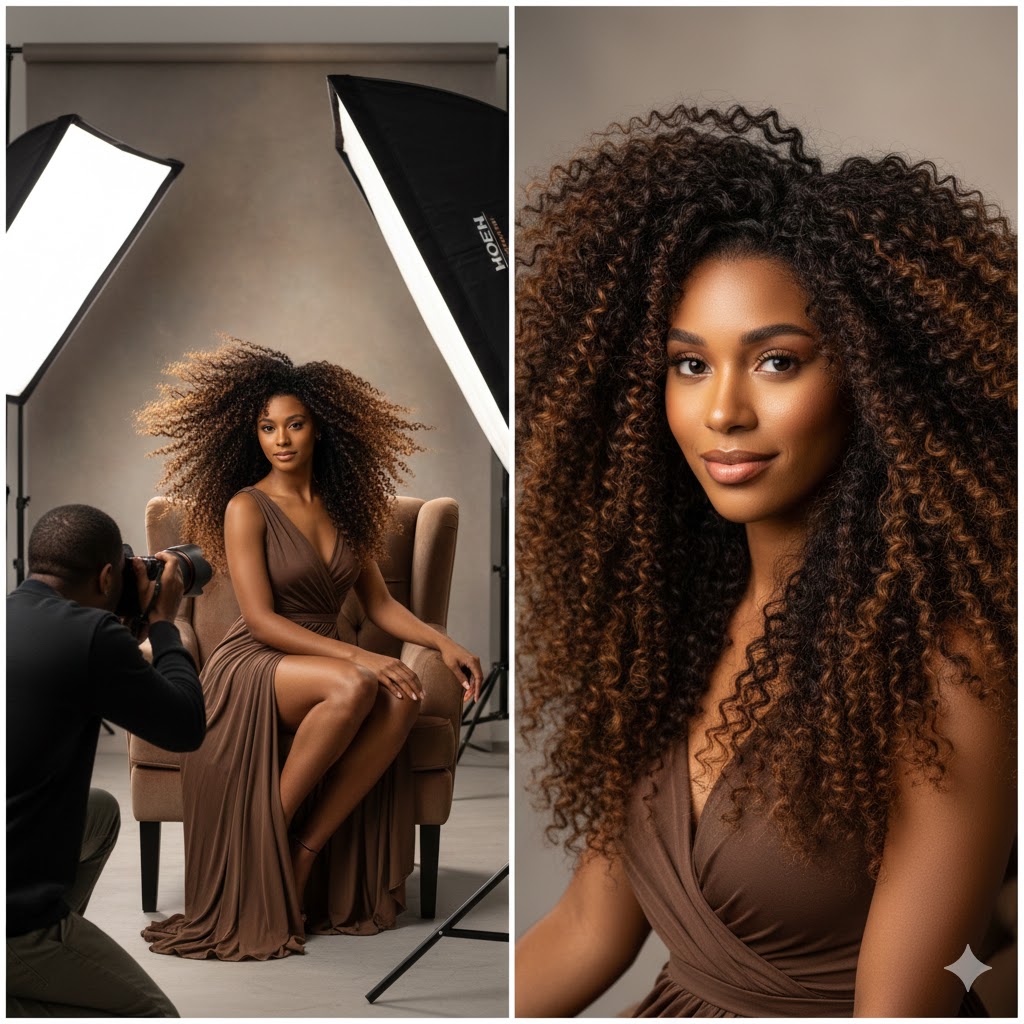
A look can say more than words ever could. Eyes, facial expressions, and subtle gestures communicate emotion, intent, and personality in ways that language often cannot. The power of a look lies in its immediacy and universality, transcending barriers of culture, language, and time.
From a smile that radiates warmth to a gaze that commands attention, the look is a form of silent storytelling. It conveys mood, confidence, and vulnerability simultaneously, allowing others to perceive the depth of one’s inner world without uttering a single word.
In human interaction, the eyes are central. Eye contact fosters trust, connection, and engagement. A sustained gaze can signal interest or intimacy, while avoidance may indicate discomfort or disinterest. The subtle dynamics of eye movement reveal emotional nuance and psychological state.
Facial microexpressions—brief, involuntary facial movements—reveal emotions that words may attempt to mask. A fleeting frown, raised eyebrow, or tightened lip communicates unspoken feelings, offering insight into sincerity, tension, or curiosity. The observant can “read” these silent signals to understand deeper truths.
The look can be a weapon or a shield. In social settings, it can intimidate, assert dominance, or deflect attention. The confident glance of a leader or performer projects authority and poise, commanding respect before a word is spoken. Conversely, a guarded gaze can maintain privacy, revealing little while still engaging others.
Cultural differences shape the interpretation of looks. In some societies, direct eye contact conveys honesty and confidence; in others, it may be considered disrespectful. Understanding these nuances is critical, as the meaning of a look is both biological and socially constructed.
In art and photography, the gaze is a powerful tool. A subject’s look toward or away from the camera can evoke emotion, tell a story, or create intimacy. Portraits such as those by Dorothea Lange or Annie Leibovitz capture the essence of human experience through the eyes, transcending context and time.
Fashion and styling amplify the message of a look. A striking outfit, carefully chosen colors, and deliberate posture complement the face, enhancing the visual story conveyed through expression. The ensemble becomes an extension of the gaze, giving it context and personality.
The power of the look extends to romantic connection. A glance can ignite attraction, communicate desire, or deepen intimacy. Shared eye contact in a moment of silence creates connection that words could dilute, establishing trust and emotional resonance between individuals.
Nonverbal communication is not limited to humans. Animals also convey emotion and intent through gaze and posture. Observing this behavior enhances understanding of instinctive communication, empathy, and shared emotional experience across species.
Confidence transforms a look. Individuals who carry themselves with assurance project clarity and presence through subtle expressions. The confident look conveys self-awareness and purpose, attracting attention naturally and commanding respect without explicit assertion.
A look can convey storytelling. Writers and filmmakers use characters’ expressions to reveal inner thoughts, tension, or narrative progression. A fleeting glance, a frown, or a soft smile can speak volumes about character, motivation, and relational dynamics.
In professional environments, the look is strategic. Negotiators, leaders, and educators use gaze and expression to influence, motivate, or calm. Understanding and controlling one’s nonverbal cues is as crucial as mastering spoken language, offering insight into influence and persuasion.
Emotional intelligence enhances the effectiveness of a look. Recognizing the signals of others’ expressions allows empathetic responses, deepening connection and understanding. The look becomes a dialogue, silent yet potent, between observer and observed.
The power of a look is amplified by context. Lighting, background, posture, and environment shape perception. A glance in a dimly lit room carries different weight than the same look under harsh lighting, demonstrating that expression interacts dynamically with setting.
Social media has redefined the way looks are displayed and interpreted. Selfies, videos, and curated images allow for deliberate expression of emotion and personality. The digital gaze invites engagement, interpretation, and feedback from a global audience.
Historical portraiture demonstrates that the look has always been a form of communication. From Renaissance paintings to royal photography, artists captured the essence of individuals through expression, revealing character, status, and emotional depth for posterity.
The subtlety of a look requires attention. Observers attuned to nuances perceive sincerity, deception, or passion that may elude casual notice. Cultivating this attentiveness enriches interpersonal relationships and deepens appreciation for the expressive power of the human face.
Beauty enhances but does not define the power of a look. While aesthetics can draw attention, it is the combination of authenticity, emotion, and intent that communicates meaning. A genuine glance carries more resonance than one crafted solely for appearance.
Ultimately, the look that speaks is a bridge between inner experience and outward expression. It conveys emotion, intention, and identity, transcending language while inviting connection. Mastering the art of expressive gaze is an enduring human skill, essential for communication, creativity, and intimacy.
References
- Graham, R., & LaBar, K. S. (2012). Neurocognitive mechanisms of gaze‑expression interactions in face processing and social attention. Neuropsychologia, 50(5), 553–566. https://doi.org/10.1016/j.neuropsychologia.2012.01.019 PMC
- Hietanen, J. K. (2018). Affective eye contact: An integrative review. Frontiers in Psychology, 9, Article 1587. https://doi.org/10.3389/fpsyg.2018.01587 PMC
- Cañigueral, R., & Hamilton, A. F. de C. (2019). The role of eye gaze during natural social interactions in typical and autistic people. Frontiers in Psychology, 10, Article 560. https://doi.org/10.3389/fpsyg.2019.00560 Frontiers
- Kleinke, C. L. (1986). Gaze and eye contact: A research review. Psychological Bulletin, 100(1), 78–100. https://doi.org/10.1037/0033-2909.100.1.78 Scinito
- Adams, R. B., & Kleck, R. E. (2005). Effects of direct and averted gaze on the perception of facially expressed emotion. Emotion, 5(1), 3–11. (Discussed / built on in newer work.)
- Liu, Y., Teng, F., Zhou, Z., & Fu, G. (2021). Emotional gaze: The effects of gaze direction on the perception of facial emotions. Frontiers in Psychology, 12, Article 684357. https://doi.org/10.3389/fpsyg.2021.684357 Frontiers
- Conty, L., & Grèzes, J. (2017). Eye contact effects on social preference and face recognition in normal ageing and in Alzheimer’s disease. Psychological Research. https://doi.org/10.1007/s00426-017-0955-6 SpringerLink
- Manusov, V., & (Ed.). (2016). APA Handbook of Nonverbal Communication. American Psychological Association. WorldCat
- Argyle, M., & Cook, M. (1976). Gaze and mutual gaze. Cambridge University Press. (Classic work on gaze and social interaction — related to cultural studies.)
- Matsumoto, D., & Hwang, H. C. (2017). Cultural bases of nonverbal communication. In APA Handbook of Nonverbal Communication (pp. …). American Psychological Association. WorldCat
Discover more from THE BROWN GIRL DILEMMA
Subscribe to get the latest posts sent to your email.
 THE BROWN GIRL DILEMMA