
Cultural appropriation and appreciation are concepts that often generate debate, particularly in creative industries such as hair, fashion, and music. While cultural appreciation involves learning from, respecting, and honoring another culture, cultural appropriation occurs when elements of a marginalized culture are adopted superficially, stripped of context, or used for profit without acknowledgment. For Black communities, whose cultural contributions have historically been exploited, understanding this distinction is essential in preserving heritage, identity, and agency.
In the realm of hair, cultural appropriation has frequently manifested through the adoption of traditionally Black hairstyles—braids, dreadlocks, cornrows—by non-Black individuals without acknowledgment of the historical and social significance. These hairstyles, long stigmatized in professional and educational settings for Black individuals, are often celebrated or commodified when worn by others (Thompson, 2019). Cultural appreciation, by contrast, involves learning the history, giving credit to Black culture, and respecting the lived experiences associated with these styles.
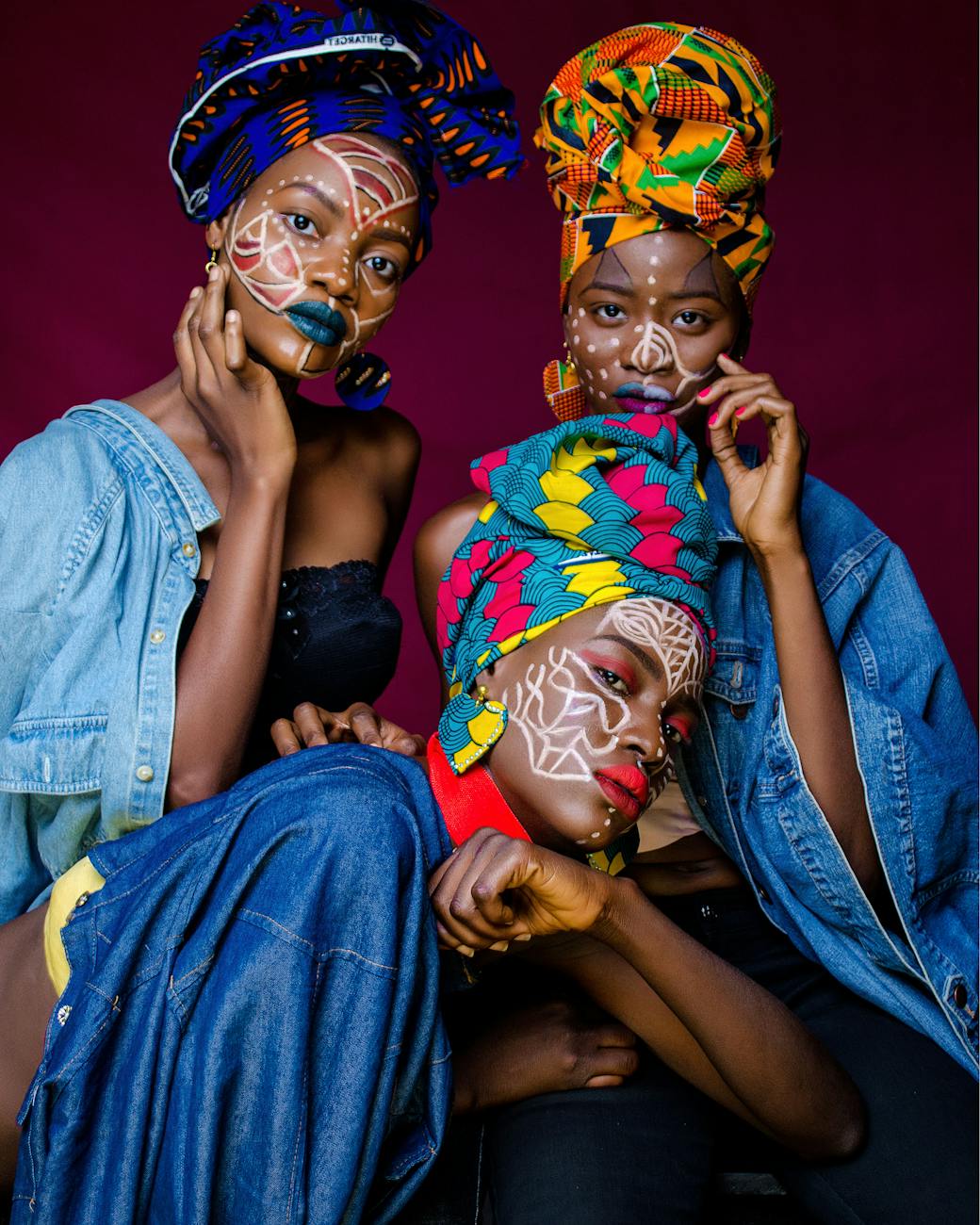
Fashion is another domain where the lines between appropriation and appreciation are frequently blurred. Designers and brands often adopt African-inspired patterns, textiles, and traditional garments without consultation or credit to the originating communities. When cultural symbols are used solely for aesthetic or commercial gain, it constitutes appropriation; when designers collaborate with local artisans, highlight the cultural context, and share profits fairly, it reflects appreciation (Rogers, 2006). This distinction emphasizes the importance of agency and acknowledgment in cultural exchange.
Music has similarly been affected by appropriation. Black musical forms such as jazz, hip-hop, R&B, and rap have been historically adopted and commercialized by non-Black artists, sometimes erasing the contributions of the originators. Cultural appreciation, on the other hand, involves studying the roots of the genre, respecting its historical context, and supporting artists within the community (Floyd, 1995). Misappropriation in music often leads to economic exploitation and diminished recognition for Black creators.
Cultural Appropriation vs. Appreciation: Quick Guide
1. Hair
| Action | Appropriation | Appreciation |
|---|---|---|
| Wearing cornrows, dreadlocks, or bantu knots | Wearing styles without understanding history; dismissing the struggles Black people face for wearing natural hair | Learning about the hairstyle’s cultural roots; crediting Black originators; supporting Black-owned salons |
| Using products | Using Black hair products solely for trend/fashion | Supporting Black-owned hair brands and educating yourself about hair care traditions |
2. Fashion
| Action | Appropriation | Appreciation |
|---|---|---|
| African prints, dashikis, or traditional garments | Wearing garments purely for aesthetics; ignoring cultural significance | Collaborating with artisans; crediting communities; giving fair compensation |
| Jewelry and accessories | Using sacred symbols as casual fashion | Learning the meaning and symbolism before wearing; respecting cultural context |
3. Music
| Action | Appropriation | Appreciation |
|---|---|---|
| Sampling or performing genres like hip-hop, jazz, or R&B | Exploiting without credit; profiting while originators remain unrecognized | Studying genre history; crediting Black artists; supporting the community financially |
| Performance style | Adopting cultural expressions superficially | Engaging with the culture authentically; understanding context; collaboration with originators |
4. Key Principles to Avoid Appropriation
- Educate Yourself: Learn the history and significance of cultural elements.
- Give Credit: Always acknowledge the originators or communities.
- Fair Compensation: Support artists, designers, or creators financially.
- Respect Sacred Elements: Avoid trivializing spiritual or sacred cultural items.
- Intent Matters: Ask if your action honors or exploits the culture.
5. Spiritual Reminder
“Thou shalt not oppress a stranger: for ye know the heart of a stranger, seeing ye were strangers in the land of Egypt” (Exodus 23:9, KJV).
- Treat all cultures with empathy, respect, and ethical consideration.
The psychological effects of cultural appropriation are significant. When elements of a marginalized culture are commodified or misrepresented, it can reinforce feelings of marginalization, invisibility, and frustration among community members. For Black women, hair appropriation is particularly impactful, as hair is intimately connected to identity, beauty, and self-expression (Thompson, 2019). The contrast between stigmatization of Black hair in professional settings and its commodification elsewhere creates cognitive dissonance and emotional stress.
Legally and commercially, the distinction between appropriation and appreciation also affects intellectual property and compensation. While cultural elements often lack copyright protection, ethical standards dictate that originating communities receive recognition and financial benefit when their cultural artifacts are utilized commercially. This principle applies to fashion collaborations, music sampling, and hairstyle commercialization.
Historically, cultural appropriation has roots in colonialism, slavery, and systemic exploitation. Dominant groups have often taken cultural elements from marginalized populations while simultaneously denying those populations agency and economic benefit. Recognizing this history is essential for distinguishing between respectful cultural exchange and harmful appropriation.
Promoting cultural appreciation involves education, respect, and intentionality. Key strategies include learning about the origins of cultural elements, acknowledging creators publicly, providing fair compensation, and engaging in dialogue with communities about proper representation. These steps help prevent exploitation and foster cross-cultural understanding.
The Bible provides principles that align with cultural respect and appreciation: “Thou shalt not oppress a stranger: for ye know the heart of a stranger, seeing ye were strangers in the land of Egypt” (Exodus 23:9, KJV). This verse emphasizes empathy, respect, and ethical treatment of others, which can be applied to cultural exchange and the avoidance of appropriation.
In conclusion, differentiating cultural appropriation from appreciation is critical in hair, fashion, and music. Appreciation involves acknowledgment, respect, and fair benefit for originators, while appropriation exploits cultural elements for profit or aesthetics without context. By educating oneself, respecting historical significance, and fostering ethical collaboration, individuals and institutions can honor marginalized cultures and contribute to equitable representation.
References
- Floyd, S. A. (1995). The Power of Black Music: Interpreting Its History from Africa to the United States. Oxford University Press.
- Rogers, R. A. (2006). From cultural exchange to transculturation: A review and reconceptualization of cultural appropriation. Communication Theory, 16(4), 474–503.
- Thompson, C. (2019). Black Hair: Art, Style, and Culture. Bloomsbury Academic.
- The Holy Bible, King James Version.
Discover more from THE BROWN GIRL DILEMMA
Subscribe to get the latest posts sent to your email.
 THE BROWN GIRL DILEMMA