
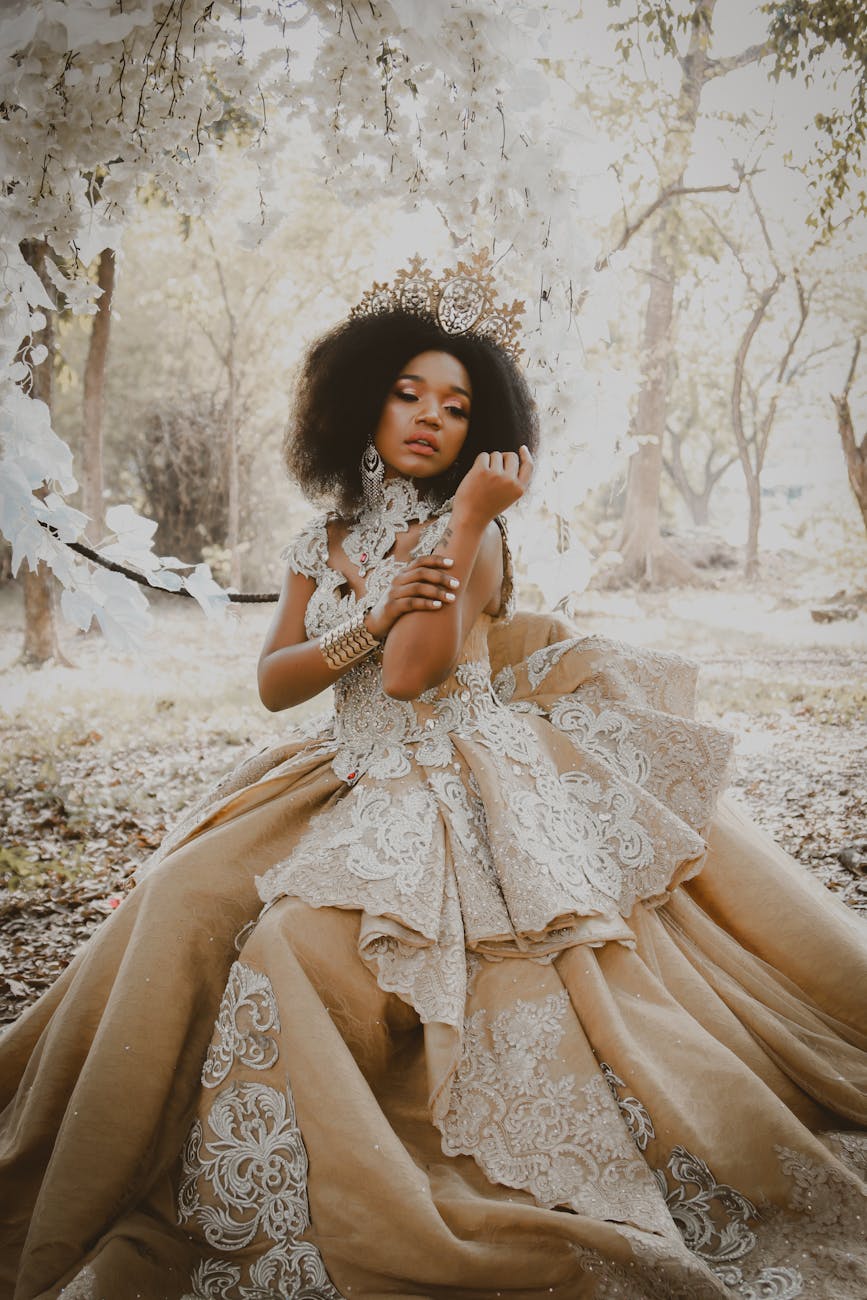
👑 Wisdom, Beauty, and Global Influence 👑
Queen Makeda, famously known as the Queen of Sheba, is celebrated as one of the most iconic figures in both biblical and Ethiopian history. Her story reflects an extraordinary combination of beauty, intelligence, and diplomacy, setting the standard for melanated female leadership. The King James Version recounts: “And when the queen of Sheba heard of the fame of Solomon, she came to prove him with hard questions at Jerusalem, with a very great train, and camels that bare spices, and very much gold, and precious stones” (1 Kings 10:1–2, KJV). This narrative highlights her initiative, intellect, and regal presence.
Makeda’s journey to Jerusalem was a deliberate test of Solomon’s wisdom. She arrived not merely as a traveler but as an intellectual equal seeking knowledge and insight. Her ability to pose profound questions reflects a sophisticated understanding of governance, diplomacy, and theology. In doing so, she embodies the ideal that leadership is rooted in both mind and character.
Biblical accounts emphasize her discernment and spiritual awareness. Upon witnessing Solomon’s wisdom, she “praised the Lord with all her heart” (1 Kings 10:7, KJV), demonstrating that recognition of true wisdom extends beyond human intellect to divine insight. Makeda’s reverence for knowledge and God’s guidance aligns her story with Proverbs 3:13 (KJV): “Happy is the man that findeth wisdom, and the man that getteth understanding.”
Makeda’s wealth and strategic presentation of gifts — spices, gold, and precious stones — reflect her political acumen. These offerings were not mere tokens; they were symbolic of her nation’s prosperity and her ability to negotiate alliances. Proverbs 31:16 (KJV) similarly highlights foresight and resourcefulness: “She considereth a field, and buyeth it: with the fruit of her hands she planteth a vineyard.” Makeda’s diplomacy demonstrates that intellectual beauty complements material and strategic intelligence.
Psychologically, Makeda exemplifies the archetype of a melanated queen whose confidence derives from competence, presence, and poise. Leadership studies suggest that individuals who combine charisma with cognitive skill are often more persuasive and effective in negotiations (Bass & Riggio, 2006). Makeda’s story illustrates this principle: her influence extended beyond physical beauty to mental acuity and strategic thinking.
Culturally, Ethiopian traditions elevate Makeda’s legacy as a mother of kings. According to tradition, she bore King Solomon’s son, Menelik I, founder of the Solomonic dynasty. This lineage symbolizes a fusion of divine favor, royal authority, and melanated excellence. Her story continues to inspire pride in African heritage and affirm the historical significance of Black queenship.
Comparisons with other African queens reinforce her archetype. Queen Nzinga of Angola, like Makeda, combined beauty with exceptional military and diplomatic skill, resisting colonization and preserving her people’s autonomy. Similarly, Hatshepsut of Egypt balanced aesthetic elegance with political authority, ruling successfully as a pharaoh. These comparisons show that Makeda’s integration of intellect, beauty, and leadership is a recurring theme in African history.
Makeda’s beauty is consistently noted alongside her intellect. Biblical and historical texts emphasize her regal appearance, but her acclaim arose from her wisdom and discernment as much as from her looks. 1 Kings 10:10 (KJV) reports the lavish gifts she gave Solomon: “And she gave the king an hundred and twenty talents of gold, and of spices very great store, and precious stones: there came no more such abundance of spices as these which the queen of Sheba gave to king Solomon.” These gestures indicate her aesthetic refinement, strategic vision, and wealth.
From a psychological perspective, Makeda’s story demonstrates the principle of “integrated leadership,” in which beauty, charisma, and intellect reinforce one another. Leadership psychology argues that such integration enhances influence, credibility, and cross-cultural diplomacy. Makeda’s engagement with Solomon illustrates how aesthetics and intellect can operate synergistically to achieve diplomatic and spiritual outcomes.
Her global cultural impact is significant. Makeda has been celebrated in Ethiopian art, literature, and music for centuries. She inspired medieval European tales and modern novels, symbolizing a powerful, intelligent Black woman who navigates international relations with skill. Contemporary discussions of female leadership and melanated beauty often invoke her story as a reference point.
Makeda’s spiritual significance is also profound. Her recognition of Solomon’s God reflects alignment with divine wisdom and ethical governance. Proverbs 31:25 (KJV) states, “Strength and honour are her clothing; and she shall rejoice in time to come.” Her story exemplifies this scripture, demonstrating that true queenship intertwines moral integrity with worldly power.
Her legacy extends into symbolism and pedagogy. She is taught in Ethiopian schools and celebrated during cultural festivals, reinforcing the value of intellect, diplomacy, and beauty for young melanated women. By embodying a model where wisdom and aesthetics coexist, she challenges modern narratives that separate beauty from intelligence.
Makeda’s story also intersects with gender studies, illustrating the capacities of women to wield influence in patriarchal societies. Her ability to negotiate, question, and impress Solomon shows that melanated women historically exercised agency and power in both public and private spheres, often shaping dynastic and political trajectories.
In conclusion, Queen Makeda’s life reflects a timeless combination of wisdom, beauty, and leadership. Her diplomatic visit to King Solomon, the gifts she presented, and the lineage she established all reinforce her status as a paradigmatic melanated queen. She serves as a historical and spiritual model for intelligence, strategic thinking, and regal poise, leaving a legacy that continues to inspire leaders, scholars, and admirers of melanated beauty worldwide.
References
- Bass, B. M., & Riggio, R. E. (2006). Transformational leadership. Psychology Press.
- Hamilton, V. P. (1990). The Book of Kings: Commentary. Eerdmans.
- Leslau, W. (1979). Ethiopian historical records and the Queen of Sheba. University of California Press.
- The Holy Bible, King James Version.
- Wasyliw, P. (2007). Queens and queenship in African history. African Studies Review, 50(2), 65–90.
Discover more from THE BROWN GIRL DILEMMA
Subscribe to get the latest posts sent to your email.
 THE BROWN GIRL DILEMMA