
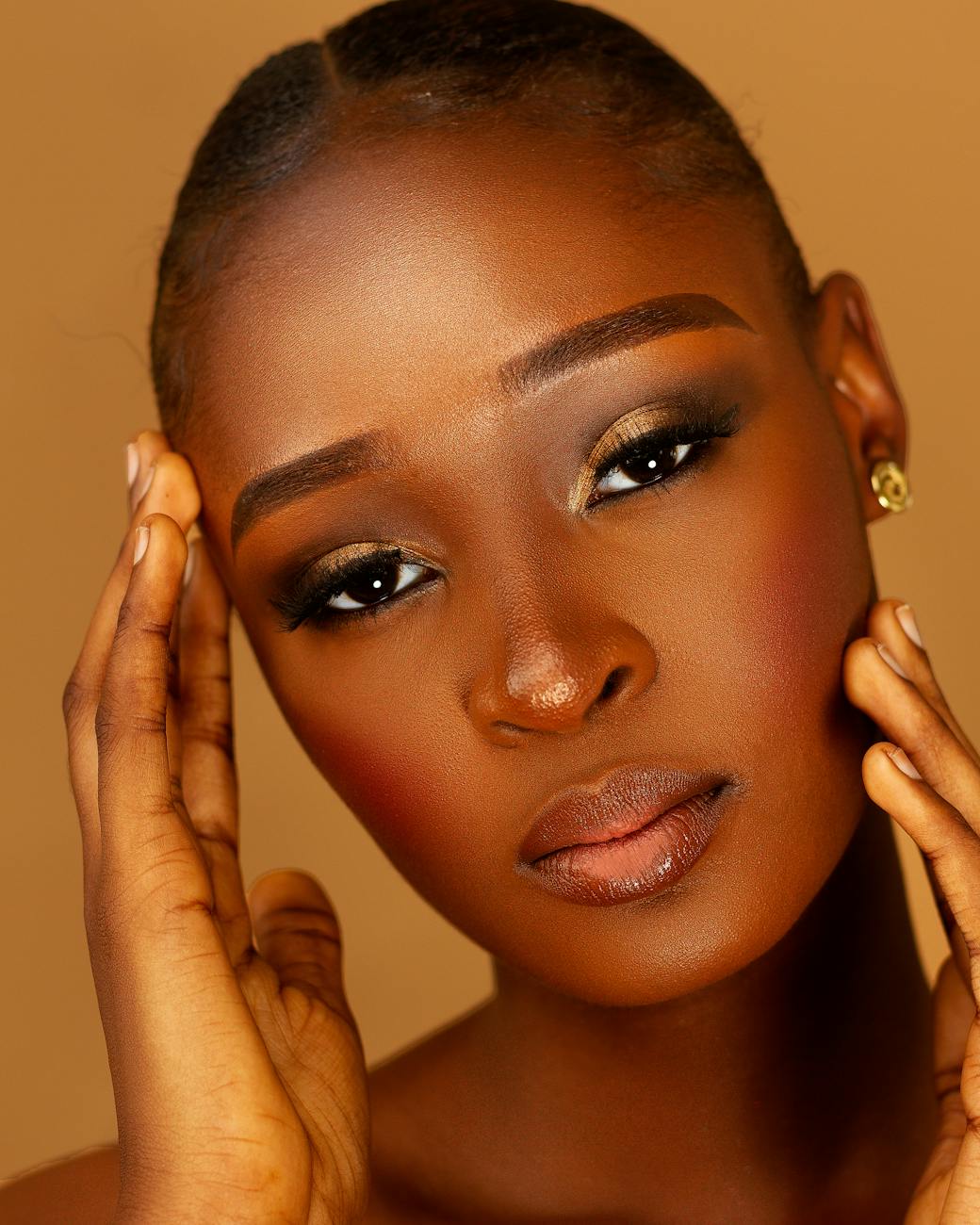
For Brown girls, the mirror often reflects more than mere physical appearance—it becomes a site where identity, culture, and societal bias converge. From childhood, many experience implicit and explicit messages that equate beauty, success, and value with lighter skin and Eurocentric features. These pressures can distort self-perception, creating internalized bias, low self-esteem, and a sense of invisibility. Reflecting beyond skin tone requires reframing identity, affirming cultural heritage, and cultivating resilience in the face of persistent colorism (Hunter, 2007).
Media representation significantly shapes how Brown girls see themselves. Television, film, fashion, and social media often privilege lighter-skinned women, marginalizing darker complexions and culturally distinct features. Celebrities like Yara Shahidi, Salli Richardson, and Mari Morrow illustrate the social preference for lighter skin, while Lupita Nyong’o, Issa Rae, and Kenya Moore challenge these norms by embracing melanin-rich beauty. Exposure to authentic representation reinforces self-worth and validates features historically underrepresented, allowing Brown girls to see the full spectrum of beauty as attainable and admirable (Byrd & Tharps, 2014).
Education and mentorship act as mirrors of potential rather than skin tone. Programs such as Black Girls CODE, Girls Who Code, and culturally responsive leadership initiatives provide tangible tools for academic, creative, and professional growth. Mentorship offers guidance, modeling resilience and achievement while validating identity beyond societal preference. By engaging in spaces where talent, intellect, and character are valued over complexion, Brown girls internalize a sense of worth that extends beyond visual aesthetics (Banks, 2015).
Cultural affirmation strengthens this reframing. Celebrating African and diasporic history, art, and heritage provides context for identity and instills pride in natural features, hair textures, and skin tone. Community programs, workshops, and storytelling sessions allow Brown girls to explore their ancestry, express creativity, and reclaim narratives that colonialism and colorism historically undermined. Such practices cultivate internal confidence and counteract negative social messaging (Hunter, 2007).
The psychological dimension of reflecting beyond skin tone is critical. Social comparison theory explains how exposure to biased societal standards can erode self-esteem, but conscious self-reflection, journaling, and affirmations help Brown girls develop resilience. Recognizing intrinsic value, talents, and unique contributions allows them to define beauty and success on personal and culturally affirming terms rather than external validation (Festinger, 1954; Fardouly et al., 2015).
Faith offers a transformative perspective in navigating these challenges. Proverbs 31:30 (KJV) emphasizes, “Favour is deceitful, and beauty is vain: but a woman that feareth the LORD, she shall be praised.” Spiritual grounding encourages Brown girls to measure self-worth by character, virtue, and divine purpose rather than societal metrics. Faith-based reflection provides a mirror for the soul, fostering enduring confidence and resilience that transcend external judgment.
Practical strategies complement spiritual and cultural reflection. Embracing personal style, skincare, natural hair, wellness routines, and creative expression empowers Brown girls to celebrate their bodies while reinforcing self-love. These actions serve as outward affirmations of pride in heritage and identity, integrating aesthetics with authenticity, self-respect, and personal agency.
In conclusion, the Brown girl mirror extends beyond skin tone to reflect identity, resilience, talent, and spirituality. By engaging media critically, participating in mentorship and educational programs, celebrating cultural heritage, and grounding self-worth in faith, Brown girls can navigate colorism and societal bias while cultivating holistic self-esteem. Reflecting beyond skin tone allows them to claim agency, embrace authentic beauty, and inspire future generations to define value and radiance on their own terms.
References
Banks, J. A. (2015). Cultural diversity and education: Foundations, curriculum, and teaching. Routledge.
Byrd, A. D., & Tharps, L. L. (2014). Hair Story: Untangling the Roots of Black Hair in America. St. Martin’s Press.
Fardouly, J., Diedrichs, P. C., Vartanian, L. R., & Halliwell, E. (2015). Social comparisons on social media: The impact of Facebook on young women’s body image concerns and mood. Body Image, 13, 38–45.
Festinger, L. (1954). A theory of social comparison processes. Human Relations, 7(2), 117–140.
Hunter, M. (2007). The persistent problem of colorism: Skin tone, status, and inequality. Sociology Compass, 1(1), 237–254.
Discover more from THE BROWN GIRL DILEMMA
Subscribe to get the latest posts sent to your email.
 THE BROWN GIRL DILEMMA