
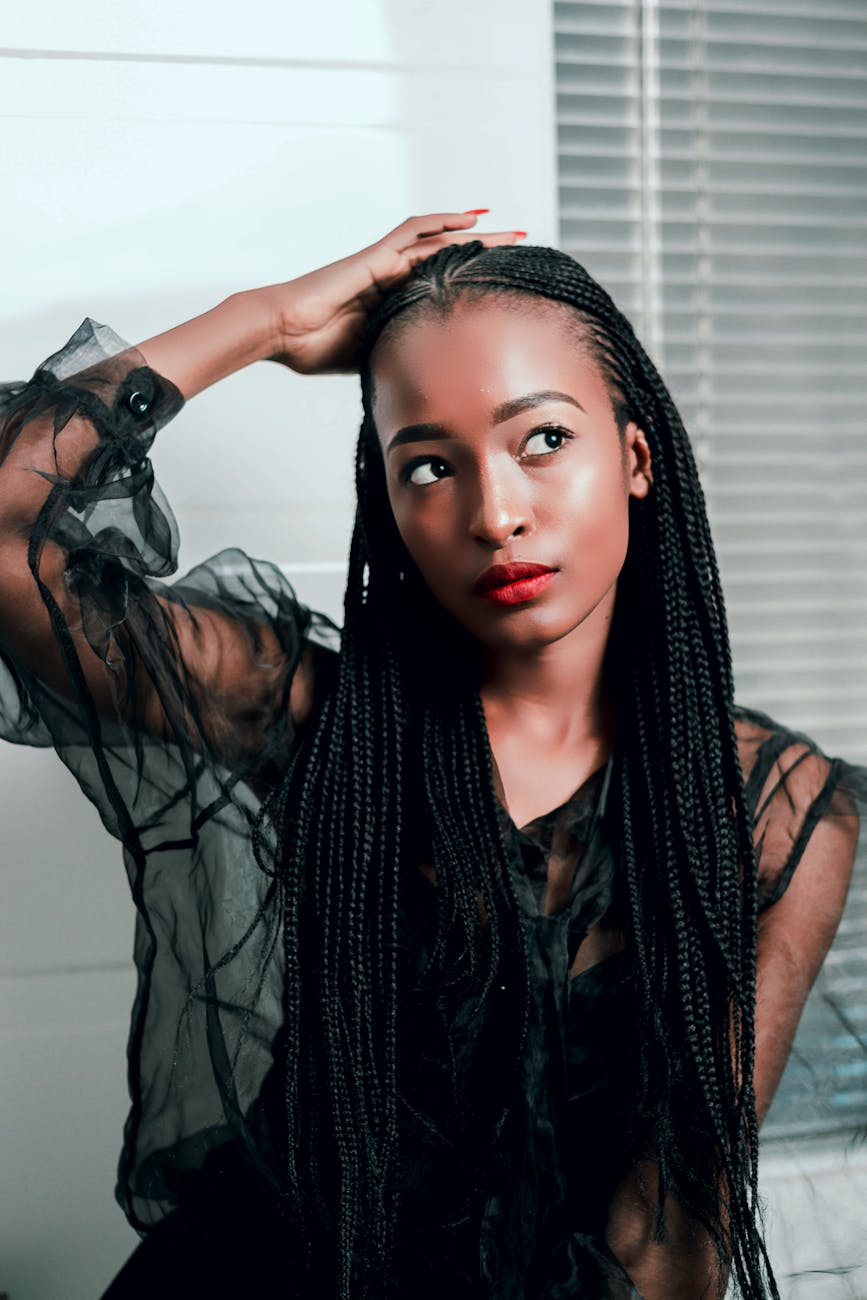
Beauty has long been perceived as a universal ideal, yet historical and cultural analysis reveals that standards of beauty are socially constructed, evolving in tandem with political, economic, and racial dynamics. The notion of perfection in appearance is not innate but mediated by cultural forces that dictate which traits are desirable.
In Western societies, Eurocentric aesthetics have dominated perceptions of beauty, emphasizing light skin, thin noses, high cheekbones, and specific body proportions. These ideals emerged through colonial expansion and the imposition of European norms across the globe, marginalizing other forms of beauty (Hunter, 2005).
Historically, the transatlantic slave trade and colonization reinforced hierarchies of appearance. Lighter-skinned individuals, often of mixed ancestry, were afforded greater privilege, while darker-skinned individuals were devalued. This colorism ingrained a visual hierarchy that persists in modern media and social expectations (Hunter, 2005; Glenn, 2008).
Media representation plays a pivotal role in shaping contemporary beauty standards. Television, film, and advertising overwhelmingly prioritize Eurocentric features, perpetuating ideals that are largely unattainable for a vast majority of the global population. The result is a culture that equates beauty with social capital (Tiggemann & Slater, 2014).
Social media has both challenged and reinforced beauty norms. Platforms allow marginalized communities to celebrate diverse aesthetics, yet they also amplify comparison culture, creating new pressures to conform to curated and often digitally altered standards (Fardouly et al., 2015).
Psychologically, the pursuit of an idealized appearance can produce anxiety, low self-esteem, and body dysmorphic tendencies. Individuals internalize cultural standards, evaluating self-worth through the lens of socially endorsed beauty, rather than intrinsic qualities or personal expression (Cash & Pruzinsky, 2002).
In Black communities, beauty is further complicated by colorism, hair politics, and feature bias. Social valuation of lighter skin, straighter hair, and Eurocentric facial traits continues to affect self-perception, partner selection, and access to professional opportunities (Hunter, 2005). These dynamics illustrate how beauty is both socially constructed and politically charged.
Feminist scholarship critiques beauty standards as mechanisms of social control. Objectification theory posits that women, and increasingly men, are valued primarily for their appearance, fostering self-surveillance and compliance with societal norms (Fredrickson & Roberts, 1997). Beauty becomes a tool of regulation, rather than a reflection of personal worth.
The commodification of beauty is evident in industries that profit from insecurities. Cosmetics, fashion, and cosmetic surgery industries capitalize on cultural ideals, framing enhancement as self-improvement while reinforcing narrow definitions of attractiveness (Wolf, 1991).
Cultural relativity challenges the myth of universal beauty. Anthropological studies reveal that aesthetic preferences vary widely across time, geography, and social context. What one culture deems beautiful may be inconsequential or undesirable elsewhere, emphasizing the constructed nature of beauty norms (Etcoff, 1999).
Intersectionality further complicates beauty ideals. Race, gender, class, and ability intersect to shape perceptions of attractiveness. For instance, Eurocentric beauty standards disproportionately favor affluent, able-bodied, white women, while marginalizing others, creating layered inequities in self-perception and social evaluation (Crenshaw, 1991).
Historical icons and contemporary figures illustrate the fluidity of beauty. Cleopatra, Josephine Baker, and contemporary Black celebrities redefine cultural aesthetics by challenging Eurocentric norms, highlighting the potential for representation to reshape social conceptions of beauty (Glenn, 2008).
Psychological resilience can emerge from embracing culturally resistant aesthetics. Individuals who celebrate features traditionally devalued by mainstream media often experience increased self-esteem and community cohesion, affirming that beauty is relational and context-dependent (Tiggemann & Slater, 2014).
Education plays a critical role in dismantling myths of perfection. Media literacy, critical pedagogy, and culturally responsive curricula encourage youth to interrogate beauty norms, fostering awareness of their constructed and often exclusionary nature (Levine & Piran, 2019).
Art and literature provide spaces to contest dominant standards. African diasporic artists, writers, and filmmakers celebrate diverse features and body types, asserting narratives that affirm inherent worth and challenge the singularity of Eurocentric beauty ( hooks, 1992).
The myth of perfection is also gendered. Women disproportionately bear the burden of conforming to beauty norms, though men are increasingly targeted by media pressures. Recognizing beauty as socially constructed allows both men and women to critique and resist harmful expectations (Cash & Pruzinsky, 2002).
Spiritual and philosophical perspectives offer alternative frameworks. Many traditions emphasize the impermanence of physical appearance and the primacy of inner virtue, suggesting that moral, intellectual, and emotional qualities constitute authentic beauty (Plato, Symposium; KJV Proverbs 31:30).
Healing from beauty-related trauma involves reclaiming agency over self-perception. Affirmative practices, community support, and representation empower individuals to define beauty on their own terms, resisting externally imposed ideals (Roberts et al., 2020).
Ultimately, understanding beauty as a cultural construct liberates individuals from impossible standards. It shifts the focus from external validation to self-affirmation, cultural pride, and the celebration of diverse forms of human expression.
The myth of perfection is pervasive yet mutable. By examining its historical roots, societal enforcement, and psychological impacts, scholars and communities can challenge its dominance, fostering a more inclusive, equitable, and authentic vision of beauty for all.
References
- Cash, T. F., & Pruzinsky, T. (2002). Body image: A handbook of theory, research, and clinical practice. Guilford Press.
- Crenshaw, K. (1991). Mapping the margins: Intersectionality, identity politics, and violence against women of color. Stanford Law Review, 43(6), 1241–1299.
- Etcoff, N. (1999). Survival of the prettiest: The science of beauty. Doubleday.
- Fardouly, J., Diedrichs, P. C., Vartanian, L. R., & Halliwell, E. (2015). Social comparisons on social media: The impact of Facebook on young women’s body image concerns and mood. Body Image, 13, 38–45.
- Fredrickson, B. L., & Roberts, T.-A. (1997). Objectification theory: Toward understanding women’s lived experiences and mental health risks. Psychology of Women Quarterly, 21(2), 173–206.
- Glenn, E. N. (2008). Yearning for lightness: Transnational circuits in the marketing and consumption of skin lighteners. Gender & Society, 22(3), 281–302.
- hooks, b. (1992). Black looks: Race and representation. South End Press.
- Hunter, M. L. (2005). Race, gender, and the politics of skin tone. Routledge.
- Levine, M. P., & Piran, N. (2019). Body image development in women: Are we making progress? Body Image, 31, 90–97.
- Roberts, A., Rydell, R., & Tate, D. (2020). Representation, resilience, and the psychology of beauty. Journal of Social Issues, 76(3), 682–700.
- Tiggemann, M., & Slater, A. (2014). NetGirls: The Internet, Facebook, and body image concern in adolescent girls. International Journal of Eating Disorders, 47(6), 630–643.
- Wolf, N. (1991). The beauty myth: How images of beauty are used against women. HarperCollins.
Discover more from THE BROWN GIRL DILEMMA
Subscribe to get the latest posts sent to your email.
 THE BROWN GIRL DILEMMA