
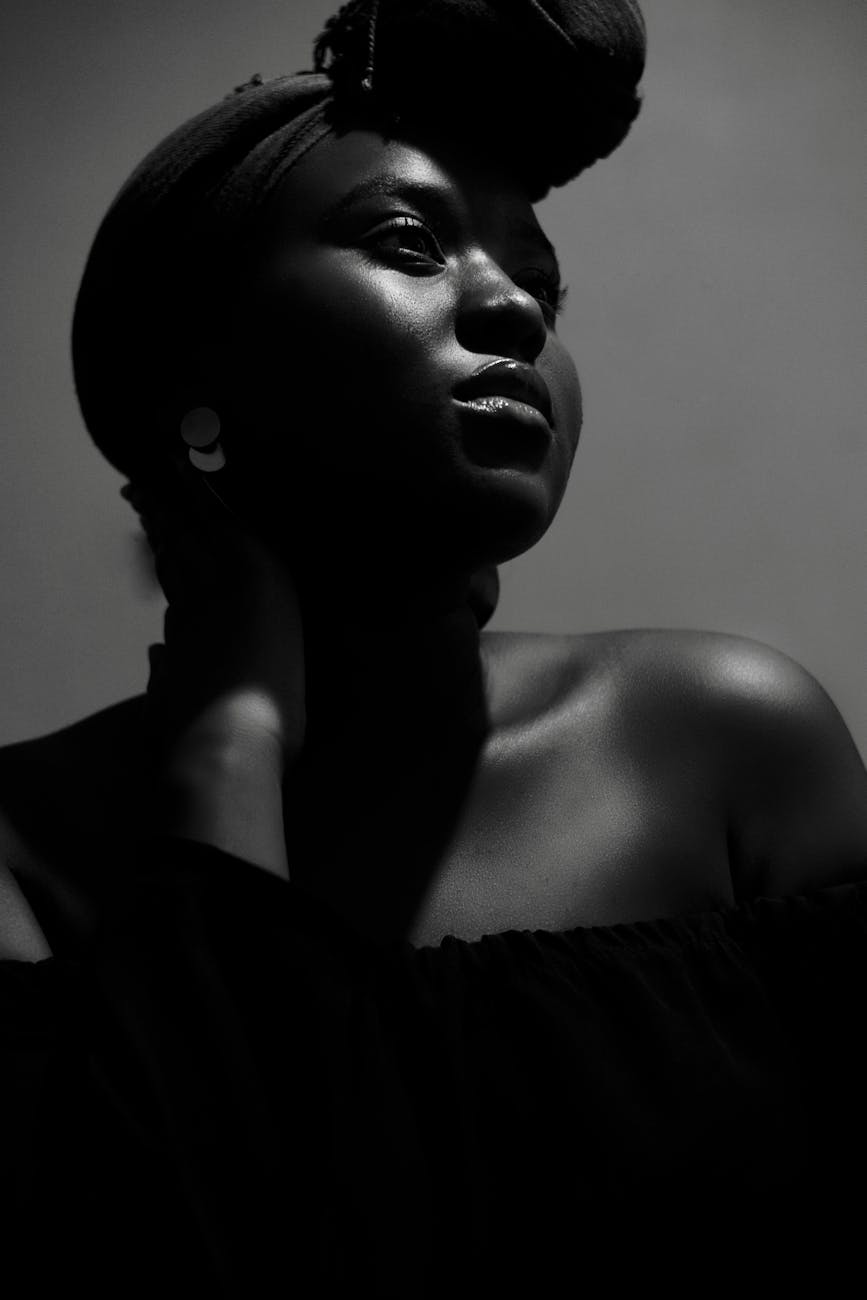
Colorism—the privileging of lighter skin tones over darker ones within the same racial group—has deep historical roots and contemporary consequences in global society. Within the fashion industry, colorism functions not only as a discriminatory practice but also as a mechanism that shapes visibility, opportunity, and representation. Fashion, as both an art form and a business, reflects and reinforces cultural hierarchies. Thus, the underrepresentation of dark-skinned models and the preference for lighter-skinned ones underscores the persistence of Eurocentric beauty ideals in an industry that prides itself on innovation and inclusivity.
Historical Roots of Colorism in Fashion
The origins of colorism trace back to slavery and colonialism, where lighter skin was often associated with proximity to whiteness, privilege, and desirability (Hunter, 2007). In the United States, enslaved individuals with lighter complexions were sometimes favored for domestic work, while darker-skinned individuals were relegated to harsher labor. This hierarchical system established a cultural preference for lighter skin that extended into media, beauty, and eventually fashion. As the fashion industry developed, Eurocentric beauty standards became codified in runway shows, advertising, and editorial spreads, marginalizing darker-skinned women and men.
The Runway and Editorial Exclusion
Runways and fashion magazines have historically privileged models with lighter skin, straighter hair, and Eurocentric features. Even within “diverse” campaigns, darker-skinned Black models often remain tokenized. For instance, Naomi Campbell, despite her status as one of the most famous supermodels of all time, revealed she had to fight harder for opportunities that her white counterparts received effortlessly (Campbell, 2016). Dark-skinned models such as Alek Wek and Duckie Thot broke barriers, but their presence has often been treated as exceptions rather than norms. This reveals the systemic nature of colorism: representation is granted selectively and sparingly, rather than broadly embraced.
Case Study – Naomi Campbell, Alek Wek, and Adut Akech
Naomi Campbell (1980s–Present)
Naomi Campbell emerged in the late 1980s as one of the first globally recognized Black supermodels. While she reached heights few models—regardless of race—could achieve, Campbell herself revealed that she often had to fight harder for opportunities that her white peers received with ease. She once said, “I was never picked for certain shows—not because I couldn’t do the job, but because of the color of my skin” (Campbell, 2016). Her career symbolizes both the barriers imposed by colorism and the resilience required to break through them.
Alek Wek (1990s)
In the 1990s, South Sudanese model Alek Wek revolutionized the industry by unapologetically showcasing her deep dark skin, natural hair, and African features. When she rose to prominence, many Western critics doubted whether her look could be commercially viable. Yet Wek’s success redefined beauty and inspired a new generation of young women, particularly dark-skinned Black girls, to embrace their appearance. Her visibility disrupted Eurocentric norms and served as a cultural turning point in fashion’s global aesthetic (Hall, 2010).
Adut Akech (2010s–Present)
Adut Akech, another South Sudanese model, continues to advance the legacy of dark-skinned representation in fashion. A refugee turned international supermodel, Akech has walked for major houses like Valentino and Chanel, becoming a muse for designers while advocating for refugee rights. She has spoken openly about colorism and racism in the fashion world, noting that makeup artists are often unprepared to work with her skin tone (Lewis, 2011). Akech’s presence represents both progress and the work yet to be done in dismantling systemic biases.
Comparative Analysis
These three women represent different eras of struggle and triumph in the face of colorism. Campbell fought for inclusion, often being the lone dark-skinned figure on global stages. Wek expanded the vision of Black beauty, embodying features once excluded from mainstream fashion. Akech, in the digital age, uses her platform to not only model but also advocate for social justice. Collectively, they embody resilience and redefine beauty standards, proving that dark skin is not only viable but invaluable in fashion’s ongoing evolution.
Colorism in Advertising and Branding
Advertising campaigns often reinforce a narrow vision of Black beauty by privileging lighter-skinned women in mainstream branding. Lighter skin is frequently equated with “universality,” while darker skin is portrayed as “niche.” This not only affects representation but also market access: darker-skinned models are underbooked, underpaid, and less visible, despite global recognition of Black culture’s influence on fashion trends (Lewis, 2011). The commodification of “acceptable” Blackness perpetuates an insidious cycle where lighter-skinned women are celebrated as symbols of diversity, while darker-skinned women remain marginalized.
Psychological Effects of Colorism in Fashion
The exclusion and marginalization of darker-skinned models create lasting psychological effects. Research shows that colorism contributes to internalized racism, self-esteem struggles, and body image issues among Black women (Hall, 2010). For young women aspiring to careers in fashion, the lack of role models who reflect their skin tone signals that beauty and desirability are tethered to lightness. Scripture warns against such vanity and distorted perceptions of beauty: “For the LORD seeth not as man seeth; for man looketh on the outward appearance, but the LORD looketh on the heart” (1 Samuel 16:7, KJV). This biblical reminder challenges the industry to move beyond surface-level valuations of beauty.
Resistance and Breaking the Bias
Despite systemic barriers, dark-skinned women have reclaimed space in fashion. Alek Wek’s rise in the 1990s challenged Eurocentric ideals by celebrating her Sudanese heritage and skin tone, inspiring countless young women globally. More recently, the success of models like Adut Akech and Nyakim Gatwech demonstrates the possibility of breaking entrenched biases. Additionally, designers and makeup brands such as Rihanna’s Fenty Beauty and Thebe Magugu have embraced darker tones and African aesthetics as integral, not peripheral, to their visions. These efforts represent resistance against colorism, although structural changes in casting, marketing, and pay equity remain necessary.
The Role of Social Media Activism
Social media has been a powerful tool in challenging colorism. Hashtags like #MelaninPoppin and #DarkSkinMagic celebrate darker skin tones, countering narratives that have historically marginalized them. Models bypass traditional gatekeepers by building platforms directly with audiences, forcing brands to acknowledge and adapt to consumer demands for inclusivity. This digital activism represents a democratization of fashion, where consumers and creators hold institutions accountable for bias.
A Biblical and Ethical Challenge
From a biblical perspective, the challenge to colorism in fashion is not merely about inclusion but about justice and truth. James 2:1 warns against favoritism: “My brethren, have not the faith of our Lord Jesus Christ, the Lord of glory, with respect of persons.” Favoring lighter skin over darker skin perpetuates a false hierarchy that contradicts the truth of human equality before God. Thus, breaking the bias in fashion is not only socially progressive but also spiritually imperative.
Conclusion: Toward True Inclusivity
Colorism in the fashion industry reveals how deeply embedded Eurocentric ideals remain in structures of representation. While progress has been made, particularly through the visibility of dark-skinned models and consumer-driven activism, systemic inequities persist. Breaking the bias requires structural reform, cultural accountability, and a commitment to genuine inclusivity rather than tokenism. For Black women, the reclamation of dark skin beauty in fashion is not just a trend—it is a revolution that affirms dignity, identity, and divine worth.
References
Campbell, N. (2016). Interview with the Guardian on race and modeling. Guardian Media Group.
Hall, R. E. (2010). An historical analysis of skin color discrimination in America: Victimism among victim group populations. Springer.
Hunter, M. (2007). The persistent problem of colorism: Skin tone, status, and inequality. Sociology Compass, 1(1), 237–254.
Lewis, R. (2011). Race, representation, and fashion media: Shaping Blackness in cultural industries. Fashion Theory, 15(2), 153–174.
The Holy Bible, King James Version. (1611/2017). Thomas Nelson.
Discover more from THE BROWN GIRL DILEMMA
Subscribe to get the latest posts sent to your email.
 THE BROWN GIRL DILEMMA