
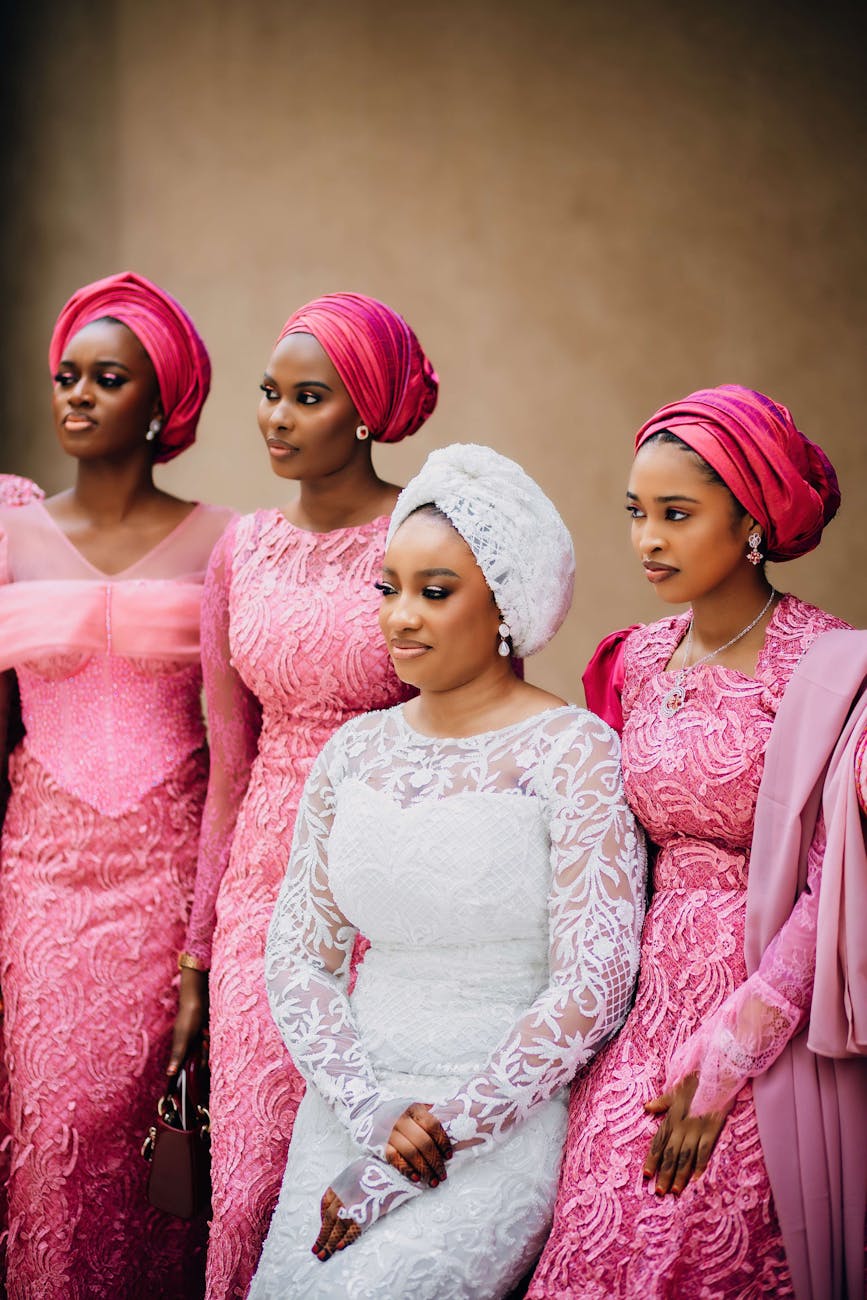
The dilemma of the brown girl is not only social or psychological—it is deeply spiritual. To be a brown-skinned woman in a world built on whiteness is to wrestle daily with questions of identity, worth, and divine purpose. Femininity, already loaded with societal expectations, is further complicated by skin tone, hair texture, and cultural stereotypes. For the brown girl, faith often becomes both shield and sword: a shield against the arrows of colorism, and a sword to cut through lies of inferiority with the truth of divine affirmation.
Faith is the compass that helps brown girls navigate a world that questions their beauty, their womanhood, and their place. Scripture affirms what society denies. In Song of Solomon 1:5 (KJV), the Shulammite woman boldly declares, “I am black, but comely.” This verse not only acknowledges the reality of dark skin but also affirms its beauty. It is a reminder that femininity, in God’s design, is not diminished by melanin—it is magnified.
Yet, the dilemma remains. Brown girls are too often forced to choose between being hyper-visible and invisible, between being fetishized or ignored. Their femininity is policed: too strong, they are labeled masculine; too soft, they are accused of weakness. This paradox is a reflection of cultural double standards rooted in both racism and sexism (Crenshaw, 1989). But faith offers an alternative narrative: that femininity is not a performance for societal approval but a sacred expression of God’s image.
Femininity, when grounded in faith, is liberated from comparison. The Proverbs 31 woman, often cited as the biblical model of womanhood, was not defined by her appearance but by her character, her wisdom, and her strength. For brown girls, this scripture dismantles the lie that their worth is tied to Eurocentric beauty standards. Instead, it affirms that divine femininity is about purpose, resilience, and compassion.
Psychologically, faith functions as a protective factor against the internalized effects of colorism and sexism. Studies show that spiritual practices such as prayer, meditation, and scriptural reflection can foster resilience and positive self-concept in women of color (Watson & Hunter, 2015). When a brown girl declares herself fearfully and wonderfully made (Psalm 139:14), she is not reciting empty words but reclaiming her mental and spiritual health from a society invested in her doubt.
Faith also empowers brown girls to reimagine femininity as collective rather than competitive. In many spiritual traditions, sisterhood is sacred. The church, when functioning rightly, provides community, mentorship, and affirmation for women struggling under the weight of colorism. In this space, femininity is not weaponized but celebrated, not measured against whiteness but grounded in holiness.
The brown girl dilemma, then, is not an unsolvable curse but a calling to resist, redefine, and rise. Through faith, femininity becomes not a burden but a blessing, not a source of shame but a channel of divine glory. The words of Isaiah 61:3 (KJV) remind us that God gives “beauty for ashes, the oil of joy for mourning, the garment of praise for the spirit of heaviness.” For every insult hurled at her, there is a crown prepared. For every stereotype imposed on her, there is a truth that sets her free.
Faith and femininity converge to transform the brown girl dilemma into the brown girl testimony: a story of survival, grace, and sacred beauty. She is not simply enduring the weight of her existence—she is walking in divine purpose.
References
- Crenshaw, K. (1989). Demarginalizing the intersection of race and sex: A Black feminist critique of antidiscrimination doctrine, feminist theory, and antiracist politics. University of Chicago Legal Forum, 1989(1), 139–167.
- Watson, N. N., & Hunter, C. D. (2015). “I had to be strong”: Tensions in the strong Black woman schema. Journal of Black Psychology, 41(5), 424–452.
- The Holy Bible, King James Version.
Discover more from THE BROWN GIRL DILEMMA
Subscribe to get the latest posts sent to your email.
 THE BROWN GIRL DILEMMA