
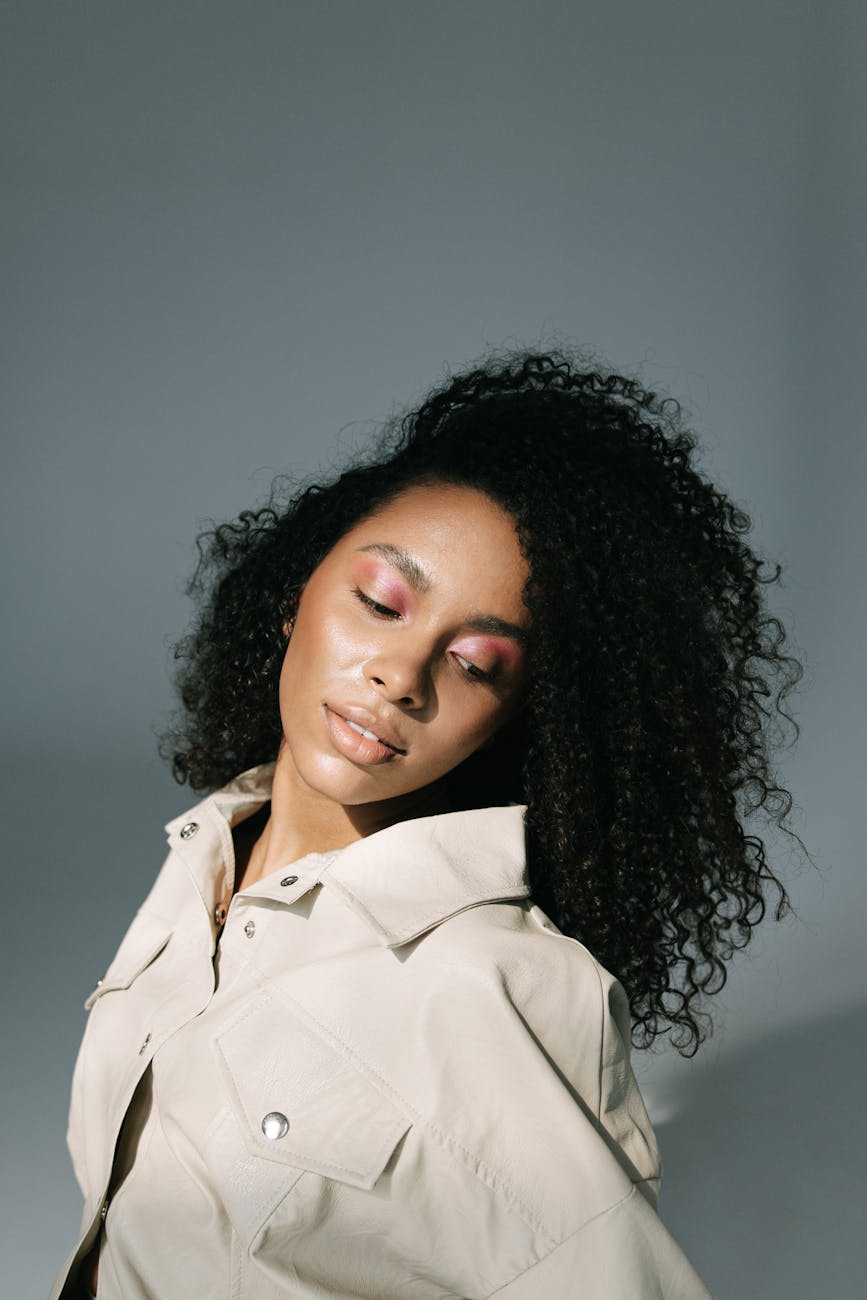
Beauty is not a singular concept, and brown skin is far from a monolith. Across the globe, brown skin spans a rich spectrum—from deep chocolate and espresso tones to caramel, honey, and light café au lait shades. Each tone carries its own radiance, history, and cultural significance. Celebrating the diversity within brown skin is essential for dismantling colorism, embracing heritage, and redefining beauty standards.
Understanding the Diversity
The range of brown skin is shaped by genetics, ancestry, and environmental factors. Deep brown tones often carry a legacy of resilience and survival, while lighter brown shades reflect diverse diasporic histories. Recognizing this spectrum is not just about aesthetics—it is about understanding the stories, cultures, and identities embedded within each shade.
Challenging Colorism
Historically, lighter brown skin has been privileged in media and society, marginalizing darker tones and perpetuating internalized bias (Hunter, 2007). By celebrating the full spectrum, communities can challenge these biases and foster pride in every shade. Representation matters: when all shades of brown are visible in fashion, media, and beauty industries, individuals feel seen, validated, and empowered.
Influencers and Representation
Celebrities and influencers are reshaping perceptions of brown beauty. Figures like Lupita Nyong’o (deep brown), Tracee Ellis Ross (medium brown), and Zendaya (light brown) demonstrate that glamour, elegance, and confidence exist across the entire spectrum. Their visibility challenges narrow beauty ideals and provides role models for young girls and women navigating societal pressures.
Psychological Impact
Celebrating diverse brown skin tones positively impacts self-esteem and identity. Research shows that when individuals see their shade represented positively, it enhances confidence and reduces internalized colorism (Russell, Wilson, & Hall, 1992). Embracing diversity within brown skin encourages individuals to value their unique appearance rather than conforming to imposed standards.
Cultural Significance
Every shade of brown reflects a unique cultural and historical narrative. From African and Caribbean heritage to South Asian and Middle Eastern lineages, brown skin embodies resilience, creativity, and ancestral pride. Recognizing and celebrating this spectrum honors cultural roots while asserting that beauty is multifaceted and inclusive.
Conclusion
Brown skin is a spectrum, not a single shade. Every tone—from the deepest espresso to the lightest caramel—is beautiful, powerful, and worthy of recognition. By embracing the diversity within brown skin, communities challenge societal bias, celebrate heritage, and redefine beauty. True appreciation lies in recognizing that every shade tells a story, carries a legacy, and embodies brilliance beyond comparison.
References
- Hunter, M. (2007). The Persistent Problem of Colorism: Skin Tone, Status, and Inequality. Sociology Compass, 1(1), 237–254.
- Russell, K., Wilson, M., & Hall, R. E. (1992). The Color Complex: The Politics of Skin Color in a New Millennium. Anchor Books.
Discover more from THE BROWN GIRL DILEMMA
Subscribe to get the latest posts sent to your email.
 THE BROWN GIRL DILEMMA