
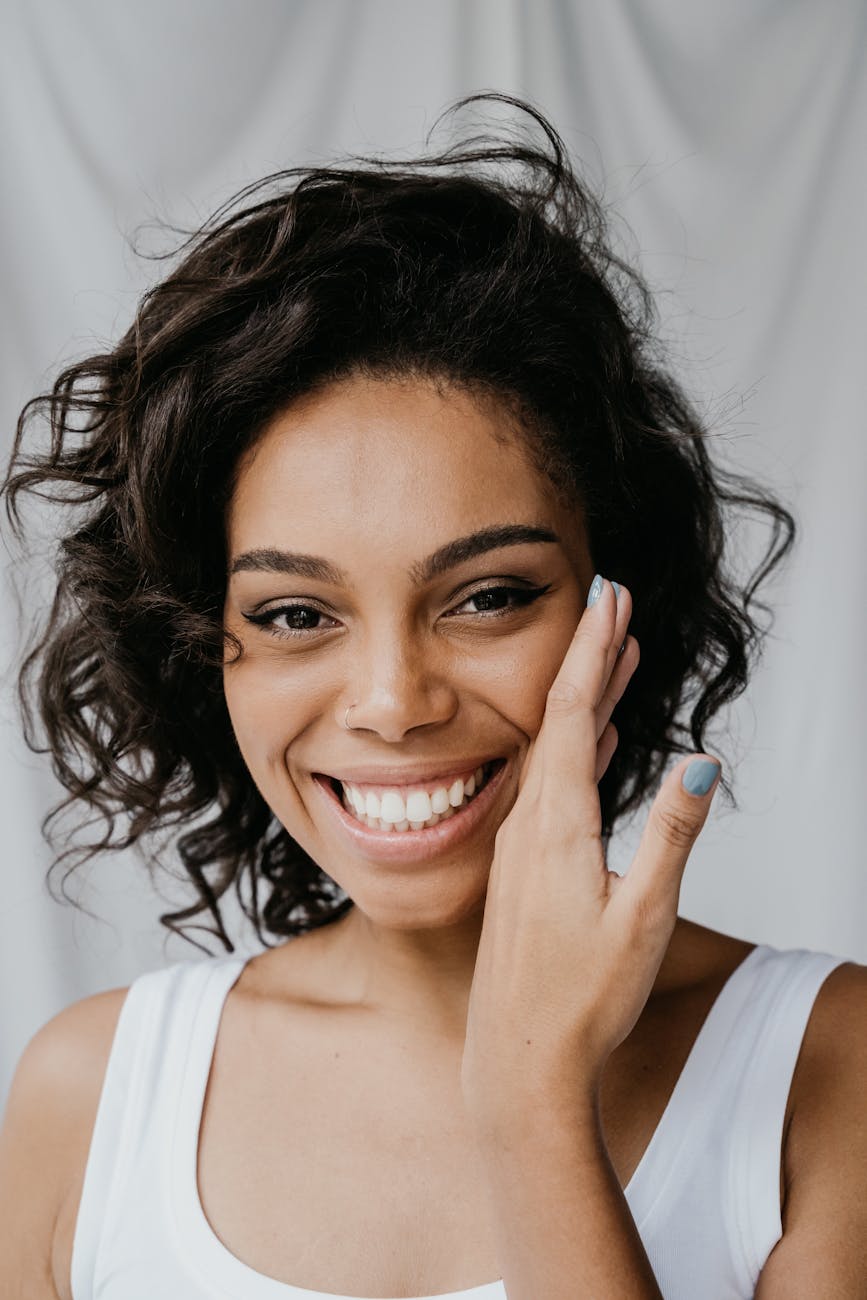
Beauty, once seen as an emblem of divine order and natural harmony, has increasingly become a cultural illusion—a projection shaped by capitalism, social hierarchies, and the psychological pursuit of validation. In modern society, the notion of beauty has been commercialized and standardized, evolving from an expression of individuality into a form of currency that dictates value and belonging. This illusion operates within a framework where aesthetics overshadow authenticity, leading to a crisis of self-perception that affects both personal identity and collective consciousness.
The power of beauty lies in its ability to shape reality. Historically, philosophers like Plato associated beauty with truth and moral goodness, suggesting that what is beautiful must also be virtuous (Plato, Phaedrus). Yet, contemporary consumer culture has subverted this ideal, commodifying beauty as an external achievement rather than an internal virtue. Social media platforms and advertising industries perpetuate this distortion, using digitally altered images and algorithmic preferences to define what is desirable. The result is a global aesthetic homogenization that erases cultural diversity and authenticity.
Psychologically, the pursuit of beauty has become intertwined with self-worth. Studies have shown that individuals who perceive themselves as less attractive often experience lower self-esteem and increased social anxiety (Cash, 2004). This correlation reveals how beauty, though seemingly superficial, deeply influences mental health. The illusion of beauty thrives in this psychological vulnerability, offering temporary validation through appearance while undermining genuine self-acceptance and individuality.
For women and men alike, the pressure to conform to beauty standards creates a double bind. On one hand, conformity offers social rewards—admiration, attention, and perceived success. On the other, it reinforces systemic oppression, particularly for marginalized groups whose natural features deviate from Eurocentric ideals. Scholars such as hooks (1992) argue that this aesthetic hierarchy is an extension of colonialism, where whiteness becomes the dominant visual narrative of beauty. Thus, the illusion of beauty is not merely personal but political.
This dynamic is especially pronounced in the Black community, where colorism and texturism have long been tools of division. The privileging of lighter skin and European features within beauty culture has caused internalized self-rejection and a cycle of identity distortion (Russell, Wilson, & Hall, 1992). As a result, authenticity becomes a radical act of resistance. Embracing natural hair, melanin-rich skin, and ancestral features challenges the illusion and reclaims beauty as truth, not imitation.
From a sociological standpoint, the illusion of beauty is reinforced by capitalist structures that profit from insecurity. The global beauty industry, valued at over $500 billion, thrives on the perpetuation of dissatisfaction (Nash, 2019). Through constant marketing, it conditions consumers to believe that beauty is achievable only through products, surgeries, and external transformation. Authenticity, therefore, becomes unmarketable—a threat to industries built on self-doubt.
Philosopher Jean Baudrillard (1994) conceptualized this phenomenon as a form of hyperreality—a state in which representations replace reality. In this context, beauty ceases to reflect natural aesthetics and becomes a simulation. The “ideal” face and body are not real but digitally engineered composites, giving rise to a world where imitation precedes existence. As a result, individuals chase an unattainable ideal, losing connection with their authentic selves.
This detachment manifests not only in physical appearance but in emotional and relational authenticity. People begin to curate their personalities as meticulously as their faces, crafting identities for digital consumption. Authentic human connection diminishes as appearance becomes the primary metric of worth. The illusion of beauty, therefore, erodes both the individual psyche and the social fabric, replacing empathy with envy and presence with performance.
The obsession with aesthetics also influences professional and social mobility. Studies reveal that attractiveness can affect hiring decisions, salary levels, and even judicial outcomes (Langlois et al., 2000). This “beauty premium” reinforces inequality, privileging those who fit normative standards while marginalizing others. When beauty dictates opportunity, authenticity becomes a liability—punished rather than praised.
In art and media, the illusion of beauty has silenced diversity of expression. Models, actors, and influencers who conform to dominant beauty norms are celebrated, while those who embody natural variation are often tokenized or excluded. This selective visibility perpetuates the myth that beauty is exclusive rather than inclusive, fostering a culture of sameness rather than individuality.
The spiritual dimension of this illusion is equally significant. In many faith traditions, including Christianity, beauty was once understood as an emanation of divine truth—“the beauty of holiness” (Psalm 96:9, KJV). Yet, when aesthetics replace spiritual substance, beauty becomes idolatrous. The worship of external form over inner character reflects a moral inversion where appearance outweighs virtue. This pseudo-spirituality mirrors narcissism, as individuals elevate the self-image above the soul.
Psychologically, this illusion breeds perfectionism and self-objectification. Narcissistic culture thrives on appearance, encouraging people to view themselves and others as commodities. According to psychologist Malkin (2015), narcissism in modern society often emerges from insecurity rather than grandiosity—individuals seek beauty as a means to mask inadequacy. The result is emotional fragility hidden beneath polished surfaces.
For many, breaking free from the illusion requires an intentional process of deconstruction—unlearning false ideals and reestablishing a sense of inner truth. This process often involves self-compassion, therapy, and cultural reeducation. It challenges individuals to ask: What does it mean to be beautiful beyond what can be seen?
Educational and media reform play essential roles in restoring authenticity. When schools and cultural institutions promote diverse representations of beauty, they expand the collective imagination. Visibility of all skin tones, body types, and cultural aesthetics restores the link between authenticity and worth. Representation becomes not just symbolic but healing.
The illusion of beauty can also be resisted through art and storytelling. Artists and writers who portray beauty in its raw, unfiltered forms remind society of the power of imperfection. Authentic beauty carries emotional resonance because it reflects truth, not fabrication. This approach humanizes rather than idolizes.
Moreover, authenticity aligns with psychological well-being. Research shows that individuals who live authentically experience greater self-esteem and lower anxiety (Kernis & Goldman, 2006). By rejecting the illusion, they reclaim agency over self-definition and relationships. Authenticity becomes a psychological safeguard against the emptiness of performance-based identity.
Communities that cultivate authenticity also experience greater social cohesion. When people value character, creativity, and spirit over aesthetics, collective relationships strengthen. The illusion of beauty isolates; authenticity connects. This distinction has profound implications for how societies build empathy, belonging, and peace.
Ultimately, beauty should not be destroyed but redeemed. The challenge is not to reject aesthetics but to restore their connection to truth. When beauty serves authenticity, it becomes an instrument of healing rather than deception. It reflects the inner light that transcends surface form—a light that cannot be bought, filtered, or faked.
To dismantle the illusion of beauty is to liberate the human spirit. It invites individuals and societies to rediscover the sacred in the real—to find grace not in perfection but in presence. Only then can beauty regain its original purpose: to reveal, not to conceal, the truth of who we are.
References
Baudrillard, J. (1994). Simulacra and Simulation. University of Michigan Press.
Cash, T. F. (2004). Body Image: Past, Present, and Future. Body Image, 1(1), 1–5.
hooks, b. (1992). Black Looks: Race and Representation. South End Press.
Kernis, M. H., & Goldman, B. M. (2006). A Multicomponent Conceptualization of Authenticity: Theory and Research. Advances in Experimental Social Psychology, 38, 283–357.
Langlois, J. H., et al. (2000). Maxims or Myths of Beauty? A Meta-Analytic and Theoretical Review. Psychological Bulletin, 126(3), 390–423.
Malkin, C. (2015). Rethinking Narcissism: The Secret to Recognizing and Coping with Narcissists. HarperCollins.
Nash, J. C. (2019). Black Feminism Reimagined: After Intersectionality. Duke University Press.
Plato. (370 BCE). Phaedrus. In The Dialogues of Plato.
Russell, K., Wilson, M., & Hall, R. E. (1992). The Color Complex: The Politics of Skin Color Among African Americans. Anchor Books.
Discover more from THE BROWN GIRL DILEMMA
Subscribe to get the latest posts sent to your email.
 THE BROWN GIRL DILEMMA