
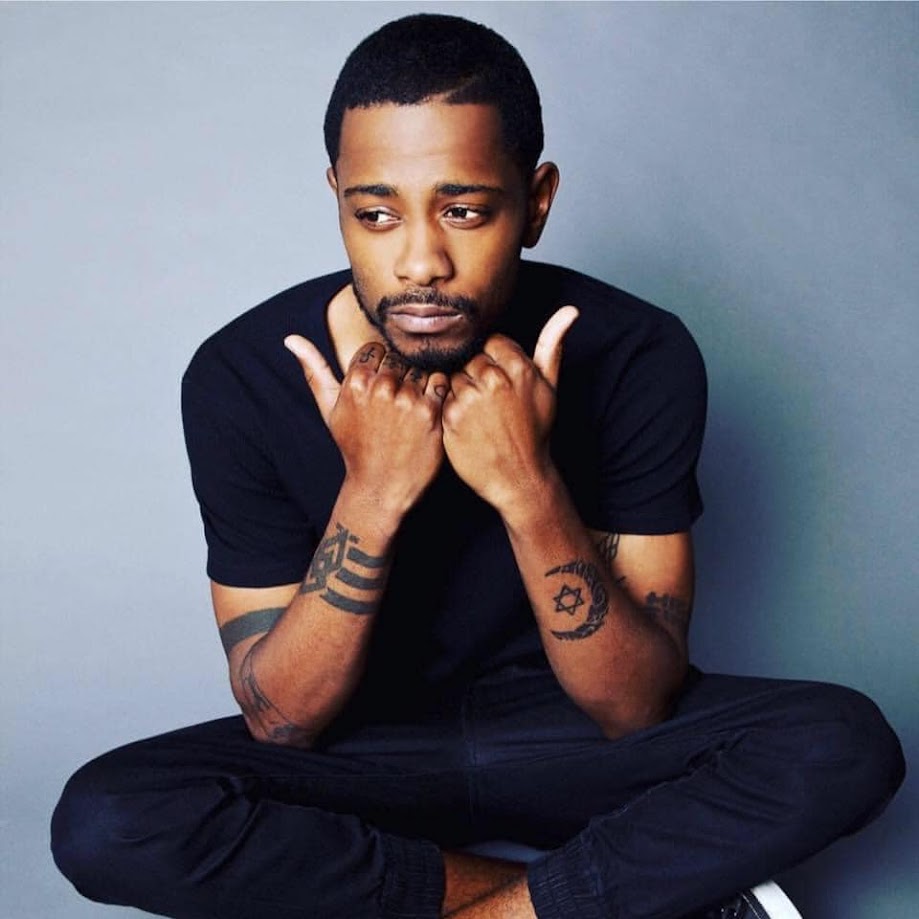
The story of the Black man in the modern world is one of survival, resilience, and relentless battle against systems that were never designed for his flourishing. From slavery to segregation, from mass incarceration to covert discrimination, he has faced barriers that strike at his manhood, identity, and soul. To understand his struggle is to confront the deep wounds of history and the hidden chains that remain today.
The first wound is slavery’s imprint on the Black male psyche. For centuries, he was denied the role of protector and provider. Families were torn apart, wives were taken, and men were stripped of dignity. This generational trauma still echoes today, manifesting as mistrust, anger, and a battle to reclaim his rightful place as head of the household (Ephesians 5:23, KJV).
The struggle with sexual sin is one of the most silent but destructive battles. Hypersexualization of the Black male body during slavery turned him into a symbol of virility, often demonized or fetishized. Today, this legacy continues through media stereotypes and pornography addiction, leading many men into cycles of lust that destroy relationships and intimacy. Scripture warns, “Flee fornication. Every sin that a man doeth is without the body; but he that committeth fornication sinneth against his own body” (1 Corinthians 6:18, KJV).
Women are both a source of strength and a battlefield for the Black man’s soul. Many wrestle with distrust of women due to broken homes, infidelity, and generational cycles of fatherlessness. Yet the Black woman has also been his fiercest ally, standing beside him through slavery, civil rights, and beyond. A restored view of womanhood — seeing her as a help meet (Genesis 2:18, KJV) rather than competition — is crucial for healing.
Addiction is another shackle that grips many. Drugs and alcohol became coping mechanisms for pain and systemic exclusion. Substance abuse not only destroys health but also leads to criminalization. Breaking free requires both spiritual and psychological intervention. Romans 12:2 (KJV) calls for transformation by the renewing of the mind, which can be aided by therapy, accountability groups, and faith communities.
Jobs and economic opportunities remain unequal. Many Black men face hiring discrimination, lower wages, and fewer chances for advancement. Economic instability contributes to stress, crime rates, and fractured families. Solutions include financial literacy, entrepreneurship, and collective community support systems that create pathways for generational wealth (Proverbs 13:22, KJV).
Mass incarceration is the new plantation for many. The prison industrial complex disproportionately targets Black men through policing, sentencing disparities, and the war on drugs. Once released, they face stigma, lack of housing, and limited job opportunities. Proverbs 31:8-9 (KJV) reminds society to “open thy mouth for the dumb… plead the cause of the poor and needy,” calling believers to advocate for prison reform and reentry programs.
Racism remains a constant shadow. Whether through microaggressions, systemic bias, or police brutality, the Black man is often seen as a threat before he is seen as a human being. This psychological pressure creates hypervigilance, anxiety, and depression. Psalm 94:20-21 (KJV) speaks of the throne of iniquity that frames mischief by law, reminding us that some systems are designed to oppress.
Provider identity is one of the most central aspects of manhood. When the Black man cannot provide due to unemployment, incarceration, or discrimination, shame and frustration arise. This often leads to unhealthy coping strategies such as escapism, promiscuity, or violence. Scripture encourages him to rise and work with his hands, that he “may have to give to him that needeth” (Ephesians 4:28, KJV).
Another hidden struggle is the temptation of interracial dynamics, particularly the allure of white women. While love between races is not sin, historically, white women have been used as tools of accusation and destruction against Black men (Emmett Till’s case being one of the most notorious). A healed, wise Black man must navigate relationships with discernment, not falling into traps of fetishization or social backlash.
Colorism within the Black community creates additional psychological weight. Light skin is often privileged while dark skin is shamed, leading to internal division. A biblical view reminds us that all shades reflect the image of God (Genesis 1:27, KJV), and self-hatred must be uprooted.
Media portrayals add fuel to these struggles, painting Black men as criminals, absentee fathers, or hypersexual predators. These images shape how society sees them and how they see themselves. Proverbs 23:7 (KJV) reminds us, “For as he thinketh in his heart, so is he.” Reclaiming the narrative is key — through storytelling, education, and positive representation.
Mental health remains stigmatized in many Black communities. Trauma from racism, poverty, and broken homes often goes untreated, manifesting as anger, numbness, or aggression. Seeking counseling is not a lack of faith but an act of courage. “In the multitude of counsellors there is safety” (Proverbs 11:14, KJV).
Fatherlessness is both a wound and a cycle. Many Black men grew up without fathers due to systemic removal or personal abandonment. This absence leaves sons without models of manhood. Malachi 4:6 (KJV) speaks of God turning the hearts of fathers to children — this restoration is essential to breaking generational curses.
Gang culture and street life lure many young Black men seeking belonging and protection. While this provides a false sense of family, it often ends in death or prison. The church and community must offer real brotherhood and rites of passage that affirm manhood without violence.
Educational disparities also play a major role. Underfunded schools, lack of mentorship, and low expectations trap young Black men in cycles of underachievement. Proverbs 4:7 (KJV) emphasizes that wisdom is the principal thing — therefore, investment in tutoring, mentorship, and access to higher education is vital.
Sexual identity crises affect some as well. Hypermasculinity, homophobia, and confusion about manhood lead to identity struggles. Biblical manhood should be restored as a model of strength, humility, and holiness (1 Corinthians 16:13, KJV).
Financial exploitation through predatory lending, credit traps, and consumerism keeps many Black men in debt slavery. Proverbs 22:7 (KJV) reminds us that “the borrower is servant to the lender.” Teaching budgeting, investing, and cooperative economics is essential for liberation.
Spiritual warfare is perhaps the deepest struggle. The Black man is a target because of his potential to lead, build, and influence. Ephesians 6:12 (KJV) reminds us that we wrestle not against flesh and blood but against spiritual wickedness in high places. This calls for prayer, fasting, and standing firm in faith.
Forgiveness and inner healing are crucial. Carrying bitterness against oppressors or absent fathers can destroy the soul. Ephesians 4:31-32 (KJV) commands believers to put away bitterness and forgive, even as God forgave us.
Community rebuilding must be intentional. Supporting Black businesses, mentoring young men, and building safe spaces for dialogue and growth are part of the solution. Ecclesiastes 4:9-10 (KJV) teaches that two are better than one because they have good reward for their labor.
Restoration of marriage and family must be prioritized. Strong marriages create strong communities. Husbands are called to love their wives as Christ loved the church (Ephesians 5:25, KJV), providing an example of sacrificial leadership.
Mentorship is a solution for breaking cycles. Older men are instructed to teach the younger men to be sober-minded, sound in faith, and steadfast (Titus 2:2,6, KJV). This intergenerational guidance creates a culture of accountability and growth.
Political engagement is another key step. Voting, advocacy, and running for office ensure that policies reflect the needs of the community. Proverbs 29:2 (KJV) states, “When the righteous are in authority, the people rejoice.”
Faith in Christ is the ultimate solution. True liberation comes not just through policy but through the transformation of the heart. John 8:36 (KJV) promises, “If the Son therefore shall make you free, ye shall be free indeed.”
The Black man’s struggle is not his end. He is more than a victim — he is a builder, a leader, and a king in the making. By facing his wounds, embracing accountability, and walking in God’s truth, he can break the chains of sin and oppression.
The future depends on his healing. When the Black man rises, the family rises, the community rises, and a generation is changed. The call is clear: stand up, take your rightful place, and walk in the freedom Christ purchased.
References
Biblical References (KJV)
- Genesis 1:27 – Man created in the image of God.
- Genesis 2:18 – Woman created as a help meet for man.
- Exodus 20:2 – Deliverance from bondage.
- Proverbs 4:7 – Wisdom is the principal thing.
- Proverbs 11:14 – Safety in a multitude of counselors.
- Proverbs 13:22 – A good man leaves an inheritance to his children’s children.
- Proverbs 22:7 – The borrower is servant to the lender.
- Proverbs 23:7 – As a man thinketh in his heart, so is he.
- Proverbs 29:2 – When the righteous are in authority, the people rejoice.
- Proverbs 31:8-9 – Speak up for those who cannot speak for themselves.
- Ecclesiastes 4:9-10 – Two are better than one.
- Malachi 4:6 – Turning the hearts of fathers to the children.
- Matthew 6:33 – Seek first the kingdom of God.
- John 8:36 – If the Son makes you free, you shall be free indeed.
- Romans 12:2 – Be transformed by the renewing of your mind.
- 1 Corinthians 6:18 – Flee fornication.
- 1 Corinthians 16:13 – Watch, stand fast in the faith, be strong.
- Ephesians 4:28, 31-32 – Work with your hands, put away bitterness, forgive.
- Ephesians 5:23, 25 – Husband as head of wife, love her as Christ loved the church.
- Ephesians 6:12 – Spiritual warfare against principalities and powers.
- Titus 2:2, 6 – Older men to be sober, younger men to be sound-minded.
Psychological & Sociological Sources
- Akbar, N. (1996). Breaking the Chains of Psychological Slavery. Mind Productions.
- Anderson, E. (1999). Code of the Street: Decency, Violence, and the Moral Life of the Inner City. W. W. Norton.
- Franklin, A. J., Boyd-Franklin, N., & Kelly, S. (2006). Invisibility Syndrome: A clinical model of the effects of racism on African American males. American Journal of Orthopsychiatry, 76(2), 157–165.
- Hooks, B. (2004). We Real Cool: Black Men and Masculinity. Routledge.
- Majors, R., & Billson, J. M. (1992). Cool Pose: The Dilemmas of Black Manhood in America. Lexington Books.
- Oliver, W., Brown, J. D., & Barnes, A. (2016). Addressing the Black Male Crisis: New Directions in Research and Theory. Journal of African American Studies, 20(1), 1–12.
- Stevenson, H. C. (2003). Playing with Anger: Teaching Coping Skills to African American Boys through Athletics and Culture. Praeger.
- Sue, D. W. (2010). Microaggressions in Everyday Life: Race, Gender, and Sexual Orientation. Wiley.
- West, C. (1994). Race Matters. Beacon Press.
Historical & Social References
- Alexander, M. (2010). The New Jim Crow: Mass Incarceration in the Age of Colorblindness. The New Press.
- Du Bois, W. E. B. (1903). The Souls of Black Folk. A. C. McClurg & Co.
- Woodson, C. G. (1933). The Mis-Education of the Negro. Associated Publishers.
Discover more from THE BROWN GIRL DILEMMA
Subscribe to get the latest posts sent to your email.
 THE BROWN GIRL DILEMMA