
https://www.facebook.com/soulmusicworldofficial
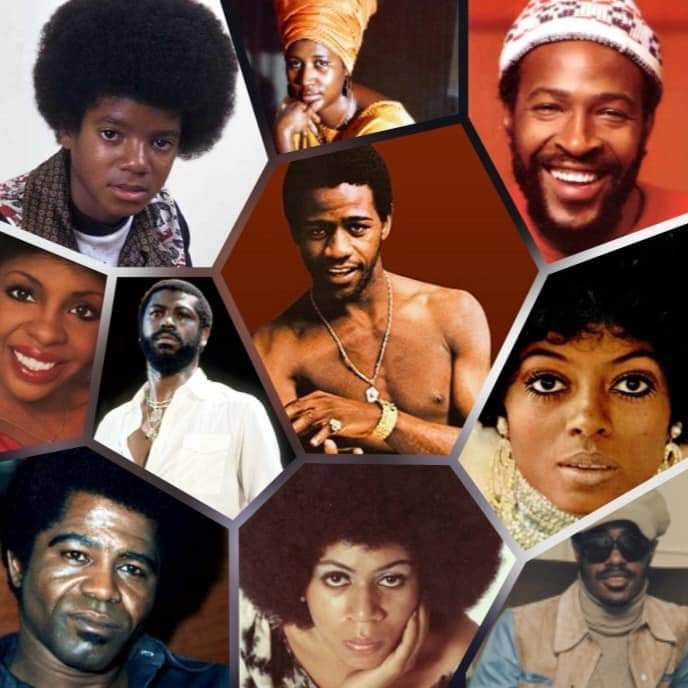
Soul music is more than a genre; it is the emotional and spiritual expression of the African-American experience. Emerging in the mid-20th century, soul combines the fervor of gospel, the rhythm of R&B, and the storytelling of blues, creating a sound that conveys both pain and triumph. Its essence lies in the ability to express deep human emotion through melody, harmony, and lyrical honesty.
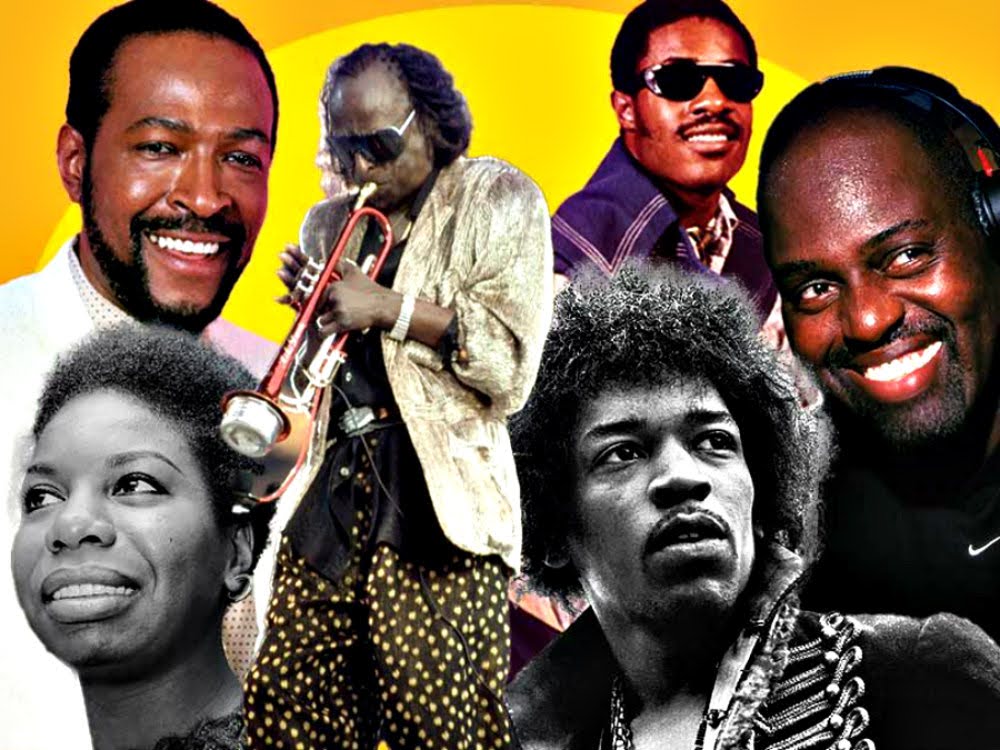
The roots of soul music can be traced to the African-American church. Gospel music provided the foundation for vocal techniques, call-and-response patterns, and emotional intensity. Artists grew up singing in church choirs, learning how to convey passion, hope, and suffering through their voices. This spiritual lineage gave soul its signature depth and resonance.
Early pioneers of soul music include Sam Cooke, often called the “King of Soul,” whose smooth voice bridged gospel and popular music. Cooke’s music carried the fervor of church singing while appealing to secular audiences. His song “A Change Is Gonna Come” became an anthem for the Civil Rights Movement, illustrating soul’s role in both entertainment and social commentary.
Otis Redding, another seminal figure, exemplified raw emotional delivery. Born in 1941 in Georgia, Redding’s music communicated longing, heartache, and desire with unparalleled authenticity. His song “Try a Little Tenderness” demonstrates the gospel-infused emotive singing that defined soul music’s golden era.
Aretha Franklin, often called the “Queen of Soul,” brought unmatched power and nuance to the genre. Her background as a preacher’s daughter in Detroit steeped her in gospel traditions, which she fused with secular themes. Franklin’s music, including hits like “Respect,” resonated not only with the African-American community but also with the wider society, asserting dignity and empowerment.
Soul music is deeply intertwined with R&B, yet it distinguishes itself by its gospel-rooted intensity and emotional authenticity. While R&B often emphasizes rhythm, dance, and melodic hooks, soul prioritizes storytelling and emotional resonance. Jeffrey Osborne, Diana Ross, and James Ingram represent artists who successfully blended elements of soul and R&B, bringing emotional depth to mainstream pop audiences.
Jeffrey Osborne’s career, starting with the band L.T.D., showcases smooth vocal delivery and emotional lyricism that bridges R&B and soul. Diana Ross, emerging from The Supremes, carried Motown’s soul-influenced pop sound to international fame, using her voice to convey both vulnerability and strength. James Ingram’s ballads further illustrate the crossover potential between R&B and soul, retaining gospel-influenced phrasing.
The connection between soul and gospel is profound. Gospel’s call-and-response structure, melismatic singing, and improvisational phrasing became the backbone of soul. Unlike gospel, which often centers explicitly on God, soul frequently addresses love, heartbreak, and social issues, though the emotional intensity remains consistent.
Soul music arose during a period of systemic racism and oppression. Artists experienced segregation, limited access to venues, and exploitative contracts. Sam Cooke, Otis Redding, and Aretha Franklin navigated these barriers while asserting cultural pride through their music. Despite these challenges, soul became a medium of resistance, empowerment, and storytelling for the Black community.
The term “Blue-Eyed Soul” refers to white artists performing soul-influenced music. Examples include Michael McDonald, Hall & Oates, and Dusty Springfield. While talented, blue-eyed soul singers often lacked the lived experience of systemic oppression that informs Black soul music, which can imbue performance with layers of pain, resilience, and cultural memory that are difficult to replicate.
Soul music’s influence extends to contemporary R&B, hip-hop, and pop. Its rhythmic patterns, vocal techniques, and emotional storytelling have been foundational for modern music. Artists continue to draw inspiration from soul pioneers while incorporating new technology and stylistic trends.
Sam Cooke’s music exemplified the tension between secular success and gospel roots. Raised singing gospel, Cooke transitioned to secular music, facing criticism from religious communities while achieving broader appeal. His artistry illustrates the fine line many soul artists walked between sacred and secular music.
Otis Redding’s career was tragically cut short in a plane crash in 1967, yet his legacy endures through his recordings and influence on future artists. His music reflects both vulnerability and strength, hallmarks of soul’s capacity to communicate complex human emotion.
Aretha Franklin’s performances were often described as cathartic. Audiences, particularly African-American listeners, identified with her music on a spiritual and cultural level. Songs like “Chain of Fools” highlight both personal and collective struggle.
Motown Records, founded by Berry Gordy in 1959, provided a platform for soul artists to reach national and global audiences. The label carefully crafted crossover appeal while maintaining authentic soul influences, elevating artists such as Diana Ross, Marvin Gaye, and Stevie Wonder.
Jeffrey Osborne’s solo career highlighted the fusion of R&B smoothness with gospel-rooted vocal technique. His ballads carry soul’s emotional depth while appealing to mainstream audiences, reflecting the genre’s flexibility and reach.
James Ingram’s collaborations with Quincy Jones and other producers exemplify soul’s integration into pop and R&B production, creating sophisticated arrangements while retaining expressive vocal performance.
Soul music was also a vehicle for civil rights messaging. Artists subtly and overtly addressed racial injustice, encouraging social consciousness. The emotional intensity of their performances amplified their messages, making music both a cultural and political instrument.
Blue-eyed soul singers often achieved mainstream radio play more easily than Black artists due to racial bias in the music industry, highlighting systemic inequities. While musically skilled, these singers benefited from societal structures that historically disadvantaged Black musicians.
The improvisational aspects of soul music reflect its gospel lineage. Artists frequently embellish melodies, elongate notes, and use vocal inflections to convey emotion. This improvisation requires both technical skill and emotional authenticity.
R&B and soul share harmonic structures and rhythmic patterns, yet soul’s emphasis on raw vocal expression distinguishes it. This distinction is evident in Otis Redding’s impassioned delivery compared with R&B’s more restrained smoothness.
Diana Ross’s transition from Motown group performances to solo work demonstrates soul’s adaptability. Her music retained emotional expression while embracing pop sensibilities, expanding the genre’s audience.
The legacy of soul artists like Aretha Franklin and Sam Cooke is enduring. Contemporary artists, including Beyoncé, John Legend, and Alicia Keys, continue to draw from their influence, blending gospel-rooted technique with modern R&B, hip-hop, and pop.
| Artist | Gospel Roots / Early Influence | Soul / R&B Career Highlights | Social / Cultural Activism | Notes / Legacy |
|---|---|---|---|---|
| Sam Cooke | Sang in gospel choir with the Soul Stirrers | Hits: A Change Is Gonna Come, You Send Me | Civil Rights advocacy, anthem for equality | Bridge between gospel and secular soul; martyr of artistry (assassinated 1964) |
| Otis Redding | Church choir singing in Georgia | Hits: Try a Little Tenderness, Respect (covered by Aretha) | Represented African-American emotional expression during segregation | Known for raw emotional delivery; influenced rock and soul artists globally |
| Aretha Franklin | Preacher’s daughter; gospel background | Hits: Respect, Chain of Fools, Think | Civil Rights supporter; symbol of Black female empowerment | “Queen of Soul”; gospel-infused vocal style became standard in soul music |
| Diana Ross | Gospel and church influence in Detroit | The Supremes hits: Baby Love, Solo hits: Ain’t No Mountain High Enough | Broke racial barriers in pop and Motown music | Blended soul with pop; expanded soul’s commercial reach internationally |
| James Ingram | Church choir and family gospel influence | Hits: Baby, Come to Me, I Don’t Have the Heart | Advocate for music education and mentorship programs | Smooth soul/R&B integration; Grammy-winning collaborations |
| Jeffrey Osborne | Church and local gospel choirs | Hits: On the Wings of Love, You Should Be Loved | Advocate for African-American musical heritage | Vocal style bridges R&B and soul; emotional depth linked to gospel technique |
| Marvin Gaye | Father was a minister; gospel singing | Hits: What’s Going On, Let’s Get It On | Voice of social change; addressed racism, war, and poverty | Soul and R&B fusion with socially conscious lyrics |
| Ray Charles | Church choirs, gospel influence | Pioneer of soul/R&B crossover | Advocated for racial equality through music and performance | Created the blueprint for secularizing gospel while retaining emotional intensity |
| Hall & Oates | Minimal gospel influence (white artists) | Hits: Sara Smile, Rich Girl | Limited social activism | Example of “blue-eyed soul”; popularized soul stylings in mainstream pop for white audiences |
| Dusty Springfield | Limited direct gospel exposure | Hits: Son of a Preacher Man, You Don’t Have to Say You Love Me | Supported Black music and civil rights causes | Example of blue-eyed soul; acknowledged influence of African-American music |
Insights from the Chart
- Gospel roots are central for Black soul artists; they provide vocal technique, improvisation, and emotional intensity.
- Soul artists often addressed social injustice, civil rights, and community uplift, giving the music a dual function: artistic and activist.
- “Blue-eyed soul” artists can emulate sound but lack the lived experience of oppression, making their music stylistically similar but culturally distinct.
- Many soul artists successfully bridged the gap between gospel, R&B, and pop, expanding the genre’s reach while preserving authenticity.
Racism in the industry affected recording contracts, touring opportunities, and media representation. Black soul artists often faced exploitation while white artists performing soul-influenced music were given preferential treatment, illustrating systemic inequities that continue to have echoes today.
Soul music remains a testimony to resilience, creativity, and cultural pride. Its emotional intensity, spiritual foundation, and storytelling capacity make it a uniquely African-American art form with universal resonance.
In conclusion, soul music reflects the Black experience: rooted in gospel, shaped by adversity, and transmitted through the voices of extraordinary artists. It communicates joy, pain, hope, and resistance, continuing to inspire generations while preserving the spiritual and cultural heritage of African Americans.
References
- Ben-Jochannan, Y. A. A. (1974). Africa: Mother of Western Civilization. Alkebu-Lan Books.
- Cross, W. E. (1991). Shades of Black: Diversity in African-American Identity. Temple University Press.
- DeGruy, J. (2005). Post Traumatic Slave Syndrome: America’s Legacy of Enduring Injury and Healing. Joy DeGruy Publications.
- Guralnick, P. (1986). Sweet Soul Music: Rhythm and Blues and the Southern Dream of Freedom. Little, Brown & Co.
- Vincent, R. (1996). Funk: The Music, The People, and The Rhythm of The One. St. Martin’s Press.
- The Holy Bible, King James Version.
- AllMusic. (2025). Soul Music Overview. https://www.allmusic.com
- Rolling Stone. (2021). The Greatest Soul Artists of All Time.
Discover more from THE BROWN GIRL DILEMMA
Subscribe to get the latest posts sent to your email.
 THE BROWN GIRL DILEMMA