
A Biblical Mandate for Holiness, Marriage, and Family
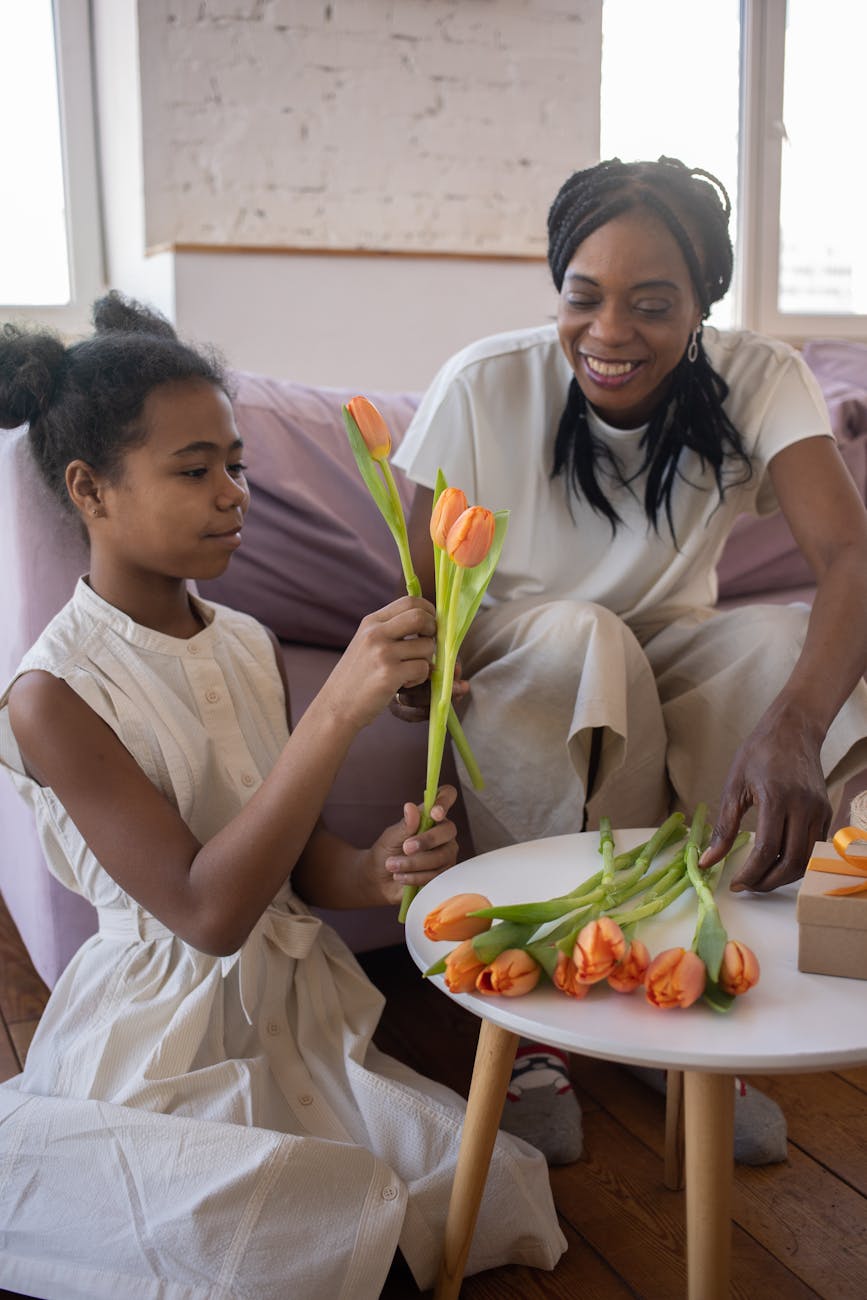
Older women, the charge begins with you. You are called by the Most High to lead the younger women with holiness, dignity, and reverence both for your husbands and for God Almighty. Your lives are to be living epistles, examples of faithfulness and godly character, instructing the next generation in the ways of righteousness. Your speech, your conduct, and even your silence should teach them how to love well, how to honor their covenant in marriage, how to walk in purity, and how to live in a way that magnifies the name of the Lord. The apostle Paul declares in Titus 2:3–5 (KJV) that you must be “in behaviour as becometh holiness,” not given to gossip or excess, but “teachers of good things.” The task before you is sacred — to guide the younger women in loving their husbands, raising their children in the fear of the Lord, and establishing homes that glorify Him.
The call for older women to teach younger women is not merely a cultural suggestion but a divine mandate rooted in Scripture. Titus 2:3–5 (KJV) states, “The aged women likewise, that they be in behaviour as becometh holiness, not false accusers, not given to much wine, teachers of good things; That they may teach the young women to be sober, to love their husbands, to love their children, To be discreet, chaste, keepers at home, good, obedient to their own husbands, that the word of God be not blasphemed.” This passage establishes an intergenerational covenant of wisdom, where mature women guide younger women in the art of godly living. Such teaching preserves family order, strengthens marriages, and nurtures communities rooted in faith.
The instruction to “love their husbands” begins with an understanding that love in marriage is not merely emotional but covenantal. Love is demonstrated through patience, respect, submission, and mutual care (Ephesians 5:22–25, KJV). Older women, having walked through seasons of difficulty, are equipped to counsel younger wives on perseverance during trials and to model forgiveness as a daily practice. This form of love reflects the love of Christ for the church, which is selfless and enduring (John 13:34–35, KJV).
Teaching younger women to love their children includes cultivating an atmosphere of nurture, discipline, and spiritual instruction. Proverbs 22:6 (KJV) commands, “Train up a child in the way he should go: and when he is old, he will not depart from it.” Older mothers can mentor younger mothers in balancing correction with compassion, avoiding harshness while maintaining consistent boundaries. They pass down practical wisdom in child-rearing that integrates spiritual guidance with daily life.
The call to sobriety is both literal and figurative. It points to living with a sound mind, exercising self-control, and avoiding extremes. Sobriety is essential in decision-making, in speech, and in emotional responses. Younger women, who may be more prone to impulsivity, benefit from mentorship that encourages spiritual discipline and emotional maturity (1 Peter 5:8, KJV). Older women can testify to the dangers of recklessness and model calmness even under pressure.
The biblical directive to dress modestly is another key area of mentorship. 1 Timothy 2:9–10 (KJV) admonishes women to adorn themselves “in modest apparel, with shamefacedness and sobriety; not with broided hair, or gold, or pearls, or costly array; But (which becometh women professing godliness) with good works.” Modesty does not negate beauty but places emphasis on inward character over outward display. Older women can guide younger women away from vanity and toward presenting themselves with dignity, reflecting holiness in their appearance.
Discretion is a virtue that requires training, as it is tied to wisdom and timing. To be discreet means to know when to speak and when to remain silent, to handle information responsibly, and to walk with humility (Proverbs 11:22, KJV). Younger women benefit from learning discretion, as it preserves marriages, friendships, and reputations. Older women have often learned through experience the dangers of gossip, rash speech, and indiscretion, making their counsel invaluable.
Being “keepers at home” is a command that affirms the value of homemaking and stewardship. This does not diminish a woman’s intelligence or worth but elevates her role as the heart of the household. Proverbs 31 (KJV) presents the virtuous woman as industrious, wise, and diligent in caring for her family. Older women can teach practical skills such as budgeting, meal preparation, and maintaining a peaceful environment, empowering younger women to see the home as a place of ministry.
Chastity, or sexual purity, remains a cornerstone of biblical womanhood. Hebrews 13:4 (KJV) declares, “Marriage is honourable in all, and the bed undefiled: but whoremongers and adulterers God will judge.” Older women help younger women uphold marital faithfulness, resist temptation, and maintain integrity in thought and action. In a culture that promotes promiscuity, mentorship provides accountability and reinforcement of godly values.
Pleasing one’s husband is not an act of servitude but an expression of love and respect. 1 Corinthians 7:3–4 (KJV) reminds couples that they have mutual obligations to one another, including physical intimacy and emotional support. Older women can demystify intimacy for younger wives, teaching them that sexuality in marriage is holy and designed by God for unity and delight (Song of Solomon 4:9–10, KJV).
Loving the Most High is the foundation upon which all other teachings rest. Deuteronomy 6:5 (KJV) commands, “And thou shalt love the LORD thy God with all thine heart, and with all thy soul, and with all thy might.” Without a strong relationship with God, efforts to love husband and children may falter. Older women can mentor younger women in prayer, fasting, Bible study, and worship, ensuring that their spiritual foundation remains firm.
In addition to these qualities, older women can teach the younger to cultivate patience. James 1:4 (KJV) exhorts believers, “But let patience have her perfect work, that ye may be perfect and entire, wanting nothing.” Marriage and motherhood often require waiting—waiting for growth, waiting for change, waiting for God to answer prayers. Mentorship provides encouragement during seasons of waiting.
Humility is another virtue critical to a woman’s spiritual development. 1 Peter 5:5 (KJV) says, “Yea, all of you be subject one to another, and be clothed with humility.” Older women, who have endured seasons of both pride and humiliation, are equipped to model what it means to submit to God’s will and to walk without arrogance. Humility preserves unity in the home and prevents contention.
Faithfulness must also be imparted to the next generation. Proverbs 20:6 (KJV) asks, “Most men will proclaim every one his own goodness: but a faithful man who can find?” Younger women must learn faithfulness not just in marriage but in their commitments, friendships, and service to God. Mentors demonstrate this faithfulness through consistency and reliability.
Hospitality is a trait encouraged in Scripture, and older women can guide younger women in opening their homes for fellowship, prayer meetings, and acts of kindness. Romans 12:13 (KJV) commands, “Distributing to the necessity of saints; given to hospitality.” Hospitality fosters community and creates an atmosphere where younger women can practice generosity and service.
Teaching younger women about stewardship is also vital. Luke 16:10 (KJV) reminds us that “He that is faithful in that which is least is faithful also in much.” Managing time, finances, and resources wisely prevents strife and promotes peace in the home. Older women can share practical insights from their own successes and mistakes.
Prayer is the lifeline of every believer, and younger women must be instructed to develop a vibrant prayer life. Philippians 4:6 (KJV) says, “Be careful for nothing; but in every thing by prayer and supplication with thanksgiving let your requests be made known unto God.” Mentorship in prayer strengthens faith and brings direction during times of confusion.
Older women also play a crucial role in teaching conflict resolution. Matthew 5:9 (KJV) declares, “Blessed are the peacemakers: for they shall be called the children of God.” Learning how to handle disagreements with gentleness and wisdom can preserve marriages and friendships. Seasoned women who have learned from years of relational challenges can impart strategies for reconciliation.
Another key area is teaching the younger to control their speech. Proverbs 18:21 (KJV) warns, “Death and life are in the power of the tongue.” Words can build or destroy, heal or wound. Mentorship trains younger women to use speech for edification and to avoid murmuring, complaining, and tearing others down.
Teaching gratitude is essential for contentment. 1 Thessalonians 5:18 (KJV) commands, “In every thing give thanks: for this is the will of God in Christ Jesus concerning you.” Gratitude transforms attitudes and fosters joy even in difficult seasons. Older women can lead by example, showing how thanksgiving invites God’s presence.
Mentoring younger women in courage is also necessary. Joshua 1:9 (KJV) exhorts believers to “be strong and of a good courage.” Life brings adversity, but courage allows a woman to endure hardships with faith and dignity. Mentors can inspire bravery through their testimonies of overcoming trials.
Another area often overlooked is teaching younger women financial prudence. Proverbs 31:16 (KJV) shows the virtuous woman engaging in wise investment and stewardship. Older women can guide younger ones on avoiding debt, living within their means, and preparing for the future without fear.
Mentorship must also address emotional regulation. Proverbs 16:32 (KJV) states, “He that is slow to anger is better than the mighty.” Older women can teach younger women how to manage anger, sadness, and anxiety through prayer, Scripture, and healthy coping strategies, thus avoiding destructive patterns.
Teaching forgiveness is central to healing and reconciliation. Colossians 3:13 (KJV) urges believers to forgive as Christ forgave. Older women who have practiced forgiveness can model this to younger women, preventing bitterness from taking root and destroying relationships.
Mentoring younger women in evangelism and service ensures that they fulfill the Great Commission (Matthew 28:19–20, KJV). Older women can encourage younger ones to witness through lifestyle and speech, bringing glory to God and expanding His Kingdom.
Finally, older women must teach the younger to endure persecution and remain steadfast in faith. 2 Timothy 3:12 (KJV) says, “Yea, and all that will live godly in Christ Jesus shall suffer persecution.” Encouragement from mature women strengthens younger women to hold fast to their convictions even in a culture hostile to biblical values.
When older women faithfully teach the younger women, entire households are fortified, and the Word of God is honored. This intergenerational mentorship fulfills God’s design for family, strengthens the church, and produces women who reflect Christ in every aspect of their lives.
References
- The Holy Bible, King James Version (KJV): Titus 2:3–5; Ephesians 5:22–25; John 13:34–35; Proverbs 22:6; 1 Peter 5:8; 1 Timothy 2:9–10; Proverbs 11:22; Proverbs 31; Hebrews 13:4; 1 Corinthians 7:3–4; Song of Solomon 4:9–10; Deuteronomy 6:5; James 1:4; 1 Peter 5:5; Proverbs 20:6; Romans 12:13; Luke 16:10; Philippians 4:6; Matthew 5:9; Proverbs 18:21; 1 Thessalonians 5:18; Joshua 1:9; Proverbs 31:16; Proverbs 16:32; Colossians 3:13; Matthew 28:19–20; 2 Timothy 3:12.
Discover more from THE BROWN GIRL DILEMMA
Subscribe to get the latest posts sent to your email.
 THE BROWN GIRL DILEMMA