
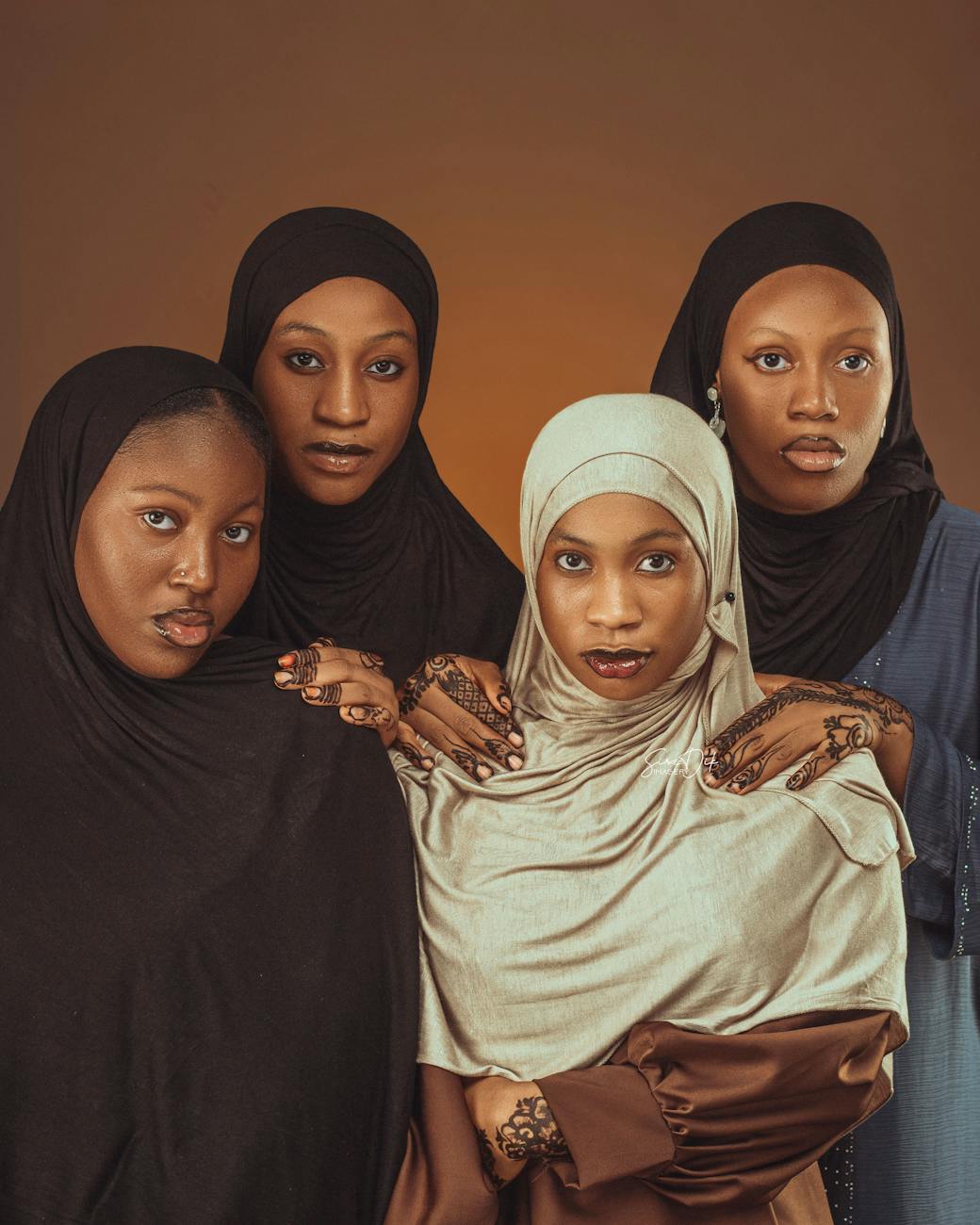
Skin color has long been a marker of identity, social status, and beauty across different societies. Brown skin, in particular, carries diverse meanings depending on cultural context, geography, and history. While some cultures celebrate it as a symbol of strength, resilience, and beauty, others have historically stigmatized it due to colonial legacies and colorism. Understanding how brown skin is valued globally requires examining the intersections of race, class, gender, and historical narratives.
Africa: A Celebration of Melanin
In many African cultures, brown and dark skin are celebrated as markers of ancestry, heritage, and vitality. Proverbs such as the Ghanaian saying, “The sun shines differently on every face, but melanin glows forever” highlight the cultural pride in darker skin tones. Within African aesthetics, melanin is associated with natural beauty, strength, and divine creation. Despite the presence of colorism influenced by colonialism, Pan-African movements and cultural pride campaigns—such as “Black is Beautiful”—have reaffirmed the inherent worth of brown skin.
South Asia: Colorism and Fairness Ideals
In South Asian cultures, particularly in India, Pakistan, and Bangladesh, colonialism and caste systems have contributed to a preference for lighter skin. Fair skin has often been associated with beauty, higher social class, and marriage prospects. The booming skin-lightening industry, led by products like “Fair & Lovely,” reflects these ideals. However, contemporary movements such as Dark Is Beautiful (renamed India’s Skin, I Am In) challenge these norms, reclaiming brown skin as beautiful and resisting Eurocentric standards.
The Middle East: Shades of Honor and Heritage
In the Middle East, skin tone has historically varied across regions due to trade, migration, and climate. Brown skin often signifies heritage connected to the desert sun and Bedouin ancestry. In Arab poetry and Islamic traditions, descriptions of “wheat-colored” or “bronze” skin are viewed as beautiful and natural. However, globalization has introduced Western media influences that sometimes favor lighter complexions, leading to similar struggles with colorism.
Latin America: Mestizaje and Identity
In Latin American societies, brown skin is linked to indigenous and African ancestry. The ideology of mestizaje (racial and cultural mixing) positions brownness as a common marker of national identity, yet also creates hierarchies privileging lighter mestizo or white-passing individuals. In countries like Brazil, where Afro-Brazilian identity is strong, movements such as Negra Linda and Orgulho Negro (Black Pride) celebrate brown and dark skin as symbols of cultural resistance and pride.
The Caribbean: Resistance and Reclamation
Caribbean cultures, shaped by African heritage and colonial histories, have a complex relationship with skin tone. Brown skin has often been viewed as the middle ground in colonial color hierarchies—lighter than African-descended slaves but darker than European colonizers. However, reggae music, Rastafarian culture, and Afro-Caribbean pride movements have redefined brown skin as a symbol of resistance against colonial oppression. Bob Marley’s global influence helped position brown and dark skin as powerful representations of dignity and freedom.
Western Societies: From Exoticism to Empowerment
In Western countries, particularly the United States and Europe, brown skin has historically been marginalized through racism and colorism. At the same time, tanned skin among white populations became fashionable in the 20th century, symbolizing leisure and wealth. This contradiction reveals the hypocrisy of valuing artificially darkened skin while discriminating against naturally brown and Black people. Today, cultural icons like Naomi Campbell, Lupita Nyong’o, and Adut Akech challenge Eurocentric beauty ideals by redefining global standards of beauty.
The Bible and Spiritual Perspectives
Biblical references also affirm brown and dark skin as part of divine creation. The Song of Solomon (1:5, KJV) declares: “I am black, but comely, O ye daughters of Jerusalem”—a verse that affirms the beauty of dark and brown skin. Throughout scripture, skin is not framed as a deficiency but as part of God’s diverse design of humanity, offering a spiritual affirmation against color-based discrimination.
Psychological Dimensions of Skin Tone
Psychologically, the way cultures perceive brown skin impacts self-esteem and social mobility. In societies where lighter skin is favored, individuals with brown skin often internalize feelings of inferiority, leading to skin-lightening practices and self-rejection. Conversely, in cultures where melanin is celebrated, brown skin fosters pride, resilience, and a sense of belonging. Scholars like Dr. Margaret Hunter (2007) argue that colorism operates as a “second-tier” form of racism, shaping opportunities based not just on race, but on gradations of skin tone.
References
- Hunter, M. (2007). The persistent problem of colorism: Skin tone, status, and inequality. Sociology Compass, 1(1), 237–254.
- Glenn, E. N. (2008). Yearning for lightness: Transnational circuits in the marketing and consumption of skin lighteners. Gender & Society, 22(3), 281–302.
- Opie, T., & Phillips, K. W. (2015). Hair penalties: The negative influence of Afrocentric hair on ratings of Black women’s professionalism. Frontiers in Psychology, 6, 1311.
- Rosette, A. S., & Dumas, T. L. (2007). The hair dilemma: Conform to mainstream expectations or emphasize racial identity? Duke Journal of Gender Law & Policy, 14(1), 407–421.
- Song of Solomon 1:5, King James Version (KJV).
- Telles, E. E. (2014). Race in another America: The significance of skin color in Brazil. Princeton University Press.
Discover more from THE BROWN GIRL DILEMMA
Subscribe to get the latest posts sent to your email.
 THE BROWN GIRL DILEMMA