
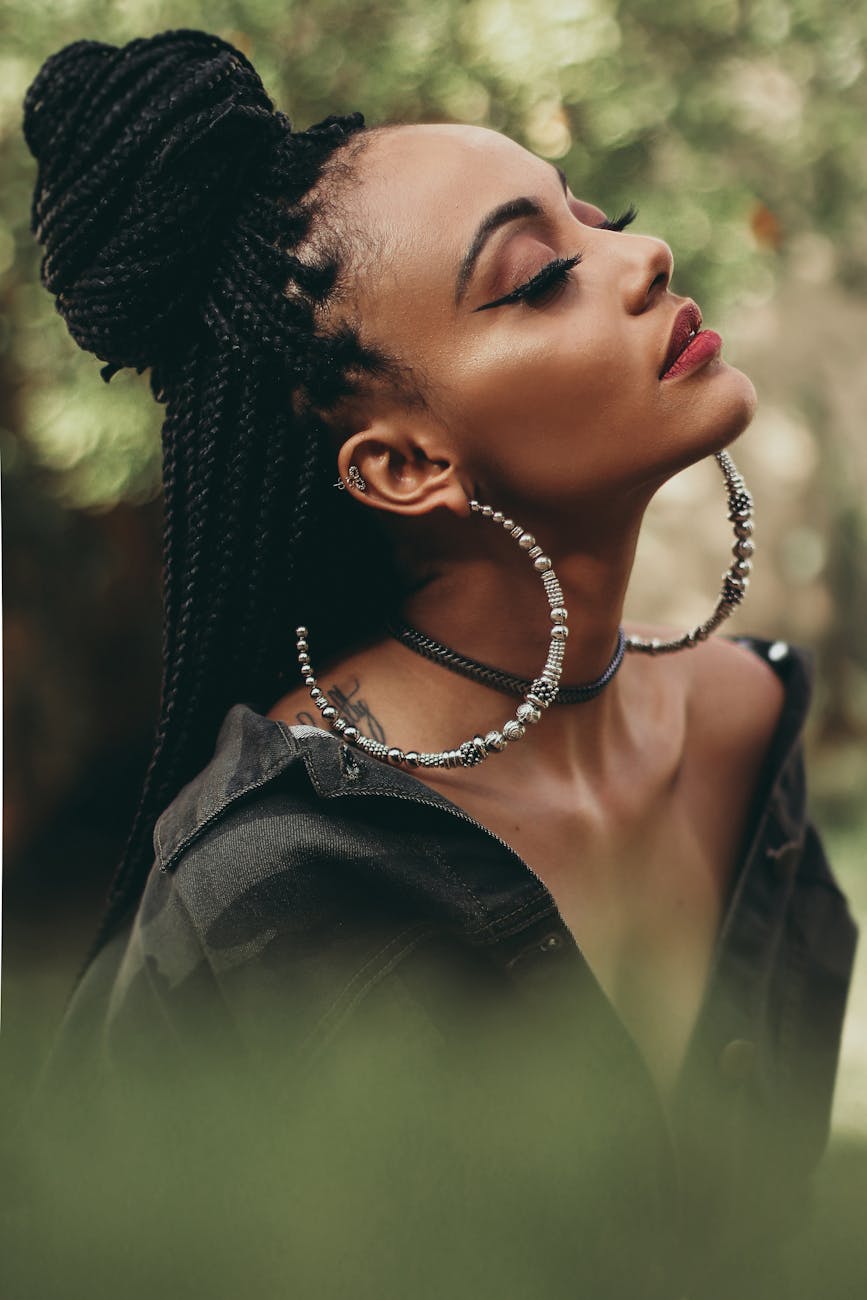
The lived experience of brown-skinned women is defined by a complex interplay of struggle and resilience. Across cultures and histories, brown girls navigate spaces that often undervalue or misrepresent their beauty, intellect, and worth. Yet, within these struggles lies extraordinary strength—a capacity to endure, redefine identity, and assert agency. “Shades of Struggle, Shades of Strength” captures this duality, recognizing both the oppression brown girls face and the power they embody in resisting it.
Historical Roots of the Brown Girl Experience
The challenges brown girls face are deeply rooted in history. Colonialism, slavery, and European conquest imposed hierarchies that privileged whiteness while marginalizing darker skin tones (Hunter, 2007). In the Americas, lighter-skinned enslaved women were often given preferential treatment over darker-skinned women, establishing a system of internalized hierarchy. These legacies persist, influencing perceptions of beauty, competence, and social worth for brown-skinned women today.
Colorism as a Source of Struggle
Colorism—the preferential treatment of lighter skin over darker tones—is central to the brown girl experience. It manifests in education, employment, media, and social relationships. Brown girls often internalize these biases, navigating self-esteem challenges and societal pressure to conform to Eurocentric ideals of beauty. Understanding colorism as both systemic and internalized is key to unpacking the struggles brown girls face.
Stereotypes and Hyper-Visibility
Brown girls are frequently subject to stereotypes that shape societal expectations. They are hyper-visible in media as objects of sexualization, exoticism, or anger, while simultaneously underrepresented in positions of power and influence (Collins, 2000). This duality creates tension: their bodies and identities are scrutinized, yet their voices and talents are marginalized.
Media Representation and Its Limitations
Media plays a pivotal role in the brown girl experience. Television, film, and advertising have historically favored lighter-skinned women, marginalizing darker skin tones and perpetuating narrow standards of beauty. Even when brown girls are represented, tokenism and stereotype reinforce limitations rather than authentic affirmation. Visibility without empowerment compounds the struggle rather than alleviates it.
Family and Community Pressures
Family and community expectations further complicate the brown girl experience. Cultural norms often elevate lighter skin as more desirable in social, professional, and marital contexts. Brown girls grow up navigating these pressures, balancing cultural identity with the desire for acceptance, which can create internal conflict and self-doubt.
Educational and Professional Challenges
In academic and professional spheres, brown girls may experience marginalization, tokenism, or bias based on skin tone. Their contributions may be undervalued, and their presence scrutinized more intensely than peers. These experiences foster resilience, as brown girls learn to navigate systems of exclusion while asserting their competence and authority.
Spiritual Foundations of Strength
Faith and spirituality provide a counterbalance to societal bias. Biblical texts affirm the inherent value of brown skin and character. In Song of Solomon 1:5, the woman declares, “I am black, but comely” (KJV), asserting that beauty is not contingent on skin tone. Psalm 139:14 reinforces that all humans are “fearfully and wonderfully made,” offering spiritual grounding that nurtures confidence and strength.
Cultural Expression as Empowerment
Brown girls draw strength from cultural heritage, including language, art, music, and traditions. Expressing identity through these channels affirms value and counters narratives that marginalize or diminish their experiences. Cultural pride becomes a source of resilience, transforming struggle into a celebration of identity.
Intersectionality and Compounded Struggles
The brown girl experience is shaped by intersecting systems of oppression, including race, gender, and class. Darker-skinned girls often encounter compounded challenges in navigating educational access, employment opportunities, and social mobility. Recognizing intersectionality is crucial to understanding the full scope of struggles and strategies for empowerment.
Representation as a Tool of Resistance
Representation, when authentic, becomes a powerful tool for resistance. Brown girls who see themselves reflected in media, politics, and leadership roles are inspired to embrace their identity and challenge societal expectations. Figures such as Lupita Nyong’o, Issa Rae, and Michelle Obama exemplify how visibility can transform struggle into a source of collective strength.
Mental Health and Resilience
The psychological toll of colorism, discrimination, and societal bias is significant. Brown girls often experience anxiety, depression, and identity conflicts due to persistent scrutiny and marginalization (Monk, 2014). Developing resilience requires both personal strategies—such as mentorship and self-affirmation—and systemic changes in representation and opportunity.
Hair and Aesthetic Politics
Hair, skin, and body aesthetics are central to the brown girl experience. Natural hair movements, melanin-positive campaigns, and diverse beauty standards challenge restrictive norms, allowing girls to reclaim their physical identity. Strength emerges when brown girls embrace features historically devalued or stigmatized, turning aesthetics into affirmation rather than limitation.
Mentorship and Community Support
Mentorship and supportive communities provide essential reinforcement. Guidance from older women, peer networks, and cultural organizations empowers brown girls to navigate systemic challenges and build confidence. Community affirmation counters isolation, transforming struggle into shared resilience.
Activism and Advocacy
Engagement in social justice and advocacy further strengthens brown girls. By challenging colorism, bias, and misrepresentation, they assert agency and create pathways for future generations. Advocacy transforms personal struggle into collective action, amplifying voices historically silenced.
Education and Awareness
Education about historical oppression, colorism, and social hierarchies equips brown girls with knowledge and context. Awareness fosters critical thinking and empowers girls to resist internalized biases, cultivate self-worth, and redefine standards of beauty and success on their own terms.
Digital Spaces and Empowerment
Social media provides platforms for empowerment, storytelling, and connection. Campaigns like #MelaninMagic, #BrownSkinGirlMagic, and #BlackGirlJoy enable girls to celebrate identity, share experiences, and form supportive networks. Digital visibility transforms struggle into collective affirmation and reinforces resilience.
Family Narratives and Generational Healing
Intergenerational narratives influence the brown girl experience. Families that acknowledge colorism, celebrate brown skin, and affirm cultural heritage contribute to healing cycles of internalized bias. Generational affirmation strengthens identity and fosters enduring confidence.
Spiritual Practice and Identity Formation
Spiritual practice reinforces confidence and resilience. Prayer, meditation, and engagement with scriptural affirmation nurture self-worth and counter societal pressures. Spiritual grounding enables brown girls to navigate struggle with perspective, purpose, and clarity.
Toward Holistic Confidence
Confidence emerges from a combination of self-awareness, community support, cultural affirmation, and spiritual grounding. By addressing both systemic and personal dimensions of the brown girl dilemma, girls can transform struggle into strength, reclaiming identity and agency.
Conclusion: Celebrating Shades of Strength
The brown girl experience is defined by both struggle and resilience. While colorism, bias, and societal pressure create challenges, brown girls embody strength in resistance, representation, and reclamation of identity. By embracing heritage, cultivating confidence, and asserting agency, brown girls redefine the narrative: they are not victims of society’s standards but architects of their own empowerment, turning shades of struggle into enduring shades of strength.
References
- Collins, P. H. (2000). Black feminist thought: Knowledge, consciousness, and the politics of empowerment. Routledge.
- Hunter, M. (2007). The persistent problem of colorism: Skin tone, status, and inequality. Sociology Compass, 1(1), 237–254.
- Monk, E. P. (2014). Skin tone stratification among Black Americans, 2001–2003. Social Forces, 92(4), 1313–1337.
- Thompson, C. (1996). Black women, beauty, and hair as a matter of being. Women’s Studies, 25(6), 667–678.
- The Holy Bible, King James Version.
Discover more from THE BROWN GIRL DILEMMA
Subscribe to get the latest posts sent to your email.
 THE BROWN GIRL DILEMMA