
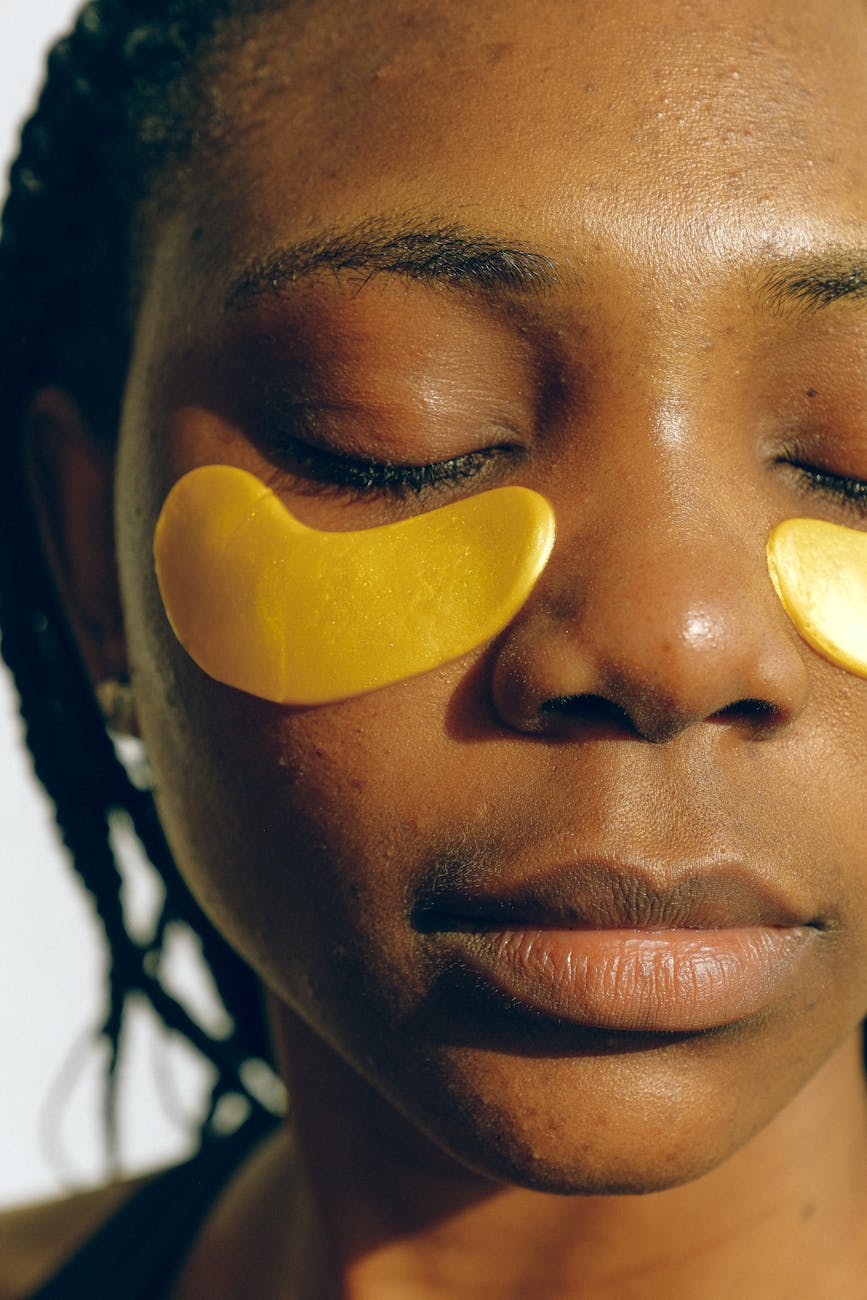
Self-care is a vital practice for overall well-being, yet Black women often face unique social, cultural, and systemic stressors that make self-care both essential and challenging. Between navigating racial discrimination, gendered expectations, and community responsibilities, prioritizing one’s mental, emotional, and physical health is a radical act of empowerment (Beauboeuf-Lafontant, 2009).
Unique Challenges for Black Women
Black women frequently encounter intersectional stressors:
- Racism and Microaggressions: Daily experiences of bias and subtle discrimination impact mental health and resilience (Sue et al., 2007).
- The Strong Black Woman Schema: Cultural expectation to remain strong, self-sufficient, and emotionally resilient can lead to neglect of personal well-being (Watson & Hunter, 2016).
- Generational and Community Pressures: Black women often carry familial responsibilities, further increasing stress and burnout.
Core Self-Care Strategies
1. Mental and Emotional Self-Care
- Therapy and Counseling: Engage with culturally competent professionals to process experiences of stress, trauma, and racialized pressures.
- Mindfulness and Meditation: Practices such as journaling, prayer, and deep-breathing exercises reduce stress and improve emotional regulation.
- Setting Boundaries: Learning to say no and protecting personal energy is critical for sustaining well-being.
2. Physical Self-Care
- Nutrition and Exercise: Balanced diets and regular physical activity strengthen both body and mind.
- Sleep and Rest: Prioritizing adequate rest supports cognitive and emotional functioning.
- Skincare and Hair Care: Engaging in grooming rituals promotes self-esteem and self-respect, particularly in navigating Eurocentric beauty pressures.
3. Spiritual Self-Care
- Faith Practices: Prayer, scripture reading, and church community engagement can provide strength, hope, and purpose (Chatters et al., 2008).
- Reflection and Gratitude: Regular reflection on blessings and achievements nurtures resilience.
4. Social Self-Care
- Community and Peer Support: Connecting with supportive friends, family, or affinity groups reduces isolation and builds emotional resilience.
- Mentorship and Sisterhood: Sharing experiences with other Black women fosters solidarity and empowerment.
5. Professional and Lifestyle Self-Care
- Work-Life Balance: Manage workloads, advocate for fair treatment, and create boundaries at work.
- Hobbies and Leisure: Engaging in creative, cultural, or recreational activities provides joy and replenishment.
Self-Care Toolkit for Black Women
1. Mental & Emotional Health
- Therapy & Counseling: Seek culturally competent therapists to process stress and trauma.
- Mindfulness & Meditation: Daily journaling, prayer, or deep-breathing exercises.
- Set Boundaries: Learn to say no; protect your energy.
- Affirmations: Speak life and encouragement into your day.
2. Physical Health
- Exercise: Move your body—walk, yoga, dancing, or gym workouts.
- Nutrition: Prioritize balanced meals and hydration.
- Sleep: Aim for 7–9 hours nightly.
- Grooming Rituals: Skincare, hair care, and hygiene practices as self-love acts.
3. Spiritual Health
- Prayer & Scripture: Daily connection with God for guidance and strength.
- Faith Community: Engage with supportive church or fellowship groups.
- Reflection & Gratitude: Record blessings and victories to nurture resilience.
4. Social Health
- Community Support: Build a circle of friends, family, or mentors.
- Sisterhood: Join Black women’s networks or support groups.
- Celebrate Wins Together: Share accomplishments and milestones with trusted allies.
5. Professional & Lifestyle
- Work-Life Balance: Set boundaries to prevent burnout.
- Hobbies & Creativity: Engage in arts, crafts, reading, or music for joy.
- Financial Wellness: Budget, save, and plan for financial independence.
- Self-Reflection: Regularly evaluate your goals and achievements.
6. Quick Daily Practices
- Morning prayer or meditation
- Five-minute gratitude journal
- Short walk or stretch
- Compliment or affirm yourself in the mirror
- One act of kindness for yourself or others
Reminder: Self-care is not selfish—it is essential for sustaining your mental, physical, spiritual, and emotional well-being. It is also a form of empowerment and resistance against systemic pressures that often undervalue Black women’s needs.
Psychological and Cultural Significance
Psychologists emphasize that self-care enhances resilience, reduces stress, and strengthens identity, particularly in populations facing systemic oppression (Watson & Hunter, 2016). For Black women, self-care is an act of resistance against cultural and societal pressures that often undervalue their needs.
Conclusion
Self-care is not selfish—it is a holistic practice of empowerment, resilience, and faith for Black women. By nurturing the mind, body, spirit, and social connections, Black women cultivate the strength to thrive, sustain relationships, and pursue their purpose, even amidst systemic and societal challenges.
References
- Beauboeuf-Lafontant, T. (2009). Strong and large: The identity politics of Black women’s experiences of strength. Signs: Journal of Women in Culture and Society, 34(2), 309–334.
- Chatters, L. M., Taylor, R. J., Jackson, J. S., & Lincoln, K. D. (2008). Religious coping among African Americans, Caribbean Blacks and non-Hispanic Whites. Journal of Community Psychology, 36(3), 371–386.
- Sue, D. W., Capodilupo, C. M., Torino, G. C., Bucceri, J. M., Holder, A. M., Nadal, K. L., & Esquilin, M. (2007). Racial microaggressions in everyday life: Implications for clinical practice. American Psychologist, 62(4), 271–286.
- Watson, N. N., & Hunter, C. D. (2016). Anxiety and the strong Black woman: A theory of racialized emotional suppression in Black women. Clinical Psychology Review, 49, 106–120.
Discover more from THE BROWN GIRL DILEMMA
Subscribe to get the latest posts sent to your email.
 THE BROWN GIRL DILEMMA