
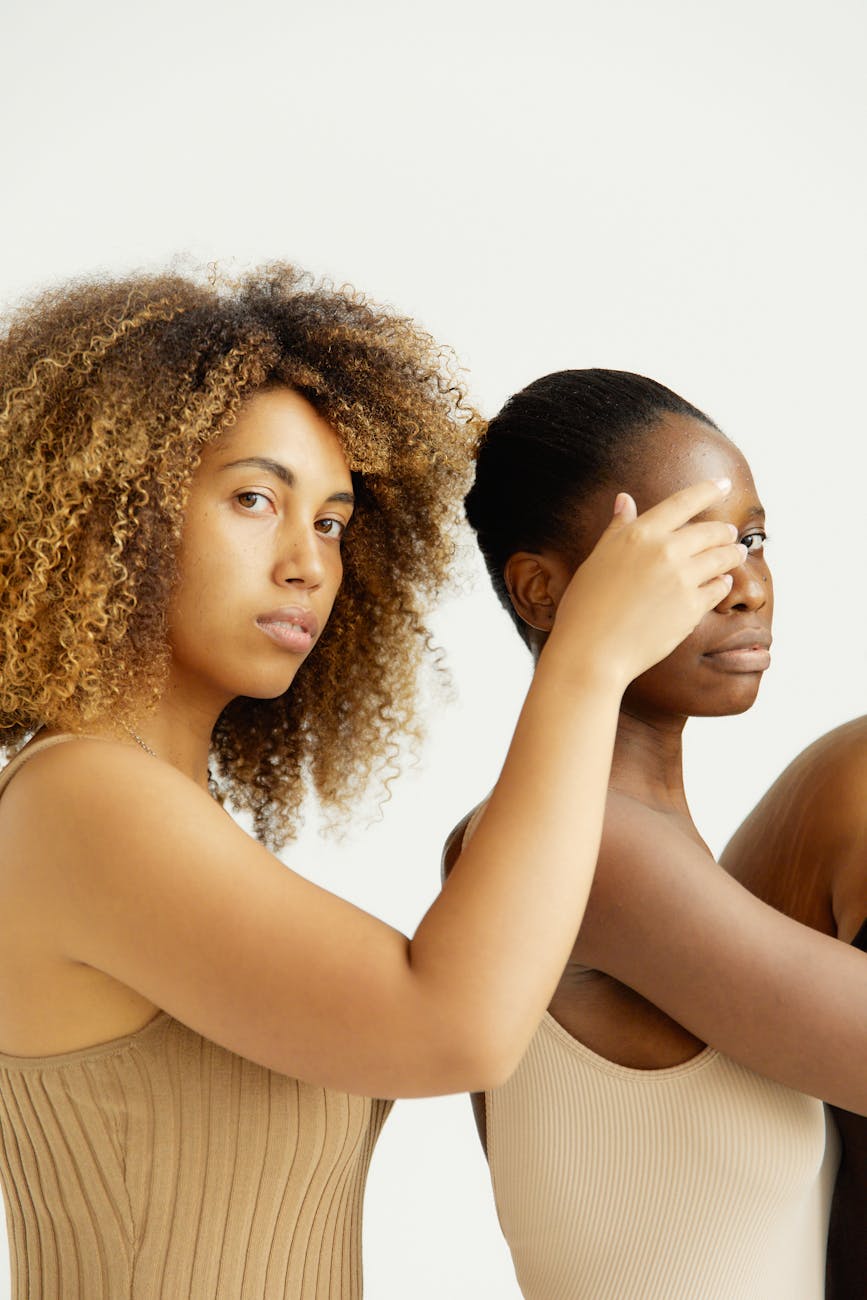
Representation in media is more than entertainment—it shapes perception, identity, and self-worth. For decades, Black and brown complexions were underrepresented or misrepresented in film, television, advertising, and fashion. This lack of visibility reinforced narrow standards of beauty, contributing to societal biases and internalized colorism. Today, however, a new wave of media celebrates diverse skin tones, offering inspiration, empowerment, and validation for communities long denied visibility.
The Power of Representation
Seeing oneself reflected in media matters psychologically. Representation validates identity and reinforces confidence, especially for young viewers developing self-image (Hunter, 2007). Diverse portrayals of Black and brown individuals challenge monolithic beauty standards and affirm that every shade is worthy of recognition. From deep espresso to light caramel, seeing a spectrum of complexions on screen signals inclusion, possibility, and brilliance.
Trailblazers and Visibility
Actors, models, and influencers are at the forefront of this celebration. Figures like Lupita Nyong’o, Viola Davis, Adut Akech, Michaela Coel, and Zendaya have not only achieved global recognition but also embraced their natural complexions, challenging traditional beauty norms. Their visibility communicates that Black and brown skin is elegant, powerful, and versatile—worthy of leading roles, magazine covers, and high fashion campaigns.
Black, Brown, and Brilliant: A Visual Guide to Diverse Complexions in Media
1. Deep Espresso
- Description: Rich, dark brown skin, exuding depth and elegance.
- Notable Figures: Lupita Nyong’o, Viola Davis, Idris Elba
- Impact: Challenges Eurocentric beauty norms, exemplifies strength, talent, and sophistication.
2. Chocolate Brown
- Description: Warm, velvety brown tones, versatile and radiant.
- Notable Figures: Naomi Campbell, Gabrielle Union, Morris Chestnut
- Impact: Redefines glamour and high fashion, highlights the allure of melanin-rich skin.
3. Caramel Glow
- Description: Medium brown with golden undertones, radiant and luminous.
- Notable Figures: Saana Lathan, Kerry Washington, Janelle Monáe
- Impact: Bridges cultural representation, symbolizing versatility and modern elegance.
4. Light Café au Lait
- Description: Subtle, warm beige-brown tones, soft and luminous.
- Notable Figures: Rihanna, Halle Berry, Tracee Ellis Ross
- Impact: Celebrates lighter brown shades often underrepresented, emphasizing diversity within brown skin.
5. Almond Radiance
- Description: Light brown with subtle golden hues, delicate yet striking.
- Notable Figures: Michaela Coel, Lupita Tsimba, Issa Rae
- Impact: Highlights understated beauty, inspiring confidence and self-love in lighter brown skin tones.
Impact on Audience and Society
Media representation shapes both self-perception and societal perception. Studies show that positive portrayals of darker complexions reduce internalized colorism and foster pride (Russell, Wilson, & Hall, 1992). Furthermore, diverse media challenges audiences to reconsider ingrained biases, broadening definitions of beauty beyond Eurocentric ideals. This cultural shift benefits not only Black and brown communities but society as a whole, promoting inclusivity and equity.
Challenges and Progress
Despite improvements, challenges remain. Colorism persists in casting, advertising, and editorial choices, often privileging lighter brown skin over deeper tones. Moreover, stereotypical roles continue to limit the portrayal of multidimensional Black and brown characters. Continued advocacy, visibility, and media literacy are crucial for sustaining progress and celebrating every shade authentically.
Cultural and Psychological Significance
Celebrating diverse complexions is also a celebration of heritage, history, and resilience. Skin tone carries ancestral significance and embodies cultural pride. Psychologically, embracing one’s natural complexion fosters confidence, reduces anxiety related to appearance, and strengthens identity (Hunter, 2007). Media that reflects these truths reinforces self-love, empowerment, and a sense of belonging.
Conclusion
Black, brown, and brilliant: these words are more than descriptors—they are declarations. Media that celebrates diverse complexions not only empowers individuals but reshapes cultural narratives about beauty, value, and potential. Every shade represents resilience, creativity, and brilliance. By honoring and amplifying these voices, stories, and faces, media becomes a platform for empowerment, inspiration, and societal transformation.
References
- Hunter, M. (2007). The Persistent Problem of Colorism: Skin Tone, Status, and Inequality. Sociology Compass, 1(1), 237–254.
- Russell, K., Wilson, M., & Hall, R. E. (1992). The Color Complex: The Politics of Skin Color in a New Millennium. Anchor Books.
Discover more from THE BROWN GIRL DILEMMA
Subscribe to get the latest posts sent to your email.
 THE BROWN GIRL DILEMMA