
A vision of sophistication with a dancer’s poise and an actress’s emotional depth, Jasmine Guy captivated audiences and helped redefine the image of the modern Black woman on television.

With regal poise, luminous beauty, and a voice that blended Southern charm with artistic sophistication, Jasmine Guy became one of television’s most unforgettable “It Girls,” captivating audiences with intelligence, elegance, and multi-talented artistry.
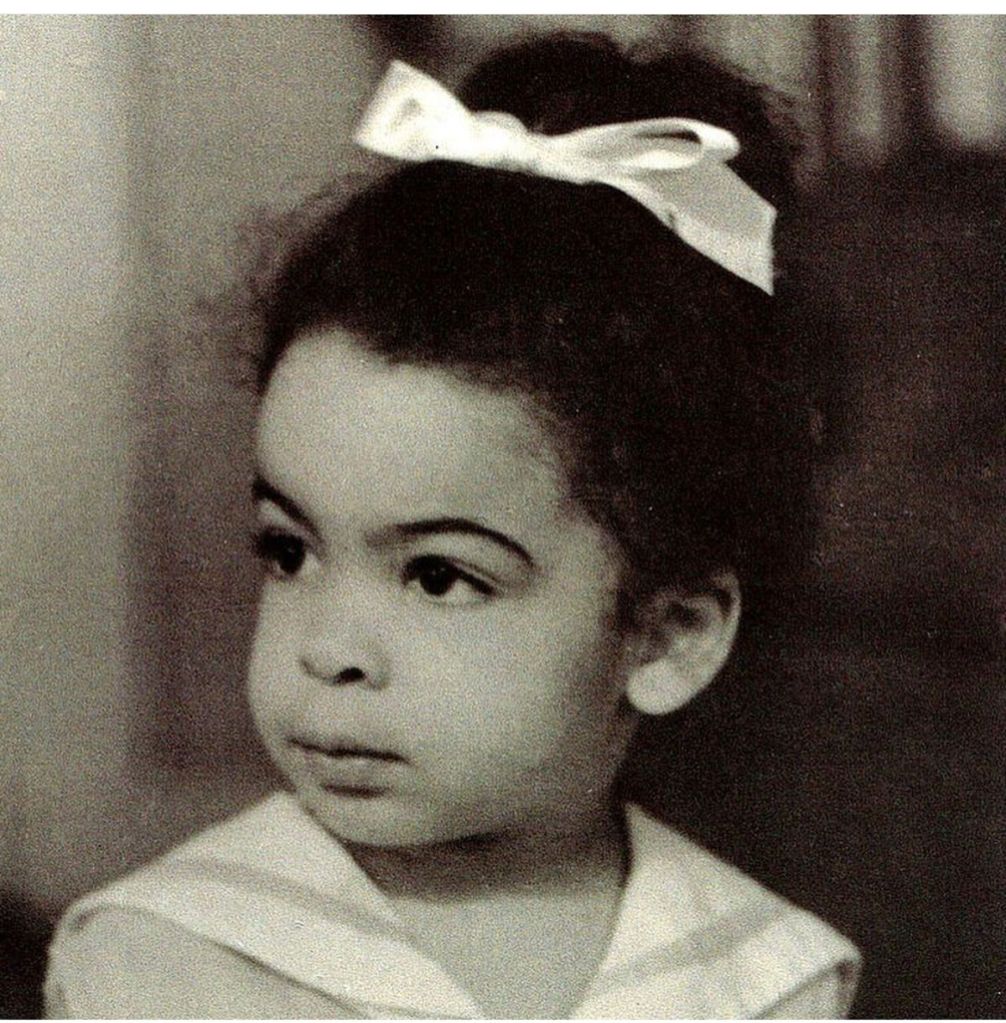
Jasmine Guy was born on March 10, 1962, in Boston, Massachusetts, but she was primarily raised in Atlanta, Georgia. She grew up in a culturally rich and intellectually stimulating household. Her father, William Guy, was an African American Baptist minister and professor of philosophy and religion who served as pastor of the historic Friendship Baptist Church in Atlanta. Her mother, Jaye Rudolph, was a Portuguese-American high school teacher. Growing up in a biracial household exposed Jasmine Guy to diverse cultural influences that shaped her worldview and artistic identity. Raised in the historic Collier Heights neighborhood—one of Atlanta’s first affluent Black communities—Guy was surrounded by educators, professionals, and leaders who emphasized excellence and achievement.
From childhood, Guy displayed remarkable artistic ability. She sang in the church choir where her father preached, developing a love for music and performance at an early age. She later attended Northside Performing Arts High School in Atlanta, where her talents in dance, theater, and singing began to flourish. Determined to pursue a professional career in the arts, she moved to New York City at age seventeen to study dance at the prestigious Alvin Ailey American Dance Theater school. This rigorous training refined her technical abilities and prepared her for a career in entertainment that would span television, film, music, and theater.
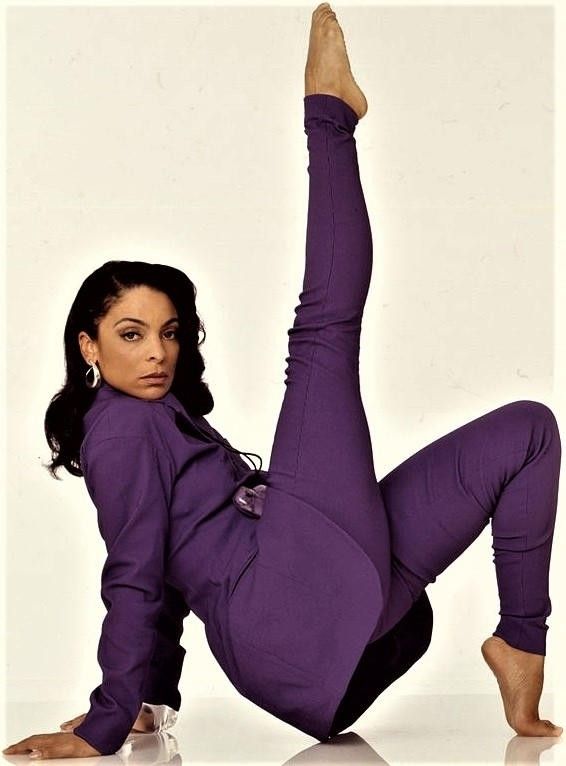
Guy’s professional career began in the early 1980s when she appeared as a dancer on the television series Fame in 1982. Though a small role, it marked her official entry into the entertainment industry. She soon began performing in stage productions and appeared in the Broadway musical revival of The Wiz in 1984. Her work in theater helped her develop the triple-threat talent—acting, singing, and dancing—that would define her career.
Her major breakthrough came in 1987 when she was cast as Whitley Gilbert on the NBC sitcom A Different World, a spin-off of The Cosby Show. Whitley Gilbert was a wealthy Southern debutante attending the fictional historically Black Hillman College. The character quickly became one of the most iconic figures on television due to her dramatic personality, distinctive Southern accent, impeccable fashion sense, and complex emotional development. Initially portrayed as a privileged socialite, Whitley evolved into a thoughtful and independent woman over the course of the show’s six seasons from 1987 to 1993. Guy’s performance made the character unforgettable and cemented her place in television history. Her portrayal resonated with audiences, particularly Black viewers, who saw a sophisticated and multidimensional representation of young Black womanhood.
Guy’s work on A Different World brought her significant recognition. She won four NAACP Image Awards for Outstanding Lead Actress in a Comedy Series, reflecting both her acting talent and the cultural impact of the show. The series itself became an influential program that highlighted historically Black colleges and universities, inspiring many young viewers to pursue higher education.
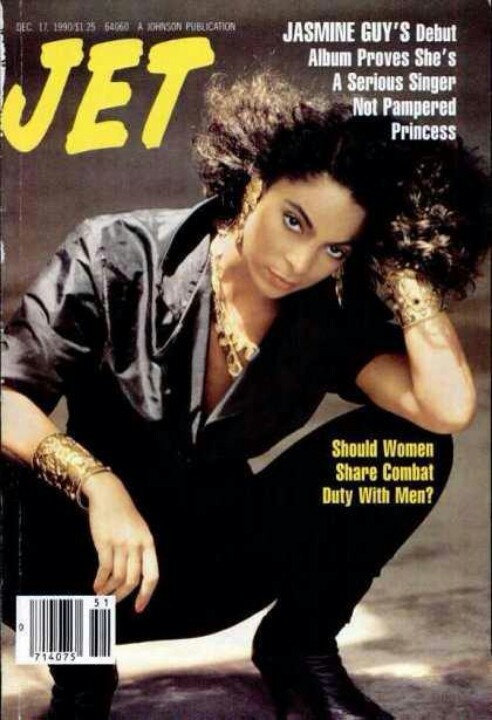
At the height of her television fame, Guy expanded her artistic career into music. In 1990, she released her self-titled debut album Jasmine Guy through Warner Bros. Records. The album blended R&B, pop, and new jack swing, a sound popular during the early 1990s. It produced several singles, including “Try Me,” “Another Like My Lover,” and “Just Want to Hold You.” The song “Another Like My Lover” became her biggest hit, reaching the Top 10 on the Billboard R&B chart. Though she did not pursue a long-term recording career, the album demonstrated her versatility as an entertainer and further enhanced her public image as a multi-talented performer.
Alongside her television success, Guy built a notable film career. One of her earliest film roles was in School Daze (1988), directed by Spike Lee. The film explored issues of colorism and social identity within Black college culture, and Guy’s role as Dina contributed to the movie’s cultural commentary. She later appeared in Harlem Nights (1989), starring alongside Eddie Murphy and Richard Pryor. Her film work also included voice acting in the animated film Cats Don’t Dance (1997).
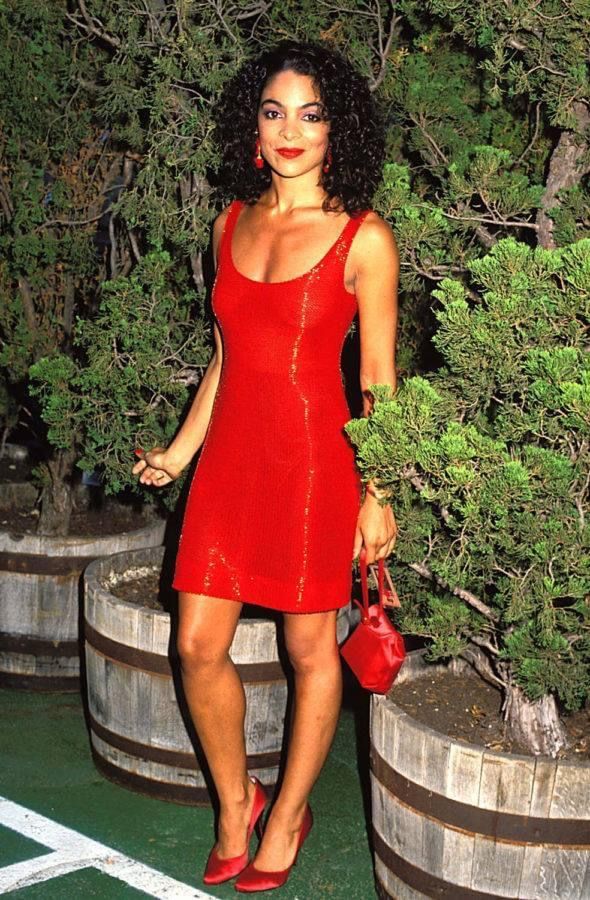
Guy continued appearing in numerous television projects throughout the 1990s and 2000s. Her television credits include guest roles in The Fresh Prince of Bel-Air, Dead Like Me, and the supernatural drama The Vampire Diaries. Her continued presence on television demonstrated her longevity as an actress and her ability to adapt to new genres and audiences. In addition to acting, Guy worked behind the scenes as a director and choreographer, further expanding her influence in the entertainment industry.
Beyond performing, Jasmine Guy is also an accomplished writer. In 2004, she authored the biography Afeni Shakur: Evolution of a Revolutionary, chronicling the life of activist Afeni Shakur, the mother of legendary rapper Tupac Shakur. Guy had been a close friend of Tupac and worked closely with Afeni Shakur to document her experiences as a member of the Black Panther Party and a social activist.
In her personal life, Guy married Terrence Duckett in 1998. The couple welcomed a daughter, Imani Guy Duckett, in 1999. After approximately ten years of marriage, Guy and Duckett divorced in 2008. Following the divorce, she returned to Atlanta, where she continued acting while focusing on raising her daughter and participating in local theater and cultural projects.
Throughout her career, Jasmine Guy has received numerous honors and recognitions. In addition to her NAACP Image Awards, she received critical acclaim for her stage performances and later earned a Daytime Emmy Award in 2023 for her work in the short-form series Chronicles of Jessica Wu. The recognition demonstrated the lasting relevance of her talent decades after her breakthrough role.

Jasmine Guy became an “It Girl” because she represented the rare combination of beauty, intelligence, artistic versatility, and cultural significance. Her elegant appearance, expressive voice, and commanding presence made her unforgettable, while her portrayal of Whitley Gilbert defined an era of Black television. The character’s memorable lines, emotional depth, and iconic romance with Dwayne Wayne remain among the most beloved moments in sitcom history.
More than just a television star, Jasmine Guy symbolizes the power of multidimensional Black artistry. Actress, singer, dancer, author, and director, she built a career that reflects both creativity and resilience. Her influence continues to resonate with audiences who grew up watching A Different World and with new generations discovering her work. In the legacy of Black entertainment icons, Jasmine Guy stands as a timeless example of the grace, intellect, and talent that define a true “It Girl.”
References
BlackPast.org. (2016). Jasmine Guy.
IMDb. (2024). Jasmine Guy Biography and Filmography.
The Famous People. (2024). Jasmine Guy Biography.
Billboard. (1990). R&B Chart History – Jasmine Guy.
Wikipedia contributors. (2024). Jasmine Guy.
Wikipedia contributors. (2024). Jasmine Guy (album).
Discover more from THE BROWN GIRL DILEMMA
Subscribe to get the latest posts sent to your email.
 THE BROWN GIRL DILEMMA