
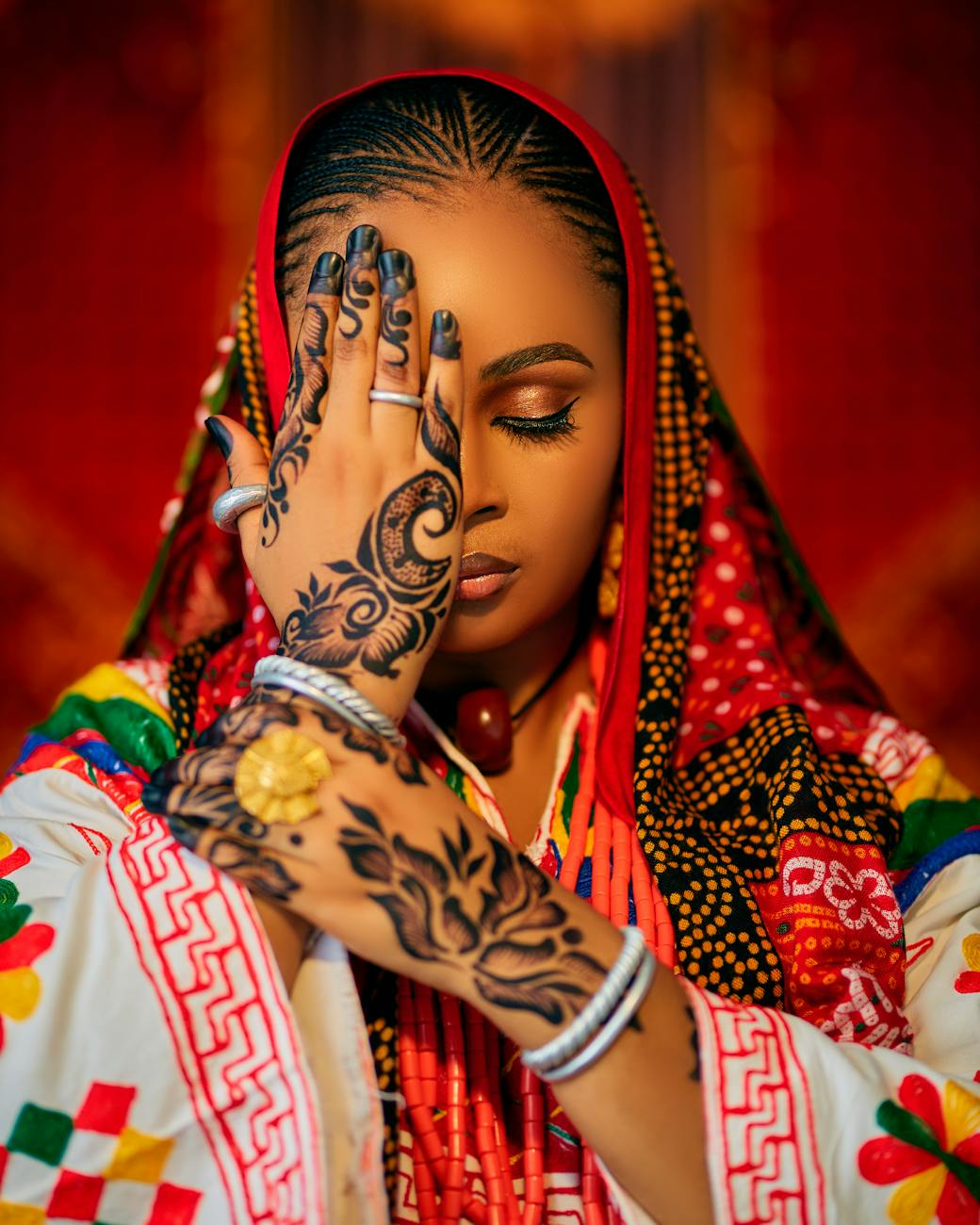
Beauty is more than skin deep—it is inseparable from identity, heritage, and cultural pride. Across history, communities have celebrated aesthetic features that reflect ancestral lineage, values, and collective experience. In this sense, cultural pride becomes an intrinsic component of beauty, shaping both self-perception and how others perceive us. Understanding this relationship illuminates the power of identity in cultivating confidence, resilience, and self-worth.
The Interplay of Identity and Perception
Psychological research highlights that individuals who embrace their cultural heritage experience enhanced self-esteem and body image (Phinney, 1990). When identity is acknowledged and celebrated, aesthetic features are interpreted not merely as physical traits but as expressions of history, values, and belonging. For example, Black and brown individuals who take pride in natural hair, melanin-rich skin, or traditional attire often report greater confidence and satisfaction with appearance.
Embodying Heritage: Real-Life Examples of Cultural Pride in Beauty
Cultural pride transforms beauty into a declaration of identity. Across the African diaspora, Black and brown individuals are redefining aesthetic standards by embracing heritage, natural features, and traditional expressions of self. These examples demonstrate how cultural pride enhances confidence, shifts societal perception, and inspires future generations.
1. Lupita Nyong’o – Embracing Natural Skin and Hair
Lupita Nyong’o’s public celebration of her dark, melanin-rich skin and natural hair textures has challenged Hollywood’s narrow beauty standards. She frequently speaks about the importance of representation, affirming that embracing one’s authentic look is empowering. Her presence has inspired young women worldwide to take pride in their natural hair and skin, validating beauty in shades historically marginalized by media.
2. Tracee Ellis Ross – Championing Cultural Hairstyles
Tracee Ellis Ross is known for embracing and showcasing her natural hair in all its textures. From voluminous curls to intricate protective styles, she elevates cultural hairstyles as symbols of heritage and individuality. By owning her aesthetic, she communicates that cultural features are not just personal but political—empowering others to express identity confidently.
3. Adut Akech – Bridging Heritage and Fashion
Model Adut Akech, of South Sudanese heritage, has made waves in the fashion industry while proudly representing her culture. Through runway appearances, editorials, and advocacy, she demonstrates that heritage and beauty are intertwined, proving that embracing cultural roots does not limit opportunities but instead amplifies presence and influence.
4. Michaela Coel – Authentic Storytelling and Visibility
Michaela Coel, the writer and actress behind I May Destroy You, brings cultural pride into storytelling and media representation. Her unapologetic approach to her identity and appearance fosters authenticity on screen, encouraging audiences to appreciate beauty as inseparable from lived experience, heritage, and personal narrative.
5. Rihanna – Integrating Heritage into Style
Rihanna incorporates Caribbean and African influences into her fashion, makeup, and entrepreneurial ventures. By celebrating her roots in visible ways—through Fenty Beauty’s inclusive makeup lines and culturally inspired styling—she demonstrates that embracing heritage enhances both personal beauty and global influence.
The Psychological and Social Impact
These individuals illustrate that cultural pride enhances self-perception and confidence. Studies show that when individuals see public figures embracing heritage and natural features, it reduces internalized colorism and validates diverse expressions of beauty (Hunter, 2007). Socially, such visibility challenges stereotypes and broadens cultural definitions of attractiveness.
Cultural Pride as a Form of Empowerment
Embracing one’s cultural markers is an act of empowerment. Historically marginalized groups have faced pressure to conform to dominant beauty norms—often Eurocentric standards that devalue natural features. By reclaiming these features as symbols of pride, communities assert self-worth and challenge societal bias. Figures like Lupita Nyong’o, Tracee Ellis Ross, and Adut Akech exemplify how cultural pride and identity elevate perceived beauty on global stages.
Influence on Social Perception
Cultural pride also shapes how others perceive beauty. When individuals present themselves confidently while honoring heritage—through hairstyles, fashion, or traditional practices—it signals authenticity, strength, and self-assurance. Research in social psychology shows that observers are more likely to perceive confident, culturally-grounded individuals as attractive, competent, and influential (Tajfel & Turner, 1986). Thus, beauty is not solely an individual attribute but a social signal of identity and pride.
Historical and Spiritual Contexts
Cultural pride and aesthetic appreciation are intertwined with history and spirituality. In African and diasporic communities, features such as skin tone, hair texture, and attire carry ancestral significance, reflecting resilience and continuity. Biblically, beauty is affirmed in relation to identity and creation (Song of Solomon 1:5 KJV: “I am black, but comely, O ye daughters of Jerusalem”). Recognizing the sacredness of one’s heritage enhances self-esteem and reframes beauty as a celebration of identity rather than conformity.
Practical Steps to Embrace Cultural Beauty
- Educate Yourself: Learn about the historical and cultural significance of your aesthetic traits.
- Celebrate Heritage: Incorporate cultural fashion, hairstyles, and practices into daily life.
- Engage Community: Share experiences and support others in embracing their identity.
- Challenge Bias: Advocate for inclusive representation in media, education, and professional spaces.
- Affirm Daily: Use positive affirmations to reinforce the connection between cultural pride and beauty.
Conclusion
Cultural pride transforms beauty from a superficial attribute into a multidimensional expression of identity. By embracing heritage, individuals cultivate confidence, inspire admiration, and challenge societal biases. Beauty is thus inseparable from identity: it is cultural, historical, and spiritual. Owning one’s heritage, celebrating uniqueness, and expressing it boldly ensures that perception—both self and societal—aligns with authenticity, pride, and brilliance. Cultural pride is a transformative force in defining beauty. Figures like Lupita Nyong’o, Tracee Ellis Ross, Adut Akech, Michaela Coel, and Rihanna exemplify how embracing heritage, natural features, and identity can shape perception—both personally and societally. Beauty rooted in cultural pride is not superficial; it is resilient, empowering, and a declaration of authenticity. By celebrating heritage, we cultivate confidence, inspire representation, and redefine what it means to be truly beautiful.
References
- Phinney, J. S. (1990). Ethnic identity in adolescents and adults: Review of research. Psychological Bulletin, 108(3), 499–514.
- Tajfel, H., & Turner, J. C. (1986). The social identity theory of intergroup behavior. In S. Worchel & W. G. Austin (Eds.), Psychology of intergroup relations (pp. 7–24). Chicago: Nelson-Hall.
- The Holy Bible, King James Version. (1611). Song of Solomon 1:5.
Hunter, M. (2007). The Persistent Problem of Colorism: Skin Tone, Status, and Inequality. Sociology Compass, 1(1), 237–254.
The Holy Bible, King James Version. (1611). Song of Solomon 1:5.
Discover more from THE BROWN GIRL DILEMMA
Subscribe to get the latest posts sent to your email.
 THE BROWN GIRL DILEMMA